
This Tiny Arkansas Town Delivers Old-School Charm, Homemade Fudge, And Front-Porch Hospitality
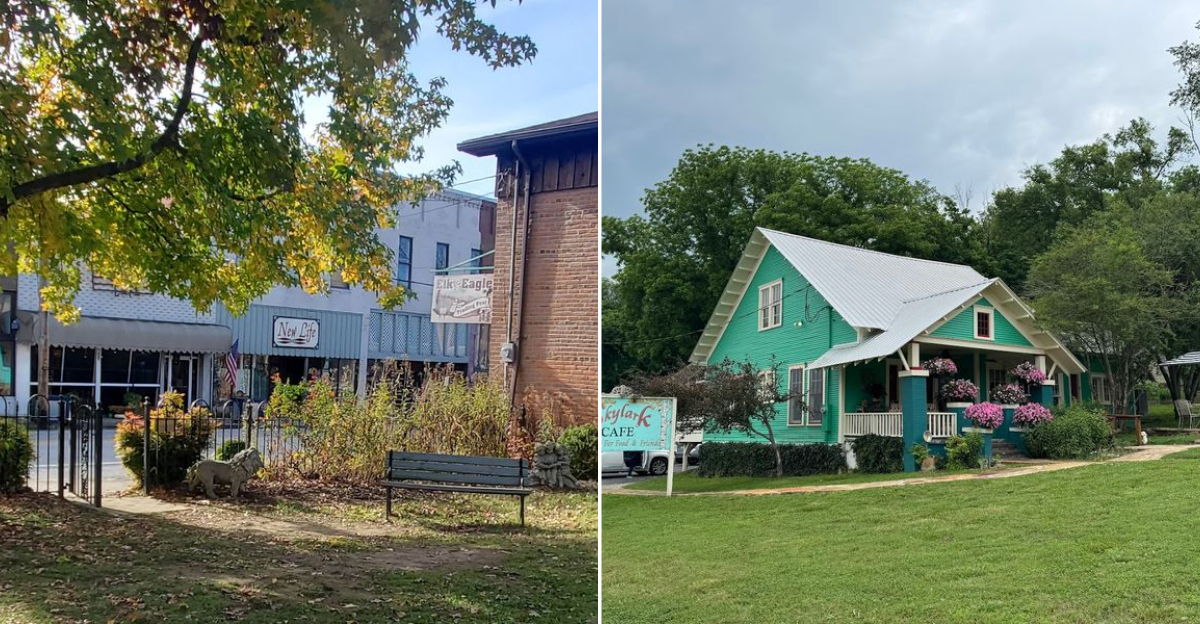
I realized this Arkansas town was different the minute I rolled onto its main street and eased off the gas. Nobody seemed in a hurry.
A couple of rocking chairs moved gently on a wide porch, and someone down the block waved like we’d already met. The first thing that really caught my attention was the smell.
Sweet, rich fudge drifting out of an old candy counter right along the street. I wandered into the shop “just to look” and ended up chatting with the person behind the counter for ten minutes.
That’s how things go here. People talk.
Strangers become familiar pretty quickly. The café keeps the coffee coming, and the pie case never seems empty.
The downtown still looks much like it probably did decades ago. Brick buildings, old signs, and a few porches where folks sit and watch the afternoon pass.
I only planned to stop for a short visit, but this place makes it surprisingly easy to linger.
Brick Storefronts And A Classic Small-Town Main Street
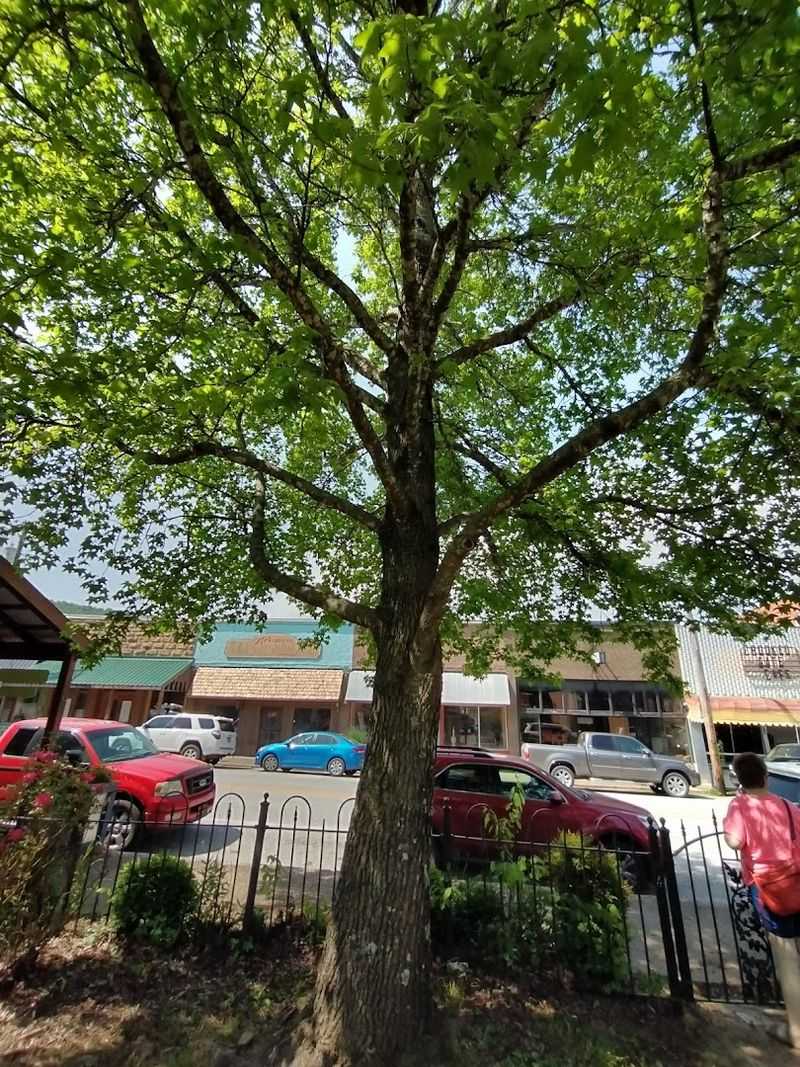
Walking down the main street here feels like stepping onto a film set, except nothing about it is staged.
The brick storefronts have stood for well over a century, their facades carrying the kind of honest wear that only real use and real weather can produce.
Mortar lines run slightly uneven in places, and the window frames show layers of old paint, each one a quiet record of a different decade.
I spent nearly an hour just moving from storefront to storefront, reading faded signs and peering through glass at shelves that somehow still looked like they belonged to another era.
The street itself stays genuinely quiet most of the day, with only a handful of cars passing and the occasional screen door announcing someone stepping out for a moment.
There are no chain stores competing for attention here, and that absence makes the whole block feel surprisingly peaceful.
Local shop owners sometimes sit outside on wooden chairs, not really waiting for customers but just enjoying the morning. That relaxed rhythm sets the tone for everything else you will discover in Leslie.
A Beloved Café Serving Scratch-Made Pies
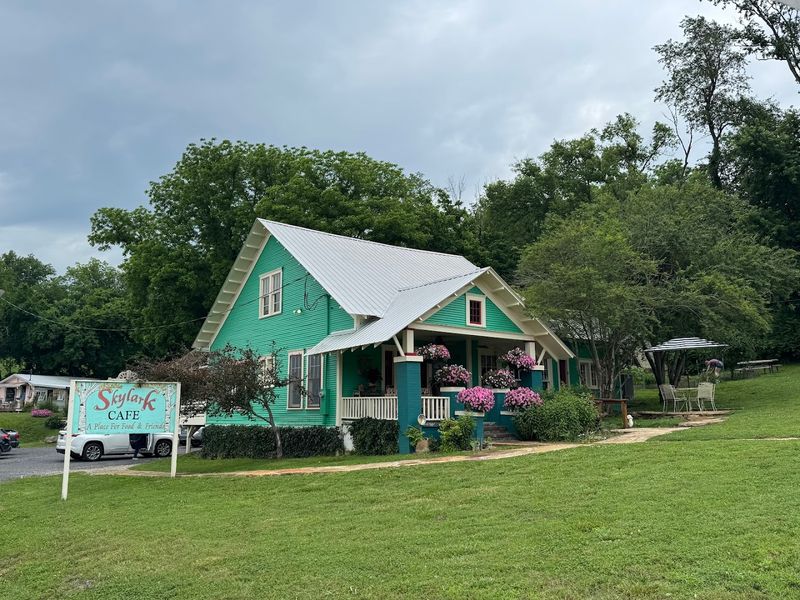
The Skylark Café sits in a beautifully restored early-1900s Craftsman-style home in downtown Leslie, and the second you walk through that front door, you understand why people drive out of their way to eat here.
Exposed brick fireplaces anchor the main rooms, and the vintage décor does not feel like a design choice so much as a natural continuation of the building itself.
Scratch-made pies are the headliner on the menu, and I made the mistake of arriving hungry enough to seriously consider ordering two slices before my sandwich even arrived.
The soups are generously seasoned and served in portions that suggest the kitchen genuinely wants you to leave satisfied rather than just technically fed.
Sandwiches arrive stacked in a way that makes you wonder briefly how you are supposed to approach them, and then you stop wondering and just commit.
Every detail of the meal felt considered, from the fresh ingredients to the unhurried pace of service.
Regulars here treat the Skylark less like a restaurant and more like a comfortable room they return to whenever the week needs softening.
Candy Counters Filled With Homemade Fudge
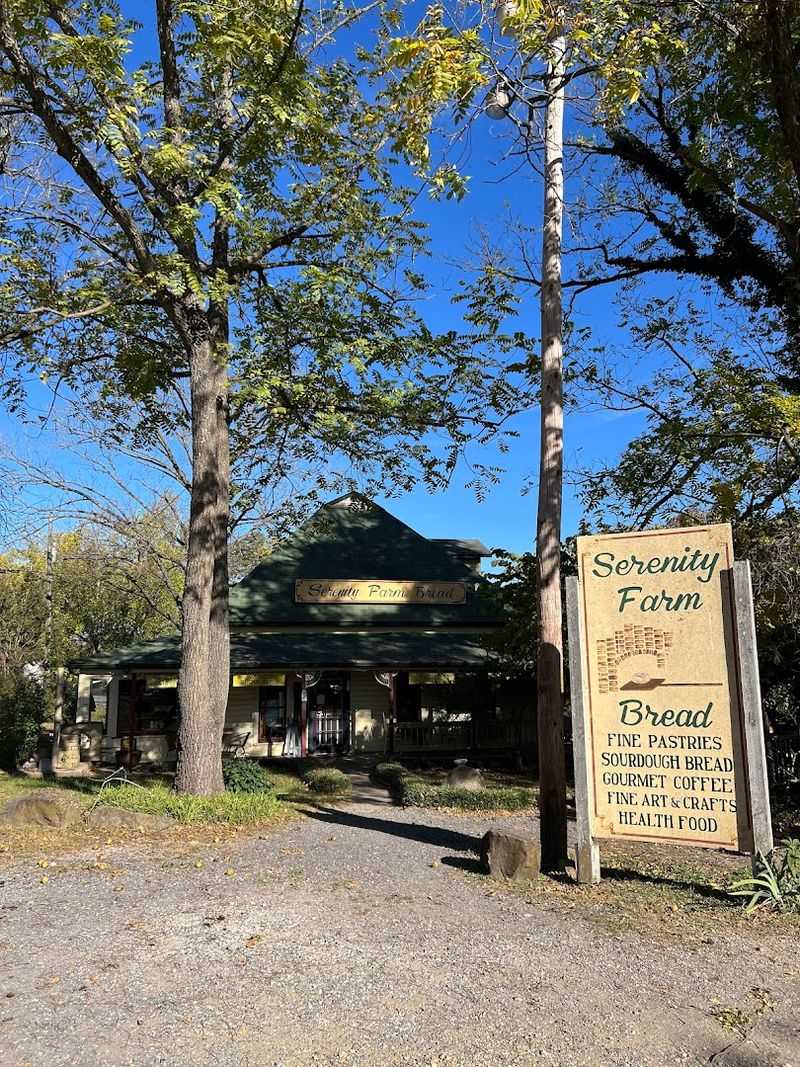
There is something almost unreasonably satisfying about a candy counter that still operates on the principle that more is more.
In towns like this, small shops and cafés often keep trays of homemade fudge and other old-fashioned sweets near the register, cut into thick squares and wrapped in wax paper. The batches are usually made the slow way, which means every piece carries a slightly different character depending on the day it was prepared.
I picked up a chocolate walnut square that had just enough give when I pressed it gently through the wrapper, and I knew before tasting it that it was going to be the kind of thing I would regret not buying more of. The flavors rotate depending on the season, and locals seem to have strong opinions about which version is the definitive one, a debate I found charming rather than exhausting.
Beyond fudge, the counters often feature other house-made treats that reflect the surrounding region’s culinary traditions.
Buying candy here is not a quick transaction so much as a small social moment, with the person behind the counter usually happy to explain what is fresh and what sold out yesterday.
Plan to linger, because it’s the kind of place that makes you want to stay awhile.
Restored Ozark Buildings From The Early 1900s
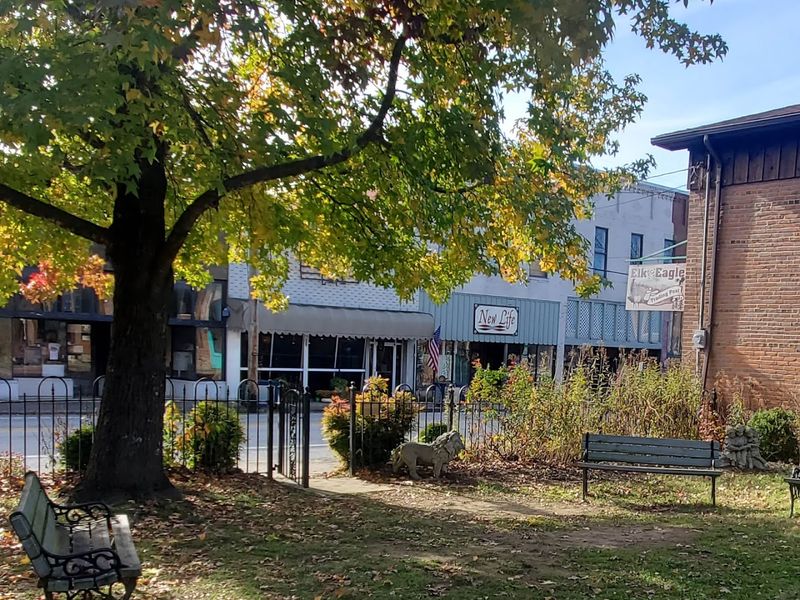
Founded originally as Wiley’s Cove and renamed in 1887, this community grew steadily through the railroad and lumber industries, and the buildings that survive from that era carry that industrious energy in their bones.
Walking past a restored structure from the early 1900s here is not just a visual experience but almost a physical one, because the craftsmanship is dense and deliberate in a way that modern construction rarely achieves.
Several historic homes and commercial buildings still stand along the streets surrounding downtown, with tall ceilings, hardwood floors, and the kind of presence that makes you want to slow down and actually look rather than just glance.
During the town’s early twentieth-century peak, the population was significantly larger than it is today, supported by the railroad, lumber operations, and the stave mills that once produced barrels for shipping goods throughout the region.
That industrial history gives the architecture a certain practical sturdiness that decorative styles of the same period often lack.
Restoration efforts have kept many of these buildings in active use rather than museum-like suspension.
Antique stores and small businesses now occupy spaces that once hummed with entirely different kinds of commerce.
Porches, Flower Gardens, And Friendly Waves
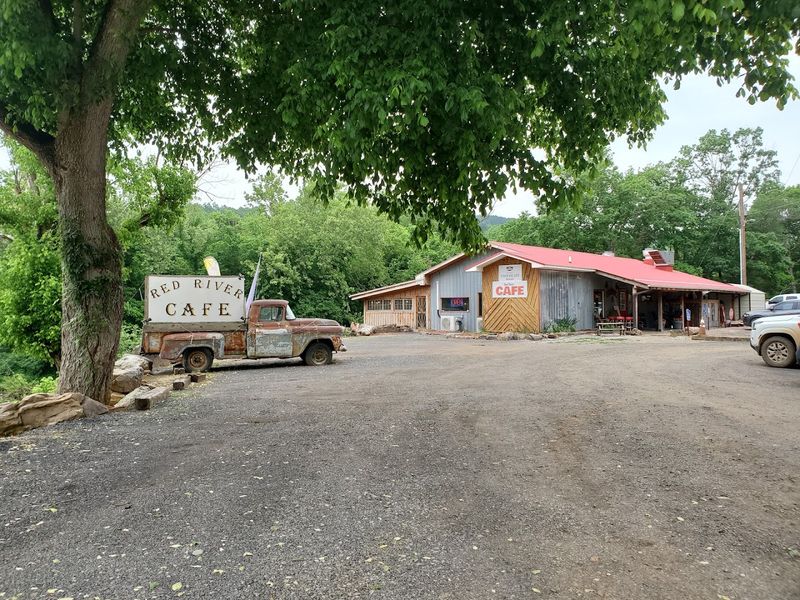
Some places perform hospitality, and some places simply practice it without thinking twice, and this community falls firmly into the second category.
Front porches here are not decorative features but functional ones, occupied by actual people who actually sit in them and actually wave at whoever passes by.
I noticed on my first walk through the residential streets that nearly every interaction, even brief eye contact from across a yard, came with a nod or a raised hand that felt completely natural rather than performative.
The flower gardens are another quiet source of pride, with beds running along porch railings and down fence lines in arrangements that suggest genuine care rather than seasonal obligation.
Zinnias, black-eyed Susans, and climbing roses seem to be particular favorites, and in the right season the whole neighborhood carries a low floral scent that makes even a short walk feel like a deliberate pleasure.
Residents here seem to understand intuitively that a well-kept porch and a maintained garden send a message to anyone passing by, essentially saying that this block is looked after and that you are welcome here.
That message lands clearly every single time.
Scenic Mountain Backroads Beyond Downtown
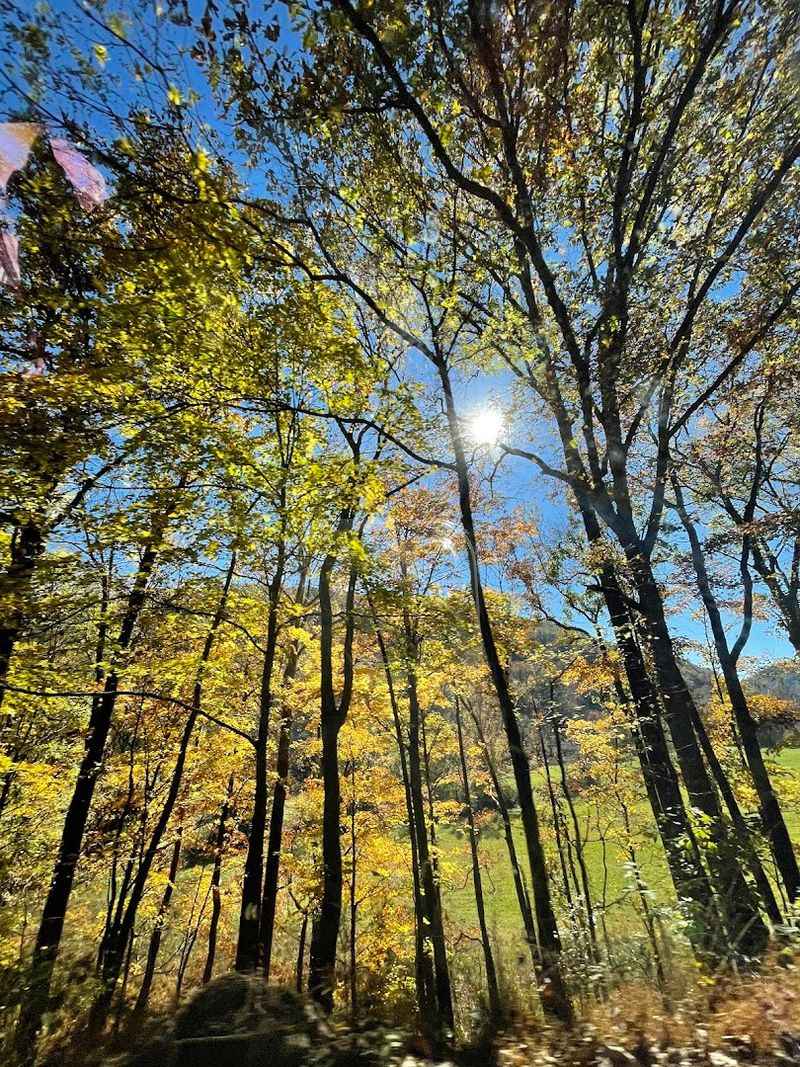
Once you have covered the downtown blocks, the surrounding landscape starts making a quiet but persistent case for your attention.
The Boston Mountains, the most rugged section of the Ozarks, press in close on all sides, and the backroads that thread through them offer a kind of scenery that rewards slow driving and open windows.
I took one unmarked road that climbed steadily for about two miles before opening onto a ridge with a view that stretched far enough to make me pull over and just stand there for a while.
The Buffalo National River, designated as the first National River in the United States back in 1972, lies within easy driving distance and draws visitors for canoeing, fishing, and camping along its clear-running corridors.
Even without a specific destination in mind, the roads around here tend to deliver something worth stopping for, whether that is a creek crossing, a limestone bluff, or a meadow full of late-season wildflowers.
Mornings are particularly good for these drives, when the mist still sits in the lower hollows and the light filters through the canopy in long, angled shafts.
Bring a full tank and no firm schedule.
Why This Little Ozark Community Feels Timeless
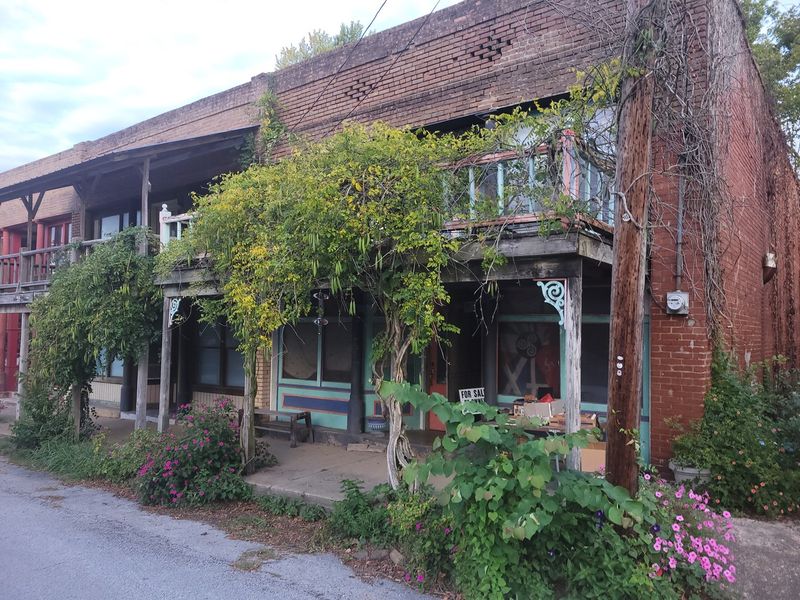
Certain places resist the pressure to update themselves for outside approval, and that resistance is exactly what makes them worth visiting.
The Ozark Heritage Arts Center adds a cultural dimension that surprised me, offering a 400-seat performing arts venue, a historical museum, and an art gallery that together suggest a community with genuine investment in its own story.
The annual Ozark Christmas Festival held there in early December draws visitors from well beyond the county, and the fact that it keeps returning suggests it earns its reputation every year.
What strikes me most, though, is the way daily life here has not been rearranged to accommodate tourism but continues on its own terms, which makes the experience of visiting feel like witnessing something real rather than consuming something packaged.
The history is present but not frozen, the scenery is dramatic but accessible, and the people are warm without being theatrical about it.
Every element of this place, from the fudge counter to the mountain roads to the porch sitters, points toward a community that knows what it values and has chosen not to trade it away.
That quiet confidence is the most timeless thing about Leslie.