
This Tiny Arkansas Town Has Rock ‘n’ Roll Roots And A Story Few Have Heard
Has Arkansas ever made you pull over just because a specific feeling caught your eye? I didn’t have a stop planned when I first drifted into this particular stretch of road.
It looks like the sort of place people mostly use as a transition point between larger cities. You see a modest main street, a few park benches, and the kind of afternoon that suggests nothing much ever changes.
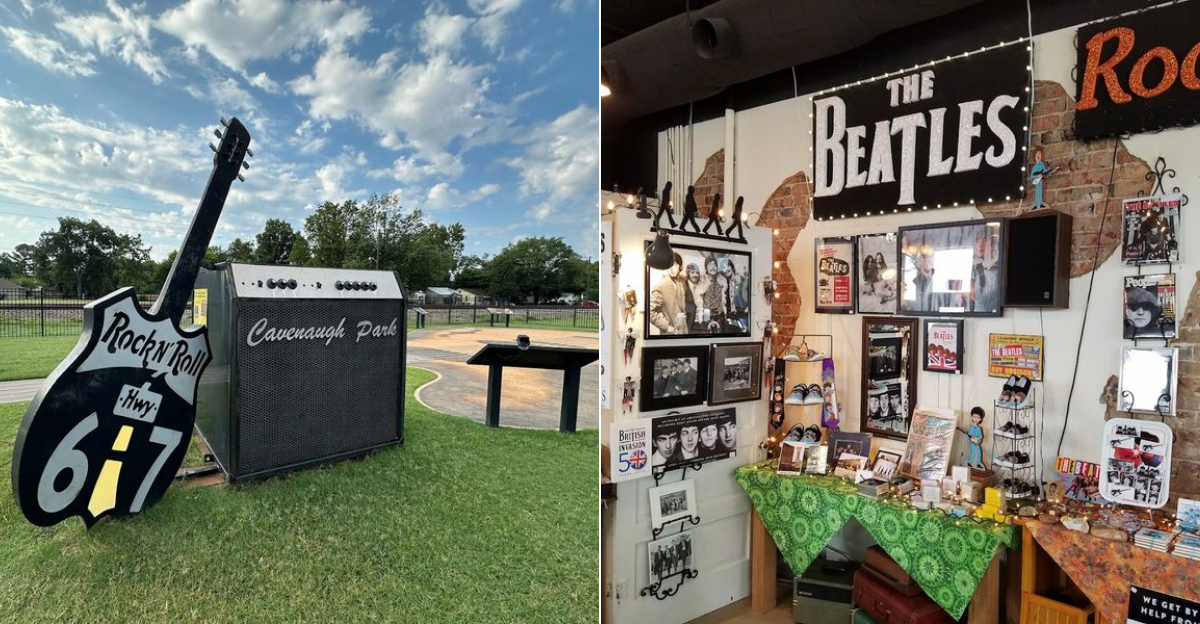
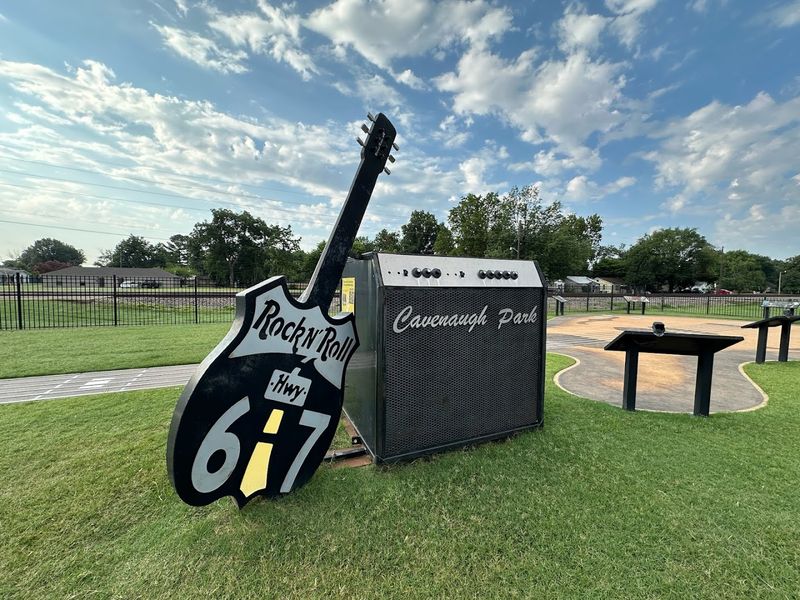
A small landmark near the center prompted me to find a spot to stop. I expected a five minute walk to stretch my legs.
Instead, I stayed much longer after stumbling onto a piece of history I hadn’t expected to find. Decades ago, this town served as a waypoint for traveling musicians moving toward recording sessions across the South.
One specific afternoon here etched itself into the foundation of early rock ’n’ roll. Once you hear the story, the town feels entirely different.
Early Beginnings In A Small Arkansas Town
Not every town with a big story looks the part, and Hoxie is proof of that.
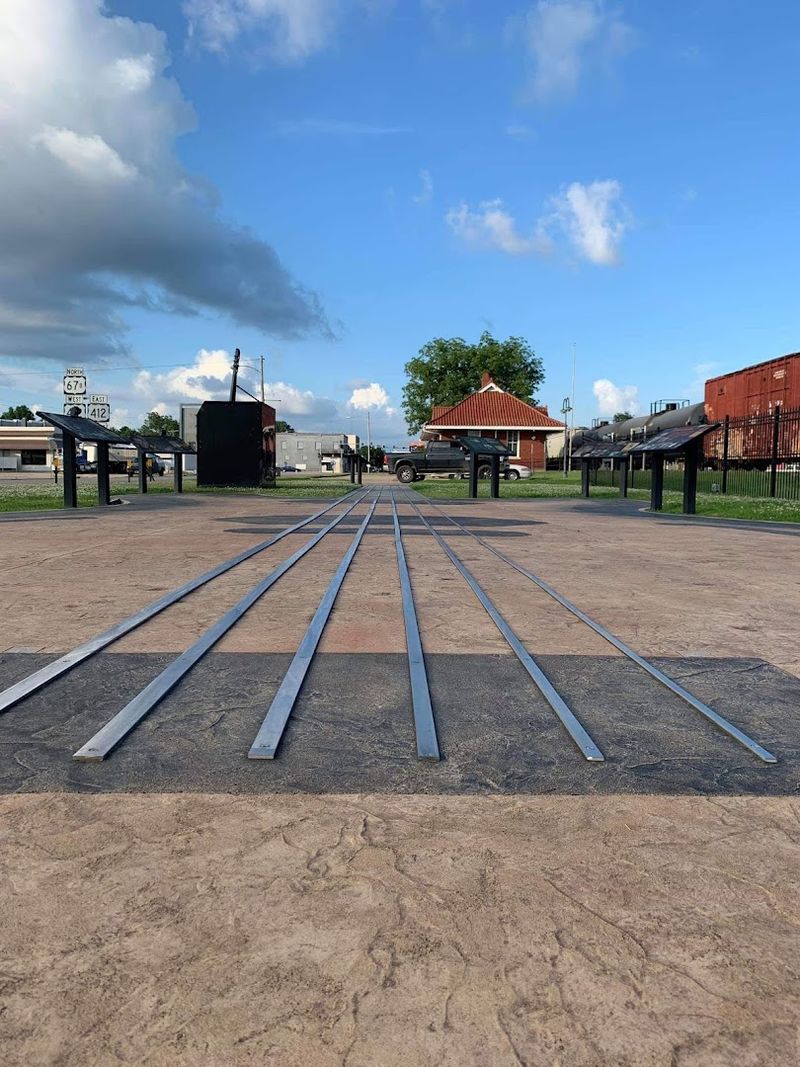
Sitting in Lawrence County in the northeast corner of Arkansas, this small city grew up along the railroad lines that once made this part of the state a busy crossroads for commerce and travel.
The town was incorporated in the late 1800s, and for decades it functioned as a working-class community built around agriculture, the railroad, and small local businesses.
Farmers planted cotton and soybeans in the surrounding fields, and families put down roots that have lasted for generations.
What makes Hoxie interesting is not just what happened here, but how ordinary the setting feels compared to the extraordinary moment it would later host.
The streets are quiet, the pace is slow, and the community is tight-knit in the way that only small towns can manage.
Neighbors know each other by name, and local pride runs deep even when the outside world is not paying attention.
That sense of place, grounded and unpretentious, is exactly what makes the town’s rock ’n’ roll story so striking when you first hear it, right here in Hoxie in Lawrence County in northeast Arkansas.
A Historic Highway With A Surprising Role In Music
Before the interstate highway system changed the way Americans traveled, a network of numbered routes stitched the country together, and one of those roads ran straight through this corner of Arkansas.
U.S. Route 67 was one of the most important corridors in the mid-South, connecting the dots between cities like Little Rock, Jonesboro, and the Missouri state line.
That highway brought travelers, musicians, and promoters rolling through small towns that would otherwise never have appeared on a national radar.
For communities like Hoxie and its neighbor Walnut Ridge just to the north, Route 67 was more than a road.
It was a lifeline that connected local people to the wider cultural currents of mid-century America.
Touring musicians in the 1950s and early 1960s relied on roads like this one to move between shows, often stopping at diners, motels, and small venues along the way.
The highway created an accidental stage for history to pass through, and northeast Arkansas happened to be sitting right in the path of something remarkable.
Route 67 later earned the nickname ‘Rock ’n’ Roll Highway’ because of the musicians who traveled through the region.
When Rock ‘n’ Roll Passed Through Town
The early days of rock ’n’ roll were not just a studio phenomenon.
They were a road show, with young artists piling into cars and buses to perform at ballrooms, armories, and fairgrounds across America.
Promoters like Bob Neal and later Tom Parker organized package tours that moved through the South at a relentless pace, hitting small markets that major labels often ignored.
These tours passed through northeast Arkansas regularly because the region had audiences hungry for live music and venues willing to book new acts.
Towns across northeast Arkansas became part of a touring circuit.
Young performers who were just beginning to find their sound would play a show, climb back into a vehicle, and move on to the next town before sunrise.
The audiences in these small communities were often the first to hear songs that would later become classics, which gave places like Hoxie an unspoken role in shaping musical taste.
Rock ’n’ roll did not just happen in Memphis or Nashville; it happened in every town brave enough to open its doors to something new and electric.
The Day Music History Arrived In Town
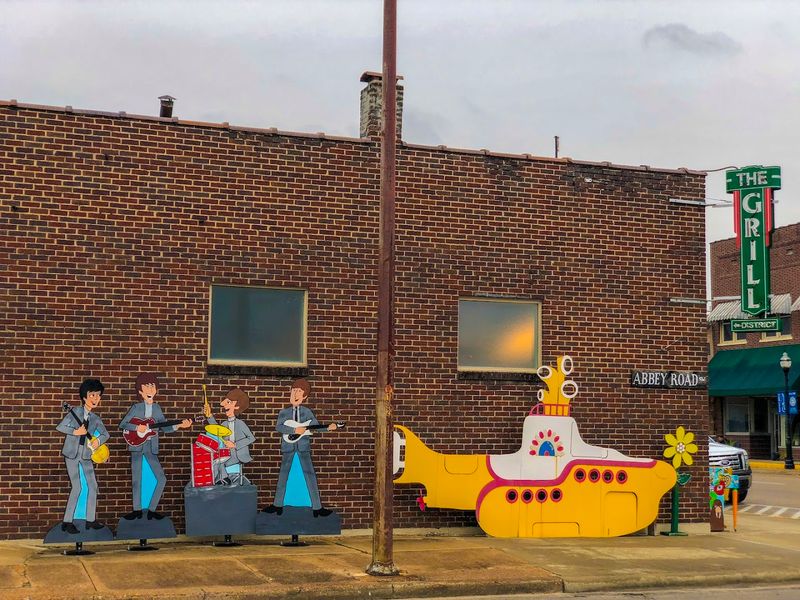
There are moments in small towns that residents talk about for the rest of their lives, and communities across northeast Arkansas had several of those during the early years of rock ’n’ roll. In the mid-1950s, musicians traveling out of Memphis regularly passed through this part of the state as they moved between shows across the South.
Among the performers drawing attention at the time was Elvis Presley, who was still a young and rising artist just beginning to make a name for himself. Long before he became a global icon, his energetic performances were already turning heads wherever he appeared.
Crowds across the region packed local venues to hear a sound that blended rhythm, blues, and country in a way that felt entirely new. Teenagers remembered those nights for decades afterward.
Music that once felt distant suddenly arrived in towns like this one, leaving behind stories that locals still share today. Even now, older residents can recall the excitement of that era and how quickly word spread when a big act was headed through the region.
In towns where little usually changed, those musical moments felt unforgettable.
A Moment That Put The Town On The Map
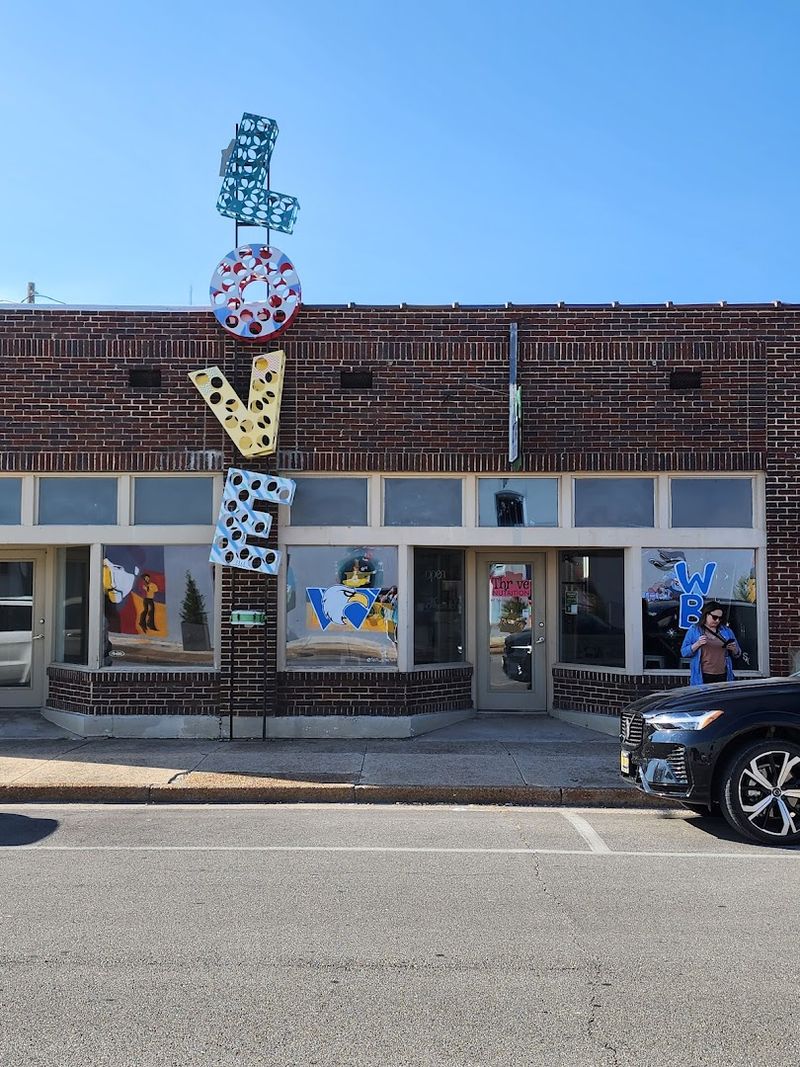
The early rock ’n’ roll era left a lasting impression across northeast Arkansas, and towns like Hoxie still carry that memory today.
The nearby community of Walnut Ridge, which sits just north of Hoxie and shares much of the same history, has leaned more publicly into the rock ’n’ roll legacy of the area.
Together, the two towns represent a pocket of northeast Arkansas that genuinely brushed up against the birth of one of the most influential musical movements in American history.
That brush with history gave the area a story worth telling, even if it took years for the wider world to take notice.
Local historians and music fans have worked to document the events, preserve the memories, and make sure the connection does not fade into the background noise of time.
For Hoxie specifically, the moment added a layer of cultural identity that sits alongside its agricultural and railroad heritage.
Not every small town can claim a genuine link to a pivotal chapter in American music, and the residents here understand that this particular story is worth protecting.
A town does not need to be famous to have played a real role in something that changed the world.
Historic Landmarks That Keep The Past Alive
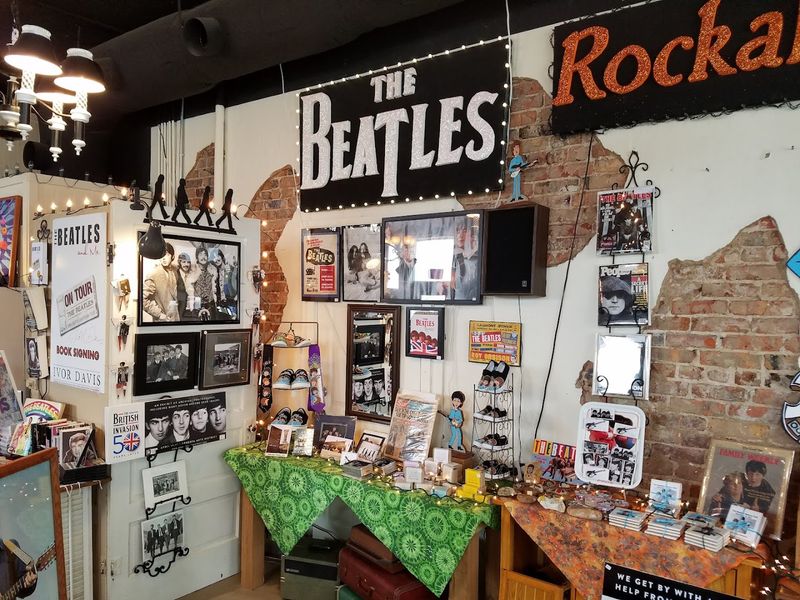
Spending time in Hoxie means paying attention to the physical details that connect the present to the past.
The town still carries traces of its railroad heritage in its layout, with the tracks and the patterns of development that grew up around them visible to anyone who looks carefully.
Old commercial buildings along the main corridors reflect the architectural styles of the early and mid-twentieth century, giving the town a texture that newer developments rarely manage to replicate.
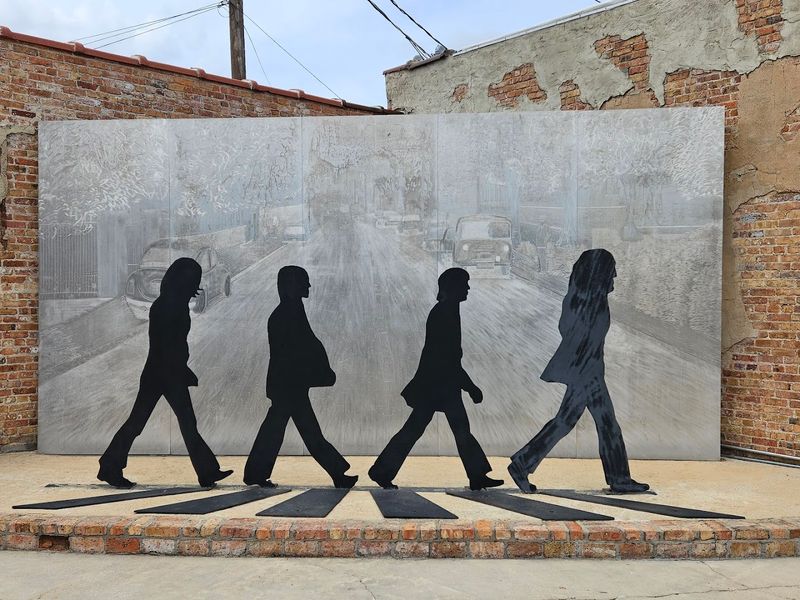
Just to the north, Walnut Ridge hosts the Beatles at the Ridge music festival, a celebration that commemorates the famous moment in 1964 when John Lennon and George Harrison of the Beatles landed at Walnut Ridge Airport during their first U.S. tour.
That event cemented the broader area’s reputation as a place where music history genuinely landed, not just passed through.
For visitors who enjoy combining road trips with cultural discovery, this corner of Arkansas offers a surprisingly rich itinerary.
Markers, murals, and local museum displays help tell the story for those who arrive curious and leave impressed.
The landmarks here do not shout for attention, but they reward the traveler who slows down long enough to read the signs and listen to what the town is quietly saying.
The Quiet Legacy Of A Town With Rock ‘n’ Roll Roots
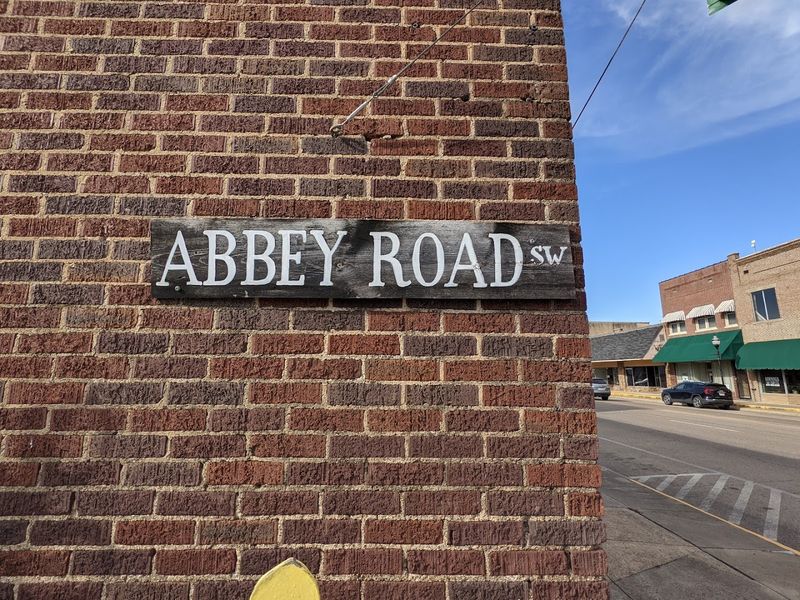
Some legacies are loud, and some are the kind that settle into the bones of a place without making a fuss about it.
Hoxie belongs firmly in the second category, carrying its rock ’n’ roll roots the way a well-worn jacket carries its history, comfortably and without needing to prove anything.
The town today is home to just under 2,600 people, according to the 2020 census, and daily life revolves around the rhythms of a small, close community rather than any tourist spotlight.
Children grow up here hearing stories about the days when the highway brought famous names through town, and those stories become part of how residents understand their own identity.
That kind of quiet cultural memory is actually more durable than a museum exhibit, because it lives in the conversations people have at kitchen tables and front porches.
Hoxie may never become a major destination on the rock ’n’ roll tourism circuit, but it does not need to be.
Its contribution to the story of American music is real, documented, and worth knowing about for anyone who cares about how the music actually spread across the country.
The road that carried rock ’n’ roll through this small Arkansas town still runs right through it, and that fact alone is worth the drive.