
This Tiny Colorado Town Looks Like A 1900s Movie Set Come To Life
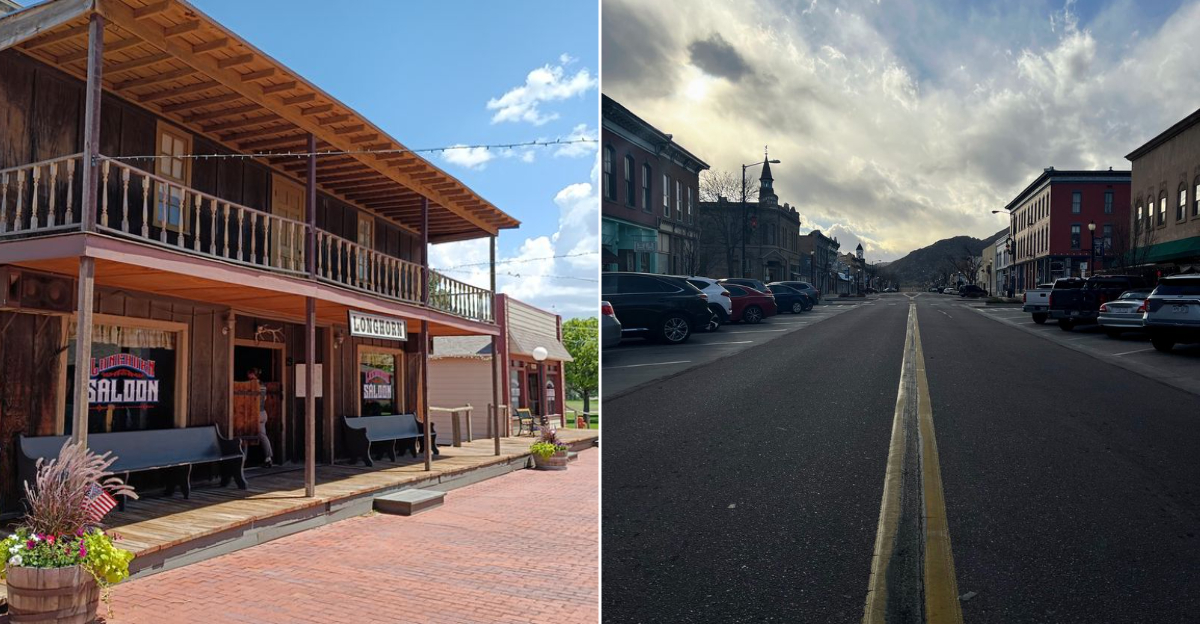
I rolled into Burlington, Colorado expecting nothing more than a quick pit stop along I 70, the kind where you stretch your legs, grab a snack, and keep moving. Instead, the moment I slowed down, the town stopped me cold in my tracks.
Burlington sits quietly in Kit Carson County with a population just over 3,000, yet it carries an atmosphere that feels far bigger than its size.
There is an unmistakable sense of history here, the kind that settles in as you notice brick storefronts, wide streets, and vintage architecture that looks carefully preserved simply by being lived in.
Nothing feels staged or polished for visitors. It just is.
In Colorado, it is easy to associate charm with mountain towns, but Burlington proves the eastern plains have their own stories to tell.
Walking down the main street feels like stepping into another era, where details matter and time moves at a gentler pace.
The buildings look like they belong in a movie, but the experience is refreshingly real. The coffee shops are warm, the conversations are easy, and the people greet you like they have nowhere else to be.
Colorado often surprises travelers willing to slow down, and Burlington is one of those places that rewards curiosity with authenticity.
Historic Downtown Architecture That Refuses To Fade
Strolling through Burlington’s downtown core, I kept catching myself staring up at the preserved brick buildings that line the streets like patient sentinels. These structures date back to the early 1900s, when the railroad brought prosperity and permanence to this stretch of eastern Colorado plains.
The architectural details are what get me every time, those little touches that modern construction just skips right over. Cornerstones carved with dates, arched windows that frame the prairie sky, and storefronts with recessed entryways designed for shade and conversation.
What strikes me most is how these buildings still serve their original purpose, housing actual businesses instead of sitting empty as museum pieces. The worn wooden floors inside some shops creak with stories, and the pressed tin ceilings catch afternoon light in ways that feel almost sacred.
Burlington hasn’t tried to modernize away its character, and that restraint created something truly special.
Old Town Museum Complex With Authentic Period Buildings
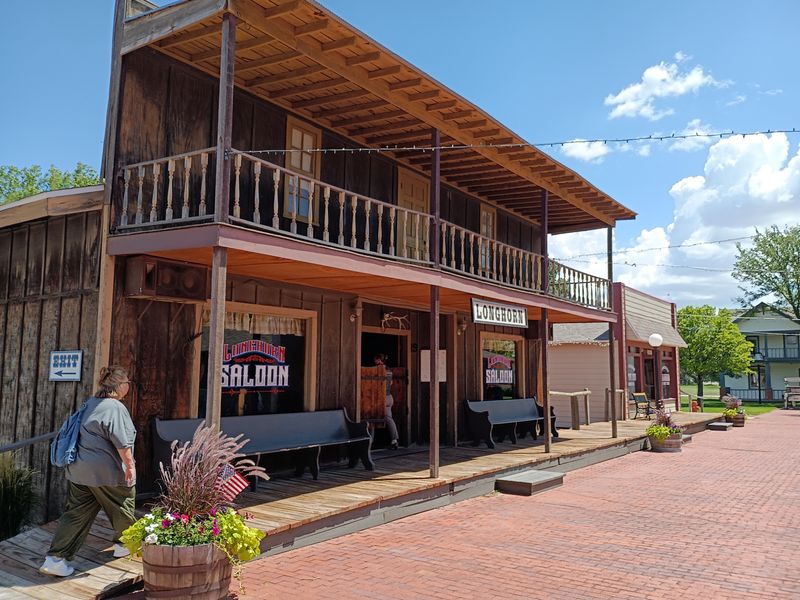
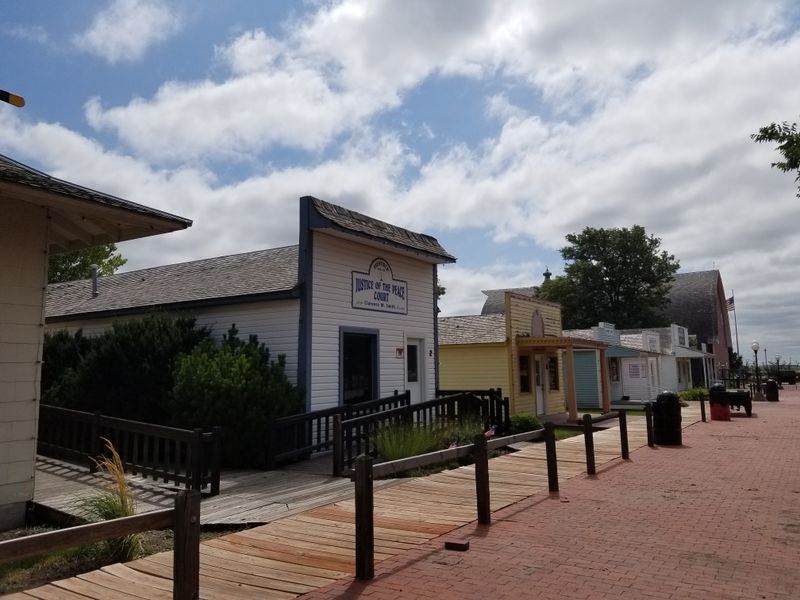
The Old Town Museum complex stopped me in my tracks when I first spotted it, a whole village of rescued buildings gathered like old friends at a reunion. Located right in Burlington at 420 S 14th St, Burlington, CO 80807, this collection preserves more than 20 structures that were carefully moved here to save them.
Walking between the old post office, schoolhouse, and general store feels like browsing through someone’s memory box, except everything is life-sized and you can actually step inside. Each building holds artifacts and furnishings that belonged to actual Kit Carson County residents, making the history feel personal rather than abstract.
I spent a solid hour just wandering from structure to structure, peeking into windows and reading the placards that explain what life was like when these places were new. The authenticity here is unmatched because these are the real deal, not reproductions.
History lives at this museum instead of just being displayed.
Kit Carson County Carousel From 1905
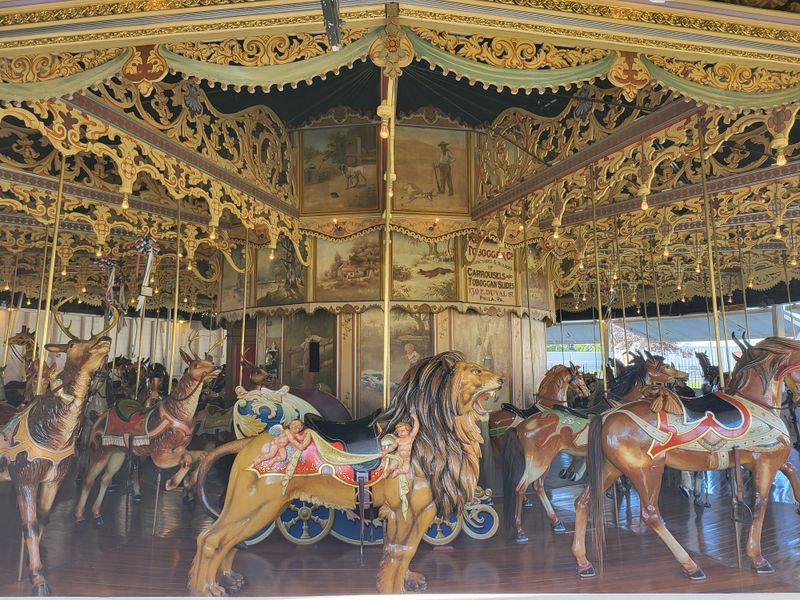
Inside the carousel building, I found myself face to face with one of fewer than 170 antique wooden carousels still operating in America, and this one dates back to 1905. The Kit Carson County Carousel was built by the Philadelphia Toboggan Company, and every single animal was hand-carved by master craftsmen who treated their work like fine art.
The painted details on these carousel figures still shine with colors that shouldn’t have survived more than a century of riders. Lions, horses, giraffes, and other creatures circle endlessly to the sound of the original band organ, which wheezes out melodies that feel older than my grandparents.
What gets me is how this carousel still costs just a quarter to ride, the same price it charged decades ago. Kids line up just like their great-great-grandparents did, reaching for the brass ring as they spin past.
Magic like this doesn’t get manufactured anymore, it just gets carefully preserved.
Burlington Depot Railroad Station
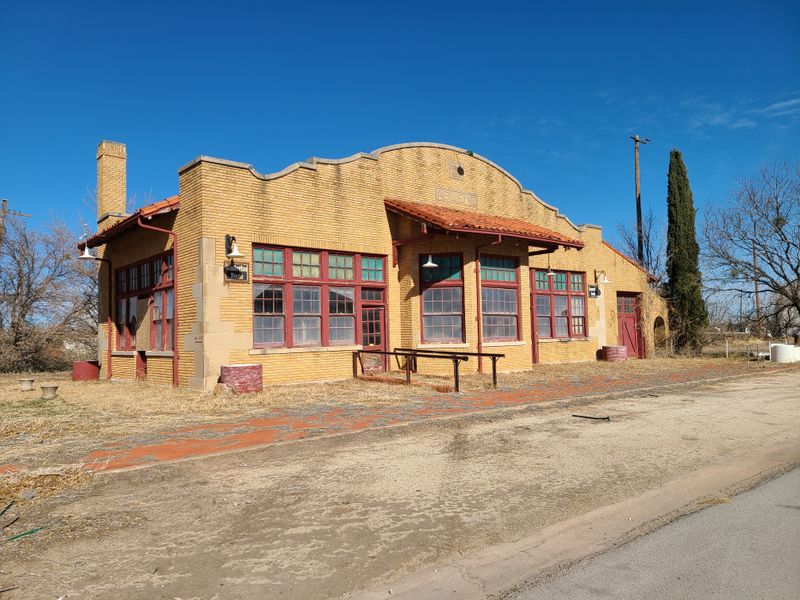
Railroad tracks still run through Burlington, and the old depot building stands as a reminder of when trains were the lifeline connecting prairie towns to the wider world. This station witnessed thousands of arrivals and departures, each one carrying hopes, goods, and stories across the plains.
The architecture speaks to an era when even utilitarian buildings received thoughtful design, with waiting rooms built for comfort during long delays and ticket windows positioned for both efficiency and conversation. Walking around the depot, I could almost hear the whistle blasts and feel the anticipation that must have electrified this platform when a train appeared on the horizon.
Though passenger service has long since ended, the building remains a tangible connection to Burlington’s founding story. The railroad brought settlers, commerce, and prosperity, transforming this spot from empty grassland into a thriving community.
Every small town has an origin story, and Burlington’s is written in brick and steel right here.
Wide Main Streets Built For Horse-Drawn Traffic
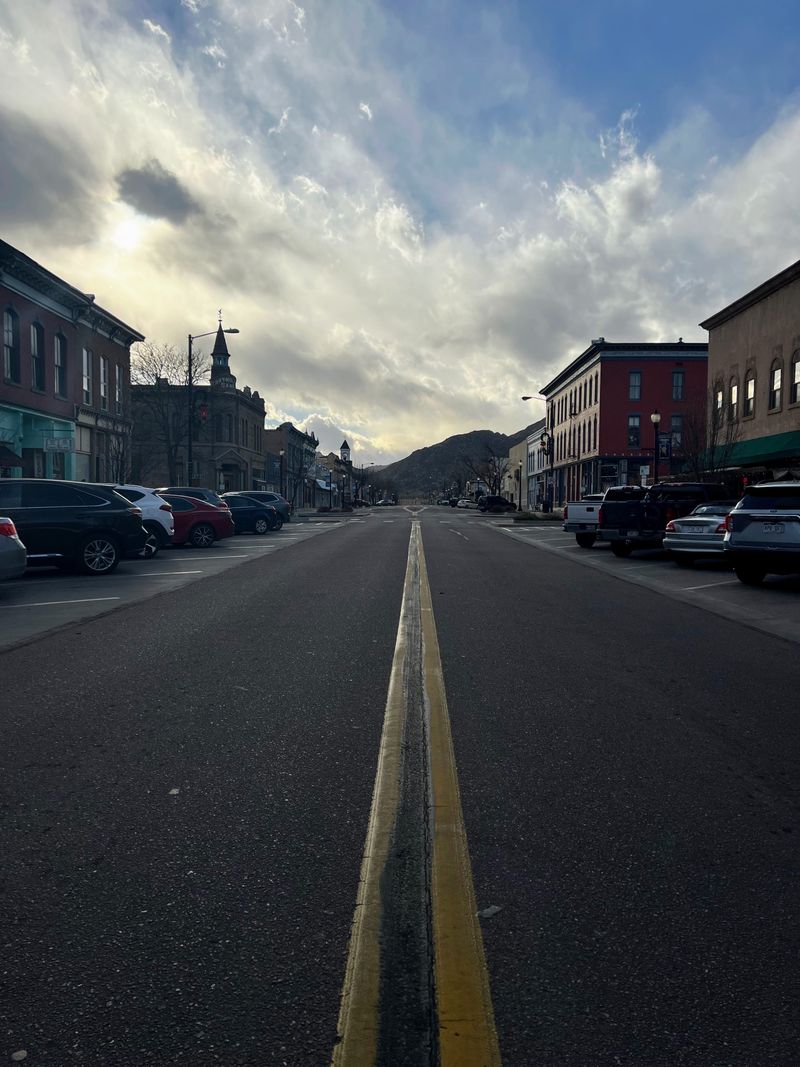
Burlington’s streets stretch wider than modern traffic requires, a leftover design feature from when horses, wagons, and the occasional cattle drive needed room to maneuver. Standing in the middle of these broad avenues, I felt the space around me in a way that modern cramped cities never allow.
These generous dimensions weren’t accidental but reflected practical needs of early 20th-century commerce. Farmers brought wagons loaded with grain, ranchers moved livestock through town, and everyone needed space to park their rigs without creating chaos.
The width also provided a buffer against the prairie fires that occasionally threatened wooden buildings, giving firefighters room to work and prevent flames from jumping across the street. Today, that same spaciousness creates a relaxed atmosphere where pedestrians can cross without feeling rushed and drivers can actually find parking.
Modern urban planners could learn something from these old-timers who understood that a little extra space makes life considerably more pleasant for everyone involved.
Original Storefront Window Displays And Signage
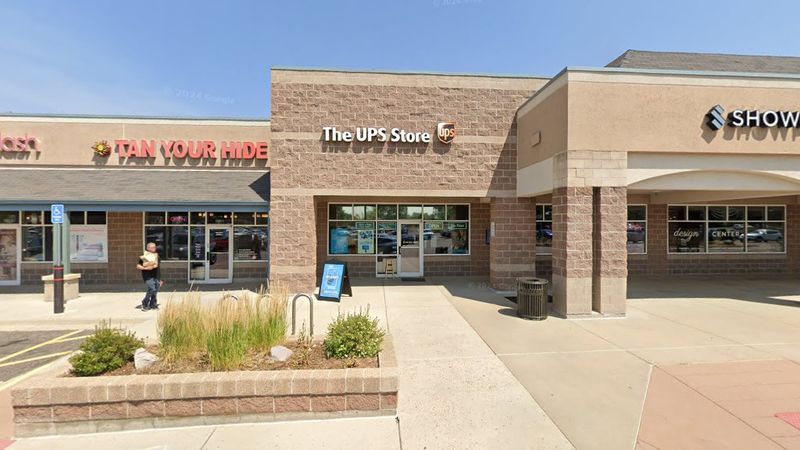
Peering into Burlington’s shop windows feels like flipping through a catalog from another century, not because the displays are deliberately retro but because many businesses have maintained the aesthetic that worked for their predecessors. Hand-painted signs still advertise services in fonts that computer programs try desperately to imitate, and window arrangements follow the less-is-more philosophy that lets products speak for themselves.
I noticed how these storefronts use natural light instead of fighting it, with large windows positioned to illuminate merchandise without harsh artificial glare. The glass itself often shows slight waves and imperfections that mark it as genuinely old, adding character that modern flat glass can never match.
Some shops still have the original wooden display cases visible from outside, inviting passersby to stop and look closer. The signage doesn’t scream for attention with neon or digital screens, instead relying on craftsmanship and clear communication.
Subtlety sells better than shouting, at least in Burlington.
Prairie Landscape Surrounding The Town
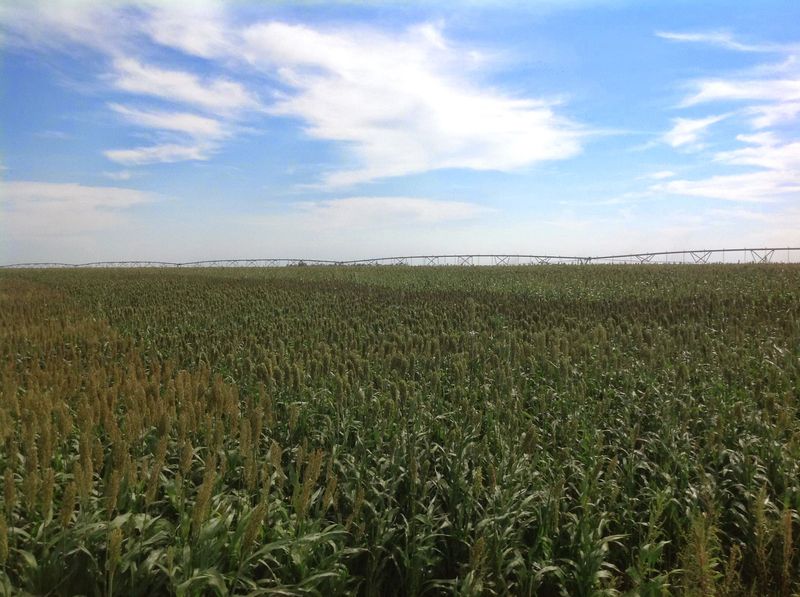
Step to the edge of Burlington and the prairie opens up like an ocean, rolling away in every direction until it meets the sky somewhere near forever. This landscape shaped everything about the town, from the sturdy buildings designed to withstand wind to the community spirit necessary for survival in such isolation.
The grasslands haven’t changed much since Burlington’s founding, still waving in that constant breeze that defines eastern Colorado. Standing out here, I understood why early settlers built their towns to last, because once you committed to this location, leaving wasn’t a casual decision.
The horizon stretches so far that weather systems become visible hours before they arrive, giving residents time to prepare and probably contributing to the practical mindset that still characterizes the community. Sunsets out here don’t just happen in the sky but paint the entire world in colors that seem impossible until you witness them yourself.
This prairie made Burlington what it is, and Burlington returns the favor by existing as proof that humans can thrive here.
Preserved Period Street Furniture And Fixtures
Burlington’s streets still feature light posts and benches that actually date back to when the town was young, not reproduction pieces installed for atmosphere. These fixtures were built to last generations, crafted from materials and with techniques that modern manufacturers abandoned long ago in favor of cheaper alternatives.
The street lamps particularly caught my attention, with their distinctive shapes and glass housings that cast light differently than contemporary LED fixtures. On evenings when they illuminate, the quality of light feels warmer and more inviting, encouraging people to linger rather than hurry past.
Benches positioned along the sidewalks show wear patterns that tell stories of countless conversations, tired shoppers taking breaks, and elderly residents watching the world go by. The metal has developed a patina that no artificial aging process can duplicate, a finish earned through decades of sun, snow, and use.
These small details accumulate into an atmosphere that feels authentic because it is, down to the very fixtures that light the streets.
Community Gatherings In Classic Town Square Style
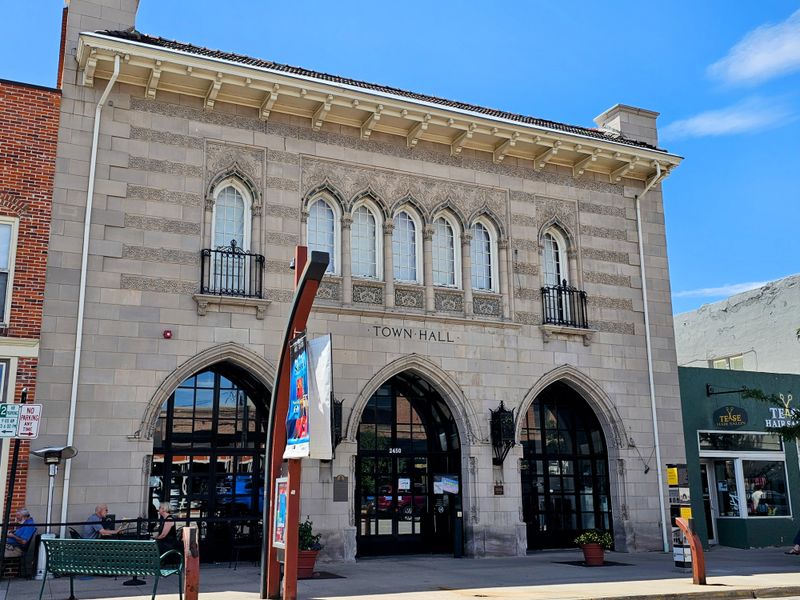
Burlington’s layout naturally creates gathering spots where residents run into each other, exchange news, and maintain the social fabric that makes small towns work. The downtown area functions like a traditional town square even without a formal plaza, with businesses arranged to encourage foot traffic and chance encounters.
I watched locals greet each other by name, stop for conversations that clearly weren’t rushed, and share information about community events with the easy familiarity of people who genuinely know their neighbors. This social pattern hasn’t changed much since 1900, when the same streets hosted similar interactions between people whose grandchildren now continue the tradition.
Seasonal events bring the whole community out, transforming the historic streets into celebration spaces that feel entirely natural rather than forced. The architecture provides a perfect backdrop for parades, festivals, and gatherings that honor both past and present.
Modern social media tries hard to replace this kind of connection, but standing on a street corner chatting with actual neighbors still works better.
Living History Through Continued Use
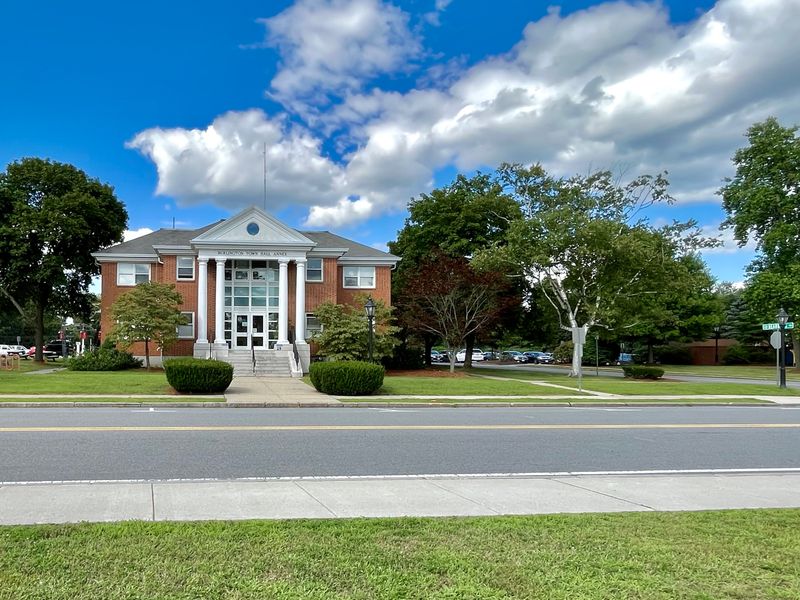
What makes Burlington special isn’t just that old buildings survived but that they never stopped being useful, housing real businesses serving actual customers instead of becoming frozen museum displays. This continued occupation has preserved structures better than any historical society could, because active use means constant maintenance and genuine care.
Walking into shops housed in century-old buildings, I found the past and present coexisting without awkwardness. Modern cash registers sit on antique counters, contemporary products line shelves built by long-gone carpenters, and LED bulbs screw into fixtures installed when electricity was still a novelty.
The residents don’t treat their town like a theme park but simply go about daily life in spaces that happen to be historically significant. This casual relationship with history feels healthier than the precious preservation approach that turns old buildings into untouchable relics.
Burlington lives its history instead of just remembering it, and that makes all the difference between a movie set and a real place.