
This Tiny Detroit, Michigan Shop Became One Of America’s Most Celebrated Bookshops
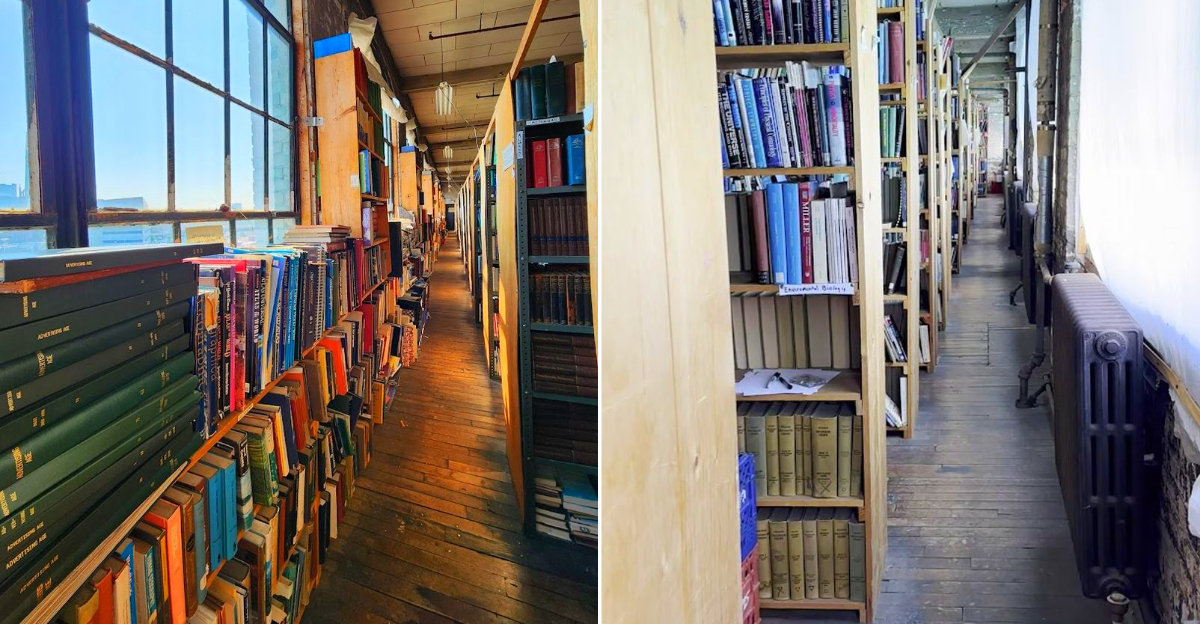
Pulling up to this massive, four-story former glove factory on Lafayette Boulevard feels like approaching a fortress of forgotten ink. From the street, it looks modest enough, a sturdy brick relic of Detroit’s industrial past, but once you cross the threshold, the building quietly swallows your entire afternoon whole.
I’ve lost hours here, wandering through a labyrinth of over a million used and rare titles that turn simple browsing into a full-body expedition.
Visit the best used bookstore in Detroit, Michigan, a massive four-story landmark featuring over a million rare books, vintage maps, and collectible first editions in a historic factory setting.
I am a sucker for the patient staff who seem to have a mental map of every obscure corner, guiding you through a space that is proudly un-predictable. You don’t come here to find a specific bestseller; you come for the peculiar joy of stumbling upon a leather-bound treasure you weren’t even clever enough to seek.
Start With The Factory Bones
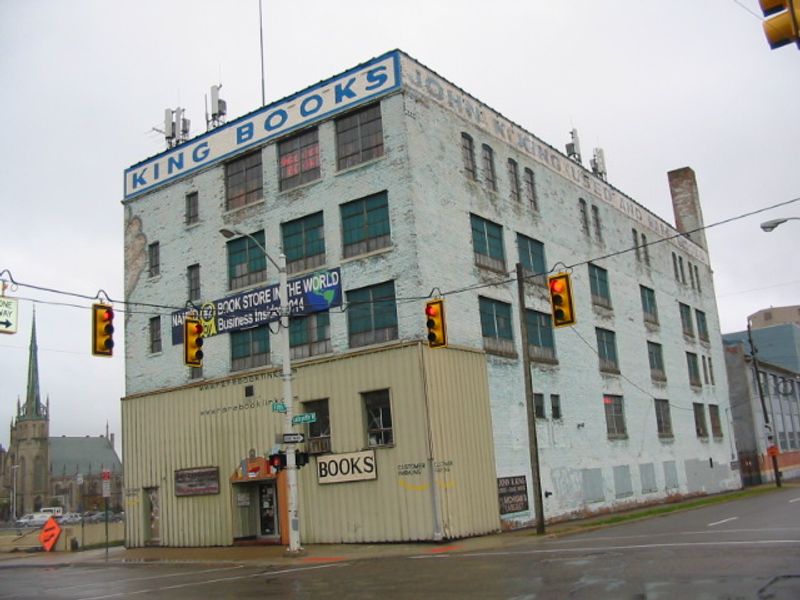
The building does not flirt with cuteness, which is part of its power. This former Advance Glove factory still feels practical and muscular, with brick, wide floors, and traces of workaday Detroit tucked above the shelves.
John K. King bought the abandoned four-story building in 1983, and the bookstore opened here on January 1, 1984.
Even stranger, the structure had been moved in the 1940s to make room for the Lodge Expressway. It is a resilient survivor of urban upheaval, standing today as a massive, four-story fortress dedicated to the printed word.
Look up as much as you look at spines. Old plant signs and industrial remnants make the place feel less decorated than inherited, as if the books simply moved in and negotiated a long lease.
The sheer volume of the collection is breathtaking, filling every corner with a dense, intoxicating perfume of aging paper and leather. Navigating these aisles feels like wandering through a living, breathing archive where the city’s rugged industrial past and its intellectual soul finally converge.
A Labyrinth Of Paper And Ink
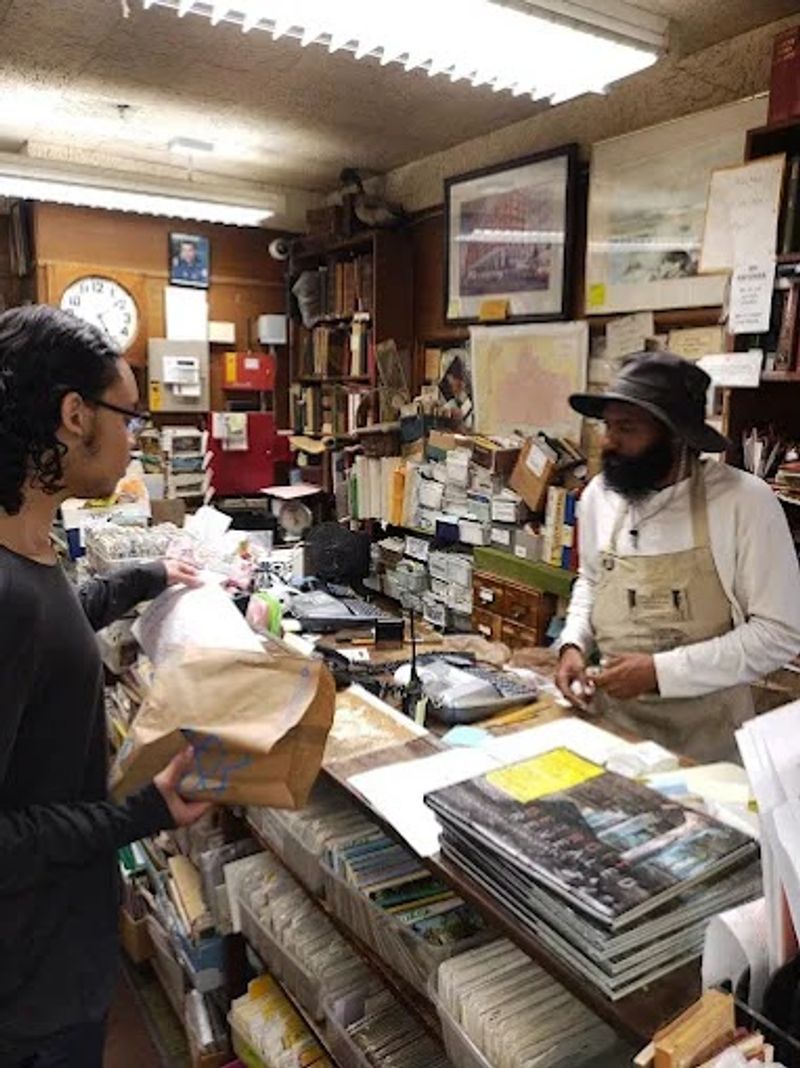
The air inside John K. King Used & Rare Books is a dense, intoxicating perfume of aging paper, leather bindings, and industrial history.
The space is a sprawling, uncurated wilderness of knowledge that demands hours of exploration, offering everything from ten-cent paperbacks to museum-quality first editions in an environment that remains wonderfully gritty and refreshingly analog.
You’ll find this bibliophile’s fortress at 901 W Lafayette Blvd, Detroit, Michigan 48226, standing as a weathered sentinel on the edge of the downtown core.
Let The Smell Set The Pace
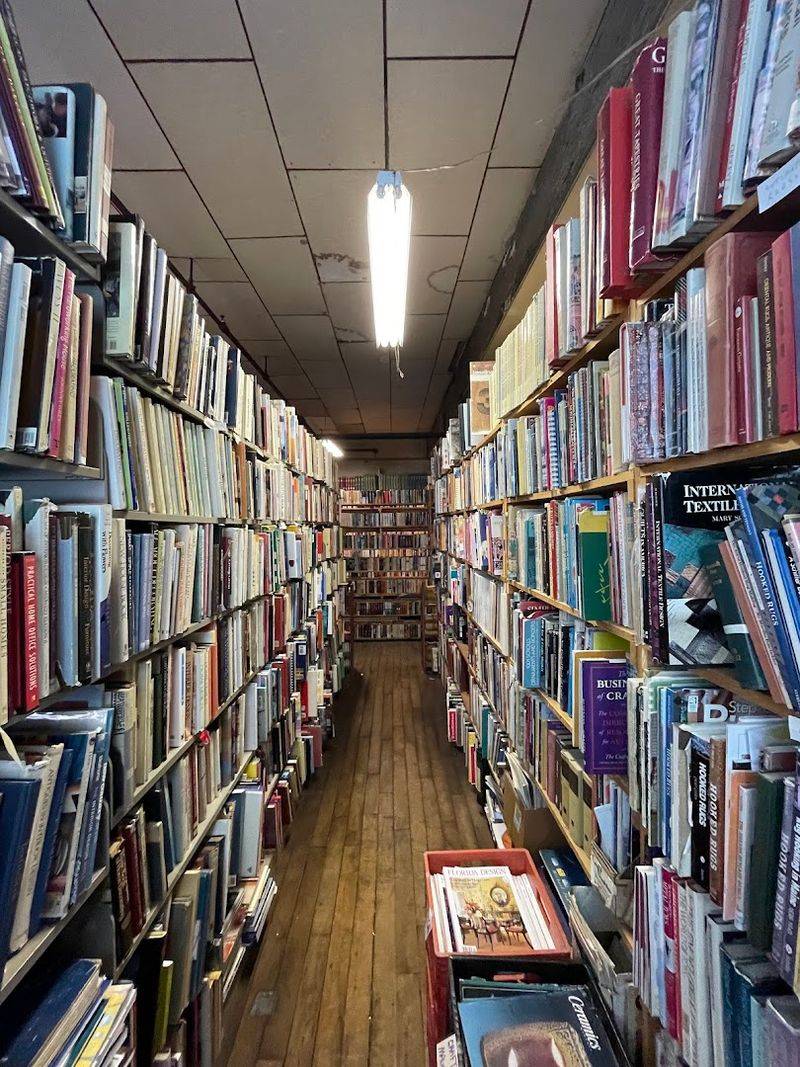
Before any title announces itself, the air does. Old paper has a soft, leathery sweetness here, a musty vanilla note that makes your shoulders drop if you let it. It is the scent of a million different lives and stories resting quietly on the shelves, waiting for a new set of hands to turn their yellowed pages.
The floors creak, shelves crowd in, and the building asks you to slow down without posting a sign about mindfulness. It is not pristine, and that honesty is refreshing in a city full of places being polished into sameness.
Here, the rugged character of the original industrial architecture remains untouched, allowing the massive collection to feel like a permanent part of the city’s bedrock rather than a temporary storefront. If dust bothers you, prepare accordingly, because this is a real used bookstore with real age in its corners.
For everyone else, breathe gently, browse patiently, and let the atmosphere do its quiet persuading. Every corner turned reveals a new, unexpected corridor of knowledge, pulling you deeper into a labyrinth where time seems to lose its grip.
Whether you are hunting for a rare first edition or a well-loved paperback, the experience is less about shopping and more about a slow, sensory immersion into a sanctuary that honors the enduring weight of history.
Ask The Booksellers Early
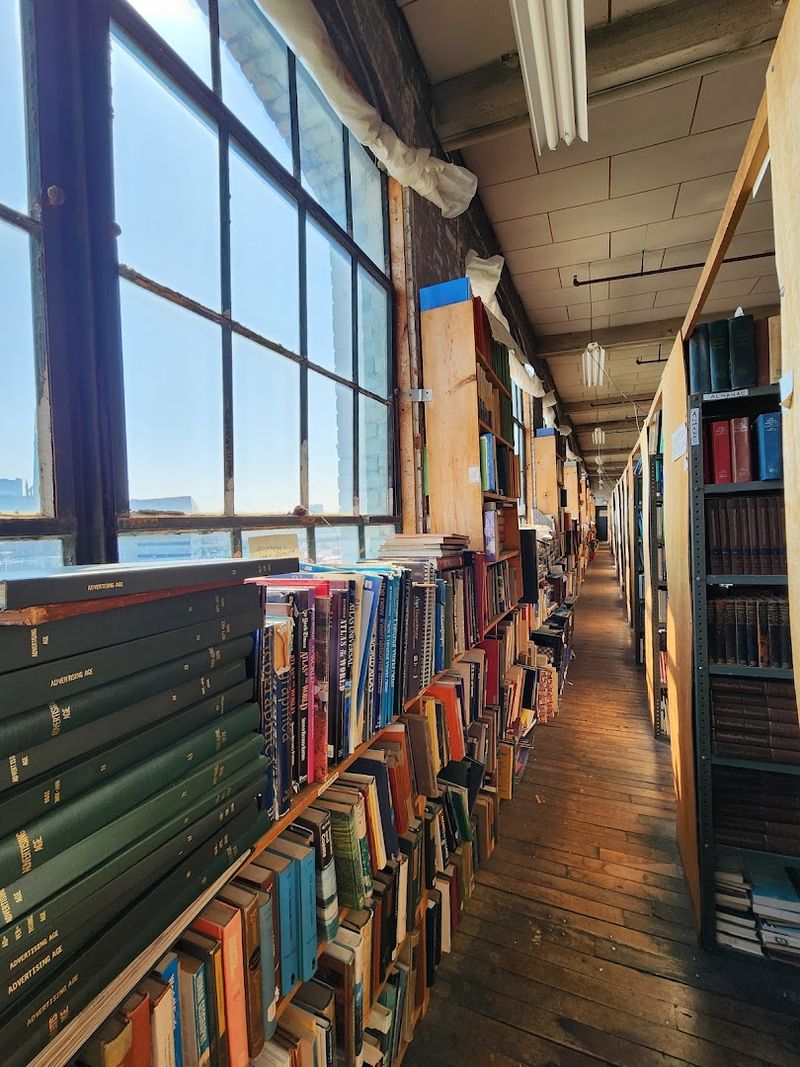
Some stores make asking for help feel like admitting defeat. Here, it feels sensible, because the staff understand the building like cartographers with dust on their sleeves.
Telephones placed throughout the store let visitors call the front desk with questions, and employees often use walkie-talkies to coordinate across the floors. That old-school system fits the place beautifully, practical without becoming slick.
Ask early if you are hunting a subject, author, or binding style. You can still wander afterward, but a short conversation may save your knees and lead you toward a shelf you would have missed completely.
Expect A Hunt, Not A Boutique
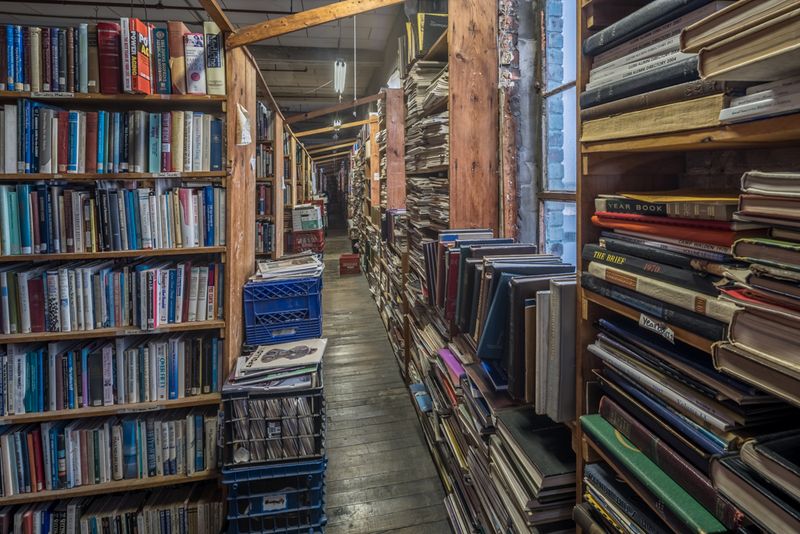
The shelves are organized, but they are not manicured into retail perfection. That distinction matters, because this is a working ocean of used books rather than a boutique aquarium.
John K. King has long defended the tactile search, the kind where you read spines, pull volumes, compare editions, and occasionally wonder why one subject contains such strange neighbors. The uncomputerized inventory keeps browsing physical and a little unruly.
Come with a wish list, but do not chain yourself to it. The store rewards curiosity more reliably than precision, and the satisfying finds often appear while you are looking for something entirely unrelated.
Climb Toward The Rare Stuff
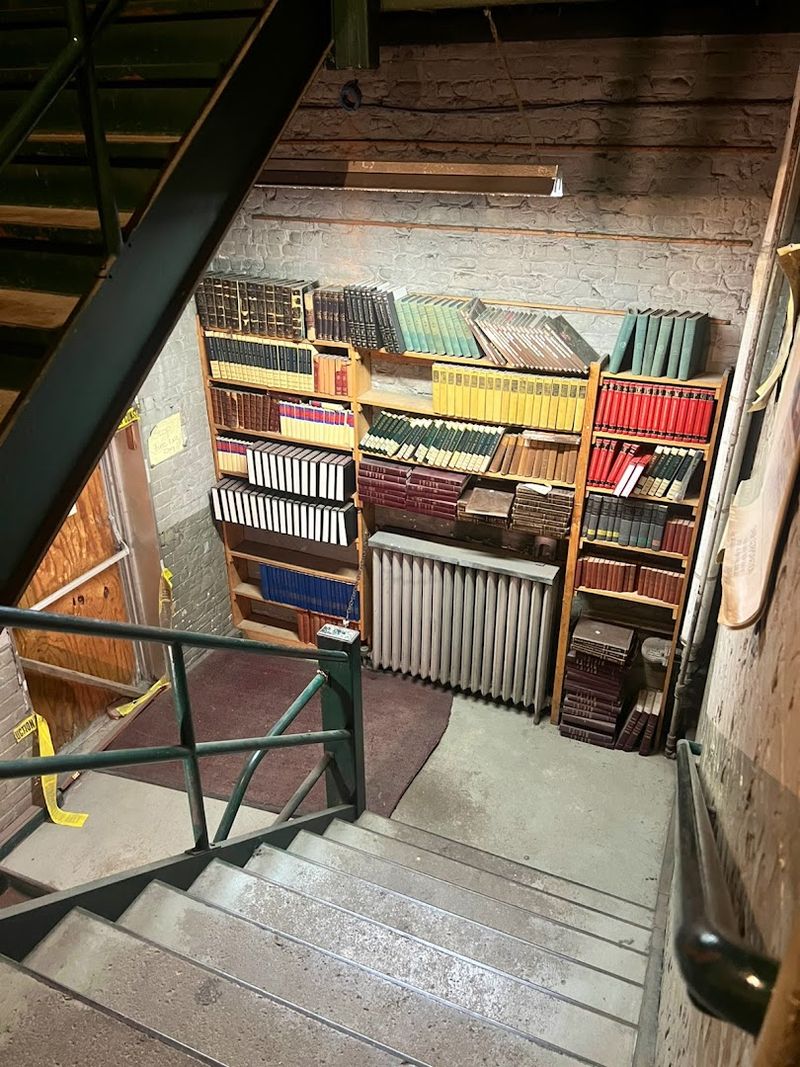
Upstairs, the mood changes by degrees. The ordinary abundance gives way to older bindings, stranger formats, and the quiet alertness that comes when a book might have outlived several owners.
The store is known for rare and antique books, including material reaching back to the early era of printing. Especially valuable items are housed separately in the former Otis Elevator building and are available by appointment.
Do not yank, rush, or treat fragile volumes like props. If something looks delicate or significant, ask for guidance, because preservation here depends partly on visitors remembering that age deserves manners.
Watch for the Non-Book Treasures
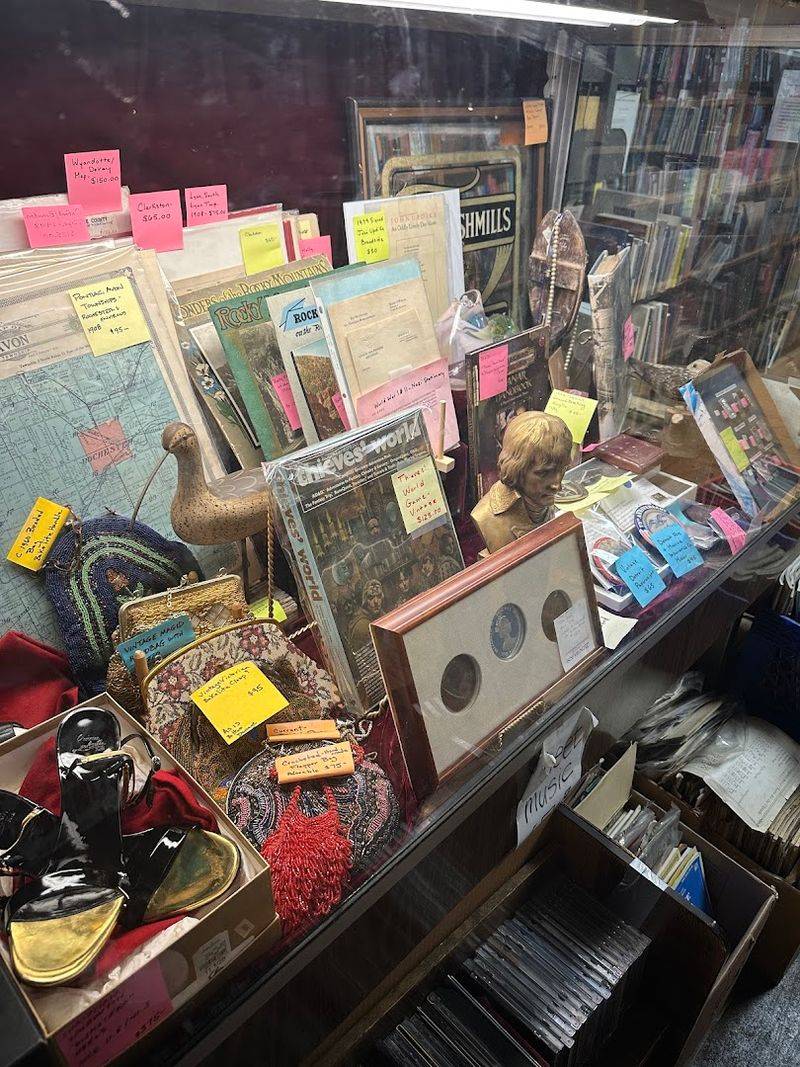
Between the books, odd little historical signals keep appearing. A sign, a clipping, an illustration page, or a stray artifact can tilt your attention away from the shelf you were pretending to understand. These small, unscripted moments transform a simple shopping trip into a scavenger hunt through the collective memory of a century.
The store has long carried more than standard volumes, including loose illustrated pages salvaged from older books. These fragments offer an affordable way to take home a visual piece of literary history without committing to a full antique volume.
You might find an intricate botanical sketch, a hand-colored map, or a detailed anatomical plate tucked between more modern titles, each one a survivors’ remnant from a long-lost library.
Move slowly along stairways and wall spaces, not just aisles. John K. King rewards peripheral vision, which is good news for anyone whose attention behaves like a curious squirrel.
The building itself is a vertical museum, where the towering stacks are punctuated by handwritten notes and industrial relics that remind you of the hands that built the city. By the time you reach the upper floors, the outside world has faded, replaced by a quiet, cluttered paradise that encourages you to linger and look twice at everything.
Give Yourself More Time Than Seems Reasonable
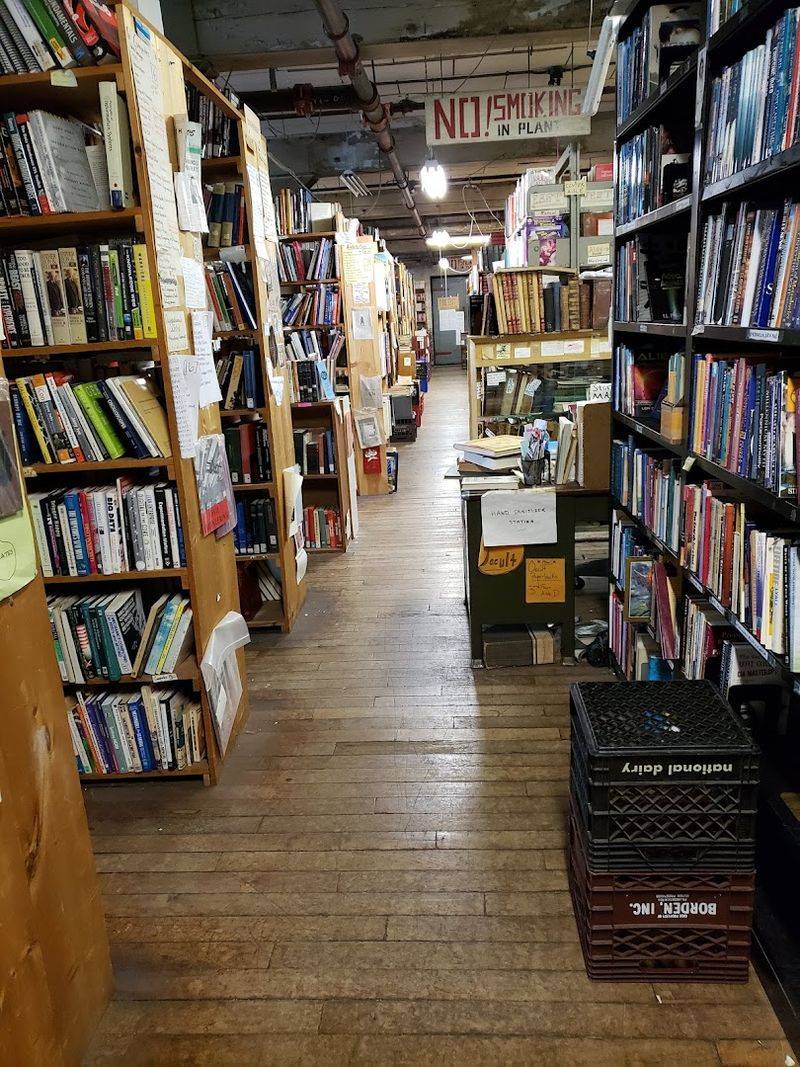
A thirty-minute visit here is technically possible, just as reading one page of a novel is technically reading. The building deserves more generosity than that.
With an estimated million or more books across over 900 subjects, the store can absorb several hours without strain. Comfortable shoes help, because the four floors and long aisles turn casual browsing into gentle urban hiking.
Check current hours before going, since the shop is closed Sundays and has shorter Monday hours. If your Detroit schedule is tight, place this stop early in the day, before hunger or parking meters start editing your curiosity.
Notice the Detroit Logic
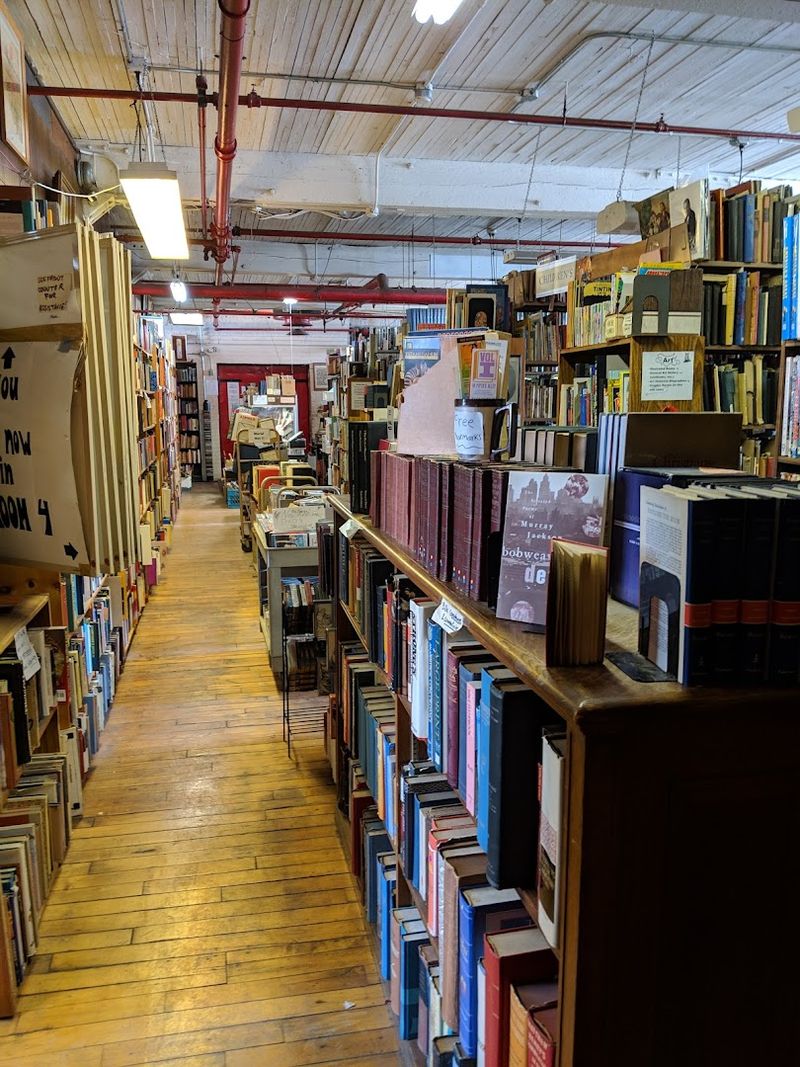
This bookstore feels deeply Detroit without needing a slogan. It took an industrial building, a stubborn inventory, and a changing book market, then made endurance look oddly inviting.
John K. King began selling books from the trunk of his car in 1965 before building the institution that now occupies West Lafayette Boulevard. The store has survived industry upheaval by leaning into scale, texture, and the irreplaceable drama of physical discovery.
That local logic matters when you visit. You are not entering a nostalgia exhibit, but a functioning business that keeps giving printed matter a place to gather, age, and be chosen again.
Plan Around The Building’s Realities
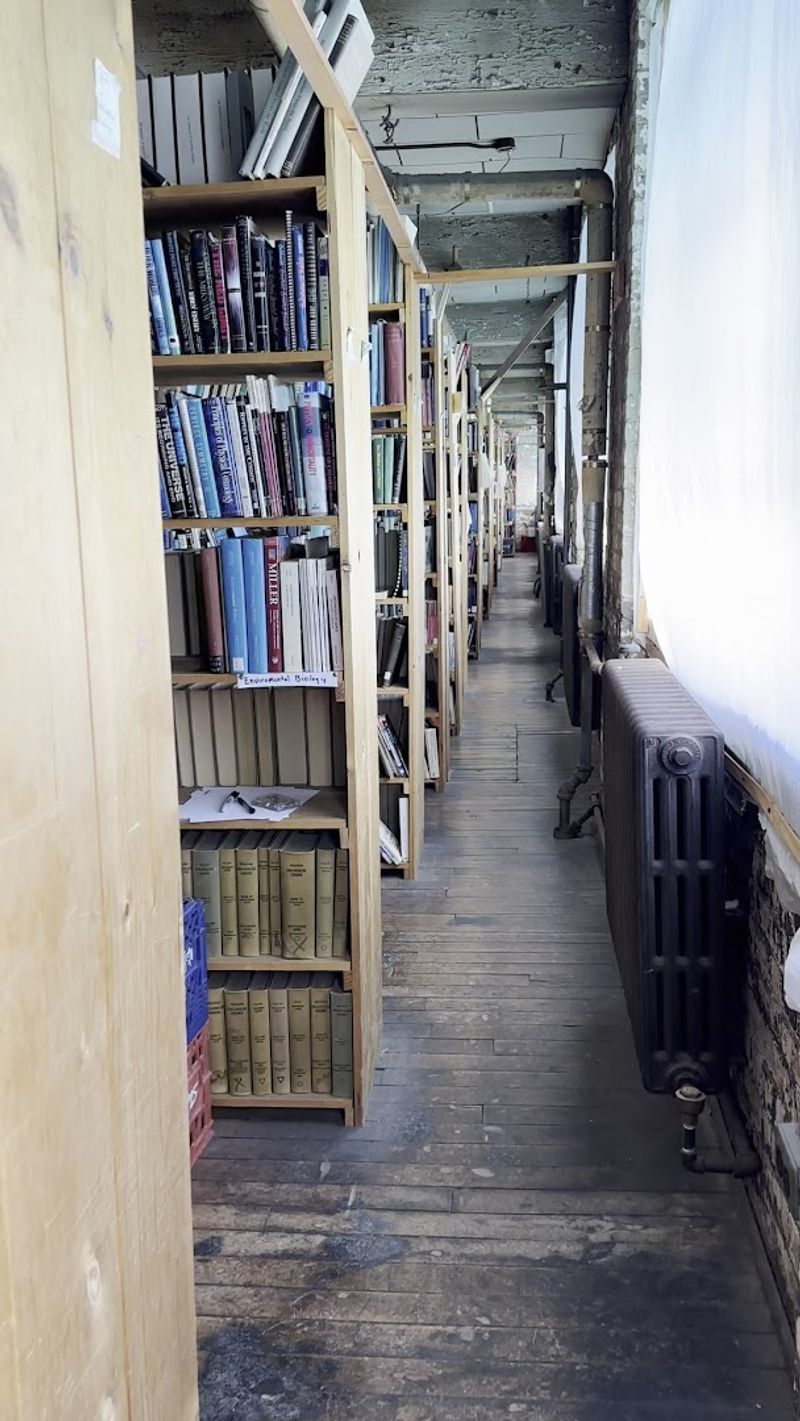
The stairs are part of the experience, for better and for tired calves. Four floors mean excellent wandering, but also a visit that may be challenging for anyone with mobility concerns.
The building is old, the aisles can be narrow, and temperatures may vary by season. There is a restroom on the second floor, a detail worth remembering before you get triumphantly lost near an obscure subject section.
Bring a tote if you plan to buy, though the shop also sells its own canvas bags. Practical preparation leaves more room for delight, which is really the whole point here.
Leave Room For The Unplanned Book
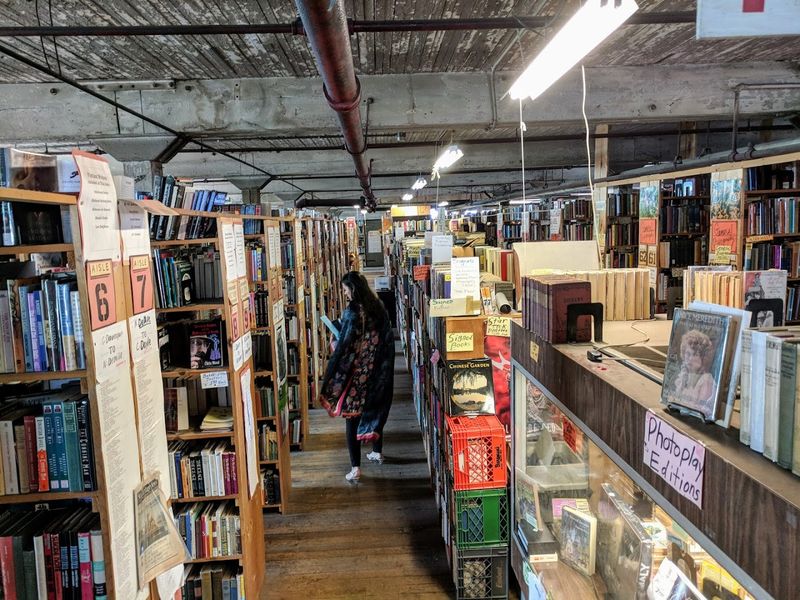
The best souvenir may be a book you cannot justify in advance. That is not poor planning, just the local physics of John K. King doing its work. It is the result of a deliberate surrender to the stacks, where a title you never knew existed suddenly becomes an essential part of your personal collection.
Past discoveries in the store have included signed first editions, unusual documents, and unexpected materials tucked into older volumes. You may not uncover literary treasure, but the possibility sharpens the browsing in a pleasant way.
The hunt itself is the primary draw, as you navigate a landscape where a dusty 19th-century technical manual might sit right next to a rare collection of mid-century poetry, turning every shelf into a potential goldmine of forgotten culture.
Before checkout, give your stack one honest review, then keep the title that makes you grin for no efficient reason. A celebrated bookstore should send you home with evidence, and preferably something slightly inconvenient to pack.
Whether it is an oversized atlas or a heavy, leather-bound history of a distant land, that awkward weight in your luggage serves as a physical reminder of the time you spent wandering through Detroit’s greatest labyrinth of ink and ideas.