
This Tiny Florida Island Is Home To A Ghost Town You Can Only Reach By Boat
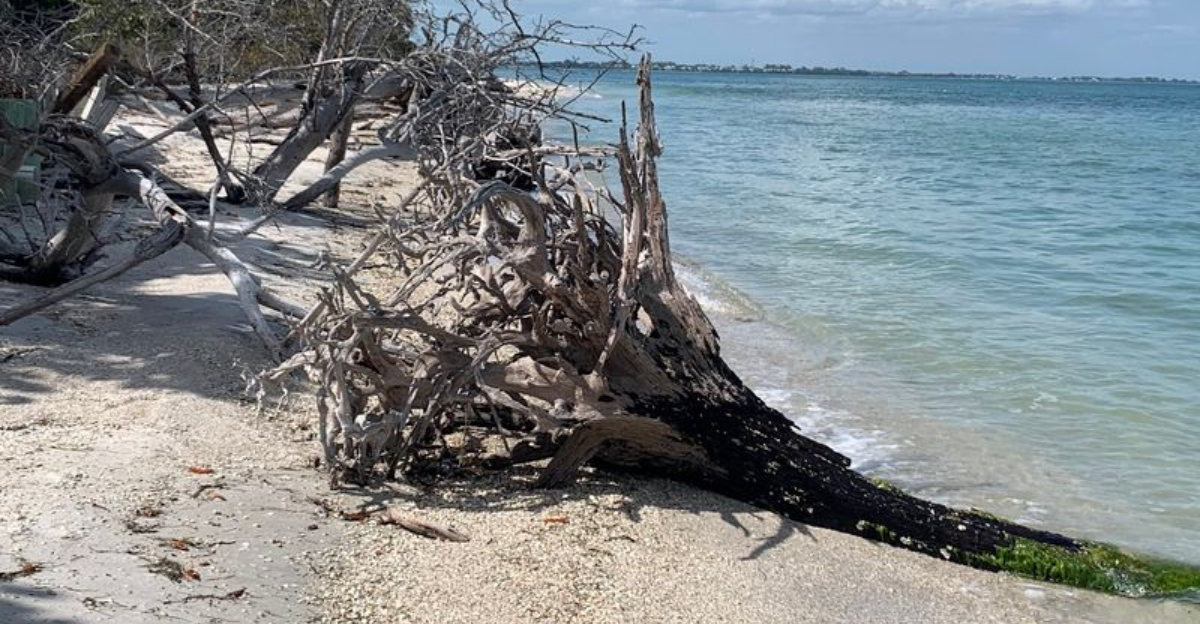
There is an island in Florida where you cannot drive a car, book an Uber, or sit in traffic.
That might be one of the best things about it.
Cayo Costa feels like a glimpse of a Florida that existed long before high-rise condos, crowded beaches, and endless development transformed much of the coastline. Reaching the island takes a little effort since it is accessible only by boat, but that journey is part of what makes the experience feel so special.
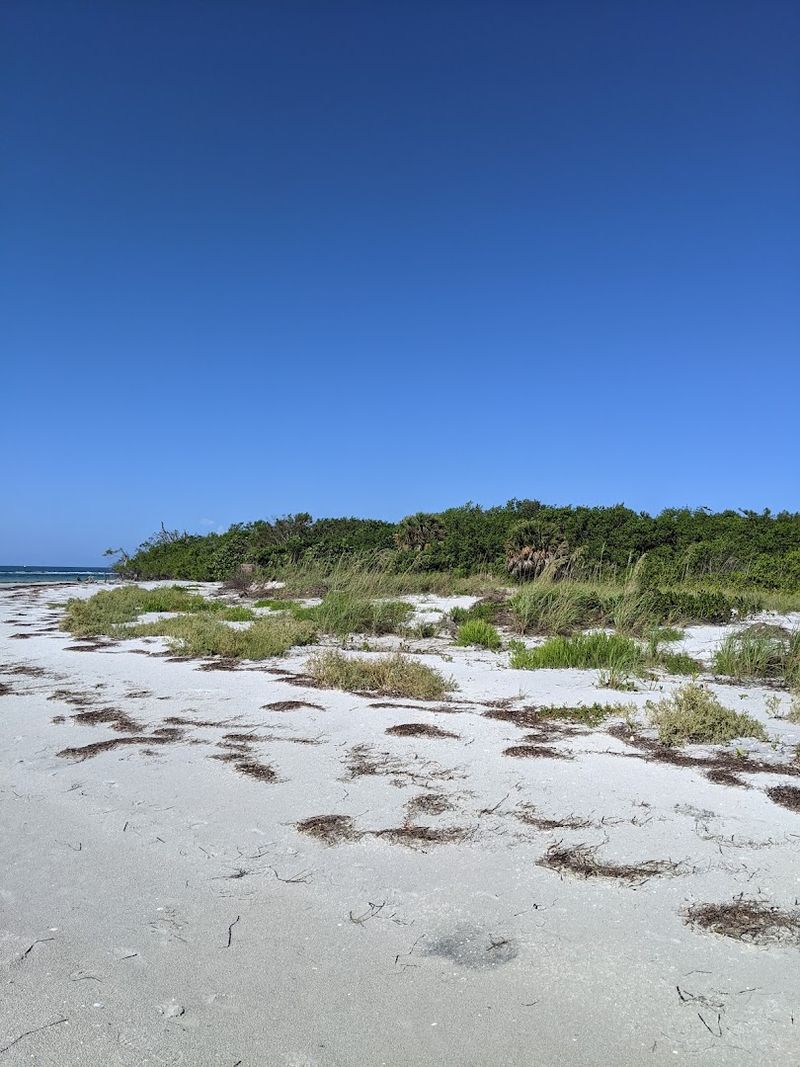
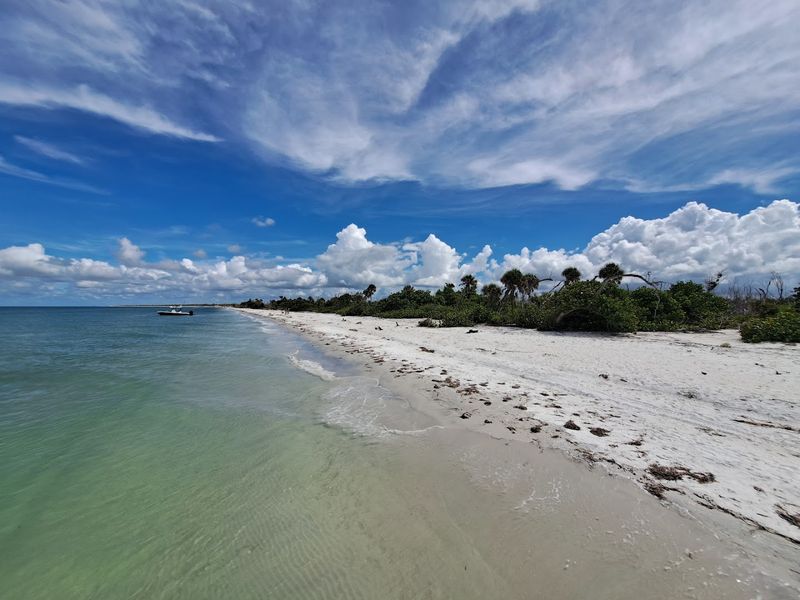
The moment you arrive, everything seems quieter. Miles of pristine shoreline stretch into the distance.
Palm trees sway in the Gulf breeze. The only sounds are waves rolling onto the sand and seabirds circling overhead.
Yet Cayo Costa offers more than natural beauty.
Hidden among the island’s landscapes are traces of a once-thriving fishing community, reminders of a time when people built their lives here before nature slowly reclaimed the land.
For travelers searching for wild beaches, fascinating history, and a true escape from modern life, this Florida island delivers an experience that feels increasingly rare in today’s world.
The Island You Can Only Reach By Boat
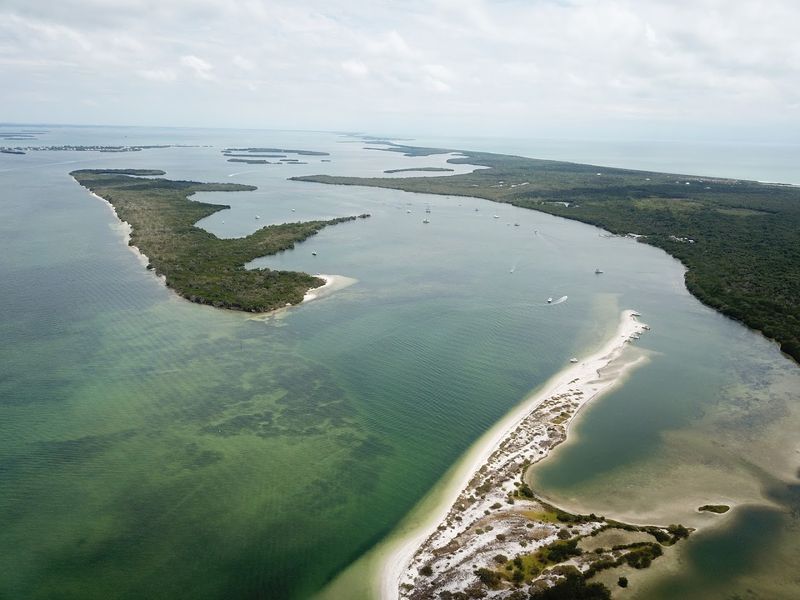
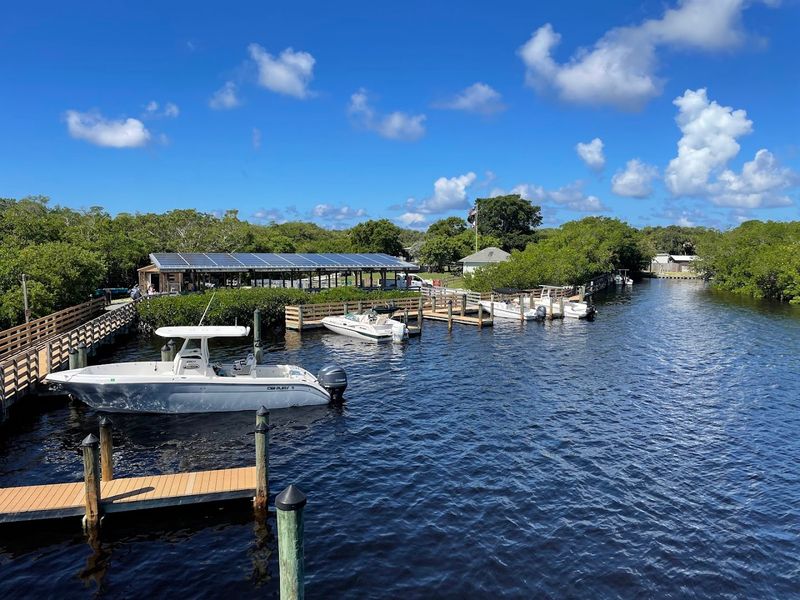
Getting to Cayo Costa is half the adventure, and that is not a complaint. There are no bridges connecting this barrier island to the mainland, which means the only way in is by private boat or a charter service operating out of nearby Pine Island or Captiva.
I remember standing on the dock watching the shoreline grow closer and feeling like I was arriving somewhere most people would never bother to find. That effort to get there is exactly what keeps the crowds away and the beaches looking like something out of a travel dream.
Charter boats and water taxis make the trip manageable even if you do not own a vessel. The ride itself is smooth, scenic, and sets the mood perfectly for what waits on the other side.
Arriving by water gives the whole experience a sense of discovery that a parking lot could never replicate.
The Ghost Town Hidden In The Trees
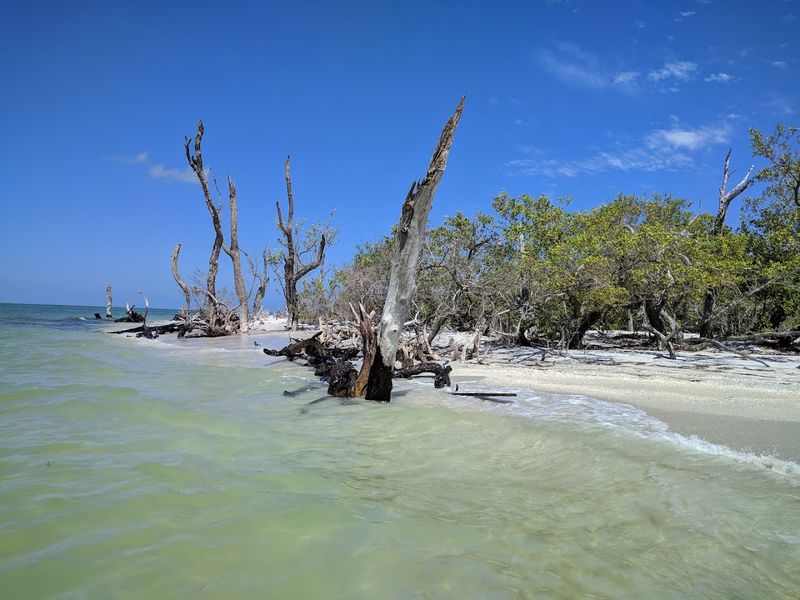
Somewhere beneath the canopy of palms and buttonwood trees on Cayo Costa lies the quiet bones of a fishing village that was once very much alive. Cuban fishermen settled here in the late 1800s, building homes, smokehouses, and a small community around the mullet fishing trade that was booming along Florida’s Gulf Coast at the time.
When I walked the interior trails, I kept my eyes open for any sign of what was left, and the island did not disappoint. Crumbling foundations, overgrown clearings, and the occasional rusted remnant hint at a life that carried on here for decades before the community eventually scattered.
The ghost town has no dramatic signage or formal tour, which honestly makes it feel more real. You piece together the story yourself, guided only by a park map and your own curiosity.
Few places let you feel like an actual explorer without charging extra for the experience.
Nine Miles Of Pristine Barrier Island Beach
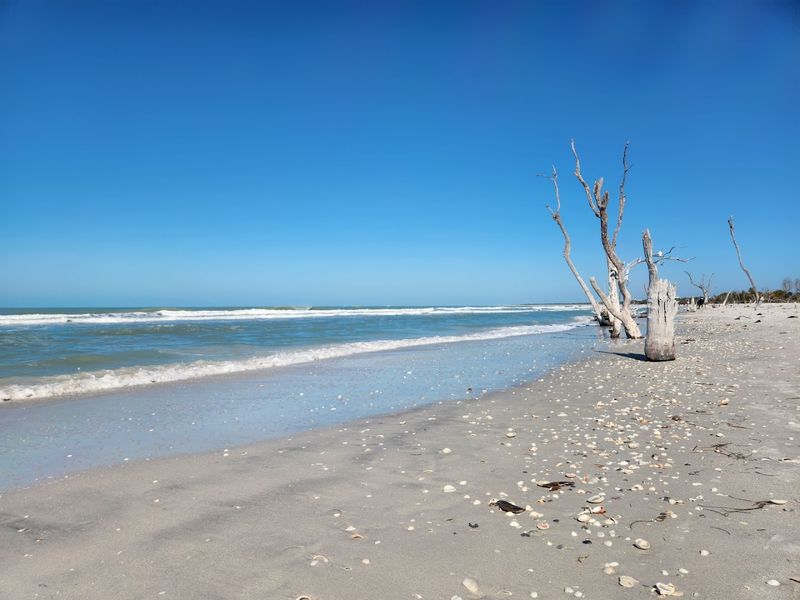
Nine miles of beach sounds like a lot until you are actually standing on it and realize you can walk in either direction for what feels like forever without bumping into another person. The Gulf-side beaches at Cayo Costa are wide, pale, and washed by water so clear it almost looks edited.
I spent an entire morning walking south from the main beach access point and counted maybe four other people the whole time. That kind of space is rare anywhere in Florida, let alone on a stretch of coast this beautiful.
The sand is soft underfoot, the shells crunch pleasantly with each step, and the breeze off the Gulf keeps things comfortable even on warmer days.
Families, solo travelers, and couples all find their own corner of this coastline without crowding each other out. The beach alone is worth every bit of effort it takes to get here, and most visitors say the same thing on their way back to the boat.
World-Class Shelling That Rivals Sanibel
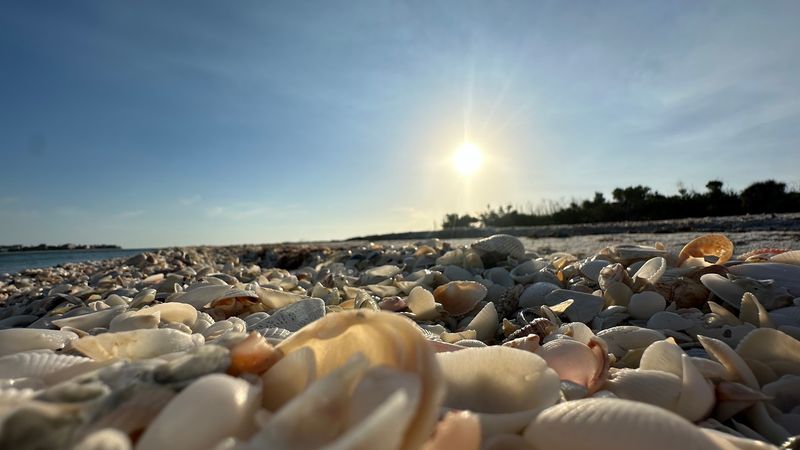
Sanibel Island gets most of the shelling fame in southwest Florida, but locals will quietly point you toward Cayo Costa if you want to find the good stuff without elbowing past a crowd. The remote location means shells wash ashore and sit undisturbed for hours before anyone comes along to pick them up.
On my visit, I found lightning whelks, fighting conchs, and a nearly perfect sand dollar all within the first thirty minutes of walking the shoreline. The trick is arriving early in the morning after a tide change, which gives you first access to whatever the Gulf decided to deliver overnight.
Experienced shellers bring mesh bags and wear water shoes to wade into the shallow surf where the best finds tend to cluster. Beginners do just fine walking the dry sand and keeping their eyes low.
Either way, you are almost guaranteed to leave with something worth keeping, and probably more than your pockets can hold.
Primitive Camping Under Dark Florida Skies
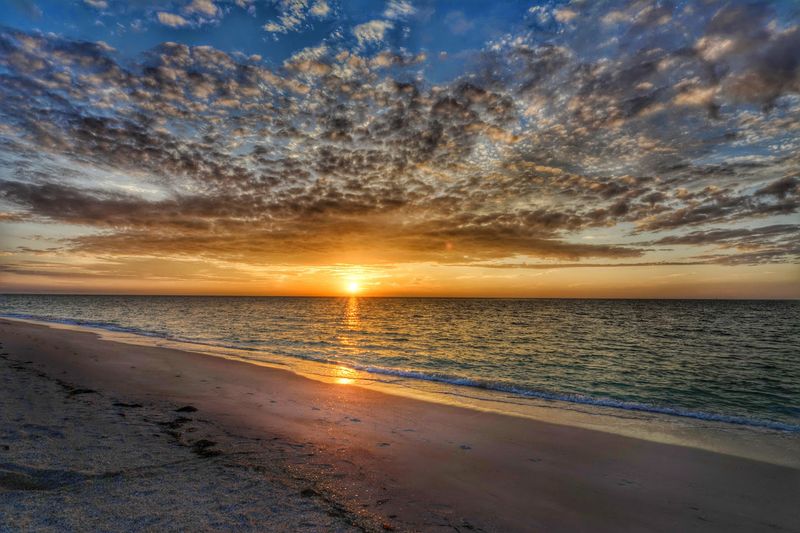
Camping on Cayo Costa is not the kind of experience where you plug in a fan and scroll your phone until midnight. The island offers both primitive tent sites and small rustic cabins, neither of which comes with air conditioning or much electricity, and that is entirely the point.
I stayed in one of the cabins during a February visit and quickly realized that sleeping without city noise is something most people have genuinely forgotten how to do. The sound of palm fronds moving in the wind and distant water replacing every notification I had ignored all week was a better reset than any spa visit.
Dark sky conditions on the island are impressive by Florida standards, and on a clear night the stars feel startlingly close. Rangers and fellow campers tend to be friendly and low-key, the kind of crowd that came here specifically to unplug.
Pack bug spray, a good flashlight, and food for every meal, because the small camp store has limited supplies.
The Wildlife That Calls This Island Home
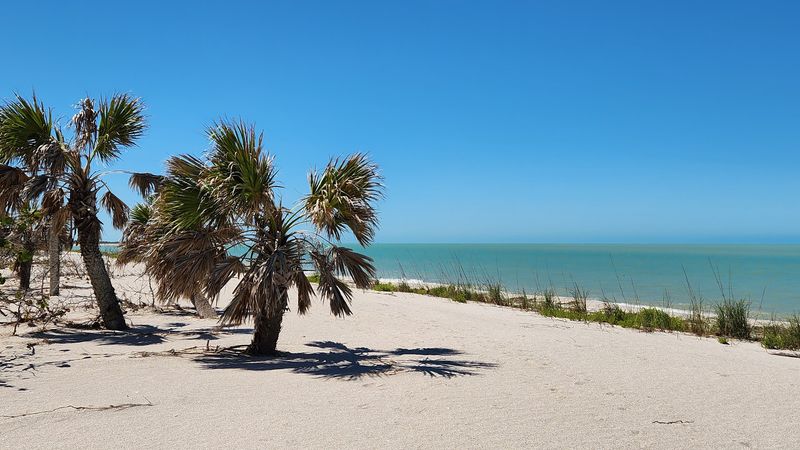
Cayo Costa does not feel like a zoo, but the wildlife shows up anyway, unbothered and unscheduled. Dolphins are a regular sighting in the waters around the island, and on one of my boat rides over I watched a small group riding the bow wake with what I can only describe as obvious enthusiasm.
Shore birds are everywhere, from roseate spoonbills wading in the shallows to ospreys circling overhead scanning for their next meal. The interior trails bring you through pine flatwoods and mangrove edges where you might spot gopher tortoises moving slowly across the sandy path like they own the place, which they basically do.
Manatees occasionally drift through the calmer bay-side waters, especially during cooler months when they seek out warmer pockets near the coast. The island sits within a protected state park, so all of this wildlife exists without the pressure of development.
Watching animals behave naturally in their own habitat is a quiet reminder of what Florida looked like before the condos arrived.
Trails That Take You Through Old Florida
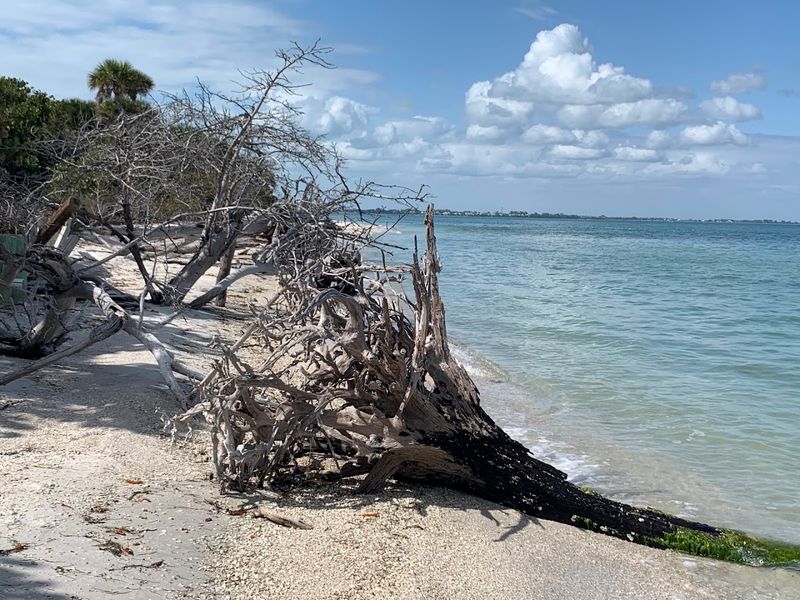
Not everyone comes to Cayo Costa purely for the beach, and the trail system rewards those who wander inland with a completely different kind of beauty. The park maintains several paths that cut through pine flatwoods, oak hammocks, and mangrove edges, giving you a cross-section of Florida ecosystems in a single afternoon walk.
I took the longer interior trail on my second morning and felt like I had stepped into a version of Florida that existed long before theme parks and strip malls. The air smells different in there, earthy and salt-tinged at the same time, and the canopy provides welcome shade during midday heat.
Bikes are available for rent at the park, which makes covering more ground much easier and honestly more fun. The tram that runs between the dock and the campground area also helps connect different parts of the island for those who prefer not to walk every stretch.
Whichever way you move through it, the interior of this island surprises you every single time.
The History Behind The Fishing Village
The story of Cayo Costa goes back further than most visitors realize when they first step off the boat. Cuban fishermen established a working settlement here in the late nineteenth century, drawn by the extraordinary mullet runs that moved through the surrounding waters each season.
At its peak, the village had enough residents to support a small but functional community, complete with smokehouses for preserving fish that would be shipped to markets in Cuba and along the Gulf Coast. The work was hard, the isolation was real, and the people who lived here built a life that was entirely self-sufficient by necessity.
Over time, shifting fishing regulations, storms, and changing economics pulled the community apart, and the village was eventually abandoned. What remains today is subtle, scattered through the vegetation like a quiet puzzle waiting for curious visitors to piece together.
Understanding this history adds a layer of meaning to every trail walk and beach stroll that transforms a pretty island visit into something genuinely memorable.
How To Plan Your Visit To Cayo Costa
Planning a trip to Cayo Costa takes a little more preparation than a typical beach day, and that extra effort is genuinely worth making. The park is open daily from 8 AM to 5 PM, and you can reach the ranger station by phone at 941-964-0375 or visit the official site at floridastateparks.org/park/Cayo-Costa for the latest updates on camping reservations and access options.
Camping spots and cabins book up quickly, especially during winter and spring, so reserving well in advance is a smart move rather than a suggestion. Day visitors typically arrive by charter boat from Pine Island or by private vessel, and the park docks can fill up on busy weekends, so an early arrival makes a noticeable difference.
Pack everything you need for the day including food, sunscreen, bug spray, and plenty of water, since the small on-site store has limited stock. Comfortable shoes for the trails, a bag for shells, and a willingness to slow down round out the ideal packing list for this island.
Why This Island Stays Wild And Worth It
There is something quietly radical about a place that refuses to make itself easy to reach. Cayo Costa has no bridge, no resort, no chain restaurant waiting at the end of the trail, and that deliberate inaccessibility is the single best thing about it.
The state park designation protects the island from the kind of development that has transformed so much of coastal Florida into something unrecognizable. What you get here instead is the real thing: wild beaches, honest wildlife, genuine quiet, and a ghost town that asks nothing of you except your attention and a little imagination.
Visitors consistently rate the park at 4.7 stars across hundreds of reviews, and the enthusiasm behind those ratings is easy to understand once you have been there yourself. The sunsets alone could carry the whole reputation.
But it is the combination of history, nature, solitude, and sheer beauty that keeps people coming back and telling everyone they know to go find this island before the secret spreads any further.