
This Tiny Florida State Park Hides One Of Florida’s Best Beach Escapes
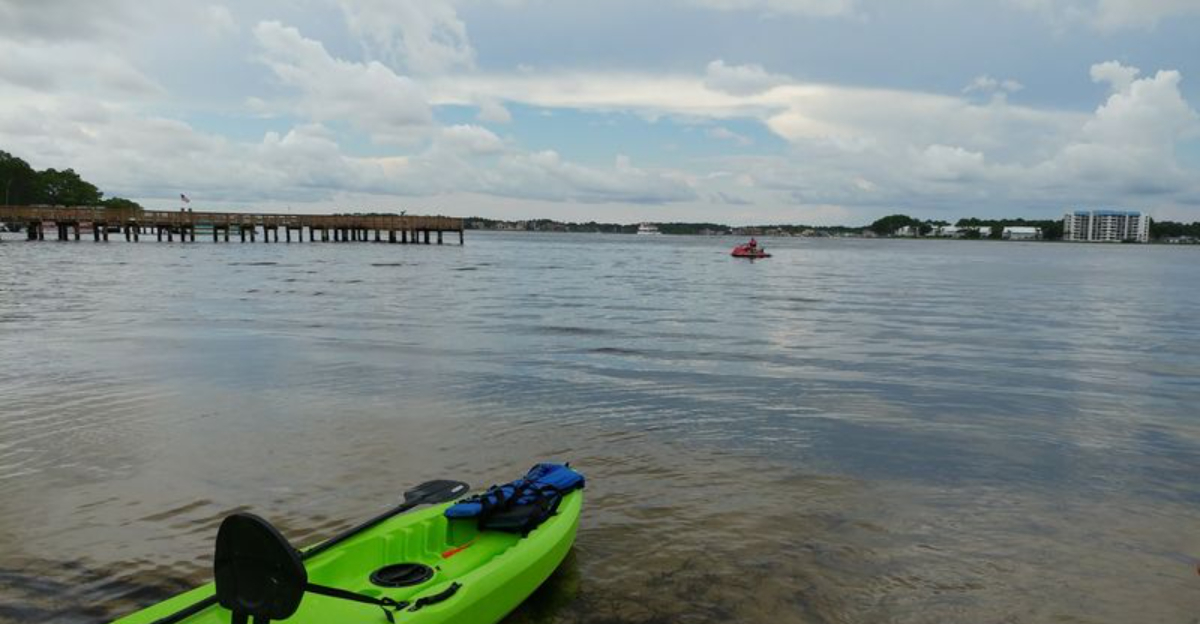
The most unforgettable beaches in Florida are not always the ones everyone talks about.
Some quietly wait for you to find them.
Most visitors head toward busy resorts, crowded boardwalks, and beaches lined with hotels. They expect bigger to mean better.
Then they arrive somewhere that has none of the noise, yet somehow leaves the strongest impression of all.
That is the surprise.
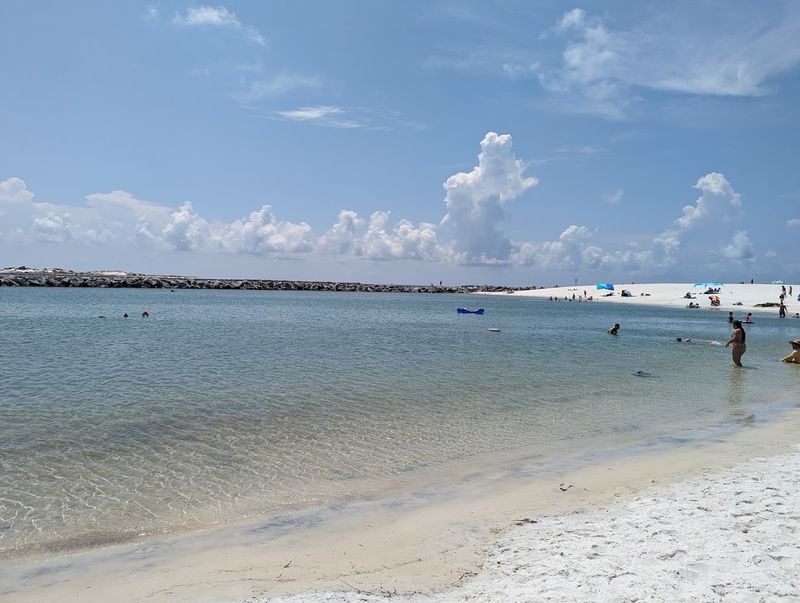
Florida is filled with famous stretches of coastline, but only a few still feel like an escape. Here, soft white sand meets remarkably clear water.
Dolphins appear just offshore. Coastal trails wind through protected landscapes, and every breeze reminds you why slowing down can be the best part of any vacation.
The contrast becomes obvious almost immediately.
Just beyond the entrance, the traffic and crowds begin to disappear.
Nature quietly takes over.
Some Florida beaches compete for your attention with attractions, shops, and nonstop activity.
This one does the opposite. It wins you over with peaceful scenery, untouched beauty, and the kind of atmosphere that makes you lose track of time without even noticing.
By the time you leave, you are already thinking about the next visit.
The Sand Here Is Genuinely White And Soft
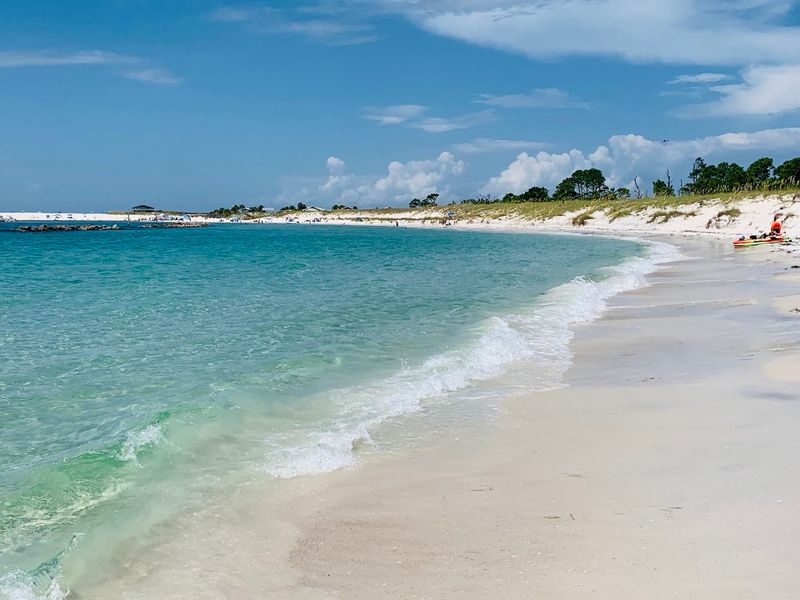
Most beaches promise white sand and deliver something closer to tan gravel, but St. Andrews State Park is the real deal.
The sand here is made of fine quartz crystals that have been carried down from the Appalachian Mountains over thousands of years, which is why it feels almost powdery under your feet.
On a sunny day, the grains reflect light so strongly that you genuinely need sunglasses just to walk along the shoreline without squinting.
I kicked off my sandals the moment I hit the beach and immediately understood why so many visitors describe the sensation as walking on cool, fine flour.
The texture stays surprisingly cool even in July, because quartz does not absorb heat the way darker sands do, giving your feet a break from the brutal Florida summer sun.
Photographers love this beach at golden hour, when the low light catches every grain and makes the whole shoreline glow like something out of a travel magazine.
Crystal Clear Gulf Water That Rivals The Caribbean
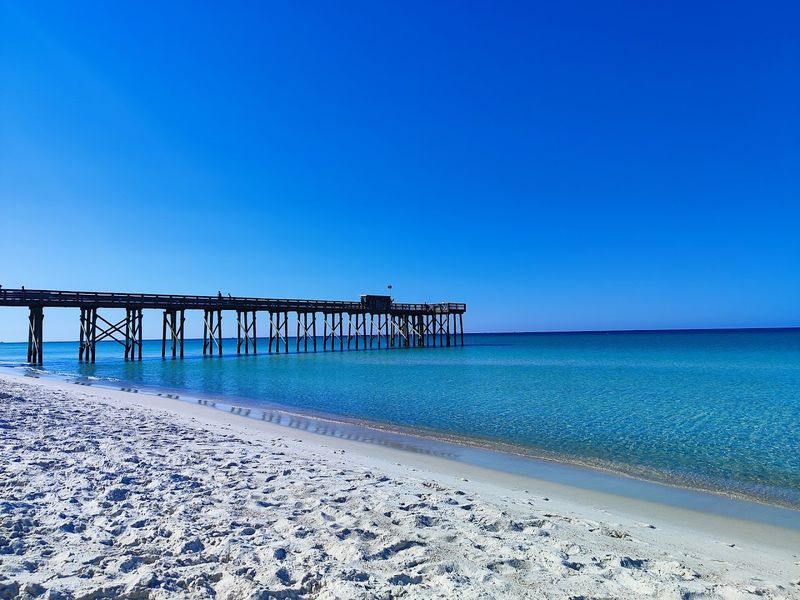
Standing at the water’s edge at St. Andrews State Park, I genuinely had to remind myself I was still in Florida and not somewhere far more exotic.
The Gulf of Mexico here runs in shades of aquamarine and pale green, and on calm days the water is transparent enough to watch small fish darting around your ankles without any effort at all.
This clarity happens because the Gulf’s shallow shelf keeps sediment from stirring up, and the lack of heavy boat traffic near the swimming area helps maintain that clean, almost glassy look.
Snorkelers are particularly lucky here, since the jetty rocks just a short walk from the main beach attract sheepshead, flounder, and the occasional small ray cruising along the bottom.
Water temperatures stay comfortable for swimming from late April all the way through October, which gives visitors a long window to enjoy the Gulf without a wetsuit.
Seeing the bottom from chest-deep water never gets old, no matter how many times I visit.
A Working Jetty That Is A Fisherman’s Dream
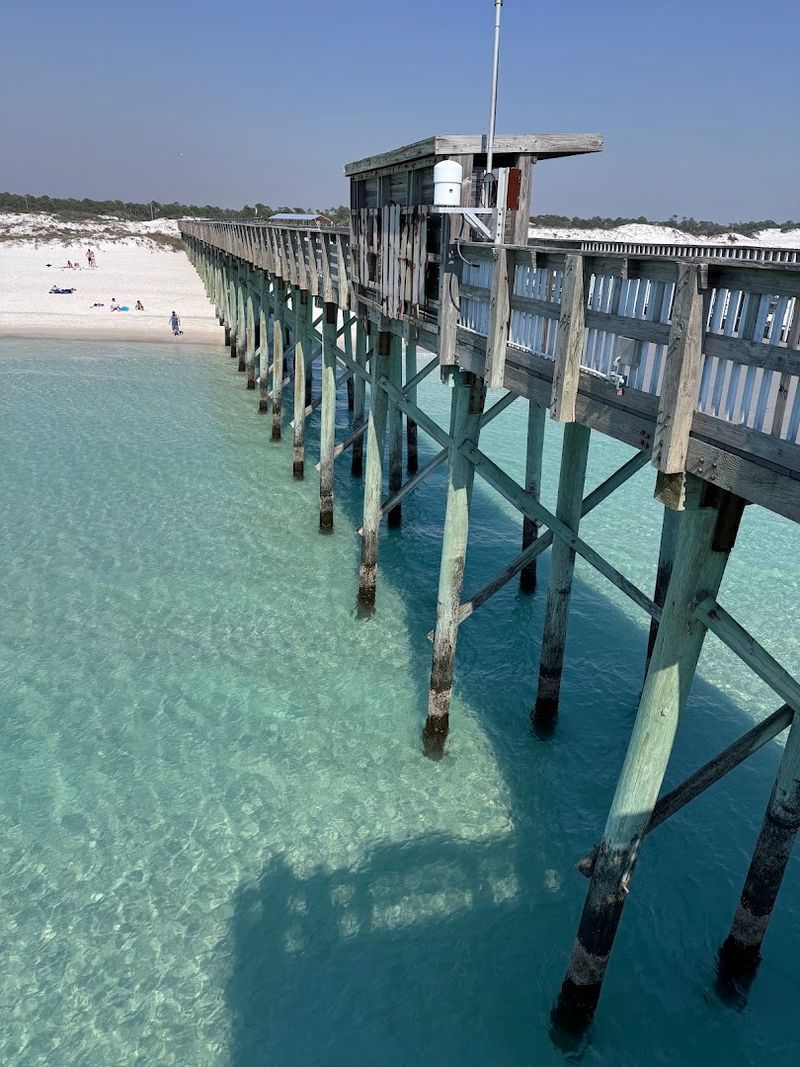
The twin jetties at St. Andrews State Park are among the most productive fishing spots along the entire Florida Panhandle, and the locals treat them like a well-kept family secret.
Built to keep the pass between the Gulf and the bay navigable, these rock structures have become artificial reefs over the decades, attracting a wide variety of fish that love to shelter in the crevices.
Anglers regularly pull in Spanish mackerel, cobia, redfish, and flounder, especially during the spring and fall migrations when fish stack up in the pass in serious numbers.
I watched one older gentleman land a cobia that had to be pushing thirty inches, right from the public jetty wall, without a boat or any fancy gear.
No fishing license is required for saltwater fishing from a public pier or jetty in Florida, which makes this spot accessible for families who want to try fishing without a big investment.
Bring a cooler, some patience, and a rod, and the jetty will usually reward you.
Shell Island Is Reachable By A Short Ferry Ride
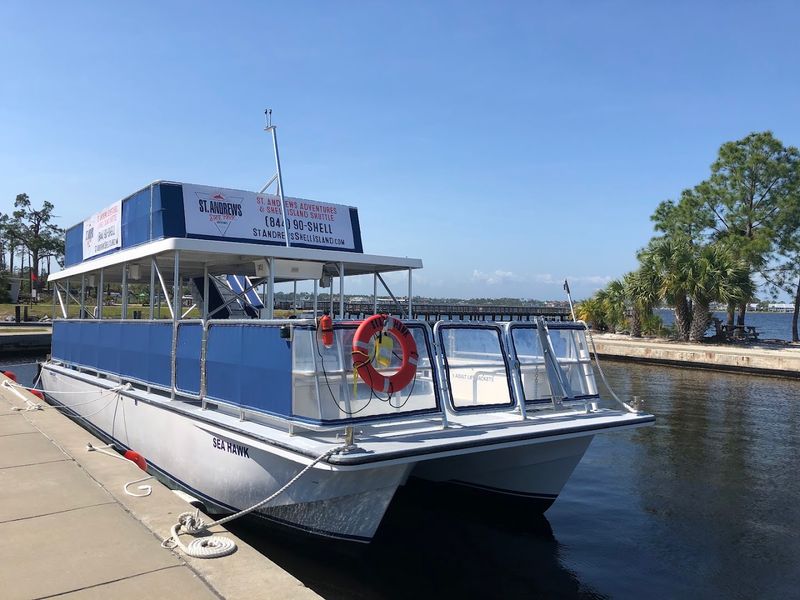
One of the most exciting things about visiting St. Andrews State Park is that it serves as the launching point for Shell Island, a seven-mile-long undeveloped barrier island sitting just across the pass.
A seasonal ferry operates directly from the park, making the crossing in just a few minutes and dropping visitors onto a stretch of beach that has no roads, no concession stands, and no crowds worth mentioning.
Shell Island is part of Gulf Islands National Seashore, so it has been protected from development, which means the beach there looks essentially the same as it did hundreds of years ago.
I took the ferry on a weekday in May and found long stretches of shoreline almost entirely to myself, with nothing but pelicans, ghost crabs, and the sound of small waves for company.
The shelling on the island is genuinely impressive, with lightning whelks, sand dollars, and olive shells turning up regularly along the tide line.
The ferry schedule is seasonal, so checking ahead before your visit is a smart move.
Dolphins Show Up Here More Often Than You Would Expect
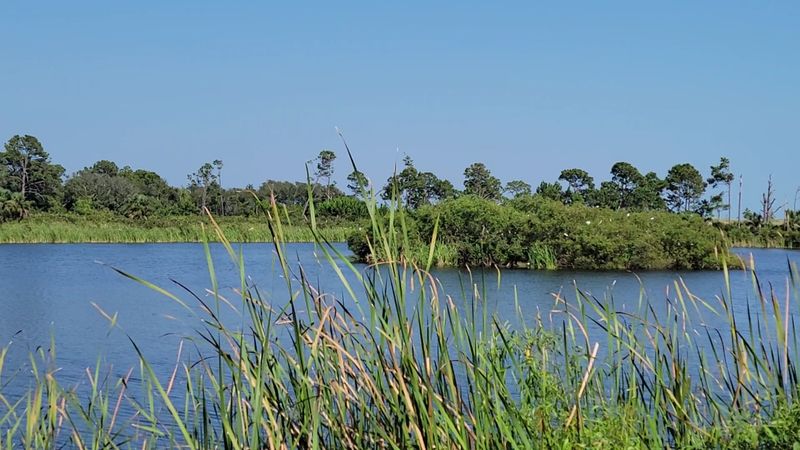
Bottlenose dolphins are practically park regulars at St. Andrews, and spotting them requires almost no effort beyond standing near the water and paying attention.
The pass between the Gulf and the bay acts like a natural funnel for baitfish, and the dolphins have clearly figured this out, working the current to herd schools of mullet and other small fish against the jetty rocks.
I counted seven dolphins on one visit, moving through the pass in a loose group, taking turns surfacing and then sliding back under with barely a splash.
Park rangers will remind you that feeding or approaching wild dolphins is illegal under federal law, and honestly it is also unnecessary because they come so close on their own terms anyway.
Early morning and late afternoon tend to produce the best sightings, when the fish are most active and the dolphins follow accordingly.
Watching them hunt in shallow, clear water from the jetty wall is one of those travel moments that stays with you long after the trip ends.
The Park Covers Both Gulf And Bay Sides
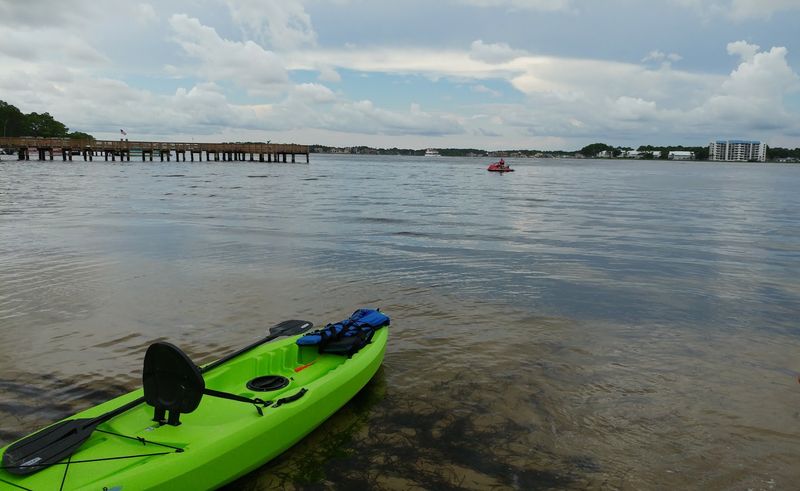
What makes St. Andrews State Park unusually interesting is that it sits on a peninsula, giving visitors access to two completely different bodies of water within the same park boundaries.
The Gulf side delivers the classic Florida beach experience, with open water, rolling waves, and that wide horizon stretching out to the south.
The bay side, facing Grand Lagoon, is much calmer and shallower, making it ideal for kayaking, paddleboarding, and anyone traveling with young children who prefer water without much wave action.
I spent one morning on the Gulf side swimming and then crossed the short trail to the bay side in the afternoon to paddle a rented kayak through the quiet marsh edges.
The contrast between the two sides within a single visit feels like getting two completely different outdoor experiences for the price of one park entrance fee.
The bay side also tends to hold more birds, including great blue herons, ospreys, and roseate spoonbills, especially in the early morning hours.
Wildlife Watching Goes Far Beyond The Water
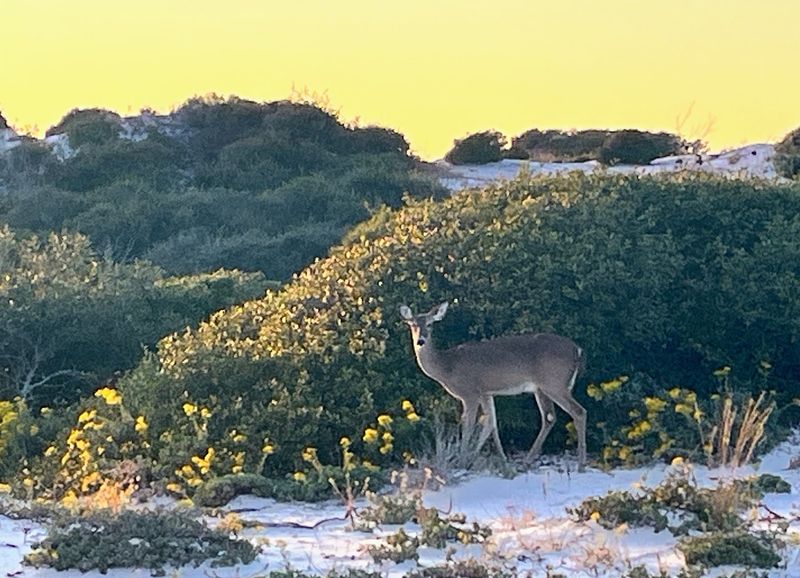
People often focus on the beach and miss the fact that St. Andrews State Park is home to a surprisingly rich collection of land-based wildlife as well.
The park’s pine flatwoods and scrub habitat support gopher tortoises, which are protected in Florida and can often be spotted near their burrow entrances along the park’s interior trails.
I nearly walked past one without noticing until it shifted slightly in the morning shade, revealing its domed shell half-hidden under a saw palmetto frond.
The scrub habitat also attracts a wide variety of songbirds, especially during spring and fall migration, when warblers, thrushes, and other species use the park as a rest stop during their long seasonal journeys.
White-tailed deer have been spotted in the park as well, typically near the edges of the pine flatwoods in the early morning.
Bringing a pair of binoculars on any visit here turns a beach trip into a full-day nature experience that most visitors never even realize is available to them.
Camping Right On The Water Is Absolutely Possible
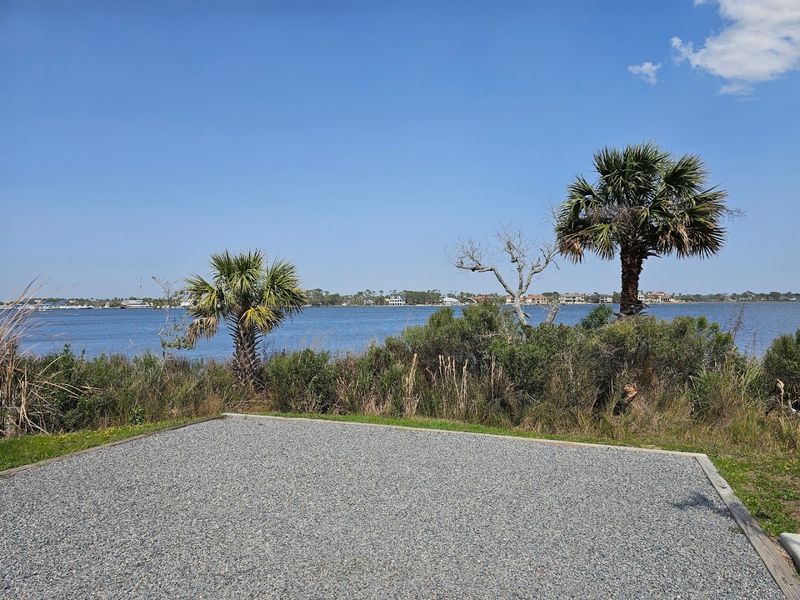
Spending the night at St. Andrews State Park is one of the best ways to experience the place at its quietest and most beautiful, and the park offers more than 170 campsites to make that happen.
Sites are available with water and electric hookups, making the campground comfortable for tent campers and RV travelers alike, with restrooms and shower facilities nearby.
Some sites sit close enough to the water that you can hear the Gulf lapping against the shore from inside your tent, which is a level of sleep quality that most hotels simply cannot match.
I stayed two nights in late September, and the combination of cool evening air, low humidity, and almost no mosquitoes made it feel like the park’s reward for visiting outside the peak summer rush.
Reservations are strongly recommended, especially for spring break and summer weekends, since the campground fills quickly and walk-in sites are rarely available during busy seasons.
Florida State Parks handles reservations through the Reserve America system, and booking two or three months ahead is a reasonable strategy for popular dates.
The Entrance Fee Is Surprisingly Affordable
One of the most refreshing things about St. Andrews State Park is that it delivers a premium beach experience without charging a premium price to walk through the gate.
As of my most recent visit, the entrance fee for a vehicle with up to eight people was eight dollars, which works out to barely over a dollar per person for a full day at one of Florida’s finest beaches.
Pedestrians and cyclists pay an even lower fee, making the park genuinely accessible for visitors on a tight budget who still want a high-quality outdoor experience.
Florida also offers an annual state park pass that covers entrance fees at all 175 state parks for a flat annual rate, which pays for itself quickly if you visit more than two or three parks in a year.
Compared to the resort parking fees at nearby commercial beaches, which can easily run twenty dollars or more per day, St. Andrews feels like a financial relief as much as a scenic one.
Good value and great scenery rarely show up together this reliably.
Getting There Is Easier Than Most People Think
St. Andrews State Park sits at 4607 State Park Ln, Panama City, FL 32408, which places it just a short drive from downtown Panama City and the broader Panama City Beach resort area.
The drive from the main Panama City Beach strip takes roughly fifteen to twenty minutes depending on traffic, and the route follows Thomas Drive along the southern side of the peninsula, passing a mix of local restaurants and marinas along the way.
Parking inside the park is plentiful compared to most Gulf Coast beach access points, with large lots near both the Gulf beach and the boat launch area.
I arrived on a Saturday morning in June around eight-thirty and had no trouble finding a spot, though I noticed the lot filling steadily by ten o’clock, so arriving early is always the smarter play on weekends.
The park is open every day of the year from eight in the morning until sundown, giving visitors a reliable window that works with most travel schedules.
Once you park and walk to the sand, you will immediately understand why the drive is worth every minute.