
This Tiny 19th-Century Graveyard In Arizona Takes You Back To The Wild West
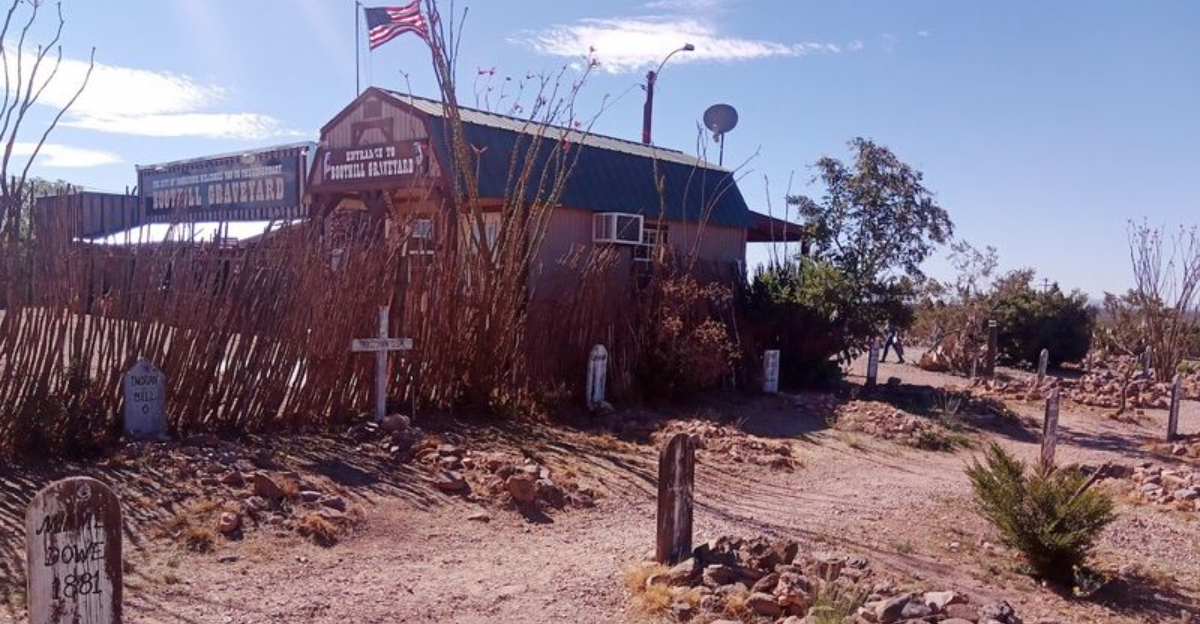
The gate creaks, the dust settles, and suddenly I’m no longer in modern Arizona. In front of me stretches a tiny patch of desert that time basically forgot-a scruffy little graveyard where the headstones lean like they’ve been nursing a hangover for a century.
Each weathered marker represents someone who definitely didn’t plan on ending up there when they woke up that morning.
Quick draws, feuds, bad medicine, and worse luck-that’s what these stones are made of. Sagebrush frames the scene like a movie set, except everything here is real and a little bit haunted. The desert silence speaks volumes, and for a few moments, the Wild West feels less like history and more like whatever’s waiting just around the corner.
It has earned its dramatic reputation as one of the rowdiest towns of the American frontier, and this compact cemetery along Arizona State Route 80 holds the proof.
The Origin Story Behind The Name
Few cemetery names carry as much raw storytelling power as the one tied to Tombstone’s frontier past. Before the name appears, you can already feel the grit behind it.
The phrase comes from people who “died with their boots on,” a frontier expression for those who met a sudden or violent end rather than a quiet passing in old age. The graveyard was established around 1878 or 1879, making it one of the earliest formal burial sites in what was then a booming silver mining town.
Tombstone drew fortune seekers, gamblers, lawmen, and outlaws in equal measure, so it is hardly surprising that the local burial ground filled quickly with people whose lives ended under dramatic circumstances.
By around 1883 or 1884, a new city cemetery opened, and this older site mostly stopped accepting new burials.
That transition froze the place in a specific moment of frontier history, preserving one of Arizona’s wildest chapters in the dry desert soil. That place is Boothill Graveyard.
The Graves Of The O.K. Corral Gunfight
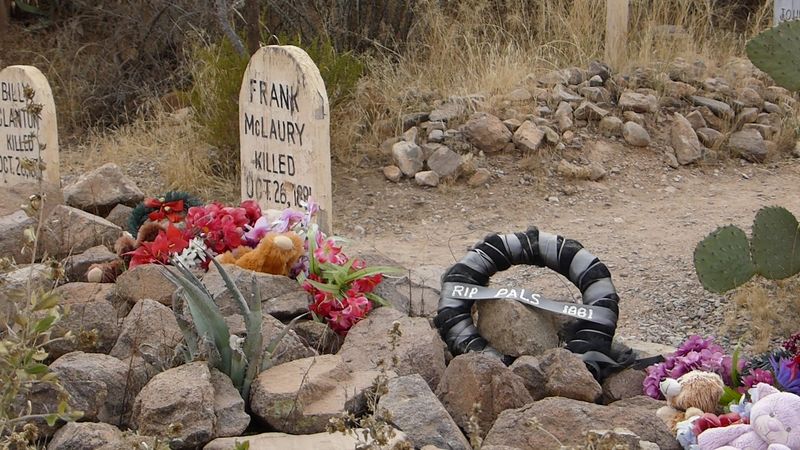
No visit to Boothill feels complete without stopping at the graves of Billy Clanton, Tom McLaury, and Frank McLaury. Their shared marker is one of the most photographed spots in the entire graveyard, and honestly, standing in front of it gives you chills that no museum exhibit could replicate.
The gunfight lasted roughly 30 seconds and involved the Earp brothers and Doc Holliday on one side, with the Clanton and McLaury factions on the other. Three men ended up here at Boothill as a direct result of those 30 seconds, cementing Tombstone’s place in American folklore forever.
What strikes me most is how young some of these men were. Billy Clanton was only 19 years old when he was brought to this graveyard.
That detail alone transforms a famous historical event into something deeply personal, reminding visitors that real lives and real stories are buried beneath that Arizona dust.
Lester Moore And The Graveyard’s Most Famous Epitaph
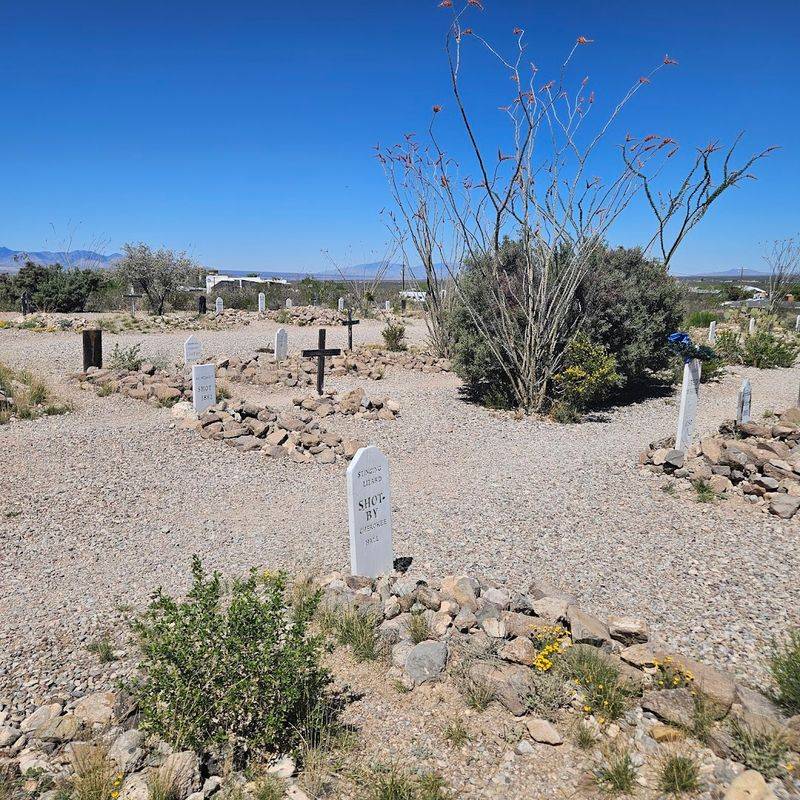
If there is one grave marker at Boothill that makes every visitor stop and laugh before they catch themselves, it belongs to Lester Moore. His epitaph reads: “Here lies Lester Moore, four slugs from a .44, no Les no more.”
That wordplay has been delighting tourists for generations, and it practically sums up the dark humor that the frontier era wore like a second skin.
Here is the twist though: historians widely consider the Lester Moore marker to be a fictional or re-created burial placed specifically for tourism purposes.
That blend of fact, legend, and showmanship is part of what makes Boothill so fascinating. The graveyard does not pretend to be a solemn museum piece; it embraces its own mythology with a wink, and somehow that makes the authentic stories buried nearby feel even more powerful by contrast.
The Bisbee Massacre Perpetrators And A Story Of Justice
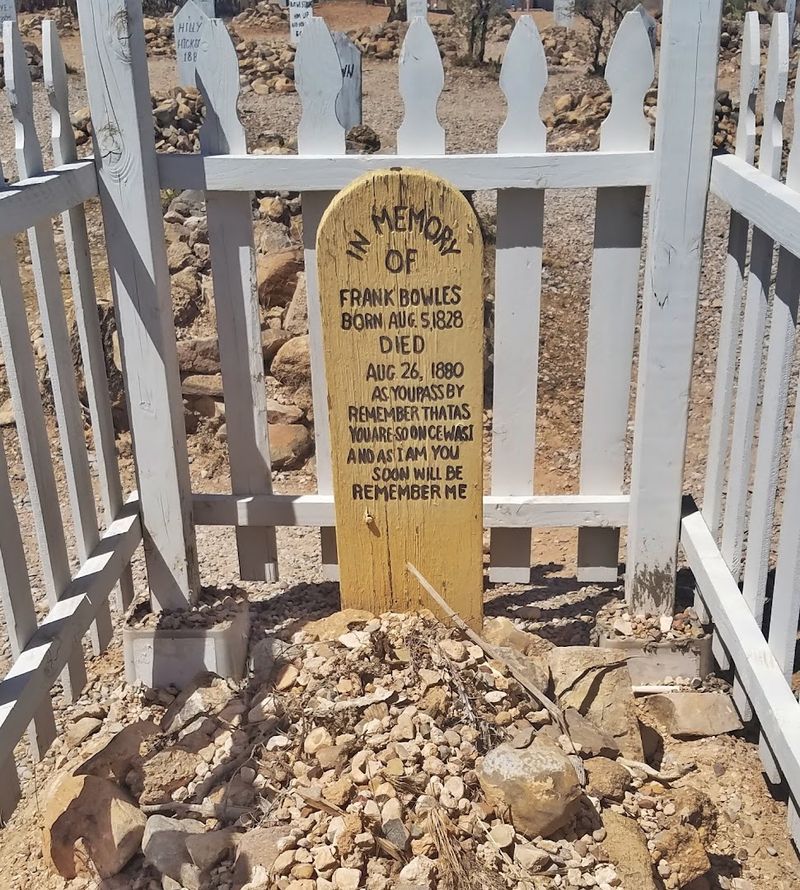
Not every person buried at Boothill ended up there through a gunfight or a mining accident. Five of the graves belong to the perpetrators of the 1883 Bisbee Massacre, a robbery gone terribly wrong that left four innocent people in the town of Bisbee without their lives.
The five men were legally hanged in Tombstone after a swift trial, and their execution marked one of the largest simultaneous hangings in Arizona Territory history.
Their presence at Boothill represents a different kind of frontier story, one where the legal system, rough and imperfect as it was, actually delivered a verdict and carried it out.
A sixth man, John Heath, was accused of organizing the massacre but received a lighter sentence from the court. An angry mob in Tombstone disagreed with that outcome and took matters into their own hands, and Heath has a marker at Boothill, though his remains were never actually buried there.
History here is layered, complicated, and never boring.
China Mary, Dutch Annie, And The Forgotten Voices
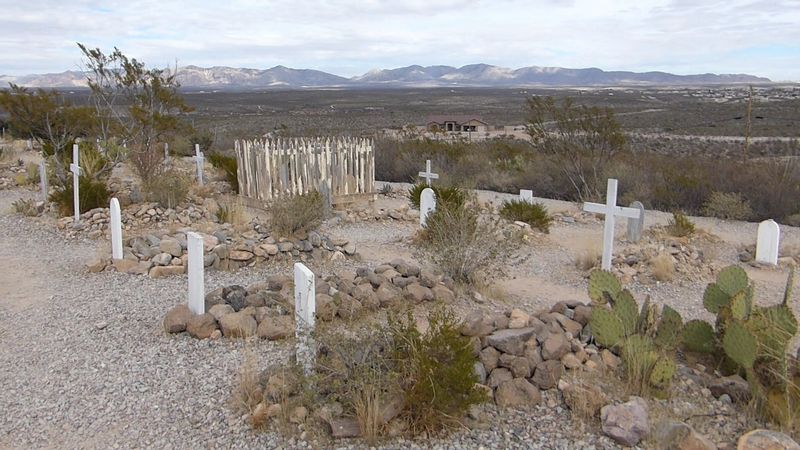
Boothill holds more than just outlaws and lawmen. Among its 250 or more known interments are people who rarely appear in Hollywood Westerns but whose lives shaped Tombstone just as powerfully, including China Mary and Dutch Annie.
China Mary was a respected and influential figure in Tombstone’s Chinese immigrant community, running businesses and serving as a community anchor during a period when Chinese residents faced serious legal and social discrimination across the American West.
Her presence at Boothill is a quiet but meaningful reminder that the frontier was far more diverse than popular culture usually admits.
Dutch Annie, known by the colorful title “Queen of the Red-Light District,” also rests here, and her funeral reportedly drew hundreds of mourners from across the community. The graveyard also holds unrecorded burials of Jewish immigrants and others whose names were never formally documented.
These overlooked stories give Boothill a depth and humanity that transforms a tourist stop into something genuinely moving and thought-provoking.
Restoration Efforts And The Wooden Grave Markers
By the early 20th century, Boothill had fallen into serious disrepair. Years of desert weather, neglect, and the natural decay of wooden markers had left the graveyard looking more like an abandoned lot than a historic site, and many of the original markers had simply rotted away entirely.
Restoration work began in earnest during the 1940s, driven by local preservationists and history enthusiasts who recognized what was being lost.
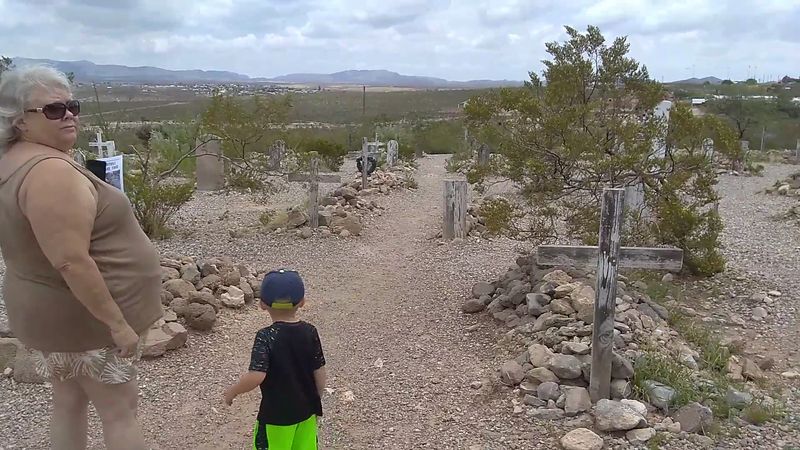
Teams worked to replicate the original wooden grave markers and place them as close as possible to the original burial sites, though some bodies have never been precisely located beneath the sandy soil.
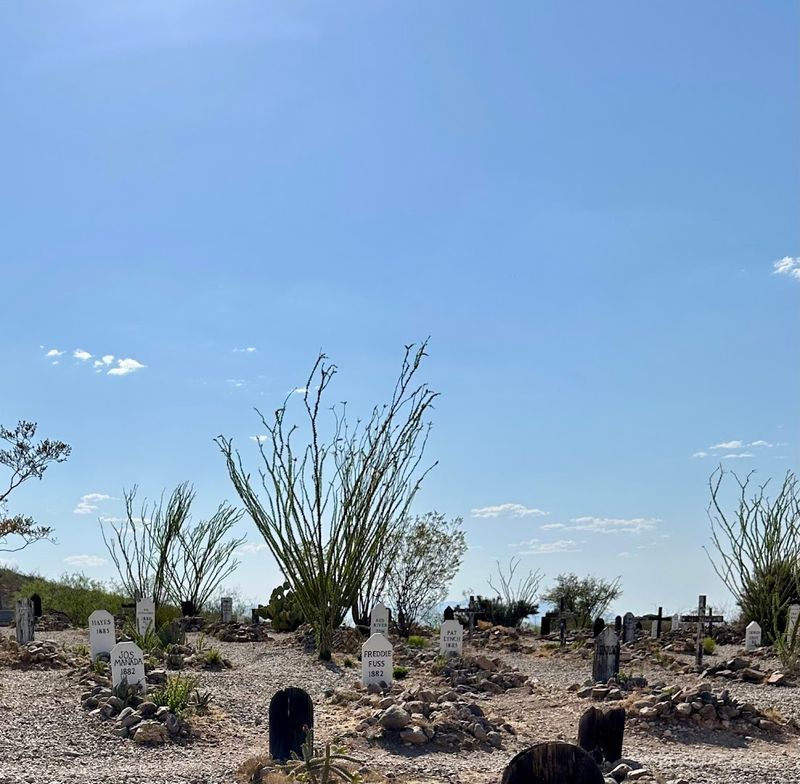
Walking through the restored graveyard today, you notice how the markers vary in size, shape, and condition, giving the place an authentically unpolished look that no manufactured theme park could fake. The imperfections are part of the story.
Every leaning post and faded inscription is a small act of memory, a community’s effort to hold onto the messy, complicated, and very human history of early Tombstone.
Planning Your Visit To Boothill Graveyard
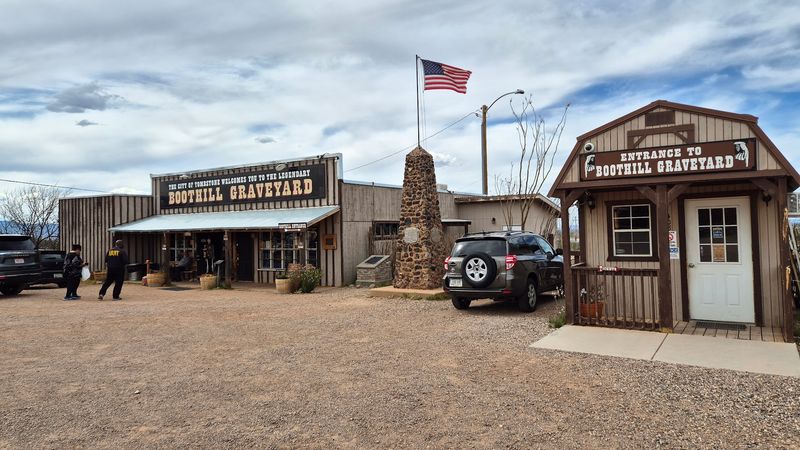
Boothill Graveyard sits along Arizona State Route 80 on the north side of Tombstone, Cochise County, Arizona, making it easy to find and a natural first stop before exploring the rest of the historic district.
The graveyard is open daily from 8:00 AM to 5:00 PM, and admission is currently $6.00 per person, which feels like a genuine bargain for what you get.
A small gift shop on site sells souvenirs, books, and maps of the graveyard, and picking up a printed guide before you wander is genuinely worth the extra minute. The guide helps you locate specific graves and understand the stories behind the markers, which makes the whole experience far richer than simply wandering and reading names.
The best time to visit is early morning when the desert air is cool and the crowds are thin, giving you space to move quietly between the markers without feeling rushed.
Wear comfortable shoes because the ground is uneven, bring water, and plan to spend at least an hour here because Tombstone’s most honest history is right beneath your feet.
The Unmarked Graves And Mysteries Still Buried In The Dust
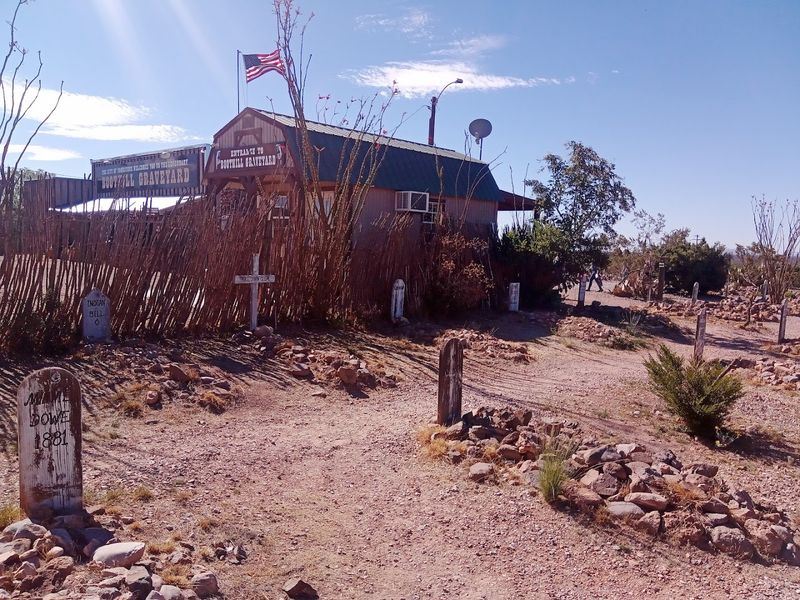
Not every story at Boothill Graveyard comes with a name. Scattered across the grounds are graves marked only by weathered stones or crude wooden crosses that have long since rotted away, leaving nothing but silence where a life once stood.
Historians estimate that dozens of individuals were buried without proper identification, their origins and fates forever unknown. Some were drifters passing through Tombstone, while others may have been victims of violence whose names were never recorded.
Walking past these forgotten spots carries a quiet weight. They remind visitors that the Wild West claimed many lives history simply never bothered to record.
In a place known for larger-than-life legends, these unmarked graves feel especially sobering because they belong to people who slipped through the cracks of memory.
There are no dramatic epitaphs here, no family names to trace, and no final clues beyond the rough markers left behind.
That absence makes this corner of Boothill Graveyard one of its most haunting reminders that not every frontier story became folklore.