
This Tiny Maine Restaurant Just Earned James Beard Recognition And Everyone Should Know About It
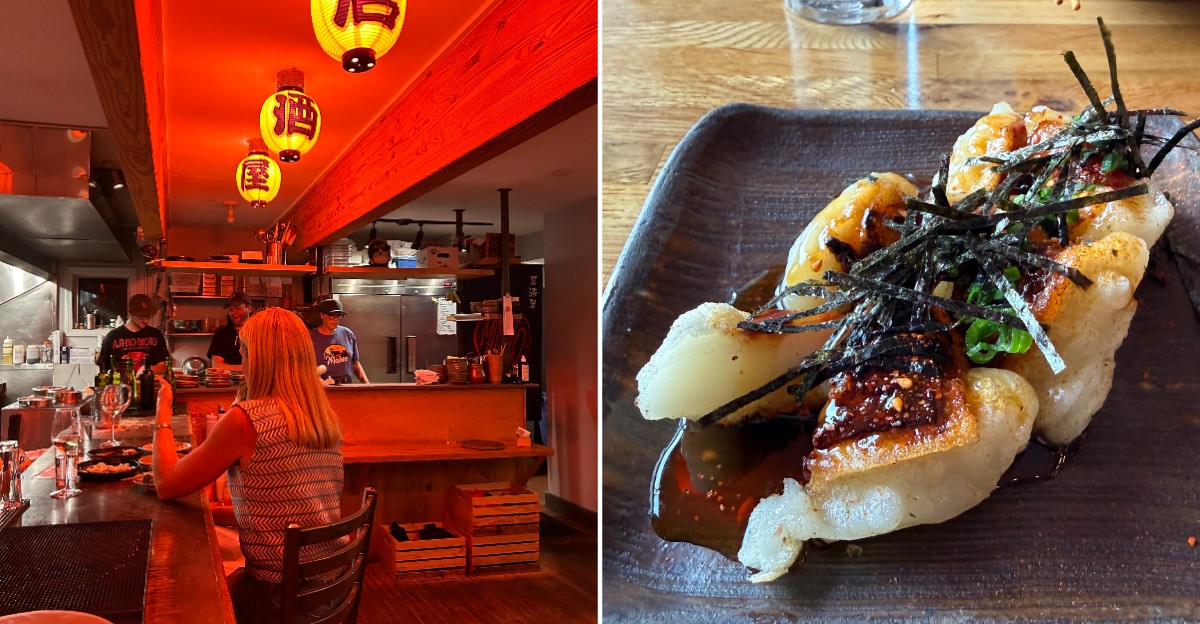
A cozy Japanese small-plates spot that doesn’t serve a single piece of sushi just landed its chef on a James Beard finalist list. That’s the kind of plot twist I can’t resist.
The nod came in 2026, in the Best Chef: Northeast category. Only a handful of chefs across the whole region reach that stage each year.
Here in Maine, that’s a big deal for a restaurant that only takes reservations for groups of four or more. Everyone else walks in and hopes for a seat.
I believe the best part is how casual it all stays, with shared plates, crispy fried chicken, and oysters done several ways. So what makes a place like this catch the eye of the biggest name in American food awards?
A Finalist Nod That Put Portland’s Food Scene On Alert
Big news traveled fast in 2026. Chef Thomas Takashi Cooke of Izakaya Minato was named a finalist for the James Beard Award for Best Chef: Northeast.
The award went to another chef in the end. Still, reaching the finalist round is a huge honor that most cooks only dream about.
The James Beard Awards are often called the Oscars of the food world. Chefs from big cities across the Northeast compete in the same category every year.
That makes a small Maine restaurant standing on that stage even more fun to cheer for. It’s proof that great cooking doesn’t need a giant dining room or a fancy zip code.
I like that the recognition points straight at the cooking. There’s no flashy gimmick here, just Japanese pub-style food made with care and local ingredients.
So what does this mean for you? Mostly, it means more people now know the secret, so planning ahead matters more than ever.
Think of the finalist title as a friendly nudge. If this spot has been on your someday list, someday should probably move a little closer.
The Chef’s Path Ran Through San Francisco And Tokyo
Long before Maine, Chef Cooke ran the kitchen as head chef at Tsunami, a sushi restaurant in San Francisco. That’s serious training with raw fish and sharp knives.
He also completed an apprenticeship at an izakaya in Tokyo. An izakaya is a casual Japanese gathering spot where friends linger over plates meant for sharing.
That Tokyo experience shows up in the whole idea behind the restaurant. The goal is relaxed neighborhood eating, not stiff white-tablecloth dining.
Here’s a fun twist, though. A chef with a sushi background chose to open a place that serves no sushi at all.
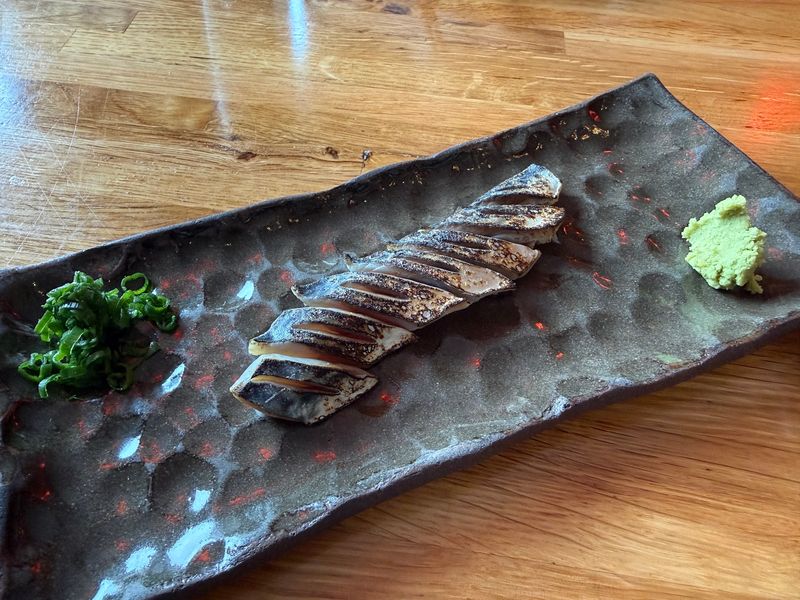
Instead, his skills show up in daily sashimi, grilled fish, and dishes built on dashi. Dashi is a savory Japanese broth that forms the base of many classic recipes.
I think that restraint says a lot about his confidence. He knows exactly what kind of restaurant he wants to run.
Cooke co-owns the place with Elaine Alden. Together, they’ve built something that feels personal rather than corporate, and the James Beard judges clearly noticed.
Knowing the backstory makes each plate more interesting. You’re tasting years of practice on two coasts and across an ocean.
A Harbor Name For A Harbor City Feels Just Right
Minato means port or harbor in Japanese. For a restaurant in a working waterfront city, that’s about as fitting as a name gets.
Izakaya Minato opened on January 31, 2017. Launching a new restaurant in the middle of a Maine winter takes a certain kind of bravery.
You’ll find it at 54 Washington Ave, Portland, ME 04101. That puts it on a lively stretch of Washington Avenue, with plenty of other shops and eateries nearby.
The harbor theme isn’t just about the name. The menu leans on seasonal ingredients pulled from both land and water.
In a coastal state like Maine, that means seafood plays a starring role. Local fish and oysters fit right into the Japanese approach.
I appreciate places that let their surroundings shape the food. It makes the meal feel connected to where you’re actually sitting.
Nearly a decade after opening, the restaurant has gone from newcomer to finalist-level talent. Not bad for a spot that started on a cold January day.
Leave Your Sushi Cravings At The Door
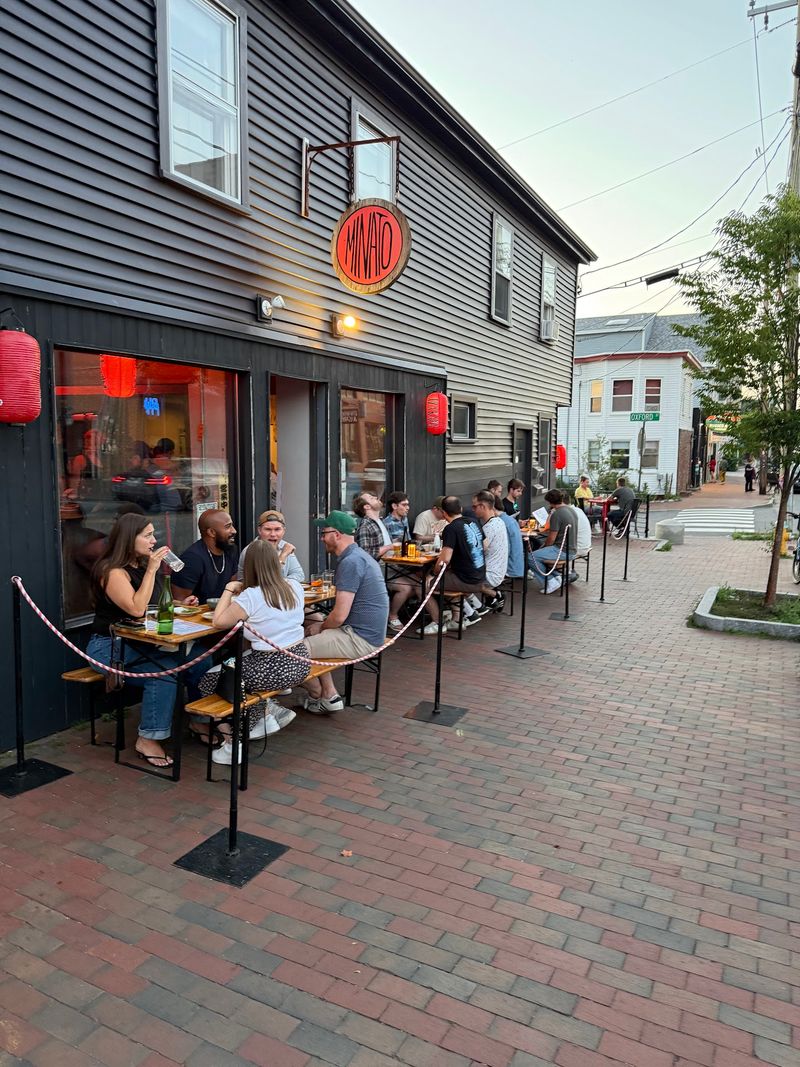
No sushi. That’s the first thing to know, and the restaurant says so plainly.
What you get instead is classic izakaya fare with a seasonal spin. The menu blends traditional Japanese pub dishes with ingredients from local land and sea.
A daily selection of sashimi changes with what’s fresh. Grilled fish and several dashi broth dishes round out the seafood side of things.
Then there’s JFC, short for Japanese fried chicken. Even folks who skip seafood have a crunchy reason to show up.
The format is all about sharing. Order a few plates, pass them around, then order a few more when the first round disappears.
I love this style of eating with a group. Everyone gets a taste of everything, and nobody suffers from menu regret.
Small plates also make it easy to try something new. If one dish feels adventurous, it’s just a few bites, not a whole entree.
Because ingredients follow the seasons, the menu shifts over time. Your favorite plate might rotate out, but something new will likely take its place.
Go in curious rather than with a strict plan. That mindset fits this kitchen perfectly.
Let The Kitchen Call The Shots With Omakase
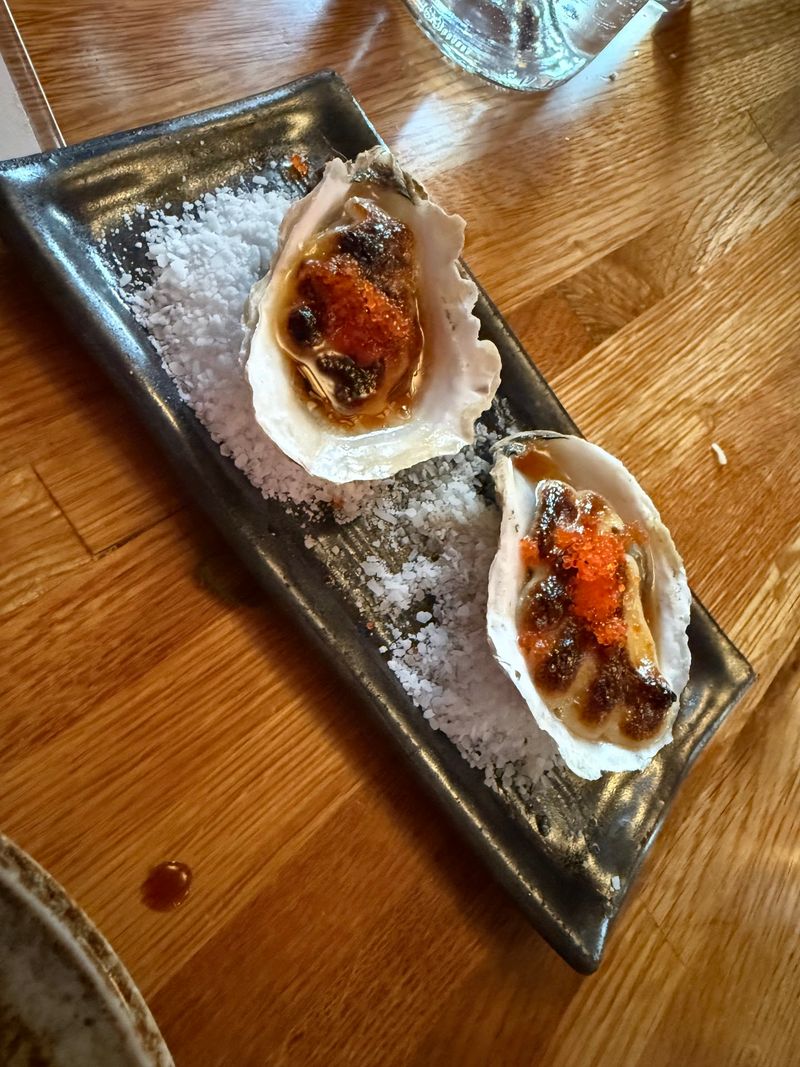
Decision fatigue gets solved fast here. The omakase, which means chef’s choice, hands the menu over to the kitchen.
It usually runs about five courses. Popular picks like the Motoyaki Oyster, JFC, and sashimi often make an appearance.
Sometimes off-menu items sneak in too. That’s a fun bonus, since you might taste something that never shows up on the printed menu.
A couple of rules matter, so pay attention. You need to order the omakase at least one hour before last call.
The kitchen also can’t adjust it for dietary needs like gluten-free or vegetarian requests. If your group has restrictions, ordering individual plates is the smarter move.
For first-timers, though, omakase is a great way to meet the menu at Izakaya Minato. It’s like a guided tour where the chef picks the highlights.
I can’t imagine a better plan for a celebration dinner. Nobody argues over what to order, and the food just keeps arriving.
Timing is the key with this one. Weeknight service wraps up at 9 PM, so plan your arrival accordingly.
Save a little room, too. Five courses of shared plates add up quickly.
Oysters Get The Royal Treatment Here
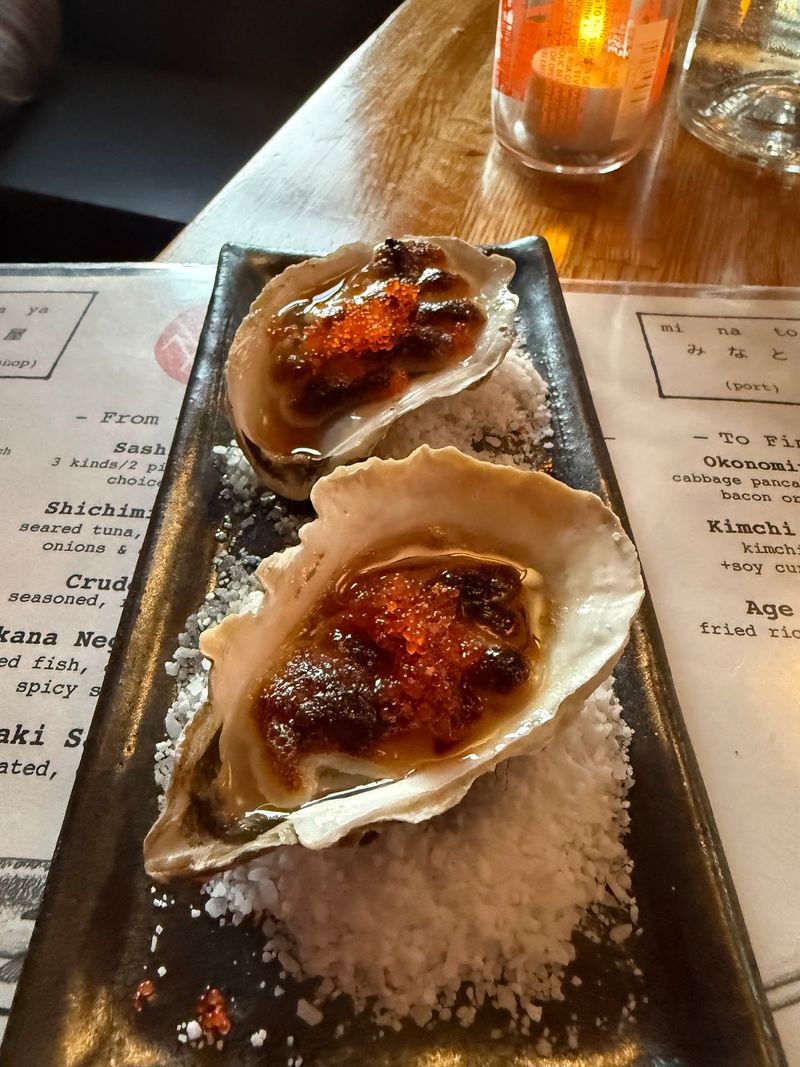
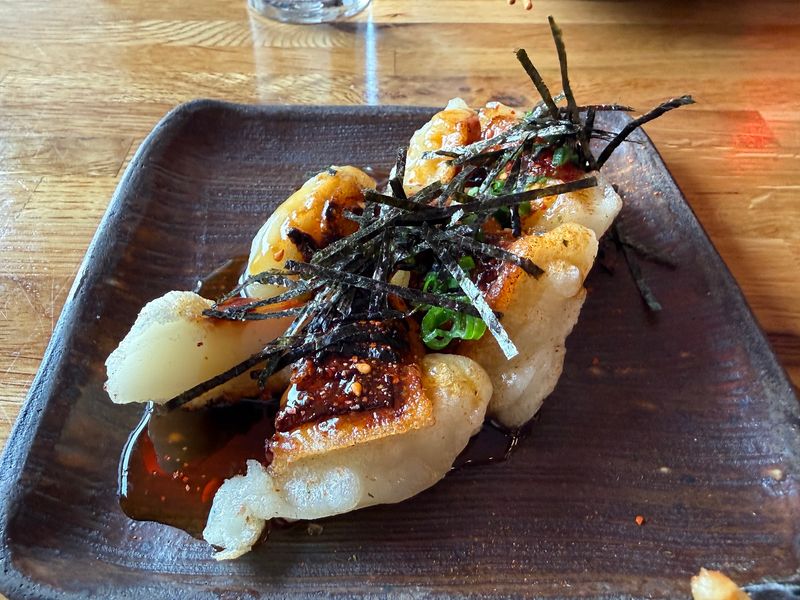
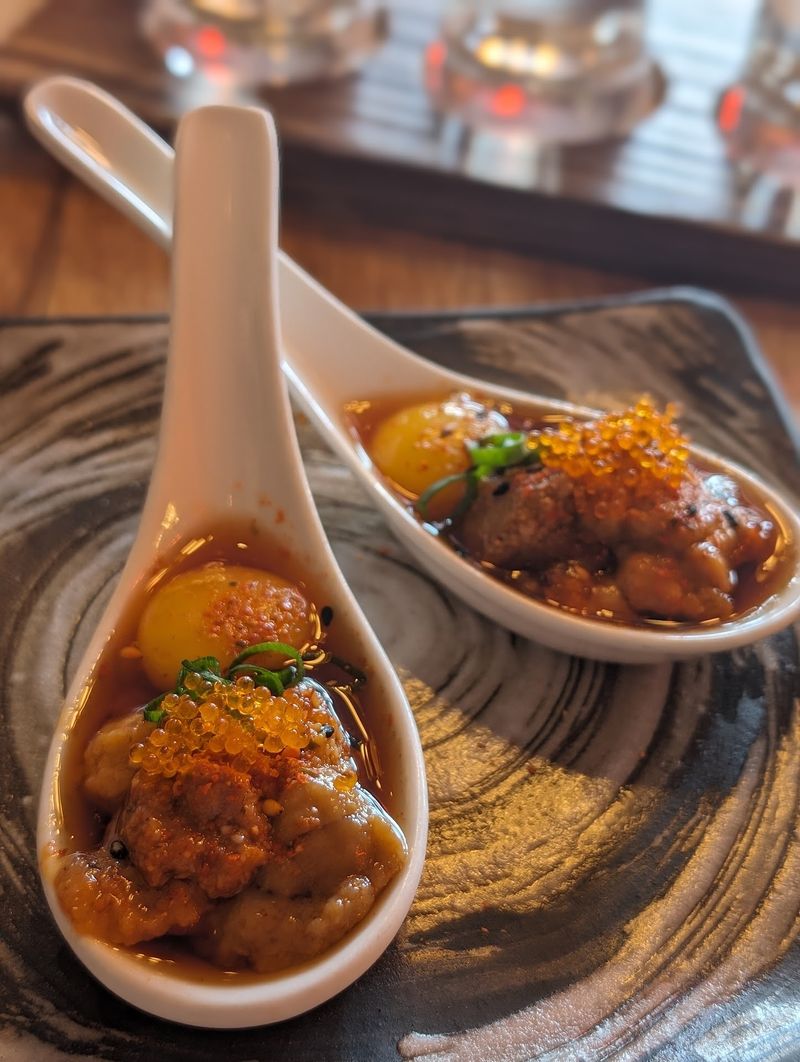
Raw oysters are great, but this kitchen likes to play. Various oyster preparations show up on the menu, and the Motoyaki Oyster gets plenty of attention.
Motoyaki is a Japanese style of baking seafood with a rich topping. It’s one of the dishes that often appears in the omakase lineup.
Maine oysters are a natural match for Japanese cooking. Cold northern waters and a light, savory touch seem made for each other.
Then there’s the local bluefin belly crudo. Bluefin tuna is a prized fish, and the belly is the richest part.
Crudo means raw fish served simply, often with a little acid or oil. It’s a dish that only works when the fish is truly fresh.
I like that the menu calls out local fish by name. It tells you the kitchen cares where its ingredients come from.
If you’re new to raw seafood, start small. One shared plate is an easy, low-pressure way to test the waters.
Pair a seafood dish with something cooked, like JFC, for balance. That mix keeps the table happy, even if tastes vary.
Seafood fans, consider yourselves warned. Ordering just one round may feel impossible.
Lively Up Front Or Cozy In Back
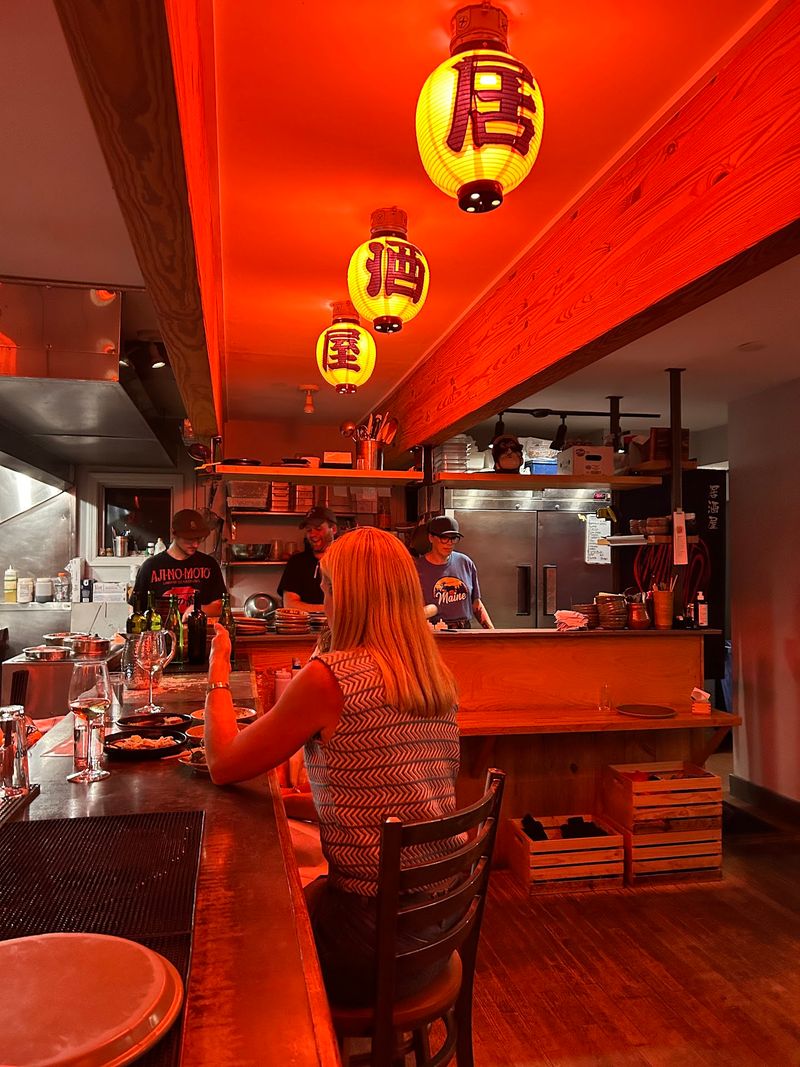
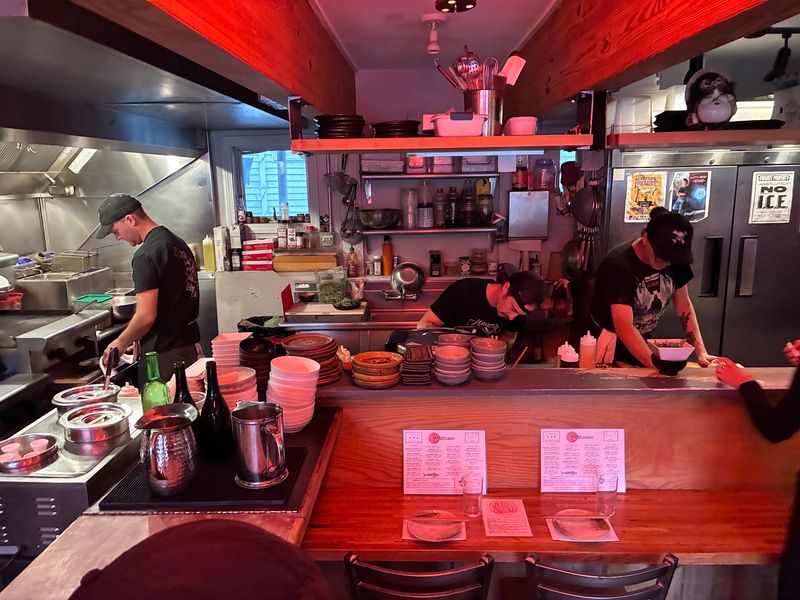
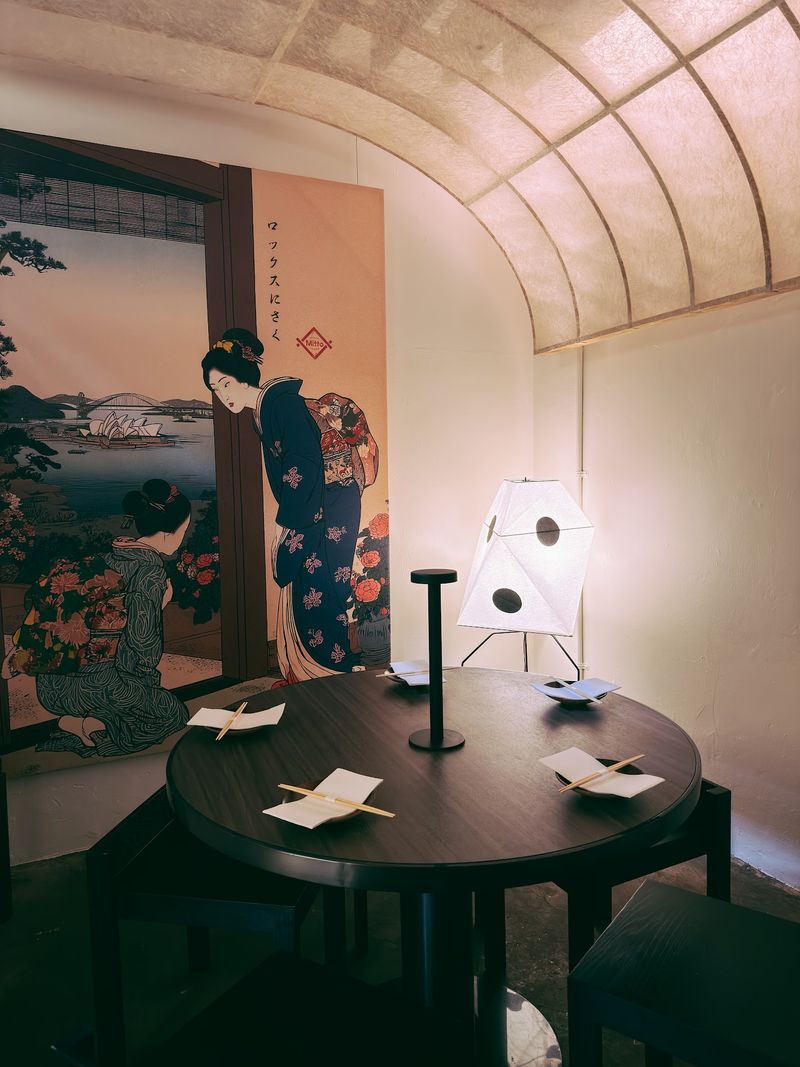
Two rooms, two moods. The front room holds an open kitchen and counter seating, so the energy runs high.
Watching cooks work is half the fun of an open kitchen. You get a front-row view of the action without leaving your seat.
Bigger groups can grab the high-top communal table. It’s built for passing plates and chatting across the table.
The back room feels more intimate. Individual tables and banquette seating give it a calmer, date-night feel.
I like that one restaurant can serve both crowds. A loud birthday group and a quiet couple can each find their spot.
If you love kitchen buzz, aim for the front room. If you want a calmer chat, the back room is your friend.
Seating in either space is limited, since this is a small restaurant. Flexibility helps, so be open to whichever room has a spot.
Either way, the same food comes out of the same kitchen. The finalist-level cooking doesn’t change based on where you sit.
Shared plates work well in both rooms. Just leave enough table space for the next round to land.
Warm Weather Means Patio Time, And Your Dog Can Come
Good news for pup parents. During warmer months, Izakaya Minato opens an outdoor patio, and well-behaved dogs are welcome there.
Patio seating depends on the weather. It’s also set aside for walk-in guests, so you can’t reserve it ahead of time.
Summer in Maine is short, and everyone wants to eat outside while they can. A patio with Japanese small plates is a pretty great way to spend that time.
Sitting outside also lets you enjoy the street scene on Washington Avenue. Passing plates in the fresh air feels relaxed and easy.
I can’t imagine a better excuse to bring the dog along on date night. Just remember the well-behaved part, since a barking pup won’t win many friends.
Bring a water bowl if your dog gets thirsty. A small blanket or mat can help them settle down while you eat.
Check the sky before heading out. Rain or chilly winds can close the patio, so have an indoor backup plan.
Outdoor seating is a seasonal treat here, not a year-round thing. When it opens, grab the chance.
Your dog probably won’t get any JFC. Still, the company counts for something.
Smart Moves For Snagging A Table
Timing matters at a small, award-recognized restaurant. Dinner runs Tuesday through Thursday from 5 PM to 9 PM.
Friday and Saturday hours stretch to 10 PM. The restaurant is closed on Sundays and Mondays, so plan around those days.
Reservations are accepted for parties of 4 to 10 guests and can be arranged by phone or email.
Smaller groups walk in. The restaurant always keeps space for walk-in diners, which is a nice touch.
Arriving close to opening time is a smart strategy. An earlier start also gives you a better shot at ordering the omakase in time.
Consider rounding up friends to reach four people. You get a reservation, plus more stomachs for sharing plates.
Washington Avenue has other shops and spots nearby. If there’s a wait, a short stroll can pass the time pleasantly.
Check the restaurant’s social pages before going for seasonal updates. Patio status and specials can change.
I believe the extra effort pays off here. A James Beard finalist chef cooking casual Japanese food in Portland, Maine, is worth a little planning.
Pack some patience and a big appetite. The menu rewards both.