
This Tiny Maine Shack Still Serves Lobster Rolls Locals Say Taste Just Like They Remember
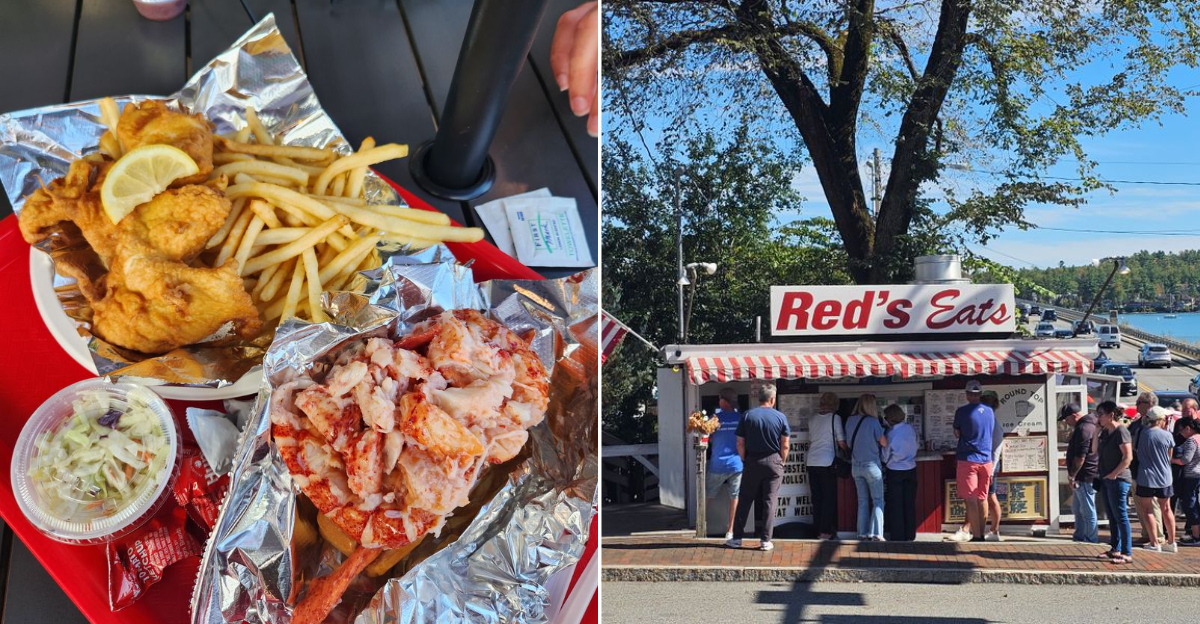
The red shack on Water Street still pulls a line that curls toward the bridge, and the first thing that gets you, before the menu, before the window, is the scent of warm butter drifting out over 41 Water St, Wiscasset, ME 04578, like a promise that’s somehow both tourist-famous and completely local at the same time.
Red’s Eats is tiny, loud, and oddly calming once you finally reach the front, because the waiting has its own rhythm and the ritual feels earned rather than annoying, a slow shuffle forward, a glance at the pile of lobster coming out, the quick exchange at the window, and then that moment when you’re holding your food and the tension drops.
I like how unadorned it all is, no frills, no fuss, just generous chunks of lobster heaped in a way that makes the roll feel like a statement, and you understand why people describe it with that summer-memory language, because it really does taste like the simplest, best version of the coast.
The shack doesn’t try to romanticize itself, it just keeps moving, orders called, butter brushed, the line re-forming immediately behind you, and the bridge nearby acting like a quiet reminder that half of this experience is place.
If you want the real thing without extras, these ten field-tested tips are about making the wait feel shorter, ordering with clarity, and setting yourself up so the first bite lands exactly the way you hoped it would.
Time Your Visit With The Tide Of Traffic
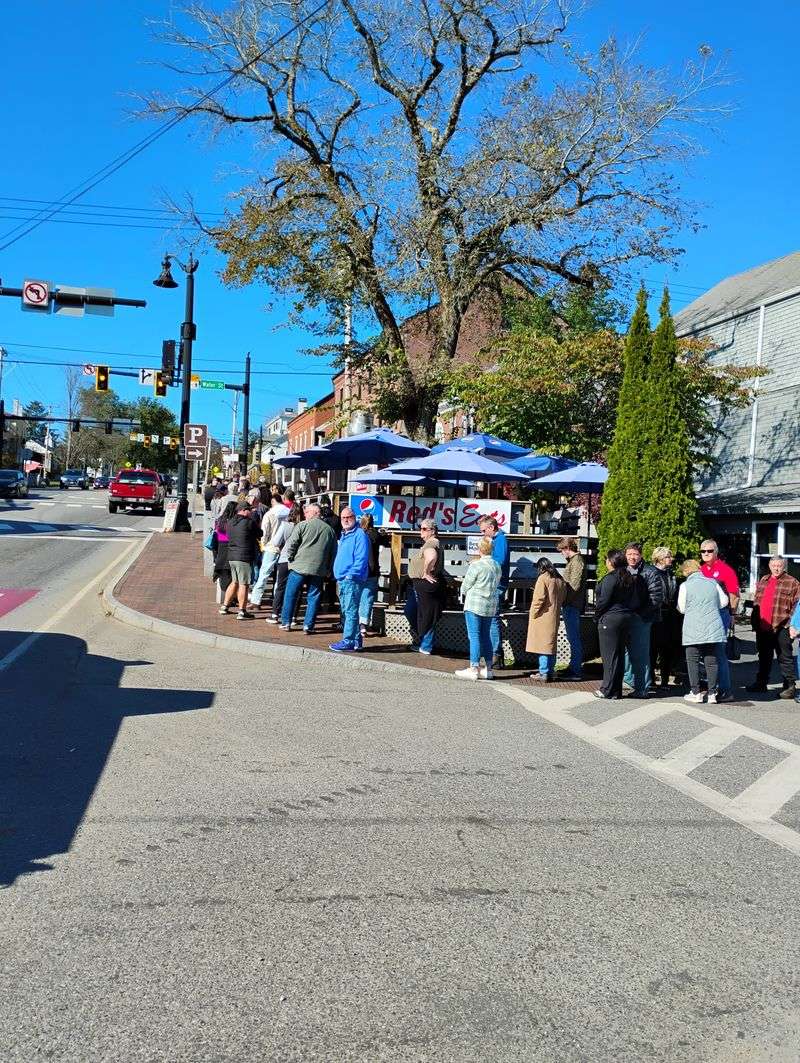
Watching the slow pulse of bridge traffic before committing to the line becomes part of the ritual, because when Route 1 loosens even slightly, the wait softens in a way that makes standing still feel purposeful rather than punishing.
Midmorning on weekdays often delivers that rare balance where the shack is fully awake but not yet overwhelmed, the river light feels clean instead of harsh, and the queue advances with a patience that feels almost communal.
Shoulder-season days sharpen the experience even more, when cool air carries buttered steam farther, conversations lower themselves naturally, and the red siding seems to glow against gray water like a held breath.
Timing does not change what you are served, but it deeply affects how it lands, because anticipation either heightens sweetness or dulls it depending on how tense your body is when you finally reach the window.
The simplicity of the order, split-top bun, whole knuckle and claw meat, butter offered like a quiet choice rather than an instruction, feels clearer when the wait has not drained you.
Posted hours matter here, but rhythm matters more, because service remains steady and careful regardless of pressure, rewarding those who arrive prepared to meet it halfway.
When planning aligns with patience, the first bite does not shock, it confirms, and that confirmation feels earned rather than accidental.
Order The Classic Lobster Roll, No Distractions
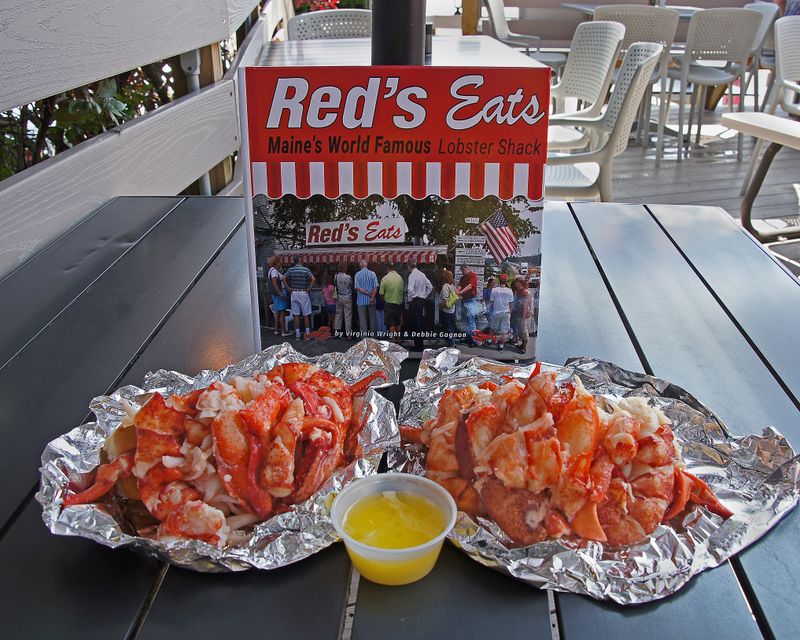
Restraint is the most reliable guide at the window, because the classic roll exists here not as a default but as a statement of confidence that does not require embellishment to justify itself.
The bun arrives lightly toasted and deliberately unadorned, then disappears beneath chilled claw and knuckle meat arranged in unapologetically large pieces that insist on being recognized as lobster rather than filling.
Butter and mayonnaise are offered on the side, not as a flourish but as a form of respect, allowing the eater to decide how much gloss belongs on something already complete.
Decades of reputation have been built on this refusal to interfere, trusting sweetness, brine, and texture to carry the experience without distraction or explanation.
Portion size quietly recalibrates expectations, because what looks excessive at first becomes logical once you register the absence of filler and the clarity of flavor.
Splitting sauces across bites can be instructive, but the plain version teaches the most, revealing how little intervention is needed when product and handling are aligned.
Each mouthful stays clean and declarative, tasting less like indulgence and more like recognition of something familiar that never needed improvement.
Notice The Line Culture And Set Your Pace
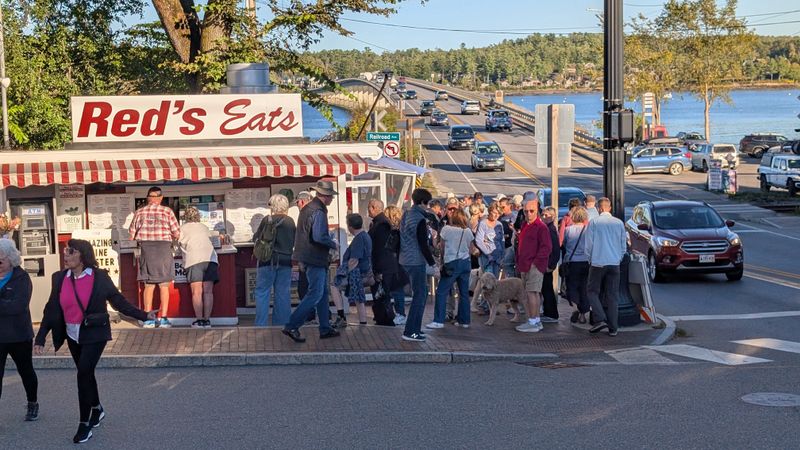
Standing in line becomes an education in itself, as the river hums nearby, gulls cut through the air, and small conversations stitch strangers together into a temporary, loosely held community.
The absence of urgency changes posture and breath, encouraging you to slow your internal tempo so the food meets you where you actually are rather than where impatience pushed you.
Photographs happen, route advice is exchanged, locals nod without performing expertise, and the ritual quietly teaches you how to wait without resenting the wait.
Behind the window, the crew moves with practiced steadiness, confirming sauces, calling names, and handling lobster in a way that preserves firmness and structure instead of rushing toward volume.
That care carries directly into texture, where sweetness remains intact and meat resists collapsing into softness, rewarding those who allowed anticipation to build rather than spike.
Small preparations matter, a bottle of water, a light layer against the wind, an understanding that coastal air cools faster than expected.
Matching your pace to the line transforms the experience from something endured into something shared, making the eventual meal feel less like a transaction and more like a natural conclusion.
Respect The Bun, Then Dress With Intention
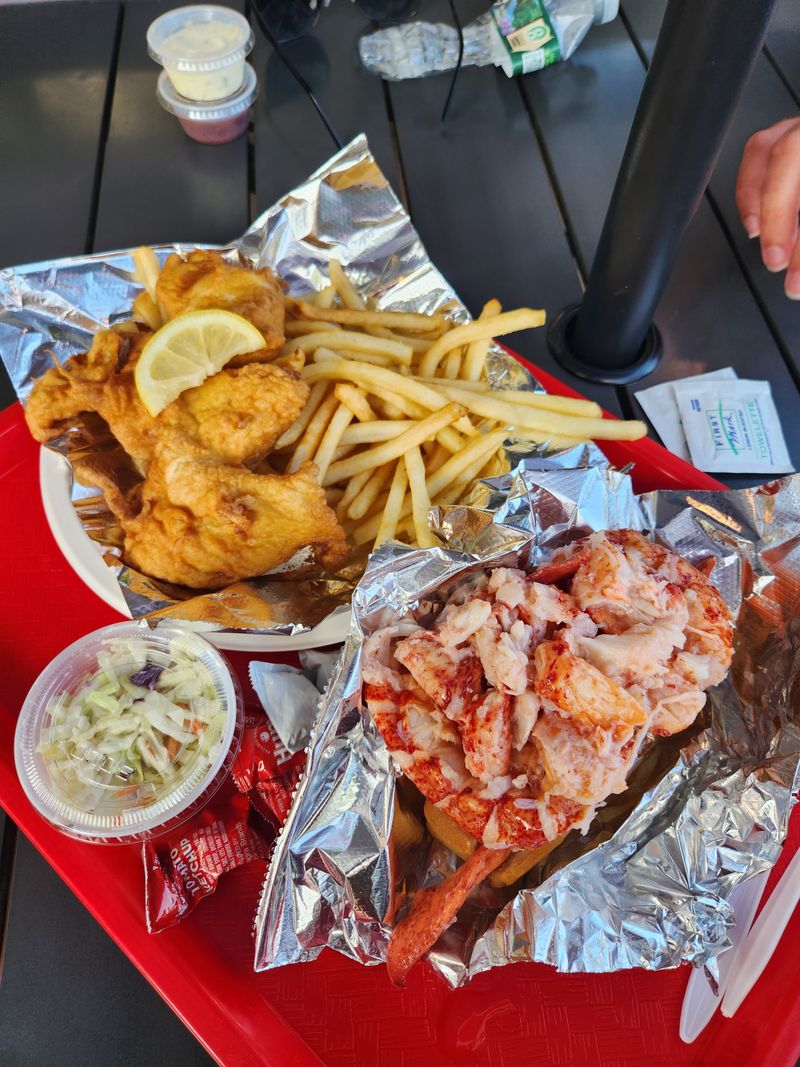
The split-top bun functions less like bread and more like a quiet structural promise, toasted just enough to create edge resistance while remaining supple through the center so it can cradle weight without tearing or collapsing.
What matters most is that the bun never competes for attention, because its role is to frame temperature and texture rather than introduce flavor, allowing lobster sweetness and brine to stay legible from first bite to last.
Inside the service window, the sequence is precise and unhurried, toast, mound, sauce cups placed deliberately, a choreography designed to preserve integrity rather than speed for its own sake.
Butter, when applied sparingly, carries warmth into the chilled meat in waves rather than floods, softening without saturating, which keeps fibers distinct instead of slippery.
Mayonnaise, if chosen, should be treated as punctuation rather than coating, offering creaminess that rounds edges without flattening the character of the lobster itself.
Starting with restraint, then pausing before adding more, teaches you how much intervention is actually necessary, which is almost always less than instinct suggests.
When the bun holds firm until the final bite, the experience ends cleanly, like finishing a well-constructed sentence rather than trailing off into excess.
Mind The Season And The Shoulder Days
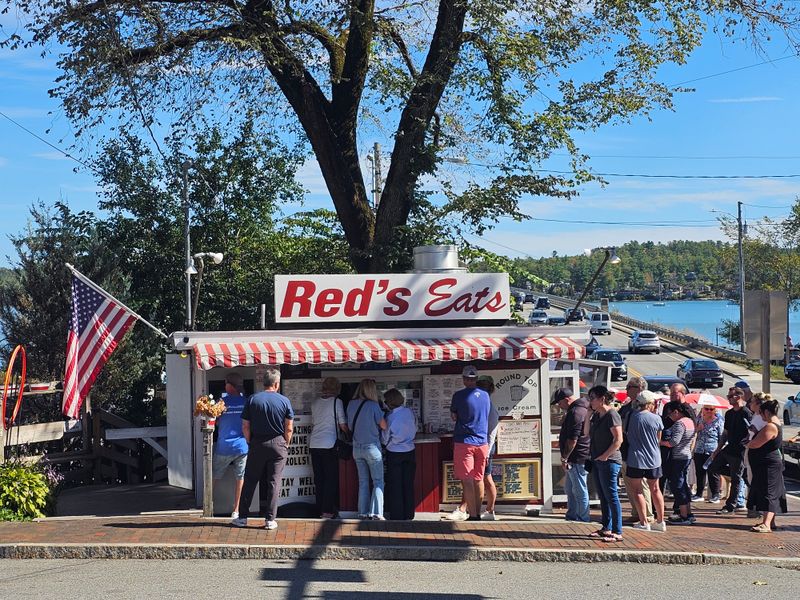
Seasonality here does not change the fundamentals of the roll, but it deeply alters atmosphere, temperature, light, and the way butter behaves against cool air and chilled meat.
Early spring and late fall sharpen the senses, when river air cuts cleanly, lines shorten, and the red exterior stands out against muted surroundings with postcard clarity.
During these quieter stretches, waiting feels contemplative rather than competitive, giving space to notice small details like water movement, traffic pauses, and the way steam lifts and disappears.
Operational rhythms shift subtly with daylight, yet consistency remains intact, because quality depends more on handling than on calendar position.
Checking hours before arriving saves disappointment, but choosing the right day saves energy, which ultimately improves how the meal lands.
In these moments, seating opens up more easily, breezes feel intentional rather than intrusive, and flavors register with greater precision.
The roll tastes the same, but the experience surrounding it becomes calmer, clearer, and more durable in memory.
Talk Sauces: Butter, Mayo, Or Both
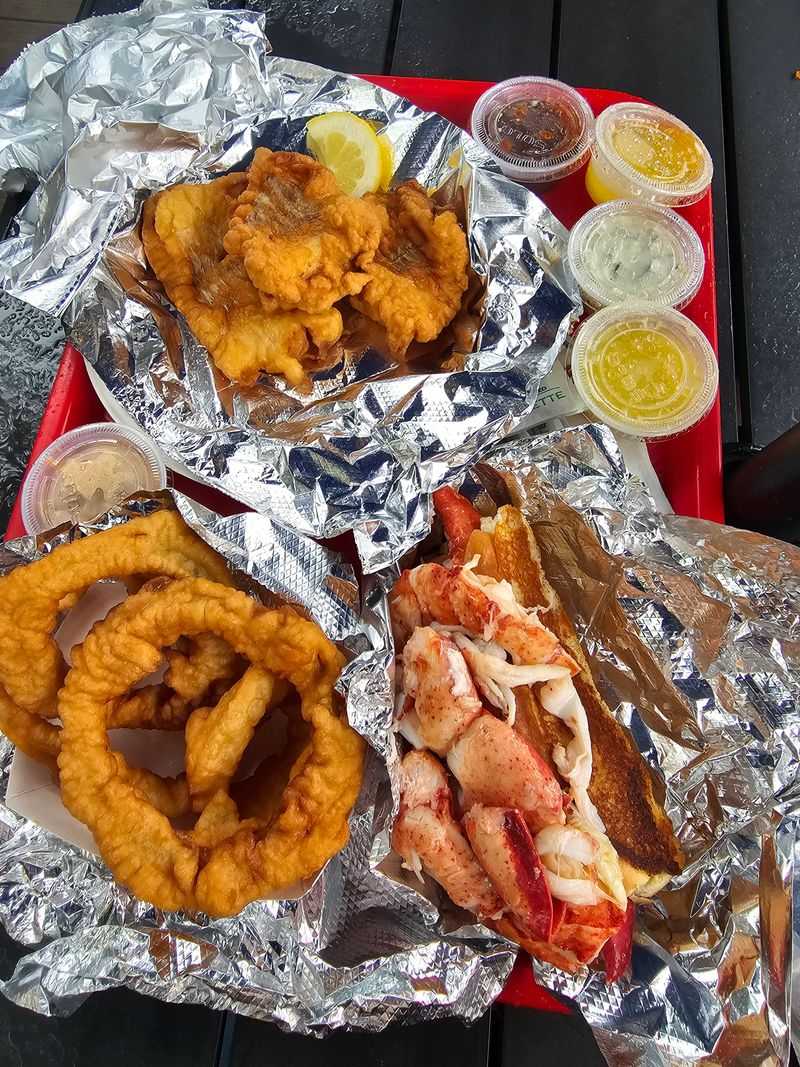
Sauce decisions here shape texture before flavor, which is why they are offered separately, allowing each eater to define their own balance rather than inheriting someone else’s preference.
Clarified butter brings heat and sheen without heaviness, slipping between fibers and releasing aroma while preserving the lobster’s natural sweetness.
Mayonnaise adds coolness and body, clinging lightly to the surface rather than soaking in, which can soften perception without muting identity if used carefully.
The staff treats sauce choice as routine rather than doctrine, confirming quickly and moving on, because tradition here accommodates preference without argument.
Sampling across bites reveals contrast more effectively than mixing, teaching how each addition alters mouthfeel and finish.
Beginning with butter, switching to mayo, then finishing plain creates a progression that resets the palate rather than exhausting it.
Leaving with a clear personal preference feels satisfying, because it was discovered through attention rather than instruction.
Scan The Menu Beyond The Headliner
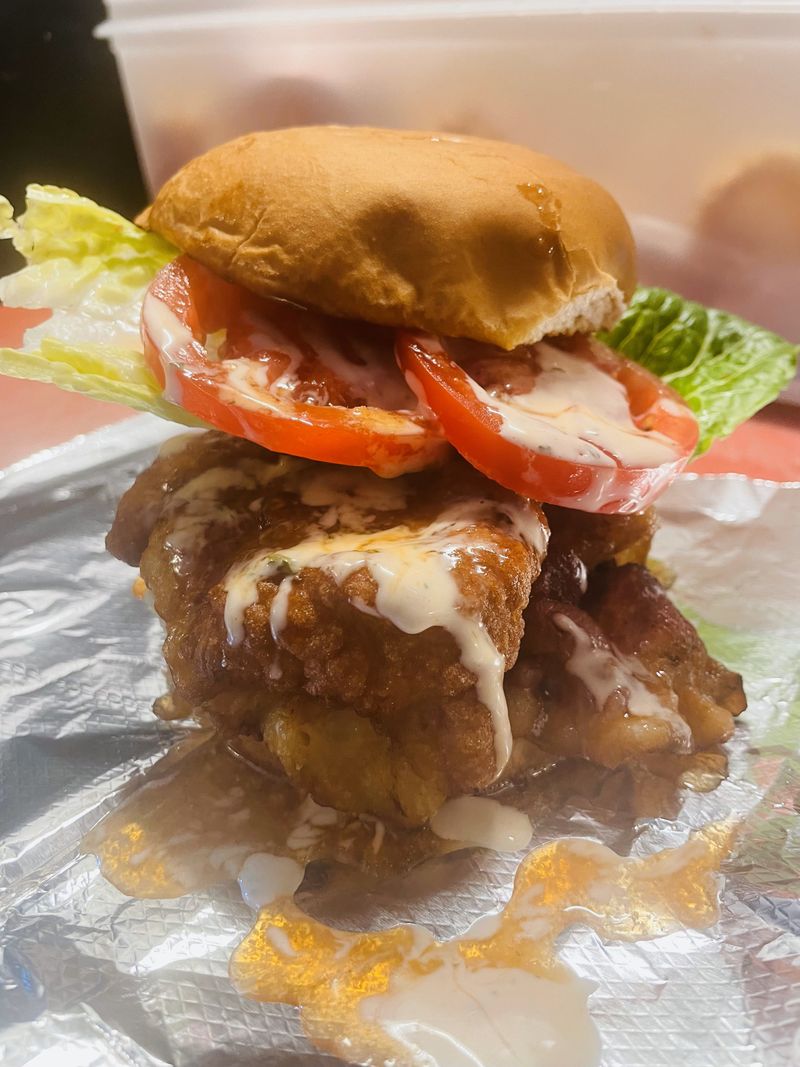
Although the lobster roll dominates attention and reputation, the surrounding menu quietly reveals how seriously the kitchen treats all seafood, offering fried clams, scallops, and chowder prepared with the same restraint and timing that make the flagship roll feel trustworthy rather than hyped.
What stands out immediately is how clean the fryer aroma remains even during rush periods, signaling careful oil management and batter work that coats without suffocating, allowing sweetness and salinity to remain readable rather than buried under crunch.
Chowder arrives steaming and practical, thickened just enough to cling to the spoon while still moving freely, a warming counterweight when coastal air presses cool against hands and knuckles during longer waits.
The menu’s simplicity reflects decades of refinement rather than limitation, showing a confidence that comes from knowing which items earn loyalty through repetition rather than novelty.
Regulars often pair a roll with a single shared side, creating a meal that unfolds gradually instead of peaking too quickly, which helps keep the lobster as the emotional centerpiece.
Adding a secondary dish also softens the psychological pressure of anticipation, transforming the experience from a single moment into a sequence.
When the roll finally arrives after that buildup, it feels earned rather than rushed, which deepens satisfaction in a way speed never could.
Cash, Cards, And Logistics That Save Minutes
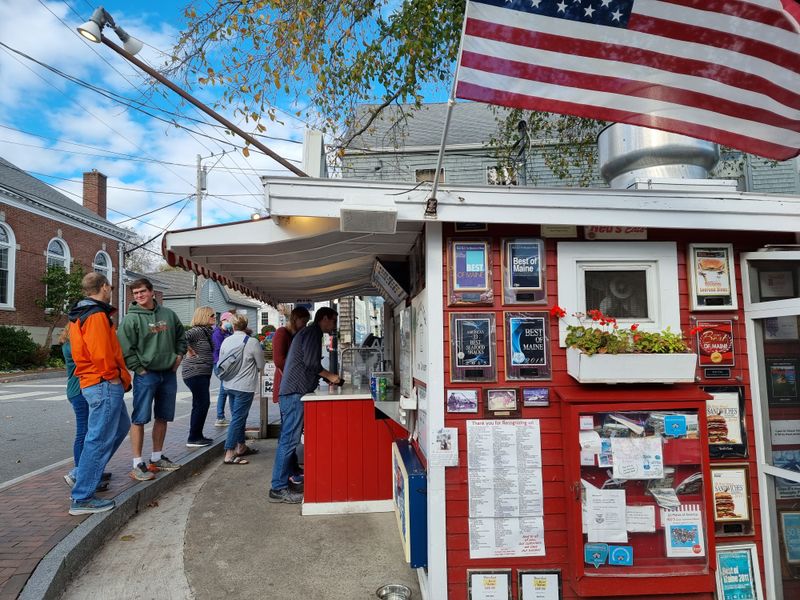
Flow matters here because space is limited and demand constant, which means small inefficiencies compound quickly and ripple backward through the line if visitors hesitate at the window.
Payment expectations are clearly posted, yet arriving prepared still smooths the experience, keeping attention where it belongs rather than on wallets, phones, or hurried apologies.
Parking along Water Street tightens quickly during peak hours, so building a few extra minutes into your plan reduces stress before you even smell butter or hear gulls.
The operation’s scale remains intentionally compact, preserving character while requiring guests to adapt slightly rather than expect accommodation.
Orders are repeated back clearly, sauces confirmed aloud, and baskets passed forward with deliberate care, reinforcing that accuracy matters as much as speed.
Sharing tables becomes an unspoken agreement during busy stretches, creating a temporary community of people bound by patience and appetite.
When logistics align smoothly, food arrives hotter, buns stay structured, and the first bite lands with clarity instead of distraction.
Photograph With Purpose, Then Eat While It’s Perfect
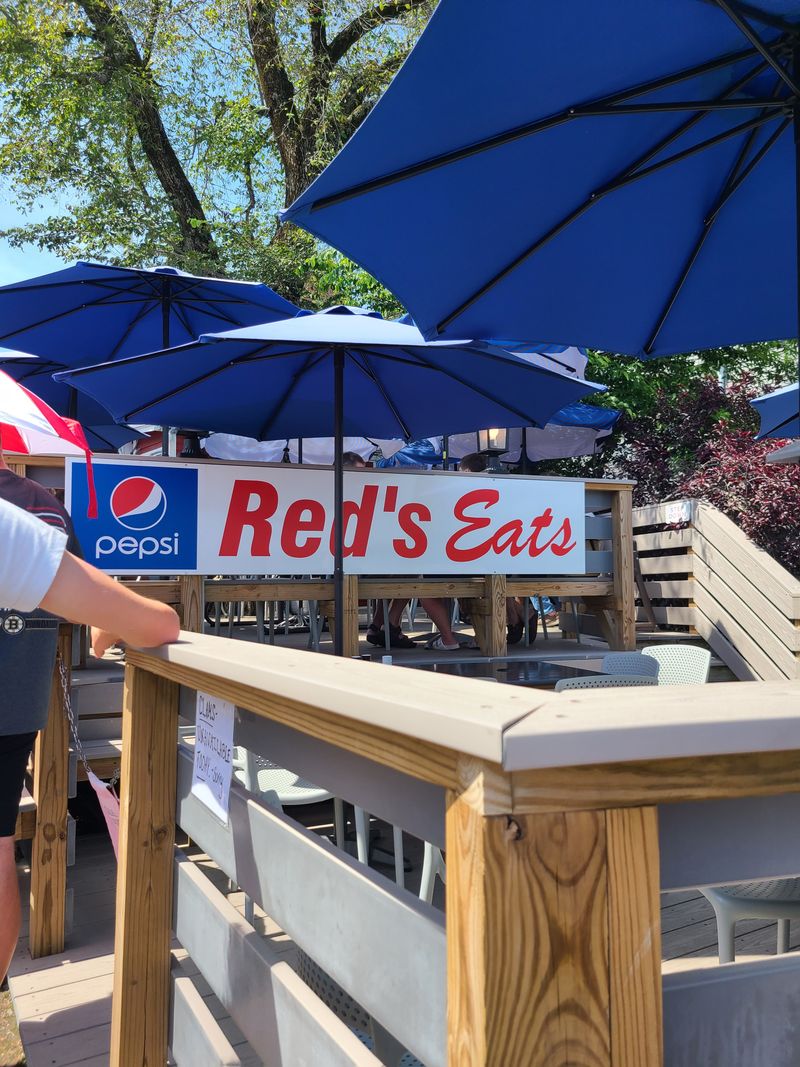
Light reflecting off the river offers a narrow window for photographs, flattering lobster color and butter sheen briefly before clouds, shadows, or impatience dull the moment.
The roll itself is visually generous without needing manipulation, resting in its paper cradle like an object designed to be eaten rather than staged.
Butter temperature changes quickly once exposed, and buns soften almost imperceptibly, which means hesitation costs texture long before it costs heat.
The shack’s red facade holds decades of visual familiarity, but the food rewards decisiveness, not documentation.
Most seasoned visitors take one quick frame, trade the camera for napkins, and lean fully into the meal while contrast between chilled meat and warm bun still sings.
Lingering for angles risks flattening what makes the roll compelling, because freshness here is experiential rather than aesthetic.
Eating promptly honors the craft more faithfully than capturing perfection ever could.
Leave Room For Reflection On The Walk Back
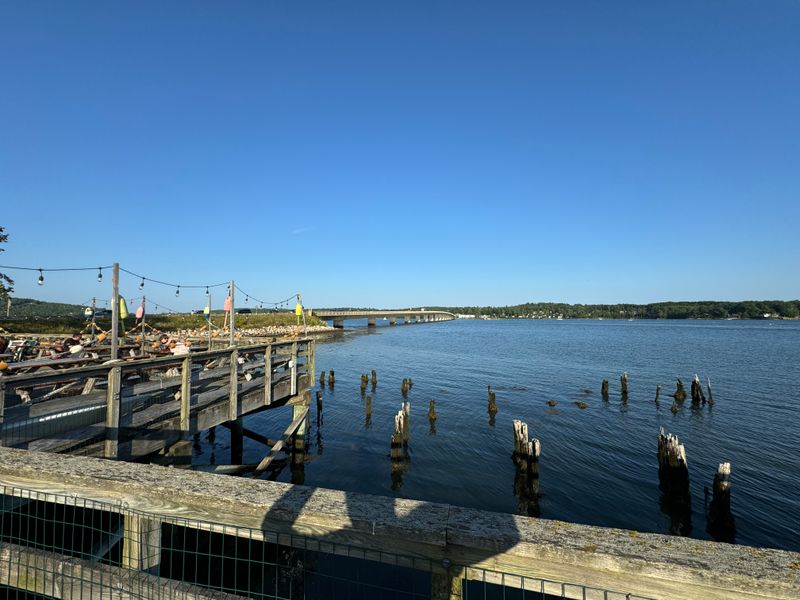
After the final bite, allowing a few quiet minutes away from the tables lets flavor settle and memory begin its work, as river air, traffic noise, and the faint sweetness lingering on your hands merge into a sensory afterimage that extends the meal beyond the paper basket.
Moving slowly along the water gives contrast space to breathe, because sweetness sharpens when met with salt air, and richness feels lighter once motion resumes.
What remains strongest is not excess but clarity, the sense that nothing unnecessary interrupted the core experience.
Decades of repetition have taught this place that restraint ages better than embellishment, which is why the food feels stable across visits rather than tethered to trend.
The walk becomes part of the ritual, a gentle unwinding that seals the meal rather than rushing it into conclusion.
Locals instinctively build this pause into their visit, knowing digestion is as much mental as physical.
By the time you turn back toward the car, the roll has already shifted from meal to reference point.