
This Tiny Michigan Town Lets Retirees Stretch Their Budget Without Giving Up The Good Life
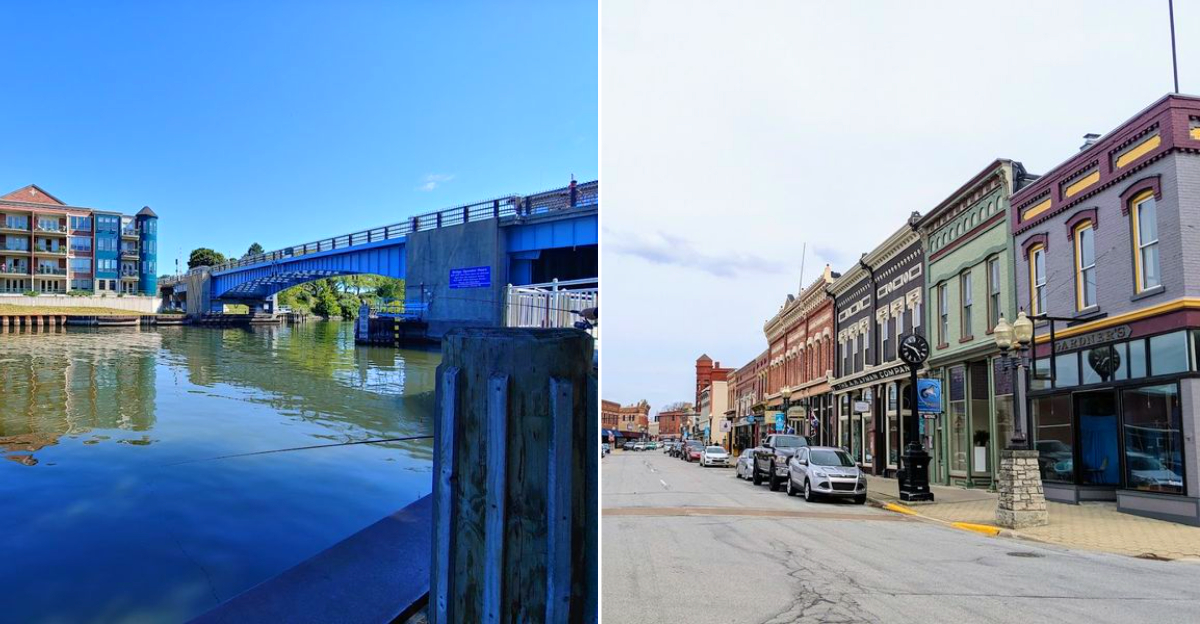
Retirement looks different when the essentials stop competing with the life you actually want to live.
Here, the appeal begins with simple distances: a grocery run that does not consume the afternoon, a waterfront walk within reach, and streets where errands can become part of the day rather than interruptions to it.
I am drawn to places that feel beautiful without demanding constant spending, and this one manages that balance unusually well.
Historic buildings give the center character, the lake keeps the horizon open, and housing remains attainable enough to leave room for dinners out, hobbies, visitors, and ordinary pleasures. The real attraction is not escape, but proportion.
Life feels easier to organize, yet not smaller or duller. Keep reading for the costs, conveniences, community details, and everyday rhythms that make this Michigan town a surprisingly realistic place to imagine a fuller, calmer retirement without giving up beauty or connection.
Start With The Numbers, Then Walk The Streets
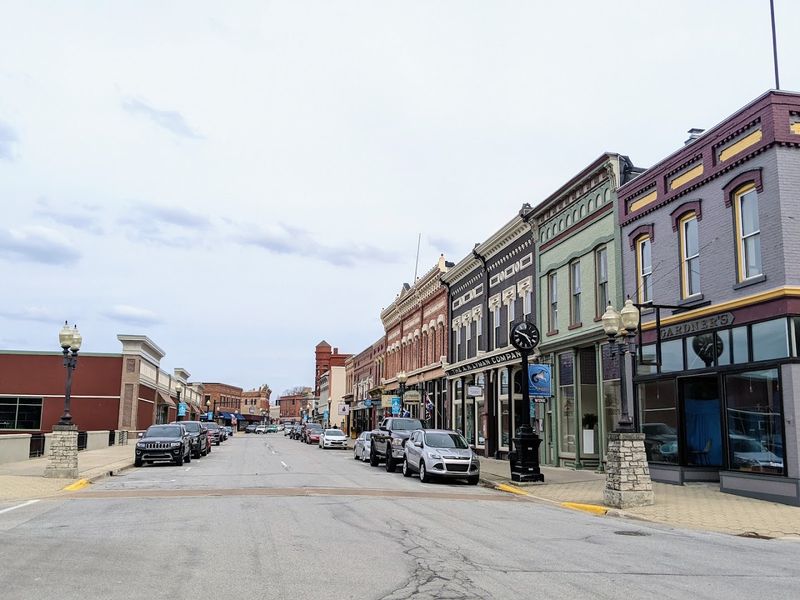
Before scenery wins you over, the math does something quietly persuasive. Manistee’s overall cost of living sits below both the national average and Michigan’s average, while housing costs are markedly lower than national figures.
Median home values around $142,900 change the tone of the retirement conversation immediately.
Then you walk downtown and realize lower cost does not mean stripped down. Brick commercial blocks, restored facades, and a compact street grid make everyday errands feel civilized rather than exhausting.
After the 1871 fire, much of the city rebuilt in brick, and that history still shapes the place. For retirees watching every recurring bill, Manistee offers an unusual pairing: handsome surroundings and prices that leave breathing room.
The River Is Downtown’s Main Hallway
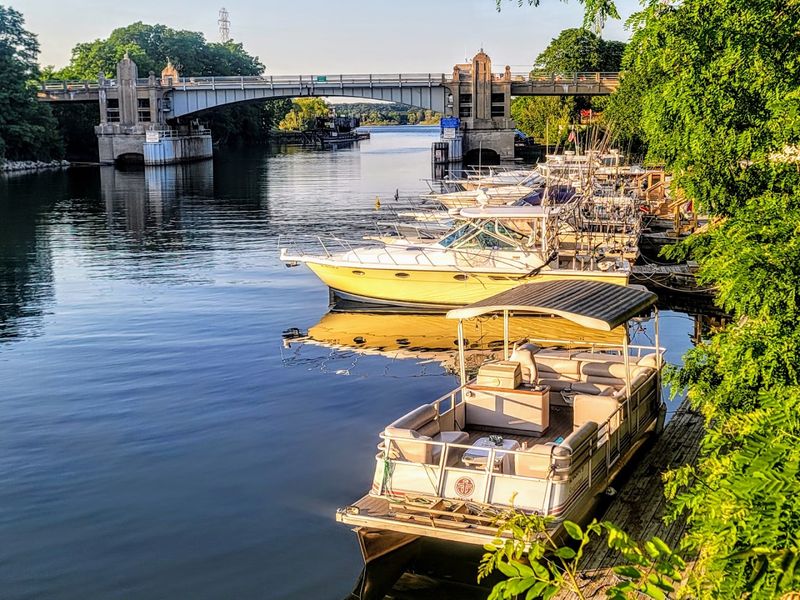
Manistee sits along the Manistee River where it reaches Lake Michigan. From US-31, turn onto River Street and follow it into the historic downtown district, using the City Marina at 480 River Street as a practical central destination.
The final approach passes brick storefronts before the river channel appears behind the downtown buildings. River Street can become busy during summer weekends, so expect pedestrians, turning traffic, and occasional downtown construction or temporary closures.
Use a legal downtown space or public parking area near River Street, then continue on foot to the Riverwalk access points behind the storefronts. From there, the boardwalk follows the river west toward Lake Michigan and First Street Beach.
Treat The Beaches As A Real Amenity, Not A Vacation Extra
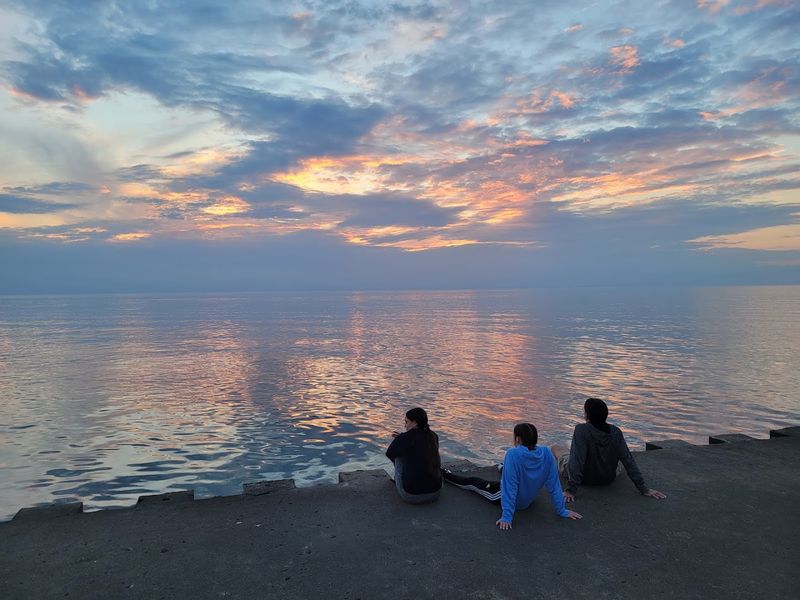
Lake Michigan can feel extravagant in a town this modestly priced. First Street Beach and Fifth Avenue Beach are not decorative add-ons for tourists, but large public spaces that genuinely expand daily life.
A shoreline walk, a windy sit, or a brief sunset stop can become ordinary routine instead of special occasion.
That distinction matters after retirement, when the shape of a week counts as much as the size of a house. The beaches offer open views and room to spread out, with none of the cramped feeling that can make popular waterfronts tiring.
Even on a simple weekday, the lake does emotional work.
When budgets tighten elsewhere, access to beauty often disappears first. In Manistee, it remains remarkably public and generous.
Look Closely At The Brick And The Victorian Bones
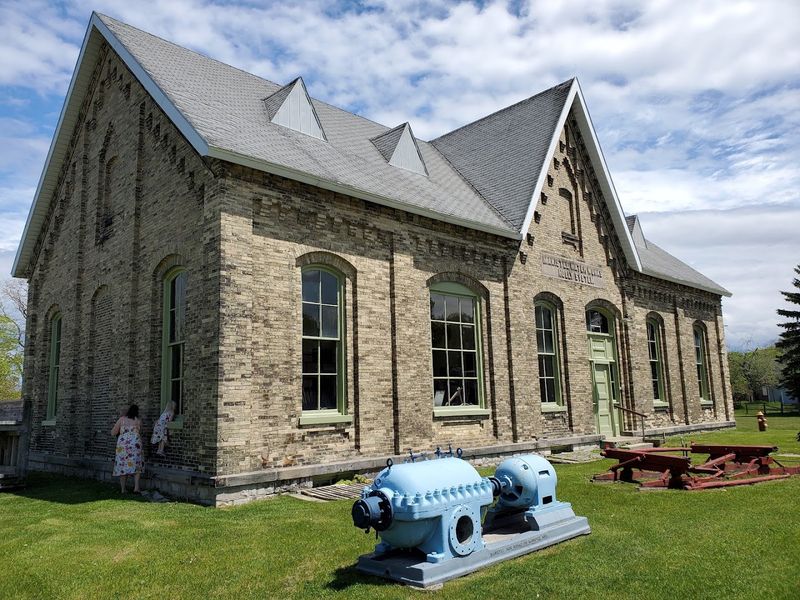
One reason Manistee feels richer than its price point is architectural texture. The downtown is known for preserved Victorian buildings, and the cityscape still carries the disciplined solidity of brick rebuilding after the devastating 1871 fire. That gives even routine corners a sense of continuity.
Retirement towns can sometimes feel either too polished or oddly temporary. Manistee avoids both problems because its older commercial blocks, historic homes, and bridges suggest a place that has endured real cycles and kept its form.
You notice cornices, window proportions, and masonry before you even name them.
Take one of the self guided historic tours if you can. They turn a pleasant stroll into a clearer understanding of why the town feels substantial.
Follow Local History Beyond The Pretty Facades
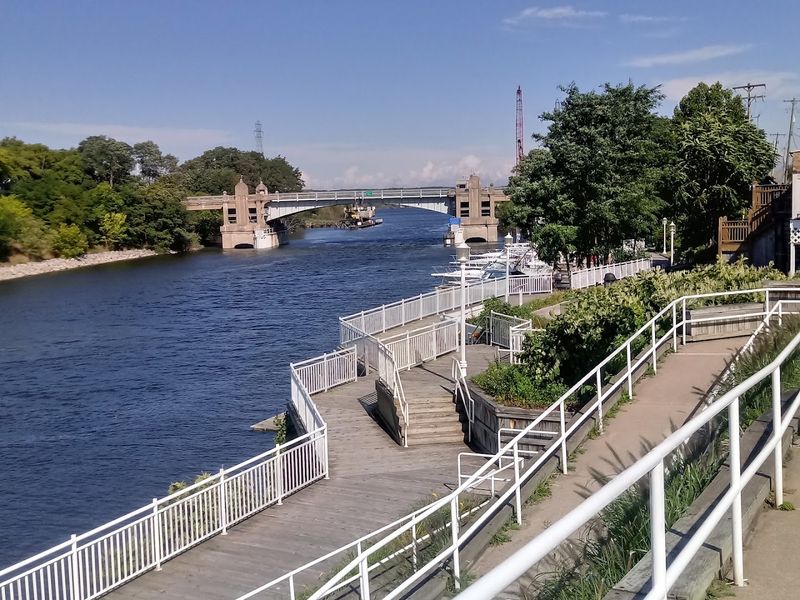
Pretty towns can become shallow if you never ask what made them. In Manistee, the better story includes lumber wealth, rebuilding after fire, and a deeper history acknowledged through the Origins Walk, which begins with the Anishnaabek people of the Little River Band of Ottawa Indians.
The name Manistee itself comes from an Ojibwa word with meanings tied to the river and woods.
The Manistee County Historical Museum helps ground all that in specifics rather than nostalgia. When I visited, the town’s charm felt steadier once it was connected to work, industry, and Indigenous presence instead of just decorative heritage.
For retirees considering a move, that depth matters. It is easier to settle somewhere that knows more than one version of itself.
Test The Community Through Senior Programming
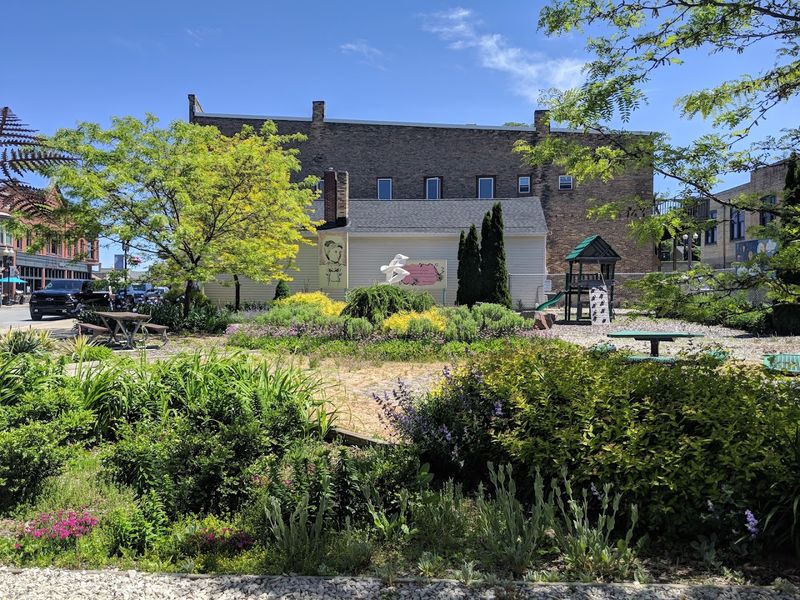
Affordability works best when it is paired with ways to stay connected. Manistee County Council on Aging offers free activities for seniors that range from walking groups and mobility classes to chair yoga, art sessions, cards, chess, bingo, social hours, and holiday gatherings.
That breadth tells you something important about the town’s priorities.
In a smaller place, social life can either feel warm or claustrophobic. Here, the menu of activities suggests multiple entry points, so you are not forced into one rigid version of community.
Practical support and casual fellowship sit side by side.
If you are imagining everyday retirement rather than a glossy escape, this is the kind of infrastructure to notice. It helps make a modest budget feel larger.
Keep Culture In The Weekly Rotation
A good retirement town needs more than scenery and low bills. Manistee has the Ramsdell Regional Center for the Arts, a historic playhouse hosting performances, and the Vogue Theatre downtown, which keeps the cultural week from shrinking into errands and weather reports.
Those institutions add texture without requiring big city logistics.
There is pleasure in knowing an evening out can still happen in a place with just over six thousand residents. The scale remains intimate, but not culturally blank, and that balance is rarer than people think.
One block can carry beauty, history, and entertainment at once.
My advice is to look at upcoming calendars before visiting. It is an efficient way to measure how lively the town feels after dark.
Let The Seasons Work For You, Not Against You
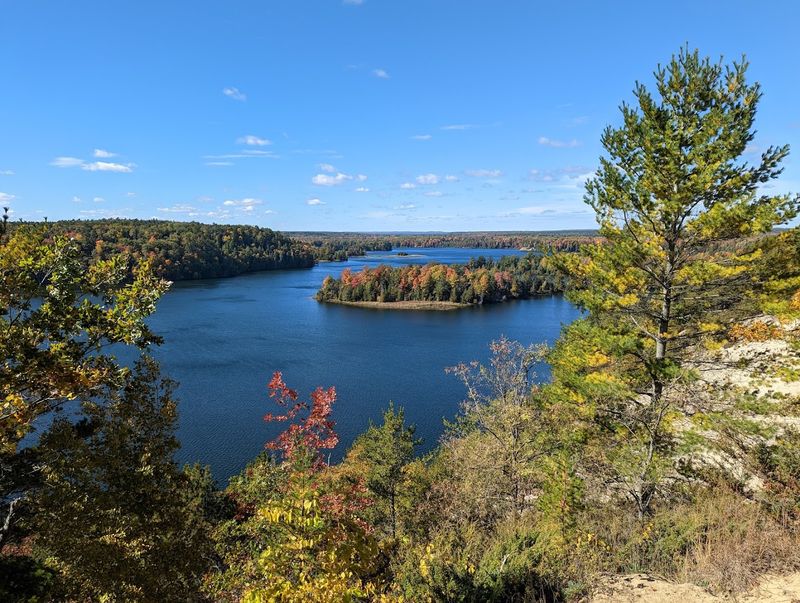
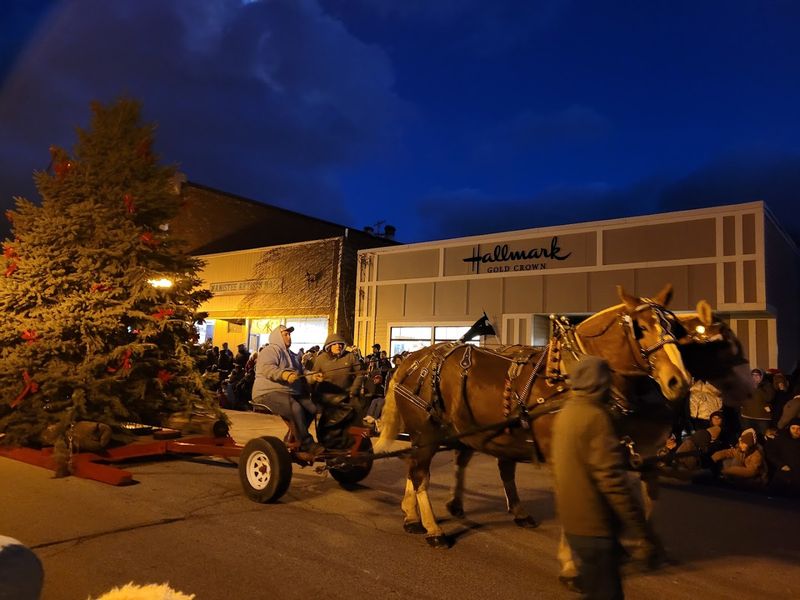
Manistee does not hide its seasons, which is part of the appeal. Summer brings beaches and the Manistee National Forest Festival, while winter leans into the Victorian Sleighbell Parade and Old Christmas Weekend with a kind of northern confidence.
Retirement here is not about escaping weather so much as learning its local uses.
The surrounding landscape supports that approach. In warmer months there is hiking, biking, boating, fishing, and kayaking, while colder stretches open up snowshoeing and cross country skiing in nearby Manistee National Forest.
Seasonal variety can keep routines from getting stale.
If you prefer a place with a pulse all year, this matters. The calendar gives residents reasons to participate instead of merely endure.
Use Nearby Nature As Low Cost Enrichment
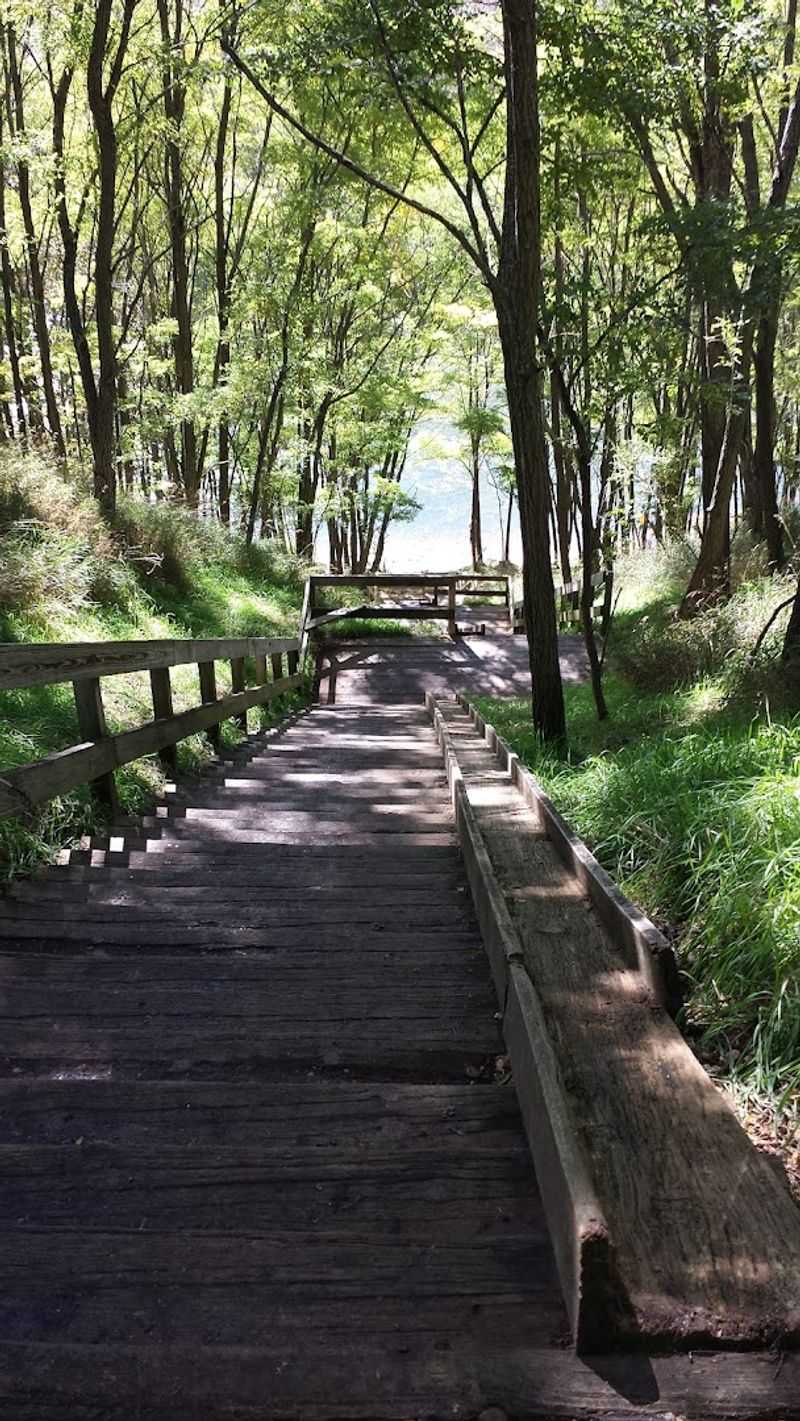
One of Manistee’s best retirement advantages sits beyond the property line. The city has developed parkland within its limits, but the larger gift is proximity to Lake Michigan, the Manistee River, inland lakes, and the varied terrain of Manistee National Forest.
Recreation here can be simple, frequent, and inexpensive.
That changes the economics of pleasure. A scenic drive on M-22, a walk at Magoon Creek Park, or time on the Arcadia Marsh Boardwalk does not require expensive tickets or complicated planning, only decent shoes and some curiosity.
Even the famous North Pierhead Lighthouse rewards an ordinary outing with uncommon character.
Retirement budgets stretch further when entertainment does not always arrive through purchases. In Manistee, landscape keeps offering alternatives.
Compare Housing Choices Without Assuming One Model
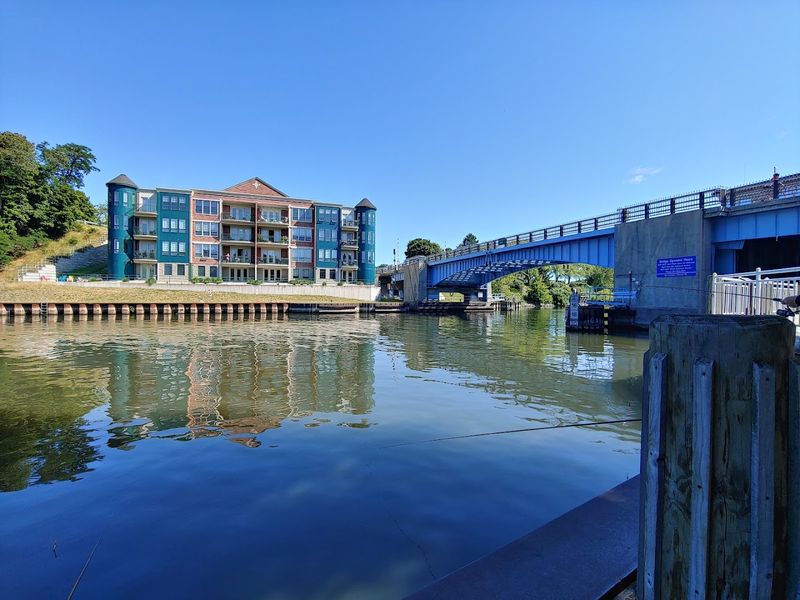
Housing affordability is the obvious headline, but the useful question is range. Manistee’s median home value is around $142,900, and independent living costs have been reported below both state and national averages, giving retirees more than one route into town.
That flexibility can matter as needs change.
Some people will want a traditional house near downtown or in a nearby neighborhood. Others may be drawn to communities such as The Bluffs on Manistee Lake, a 55 plus manufactured home and RV community with amenities including a pool, pickleball courts, a clubhouse, and fitness space, or to options like Green Acres Retirement Living.
Do the practical comparisons early. In Manistee, choices are part of the value.
Notice How A Small Population Can Feel Liberating
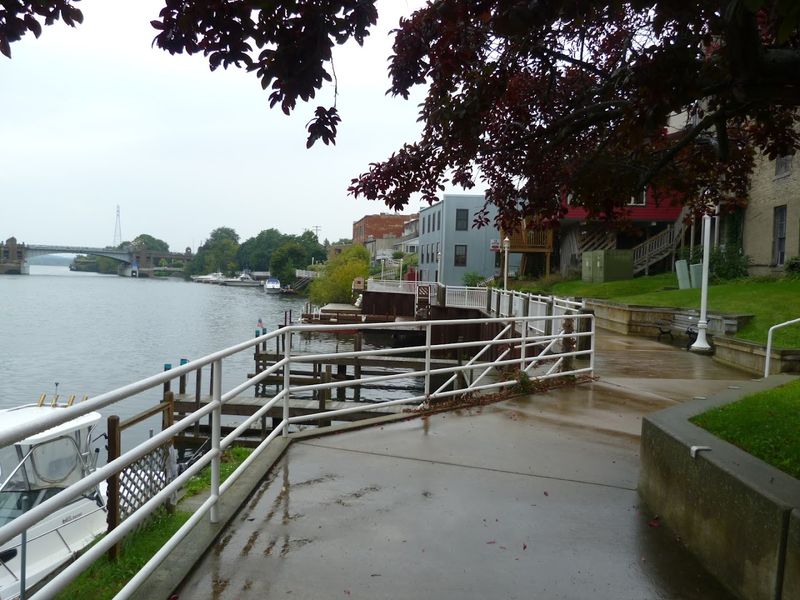
At the 2020 census, Manistee’s population was 6,259, and that number explains a great deal. The town feels small enough to become legible quickly, yet not so sparse that daily life turns anonymous or empty.
For many retirees, that middle ground is the real luxury.
You begin to understand where to walk, where events happen, and how neighborhoods connect without months of trial and error. Small scale also means less friction: fewer long drives, fewer overstimulating choices, and more chance encounters that gradually become recognition.
The effect is quietly settling rather than sleepy. Plenty of places advertise simplicity while feeling diminished. Manistee offers a more dignified version, where modest size supports the good life instead of limiting it.