
This Tiny Northern Maine Town Sits At The End Of A 2,369-Mile Highway
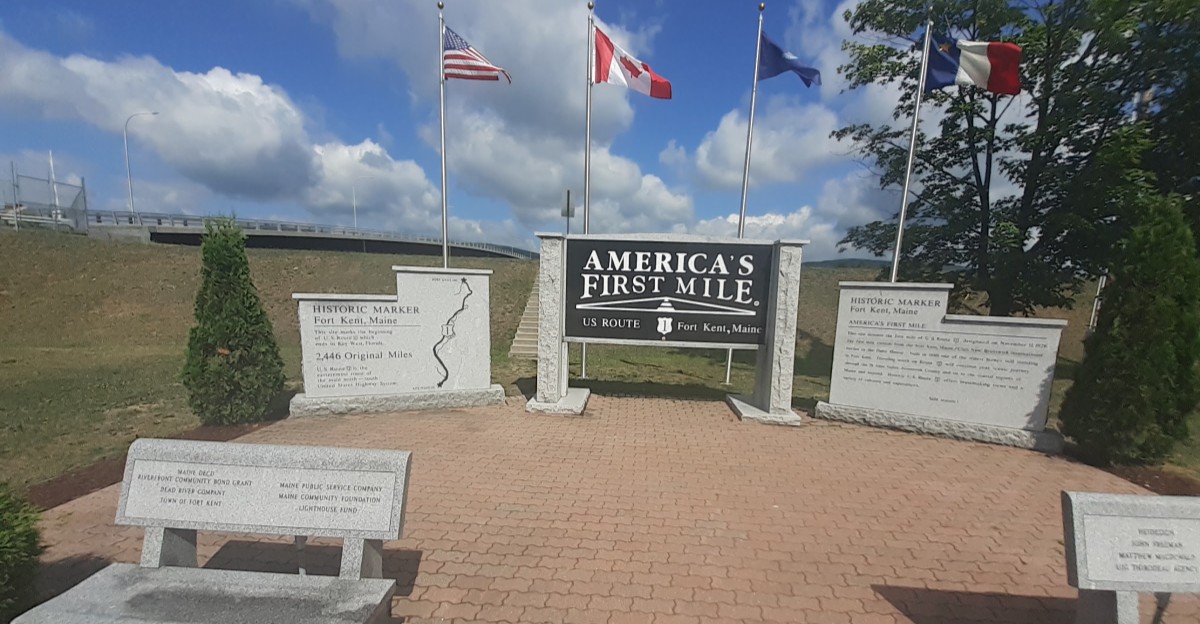
There is something strangely exciting about following a highway until it simply runs out of America. In far northern Maine, one tiny town sits at the end of a legendary road that stretches more than 2,000 miles toward the Florida Keys.
The border is right there, but that is only the beginning of what makes this place interesting. A historic wooden blockhouse still stands near the river, and French heritage remains part of everyday life.
You can hear it in conversations and feel it in the town’s character.
Winter brings deep snow and plenty of outdoor adventure, while warmer months make the riverfront especially inviting. Then there is the famous roadside monument that travelers love to photograph.
By the time you reach it, this little community feels less like the end of the road and more like the reward for making the drive.
Where U.S. Route 1 Finally Runs Out Of Road
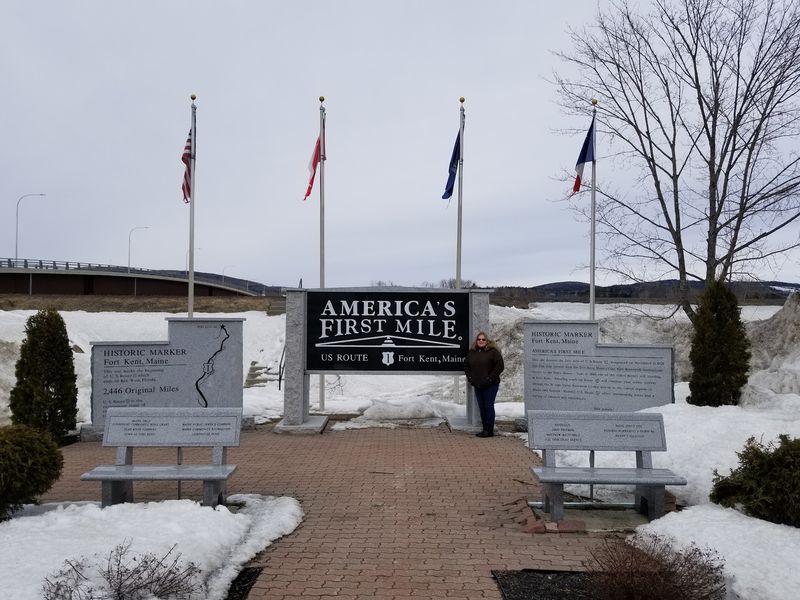
Picture a highway that starts way down in Key West, Florida, and stretches a jaw-dropping 2,369 miles before it finally quits. That famous road is U.S.
Route 1, and its northern end lands right here in this Aroostook County town.
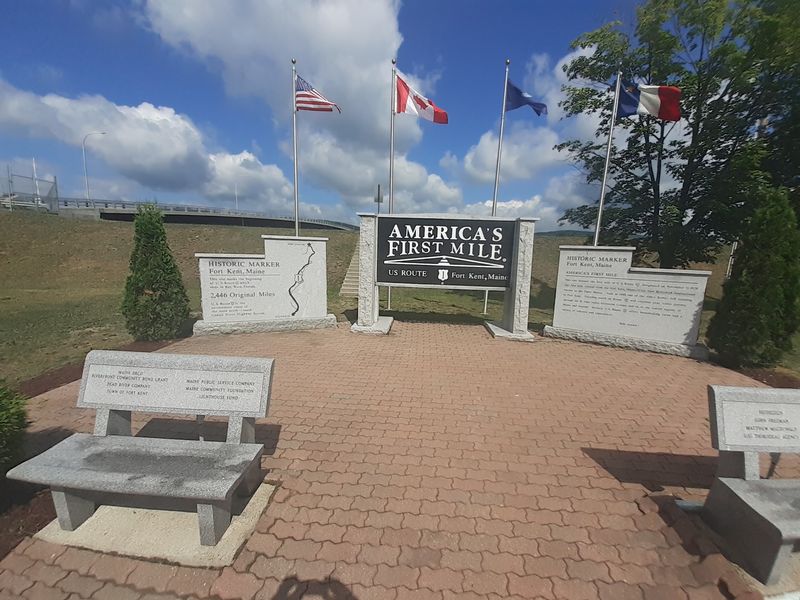
A well-known America’s First Mile monument sits near the international bridge, marking the northern end of U.S. Route 1 in Fort Kent.
Road trippers love snapping photos beside it, especially those who have followed the route from its sunny southern start.
Standing at this point feels a little like reaching the finish line of a very long race. You are as far up the East Coast as the highway can carry you, with New Brunswick just across the water.
Local shops nearby sell postcards and small keepsakes so you can prove you made it to the very top. The America’s First Mile monument has become a bucket-list stop for people who collect unusual travel moments.
Bring a camera, stretch your legs, and enjoy the odd thrill of standing at the northern end of one of America’s most famous East Coast highways. It is a bragging right worth the drive north.
The Fort That Gave The Town Its Name
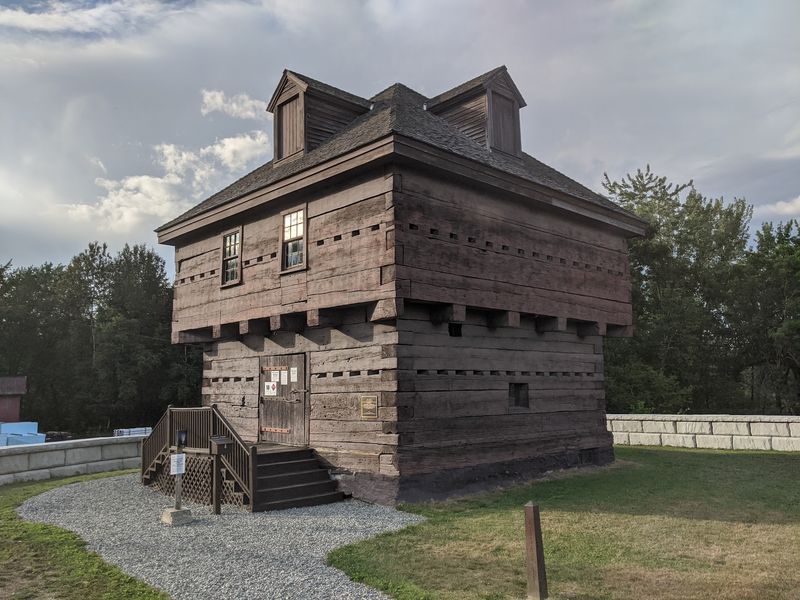
Long before travelers came for photos, this spot mattered because of a boundary argument between two countries. Back in the late 1830s, a squabble over the border led to the building of a sturdy log blockhouse guarding the river.
That blockhouse still stands today, and it is one of the oldest structures of its kind you can visit in the region. Made from thick timber, it once helped soldiers keep watch over the frontier during a tense standoff.
Walking around the two-story fort, you can imagine how lonely and cold guarding this outpost must have felt. The building is small, but its story looms large in the history of the whole area.
A state historic site now protects the blockhouse, and information panels explain the dispute that put it on the map. Admission is friendly on the wallet, and the grounds make a peaceful place to wander.
The town proudly took its name from this fort, so a visit connects you directly to the reason the community exists. History buffs will find plenty here to spark their curiosity and slow down their busy day.
Two Rivers Meeting At The Town’s Doorstep
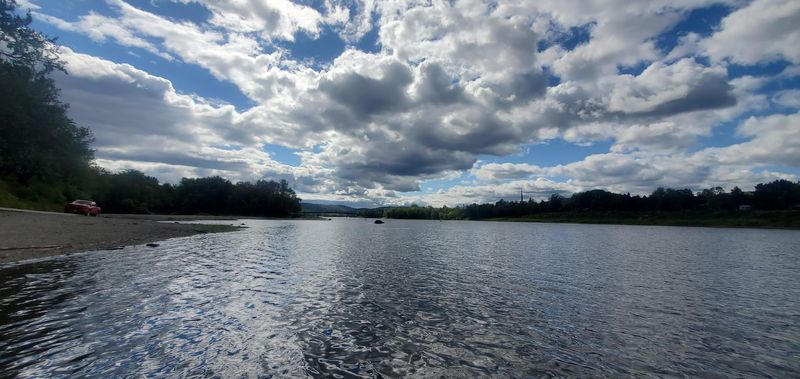
Water shapes almost everything about this northern community, and you can see why the moment you arrive. The Fish River flows down and joins the larger Saint John River right at the edge of town, creating a peaceful meeting point.
That very spot, where the two rivers blend, is what geographers call a confluence. It also happens to trace part of the border between Maine and New Brunswick, Canada.
Anglers come here hoping to catch trout and salmon, since these waters have long been prized for fishing. The riverbanks offer quiet places to sit, watch the current, and listen to the birds overhead.
In warmer months, paddlers slip canoes and kayaks into the water for calm, scenic trips. The scenery changes with the seasons, glowing green in summer and turning gold and red when autumn arrives.
Photographers love catching the soft light on the water early in the morning. Whether you fish, paddle, or simply stroll along the shore, the rivers give the town a gentle, timeless feel that stays with you long after you leave.
A Bridge Straight Into Canada
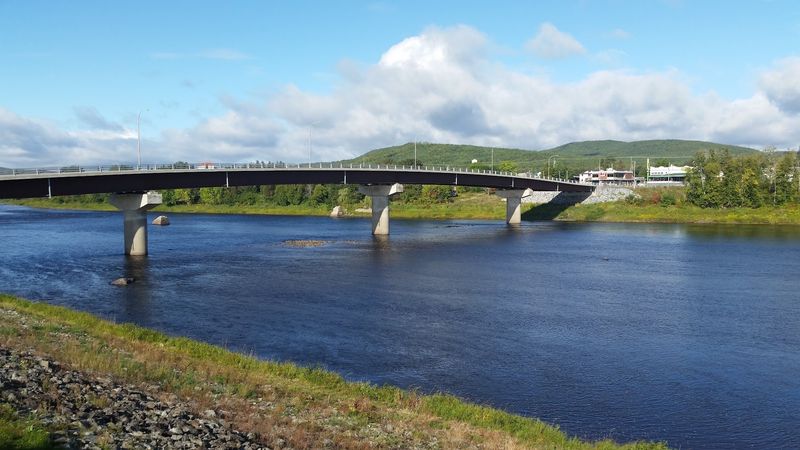
Few small towns can say a foreign country sits just across a short bridge, but this one can. Spanning the Saint John River, an international crossing links the town with the community of Clair in New Brunswick, Canada.
Drive over the bridge, show your passport at the checkpoint, and suddenly you are in another nation. That easy hop makes the town feel wonderfully connected to its neighbors to the north.
Families here often have relatives on both sides of the river, and the two communities share close ties. You will hear French spoken freely, a reminder that the border is more of a friendly line than a wall.
Travelers enjoy the novelty of standing in the United States one minute and Canada the next. Just remember to carry proper identification, since it is an official border stop.
The view from the bridge shows the wide river below and green hills rolling into the distance. It is a simple crossing, but it turns an ordinary visit into an international adventure that few American towns can offer.
French Roots You Can Hear And Taste
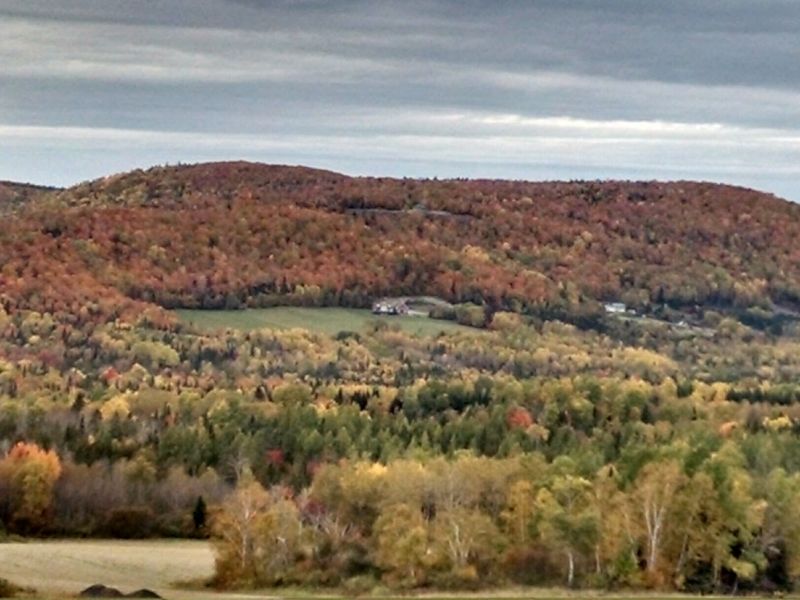
Listen closely around town and you may notice conversations sliding easily between English and French. This region carries deep Acadian roots, and that heritage shows up in names, food, music, and everyday chatter.
Many families trace their lines back generations to French-speaking settlers who built farms and villages along the river valley. Their traditions never faded, and the community celebrates them with pride.
Local kitchens serve dishes like ployes, a thin buckwheat pancake that folks fold and enjoy with butter. Trying one is a tasty way to connect with the culture that shaped the area.
Festivals and gatherings keep the old songs and stories alive, welcoming visitors to join the fun. You do not need to speak French to feel included, since friendliness crosses every language.
The University of Maine at Fort Kent even helps preserve this heritage through study and events. Learning a few French greetings before you arrive can earn you warm smiles from the people you meet.
This blend of two cultures gives the town a personality all its own, flavorful, musical, and genuinely welcoming to curious travelers.
Snowy Trails And Winter Adventures
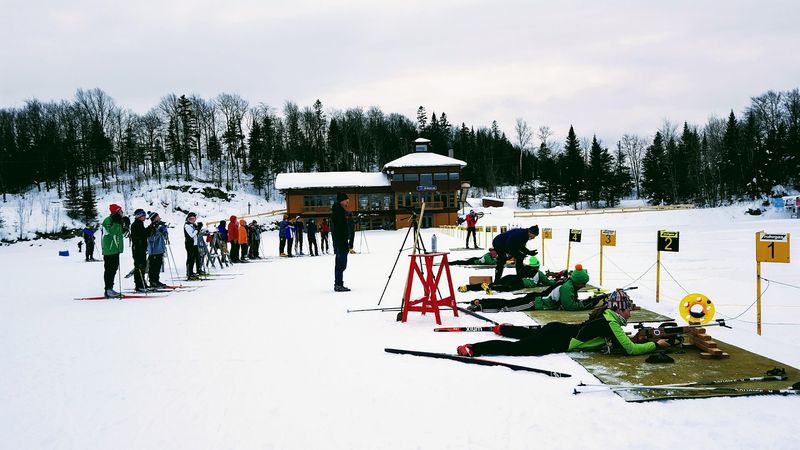
When cold weather rolls in, this northern town transforms into a playground for people who love snow. Deep, reliable snowfall blankets the region, drawing outdoor fans from all over.
Miles of well-groomed trails wind through the forests, perfect for snowmobiling and cross-country skiing. Riders can zip along paths that connect to a huge network stretching across the county.
The town is also famous for hosting world-class biathlon events, which mix skiing with target shooting. The Fort Kent Outdoor Center has welcomed international biathlon competitions, putting this little community on the global sports map.
Families bundle up for sledding, snowshoeing, and quiet walks through glittering white woods. The crisp air and peaceful scenery make even a short outing feel refreshing.
Bring warm layers, sturdy boots, and a sense of adventure, because winters here mean business. Local shops can point you toward gear rentals and the best trails for your skill level.
If you have never experienced a true northern winter, this is the place to feel it fully. Snow lovers will find plenty of reasons to celebrate the season and stay outdoors from morning until dusk.
A College Town At The Top Of The State
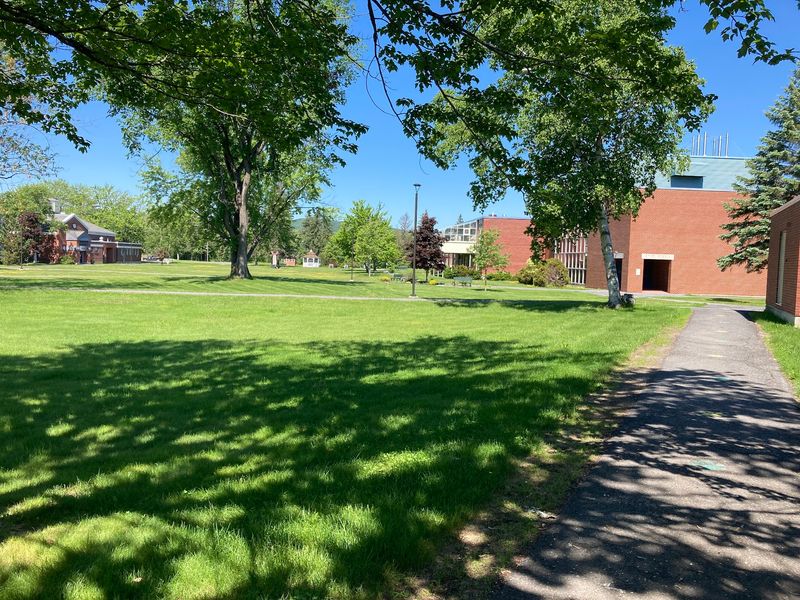
You might not expect a busy university this far north, but the town proudly hosts one. The University of Maine at Fort Kent brings young students, energy, and events to the community.
Its campus sits right in town, adding a lively spark to the quiet streets. Students study everything from nursing to environmental science, and many stay to explore the surrounding wilderness on weekends.
The school helps keep local culture strong, offering programs that celebrate the area’s Acadian and French heritage. Public lectures, sports games, and art shows give visitors extra things to enjoy.
Having a college here means the town feels youthful and forward-looking, even while honoring its long history. Coffee spots and small eateries near campus buzz with friendly conversation during the school year.
Travelers passing through can often catch a public event or simply stroll the tidy grounds. The mix of students and longtime residents creates a welcoming, down-to-earth atmosphere.
For a town of just a few thousand people, having a university adds surprising depth and vibrancy. It is one more reason this far-flung community feels bigger in spirit than its small population suggests.
Best Times To Plan Your Visit
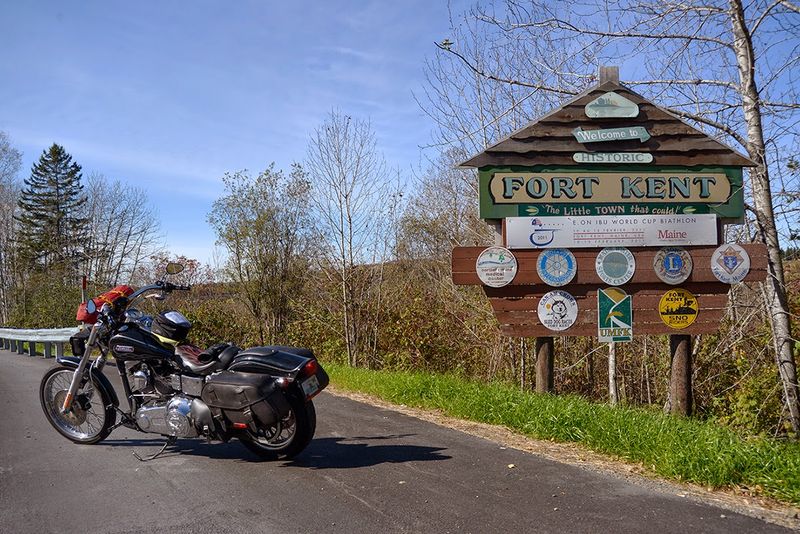
Timing can make a big difference when you head this far north, so a little planning pays off. Each season paints the town in a completely different mood, and every one has its charms.
Summer brings warm days perfect for fishing, paddling, and hiking along the rivers. It is also festival time, when local celebrations fill the streets with music and food.
Autumn may be the showstopper, as the forests explode into fiery reds, oranges, and golds. Cool, crisp air and quieter roads make fall a favorite for photographers and leaf lovers.
Winter is long and snowy, ideal for those chasing skiing, snowmobiling, and other cold-weather fun. Pack serious warm gear, because temperatures drop well below freezing.
Spring arrives late up here, gradually melting the snow and greening the hills. It can be muddy, but the returning wildlife and rushing rivers reward patient travelers.
Since the town sits at the very top of the state, plan for a long drive and check road conditions ahead of time. Book lodging early during festivals and peak snow season.
No matter when you come, this remote corner rewards visitors with fresh air and lasting memories.
Finding Your Way To This Far-Flung Town
Getting here takes some effort, and honestly, that is part of the adventure. Located in Aroostook County, this community sits along the Canadian border in far northern Maine.
The drive north carries you through wide farmland, thick forests, and long stretches of open road. Fill up your gas tank when you can, since services grow sparse the farther you travel.
Most visitors arrive by car, following U.S. Route 1 all the way to its northern end.
The journey rewards patience with gorgeous scenery and a growing sense of remoteness.
Once in town, everything sits close together, so you can easily walk to the blockhouse, the river, and the highway marker. Small inns and lodgings offer cozy places to rest after your long trip.
Cell service can be spotty in the wilder areas, so download maps before you go. Pack snacks, warm clothes, and a spirit ready for exploration.
Reaching this quiet outpost feels like a real accomplishment, and the friendly welcome makes every mile worth it. Few destinations reward curious road trippers quite like this one at the top of Maine.