
This Tiny Ohio Town With Rich History And Stunning Views Is Perfect For A Relaxing Weekend
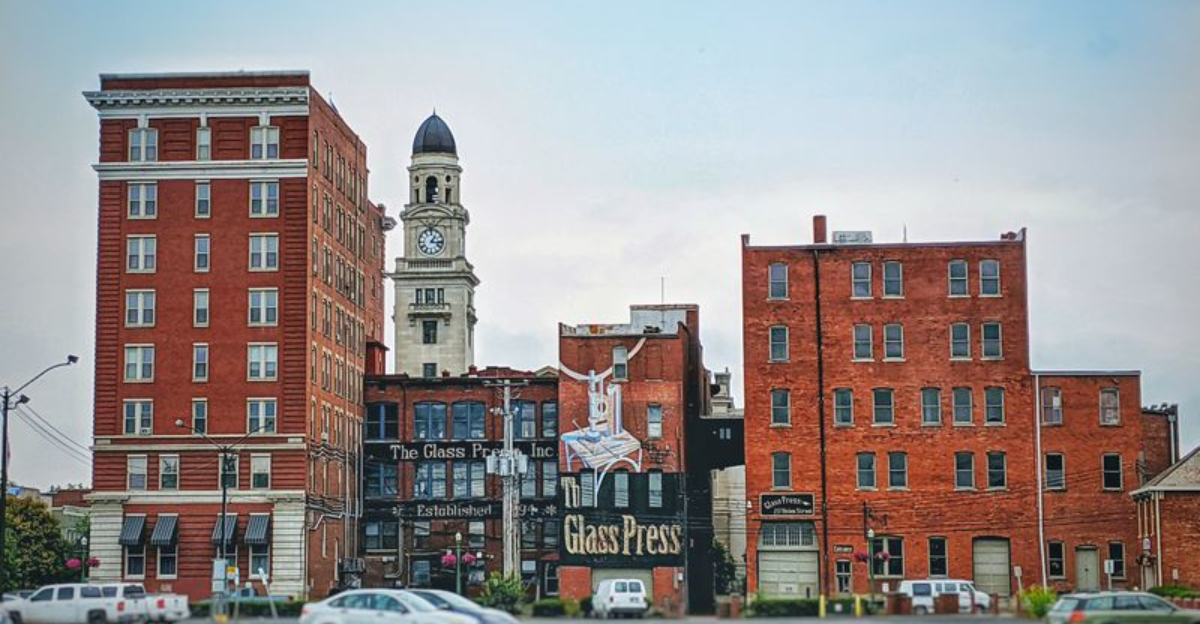
Follow the river bends to Marietta, a small Ohio city where history and scenery meet like old friends.
You will feel it the moment brick streets click underfoot and the Ohio River drifts by with a quiet hush.
Stories live here in rooftops, towpaths, and steamboat whistles that seem to echo from another century.
Bring your curiosity and a relaxed pace, because Marietta rewards anyone willing to linger.
Riverside First Impressions On Front Street
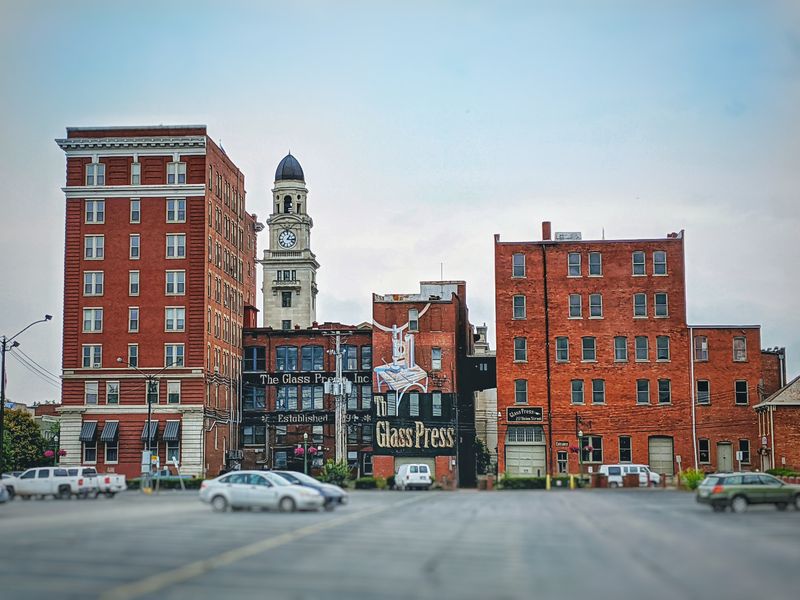
You start on Front Street, where lamps blink awake and the Ohio River slips by like a polite neighbor.
Brick storefronts lean close, their painted signs softened by time.
The air smells faintly like coffee and riverwater, and you catch snippets of laughter drifting from a patio.
Walk slow, because the architecture rewards curiosity.
Press your palm to cool brick and feel a century of stories hum beneath your fingers.
Peek into galleries and boutiques that stock small surprises, from hand-thrown mugs to vintage postcards with scalloped edges.
Parking is usually straightforward along downtown streets or nearby lots, though weekends fill quickly.
Most shops keep daytime hours with extended evenings on event nights, and accessibility improves block by block with curb cuts and even sidewalks.
If timing allows, come just before sunset for pink light, easy tables, and a chance to watch the river perform its nightly mirror trick.
The Confluence: Where Two Rivers Shake Hands

Stand where the Muskingum joins the Ohio and you feel the town’s heartbeat steady and sure.
Water folds into water, and a low breeze carries the scent of wet stone and cut grass.
The view is wide, calming, and a little humbling.
This meeting shaped everything here, from trade to town life.
Locals walk the levee like it is an old habit, and you can follow their lead.
Watch barges slide past like moving skylines, and listen for small waves tapping the rocks in patient rhythm.
Visit during early morning or late afternoon for soft light and fewer crowds.
Paths are generally level, friendly for strollers and wheelchairs, though surfaces vary near the water’s edge.
Parking is typically available near riverfront parks, and there is no ticket booth or gate to pass, just open space and sky.
Bring a jacket if winds pick up, because river air loves surprises.
Campus Martius Museum: Pioneer Stories With A Pulse
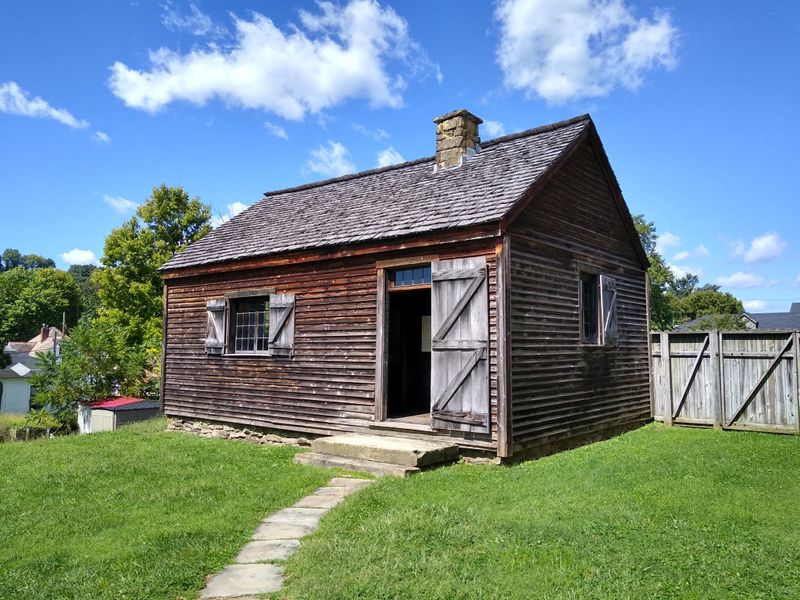
Step into Campus Martius Museum and the frontier stops feeling like a textbook.
You move past timbered walls and glass cases that look alive with hand tools, maps, and letters that still whisper.
Docents share details with just enough twinkle to make you lean in.
Hours vary by season, so check ahead, but late morning visits beat the bus groups.
Admission is typically modest, the kind of price that feels like a handshake with history.
Exhibits are well labeled, and the flow makes sense even if your pioneer knowledge is rusty.
Parking is on site, with level entries and an elevator inside.
You will want at least an hour, preferably two, to let the stories breathe.
Spend time with the stockade reconstruction because it ties the whole era together.
Leave with an unexpected affection for hand hewn beams and the people who trusted them.
Ohio River Museum And The W.P. Snyder Jr.
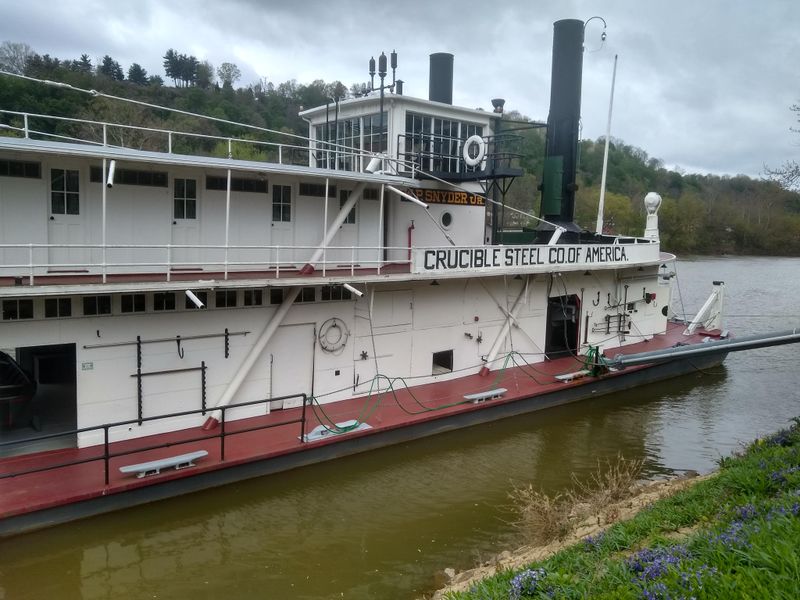
The Ohio River Museum stretches your sense of scale with models, artifacts, and the star attraction, the W.P. Snyder Jr.
The towboat looks tough and proud, resting by the bank like a retired athlete with stories to tell.
Step aboard and feel the floorboards answer with a wooden sigh.
Exhibits trace river culture and engineering without turning dry.
You learn how workboats danced with currents and weather, and why whistles mattered.
Kids find hands-on pieces that make the whole place more playful.
Hours shift across seasons, so confirm before you go.
Admission is usually a reasonable ticket, sometimes bundled with other local sites when available.
Parking sits nearby, and exterior pathways are generally smooth, though the boat has tight quarters that may challenge mobility devices.
Aim for midweek afternoons for breathing room and better photo angles.
You will leave watching the river like it is a clever machine.
Harmar Village And The Historic Bridge Walk
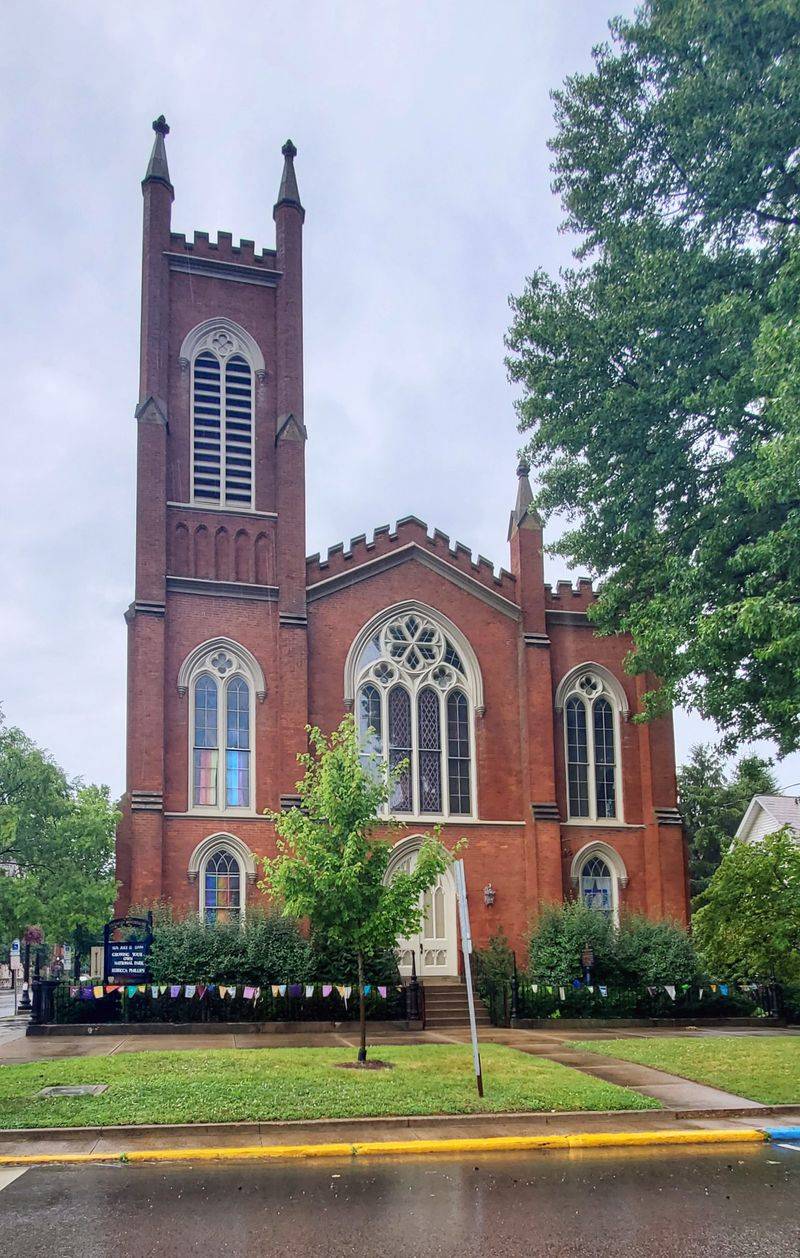
Cross toward Harmar Village and time shifts by half a step.
The truss of the historic bridge frames the river in iron geometry, and the boards underfoot drum a friendly beat.
On the far side, narrow streets hide porches with rocking chairs that look like they never retired.
The district feels like a stage set, except the props are real and the stories are quiet.
Look for the train tracks that slice through like a whispered line.
A small park, a few well loved buildings, and river views do the rest.
Accessibility depends on current bridge status and surfaces, so check local updates.
Daylight hours are best for photography and wandering, with weekends adding a neighborly hum.
Parking is usually easier on the Harmar side.
Bring low shoes for uneven boards and brick.
The reward is simple and perfect, like seeing the town’s left hand shake the right.
Mound Cemetery: Stone, Grass, And Sky
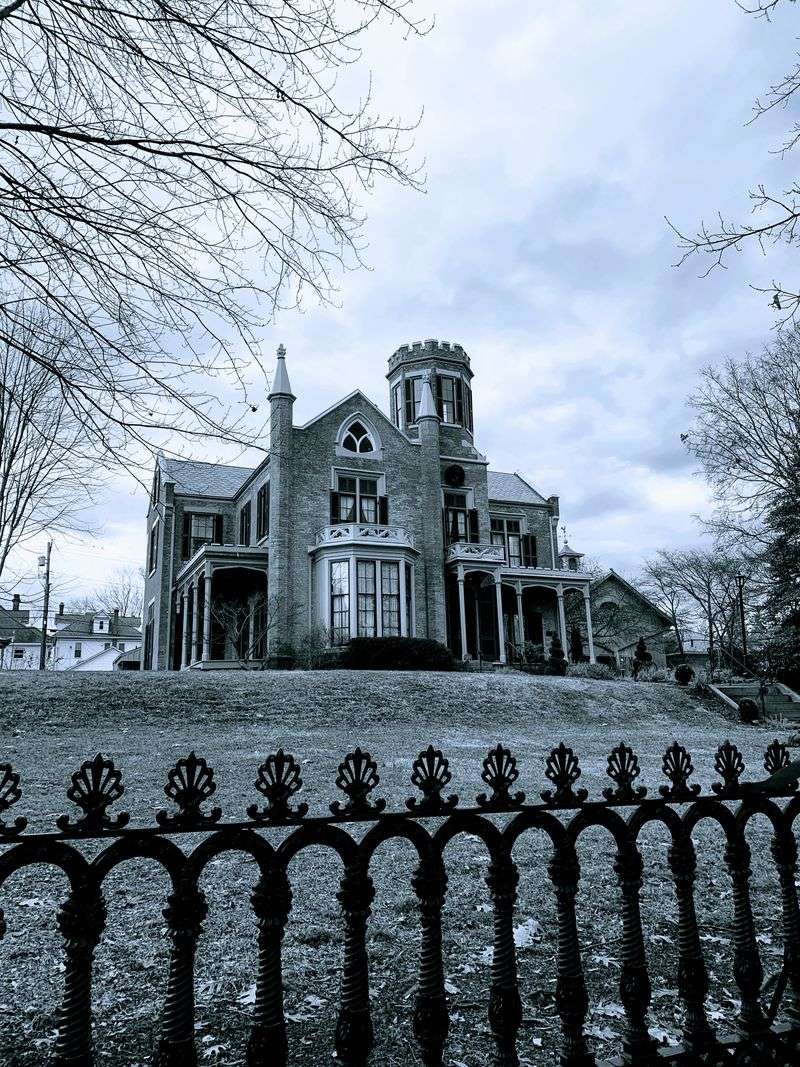
Mound Cemetery folds ancient earth with newer names, and it makes you walk softer.
The conical mound rises from green grass like a quiet drumbeat.
Birds scribble notes in the canopy, and the town’s noise falls away.
Read the headstones and feel the frontier close at your shoulder.
History fans will know this ground is special for Revolutionary War officers, and the markers make their case without bragging.
You do not need dates to feel the dignity here, but they help.
Parking lines the nearby streets, and paths are mostly grass, so wheels can be tricky after rain.
Come mid morning when the light wraps the stones, and leave time to sit.
There is no ticket, just courtesy and care.
Keep voices hushed, tread carefully on slopes, and let the air teach you a slower minute.
The Brick Streets And Secret Courtyards
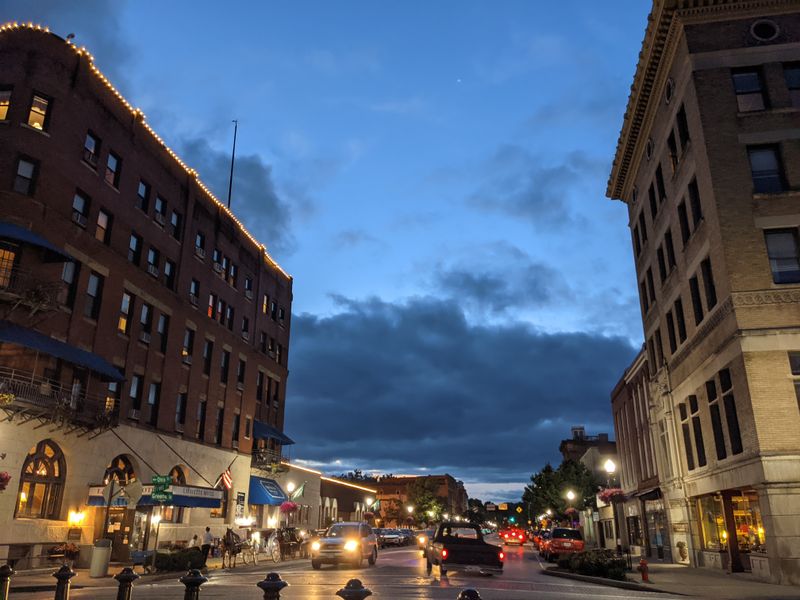
Follow any brick street and you will find a doorway that feels like a wink.
Iron gates peek into small courtyards with ivy and string lights, and a cat may conduct a slow patrol.
Footsteps click pleasantly, a sound that turns walking into a small celebration.
Look up and catch cornices with leafy carvings and windows that seem to gossip.
A few alleys hide murals and weathered signs, perfect for photos that look older than your camera.
The smell of pastry and espresso sneaks around corners and never apologizes.
Most of this is free, open, and easy to explore by foot, though bricks can challenge wheels and heels.
Start midmorning and loop back after dusk for a second act under warm bulbs.
Street parking rotates all day, and shops keep typical daytime hours with flexible weekends.
Let curiosity lead, and the town quietly opens doors.
Marietta’s River Trails And Levee Walks
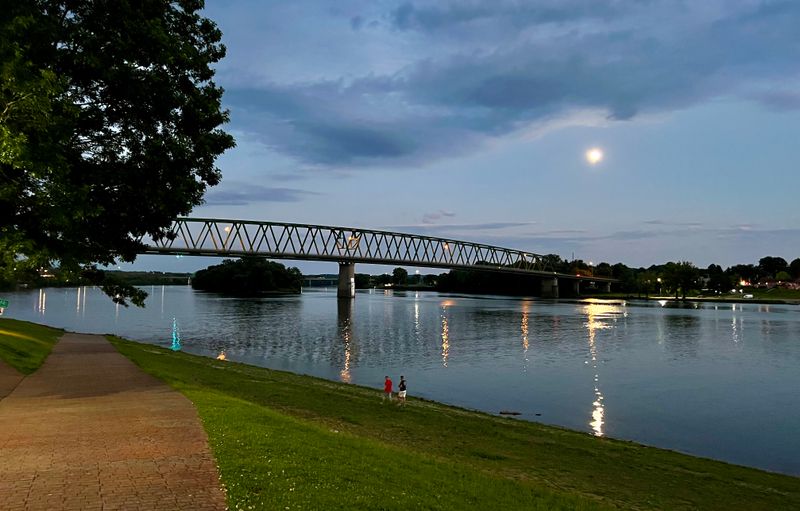
The levee path runs like a stitched seam beside the water, and it is where the town exhales.
Joggers glide by, dogs introduce themselves, and the river keeps everyone honest.
Benches look out with that wise, patient gaze only rivers can teach.
Bring comfortable shoes and a light layer because breezes play tricks.
You can push a stroller here, and wheelchairs fare well on the smoother sections.
The rhythm is easy, a steady loop that resets your thoughts.
Parking usually works near the riverfront parks with posted limits.
Mornings are quiet, evenings social, and midday full of sunshine.
There are no tickets or gates, just friendly nods and the soft drum of footsteps.
If you have time for one long breath, make it here, where horizon and heartbeat seem to agree.
Local Flavor: Cafes, Pie, And River Views
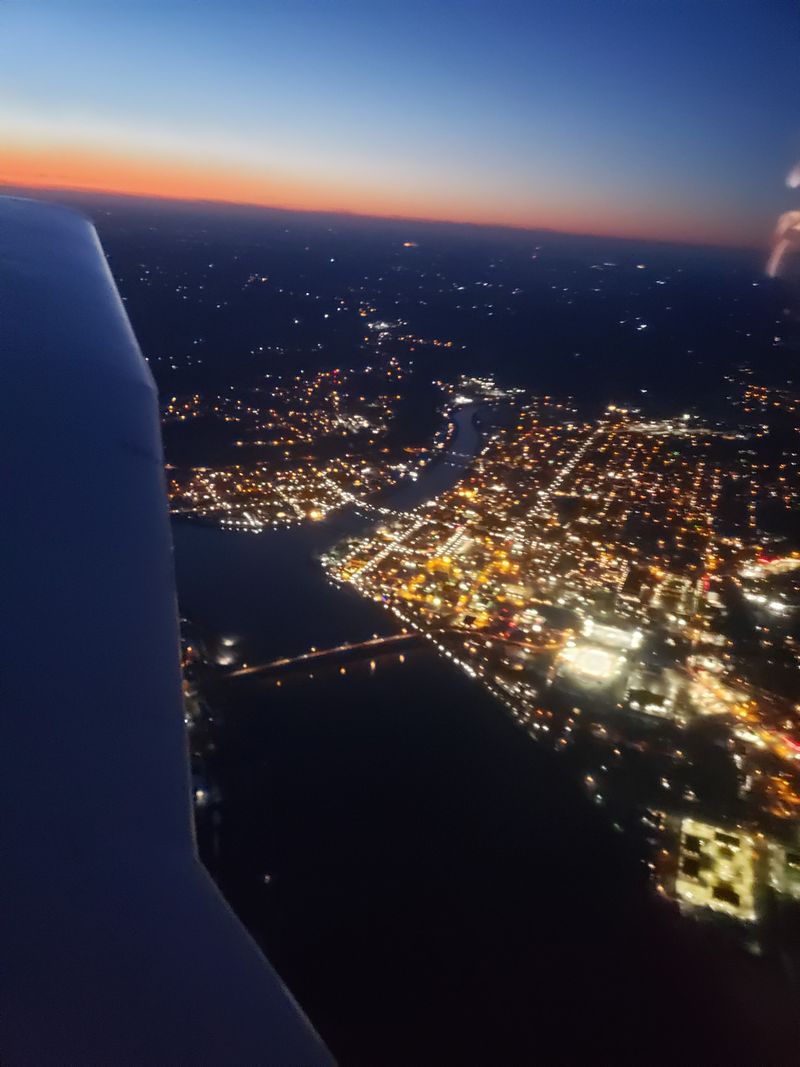
Food here tastes like comfort with a playful grin.
Cafes pour dependable coffee, and pies arrive with golden crusts that flake at the lightest nudge.
Sit by a window that frames the river like a moving painting, and you will forget your phone exists.
Menus change, but expect sandwiches stacked just right, soups with honest flavor, and desserts that lean nostalgic.
Prices are friendly, the kind that invite second cups and lingering.
Service carries that small town ease, quick without rushing you out the door.
Most spots open by breakfast or late morning and wind down early evening, with longer hours on weekends.
Street parking works fine if you give yourself a few extra minutes.
Accessibility varies but improves in newer interiors and ground level spaces.
Ask for patio seating when the weather behaves, and let the river handle the soundtrack.
Sunset From The Putnam Bridge Overlook
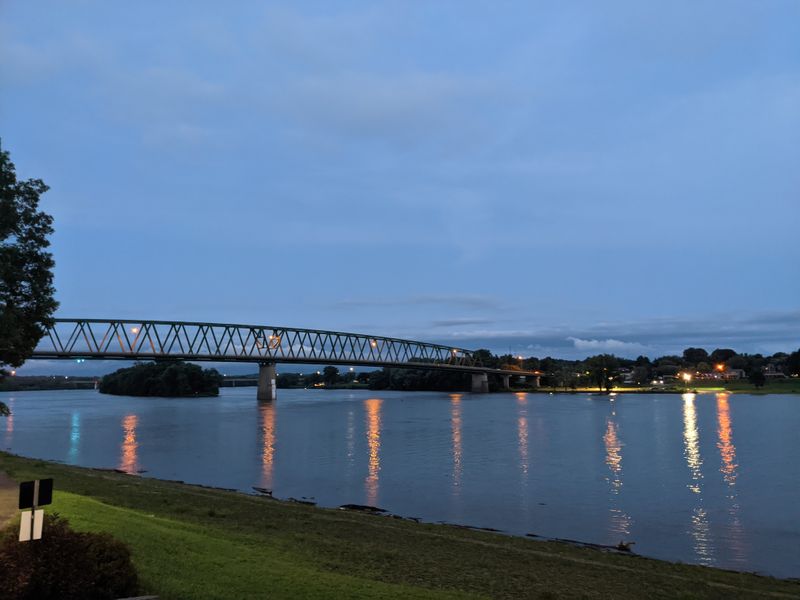
As day folds up, head toward the bridge overlooks and watch the sky set the schedule.
The river turns metallic, then molten, and the bridges cut clean silhouettes against the glow.
Cars hum overhead like distant bees, and the town lights blink on one by one.
It is the kind of view that pulls you quiet.
Photographers line the railings with tripods, but a phone works fine if you breathe and hold still.
The colors come in waves, and you will want to stay for the last one.
Parking sits near riverfront pull offs, with sidewalks that shift from smooth to slightly uneven.
No tickets, no formal hours, just daylight and common sense, though twilight is the sweet spot.
Bring a light jacket and a simple plan for dinner after.
Walking back under the new lights makes the evening feel taller.