
This Tiny Route 66 Museum In Arizona Is One Of The State’s Most Charming Secrets
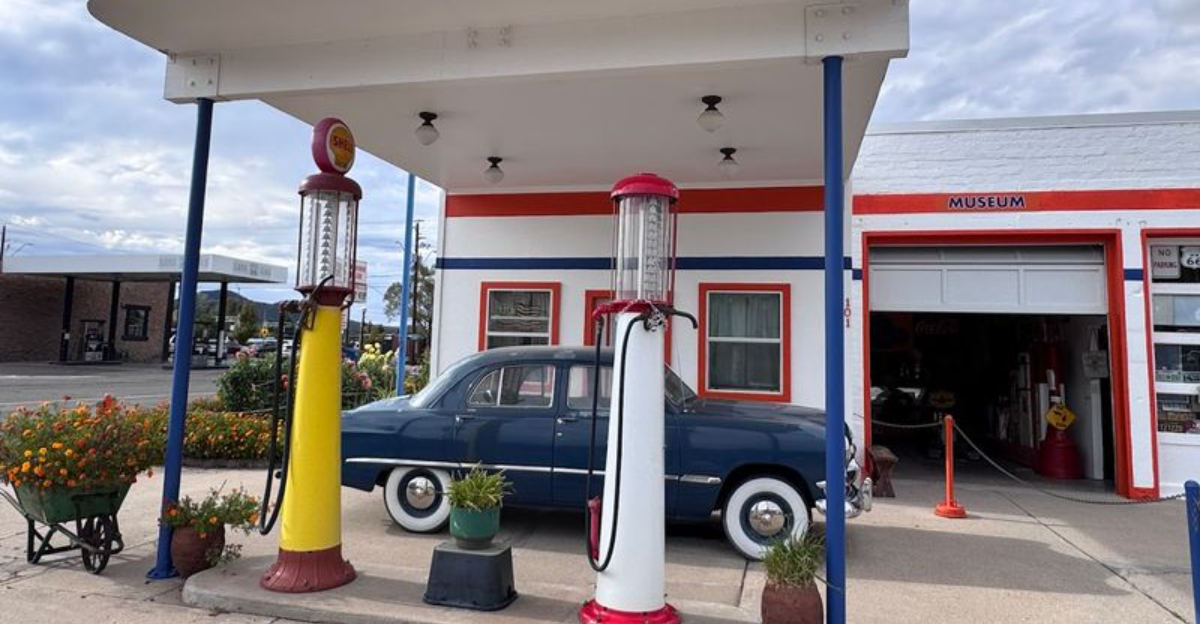
I never expected to find one of my favorite Arizona stops tucked inside a vintage gas station, but they proved me completely wrong. This tiny treasure sits right along the Mother Road, packed wall-to-wall with authentic memorabilia that tells the story of America’s most famous highway.
Walking through the door feels like stepping back seventy years, when chrome bumpers gleamed in the desert sun and road trips meant adventure around every curve.
The museum occupies an actual working gas station from Route 66’s golden era, lovingly preserved by owners who understand that history lives in the details. I spent way longer than planned wandering through displays of old signs, photographs, and roadside curiosities that capture the spirit of mid-century travel.
Located at 101 East Route 66 in Williams, Arizona, this charming spot offers visitors a genuine glimpse into the past without the crowds or admission fees you’d find at bigger attractions.
A Working Piece Of Route 66 History
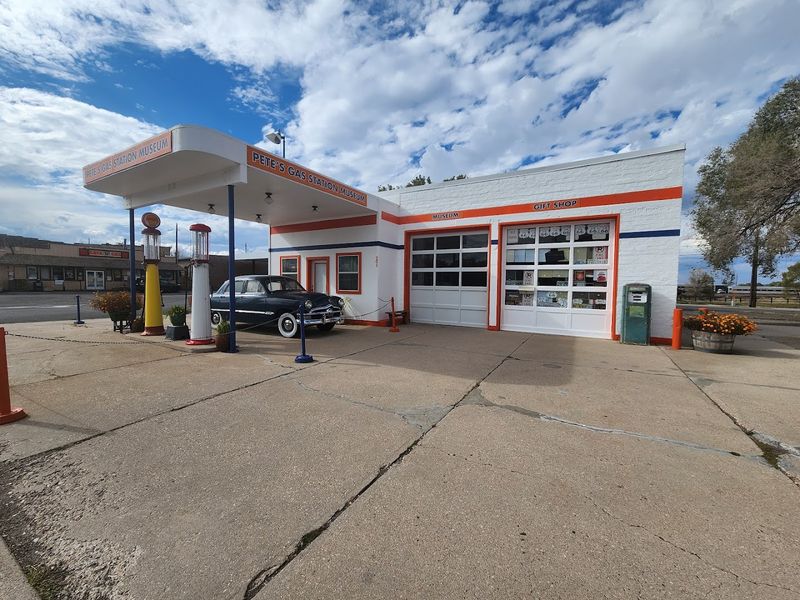
This is not just a museum that happens to occupy an old building. This place actually served travelers cruising the Mother Road back when Route 66 was the main artery connecting Chicago to Los Angeles.
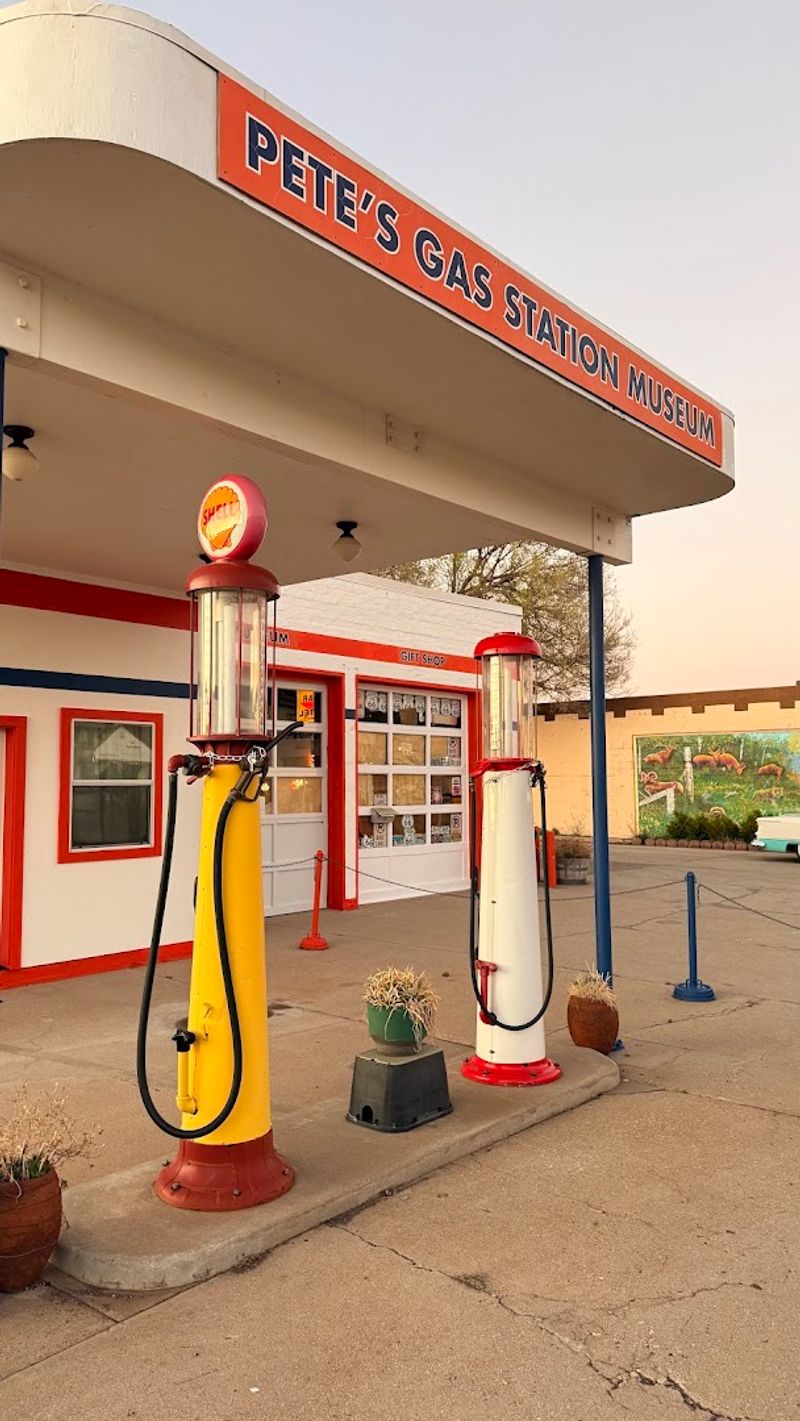
The structure dates back to the highway’s heyday, and you can still see original architectural features that have survived decades of Arizona weather. Walking up to the building, I immediately noticed the authentic gas pumps standing guard out front.
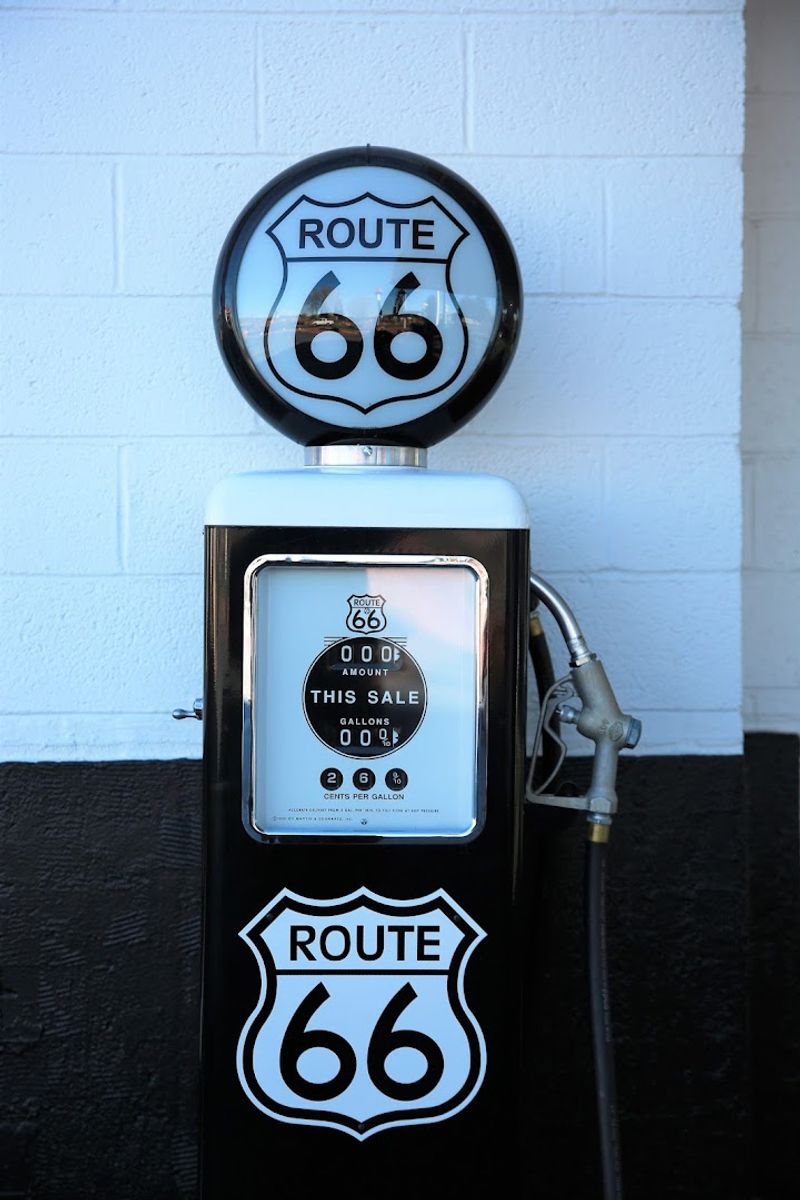
These aren’t replicas someone ordered from a catalog. They’re the real deal, complete with faded paint and mechanical dials that once measured gallons for road-trippers heading west.
The owners have maintained the station’s original character while converting the interior into a display space. Old tile floors, vintage signage, and period-appropriate fixtures create an atmosphere that feels genuinely transported from another era.
Every corner of Pete’s Route 66 Gas Station Museum reveals another detail that reminds you this building witnessed thousands of journeys during Route 66’s most vibrant years.
Pete’s Personal Collection Tells The Story
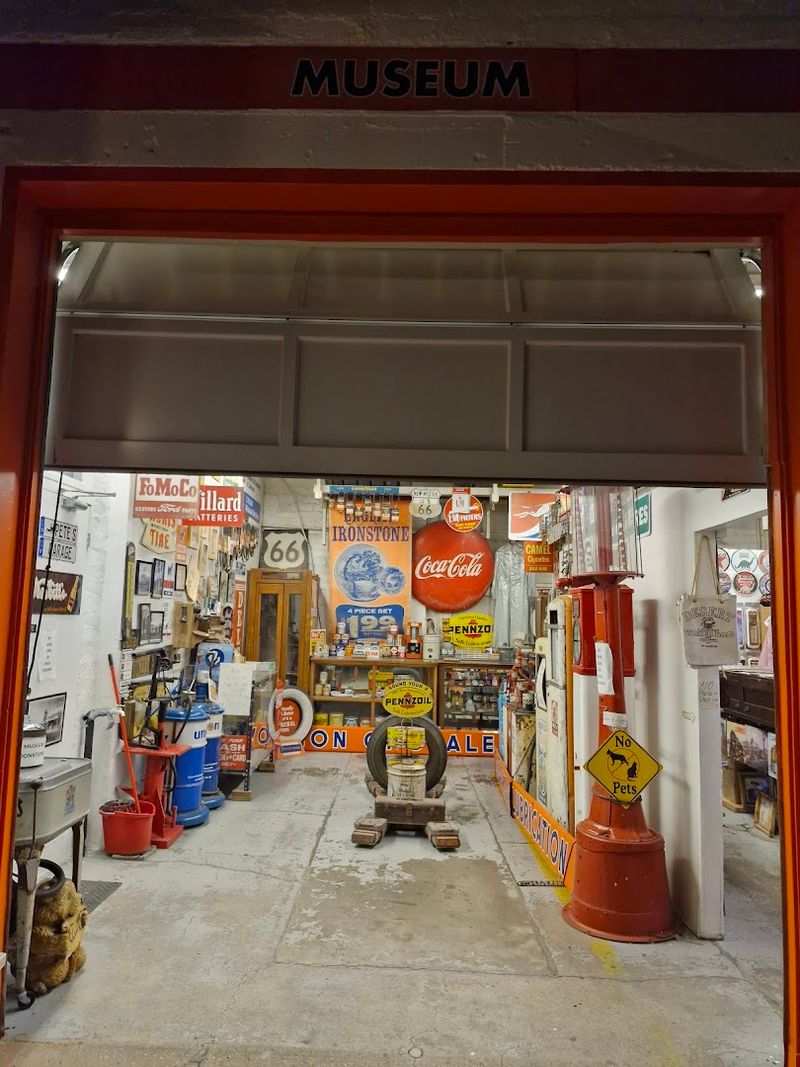
The museum bears Pete’s name because his passion built this collection over many years. I learned that Pete Segura spent decades gathering authentic Route 66 artifacts, rescuing items that might have otherwise ended up in landfills or forgotten storage units.
His dedication shows in every carefully curated display.
What makes this collection special is its focus on genuine articles rather than mass-produced reproductions. Old license plates line the walls alongside vintage advertisements for motor oil and roadside diners that disappeared long ago.
Photographs capture moments when Route 66 represented freedom and possibility to American families. I particularly appreciated the personal touches throughout the exhibits. Pete didn’t just accumulate stuff randomly.
Each item connects to a larger story about how the highway shaped communities, businesses, and travelers’ experiences. The collection includes everything from antique tools mechanics used in roadside garages to menus from long-closed restaurants.
Free Admission Keeps The Spirit Alive
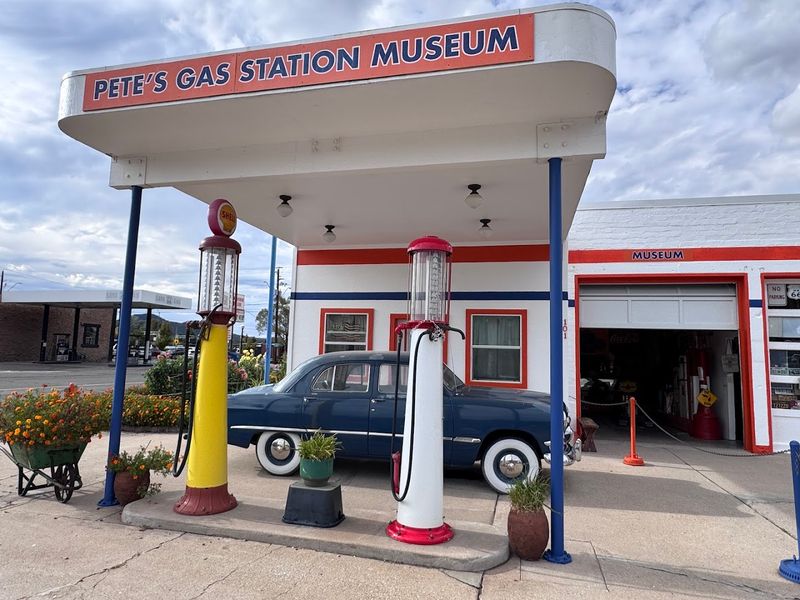
Here’s something refreshing in our age of expensive attractions. Pete’s Route 66 Gas Station Museum doesn’t charge admission. You can walk right in, explore at your own pace, and soak up all that history without opening your wallet.
This generous policy reflects the highway’s original spirit of accessibility and welcome. During my visit, I watched families with kids wander through, retirees reminiscing about their own Route 66 journeys, and solo travelers like myself discovering stories they’d never heard.
The free admission removes barriers that might keep some people away, making history available to everyone regardless of budget. Of course, the museum gratefully accepts donations to help with maintenance and preservation efforts.
I dropped some cash in the donation box because places like this deserve support.
The lack of mandatory fees creates a relaxed atmosphere where you don’t feel pressured to rush through or get your money’s worth. You can spend five minutes or an hour, whatever feels right.
Williams Makes The Perfect Base Camp
The museum’s location in Williams gives visitors multiple reasons to stop. This small Arizona town sits at the junction of Interstate 40 and Route 66, making it easily accessible for modern travelers.
Williams also serves as the gateway to Grand Canyon National Park, positioned just an hour’s drive from the South Rim.
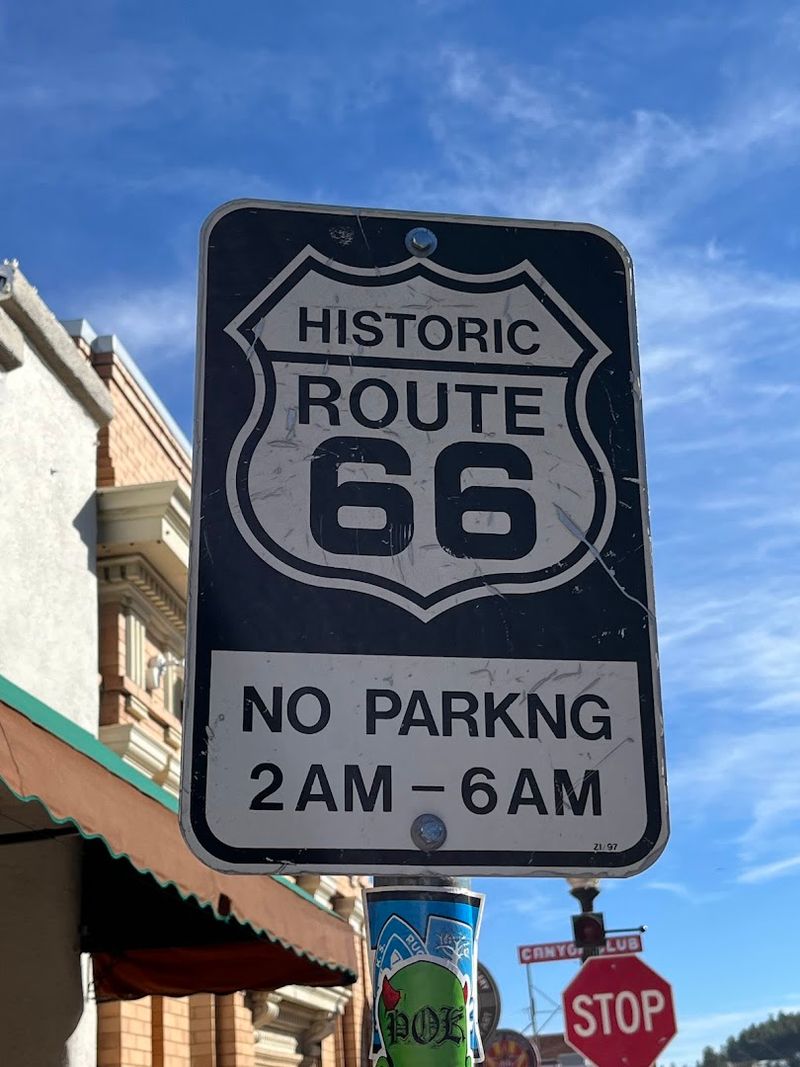
I found Williams itself worth exploring beyond just the museum. The downtown area maintains its Route 66 character with vintage neon signs, classic diners, and shops selling road-trip memorabilia.
The town embraces its highway heritage without feeling overly touristy or artificial. Williams also offers the Grand Canyon Railway, a historic train that carries passengers to the canyon’s edge.
Combining a museum visit with train tickets and canyon exploration makes for an excellent Arizona itinerary. The town provides plenty of lodging options, restaurants, and other attractions to fill a day or two.
Pete’s museum fits perfectly into a larger Williams experience, giving you another layer of history to appreciate while you’re in the area.
Authentic Artifacts You Won’t See Elsewhere
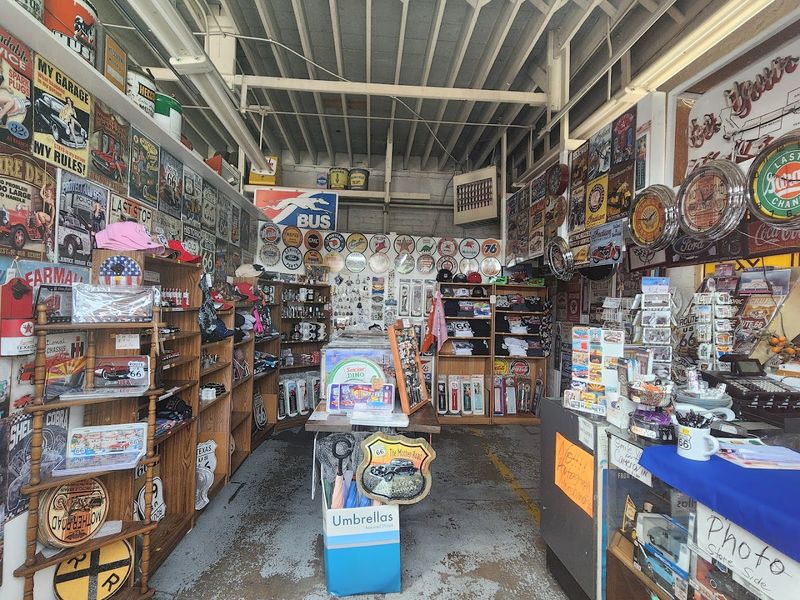
Big museums might have flashier exhibits, but Pete’s collection offers something they often lack: authenticity and local connection. Many items on display came from Arizona businesses and families, creating a distinctly regional perspective on Route 66 history.
I spotted artifacts I’d never encountered in larger institutions. The collection includes original business signs from motels and gas stations that once served Williams and surrounding communities.
Old photographs show how the town looked during different decades, revealing changes in architecture, vehicles, and fashion. These local connections make the history feel immediate and tangible.
I spent considerable time examining vintage road maps, tourist brochures, and postcards that advertised long-vanished attractions. These ephemeral items rarely survive, making Pete’s examples especially valuable.
The museum also displays period gasoline cans, automotive tools, and other practical objects that remind you Route 66 was a working highway, not just a romantic symbol. Every artifact tells a specific story about how people lived, traveled, and did business along America’s Mother Road.
Small Size Creates Intimate Discovery
Don’t expect sprawling galleries or multimedia presentations here. Pete’s Route 66 Gas Station Museum occupies a compact space that you can explore in thirty minutes to an hour, depending on your interest level.
This modest scale actually works in the museum’s favor, creating an intimate atmosphere that larger facilities can’t replicate.
The small size means you can examine items closely without fighting crowds or straining to see past other visitors. I appreciated being able to linger over displays that caught my attention without feeling rushed or overwhelmed. Everything sits within easy viewing distance, and the layout encourages close inspection.
This intimate scale also makes the museum feel personal rather than institutional.
You’re experiencing someone’s carefully assembled collection, not a corporation’s attempt to monetize nostalgia. The space feels more like visiting a knowledgeable friend’s garage than touring a formal museum.
That casual, approachable quality makes history accessible even to people who normally avoid museums. Sometimes the best stories come in small packages.
Perfect Stop For Route 66 Road Trippers
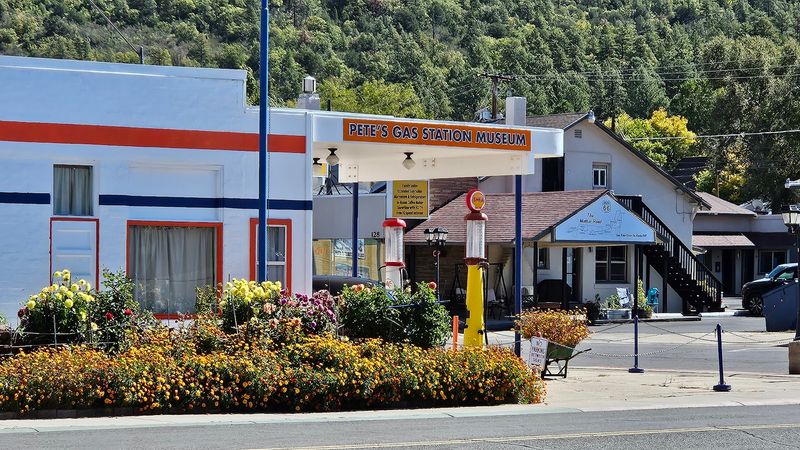
If you’re driving Route 66 through Arizona, Pete’s museum deserves a spot on your itinerary. The location makes stopping easy since Williams sits directly on the historic route.
I found plenty of parking nearby, and the museum’s position in the walkable downtown area means you can grab food or explore shops before or after your visit.
Road-trippers often struggle to find authentic Route 66 experiences among the tourist traps and chain businesses that now line the highway. Pete’s offers genuine connection to the road’s history without gimmicks or artificial nostalgia.
The museum helps you understand what made Route 66 special to generations of travelers. I met several other visitors who were driving the entire route from Illinois to California, and they all expressed appreciation for discovering this hidden treasure.
The museum provides context for other Route 66 sites you’ll encounter along your journey. Taking thirty minutes to explore Pete’s collection will deepen your appreciation for every vintage motel sign and old alignment you spot during the rest of your drive.
Preserving History For Future Generations
Museums like Pete’s serve an important function beyond entertaining tourists. They preserve tangible connections to a highway that profoundly shaped American culture and geography. Route 66 operated as a major thoroughfare for only about sixty years before interstate highways rendered it obsolete.
Without dedicated preservationists, physical evidence of that era would rapidly disappear. During my visit, I reflected on how much Route 66 history has already vanished. Countless motels, diners, gas stations, and tourist attractions have been demolished or abandoned.
The artifacts Pete saved represent rescued fragments of that disappearing world. Future generations will rely on collections like this to understand mid-century American travel culture.
The museum also educates visitors about Williams’ role in Route 66 history. Small towns along the highway thrived when traffic flowed past their doors, then struggled when new interstates bypassed them.
Pete’s collection documents both the prosperity and the challenges these communities experienced. By preserving and sharing these stories, the museum helps ensure that Route 66’s legacy endures beyond faded asphalt and rusty signs.