
This Tiny Town In Arkansas Combines European Charm With Southern Farmhouse Hospitality
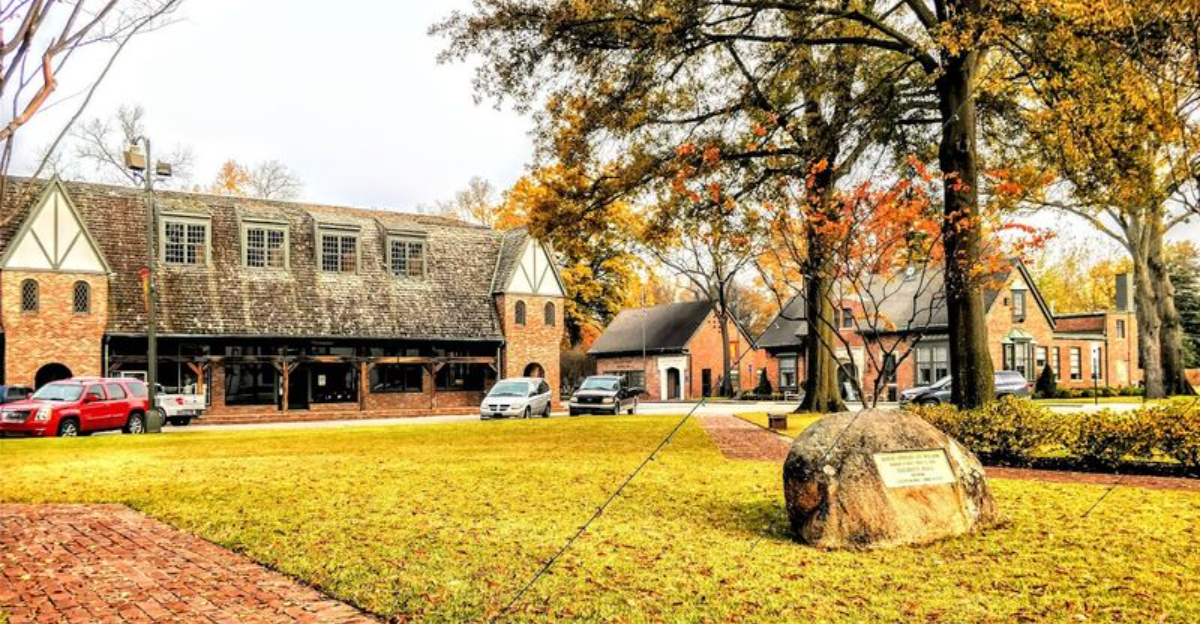
You are driving through the Arkansas Delta, expecting open fields and quiet roads. Then suddenly, something feels off in the best way.
The buildings shift. The details sharpen.
And just like that, you are in a place that looks straight out of the English countryside. Half-timbered facades.
Bright tulips. Clean, storybook streets that make you slow down without even trying.
I remember thinking, wait, this is real? Right here?
It is not just the look. The atmosphere pulls you in.
People linger. Conversations stretch a little longer.
You stop checking the time. Plans change quickly here.
A quick visit turns into a full afternoon. Then dinner.
Then maybe a return trip you did not see coming. Some places are easy to forget once you leave.
This one is not. It stays in your head, quietly convincing you to come back.
Timeless Architecture Reflecting Old-World Elegance
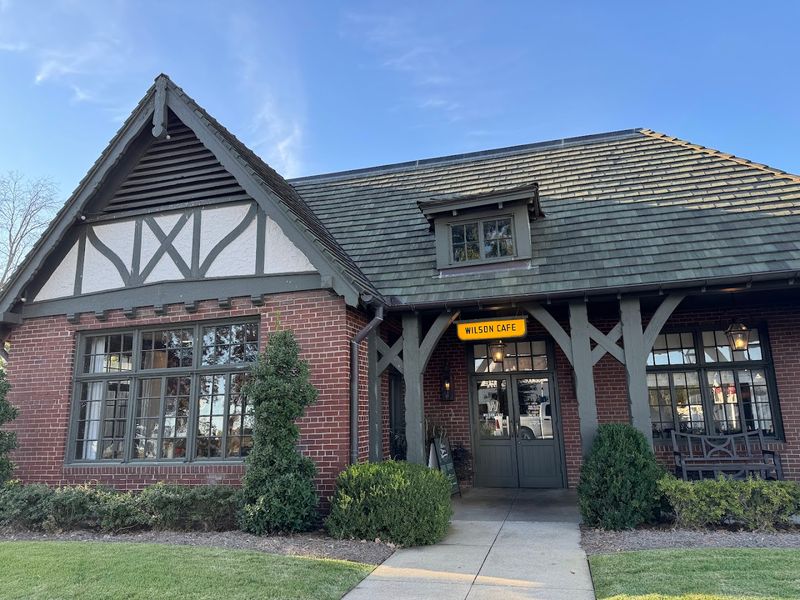
A morning in this cotton-farming community feels like a delightful trick of geography, especially when half-timbered buildings rise into view. That was exactly my reaction on my first day here.
The story behind the architecture is almost as interesting as the buildings themselves.
After Robert E. Lee Wilson founded this town in 1886, his son later traveled to England on his honeymoon in 1925 and came home completely smitten with Tudor Revival design.
What followed was a transformation that gave much of the town center a distinctly European silhouette.
Steep gabled rooflines, exposed dark timber beams, and carefully laid brickwork now define the streetscape in a way that makes you stop and double-check your surroundings.
The craftsmanship holds up remarkably well, and the buildings feel cared for rather than frozen in time.
As I passed each structure, the architectural details created a rhythm along the street, almost like reading a sentence written in brick and wood.
Wilson, Arkansas, wears its old-world elegance without any pretension, and that confidence is part of what makes the town so genuinely appealing to first-time visitors.
Southern Hospitality Meets European Style
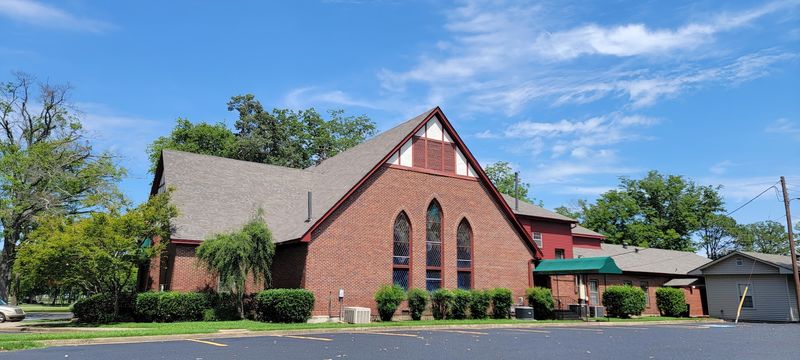
There is a particular warmth that greets you in Wilson that no architectural style can manufacture on its own, and I felt it the second a local stopped to ask if I needed directions.
The combination of Southern friendliness and European-influenced surroundings creates an atmosphere that feels both polished and completely unpretentious.
Shop owners chat with customers like old friends, and the pace of life moves at a comfortable rhythm that encourages you to slow down and actually notice your surroundings.
The Louis Hotel, which opened in 2023, captures this blend beautifully with boutique-level service delivered in a way that feels personal rather than scripted.
Guests are treated with the kind of attentiveness that makes you feel like the staff genuinely wants your stay to be memorable rather than just adequate.
Even a quick stop at White’s Mercantile, owned by Holly Williams, daughter of Hank Williams Jr., feels like a carefully curated visit to a friend’s well-stocked home.
The merchandise leans Southern in spirit but refined in presentation, which mirrors the town’s broader identity.
Wilson manages to make graciousness feel effortless, and that quality is rarer than most travelers realize until they experience it firsthand.
A Quaint Town Square That Feels Like A Storybook
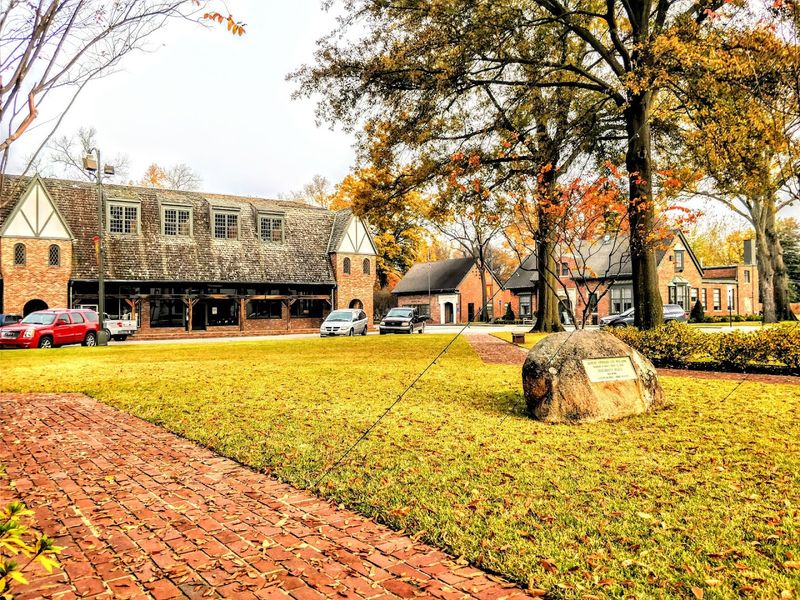
The first glimpse of the town square stopped me in my tracks, framed by Tudor-style facades that looked almost too tidy to be real.
The square serves as the true heartbeat of Wilson, and everything worth knowing about this town radiates outward from this central point.
Shops, restaurants, and cultural venues share the surrounding buildings, giving the space a layered quality that rewards slow exploration rather than a quick glance.
The Hampson Archeological Museum State Park is located on the square, adding a layer of historical depth that balances the charming aesthetic with genuine substance.
Families, couples, and solo wanderers all seem to find their own comfortable way to inhabit the space, which speaks to how thoughtfully the square has been designed and maintained.
On a clear afternoon, the light hits the brick and timber just right, turning the whole area into something that feels almost cinematic.
I spent nearly two hours simply sitting on a bench, watching people move through the square with the relaxed energy of a community that genuinely enjoys its own town center.
Few places I have visited manage to make a public square feel this alive without it feeling crowded or chaotic.
Historic Roots And Cultural Transformation
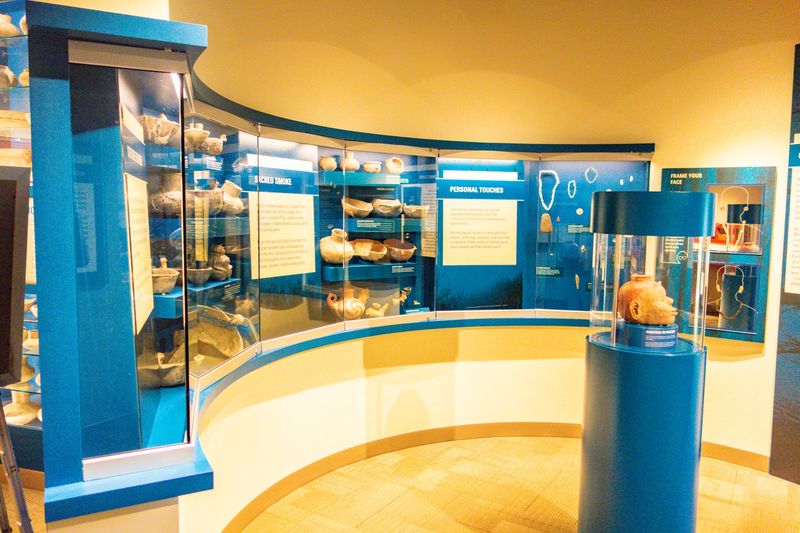
Long before Tudor Revival gables defined the skyline, the land surrounding Wilson held the stories of the Nodena people, a Native American community that built a thriving palisaded village in the surrounding region near the Mississippi River.
The Hampson Archeological Museum State Park preserves artifacts from that 15-acre site, and its exhibits provided a grounding sense of how many layers of history exist beneath this town’s polished surface.
Robert E. Lee Wilson arrived in 1886 and transformed the area into a cotton empire, establishing a company town that would eventually evolve into the community visitors find today.
That evolution is not a straight line but a series of reinventions, each one adding texture to Wilson’s identity rather than erasing what came before.
The decision to rebuild in Tudor Revival style in the 1920s was itself a bold cultural statement, one that showed a willingness to import beauty from elsewhere and make it locally meaningful.
Decades later, a new generation of stewards began investing in the town’s revitalization, honoring its agricultural and architectural heritage while opening the doors to contemporary visitors.
Understanding this layered history makes every building, every exhibit, and every conversation in Wilson feel richer and more intentional.
History here is not a footnote but the foundation everything else is built upon.
A Destination For Food Lovers And Locals Alike
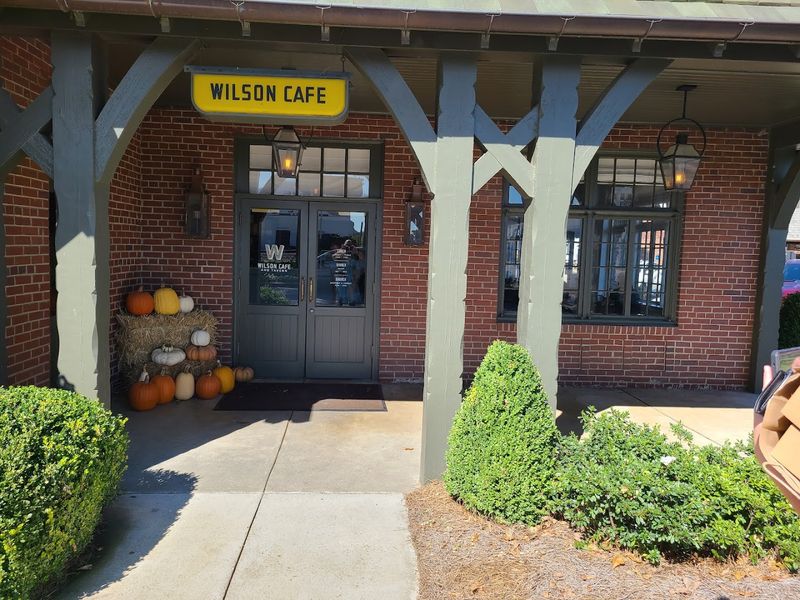
Food plays a central role in Wilson, and the Wilson Cafe made that clear to me from the very first bite.
Situated in the town square, the cafe emphasizes locally sourced ingredients that honor the Delta’s deep agricultural roots while delivering dishes that feel refined without being fussy.
The menu leans into Southern tradition, spotlighting ingredients that reflect the region’s fertile cropland and long growing season.
I ordered a plate that included locally sourced vegetables and a protein prepared with the kind of care that suggests the kitchen takes genuine pride in what it sends out.
The flavors were bold but balanced, and the portions were generous in that honest Southern way that makes you feel genuinely looked after rather than just fed.
White’s Mercantile adds another dimension to the food and lifestyle experience, stocking curated Southern goods alongside pantry items and gifts that make excellent souvenirs.
Between the cafe’s thoughtful cooking and the mercantile’s carefully chosen provisions, Wilson has built a food culture that punches well above its population size.
Leaving the table satisfied and already mentally planning a return visit is practically a tradition for anyone who eats here.
Live Music And Community Spirit Fill The Air
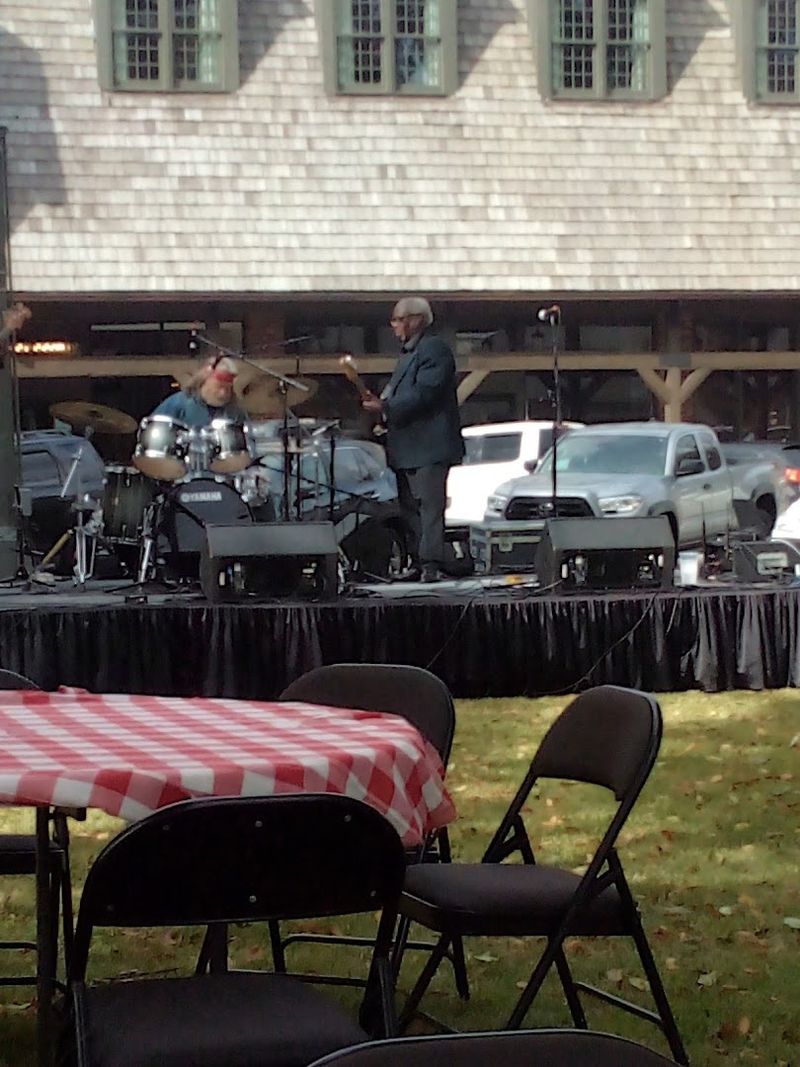
Music has a way of transforming the atmosphere in Wilson, and I experienced that firsthand during an evening when the Wilson Music Series brought the town square to life.
The series has featured regional and nationally recognized artists, names that carry real weight in the world of country and Americana music.
Hearing that caliber of performance in such an intimate setting felt like a genuine privilege, the kind of experience that larger venues simply cannot replicate no matter how hard they try.
The crowd was a mix of locals and visitors, and the easy camaraderie between the two groups said a great deal about Wilson’s welcoming community spirit.
Blankets and lawn chairs appeared almost magically, and people settled in with the relaxed confidence of folks who know how to enjoy a good evening without overcomplicating it.
Community events like this are not just entertainment but a way of reinforcing the bonds that keep small towns feeling coherent and alive.
Wilson understands this intuitively, and the Music Series is one of the clearest expressions of that understanding.
By the time the last song faded, I had exchanged contact information with three strangers and made loose plans to return for the next show.
Scenic Walks Through Charming Streets And Parks
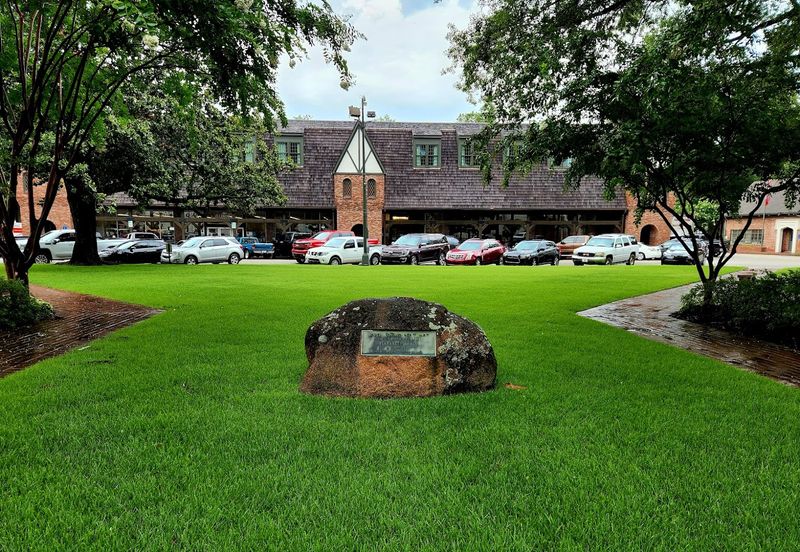
Spring in Wilson feels like a full sensory experience, and the sight of thousands of tulips blooming across the town’s gardens caught my attention almost immediately.
The tulip display is not accidental but the result of deliberate community investment in beauty, which tells you a great deal about how residents feel about their home.
As I moved through the streets at an easy pace, the Tudor architecture created a natural frame for every garden bed and green space, making even a short walk feel visually rewarding.
The sidewalks are well-maintained, the signage is clear, and the overall layout of the town encourages exploration on foot rather than by car.
Quiet corners appear where the noise of the wider world fades completely, replaced by birdsong and the soft sound of wind moving through well-tended trees.
I circled the town square twice without intending to, simply because each pass revealed a small detail I had missed on the previous loop.
Parks and green spaces are woven into the fabric of Wilson’s layout, ensuring that nature is never more than a short stroll away from any point in town.
Few walks I have taken anywhere have left me feeling this genuinely refreshed and glad to be somewhere specific.
Revitalization Efforts Shaping The Future
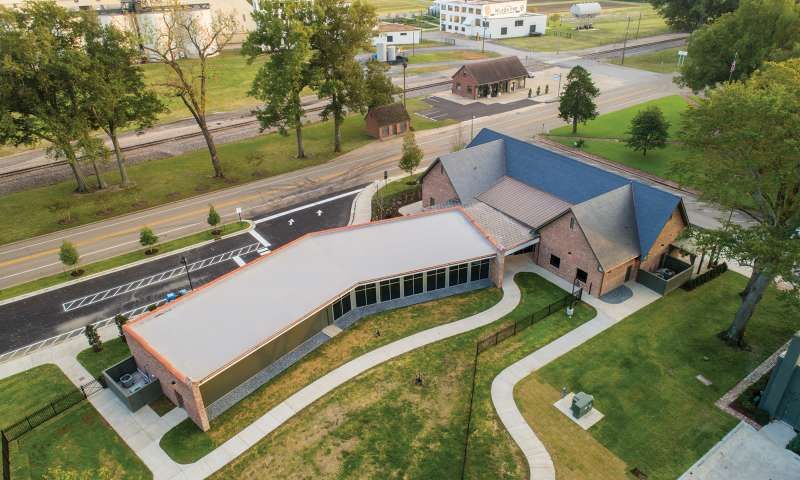
Wilson is in the middle of a thoughtful reinvention, and signs of that effort appear in every restored facade and newly opened business.
A new generation of investors and community members has committed to honoring the town’s architectural and agricultural heritage while making room for contemporary visitors and residents.
The opening of The Louis Hotel in 2023 was a landmark moment in that process, signaling that Wilson had the infrastructure and the vision to welcome travelers looking for something genuinely distinctive.
White’s Mercantile brought national attention to the town by connecting Wilson’s small-town identity to a broader audience interested in thoughtfully curated Southern goods.
The Wilson Music Series added cultural programming that gives visitors a reason to plan their trips around specific dates, which is a meaningful step for any small destination economy.
Each of these developments builds on the others, creating a momentum that feels organic rather than forced or artificially accelerated.
Local pride is palpable in Wilson, and the residents I spoke with expressed genuine excitement about where their town is heading without losing sight of where it came from.
Wilson, Arkansas, in Mississippi County, is proof that small towns can write bold futures without abandoning the stories that made them worth saving in the first place.