
This Tiny Washington Town Is So Remote The Nearest Grocery Store Is Hours Away
A 65-foot pole of carved logs stands in one small eastern Washington town, and it honors a high school football rematch. Players from a 1938 game reportedly came back fifty years later to settle the score.
Yes, really.
The town around it sits deep in the rolling wheat hills of the Palouse. Fields stretch in every direction, and big city lights stay far over the horizon.
I like how the quiet here feels earned instead of staged.
A county courthouse, a historic family home, and a winding river all share a few short blocks. Main Street still looks like it belongs to the people who live there.
Nothing feels built for tour buses.
So what keeps folks loving a town this far from the usual conveniences? The answers might surprise you, and they start with that pole.
A County Seat Surrounded By Endless Wheat
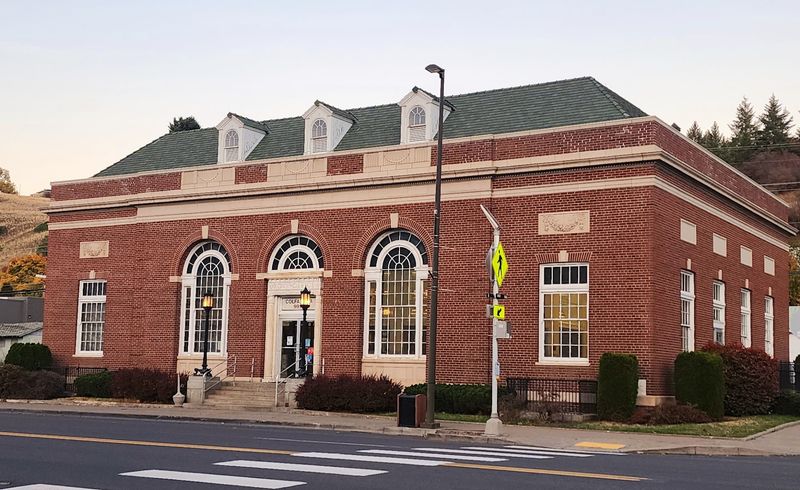
Colfax, Washington, is small, but it carries a big title. The city serves as the county seat of Whitman County, deep in the southeastern corner of the state.
The 2020 census counted 2,782 residents here. That makes Colfax the second largest city in the county, trailing only Pullman, the college town to the south.
Second place sounds modest until you see the map. Whitman County is mostly farmland, with tiny communities scattered across miles of rolling hills.
That setting explains the remote reputation. Drive in any direction and the view quickly turns into wheat, sky, and the occasional grain elevator standing like a lighthouse.
Of course, remote is a relative word. Bigger shopping trips and specialty stores often mean heading toward Pullman or Spokane, so many locals plan errands with real care.
I believe that rhythm shapes daily life in a quiet, practical way. Nobody runs out for one forgotten ingredient without thinking twice about the drive.
Still, Colfax is no ghost town. Courthouse business, local shops, and county offices keep downtown humming in a steady, small-town way that feels surprisingly lively.
A Name Borrowed From A Vice President
Here’s a fun bit of trivia for your next road trip. The town takes its name from Schuyler Colfax, who served as Vice President under Ulysses S.
Grant.
Schuyler Colfax never lived here, as far as history tells us. The name simply reflected an era when frontier towns loved borrowing prestige from national figures.
James Perkins is the name locals connect with the founding. He helped establish the settlement in the early 1870s, back when the Palouse was still wide open country.
The location made sense for a pioneer town. It sits along the Palouse River, which offered water and a natural path through the hills.
As farming spread, Colfax grew into a hub for the surrounding wheat country. Becoming the county seat sealed its role as the place where official business happened.
I can’t imagine how isolated those early years must have felt. Even today the town feels far from crowds, so picture it with wagon roads instead of highways.
That history still lingers downtown. Older brick buildings and the courthouse give Colfax a sense of continuity that newer towns rarely manage.
The Football Rematch Carved Into A Giant Pole
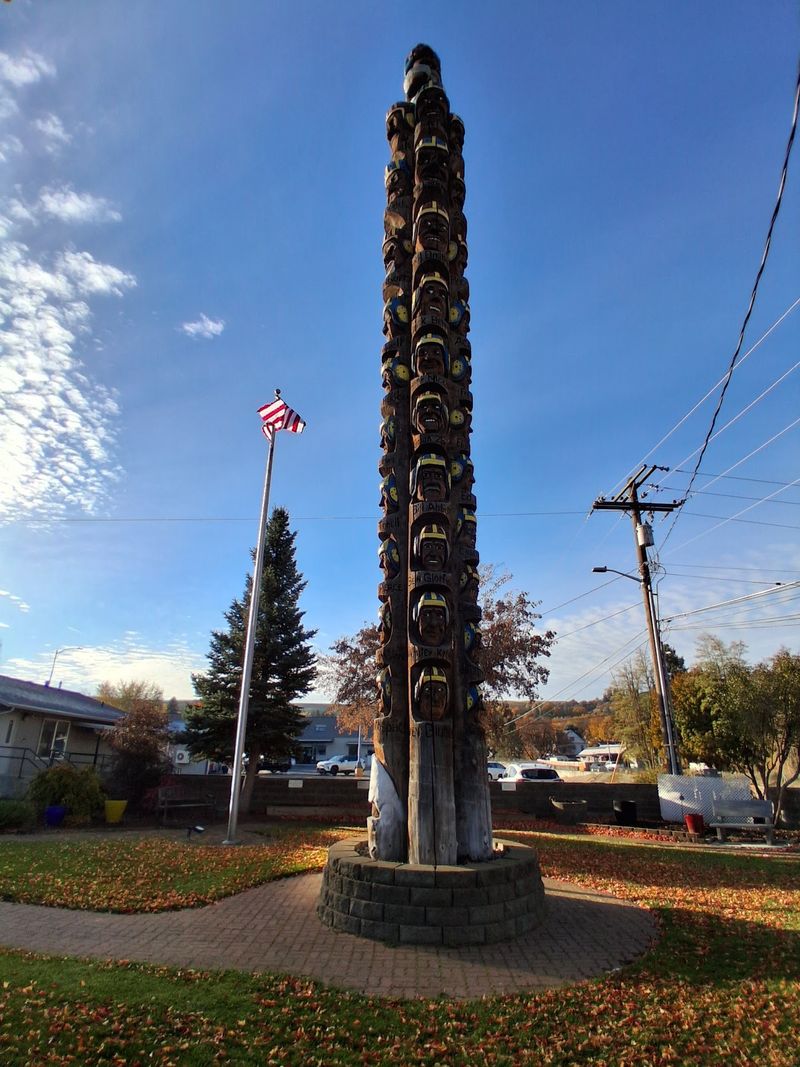
Few towns can say a grudge match became a landmark. In Colfax, it stands about 65 feet tall and is called the Codger Pole.
The story goes back to a 1938 high school football game between Colfax and nearby St. John. Fifty years later, in 1988, the former players met again for a rematch.
Picture men in their late sixties pulling on pads one more time. That spirit is exactly what the pole celebrates, and it was dedicated in 1999.
Carved logs show the faces of those players stacked high into the sky. It is often described as one of the tallest chainsaw sculptures in the world.
Good luck driving past without slowing down. The carving is huge, a little goofy, and genuinely heartfelt all at once.
I like how it turns hometown pride into something you can actually see. Instead of a plaque, Colfax built a tower of faces.
Bring a camera and stand back far enough to fit it in the frame. Trust me, a phone held close will only capture a few chins.
A Victorian Home That Started It All
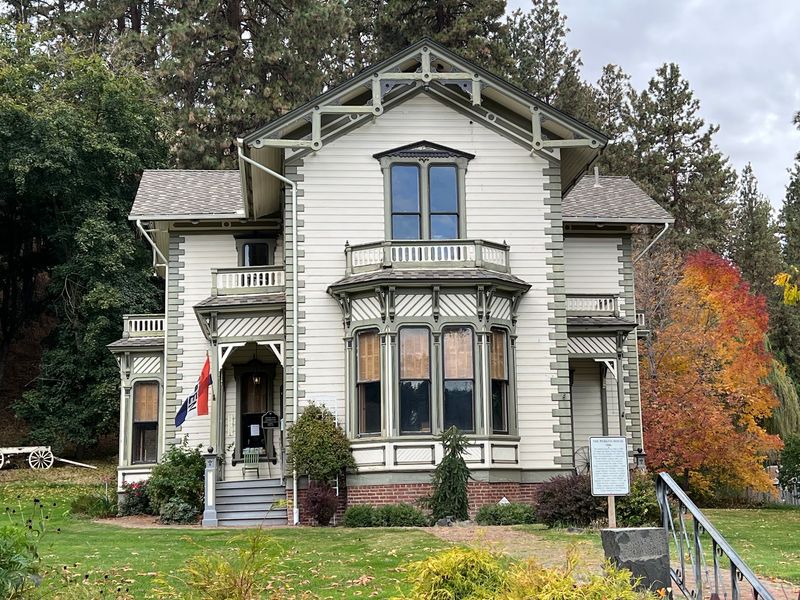
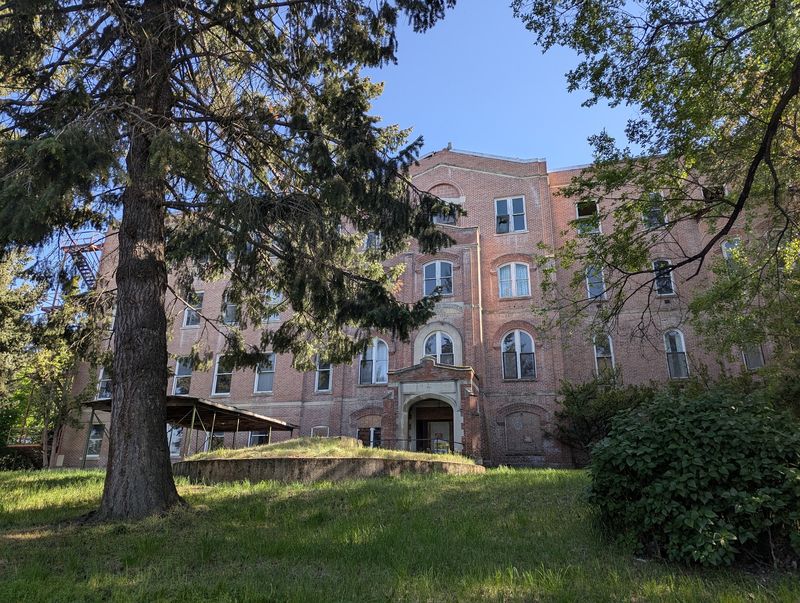
Long before the Codger Pole, the Perkins family put down roots here. Their historic Perkins House still stands as one of the oldest links to the town’s beginnings.
James Perkins built the home in the 1880s after first living in a simple log cabin. The jump from cabin to Victorian house says a lot about how fast Colfax grew.
Preservation groups have worked to keep the property standing for future generations. It offers a peek at what comfortable living looked like on the Palouse frontier.
Tour availability can vary by season, so checking ahead is smart. Even from outside, the house makes a pleasant stop on a downtown stroll.
History fans will appreciate the contrast between old and new. The home sits in a town where many families have farmed the same land for generations.
Kids might enjoy imagining life without phones or streaming. A frontier home is a great conversation starter on a slow weekend afternoon.
I believe stops like this add depth to a small-town trip. They turn a quick drive-through into a story your family actually remembers.
Brick Storefronts Along A Quiet Main Street
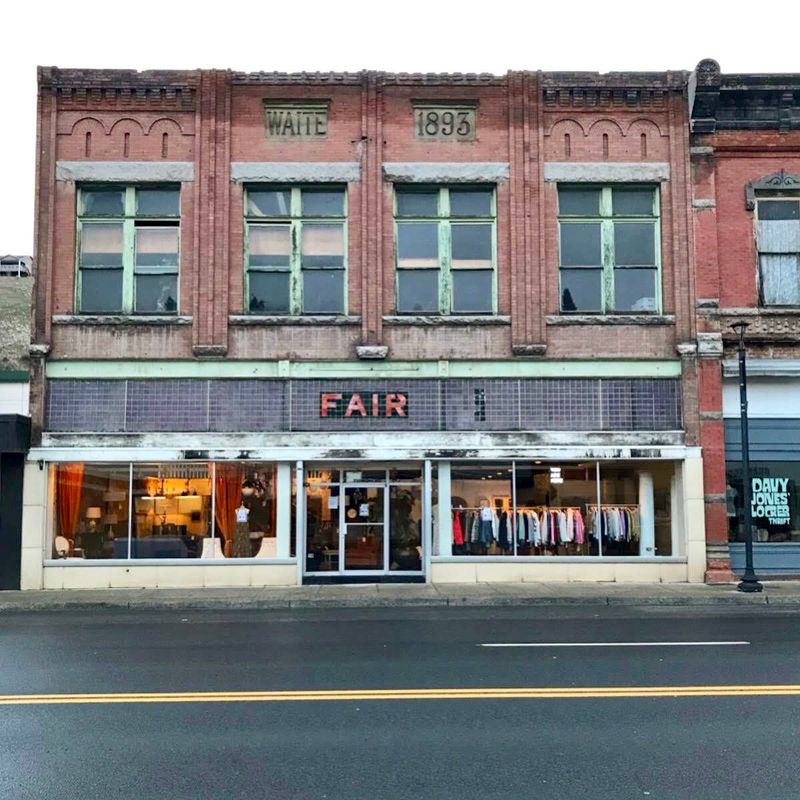
Downtown Colfax stretches along Main Street in a narrow valley. Hills rise on both sides, so the business district feels snug and walkable.
Historic brick buildings line much of the route. Many date back to the town’s busy agricultural years, when wheat money flowed through local banks and shops.
The Whitman County Courthouse adds a touch of civic grandeur. County business keeps people coming downtown, which helps the small storefronts stay active.
Shopping here moves at a gentler pace than a big city mall. Think local businesses, familiar faces, and parking that rarely requires circling the block.
That said, selection is limited compared with larger cities. Residents often combine local stops with longer trips for bigger shopping needs.
I like that the street still looks lived in. Pickup trucks, farm supply runs, and courthouse errands give it an honest, working rhythm.
Visitors can easily explore on foot in an hour or two. Pair a downtown wander with the Codger Pole and you have a relaxed half-day outing.
Where The Palouse River Bends Through Town
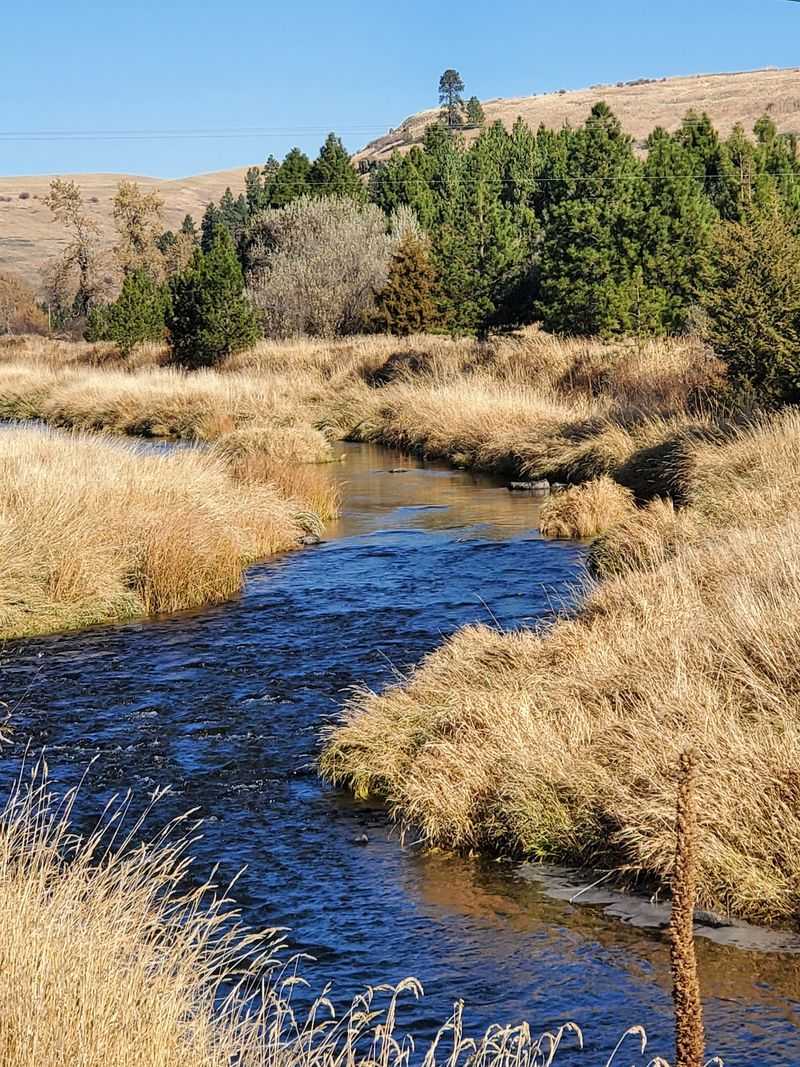
Water shaped this town long before roads did. The Palouse River winds right through Colfax, following the valley that holds downtown.
Early settlers valued the river for practical reasons. Water meant livestock, crops, and a natural route through otherwise steep, rolling terrain.
Today the river adds a peaceful backdrop to daily life. Trees along its banks offer welcome green against the tan and gold of surrounding fields.
Springtime brings fresh color to the whole valley. Wheat fields turn brilliant green, and the hills look almost velvet under shifting clouds.
Summer shifts the palette toward gold. By harvest season, combines roll across the slopes and the whole region seems to hum with work.
Photographers love the Palouse for exactly this reason. Light plays across the hills in ways that change hour by hour.
Families can enjoy simple pleasures here. A slow drive, a picnic stop, or a short walk can feel surprisingly restorative when the landscape stretches this wide.
Steptoe Butte Views Just Up The Highway
Want the best view of the Palouse? Steptoe Butte State Park sits a short drive north of Colfax, rising high above the farmland.
A winding road spirals toward the summit. Once on top, the patchwork fields spread out like a giant quilt in every direction.
Sunrise and sunset draw photographers from across Washington and beyond. Low light makes the rolling hills glow with deep shadows and warm color.
The view also explains why Colfax feels so remote. From up high, you can see how few towns break the endless sweep of wheat.
Bring a jacket even in summer. Wind at the summit can feel much stronger than down in the valley.
Washington State Parks may require a Discover Pass for parking. A quick check before you go can save some hassle.
I can’t imagine a better pairing with a Colfax visit. Start downtown, then end your day watching the sky change color over miles of farmland.
Small-Town Living For Folks Who Love Elbow Room
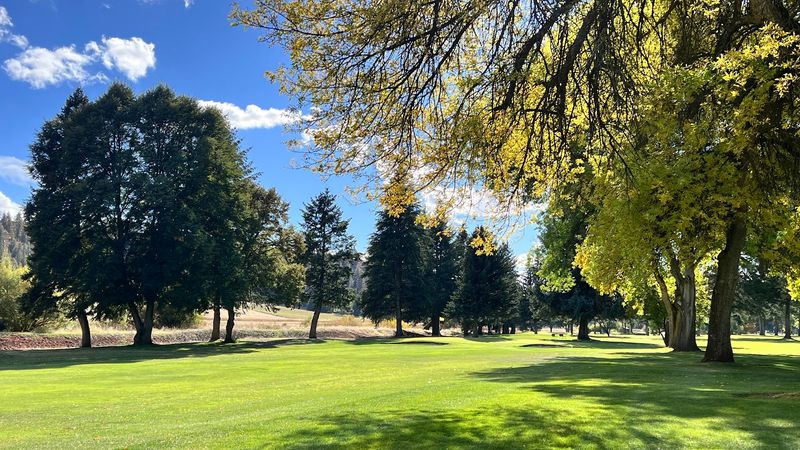
Not everyone wants a coffee shop on every corner. For people craving space and quiet, Colfax could be a refreshing change of pace.
Neighborhoods climb the hillsides above downtown. Many streets offer views of farmland, which is a perk you rarely get in crowded cities.
Retirees may appreciate the slower rhythm and close-knit feel. Families might enjoy a place where kids can grow up knowing their neighbors.
The tradeoff is convenience. Major retail, big medical centers, and large grocery options usually mean trips to Pullman or Spokane.
Planning ahead becomes a way of life here. Many rural Washington families stock up in bigger batches and treat city errands like a mini outing.
Pullman sits close enough for college events and extra shopping. Washington State University adds sports, culture, and activities within reasonable reach.
I believe the best fit is someone who values peace over constant options. If wide skies sound better than traffic jams, Colfax deserves a closer look.
Road Trip Notes For Reaching Colfax
Getting here is half the adventure. Colfax sits along U.S.
Highway 195, the main north-south route through this part of eastern Washington.
Spokane lies to the north, roughly an hour or so by car. Pullman sits to the south, making a quick drive for students and shoppers.
State Route 26 also connects in Colfax, heading west across the farmland. Drivers coming from central Washington often use it to reach the Palouse.
The official mailing address is simple: Colfax, Washington 99111. Plug that into your map app and the highways do most of the work.
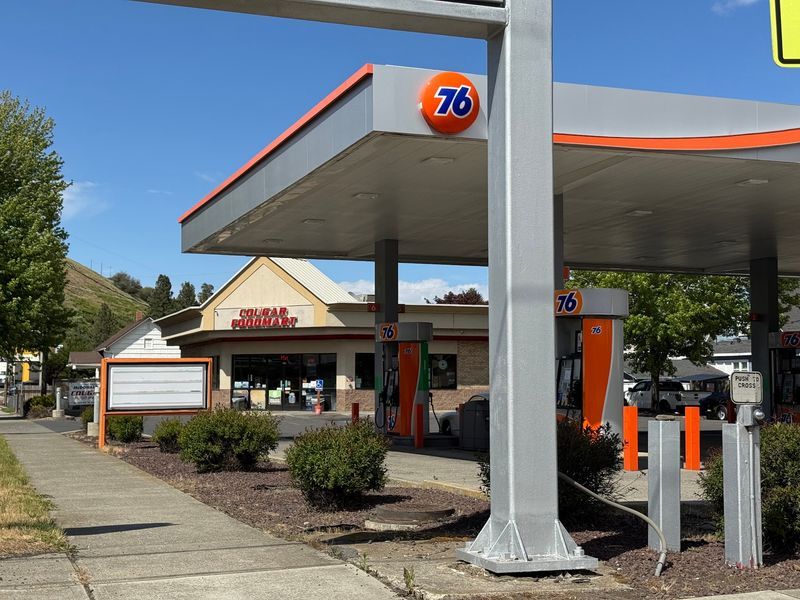
Fill up your gas tank before heading into the countryside. Services can thin out quickly between towns, especially on back roads.
Winter driving calls for extra caution. Snow and wind can affect rural highways, so check road conditions before setting out.
Summer and early fall usually offer the easiest travel. Those seasons also show off the hills at their most colorful, which makes the drive feel like a bonus.
A Remote Little Town Worth The Detour
So, is Colfax worth the drive? For travelers who love quirky landmarks and big open views, the answer leans toward yes.
The Codger Pole alone earns a photo stop. Add the Perkins House, a walk along Main Street, and Steptoe Butte nearby, and you have a full day.
Colfax won’t overwhelm you with attractions. Its charm comes from honest scenery, small-town history, and a slower pace that feels increasingly rare.
Budget-minded travelers may appreciate that many highlights cost little or nothing. Gazing at hills and carved logs is wonderfully easy on the wallet.
Plan supply runs smartly if you’re staying a while. A little preparation goes a long way when bigger stores sit miles away.
I like how the town makes remoteness feel like a feature, not a flaw. It reminds you that quiet places in Washington still have stories worth hearing.
Pack snacks, charge your camera, and give yourself time to linger. Colfax rewards visitors who slow down and let the Palouse do the talking.