
This Tucked-Away Ghost Town In Arkansas Feels Like It’s From A Forgotten Era
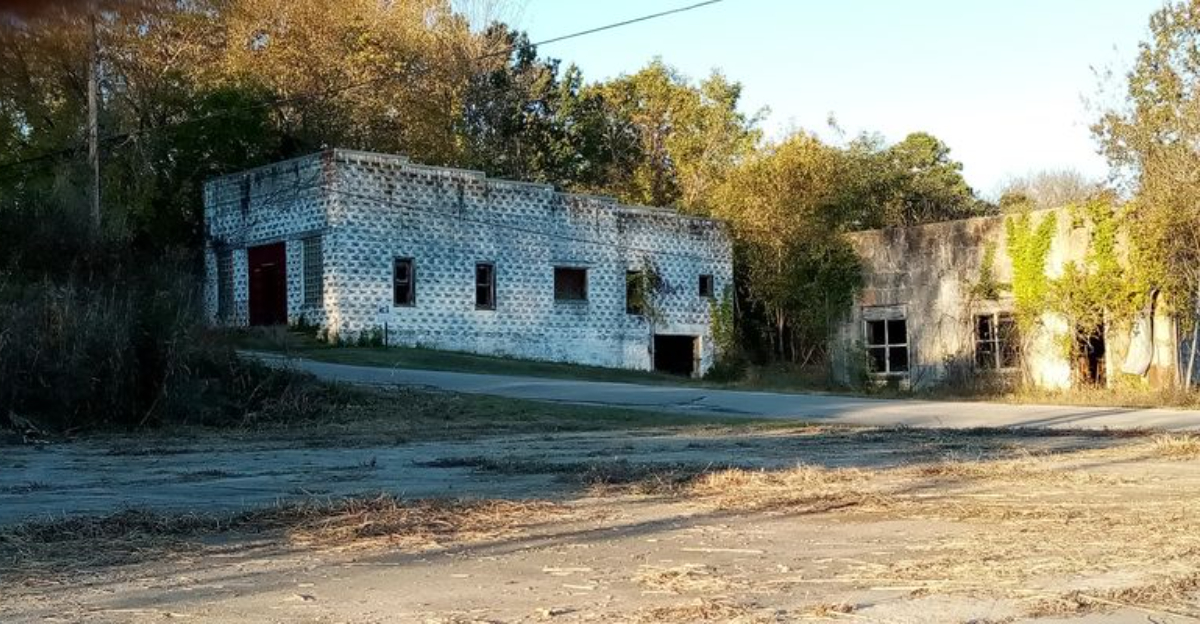
I did not expect this little north-central Arkansas town to grab me the way it did. It started as a quick stop along the White River, the kind you make because the view looks too good to pass up.
Then the place started showing off in the quietest way.
The bluffs rise right above the water. Main street still has old brick storefronts with real character.
Inside the city limits, there is a ghost town, which is the detail that made me stop and say, wait, seriously?
That was when I knew I was not leaving with just a few pictures.
I slowed down and wandered farther than planned. The town kept handing me little reasons to stay, one block at a time.
It is not loud or crowded. It just has that rare pull that makes you want to text someone and say, you need to see this.
A Main Street That Still Feels Untouched
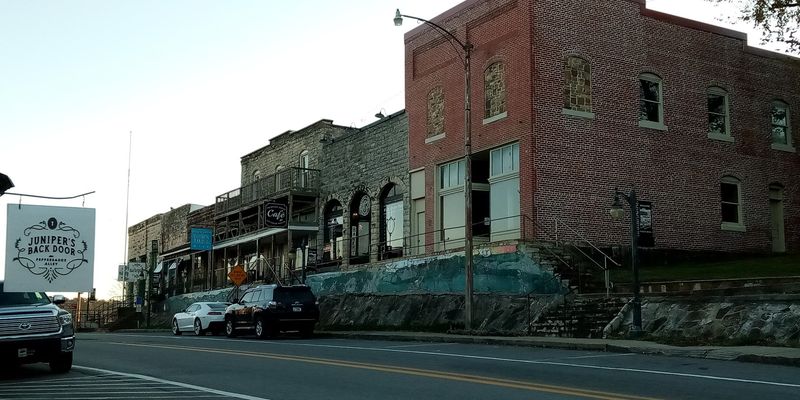
This main street feels less like a tourist stop and more like the kind of place where you accidentally slow down before you even notice.
The storefronts here date mainly from the early 1900s through the 1920s, and what strikes you immediately is how solid everything still looks.
After fires wiped out earlier wooden structures, this Arkansas town rebuilt with brick and stone, and that decision is the reason so much still stands today.
I kept running my hand along the facades, half expecting to feel the heat of those long-ago flames still lingering in the mortar.
The street itself is narrow and unhurried, the kind where a passing car slows down not because of traffic but because the driver wants a better look too.
Shopkeepers here seem proud of what surrounds them, and that pride comes through in small details like hand-lettered signs and maintained window displays.
You will find the Calico Rock Historic District at 100 AR-56, Calico Rock, AR 72519, right where the past and present shake hands on a stretch of road that refuses to forget its own story.
Brick Storefronts With Old River Town Soul
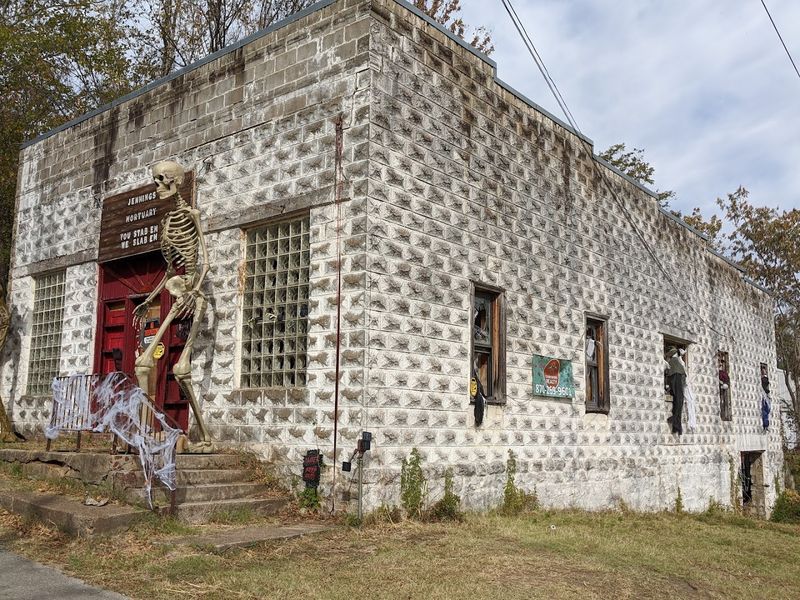
A brick building that has outlasted everyone who built it has a quiet kind of nerve, and the storefronts along this old historic block carry that feeling well.
The district earned its place on the National Register of Historic Places in 1985, a recognition that feels completely deserved the moment you stand in front of these structures.
Each facade tells a layered story: the railway boom that brought prosperity and the determined rebuilding that followed after fires erased the original wooden town, with sturdy materials and bigger ambitions.
I noticed original cornices and decorative brickwork that architects today would charge a fortune to replicate.
One of the most fascinating stops is the old former People’s Bank building, where bank-era features and exhibits help preserve that early commercial history.
The Calico Rock Museum and Visitor Center, spread across four historic buildings including the E.N. Rand Building and Bluff City Bank Building, adds helpful, well-grounded context and warmth to the whole downtown experience.
A full afternoon moving between these storefronts felt like reading a very well-preserved book that the town had quietly been writing for over a century.
A Quiet Walk Below The Historic Bluffs
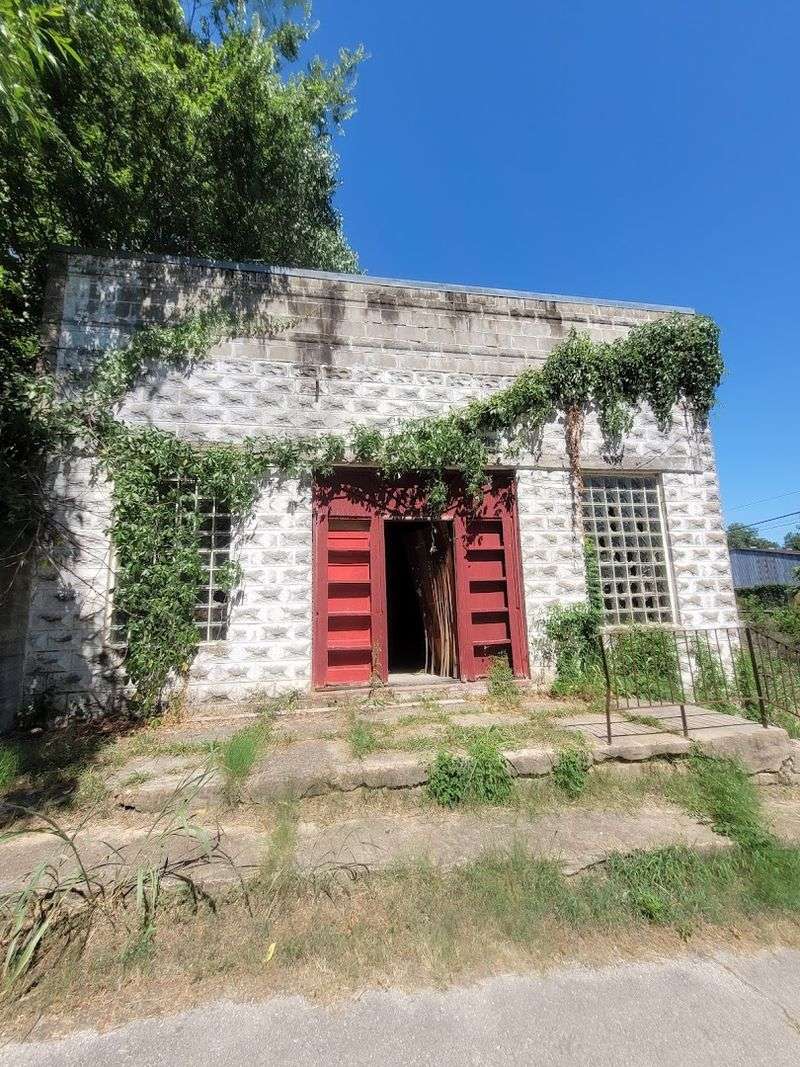
The bluffs above the White River are the reason this town has its name at all, and seeing them in person made that naming feel completely inevitable.
Local accounts say early travelers compared the colorful, striped rock formations to calico cloth, and once you see the banded layers of rust and cream stretching across the high cliff face, you understand exactly what they meant.
I took a slow walk along the riverbank below those bluffs, and the scale of them kept catching me off guard every time I looked up.
The White River still runs quietly here, and on the morning I visited, the surface was so still that the bluffs reflected almost perfectly in the water below.
Birds moved through the tree canopy overhead, and the only sounds were the river and the occasional crunch of gravel underfoot.
This is the kind of walk that clears your head without requiring any effort, the scenery does all the heavy lifting.
Rand Park also sits nearby and offers a comfortable spot to rest and take in the full panoramic sweep of bluffs and water that defines this corner of Arkansas.
Peppersauce Alley’s Weathered Backstreet Charm
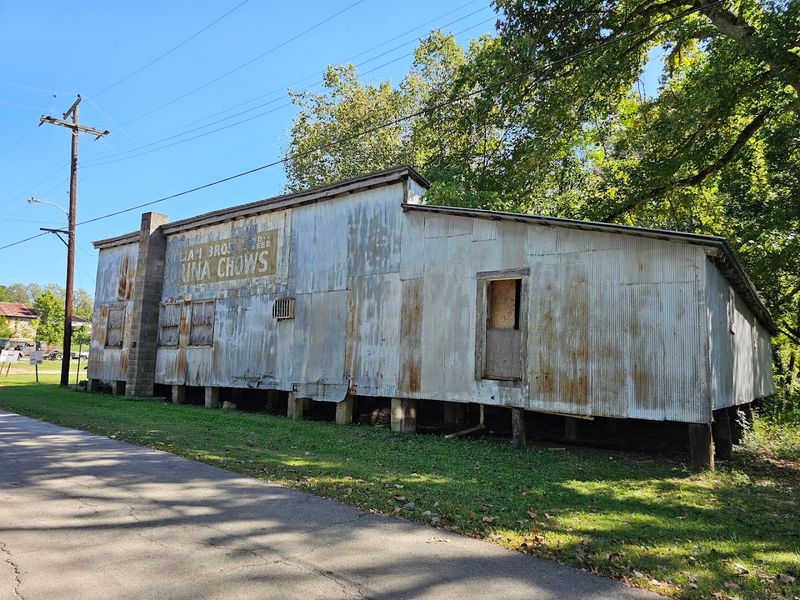
The name alone should tell you something interesting is coming: Peppersauce Alley did not earn that nickname by being a quiet, well-behaved neighborhood.
This was East Calico, the original settlement of the town, and in its prime it was a rough-and-ready district tied to colorful stories and a rowdy reputation, which helped the memorable Peppersauce label stick long after the old noise faded.
Economic shifts and fires eventually hollowed the area out, leaving behind a six-square-block stretch of original structures that time simply stopped maintaining.
In 2007, the Calico Rock Organization for Revitalization Efforts, known locally as CORE, transformed this forgotten backstreet into a self-guided tour attraction with interpretive signs scattered among about 20 surviving original buildings.
I walked through on a quiet weekday afternoon there, and the atmosphere felt weathered in a way that no theme park recreation could ever manufacture.
Some signs have faded, and a few buildings lean more than they probably should, but that honest decay is part of what makes the experience feel surprisingly real.
Peppersauce Alley is the kind of place that rewards slow walkers and anyone who appreciates history that has not been scrubbed too clean for visitors.
Forgotten Buildings Framed By Ozark Light
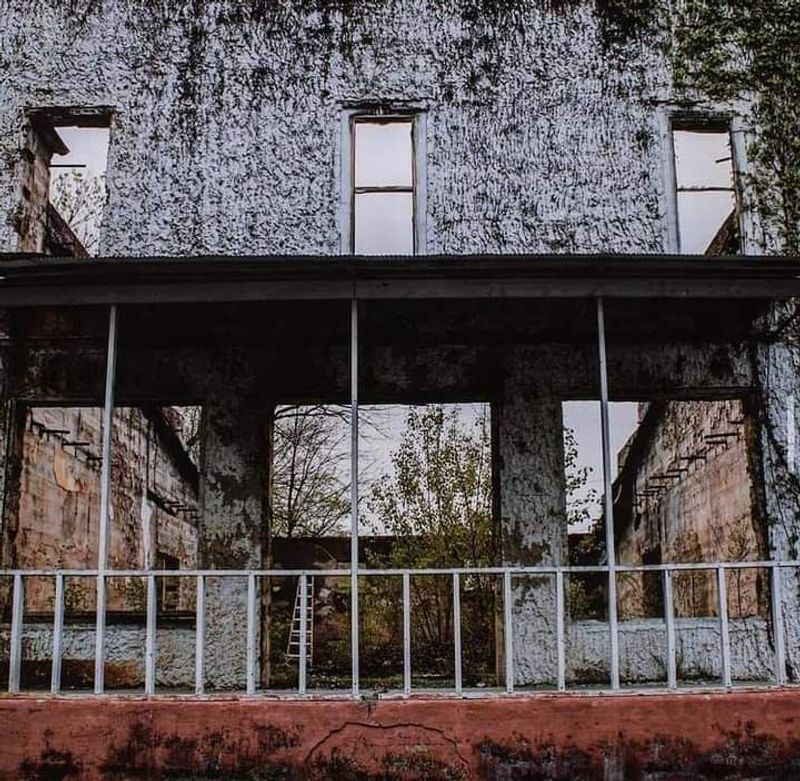
Late afternoon light in the Ozarks has a particular quality that photographers and painters have been chasing for generations, and nowhere in this town does it land more dramatically than on the older, half-forgotten structures.
The old ghost town section of Calico Rock holds about 20 surviving original buildings, and when the sun drops toward the ridge line, every cracked wall and rusted hinge seems to glow with unexpected warmth.
I spent more time than I planned just standing still and watching the light shift across a collapsed porch roof, the shadows moving slowly like a very patient old clock.
These buildings date back to the earliest days of the settlement, predating even the railway boom that transformed the main street into the brick corridor it became after 1903.
Structures left to age honestly have a particular kind of beauty here, without restoration paint or interpretive scaffolding hiding what time has done to them.
The Ozark hills roll green and dense behind the rooflines, creating a natural frame that no architect could have planned better.
Among these forgotten walls, with that golden light pouring in, I felt less like a tourist and more like a witness to something quietly extraordinary here.
A Downtown Where The Past Still Lingers
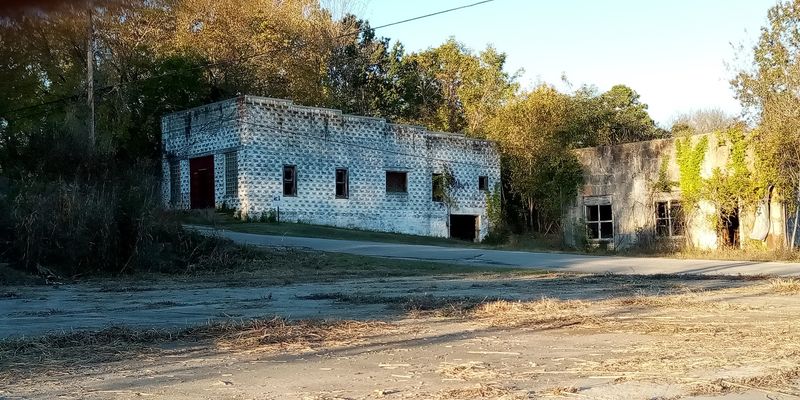
Most small American downtowns have either been modernized beyond recognition or left to fade quietly, but this one seems to have found a third path that keeps the character intact.
The core of the historic district centers on a block of Main Street and includes the Riverview Hotel, a 1923 structure overlooking the White River that reflects the town’s river-and-rail era.
On a weekday morning, I counted more occupied storefronts than I expected for a small historic district, each one carrying a personality shaped by the building it occupies rather than the other way around.
The museum inside the E.N. Rand Building and Bluff City Bank Building is worth at least an hour of your time, with exhibits that trace the town from its earliest river trading days through the railway boom and later years.
After spending a morning here, the downtown felt surprisingly honest rather than promotional, with enough local texture to make the history feel close instead of staged.
The pace of the downtown is refreshingly unhurried, with locals moving through their routines in a way that makes a passing visitor feel welcome rather than conspicuous at all.
History here is not something framed behind glass; it is literally the walls and the streets you are standing on.
River Views Wrapped In Small-Town Stillness
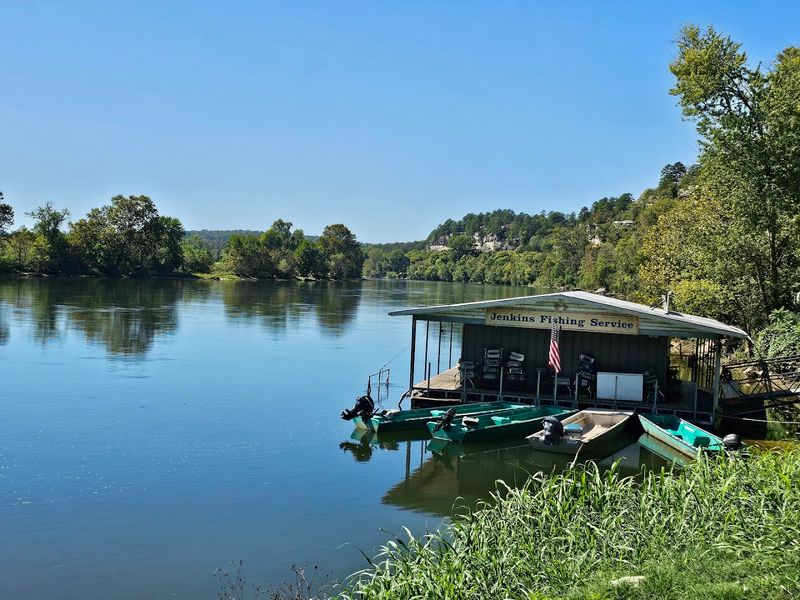
A quiet seat just above the White River, with birdsong and moving water for company, is one of those simple pleasures that sneaks up on you before you realize how much you needed it.
The river has been the defining feature of this landscape since long before any town existed here, first drawing Native communities and later steamboat operators who saw commercial potential in its navigable waters.
I found a spot near Rand Park where the view opens up across a wide bend in the river, and I sat there longer than any careful itinerary would have approved.
The water still runs clear and steady at this stretch, bordered by trees that crowd the far bank in dense green layers that shift color with every passing season.
Along the White River, fishing is popular, and I watched a few locals working the shallows below with the relaxed confidence of people who know exactly where the fish like to be.
The stillness here is not emptiness; it is a full, layered quiet made up of moving water and the particular hum of a town that has learned to live gently alongside its river.
Few views in Arkansas earn their reputation as honestly as this one does.
A Ghost Town Hidden In Plain Sight
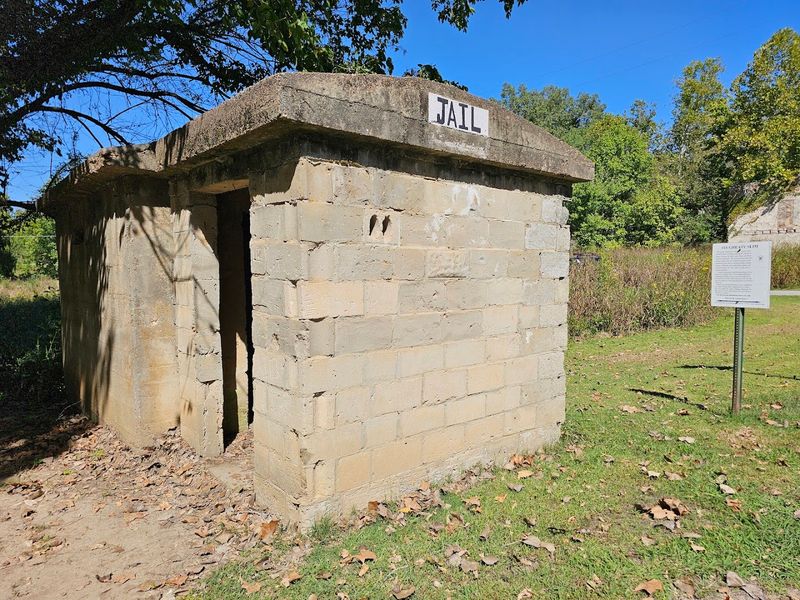
Most ghost towns require a long drive down a dirt road and a healthy tolerance for rattlesnakes. This one sits right inside an active, inhabited community, making it one of the more unusual historical curiosities in the entire state.
East Calico, the original settlement that predates the railway-era main street, holds the rare distinction of being a real ghost town preserved within functioning city limits.
The six-square-block area contains about 20 surviving original structures, each one tagged with an interpretive sign that gives visitors enough context to piece together the neighborhood’s layered and sometimes lively past.
CORE transformed the area into a walkable attraction in 2007, and the self-guided format suits the space perfectly, letting visitors move at their own pace through what feels like an open-air history museum with no admission fee.
I appreciated the honesty of the presentation: nothing here pretends to be more preserved than it actually is, and the rawness of the aging buildings carries its own kind of authority.
Some signs have weathered to the point of being hard to read, but even that detail feels like part of the story rather than a flaw in the experience.
The walk out of the ghost town and back into the living town felt like crossing a threshold that very few American communities still offer their visitors.