
This Tucked-Away Museum In Arizona Is A Must-Visit For Anyone Who Loves Southwestern Native American Art
Something magical happens when you enter this space in Arizona. I could feel the history in the room before I even knew where to look first. The walls were filled with Native American art that seemed to carry generations of memory, craft, and identity all at once.
As I moved through the galleries, every detail pulled me in a little deeper. The handwoven textiles, intricate jewelry, and striking sculptures each told their own story, but together they created something much bigger than a collection. What stayed with me most was the balance between past and present.
Some pieces felt rooted in ancestral tradition, while others showed contemporary artists honoring that legacy in bold, personal ways.
For anyone who loves Southwestern art, this is the kind of museum that feels less like a quick stop and more like a meaningful encounter with the cultures that have shaped Arizona for centuries. The curation makes that connection easy to feel, guiding you through pieces that educate, inspire, and quietly stay with you after you leave.
The Founding Story Behind the Heard Museum
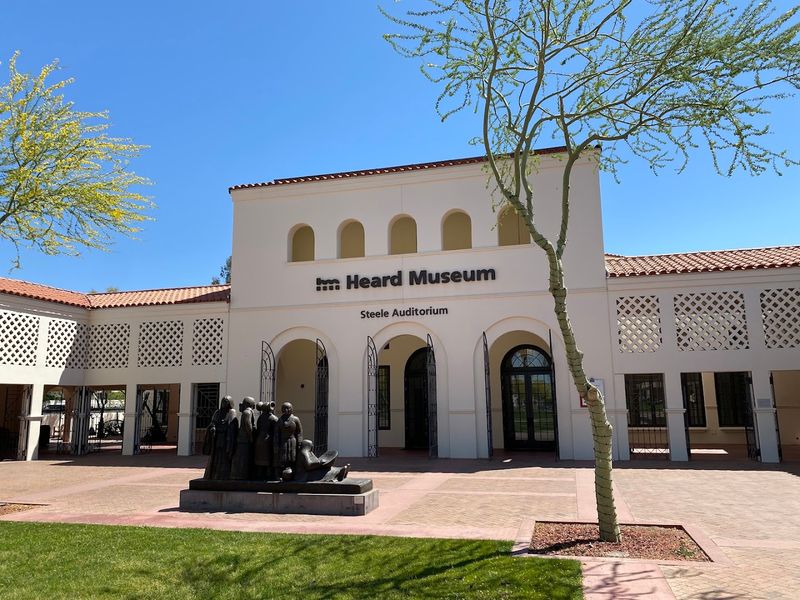
Back in 1929, Dwight and Maie Heard opened a small private museum on their Phoenix estate to share their growing collection of American Indian artifacts and art with the public.
What started as a personal passion project has since transformed into an internationally recognized institution dedicated to the advancement of American Indian art and culture.
The couple wanted the stories of Native peoples to be told with dignity, accuracy, and pride, and that founding philosophy still drives every exhibit and program today.
The original Spanish Colonial Revival architecture still anchors the property, giving the whole place a sense of warmth and rootedness that newer buildings rarely achieve.
Knowing the museum began as a family dream rather than a government project makes it feel surprisingly personal, even as it has grown to occupy a sprawling 130,000-square-foot campus in the middle of one of Arizona’s busiest cities.
The HOME Exhibition And Its 2,000 Treasures
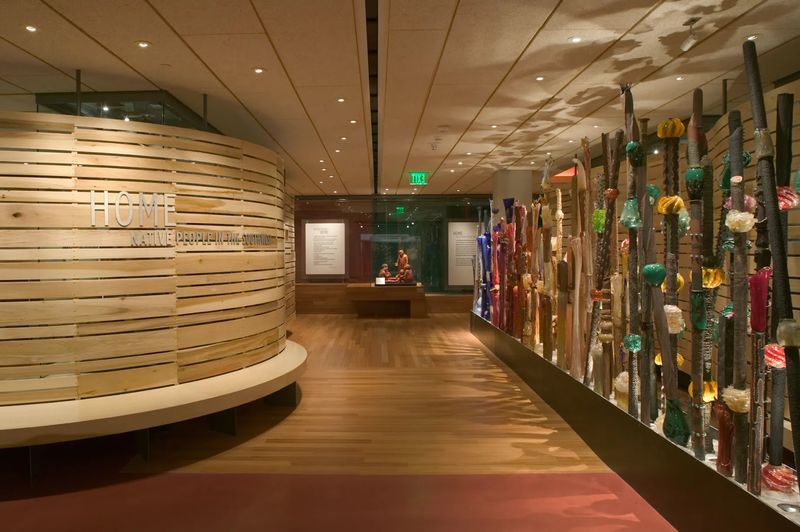
Stepping into the HOME: Native People in the Southwest exhibition feels less like entering a gallery and more like being welcomed into someone’s living memory.
The exhibit tells the stories of Southwestern Native peoples entirely through their own words, which immediately sets a different tone from what you might expect in a traditional history museum.
Nearly 2,000 objects fill this space, including jewelry, pottery, baskets, textiles, beadwork, and even a full-sized Navajo hogan that you can actually step inside and experience.
A Hopi piki room and a traditional Pueblo oven are also featured, giving visitors a grounded sense of how daily life and ceremony have coexisted for centuries.
One of the most visually striking features is the 30-foot glass and clay Art Fence created by artists Tony Jojola of Isleta Pueblo and Rosemary Lonewolf of Santa Clara Pueblo, which anchors the space with color and craft.
I spent more time in this single exhibit than I had planned, and I have zero regrets about that.
500 Hopi Katsina Dolls That Will Stop You In Your Tracks
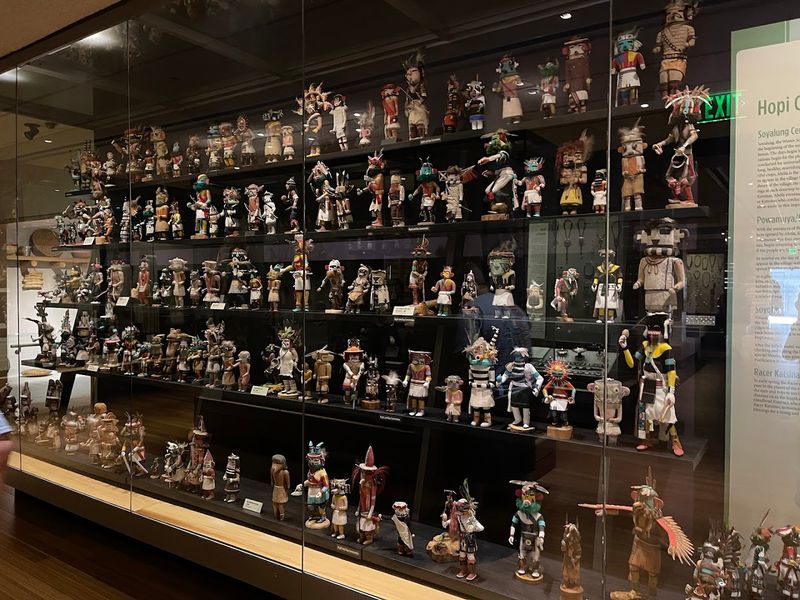
There is a moment inside the HOME exhibition when you turn a corner and find yourself face to face with 500 Hopi katsina dolls, and it genuinely takes your breath away.
These figures come from the Goldwater and Fred Harvey Company collections, two historically significant assemblages that represent decades of careful preservation and cultural respect.
Katsina dolls, known as tithu in the Hopi language, are carved wooden figures that represent spirit beings central to Hopi religious and ceremonial life.
Seeing so many gathered in one place makes you appreciate both the artistry involved in each individual piece and the broader spiritual tradition they represent.
The range of styles across the collection tells its own quiet story about how the art form has evolved over generations while still honoring its roots.
I found myself leaning in close to study the painted details on figures no larger than my hand, marveling at the precision that goes into every single one.
Away From Home And The Boarding School Stories Exhibition
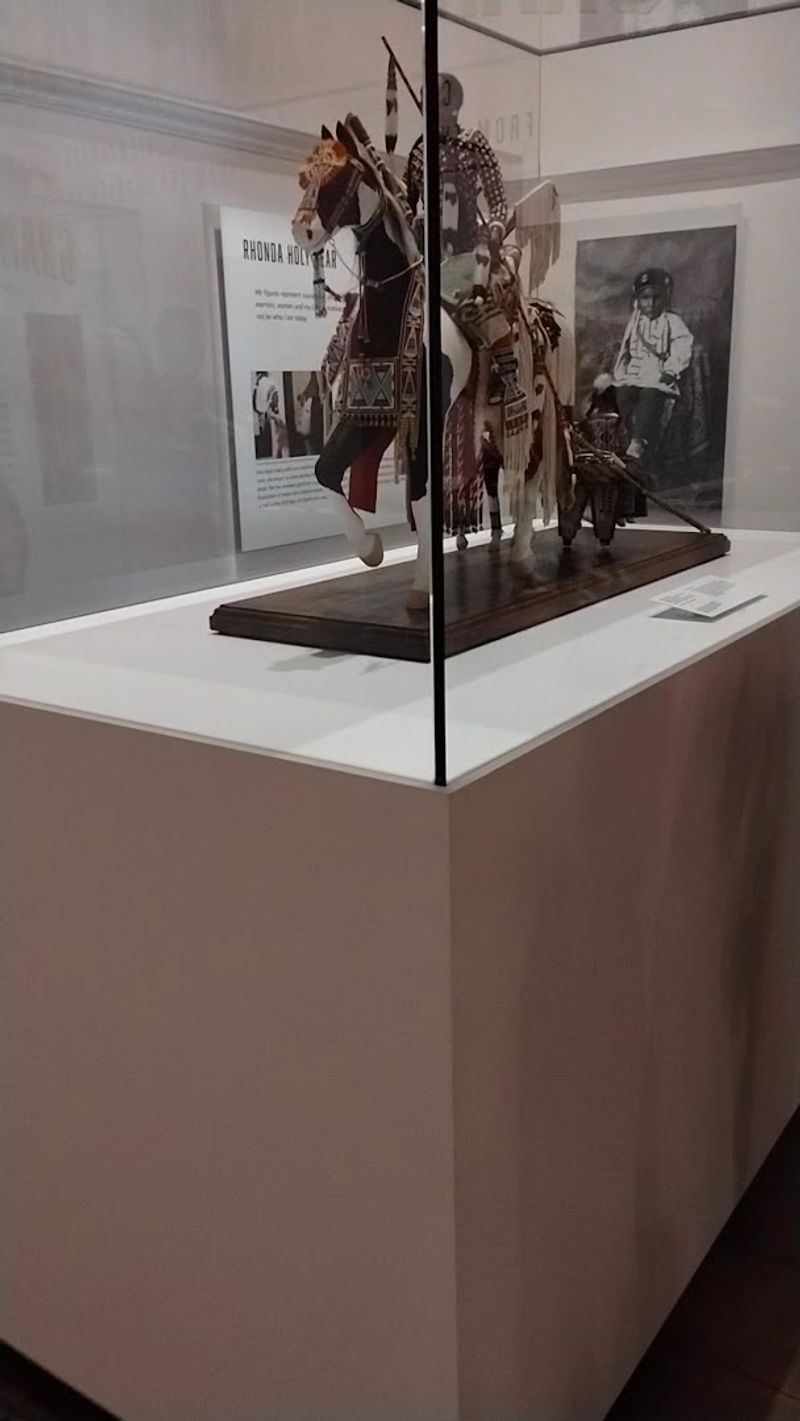
Few exhibits I have encountered anywhere in the country carry the emotional honesty of Away From Home: American Indian Boarding School Stories.
This signature exhibition examines a deeply significant and often overlooked chapter of American history, focusing on the federal boarding school era when Native children were removed from their families and communities and sent to government-run schools designed to strip them of their languages, traditions, and identities.
The Heard Museum approaches this subject with extraordinary care, presenting firsthand accounts, photographs, letters, and personal objects that center Native voices throughout.
Rather than presenting this history as a distant event, the exhibit connects it to living people and ongoing conversations about cultural survival and healing.
I sat down on one of the benches in the middle of the gallery and stayed there for a long time, reading testimonials that felt both heartbreaking and resilient in equal measure.
This is the kind of exhibit that changes how you think about American history long after you leave the building.
A Painting Collection Spanning Over 1,700 Years Of Native Heritage
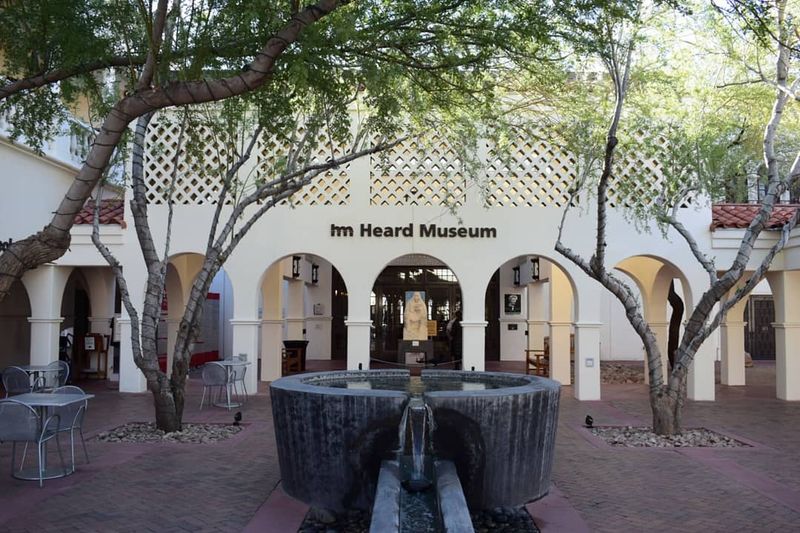
The Heard Museum’s art collection covers an astonishing timeline, stretching from 300 A.D. all the way to the present day, with more than 40,000 objects in total across the entire institution.
The painting collection in particular highlights the birth of the American Indian Fine Art Movement in the early twentieth century, showcasing works by artists who were among the first to bring Native artistic traditions into the formal gallery world.
Contemporary artists are equally well represented, which makes the collection feel alive and forward-looking rather than frozen in the past.
Moving through the galleries, I noticed how the visual language shifts across generations, with older works reflecting ceremonial and landscape traditions while newer pieces engage directly with modern identity, politics, and innovation.
What ties everything together is a consistent commitment to showing art made by Native people on their own terms, without filtering it through an outside cultural lens.
That distinction matters more than it might sound, and it is something you feel throughout every room.
World Championship Hoop Dance Contest And Indian Fair And Market
Two of the most anticipated events on Phoenix’s cultural calendar take place right on the Heard Museum grounds each year, and if your visit lines up with either one, consider yourself fortunate.
The World Championship Hoop Dance Contest draws competitors from across North America who perform breathtaking routines using multiple hoops to create shapes representing animals, plants, and sacred symbols.
The speed, precision, and storytelling packed into each performance make it one of the most visually exciting live events I have ever attended anywhere.
The Indian Fair and Market, held annually in late winter, brings hundreds of Native artists together to sell and showcase their work directly to the public, cutting out middlemen and connecting buyers with the makers themselves.
I picked up a small piece of pottery at the Fair that the artist signed right in front of me, and it now sits in a place of honor on my bookshelf.
These events transform the museum from a quiet cultural space into a buzzing celebration of living culture.
The Heard Museum Shop And Its Remarkable Katsina Doll Selection
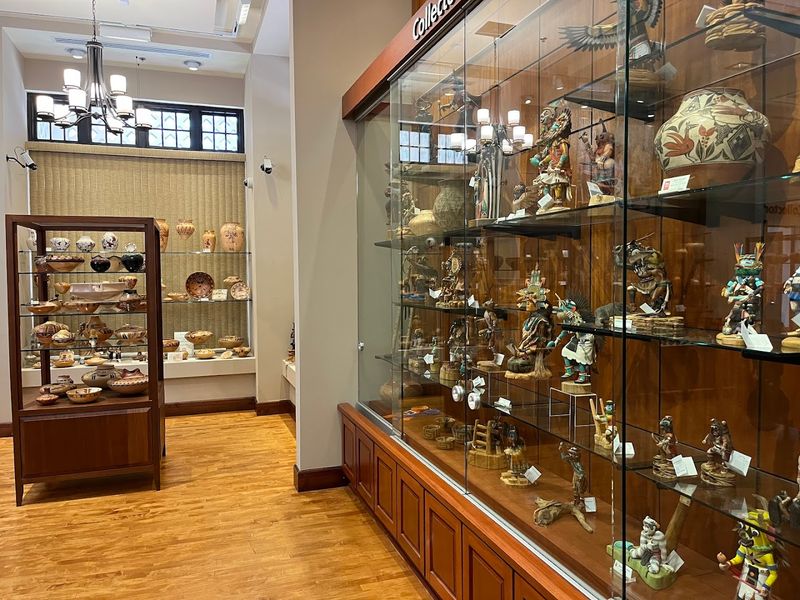
Serious collectors and casual souvenir hunters alike tend to linger longer than expected in the Heard Museum Shop, and that is entirely by design.
The shop carries one of the largest and most carefully curated selections of katsina dolls in the country, all of them authentic and made by Native American artists.
Beyond the katsina dolls, you will find original jewelry, weavings, ceramics, paintings, and sculptures, each item tagged with information about the artist and their tribal affiliation.
Buying here means your purchase goes directly toward supporting Native artists and the museum’s nonprofit mission, which makes the shopping feel meaningful rather than transactional.
I spent a solid forty-five minutes in the shop on my first visit, which tells you something about the quality and range of what they stock.
Staff members are genuinely knowledgeable and happy to tell you about specific artists or pieces, turning what could be a quick browse into a mini education all on its own.
Courtyard Cafes And The Museum’s Beautiful Outdoor Spaces
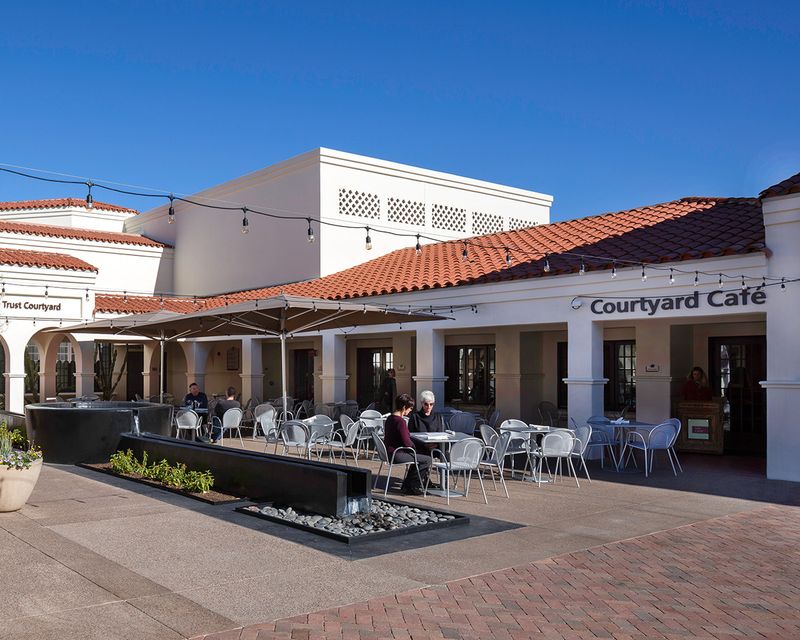
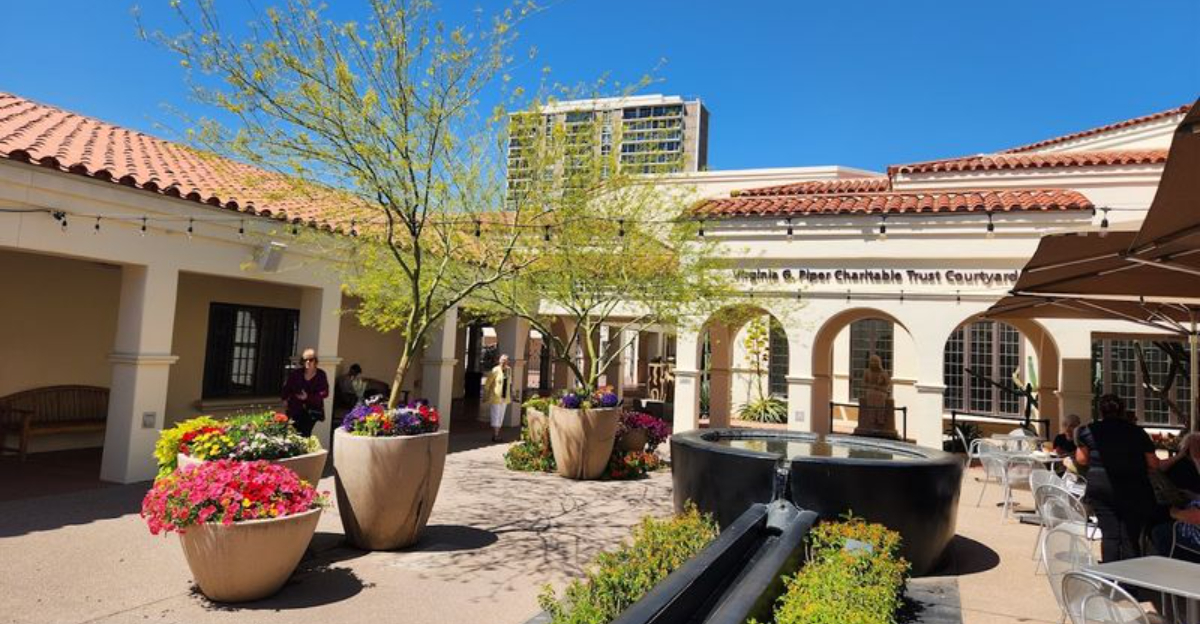
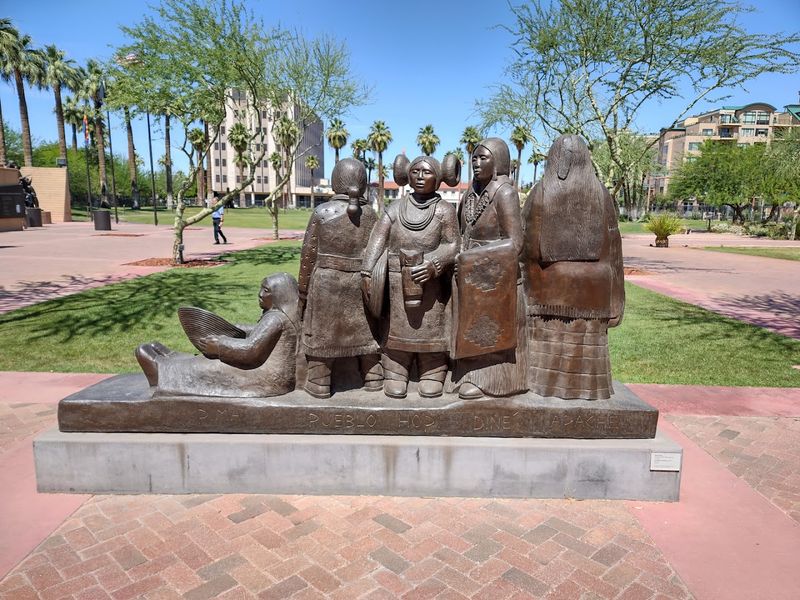
One of the small pleasures I did not anticipate was how much time I would want to spend simply sitting in the Heard Museum’s outdoor courtyards between gallery visits.
The architecture creates a natural flow between indoor exhibits and open-air spaces filled with desert plantings, sculptural installations, and the kind of quiet that feels genuinely restful in the middle of a city.
The Courtyard Cafe serves Southwest-inspired food that leans into regional flavors without feeling gimmicky, and the Coffee Cantina is perfect for grabbing a quick coffee or snack when you need a recharge.
I had a late lunch in the courtyard after the HOME exhibit and found the combination of good food, warm Arizona sunshine, and the surrounding architecture genuinely restorative.
The outdoor spaces also feature rotating sculptural works and permanent art installations that reward slow, attentive walking rather than a hurried pass-through.
Treating the courtyards as part of the museum experience rather than just a transition zone between galleries is absolutely the right approach.
Planning Your Visit To The Heard Museum In Phoenix
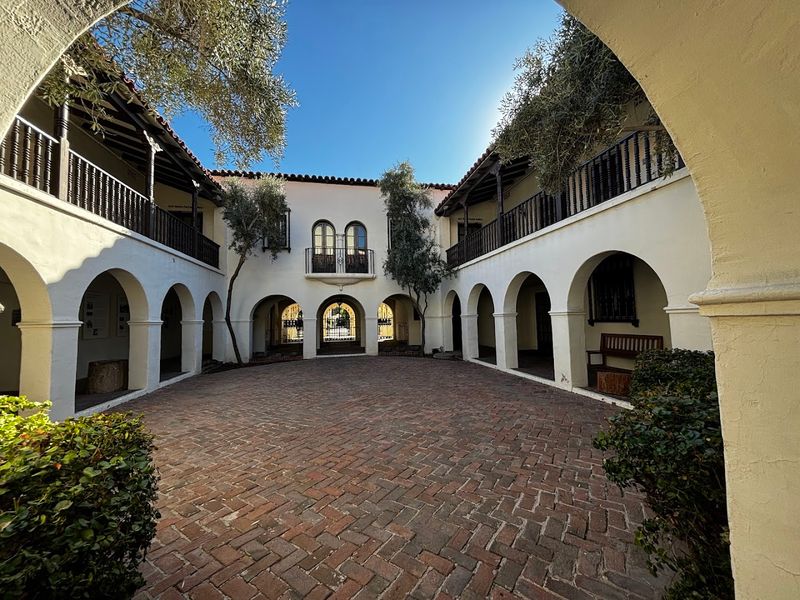
The Heard Museum sits at 2301 North Central Avenue in Phoenix, Arizona, placing it comfortably close to the downtown core and easy to reach whether you are driving or using public transit.
The museum draws between 200,000 and 250,000 visitors each year, which speaks to its reputation, but the layout of the 130,000-square-foot space means it rarely feels overcrowded inside the galleries.
Plan to spend at least three to four hours if you want to move through the major exhibits at a comfortable pace without feeling rushed.
Visiting on a weekday tends to offer a quieter experience, though weekends during special events like the Indian Fair and Market are worth the extra company for the energy they bring.
The museum is open Tuesday through Sunday, and checking the official website before your visit is smart since temporary exhibitions and special programs rotate throughout the year.
Parking is available on-site, and the surrounding Central Avenue neighborhood has plenty of additional dining and coffee options if you want to extend your afternoon beyond the museum gates.