
This Tucked-Away State Park In Florida Feels Like It’s From Another Era
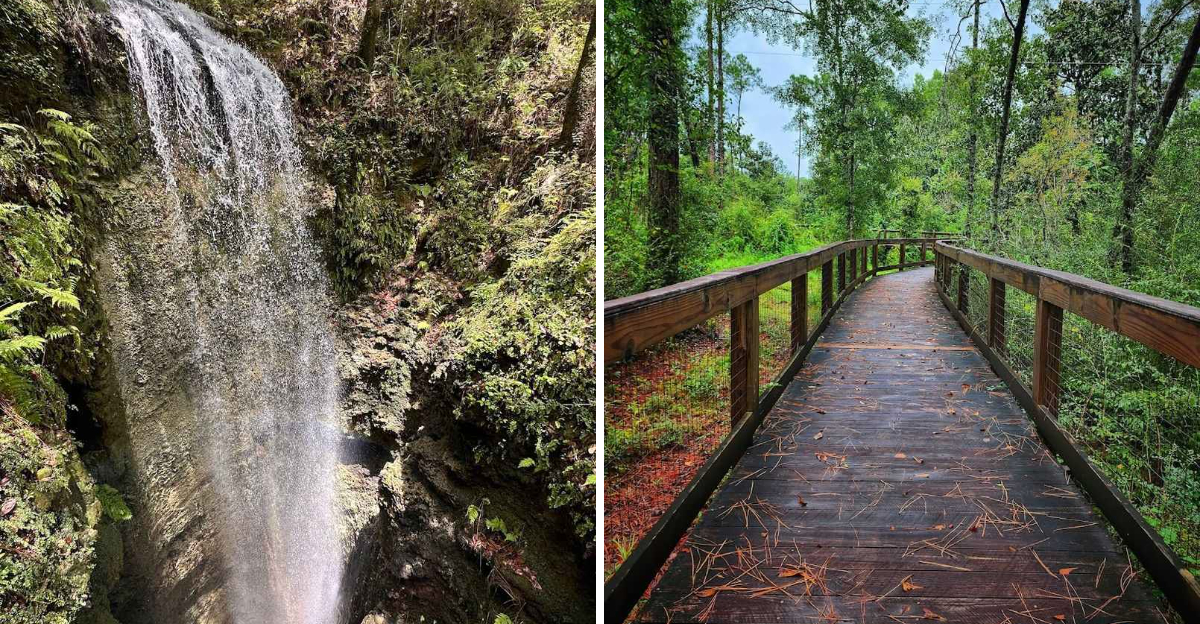
Nature walks can be peaceful, but what if one felt like stepping into a completely different world?
In Florida, there is a place where towering cypress trees rise like natural cathedrals and a quiet boardwalk leads you deep into a landscape that feels almost untouched by time.
From the first step, everything shifts. Light filters through the canopy, the air feels heavier and calmer, and the sounds of birds echo in a way that makes the outside world feel far away.
This is not just a walk through nature.
It is an experience that pulls you in slowly, one step at a time.
Wooden pathways guide the way, keeping you close enough to see everything, yet just distant enough to take it all in without disturbing the rhythm of the place.
Somewhere along the path, it stops feeling ordinary.
It feels like stepping into something ancient, quiet, and completely unforgettable.
Florida’s Tallest Waterfall Dropping Into A Limestone Pit
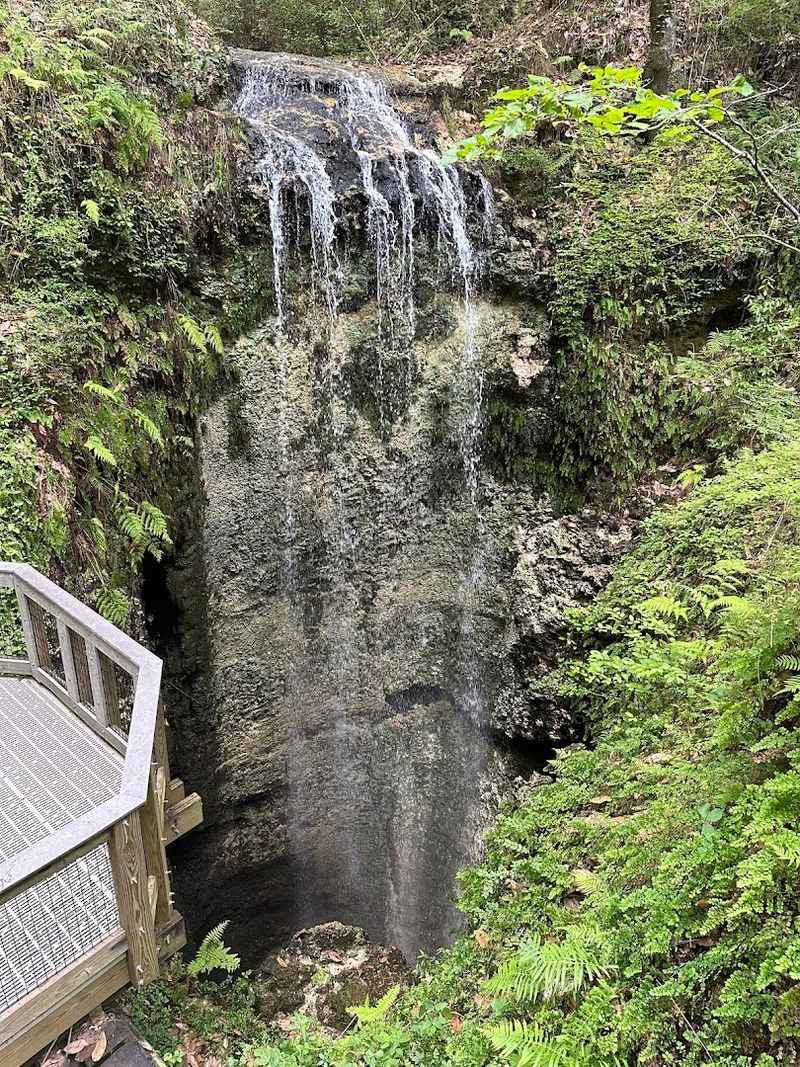
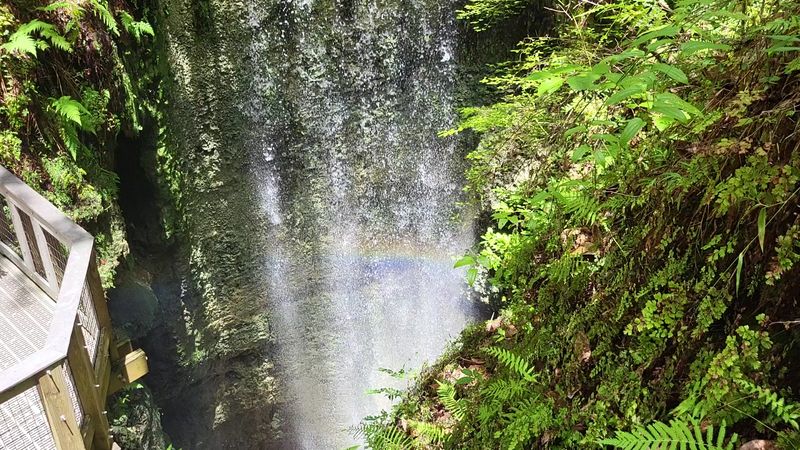
Standing at the upper observation platform and watching water disappear into the earth is one of those moments that genuinely stops your thoughts mid-sentence.
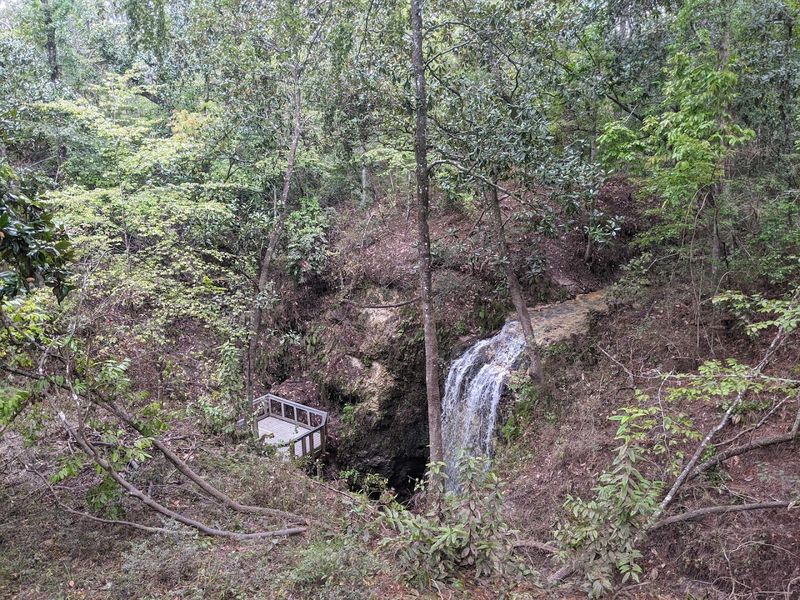
Falling Waters State Park is home to Florida’s tallest waterfall, a 73-foot drop that plunges straight into a narrow limestone cylinder roughly 100 feet deep.
The science behind it is fascinating: the water falls, hits the sinkhole floor, and then vanishes through underground passages that geologists still find intriguing.
When rainfall has been generous, the roar of the falls echoes off the limestone walls in a way that feels almost theatrical.
Visitors who arrive after a good storm get the full show, while those visiting during dry spells see a quieter trickle that still carries a quiet drama of its own.
The paved path leading to the viewing platforms is clean and well-maintained, with sturdy railings that keep you safe while you lean in for a closer look.
A wheelchair-accessible ramp leads to the upper platform, making the view available to nearly everyone who makes the trip.
Few natural features in Florida carry this kind of raw geological personality, and this waterfall earns every bit of the attention it receives.
Ancient Sinkholes That Feel Like Windows Into The Earth

There is something almost eerie about standing at the edge of a sinkhole and realizing the ground simply decided to give way here, slowly and completely, thousands of years ago.
Falling Waters State Park has a collection of seven or eight sinkholes scattered along its trails, each one with its own personality and depth.
Some are wide enough that a house could fit inside, while others are narrower but drop to depths that make the air feel noticeably cooler as you peer down.
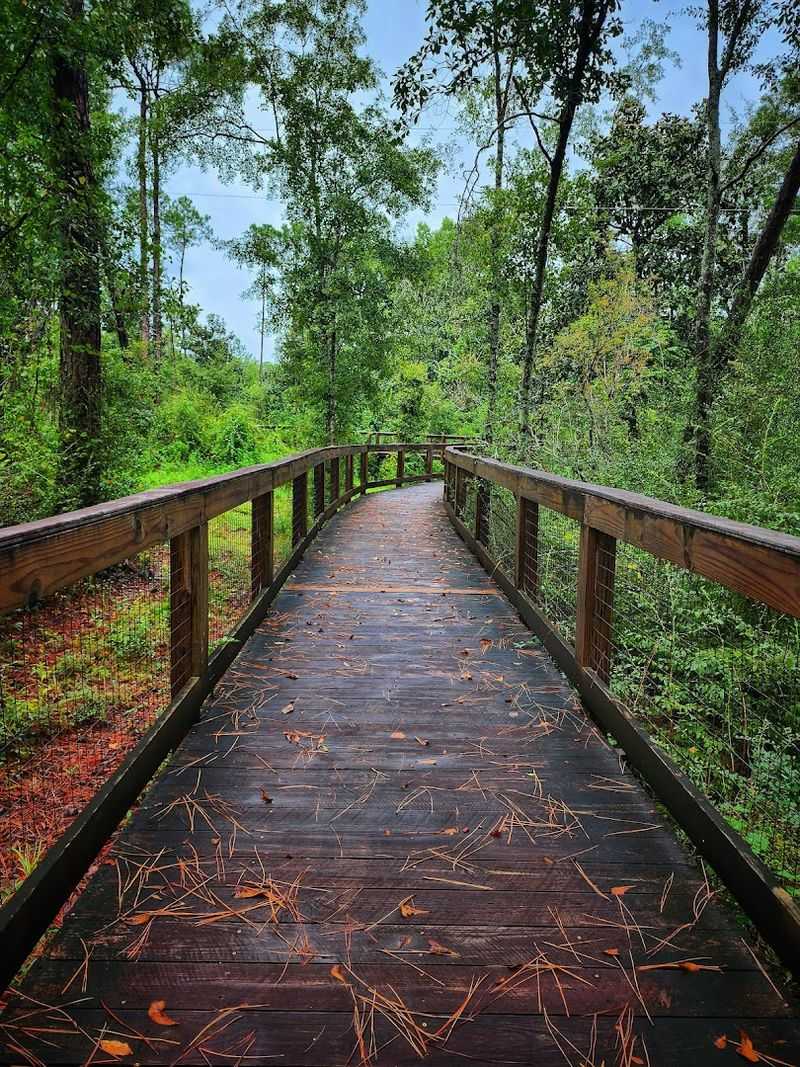
The boardwalk trail weaves between these geological formations, giving visitors safe and close-up views without disturbing the delicate ecosystem that has formed inside each depression.
Ferns, mosses, and shade-loving plants cling to the sinkhole walls, creating vertical gardens that thrive in the cool, humid microclimate below the rim.
One visitor described the sinkholes as both boring and fascinating, and that tension is exactly right: they look like holes, but the longer you stare, the more alive they become.
Geologists have long studied this region of the Florida Panhandle because the karst topography here tells a story of water, limestone, and time that stretches back millions of years.
Walking past each sinkhole feels less like a nature stroll and more like flipping through pages of an old geology textbook, one that never gets dry.
Boardwalk Trails Wrapped In Old-Growth Forest Atmosphere
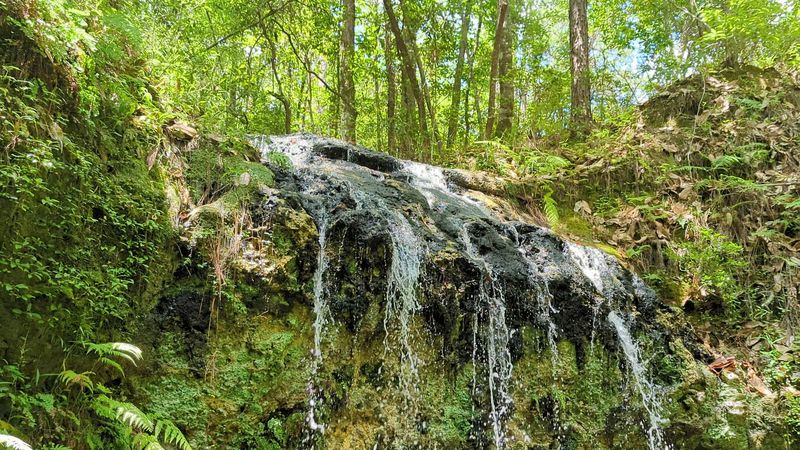
The moment the boardwalk swallows you into the tree canopy, the outside world shrinks to almost nothing.
Falling Waters State Park features well-designed boardwalk paths that thread through stands of tall hardwoods, dense fern patches, and shaded forest corridors that feel genuinely removed from the modern highway just miles away.
The wood planks beneath your feet creak softly in places, and that sound alone adds to the sense that you have stepped into a much older version of Florida.
Sunlight filters through the leaf cover in shifting patterns, landing on the ferns in ways that change by the minute as clouds drift overhead.
The trails are easy enough for young children and manageable for visitors with older knees, though the lower observation area does include a short set of metal steps with grippy treads.
Wildlife sightings along the boardwalk are common: deer have been spotted grazing near the trail edges, and birds move quietly through the upper canopy throughout the day.
The park staff keeps these paths well-maintained, and the overall condition of the boardwalk reflects a genuine pride in the space.
Walking slowly here, without earbuds or a screen in hand, delivers the kind of mental reset that most people spend far more money trying to find elsewhere.
A Butterfly Garden That Teaches As Much As It Delights
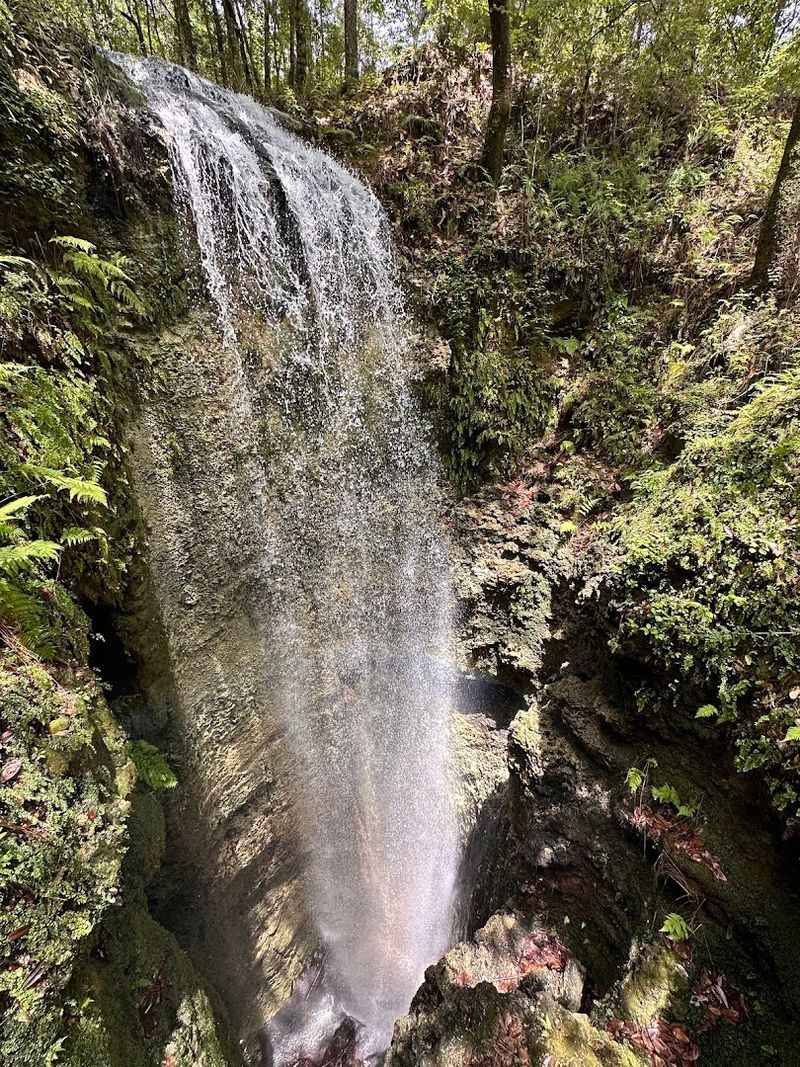
Right near the parking lot, before the trails even begin, a small butterfly garden pulls visitors in with labeled plants and the promise of winged visitors on warm days.
The garden at Falling Waters State Park serves a dual purpose: it provides habitat for native butterfly species and acts as an outdoor classroom for anyone curious about Florida’s pollinators.
Each plant is identified with a sign that explains which butterfly species it attracts, turning a casual stroll through the garden into a surprisingly educational few minutes.
During peak season, the garden hums with activity as various species pause on blooms and move between plants in that unhurried, drifting way that butterflies have perfected.
After a particularly harsh winter freeze, the plants were cut back hard and the garden looked sparse, but the labels remained as quiet guides to what would return with warmer weather.
That resilience is part of what makes this corner of the park so interesting: nature here operates on its own schedule, and the garden reflects that honestly.
Families with young children tend to linger here longer than expected, since the combination of colorful plants, informative signs, and the occasional butterfly landing nearby holds attention in a way that no screen can quite replicate.
It is a small space with an outsized ability to slow people down and make them look more carefully at the world around them.
Camping Under The Stars In A Quiet, Well-Kept Campground
Pulling into the campground at Falling Waters after a long drive and hearing nothing but crickets and wind through the pines is the kind of arrival that reminds you why camping exists.
The campground at Falling Waters State Park offers 24 sites plus host sites, a compact number that keeps the atmosphere peaceful rather than crowded.
Most sites are gravel, with some concrete pads available, and the layout gives each camper a reasonable sense of personal space even when the campground is close to full.
Families with tents reported that gravel sites worked fine with a bit of adjustment, and the overall vibe of the campground leaned relaxed and welcoming throughout the night.
The bathrooms and showers received consistent praise from campers, with hot water available and facilities kept clean across multiple visits and seasons.
A set of swings in the campground loop added an unexpected charm, and the larger playground in the day-use area was close enough for easy morning visits before breakfast.
RV campers noted that 50-amp hookups were available and that most sites were manageable for backing in, though some sites required leveling blocks for a comfortable setup.
Waking up here to birdsong and mist rising through the trees made even the simplest camp breakfast feel like something worth savoring slowly.
Turtle Lake And A Small Sandy Swim Area
Tucked within the park’s boundaries, Turtle Lake offers a refreshing counterpoint to the geological drama of the sinkholes and waterfall just a short walk away.
The two-acre manmade lake at Falling Waters State Park includes a designated swim area that draws families on warm days, providing a cool reward after a morning on the trails.
The lake also feeds the waterfall, which means its water level directly affects how dramatic the falls appear from the observation platforms below.
During dry stretches, the lake drops noticeably, and the swim area has occasionally been closed while the park waited for natural water flow to return to a healthy level.
Visitors who time their trip after a rainy period get the best of both features: a fuller waterfall and a lake that looks and feels at its most inviting.
The shoreline has a laid-back quality that encourages lingering, and the surrounding tree line keeps the area shaded enough to stay comfortable even on warmer afternoons.
One camper, with a wry nod to Florida wildlife, jokingly called the swim area an alligator feeding zone, a reminder that in Florida, sharing space with local residents is always part of the deal.
Still, the lake remains a genuinely pleasant spot, and on a clear morning it mirrors the sky in a way that makes you want to stay a little longer than planned.
A Rich Indigenous History Buried Beneath The Surface
Long before this land was mapped, fenced, or named a state park, Indigenous families gathered here, drawn by the same water, limestone, and shelter that still make this place feel significant.
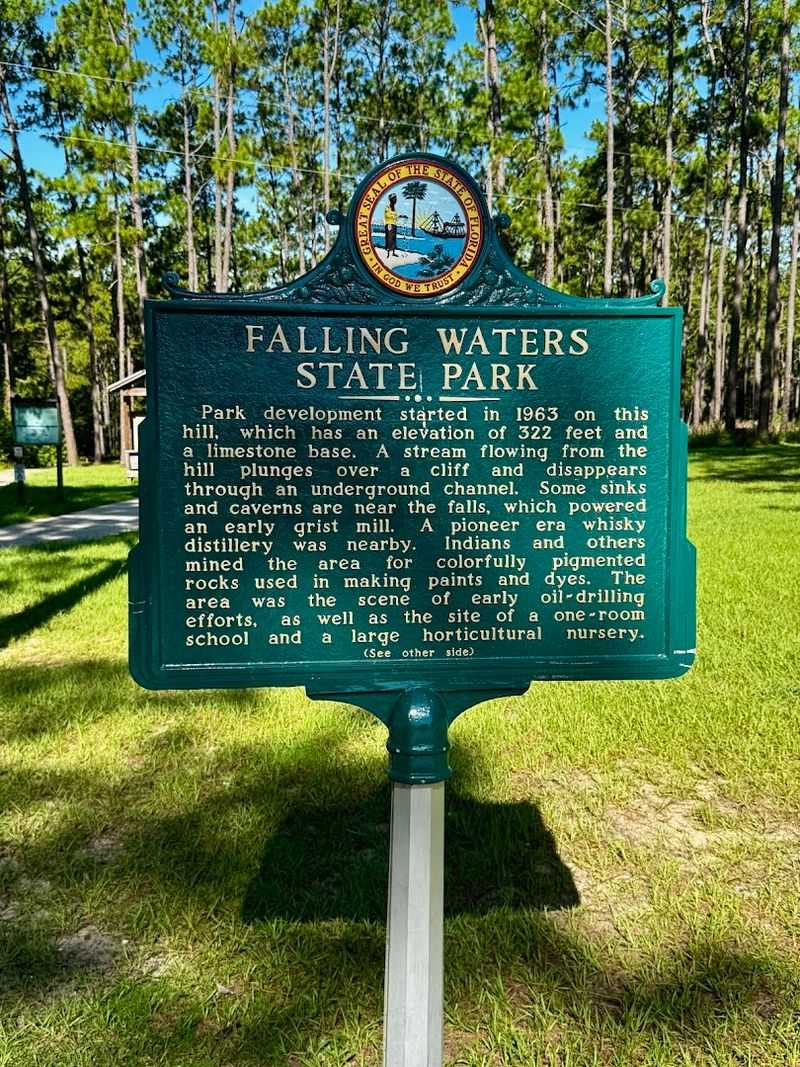
Archaeological discoveries at Falling Waters State Park have turned up pottery, tools, and evidence of ceremonial use stretching back thousands of years, placing this site among Florida’s more historically layered natural areas.
A rare cave painting found in the region added another dimension to the site’s story, hinting at a spiritual relationship between the people who lived here and the geological features that define the landscape.
That history lives quietly beneath every step on the boardwalk, and visitors who pause to think about it tend to walk a little more slowly and look a little more carefully.
The waterfall disappearing into the earth would have held enormous meaning for communities whose worldview connected the physical and spiritual in ways that modern park signage can only begin to suggest.
Knowing this history does not require a history degree or a guided tour; it simply requires a willingness to stand still for a moment and let the place speak.
That sense of layered time is part of what gives Falling Waters its unusual emotional weight, a quality that most parks, however beautiful, simply do not carry.
The land here remembers, and if you are paying attention, you can feel it.
Easy Access Right Off Interstate 10
Most hidden-feeling places require a serious commitment of time and mileage to reach, which makes Falling Waters State Park’s location almost suspiciously convenient.
Sitting just three miles off Interstate 10 near Chipley, Florida, the park is one of the more effortless detours available to anyone driving through the Panhandle.
The full address is 1130 State Park Rd, Chipley, FL 32428, and the drive from the highway exit to the park entrance takes roughly five minutes under normal conditions.
That proximity to a major interstate means the park works beautifully as a planned day trip and equally well as a spontaneous stop when the open road starts feeling a little too open.
Day-use entry costs just five dollars per vehicle, which makes the decision to pull off even easier when you are weighing it against another hour of highway driving.
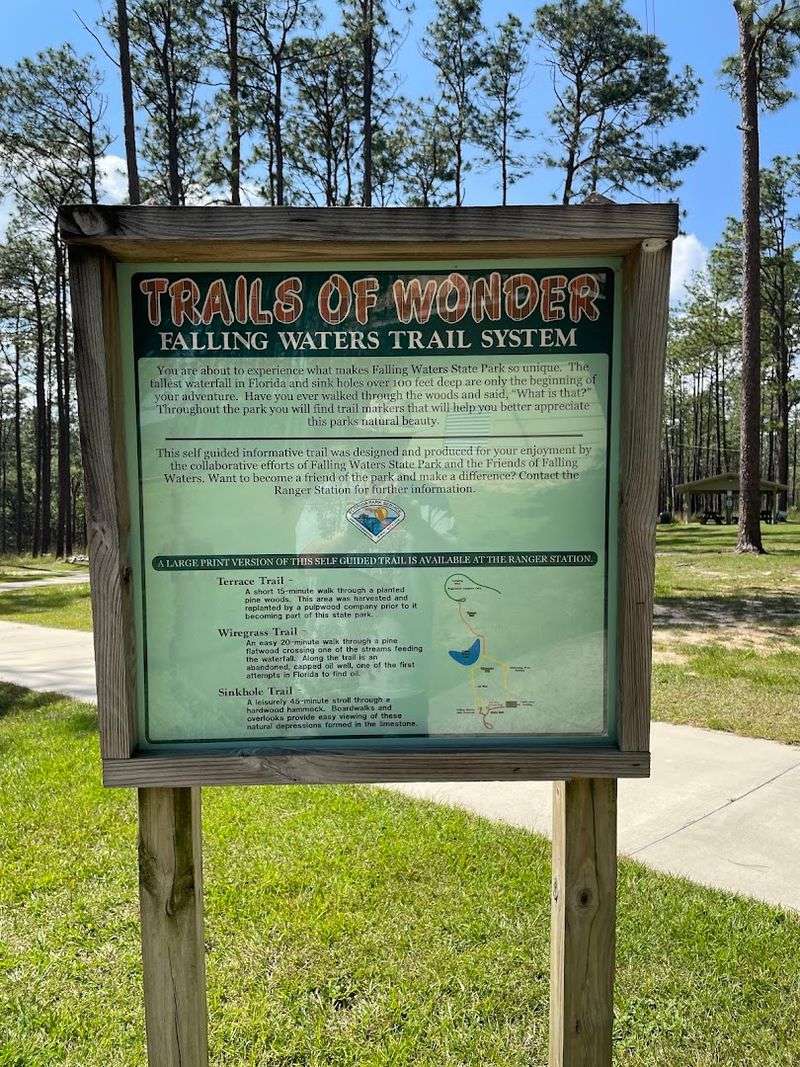
Parking at the waterfall trailhead is ample and well-organized, with clean bathrooms, covered picnic tables, and a playground all within a short walk of where you leave your car.
The park also sits close enough to town that a grocery run is possible on longer stays, which several campers mentioned as a practical bonus during multi-night visits.
For a park that feels this removed from the everyday, its accessibility is one of its most quietly impressive qualities.
Picnic Areas That Turn A Lunch Break Into A Real Experience
There is a version of eating lunch that involves a drive-through bag balanced on your steering wheel, and then there is the version that happens at a covered picnic table surrounded by old trees and birdsong.
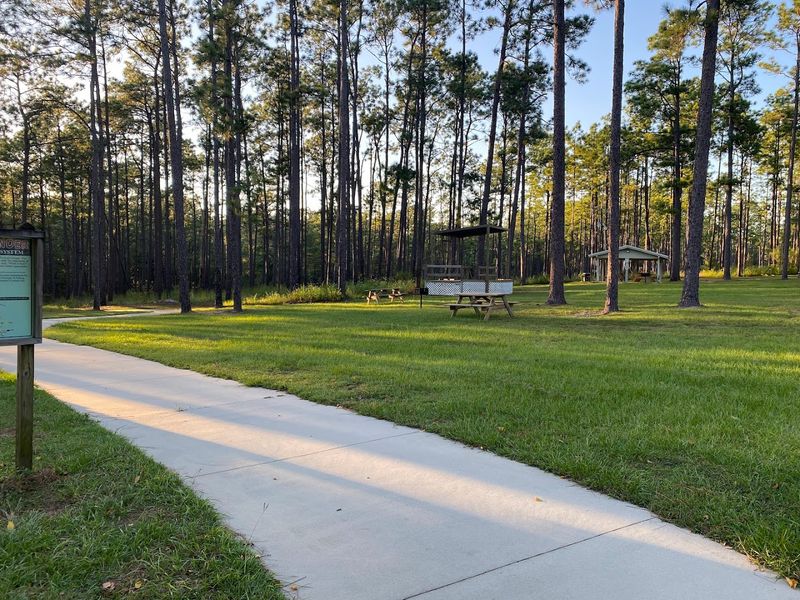
Falling Waters State Park makes the second version easy, with multiple covered pavilion areas and picnic tables positioned throughout the day-use section of the park.
The tables near the waterfall trailhead parking lot are particularly convenient, sitting close enough to the trails that you can eat first, hike after, or reverse the order depending on how hungry you arrived.
Families have used these spaces for birthday celebrations, casual lunches, and the kind of unplanned outdoor meals that end up being the highlight of a trip.
The shaded canopy above each pavilion keeps the space comfortable even when the sun is working hard, and the surrounding greenery gives every meal a backdrop that no restaurant can manufacture.
Benches along the trail paths offer additional spots to rest and snack, with views into the forest or toward the sinkhole formations depending on where you choose to sit.
Clean restrooms with a drinking fountain sit right at the trailhead, making the whole picnic experience more practical than it might be at more remote parks.
Honestly, a sandwich tastes better here, and that is not something I say lightly.
A Playground And Family-Friendly Atmosphere That Welcomes All Ages
Bringing three kids under six to a state park and having all of them leave happy is the kind of travel victory that deserves its own trophy, and Falling Waters State Park seems to make it happen regularly.
The newer playground in the day-use area features a slide and climbing equipment that held the attention of young visitors long enough for parents to actually catch their breath and enjoy the surroundings.
A second set of swings in the campground loop added another option for families staying overnight, and the layout of both areas kept children visible and safe without requiring constant repositioning.
The trails themselves are short and manageable for small legs, and the boardwalk format means little ones can move freely without the risk of wandering off the path into uneven terrain.
Parents reported that the combination of the playground, the waterfall, the butterfly garden, and the sinkhole views kept children genuinely engaged across a full morning visit without anyone melting down.
The park’s overall cleanliness and thoughtful design signal that families were considered in every planning decision, from the accessible ramp to the bathroom placement near the trailhead.
Visitors of all ages, from toddlers to grandparents with careful knees, seemed to find something here that held their interest and rewarded the short detour off the highway.
Few parks this size manage to feel equally welcoming across four generations, but Falling Waters pulls it off without breaking a sweat.