
This Two-Hour Arizona River Float Might Be Summer’s Best Escape
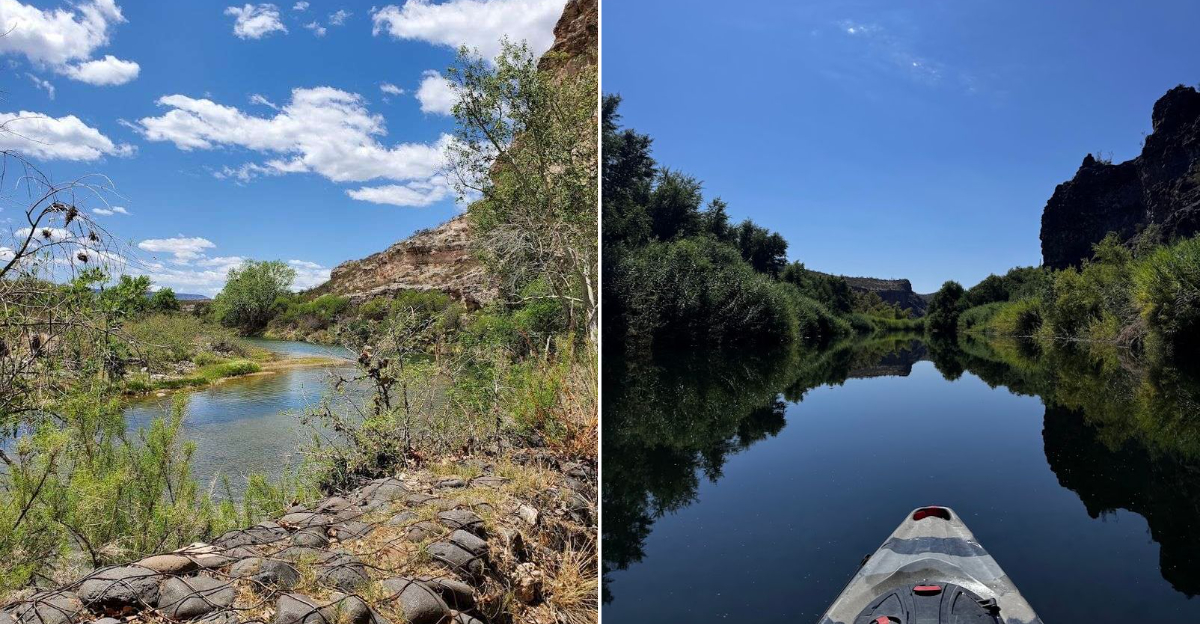
Surviving the blistering sunshine in Arizona usually involves tactical maneuvers like sprinting from the parking lot to the grocery store entrance just to feel five seconds of refrigerated air.
Last weekend, however, I traded the asphalt maze for a pair of water shoes and a questionable amount of waterproof sunscreen.
Drifting along the river for two hours felt less like a lazy afternoon and more like a tactical escape from the fiery furnace looming above the horizon.
My navigation skills were subpar at best, I spent a good fifteen minutes accidentally paddling in circles while admiring the scenery, but the cool, rhythmic pulse of the current was pure magic.
There is no luxury treatment on earth that beats being gently pushed downstream while your worries dissolve into a bubbly wake. I spent a breezy summer afternoon paddling its gentle currents, and by the end, I was already planning my return trip.
If you are looking for a refreshing outdoor adventure that does not require expert skills or a packed schedule, keep reading because this river float checks every single box.
The Verde River: Arizona’s Wild And Scenic Treasure
Most people think of Arizona and picture nothing but dry, cracked earth stretching to the horizon. The Verde River has other plans.
Recognized as one of only two federally designated Wild and Scenic Rivers in the entire state, this waterway is a genuine natural wonder that has supported life in the Verde Valley for over 10,000 years.
The river supplies roughly 40 percent of the water to the Phoenix metro area, making it not just beautiful but critically important to the region.
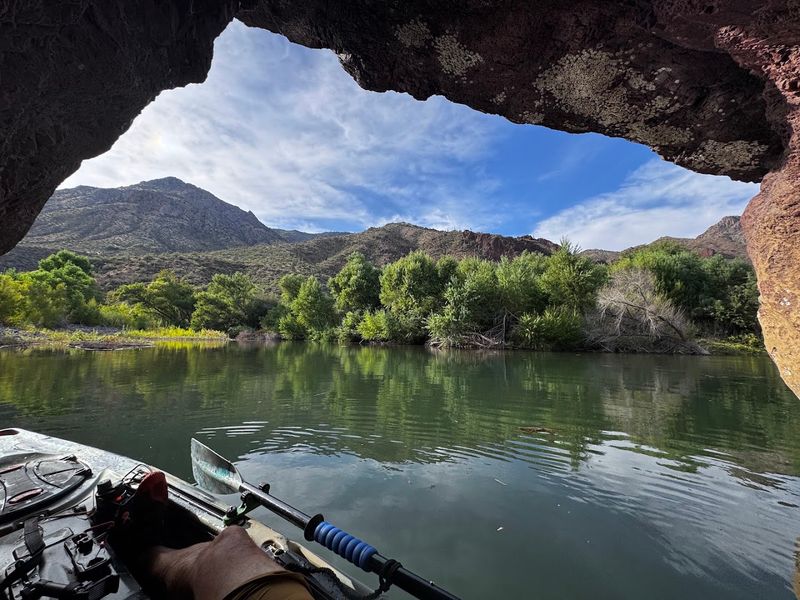
Winding through high desert landscapes, bedrock cliffs, and lush riparian corridors, it creates a layered visual experience that feels almost cinematic.
I remember floating around a bend and suddenly seeing a great blue heron standing perfectly still in the shallows, like a living statue.
The Verde Valley sits conveniently near Camp Verde, Clarkdale, and Cottonwood in central Arizona, making it an easy day trip that punches well above its weight in scenery and soul. The contrast is striking, with cool water cutting through terrain that seems determined to stay dry.
Each bend reveals another reminder that Arizona’s landscapes refuse to fit one simple description.
Where To Put In: Launch Points And Logistics
Getting on the water is surprisingly straightforward, which is one reason this float is so popular with first-timers and families.
The most well-known starting point is Bignotti Beach at Alcantara Vineyards, located at 3445 S Grapevine Way in Camp Verde, AZ 86322. It is a friendly, organized spot where outfitters often stage their gear and shuttle services.
Other access points include the Lower TAPCO River Access Point at 3400 Sycamore Canyon Road and the Tuzigoot River Access Point at 15 E Tuzigoot Road in Clarkdale. Each entry point offers a slightly different character, from sandy beaches to grassy banks shaded by massive sycamore trees.
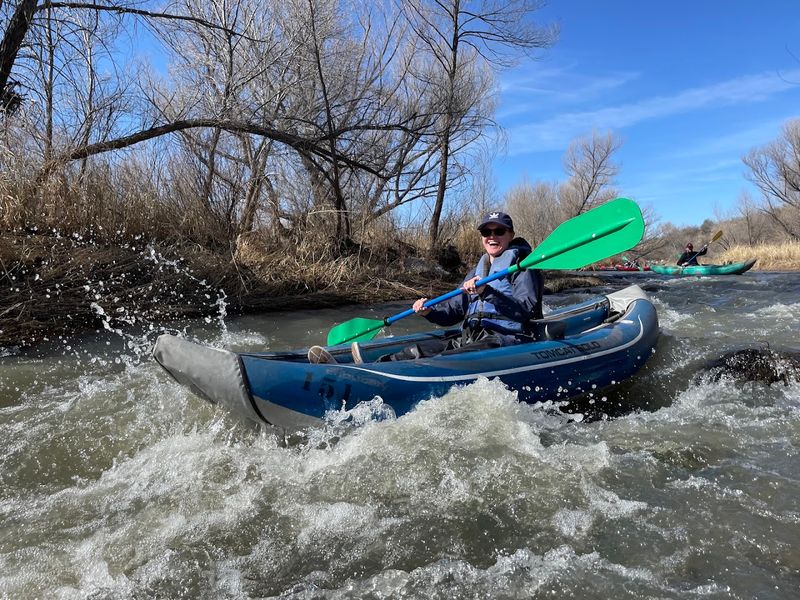
Most outfitters handle the logistics for you, providing tubes, inflatable kayaks, paddles, Coast Guard-approved life vests, dry bags, and even bottled water. Shuttle service back to your car is typically included, which means you can fully relax without worrying about the return trip.
Reservations are strongly recommended, especially on summer weekends. Clear directions and organized launch areas make the experience easier for visitors unfamiliar with the river.
Once the shuttle departs, the only real task left is settling in and enjoying the current.
What The Float Actually Feels Like On The Water
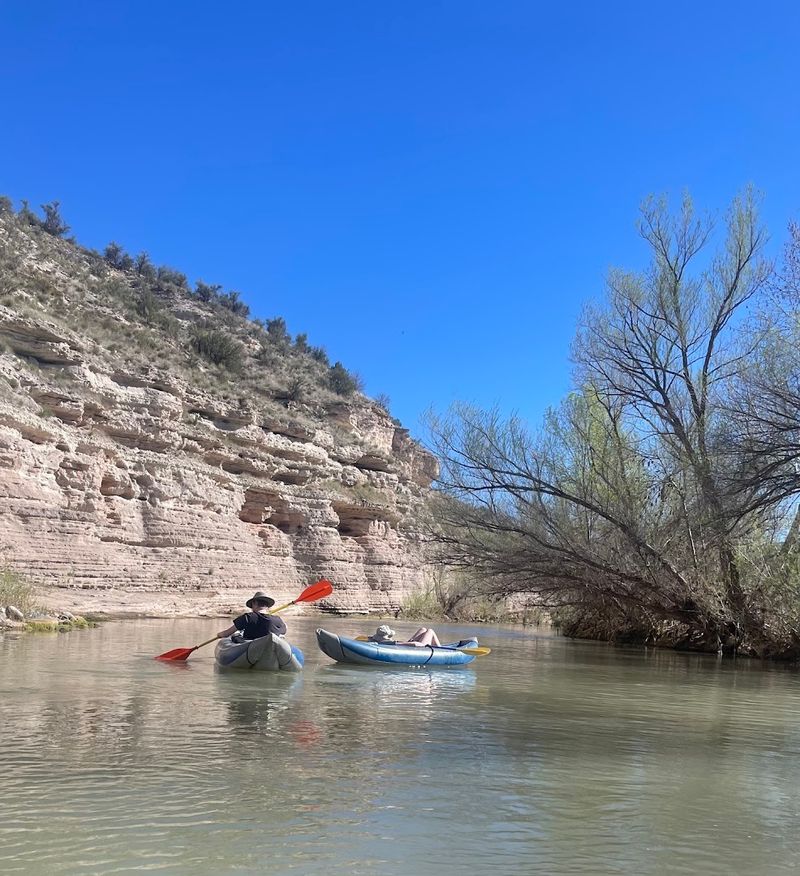
There is something wonderfully unhurried about a Verde River float. The current does most of the work, carrying you along at a pace that feels like the river itself is in no particular rush.
Most trips run between two and three hours, with inflatable kayak tours occasionally stretching to three and a half hours depending on conditions and how much you choose to paddle.
The river alternates between calm, glassy pools and lively riffles that give you just enough splash to stay cool and entertained. Beginners handle it easily, and the sections near Camp Verde spanning roughly 18 miles are specifically known for their forgiving depth and steady current.
I paddled through one particularly fun chute where the water narrowed and quickened, and everyone around me burst out laughing.
You can swim off your tube, drift lazily, or stop on one of the many natural sandy beaches to stretch your legs and take in the scenery. Every bend reveals something new and worth pausing for.
Wildlife You Might Spot Along The Banks
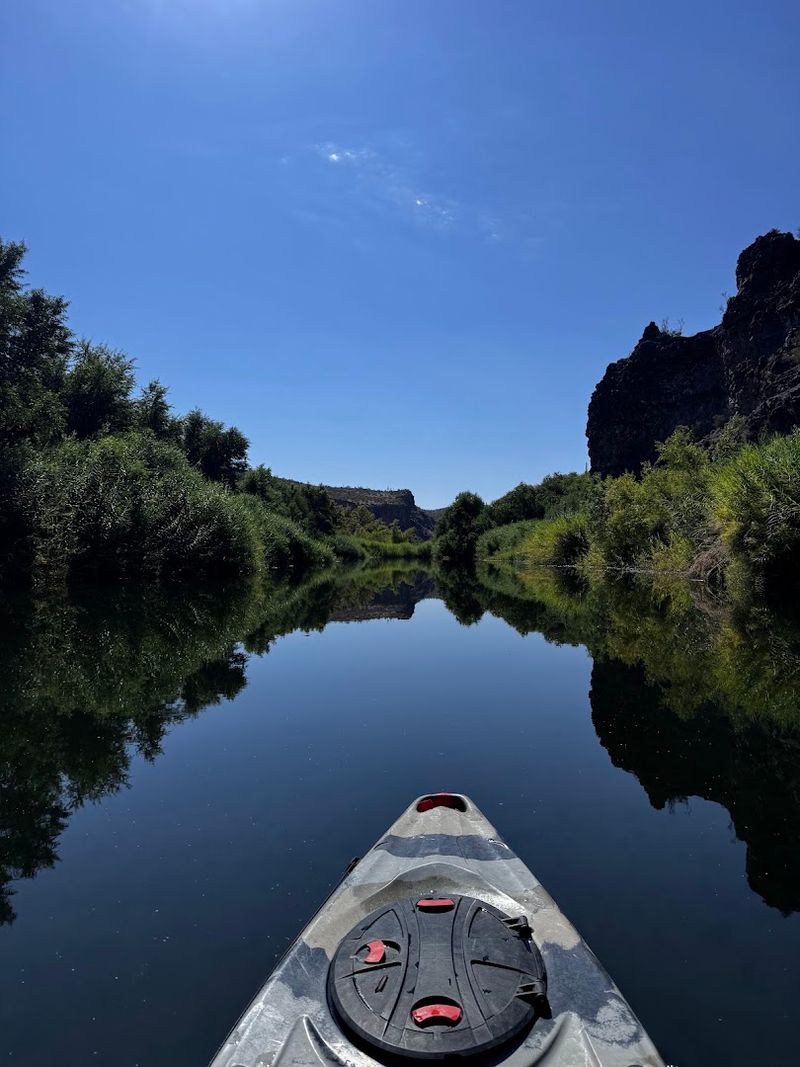
Floating the Verde River is not just about the water. The riparian corridor lining its banks is one of the most ecologically rich environments in the entire Southwest, and it shows.
Keep your eyes open and you will likely spot great blue herons wading in the shallows, various hawks riding thermals overhead, and if you are lucky, a bald eagle perched in a cottonwood during the cooler months.
Coyotes, deer, river otters, beavers, raccoons, bobcats, and turtles sunning themselves on rocks are all regular residents along this stretch.
The water holds bass, catfish, bluegill, and trout, making it a solid fishing destination too. I spotted three turtles stacked on a single log like they were posing for a nature documentary, which honestly made my whole afternoon.
The combination of vibrant forest canopy, bedrock cliffs, and a living, breathing ecosystem makes every float feel like a slow, scenic tour through a world that operates entirely on its own schedule. Binoculars are a smart addition to your pack.
Best Time To Visit And What To Expect Each Season
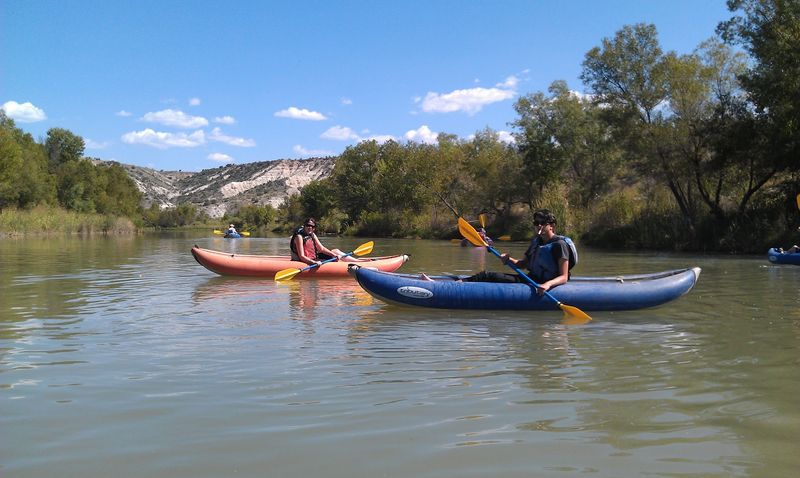
Summer is when the Verde River float scene truly comes alive.
Tubing tours typically kick off around Memorial Day weekend and run through mid-October, drawing crowds of sun-seekers eager to trade the triple-digit heat for a refreshing float. Weekends fill up fast, so booking early is a smart move if you want a smooth experience.
That said, kayaking on the Verde is a year-round activity. During the cooler months from November to March, groundwater springs maintain steady water flow, though the river runs cold enough to make a wetsuit a very wise investment.
Spring run-off between February and April can push water levels higher and create more challenging conditions, so always check current river conditions before heading out during that window.
Fall is a personal favorite of mine for this float. The cottonwood trees shift to warm gold and amber, the crowds thin considerably, and the air carries just enough chill to make the paddle feel energizing rather than scorching.
Each season brings its own distinct personality to the river.
What To Pack And How To Dress For The Float
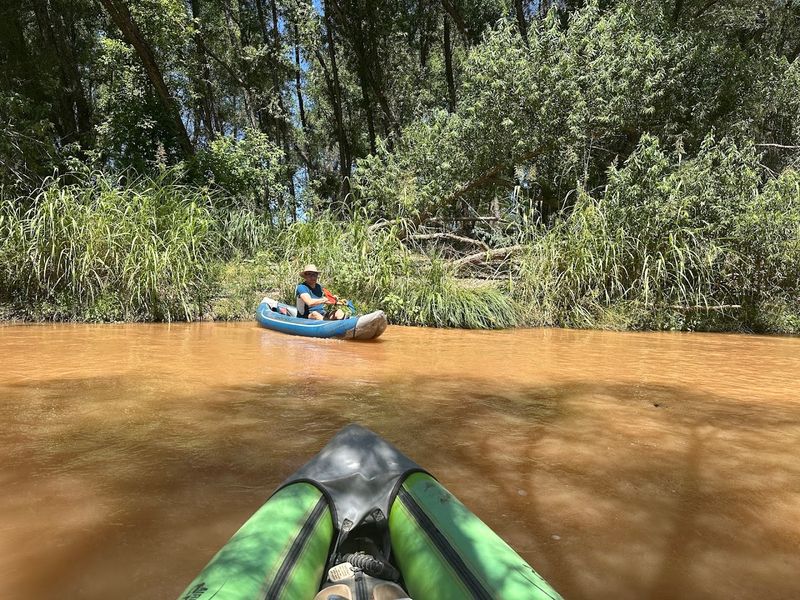
Packing smart for a Verde River float is half the battle, and the good news is that you do not need much. Quick-drying clothes are your best friend out here.
Think swimsuits, nylon shorts, and a lightweight shirt that handles both sun and water without turning into a soggy mess. Shoes or sandals that can get fully wet are non-negotiable since you will likely step in and out of the water at various points.
Sun protection deserves serious attention on this float. A wide-brimmed hat, sunglasses with a strap so they do not end up at the bottom of the river, and a generous application of water-resistant sunscreen will save you from a very uncomfortable evening.
A plastic zip-lock bag for your phone and camera is a simple but brilliant move that I learned the slightly damp way.
In cooler seasons, wetsuits and wetsuit boots are often available for rent and genuinely worth the upgrade. Most outfitters also supply dry bags as part of their standard gear package, so your valuables stay protected throughout the entire trip.
A reusable water bottle also helps you stay hydrated during the sunniest stretches of the trip. Pack lightly, secure anything valuable, and leave bulky items behind before stepping into the current.
Exploring The Verde Valley
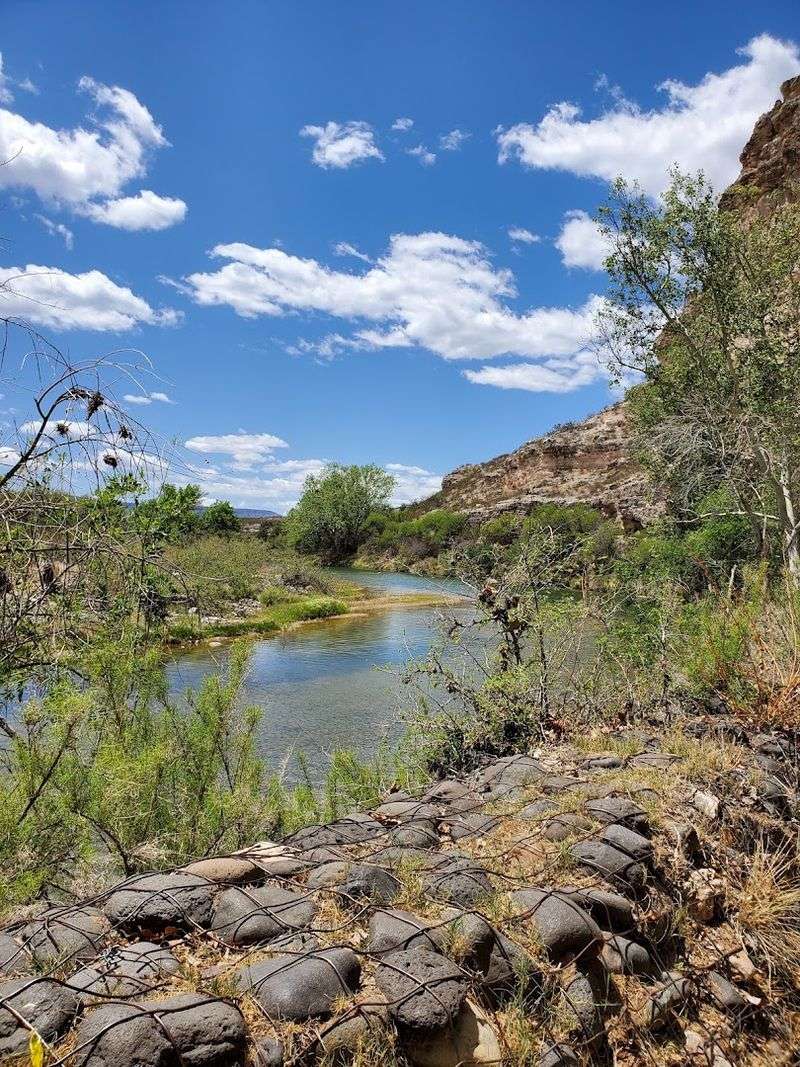
Once you have dried off and caught your breath, the Verde Valley offers a lineup of attractions that can easily fill the rest of your day. Montezuma Castle National Monument, just a short drive from the river, preserves a stunning set of 12th-century cliff dwellings that cling to a limestone bluff like a natural skyscraper.
It is a genuinely impressive site that puts the region’s deep human history into sharp perspective. The historic town of Jerome sits perched on Cleopatra Hill nearby, packed with art galleries, quirky cafes, and panoramic valley views that reward the winding drive up the mountain road.
Old Town Cottonwood brings a more relaxed pace, with local eateries and shops lining its walkable main street. Dead Horse Ranch State Park in Cottonwood offers camping and cabin options if you want to extend your stay and keep exploring.
The Verde Valley Wine Trail connects several wineries throughout the region, and some float tours even wrap up with a tasting at Alcantara Vineyards, making for a perfectly well-rounded afternoon in one of Arizona’s most surprisingly rich destination corridors.
The area makes it easy to turn a simple river outing into a full day of sightseeing. History, mountain views, and walkable towns give every traveler a different reason to linger.