
This Unassuming Arkansas Museum Is A Portal To A Remarkably Detailed World Of Miniature Trains
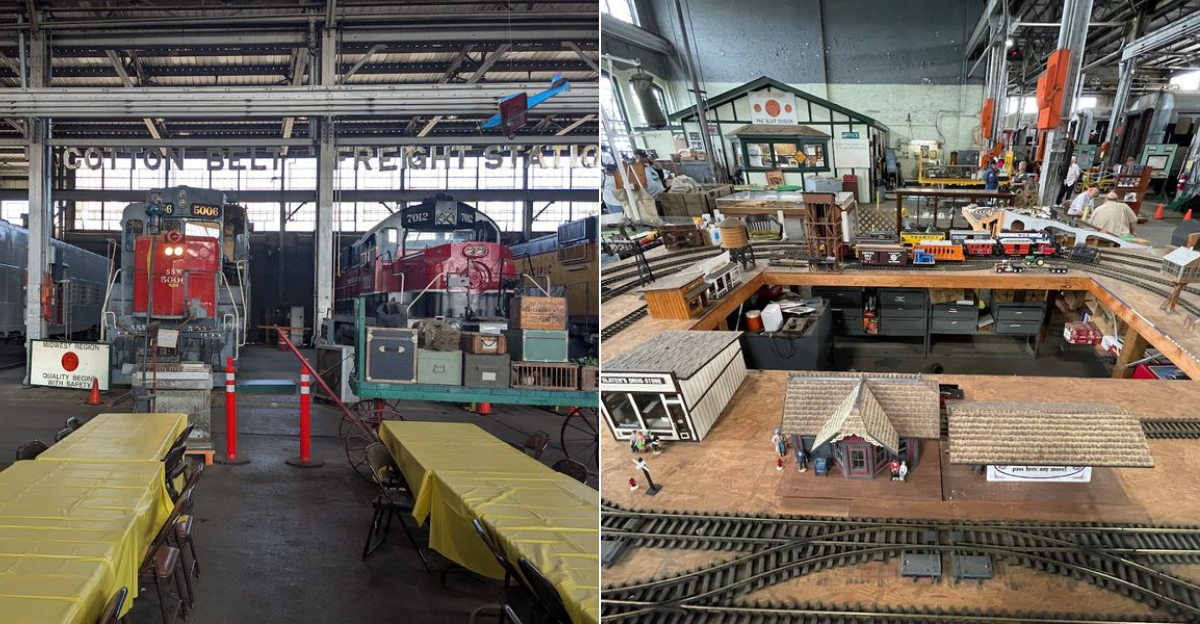
I wasn’t planning to stop, but something made me slow down and give it a shot. The outside didn’t say much, so I figured I’d be in and out.
That didn’t happen. I ended up staying far longer than I expected.
Inside, everything shifts. Trains move through tiny towns, past hills, bridges, and scenes that feel surprisingly real. I kept leaning in, trying to catch all the little details. Someone clearly spent hours getting everything just right.
I walked the space more than once and still found things I missed the first time. That’s what stuck with me. It draws you in without trying too hard. After years of exploring Arkansas, I’ve learned some places don’t make a big first impression.
They just quietly win you over once you step inside.
An Overlooked Arkansas Museum Worth Your Attention
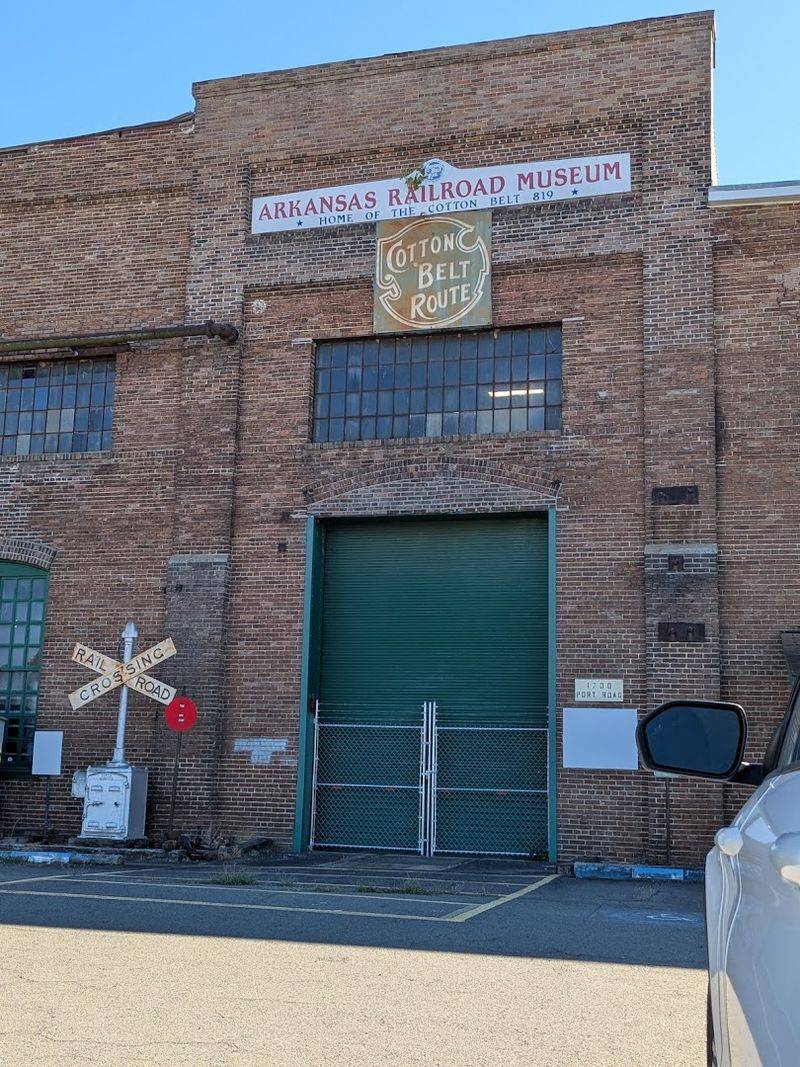
Not every great museum announces itself with a grand marquee or a long line out front, and the Arkansas Railroad Museum is proof of that quiet confidence.
While the museum is best known for its full-size locomotives, the miniature train displays are what tend to surprise visitors most.
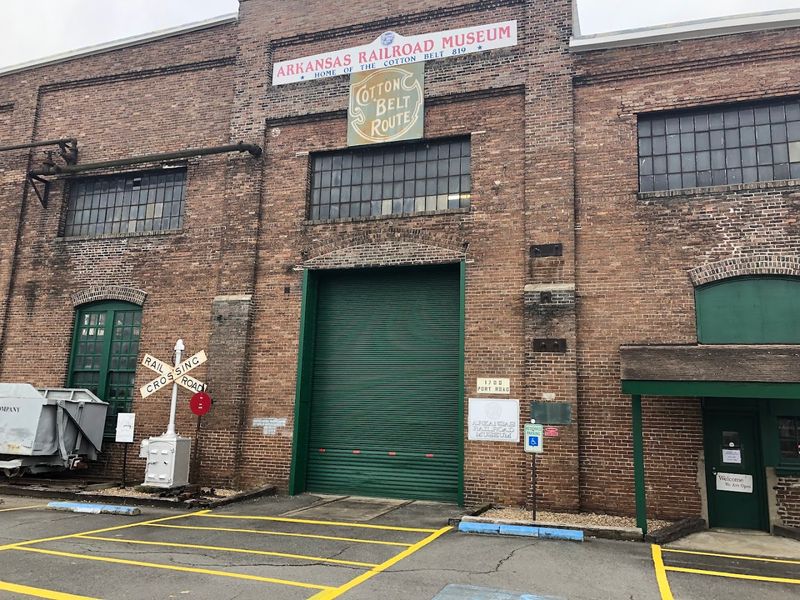
Sitting in Pine Bluff, a city in Jefferson County that hugs the southeastern edge of the Arkansas Delta, this museum operates inside a building that dates back to the 1890s.
That structure was originally the main repair and construction shop for the St. Louis Southwestern Railway, better known as the Cotton Belt Railroad, which makes the location itself a piece of living history.
Pine Bluff has a population of around 40,000 people and carries decades of cultural and industrial heritage, and this museum fits right into that identity.
Visitors who take the time to seek it out consistently leave surprised by how much is packed inside those walls.
You can find the Arkansas Railroad Museum at 1700 Port Rd, Pine Bluff, AR 71601, typically open to welcome curious travelers on Thursdays through Saturdays from 10:00 AM to 2:00 PM.
A Simple Exterior With An Unexpected Interior
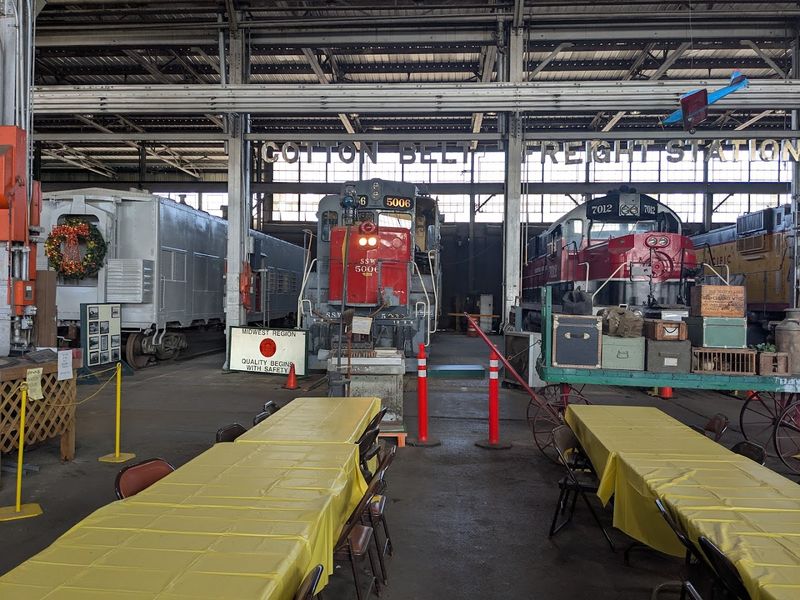
Walking through the front entrance feels a little like opening a door you were not entirely sure would lead anywhere interesting, and then being proven wonderfully wrong.
It doesn’t take long before you realize this place is much bigger than it first appeared.
The building stretches across a large historic industrial space, which means there is a lot of ground to cover once you get past that understated facade.
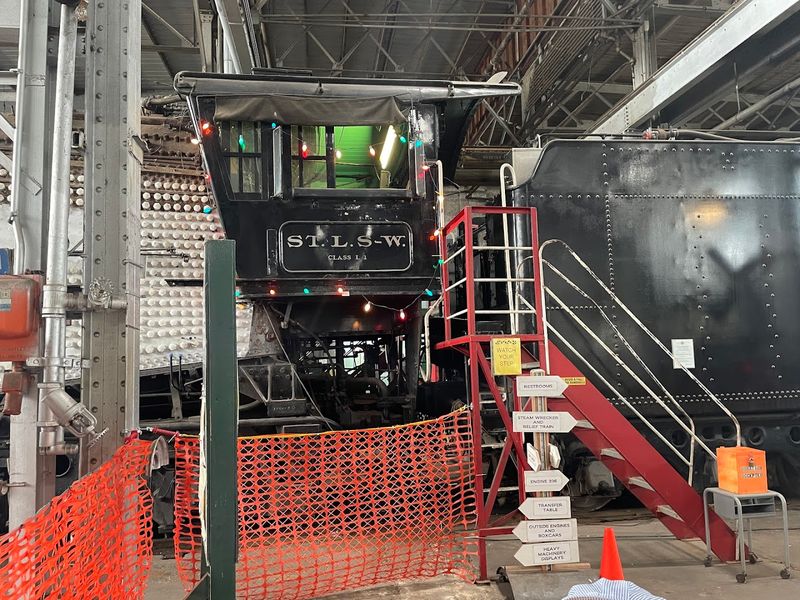
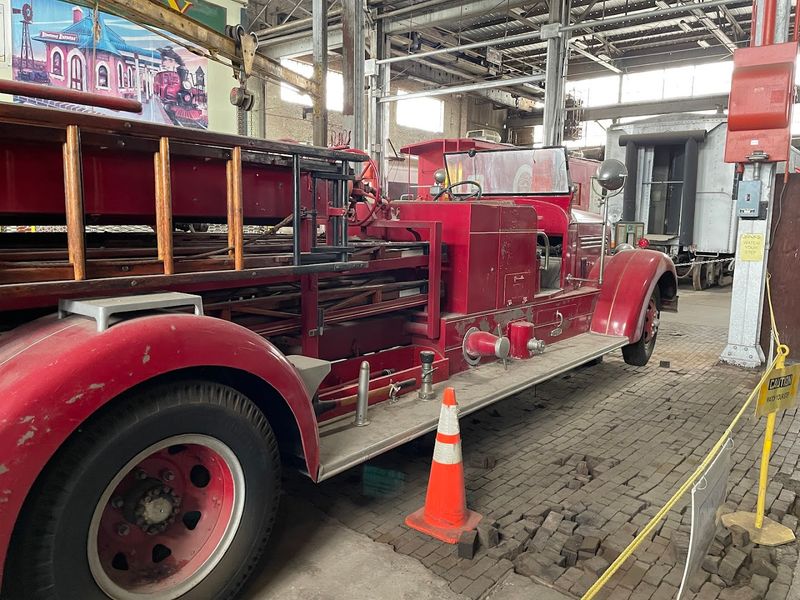
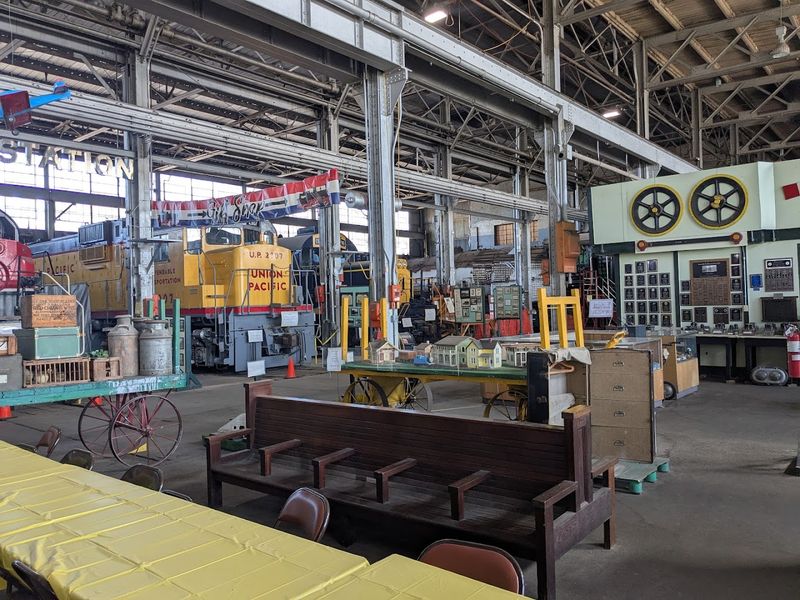
High ceilings stretch above full-size locomotives, cabooses, a steam wrecker train, and a snowplow, all arranged in a way that feels more like a working rail yard than a traditional museum floor.
The sheer scale of the collection catches most visitors off guard, especially those who assumed a regional museum in a mid-sized Arkansas city would offer only a modest display.
Rare diesel locomotives sit alongside equipment that once kept the Cotton Belt Railway running through the American South, and each piece carries its own operational history.
The contrast between the plain exterior and the richly stocked interior is part of what makes the first few minutes inside so genuinely rewarding for anyone willing to show up without expectations.
Where Miniature Trains Create Entire Worlds
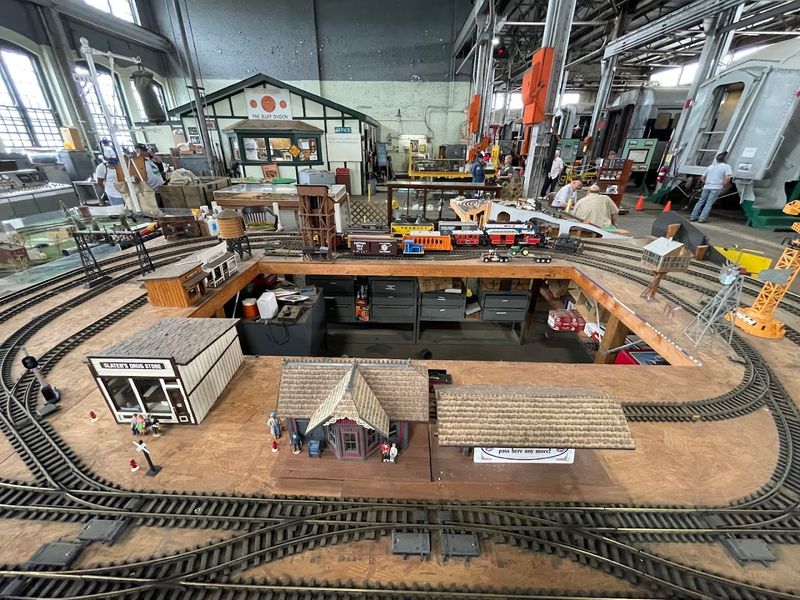
Somewhere inside that vast industrial space, the scale shifts dramatically and you find yourself peering down at entire communities rendered in miniature with remarkable care.
The model train layouts at the Arkansas Railroad Museum feature locomotives that roll through tiny towns, past model trees, across miniature bridges, and alongside figures frozen in everyday moments.
These are not the kind of train sets you find under a holiday tree in December, assembled in an afternoon and forgotten by spring.
The level of construction here reflects years of dedicated work, with layouts that incorporate realistic terrain, working signals, and small architectural details that reward close inspection.
Children tend to press their faces close to the display edges, while adults find themselves doing exactly the same thing once they notice a tiny gas station or a parked car no bigger than a thumbnail.
The miniature world captures something the full-size exhibits cannot quite replicate, which is that feeling of seeing an entire era compressed into a space you could hold in your hands, if only the rules allowed it.
The Precision And Patience Behind Every Detail
Model railroading at this level is not a weekend hobby, and spending time with the displays makes that point impossible to ignore.
Every building facade, every patch of modeled ground, and every miniature figure represents hours of planning, painting, and placement by people who take the craft seriously.
The Cotton Belt Railway heritage that defines the museum’s full-size collection also threads through the miniature layouts, connecting the two worlds in a way that feels intentional and thoughtful.
Scale accuracy matters deeply to serious model railroaders, and the layouts here reflect that commitment through consistent proportions, realistic weathering on the tiny rolling stock, and carefully matched color palettes.
Visitors who know nothing about model railroading still respond to the visual impact, because the patience behind the work communicates itself without needing any explanation.
There is something quietly humbling about standing in front of a display that took longer to build than most people spend on any single creative project in their lives, and recognizing that the builder did it purely out of love for the craft.
Real Stories Reflected In Tiny Landscapes
The miniature landscapes inside the museum are not purely decorative, they carry echoes of real railroad history that shaped communities across Arkansas and the broader American South.
The Cotton Belt Railroad, which the museum honors through its full-size collection, once served as a vital economic artery connecting agricultural towns throughout the region, and that context gives the tiny replicated scenes an unexpected emotional weight.
Pine Bluff itself grew in part because of its railroad connections, and the city’s position in the Arkansas Delta made it a natural hub for freight and passenger lines moving goods and people across the state.
Looking at a miniature depot or a scaled-down freight car, it becomes easier to imagine the actual workers, engineers, and passengers whose lives were shaped by the railways these models represent.
The museum’s educational programs lean into this storytelling dimension, helping families and school groups connect the physical artifacts to the broader history of transportation in Arkansas.
A miniature train running a loop through a model town turns out to be a surprisingly effective way to make a century of history feel immediate, personal, and worth remembering.
An Experience That Appeals Beyond Train Fans
Plenty of people show up to the Arkansas Railroad Museum thinking it is strictly a destination for rail enthusiasts, and plenty of those same people leave having enjoyed themselves far more than they predicted.
The combination of massive full-size equipment and intricate miniature layouts creates a range of entry points for visitors with very different interests and attention spans.
Kids who might not care about locomotive specifications tend to light up around the model train displays, while adults who came along just to be good sports often get drawn into the history of the Cotton Belt and its role in shaping Arkansas.
The museum also hosts an annual Railroadiana Show and Sale, which brings in collectors and curious visitors interested in railroad history and memorabilia, which brings in an even broader audience of collectors and curious visitors each year.
The museum is also handicap accessible, making it a comfortable visit for guests of all physical abilities.
Calling ahead at 870-535-8819 or checking the museum’s website before your visit is a smart move, since hours can shift during periods of extreme heat or cold, and special guided tours are sometimes available for groups.
What To Know Before You Go
Planning a visit to the Arkansas Railroad Museum is straightforward, but a few practical details will help you make the most of your time there.
The museum is typically open Thursday through Saturday from 10:00 AM to 2:00 PM, so it is worth building your Pine Bluff itinerary around those hours rather than assuming you can drop in on any day of the week.
Summers in Pine Bluff can get genuinely hot, and the museum’s operating hours can occasionally adjust during periods of extreme temperature, so confirming your visit with a quick phone call to 870-535-8819 before you head out is always a good idea.
The museum sits in Pine Bluff’s Port Road area, and the surrounding city offers additional stops worth exploring, including other cultural and historical sites that reflect the city’s layered past as a Delta community.
Admission pricing is modest, and the experience punches well above its weight in terms of what you actually get to see and learn during your time inside.
If you take your time and really look around, this place gives you a lot more than a quick pass ever could. The best parts aren’t obvious right away.
You start noticing them when you slow down and pay attention to the small details.