
This Under-The-Radar Colorado Wildlife Refuge Might Be The Best Place To See Sandhill Cranes In The Wild
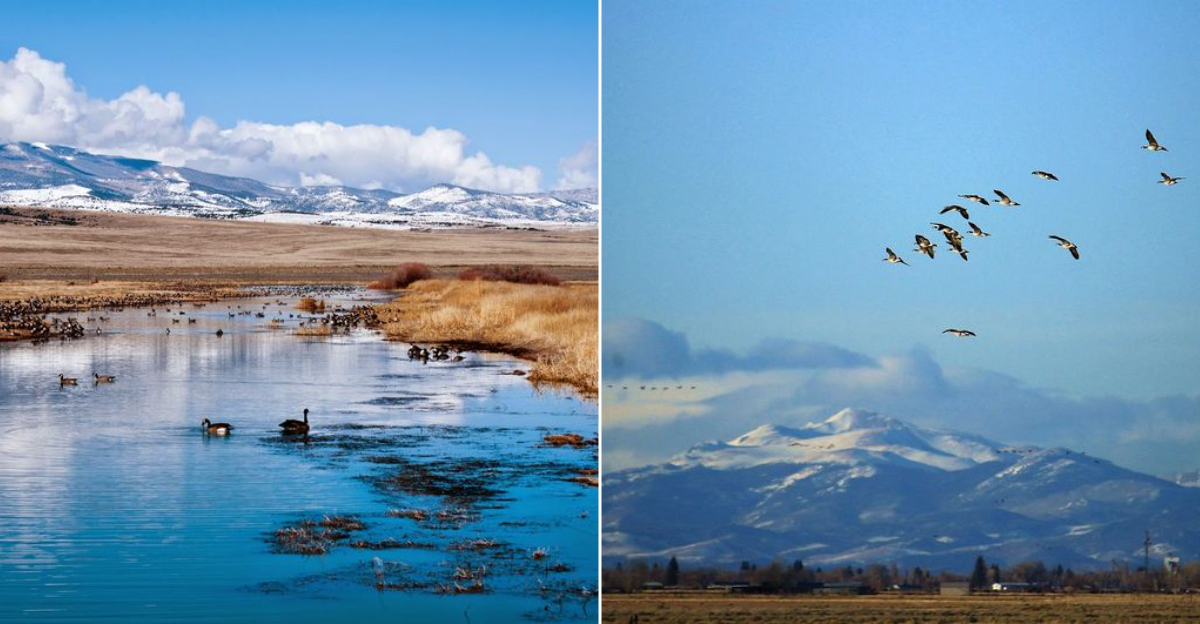
Some wildlife trips feel less like sightseeing and more like arriving at the exact moment the planet decides to show off. In southern Colorado, wide wetlands, farm fields, and endless sky become a seasonal stage for thousands of sandhill cranes moving with loud, graceful, prehistoric confidence.
It is the kind of scene that makes everyone lower their voice, not because anyone told them to, but because the air suddenly feels important. One minute you are looking across quiet open land.
The next, the sky is alive with long wings, rattling calls, and silhouettes that look almost too ancient to be real. How this place remains so under-the-radar is honestly part of the magic.
You get the drama of a major wildlife spectacle without the feeling of being herded through a tourist machine. Bring patience, warm layers, and a fully charged camera, because Colorado’s southern valley knows how to make migration feel unforgettable.
What Monte Vista National Wildlife Refuge Actually Is
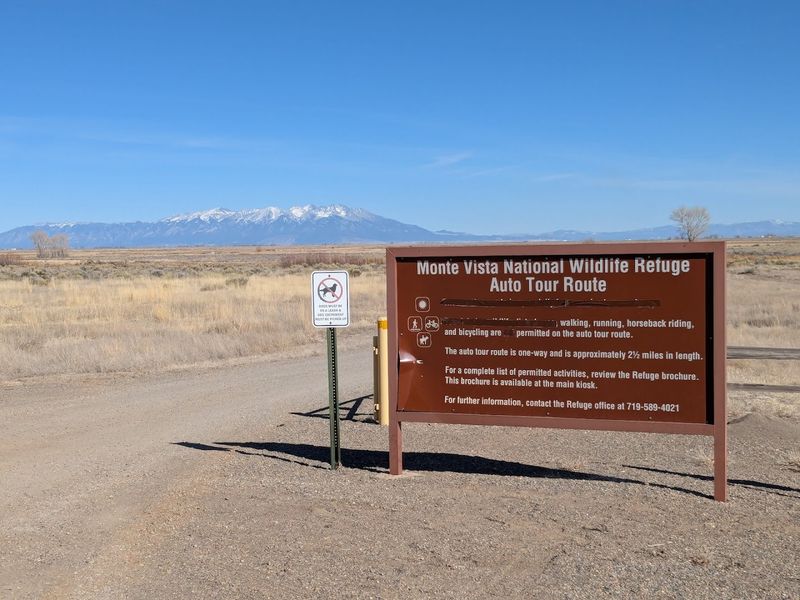
Not every wildlife refuge earns a reputation that makes people drive three hours on a weekday morning without complaint. This place, located at 6120 South Highway 15 in Monte Vista, Colorado, covers nearly 15,000 acres of managed wetlands, grain fields, and open grasslands in the heart of the San Luis Valley.
The U.S. Fish and Wildlife Service operates the refuge, which serves as a critical stopover habitat for migratory birds traveling the Central Flyway.
That is a fancy way of saying birds have been using this corridor for thousands of years, and the refuge helps keep that tradition alive by farming grain specifically to feed the migrating cranes.
Why It Matters: This is not a manicured nature park with paved paths and gift shops. It is a working wildlife habitat with gravel loop roads, marked pullouts, short wetland trails, and viewing areas designed to let you observe without disturbing the animals.
Portable toilets are available at viewing stations. The refuge is open to visitors one hour before sunrise and closes one hour after sunset, giving early risers a genuine advantage.
Best For: Birdwatchers, wildlife photographers, families with curious kids, and anyone who wants a genuinely wild Colorado experience without paying a park entrance fee.
The Sandhill Crane Migration: Why People Keep Coming Back
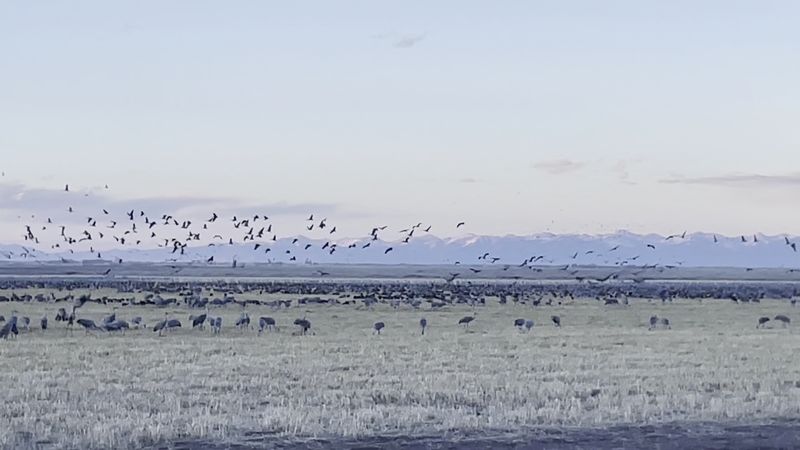
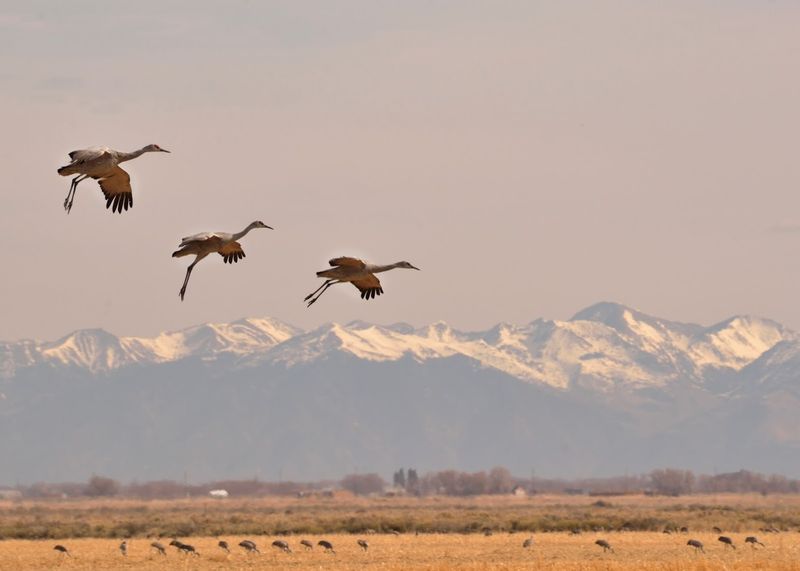
Picture thousands of large, grey birds with red-capped heads lifting off a marsh in waves at sunrise, their calls filling the air with a sound that is part bugle, part rolling thunder. That is not a nature documentary.
That is a Tuesday morning at Monte Vista during peak migration season.
Sandhill cranes are among the oldest living bird species on Earth, and their annual migration through the San Luis Valley is one of Colorado’s most remarkable natural events. The refuge farms provide grain specifically to fuel these birds during their journey, effectively creating what one visitor memorably called the biggest bird feeder known to mankind.
Quick Tip: Timing is everything. The peak migration window typically falls in early to mid-March, when crane numbers can swell to around 20,000 birds concentrated in and around the refuge.
Arriving outside that window may still reward you with cranes, but the density drops significantly. Check the refuge website at fws.gov/refuge/monte-vista or call (719) 589-4021 before making the drive.
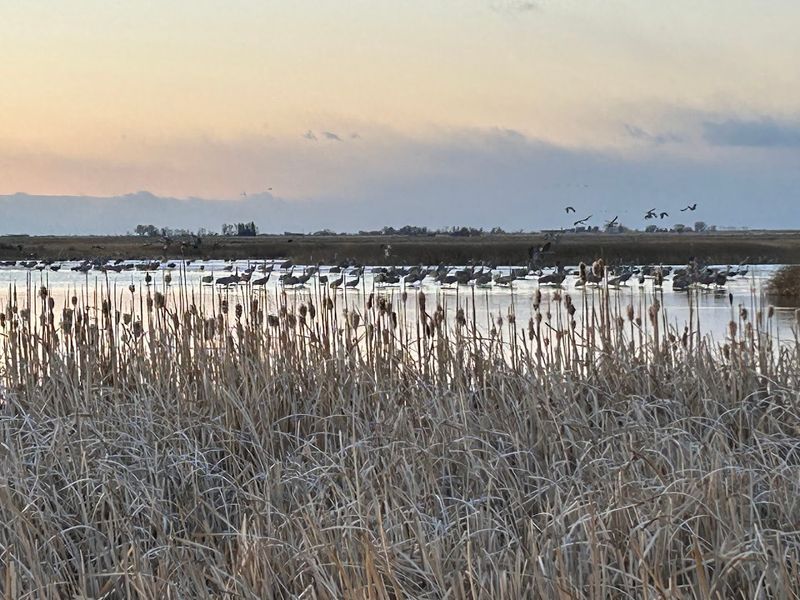
Insider Tip: Early morning and late afternoon are when crane activity peaks. Soft light, birds lifting off in waves, and mountain backdrops make those hours the clear winner for photographers and casual observers alike.
Getting There Without Getting Lost
Here is something the refuge experience teaches almost every first-time visitor: Google Maps is not your friend on this particular trip. Multiple visitors have reported being routed into random farmland or the middle of the preserve rather than the actual visitor center and parking areas.
One person spent over thirty minutes circling gravel roads before finding the entrance. Another drove three hours and ended up in the wrong field entirely.
The correct approach is straightforward once you know it. Drive into the town of Monte Vista, then head south on State Highway 15.
The official refuge entrance is approximately six miles south of town on the left side of the road. Signs become clearer once you are on the right path, and the marked parking and viewing areas are well-maintained during migration season.
Planning Advice: Save the refuge website address before you leave cell range. The San Luis Valley has stretches where signal disappears entirely, and offline maps can save a significant amount of frustration.
The refuge phone number is (719) 589-4021 if you need real-time guidance.
Common Mistakes to Avoid: Do not rely solely on a default GPS route. Enter the highway and town name manually, and confirm the entrance location in advance.
A little homework here pays off immediately upon arrival.
What You Will See Beyond the Cranes
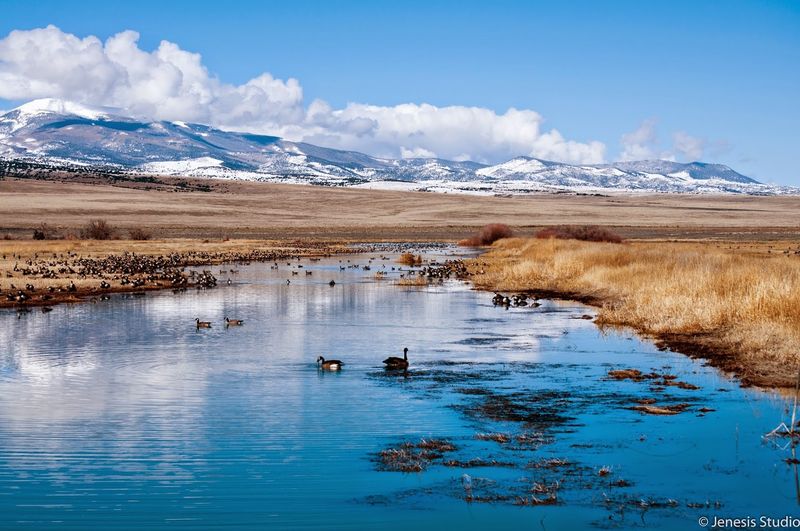
Sandhill cranes get all the headlines, and honestly, they deserve them. But the refuge has a full supporting cast that makes any visit worthwhile, even when crane numbers are lower than expected or the season is off-peak.
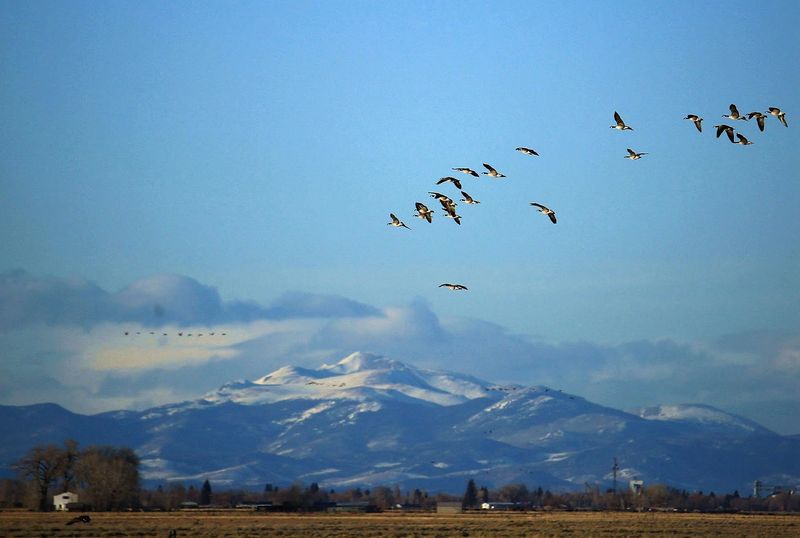
Visitors regularly spot red-winged blackbirds, Canada geese, various duck species, and waterfowl of all descriptions moving through the wetlands. Great horned owls have been sighted perched quietly near the loop road.
Woodpeckers show up in the surrounding vegetation. During certain seasons, elk also pass through the area, adding a completely different scale of wildlife to the experience.
The landscape itself carries its own weight. Wide-open wetlands frame views of the Sangre de Cristo Mountains to the east, a range that rises dramatically above the valley floor.
Late-day golden light reflects across the marsh surface in a way that makes even a phone camera look talented.
Who This Is For: Anyone who enjoys wildlife observation, nature photography, or simply being in open space without crowds. The refuge rewards patience regardless of what is migrating through.
Who This Is Not For: Visitors expecting interpretive ranger programs on every trail or a heavily staffed visitor experience. This is a quieter, more self-guided environment that suits independent explorers well.
How the Refuge Is Set Up for Visitors
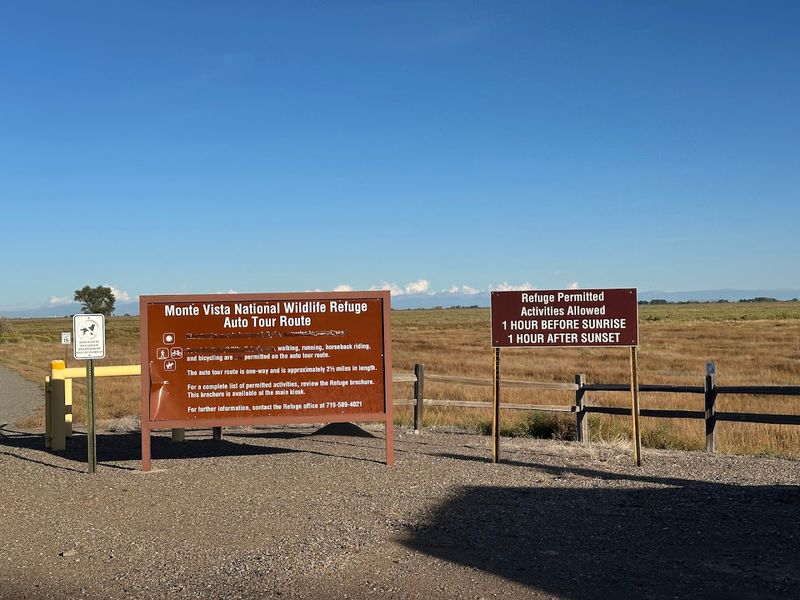
The refuge is thoughtfully designed for people who want to actually see wildlife rather than just walk past habitat and hope for the best. A gravel loop road winds through the property with clearly marked pullouts where you can stop, roll down a window, and watch without leaving your vehicle.
That matters more than it sounds when you realize that staying in your car often keeps birds calmer and closer.
Short trails lead into the wetlands from several access points, giving walkers a chance to get slightly off the road and into the habitat. During migration season, well-maintained parking lots with designated viewing areas fill up during peak hours, so arriving early is genuinely rewarded.
Portable toilets are positioned at the main viewing stations, which is a small but meaningful logistical detail for anyone planning a longer visit.
Pro Tip: The east side viewing areas reportedly position you closer to where cranes tend to congregate. If the main lot looks crowded or birds seem distant, try waiting.
Cranes move around and regroup throughout the morning, so a quiet patch can become the center of the action within minutes.
Best Strategy: Arrive at or before sunrise, claim a pullout on the east side of the loop, and let the birds come to you. Binoculars are strongly recommended.
Making a Full Day Out of the San Luis Valley Stop
The refuge sits about six miles south of the town of Monte Vista, which means the outing pairs naturally with a quick stop in town before or after your wildlife visit. Monte Vista has the kind of compact downtown that rewards a short walk, particularly if you want coffee before heading out to stand in a field at sunrise watching birds organize themselves into the sky.
The San Luis Valley itself is worth treating as a destination rather than just a corridor. The area sits at high elevation, meaning weather can shift quickly and temperatures drop faster than expected, especially on early March mornings when crane activity peaks.
Layers are not optional here. Wind is a regular feature of the valley, and visitors have noted it can get genuinely fierce at the viewing stations.
Mid-Trip Reminder: If you are planning to visit Great Sand Dunes National Park, which sits roughly an hour east of Monte Vista, the refuge makes an excellent pre-dawn warm-up before a full day in the dunes. The two experiences together create a genuinely memorable Colorado weekend.
Quick Tip: Pack snacks and water. The refuge has no concessions, and the viewing areas are remote enough that a round trip into town mid-visit costs you time and momentum.
Come prepared and stay as long as the birds cooperate.
The Bottom Line on Monte Vista National Wildlife Refuge
Some places earn their reputation through marketing. Monte Vista National Wildlife Refuge earns its through sheer, unscripted spectacle.
Nearly 15,000 acres of carefully managed habitat, a migration event that draws tens of thousands of sandhill cranes each spring, mountain views that make every photograph look composed, and an entrance fee of exactly nothing. That is a genuinely hard combination to argue with.
The refuge holds a strong rating across hundreds of visitor accounts, and the recurring theme is simple: people who time their visit correctly leave stunned. People who visit off-peak still leave glad they came.
The wildlife, the open space, and the scale of the San Luis Valley landscape make even a quiet day feel worthwhile.
Use Highway 15 south of Monte Vista, confirm the entrance location before you lose cell signal, bring binoculars, dress in layers, and aim for early morning. Call (719) 589-4021 or visit fws.gov/refuge/monte-vista to check current crane activity before making the drive.
Quick Verdict: This is the kind of place a well-traveled friend texts you about with a single line: go in March, go early, and do not trust your GPS. That friend is right.
Monte Vista National Wildlife Refuge is the rare Colorado experience that delivers exactly what it promises, and then adds a sky full of cranes just to make sure you remember it.