
This Under-The-Radar Florida Refuge Might Be The Best Place To See Key Deer In The Wild
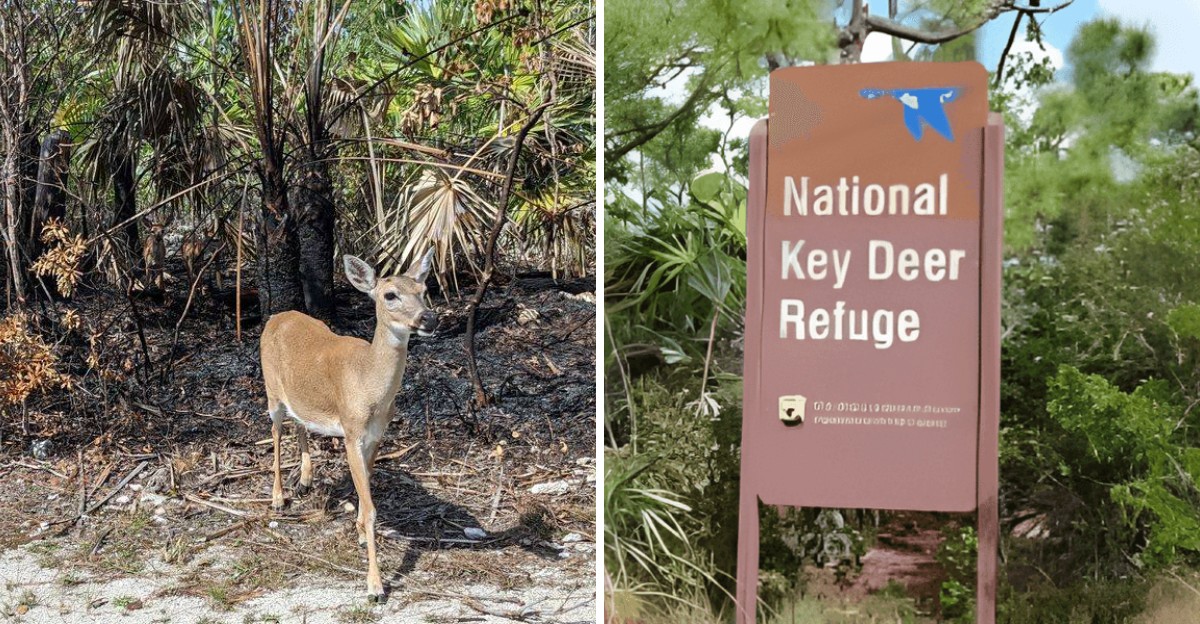
Was that a deer beside the road, or did someone’s long-legged dog escape into the Florida Keys?
On Big Pine Key, the answer may stop traffic. Tiny Key deer wander through pine forests, wetlands, and quiet roadside clearings with the calm confidence of locals who know the island belongs to them.
They may look delicate, but their survival story is much bigger than their size.
How can one of America’s rarest animals live so close to a highway packed with travelers?
That surprising contrast makes this Florida refuge unforgettable. Thousands of protected acres give these miniature deer room to roam while offering visitors a glimpse of the wild side of the Keys.
Yet many people rush toward Key West without realizing what waits just beyond the road.
Slow down, watch carefully, and admire them from a respectful distance. This peaceful Florida sanctuary proves the smallest detour can deliver the biggest surprise, especially when the welcoming committee has hooves.
A Tiny Nature Center With A Giant Mission
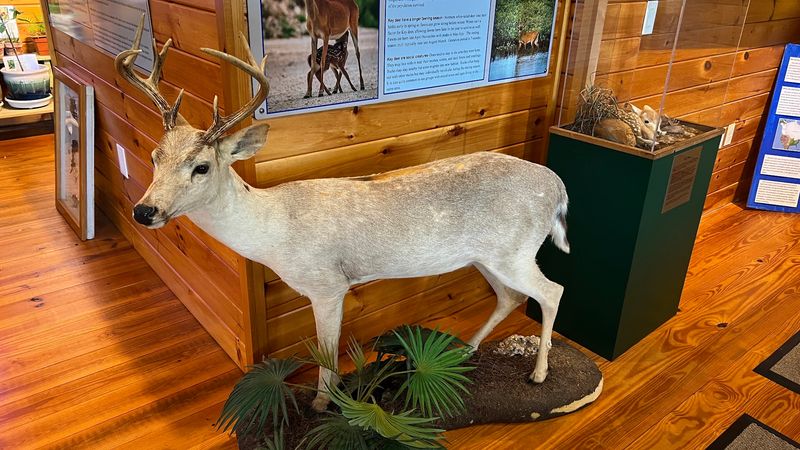
Right off the Overseas Highway sits a modest little visitor center that packs a serious punch. It might look small from the parking lot, but inside you will find a treasure chest of information about Key deer and the wild creatures that share their island home.
The staff here truly make the place shine. Rangers and volunteers greet visitors warmly, sharing stories about the deer herd and pointing out exactly where you might spot one that day.
Many guests leave amazed at how much personal attention they receive.
Kids get a kick out of the hands-on displays, including a famous board all about different animal droppings that always sparks giggles. There is even a section where little ones can touch things and learn through play.
Clean restrooms and a small gift shop with fair prices round out the experience. Best of all, the center serves as the hub for four wildlife refuges in the Keys, so you can gather tips for Key West, Crocodile Lake, and Great White Heron refuges too.
It is a friendly, welcoming first stop before your wildlife hunt begins.
Home To The Smallest Deer In North America
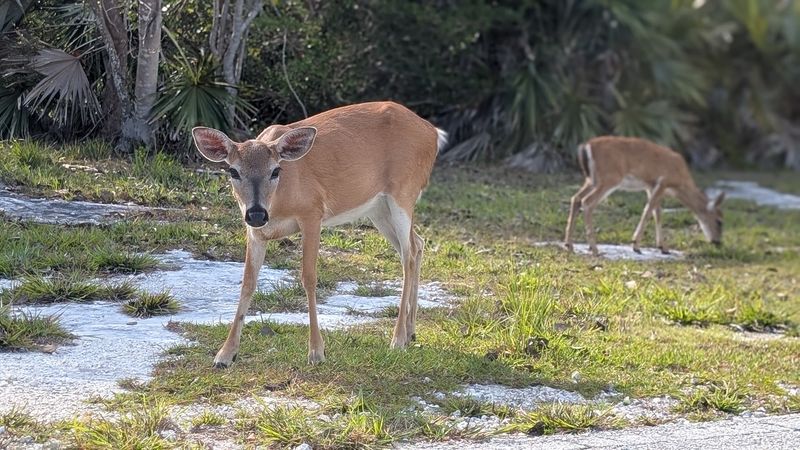
The star of this refuge is a creature so small it surprises almost everyone who sees it. Key deer stand only about two to three feet tall, roughly the size of a large dog, which makes them the tiniest deer in North America.
These little animals are a subspecies of the white-tailed deer, and they live only in the Florida Keys. Nowhere else on Earth will you find them roaming free.
That fact alone makes a sighting feel extra special.
Visitors often describe their first encounter with wide-eyed wonder. One family watched a deer wander right into the parking lot, calm and unafraid, munching on plants like it owned the place.
Because they are so small and gentle, watching them feels almost magical. They move quietly through yards and along roadsides, blending into their surroundings until you spot those big curious ears.
Seeing one in person helps you understand why so many people fight to protect them. They are living proof that some of the most remarkable animals come in the smallest packages, and this refuge is the only place to meet them in the wild.
A Sprawling 9,200-Acre Wild Playground
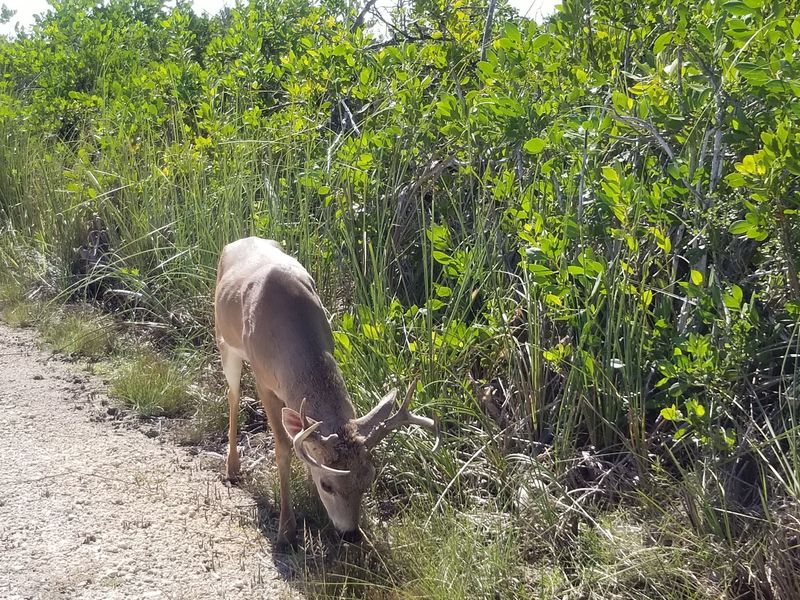
Do not let the small nature center fool you. The refuge itself stretches across a massive 9,200 acres, covering much of Big Pine Key and spilling onto nearby islands too.
This huge protected space gives the deer and other animals room to thrive. Pine forests, freshwater ponds, salty marshes, and mangrove edges all weave together to create a patchwork of habitats bursting with life.
What makes it unusual is how the wild land mixes with neighborhoods. You will find quiet trails just minutes from streets where houses sit tucked among the trees.
Deer wander freely between both worlds.
The size means you could spend hours exploring without seeing the same view twice. Birds flit through the marshes, fish dart in the ponds, and the whole place hums with a peaceful, natural energy.
Because the refuge is so spread out, driving is part of the adventure. You cruise slowly along roads that cut through the wilderness, scanning the brush for movement.
Every turn holds the promise of a new discovery, whether it is a grazing deer, a soaring hawk, or a sunning alligator near the water.
The Blue Hole: A Surprise Freshwater Gem
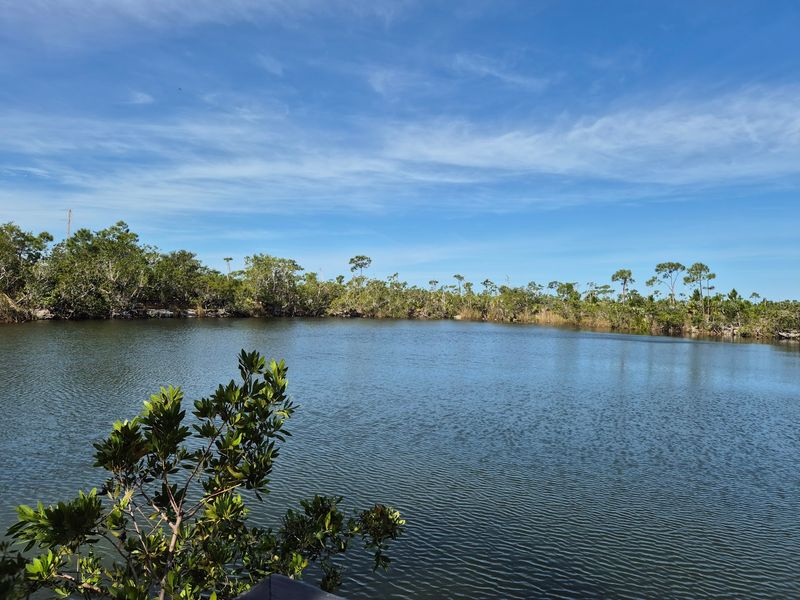
Tucked about a mile from the visitor center lies one of the refuge’s most beloved spots, the Blue Hole. Once an old rock quarry, this abandoned pit filled with fresh water and became a thriving little ecosystem.
Freshwater is rare in the Keys, so this pond draws all kinds of wildlife looking for a drink. Deer sip along the edges, birds wade in the shallows, and turtles bob at the surface.
The real crowd-pleaser here is the alligators. Visitors regularly spot these reptiles sunning themselves or gliding silently through the water.
One traveler even described watching an eight-foot gator hunting for a meal, a thrilling sight from the safe viewing area.
A short trail with a viewing platform lets you take it all in without disturbing the animals. It is easy to walk and perfect for families or anyone who wants a quick nature fix.
Seeing deer, gators, and birds all in one peaceful spot feels almost too good to be true. The Blue Hole proves that some of nature’s best surprises come from the most unexpected places, like a forgotten quarry turned wildlife oasis.
Rangers Who Point You Straight To The Deer
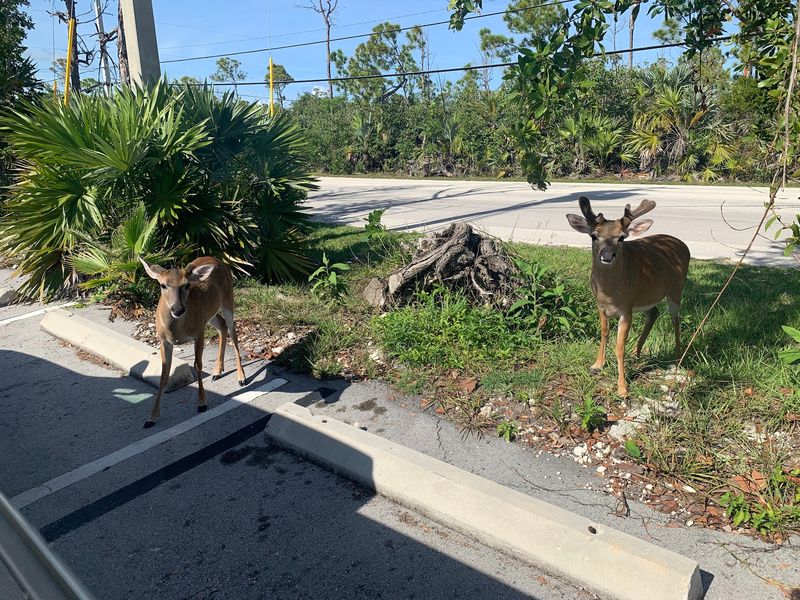
If there is one thing visitors rave about, it is the incredible staff. The rangers and volunteers here do more than answer questions, they practically hand you a treasure map to the deer.
Time after time, guests share the same happy story. They walk in unsure of where to look, chat with a friendly ranger, follow the suggested route, and spot deer within minutes.
It happens so often it feels like a guarantee.
One visitor was told to try No Name Key and ended up seeing a deer standing right in the middle of a wildlife-friendly street. Another followed a volunteer’s tips and found three grazing beside the road.
The staff also share fascinating stories about the herd’s history and the challenges the deer face. Their passion is contagious, and it turns a simple stop into a memorable lesson.
Even near closing time, workers have taken extra minutes to walk families through the best viewing spots. That kind of care leaves a lasting impression.
So before you head off searching, chat with these folks. Their local knowledge is honestly your best tool for a successful deer-spotting mission.
No Name Key: The Deer-Spotting Hotspot
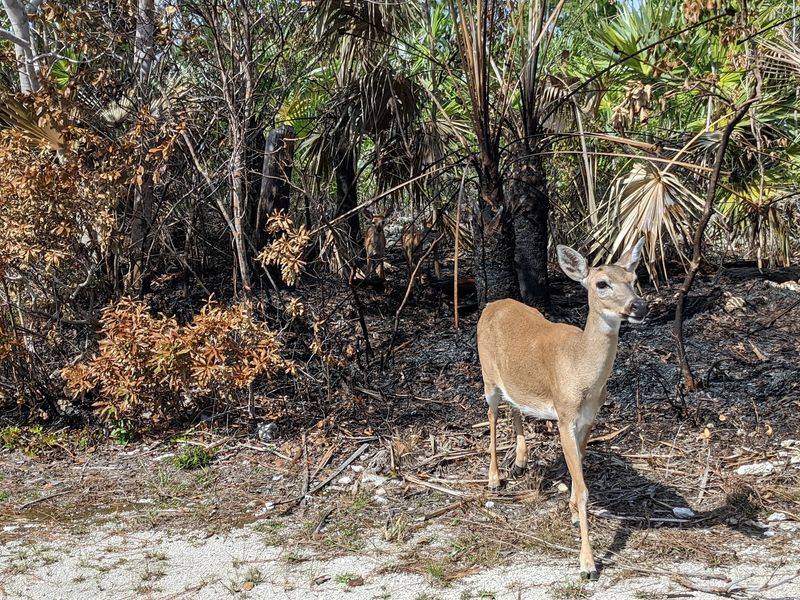
Ask any ranger where to see the most deer, and one answer comes up again and again: No Name Key. This quiet island next door has become the go-to spot for reliable sightings.
The deer gather near homes here, especially where kind residents leave buckets of fresh water out for them. Drive slowly through these peaceful neighborhoods and you will likely see several deer grazing right in the yards.
One lucky visitor counted eight deer plus a tiny fawn stepping out of the bushes for a drink. Moments like that stick with you long after the trip ends.
The road to No Name Key runs down Key Deer Boulevard, winding through areas where wild land meets homes. The deer treat both spaces as their own, wandering freely between forest and front lawn.
Remember to keep your speed low and your eyes sharp. These little animals can dart into the road without warning, and cars are their biggest danger.
Driving carefully keeps them safe and gives you more time to enjoy watching them. For the best chance at a magical encounter, No Name Key rarely disappoints.
Peaceful Trails Made For Easy Wandering
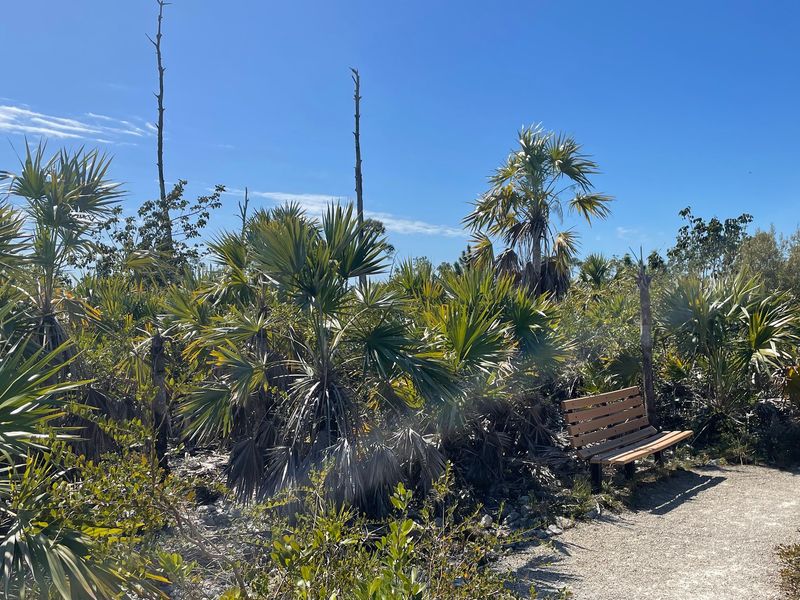
Beyond the roadside sightings, the refuge offers a couple of short, well-kept hiking trails that let you slow down and soak up the wild. They are gentle enough for most walkers and packed with things to see.
Near the Blue Hole, a trail leads through pretty scenery where deer, birds, and even gators make appearances. A little farther along, two more paths invite you to stretch your legs among the pines and marshes.
One favorite runs off Long Beach Road, tracing the water’s edge. Here you will find quiet marshes alive with birds and calm views that make you forget the busy highway nearby.
Visitors love how peaceful and clean these trails feel. You can walk both main areas in under an hour, making them perfect for a quick nature break during a Keys road trip.
The paths are flat and easy to follow, though a few older trails at the ends of roads can get overgrown, so watch your step there. Bring water and take your time.
These trails reward slow, quiet explorers with the best chances of spotting shy wildlife up close.
A Federal Refuge That Costs You Nothing
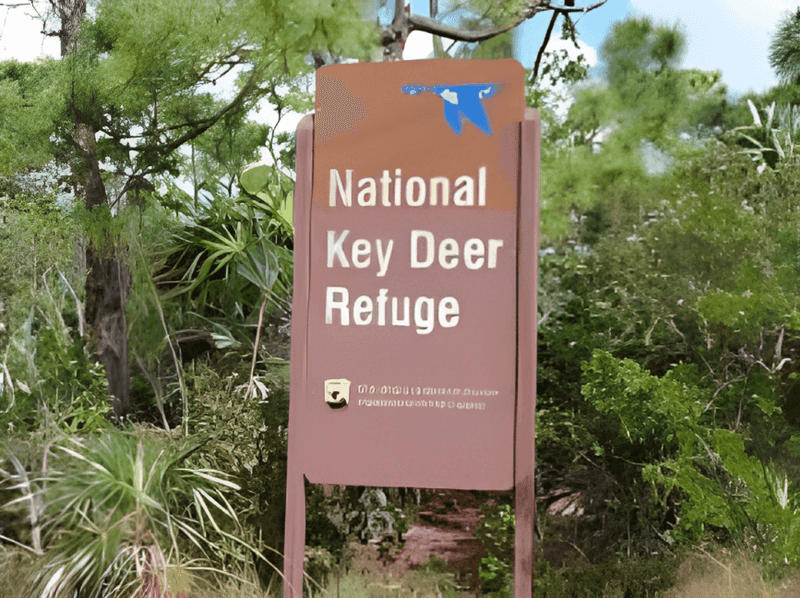
Here is some welcome news for travelers watching their wallets: visiting this refuge is completely free. Funded by the federal government, it opens its doors to animal lovers without charging a single dollar.
That means you can explore the nature center, walk the trails, and drive the wildlife roads at no cost. In a world where attractions often come with hefty price tags, this feels like a genuine gift.
The refuge exists to protect endangered species, not to make money, so every visit supports a worthy cause simply by raising awareness. You get an unforgettable wildlife experience while helping shine a light on conservation.
Even the small gift shop keeps things affordable, with reasonable prices that visitors happily praise. It is a nice spot to grab a souvenir and support the refuge’s work.
Free access also means you can stop by spontaneously without planning around ticket costs. Passing through on your way to Key West?
Pull over and enjoy. Few places let you see such rare animals in their natural home without spending anything.
That value, paired with the beauty and wonder here, makes it one of the smartest stops in the Keys.
Best Times To Catch The Deer In Action
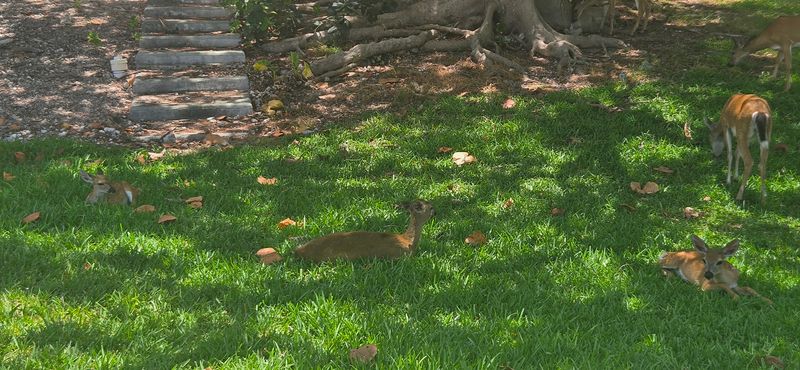
Timing can make or break your deer-spotting adventure, and the locals have this figured out. Key deer are most active during the cooler parts of the day, so dawn and dusk are your golden hours.
When the sun sits low and the air feels cool, the deer come out to graze and drink. One visitor swung by at dusk and spotted several deer after seeing just one earlier in the day.
Midday heat sends them deep into the shady brush, where they hide until things cool down again. So if you visit during the hot afternoon, do not be discouraged if the roads seem empty.
Early morning offers the same magic as evening, with soft light and cooler temperatures drawing the deer into the open. Plan your drive around these windows for the best luck.
Keep in mind the visitor center itself has limited hours, open Wednesday through Saturday from 10 AM to 3 PM, and closed Sunday through Tuesday. Hours can shift by season, so it is smart to call ahead.
Even when the center is closed, the roads and trails stay open for your dawn or dusk deer hunt.
What To Know Before You Go
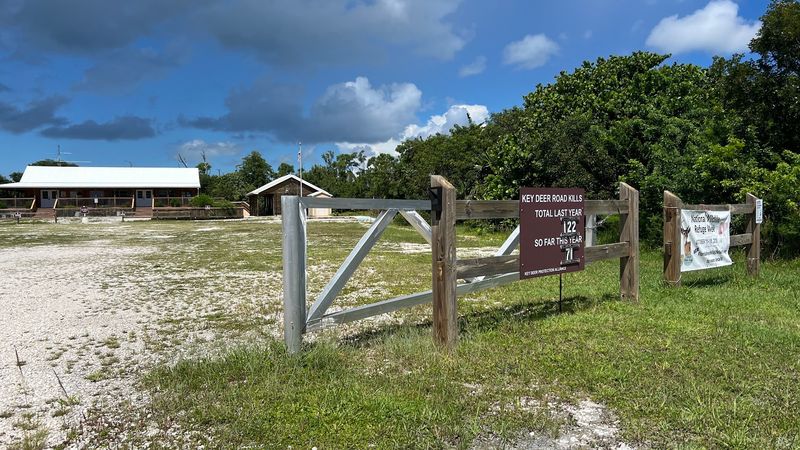
A little preparation goes a long way at this refuge, and a few insider tips will make your visit smoother. First and most important: drive slowly.
Deer wander onto roads unexpectedly, and cars are their greatest threat.
Pack bug spray. The marshes and ponds attract mosquitoes, and more than one visitor learned the hard way that the bugs can be pesky, especially near the water.
Plan for driving as part of the experience. The visitor center sits about a mile from the main viewing areas like the Blue Hole, so you will hop in your car to reach the best deer spots.
Parking is plentiful and easy at the nature center, with clean restrooms available too. That makes it a comfortable base before you set off exploring.
Bring your camera and a sense of patience. Sightings are common but never guaranteed, so relax and enjoy the peaceful scenery either way.
Set your expectations right, since you will be cruising public streets to find deer rather than viewing them in a zoo-like setting.
With slow driving, bug protection, and good timing, you set yourself up for a wonderful, safe visit to one of Florida’s true hidden gems.