
This Under-The-Radar Michigan Museum Will Win Over Firefighting Fans Of All Ages
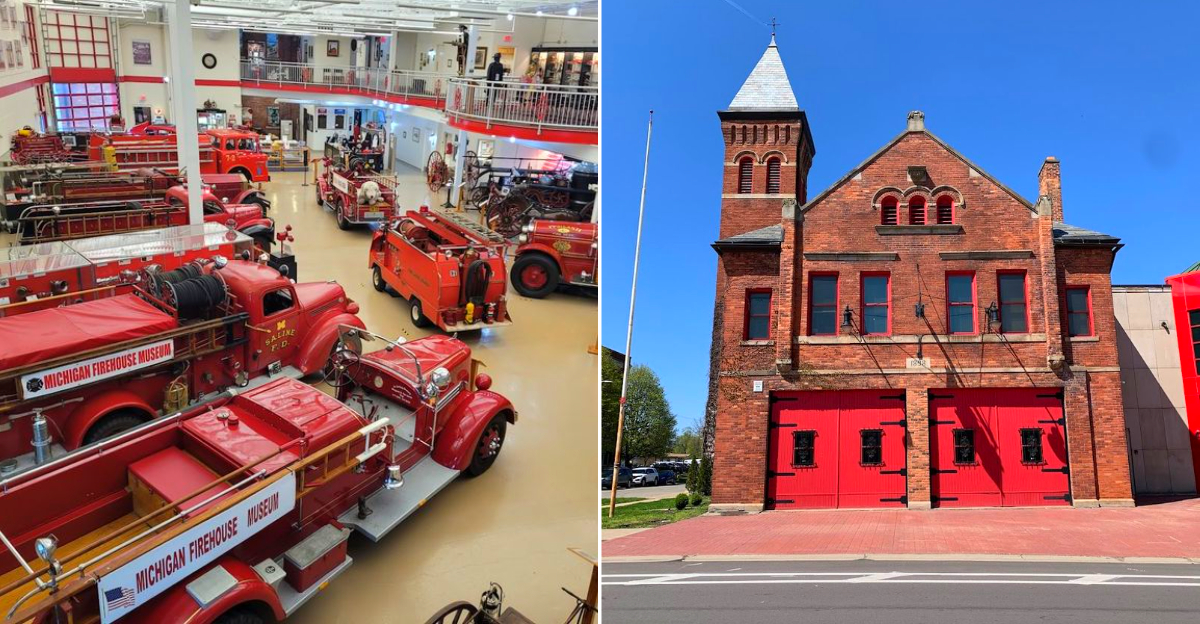
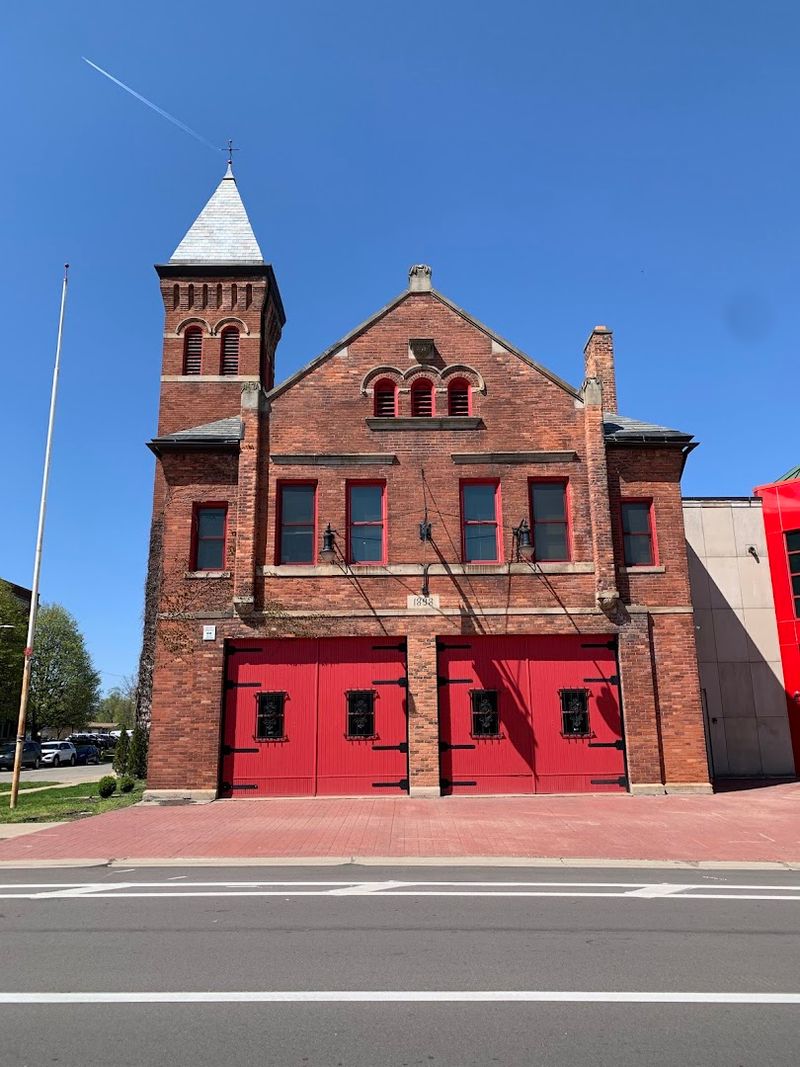
Forget the typical velvet-rope museum snooze-fest where history feels mummified. This 1898 engine house smells like oil, cold brass, and the lingering phantom of woodsmoke, pulling you into a vertical labyrinth where three floors of sheer mechanical muscle stare you down.
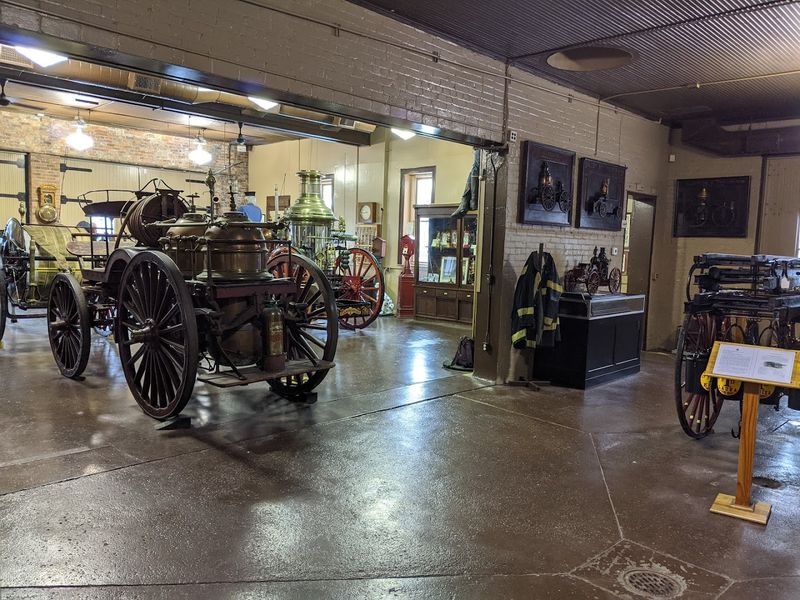
Watching a Victorian-era steam pumper occupy the same oxygen as a modern ladder truck is a jarring, beautiful reminder that saving a city used to involve literal horsepower and nerves of absolute steel.
This historic Michigan firehouse and vintage engine museum in Ypsilanti offers a destination for antique apparatus exhibits and interactive safety education.
I have a stubborn conviction that you haven’t actually felt the pulse of this town until you’ve stood next to a sliding pole that’s seen a century of frantic boots.
The interpretive panels are the jagged, human connective tissue between a clanging brass gong and a community that refuses to let its bravery go quiet.
The Brass Pole Drop
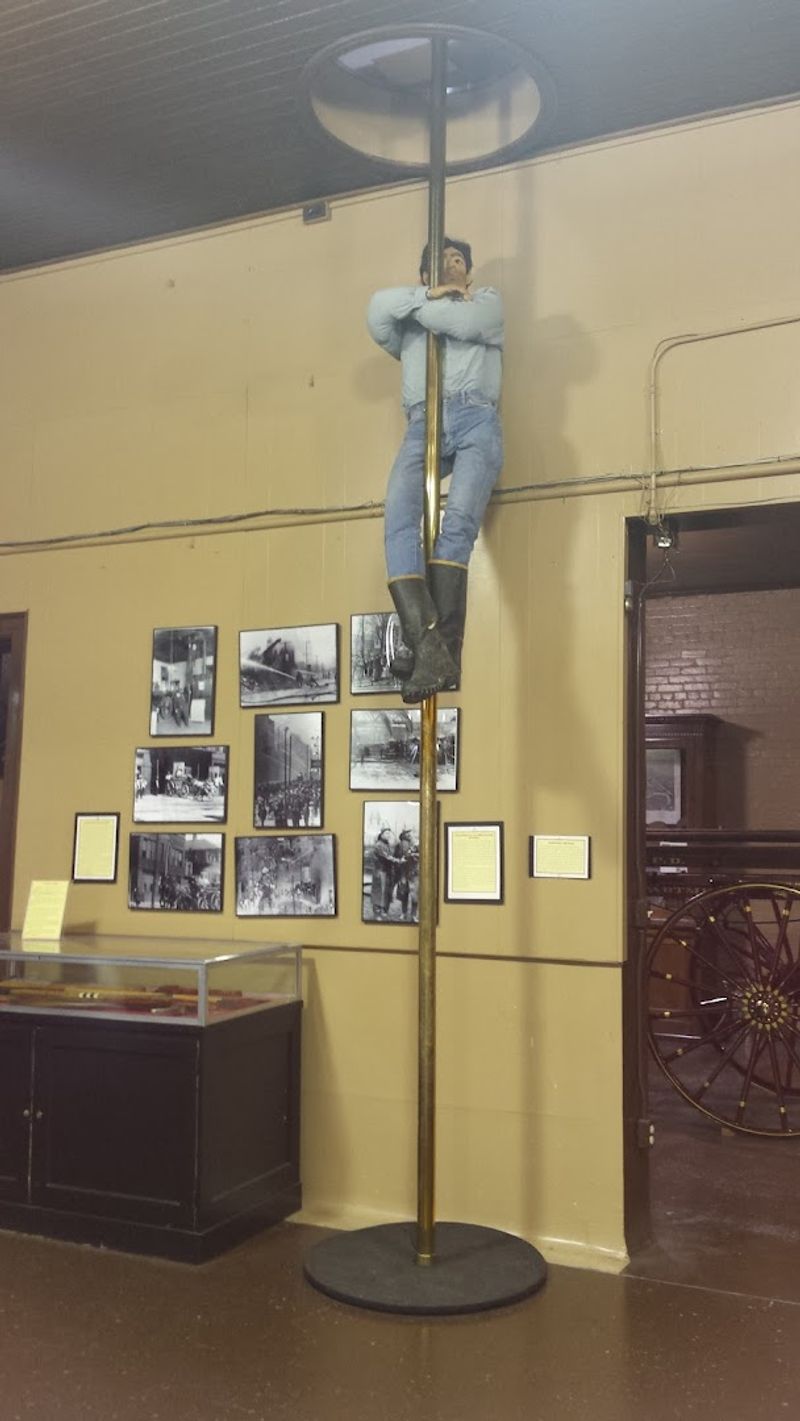
First thing you notice is the pole slicing through the ceiling, polished by a century of boots. The room hums with kid energy and cautious adults, everyone eyeing that vertical shortcut. Light from Cross Street windows lands on the metal like a spotlight, and you sense muscle memory lingering in the room.
Built in 1898, the firehouse kept crews above the apparatus, and the pole turned seconds into reassurance for neighbors. Photos nearby show mustached firefighters who likely slid without ceremony, just urgency.
You will not slide here, but standing beside it is oddly stirring, a reminder that speed and readiness begin as habits. Kids point upward, and adults glance down, both measuring the distance between duty and gravity today.
Vintage Valor In Ypsilanti
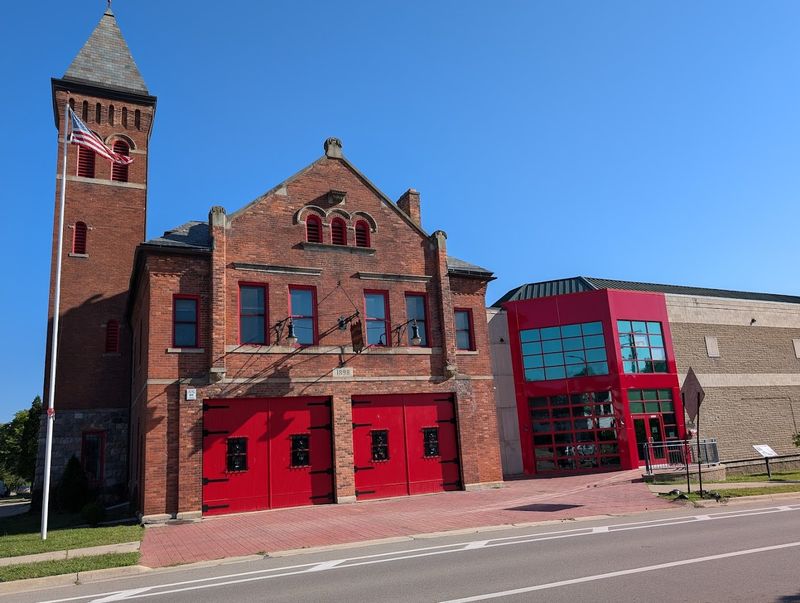
riving into the historic Depot Town neighborhood of Ypsilanti brings you to a corner where the evolution of fire suppression is preserved in stunning detail. The journey through this riverside district offers a scenic transition into a pocket of the city defined by 19th-century brick architecture.
The route leads directly to the Michigan Firehouse Museum at 110 W Cross St, Ypsilanti, MI 48197, where a restored 1898 firehouse serves as the centerpiece of the collection.
Once you arrive at the address, you can explore several floors of history that document the technological shifts of the fire service. The vibe is educational and reverent, providing a premier destination to see a massive collection of fire trucks and original living quarters in a setting that remains a point of immense local pride.
Sirens, Gongs, And Alarms
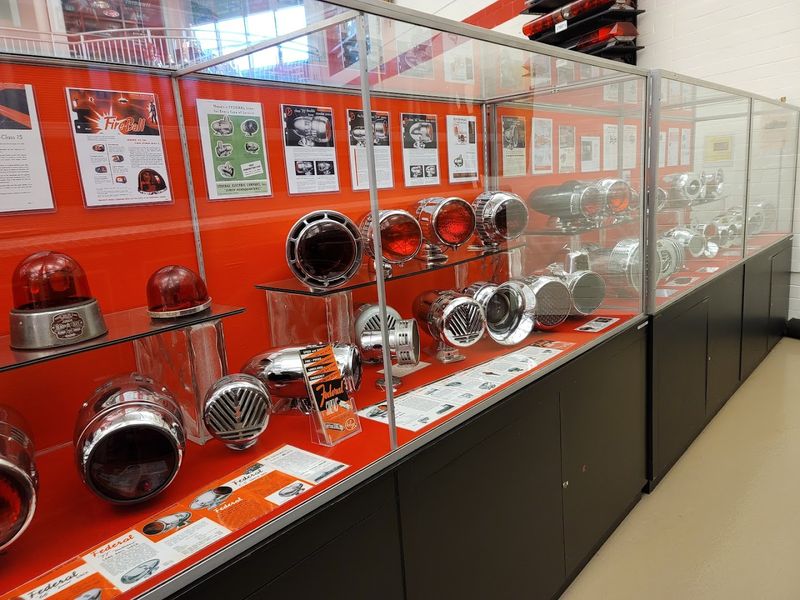
A low metallic thrum rolls from the big alarm gong when staff give it a careful strike. The sound is rounder than expected, less panic, more urgent heartbeat. People grin reflexively, like a secret just traveled through their ribcages.
Interactive displays explain how alerts moved from bells and telegraph to radios and digital paging. Try the demonstration pieces, then notice nearby signage demystifying signal codes without talking down. If noise is tricky for you or your kids, bring ear protection and visit early in the afternoon opening window.
Staff are happy to modulate volume for demonstrations, and a heads up at front desk makes experience feel tailored, keeping curiosity while respecting sensory limits for everyone moving through space that day.
Steam Power And Horse Teams
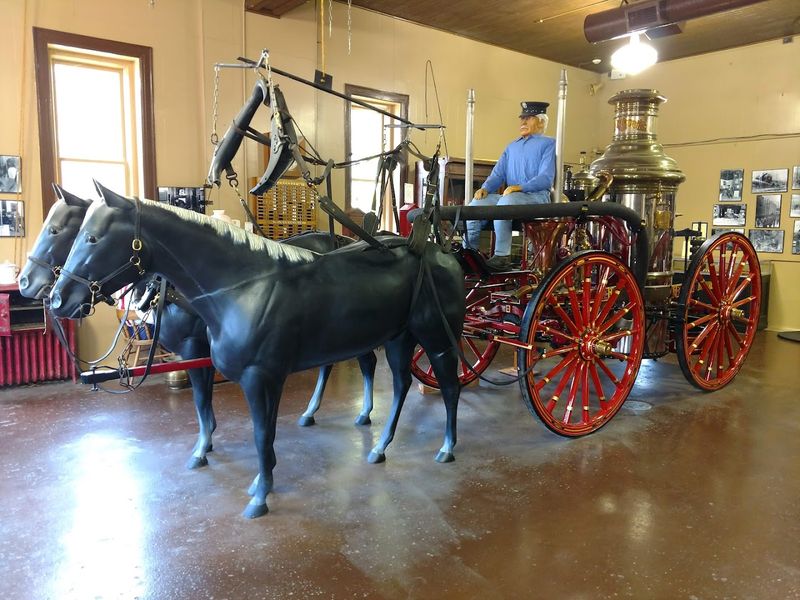
The restored steam pumper sits like a brass locomotive on spoked wheels, every pipe and valve purposeful. You can almost smell coal heat when you read the placard describing startup times. Leather harness traces hang nearby, quiet stand-ins for muscle and teamwork.
Docents explain how crews balanced water sources, draft, and street conditions, then point to photographs of horses mid-stride. Picture the driver timing corners to keep the boiler calm.
For kids and gearheads, this gallery rewards patience, so linger, ask about maintenance cycles, and watch the mechanisms reveal their logic. If mobility is a concern, the display lines are wide, and benches invite short rests between reading and looking. Take photos from the side to catch lettering in light.
Bells Biggest And Brightest
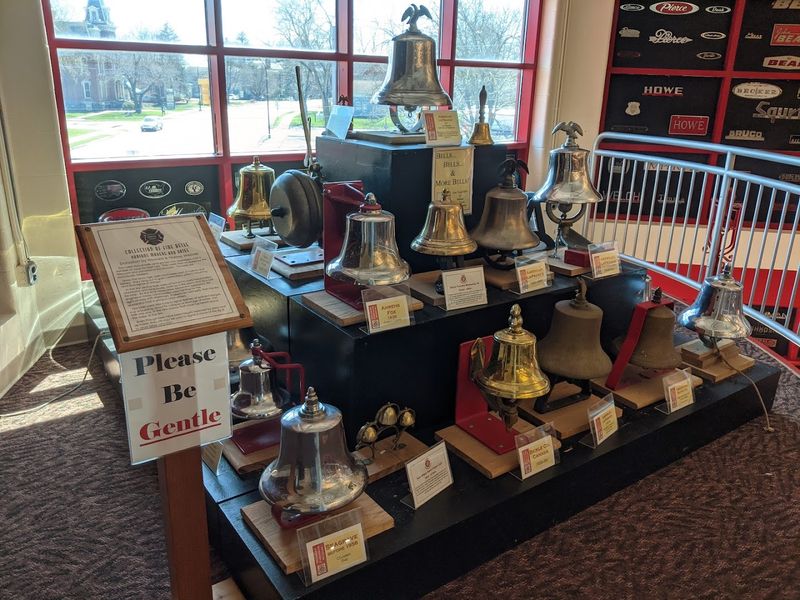
A wall of fire truck bells lines the gallery, domes gleaming like a choir poised to exhale. Each bell carries its own tone, and the signage traces makers, metals, and years. The superlative here is real, the largest collection in the country assembled with care.
Listen for tiny differences when demonstrations happen, or compare photographs of bell mounts across decades. The effect is unexpectedly contemplative, machines interrupted by moments of music.
If you love details, bring a small notebook to jot found names and dates, then hunt them across the mezzanine labels later. Photography works well here because reflections dance; step slightly aside to avoid glare and you will capture crisp letters and mirror-bright curves without frustration on most days.
Living Quarters Upstairs
Up a short flight, the restored bunk area and kitchen feel paused mid-shift, linens tight and mugs aligned. Sun sneaks through narrow windows and lands on simple wood, turning utilitarian into tender. You catch the quiet thud of footsteps from below and imagine sleep interrupted.
Labels describe routines that folded neatly around alarms, from meal prep to gear checks. A display of uniforms shows use, not costume, and that honesty reads clearly. Consider talking here in low voices, letting kids ask questions about teamwork, and take a minute to notice the humble wall clock. It ticks steadily over the room, a small soundtrack that frames bravery as repetition, making courage feel wonderfully practical at every hour of an ordinary day.
Trucks You Can Climb
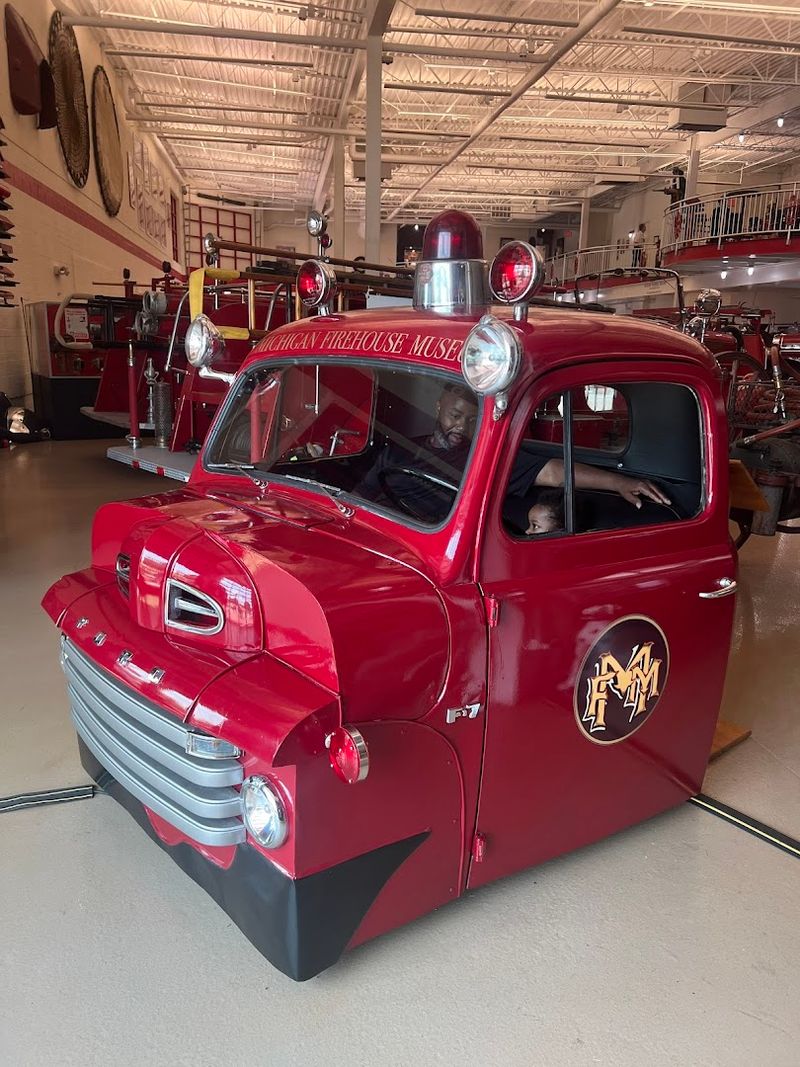
Downstairs, a couple of apparatus invite careful climbing, with steps posted and clear permission signs. Kids light up, but adults smile just as wide when hands find big grab bars. The cabs smell faintly of grease and dust, like a workshop that never entirely sleeps.
Staff remind visitors to move slowly and watch small feet, which makes the fun feel intentional rather than chaotic. Photos become keepsakes because the lighting is even and the colors pop.
I stood back, watched confidence bloom on the running board, and felt grateful for safe adventure done right. Bring wipes for little hands, plus patience, and you will leave with bright faces and stories replayed all the way home, even after nap-time yawns fade.
Kid Zones And Quiet Perks
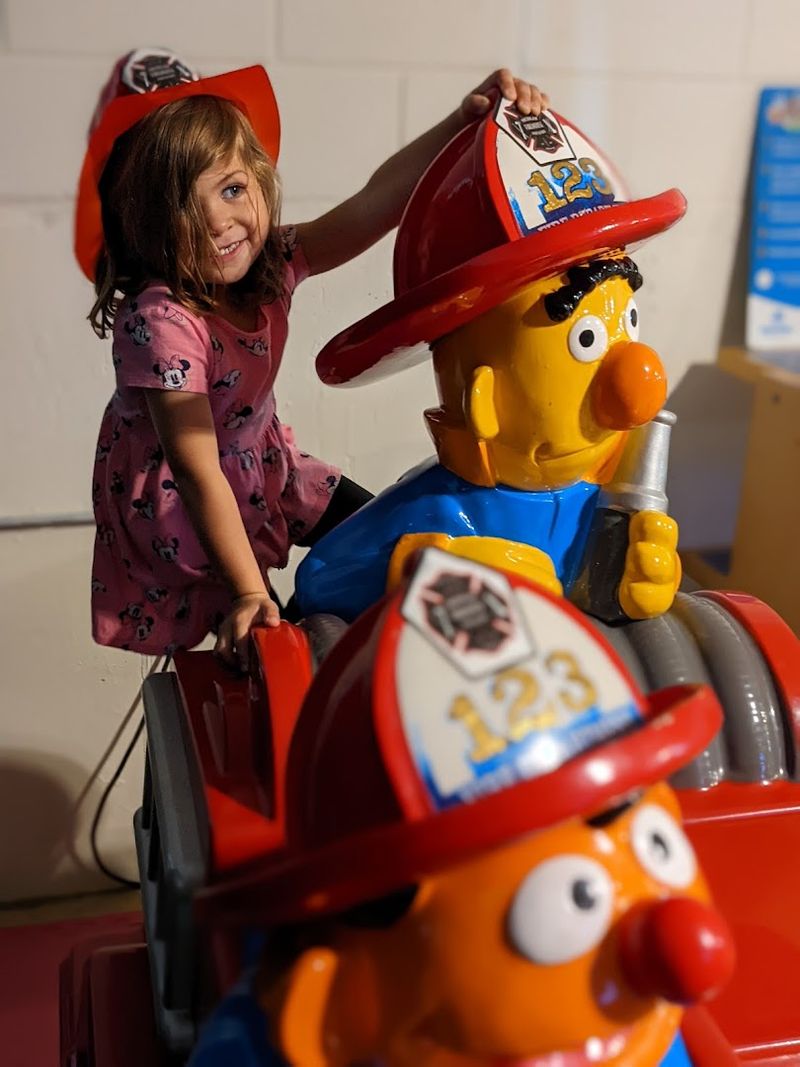
In one corner, crayons and coloring pages sit beside a low table like a pause button. The calm pocket helps reset overstimulated explorers before they return to the trucks. Nearby video loops play softly enough that conversations do not feel chased away.
Elevators make every floor accessible, and bathrooms are spotless with drinking fountains close by. If your crew needs snack time, step across to the gas station, then circle back refreshed.
Plan a mid-gallery break here, where small hands can draw helmets while adults check maps and the next must-see. Quiet corners along the mezzanine railing also work, offering views down to gleaming ladders and calm air that feels restorative without pulling you away from the experience for long.
Guides With Deep Roots
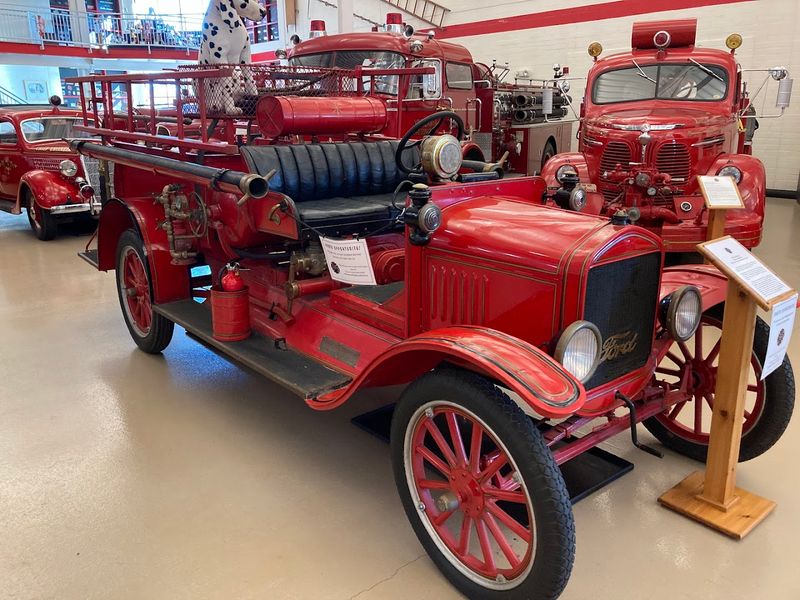
Ask about a truck, and a volunteer will likely answer with a family story threaded through dates and specs. Many have decades in departments across Michigan, so context arrives with the nuts and bolts. The tone stays generous, curious, and grounded in service.
You hear how Ypsilanti collaborates regionally during large incidents, and how stations adopt traditions that travel town to town. Let conversations breathe, then consult placards for additional detail. For focused time, book a group tour in advance, and mention age ranges so they can shape the pacing and stops.
Bring a question about local hydrant systems or winter operations, and watch eyes light as specifics turn abstract history into useful, memorable knowledge for your next neighborhood walk.
Seasonal Stops And Events
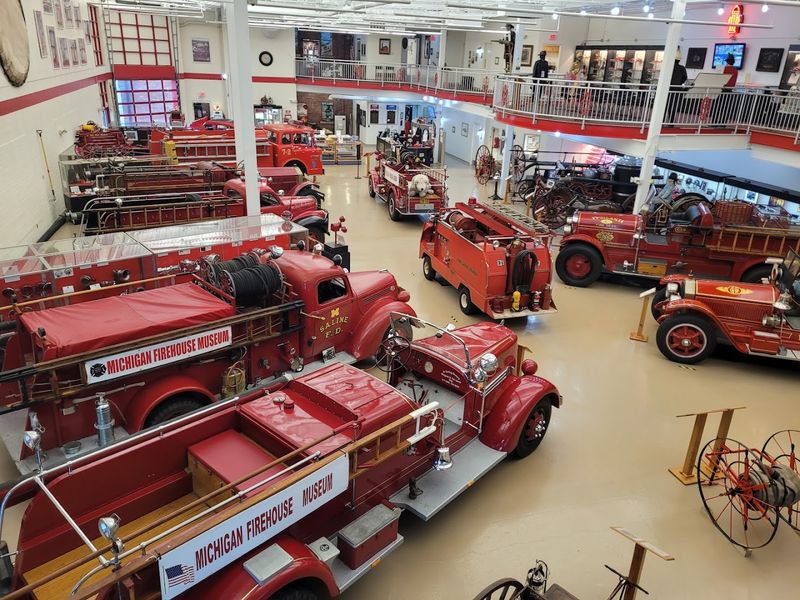
Snow outside makes the apparatus room feel warmer, red paint glowing like embers against gray light. In summer, Cross Street traffic drifts in with open doors, and kids mirror the pace with buoyant steps. Either season, the building seems to adjust its breathing to the day.
Community groups sometimes rent the venue for ceremonies and gatherings, and the exhibits stay respectfully accessible. Check the calendar or call ahead if you hope to avoid event overlaps.
I have learned to pair a visit with Riverside Park, then return here, letting the museum frame the afternoon with steady heartbeats. Leaf season also glows on Cross Street, and photos outside find gold tones that complement the engines without stealing attention from their stories.
Detail Spotlight Preservation In Action
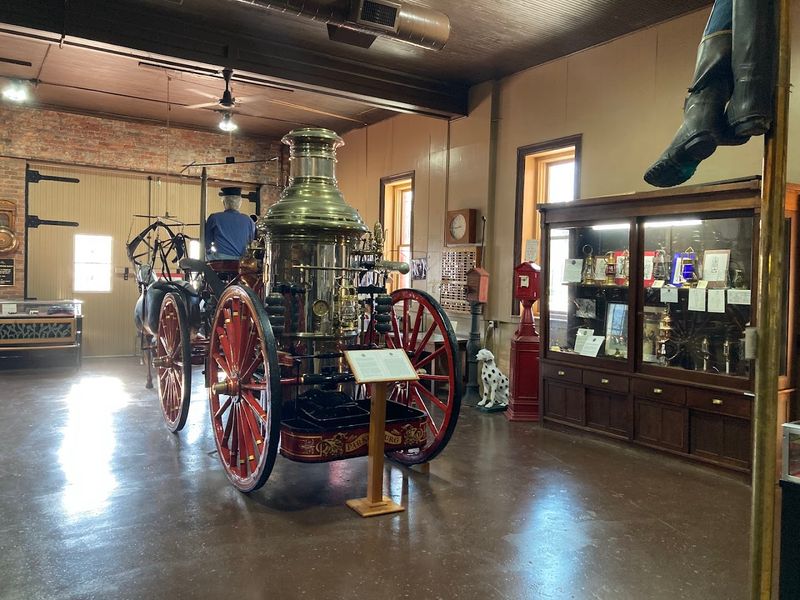
Small details reward careful eyes, like stitching on turnout coats or helmet shields that carry soot ghosts of past alarms. Cases are spotless but not sterile, so the artifacts feel alive rather than staged. The lighting is gentle, letting textures speak without glare.
Placards discuss conservation methods, from stabilizing leather to cleaning without erasing use marks. You see technique supporting truth, not polishing it away. Visitors tend to lean in, trace lines with their eyes, and whisper observations that become shared discoveries.
If you photograph, angle obliquely to dodge reflections, and jot label numbers so you can match images to notes later. That small habit turns browsing into learning you will remember after the doors close.
Planning Your Visit Smartly
Hours are short and simple Thursday through Sunday, noon to four, so plan tighter rather than looser. Admission is posted clearly at the desk, with discounts for seniors, students, military, and public safety workers. Street parking can be scarce, but a small lot sits behind the building.
If those spaces are full, Frog Island Park offers an easy walk. Check accessibility needs before arrival, though elevators cover all floors.
Spend your first minutes in the lobby map, choose a theme like technology or daily life, and you will glide through in the time you have. Call ahead for group tours or field trips, and let staffing know your interests so the route bends toward what will light up your crew.