
This Under-The-Radar Michigan Town Is Often Overlooked By Frequent Travelers
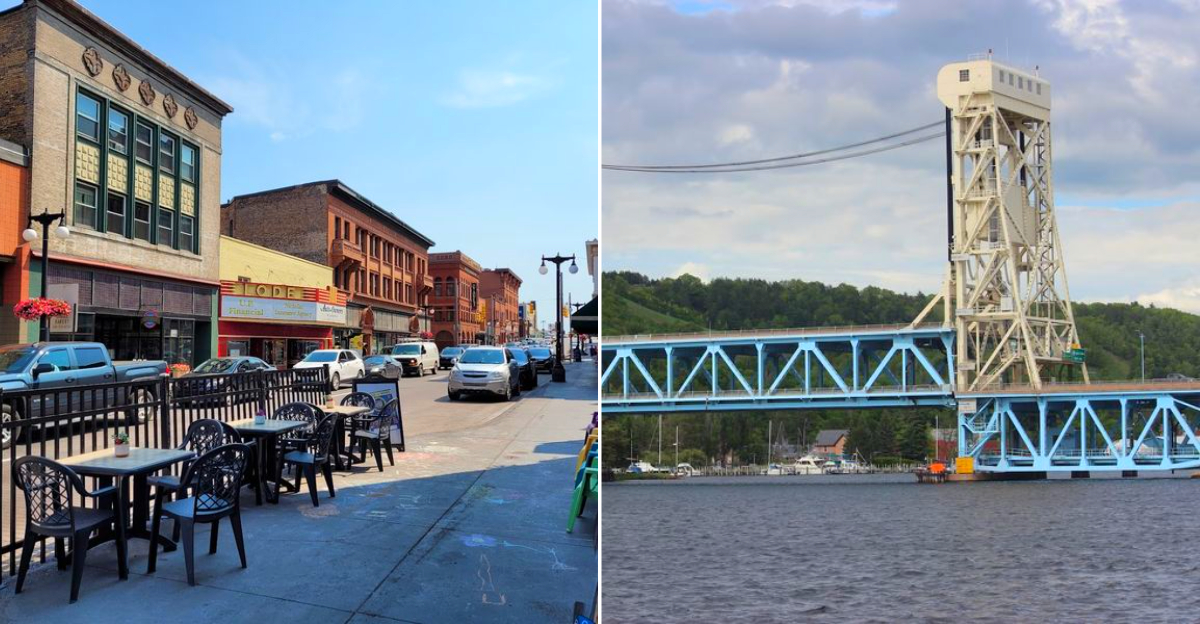
There are towns you visit because someone told you to and then there are towns you find because you drove past the familiar stops and kept going until the road narrowed and the cell service dropped and suddenly you are somewhere that feels like a secret that the locals have been keeping to themselves.
This one sits on the Keweenaw Peninsula in the Upper Peninsula perched along the Portage Lake Canal.
The Keweenaw National Historical Park anchors the town with an underground copper mine tour that takes you 360 feet below the surface, while the waterfront trail system runs along the canal where you can walk for miles without seeing another tourist.
Then there are the pasty shops because no visit to this part of Michigan is complete without a hand-folded meat and potato pastry from a place that has been making them since the mining days, and Roy’s Pasty Shop is the one the locals will point you toward.
Treat It As The Keweenaw Gateway
Houghton makes the most sense when you stop treating it as a quick pass-through and start using it as your base for the Keweenaw.
The city sits at the southern reach of the peninsula, which means day trips fan outward naturally toward Copper Harbor, Isle Royale connections, and the broader Copper Country.
That geography gives the place a working usefulness that many prettier, more famous towns never quite develop.
What surprised me was how much that practical role shapes the mood downtown. People here seem to be heading somewhere real: trails, campus, waterfront, errands, weather.
If you arrive with a loose plan and a little patience, Houghton reveals itself as a place that rewards staying put before rushing farther north.
Reaching The Keweenaw
Getting to Houghton, Michigan, feels like driving toward the top edge of the map and discovering the map still has jokes left.
The road into the Keweenaw starts to feel less like a regular trip and more like a gradual shift into copper country, lake air, old storefronts, and Upper Peninsula weather that may or may not respect your plans.
Aim for Houghton with extra time and a little patience, because this is the kind of place where distance feels different. The drive may look simple on a screen, but the closer you get, the more it starts to feel like the landscape is stretching out the arrival on purpose.
Once you reach town, slow down near the waterfront and let Houghton introduce itself properly.
Between the historic downtown, Michigan Tech energy, and the Keweenaw Waterway, the city works best when you stop treating it like a destination pin and start treating it like a base camp with stories hiding in every direction.
Get Onto The Local Trail Systems
The trail access in Houghton is far better than many first-time visitors expect from a town this size. Michigan Tech’s trail network and nearby Nara Nature Park give you real range, from wooded terrain for running and hiking to an ADA-accessible boardwalk along the Pilgrim River.
That variety matters because it lets you match the day to the weather rather than forcing one ideal outing.
The boardwalk at Nara has a calm, observant quality I liked immediately. You are close enough to town for convenience, yet the wetland setting creates a quiet pause that feels separate from traffic and storefronts.
In winter, these same systems shift into skiing, fat biking, snowshoeing, and snowmobiling, which tells you something important about how outdoorsy Houghton actually is.
Pay Attention To The Waterway
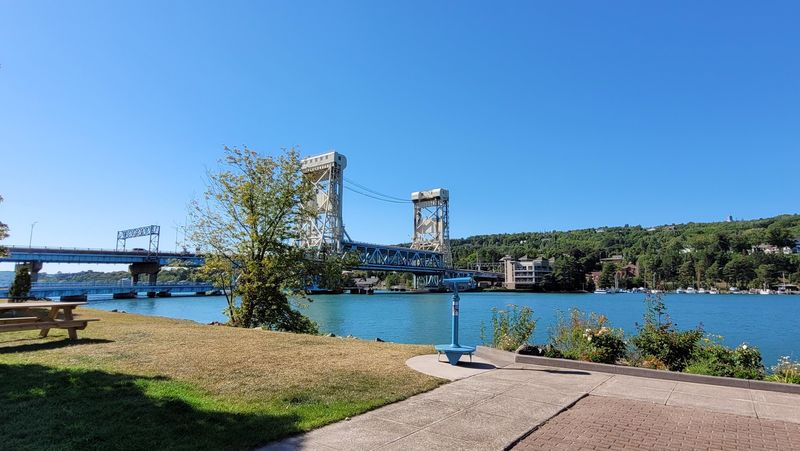
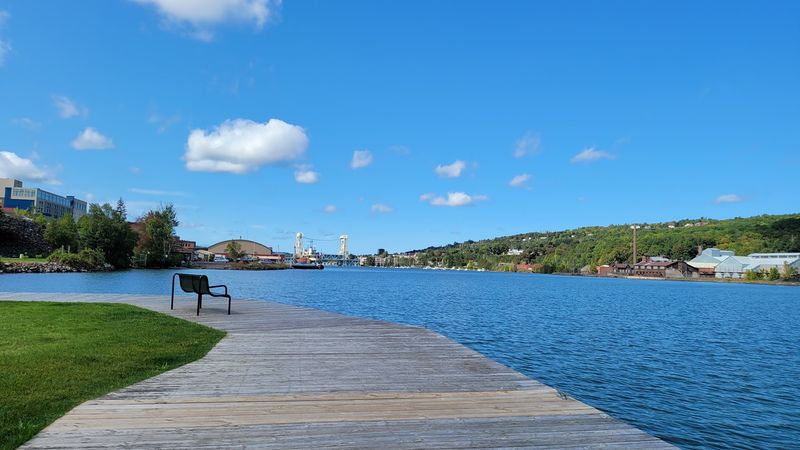
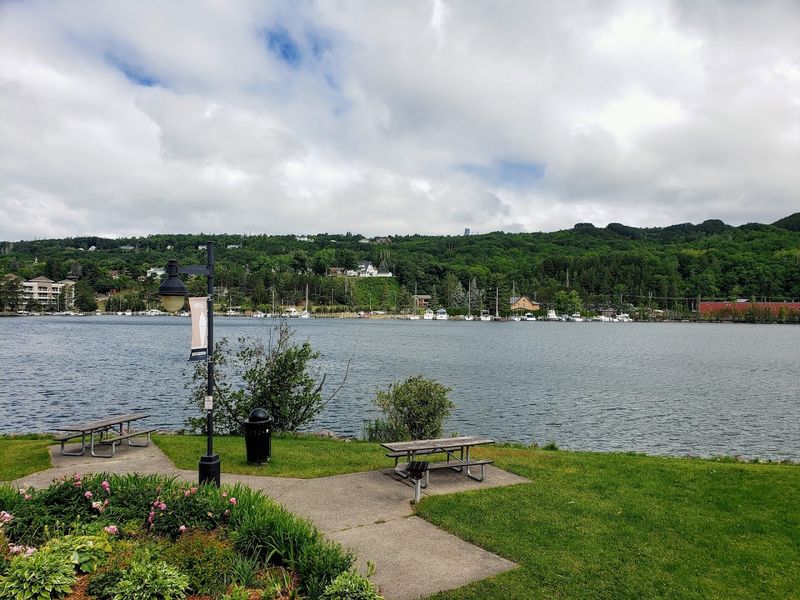
Because Houghton is built along the Portage Waterway, the water is not scenic decoration but part of the town’s daily logic. The canal-like stretch creates movement, sightlines, and a surprising amount of recreational access right near the center.
From shore, you keep noticing how often the bridge, hills, and boats align into views that look almost engineered for lingering.
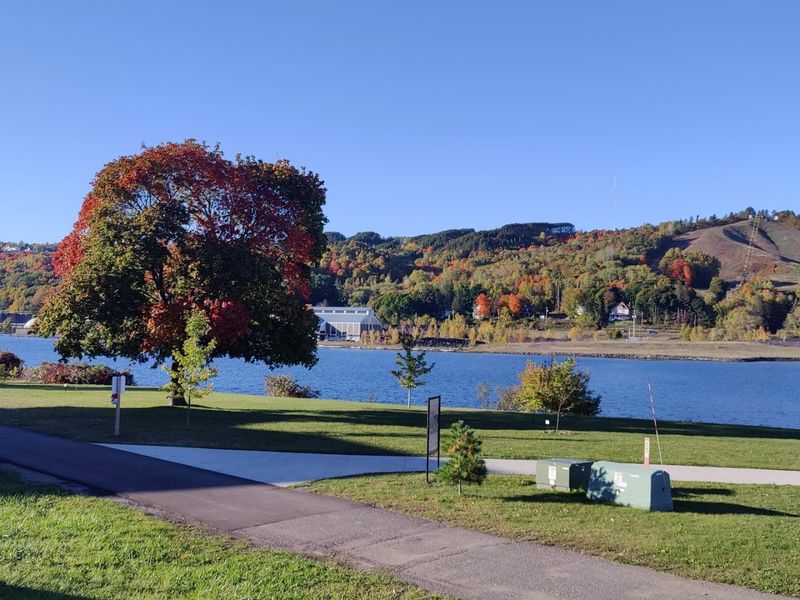
Ray Kestner Waterfront Park is a smart place to begin if you want that relationship to feel immediate. Paddle access, a protected swim area, and open space make the waterfront easy to use instead of merely admire.
If you can, spend time on the water rather than only beside it, because Houghton becomes more legible once you see the city from the canal itself.
Follow The Copper Story Beyond The Obvious
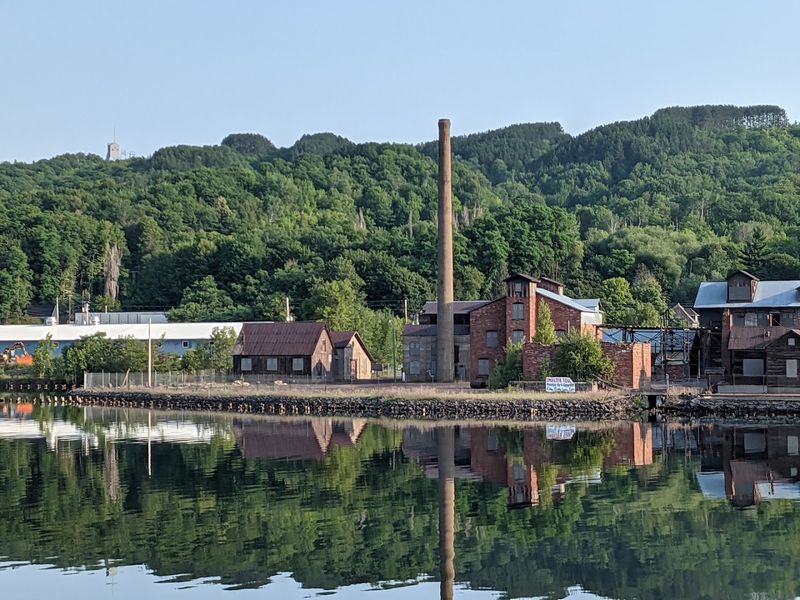
Houghton’s mining history is everywhere, but the town is more interesting when you let that history unfold through several layers instead of one dramatic stop. Quincy Mine, the A.E.
Seaman Mineralogical Museum, and the broader Copper Country context each reveal different parts of the same regional story. One gives you industry and infrastructure, another gives you geology, and together they explain why this place developed where it did.
There is a satisfying bluntness to the material culture here: rock, metal, machinery, labor. Nothing about it feels prettified beyond recognition.
If your visit includes only downtown wandering, you miss the deeper grammar of Houghton, because copper is not background trivia here but the reason the town’s architecture, institutions, and identity took shape in the first place.
Do Not Skip Dee Stadium
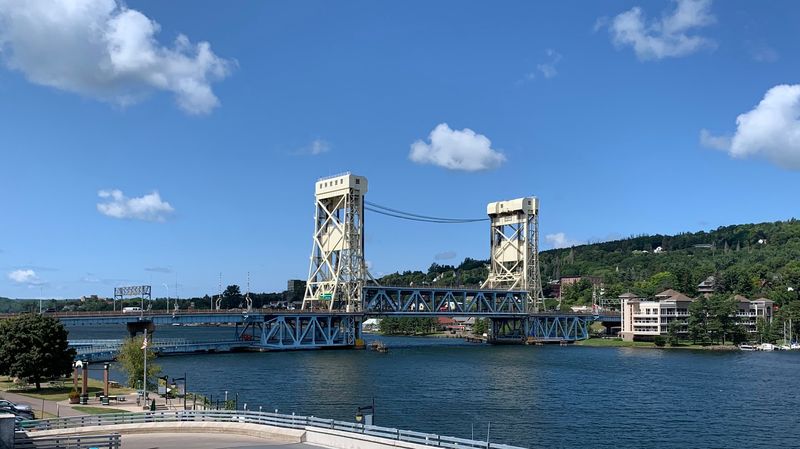
Dee Stadium is the kind of place that could sound niche on paper and then feel unexpectedly essential once you stand near it. Houghton claims a specific sports-history distinction here: the first professional ice hockey game in the United States was played in town in December 1902.
Even if you are not especially interested in sports, that fact gives the building a local gravity worth respecting.
I found the appeal less in nostalgia than in how naturally the story fits the setting. In a city famous for long winters, snow culture, and practical toughness, hockey history does not feel imported for tourism.
Stop by with enough time to notice the waterfront context too, because the building makes more sense when you see it as part of Houghton’s working, weather-shaped identity.
Cross The Lift Bridge More Than Once
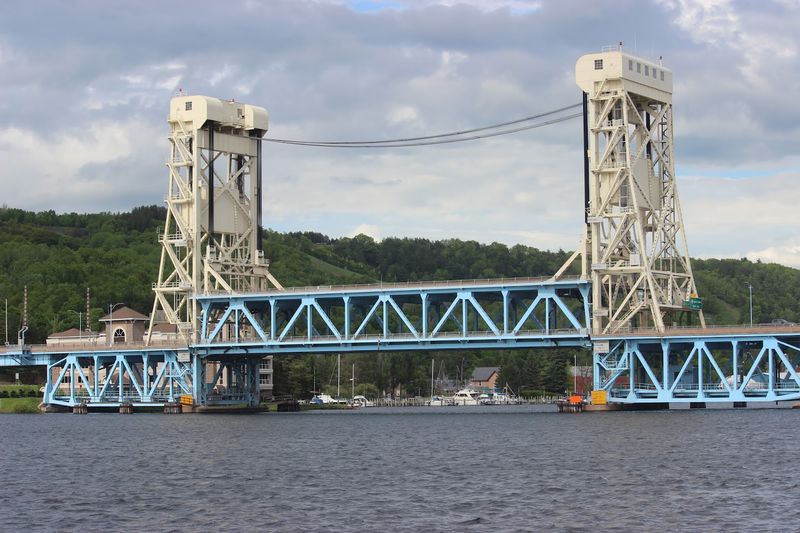
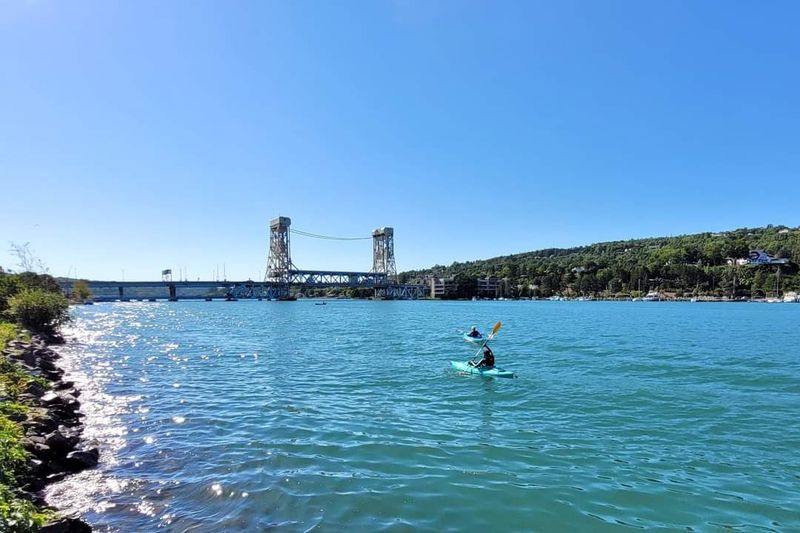
The Portage Lake Lift Bridge is not just the photo you expected to take in Houghton. It is the structure that teaches you how the area fits together, linking Houghton and Hancock across the water with a scale that still feels faintly improbable.
As the world’s heaviest and widest double-decked vertical lift bridge, it has real engineering swagger, but its daily usefulness is what makes it memorable.
Go over it on foot if you can, not only by car. The changing angles help you understand the waterway, the hills, and the split personality of the two cities.
At different hours the bridge feels industrial, theatrical, or oddly intimate, which is more than can be said for most famous infrastructure people are told to admire.
Respect Winter As The Main Event
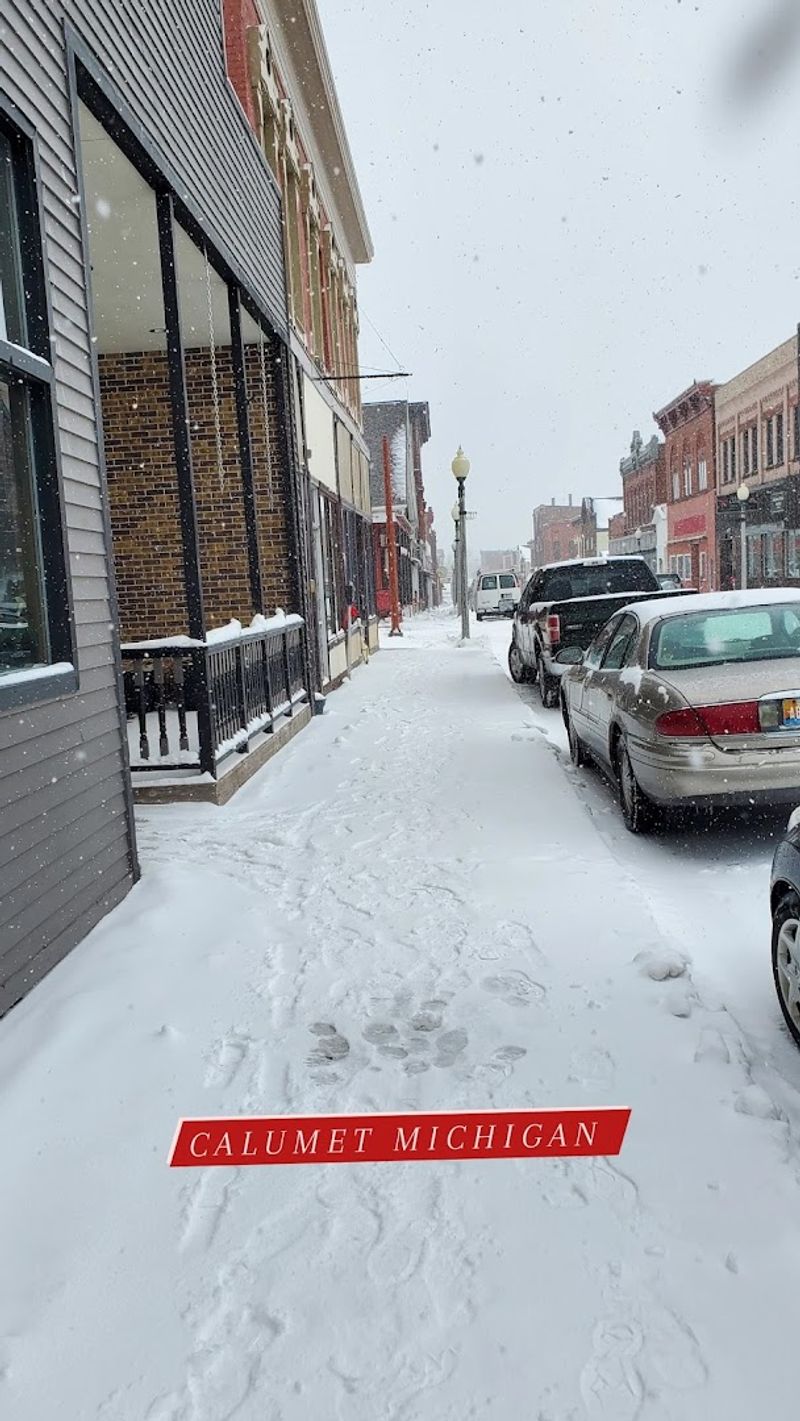
Winter in Houghton is not an inconvenience tucked around the edges of the calendar. The city regularly receives more than 200 inches of snow, and that accumulation shapes recreation, architecture, pacing, and local pride in ways visitors notice quickly.
You feel it in the plowed banks, the gear, the trail use, and the confidence with which people move through conditions that would shut down other towns.
Michigan Tech’s Winter Carnival is the signature expression of that seasonal identity, especially its intricate snow statues. Mont Ripley adds skiing and snowboarding nearby, while cross-country skiing, snowshoeing, and skating round out the colder months.
Come for winter only if you are willing to lean into it fully, because half-heartedness looks out of place in a city this comfortable with snow.
Let The University Explain The Energy
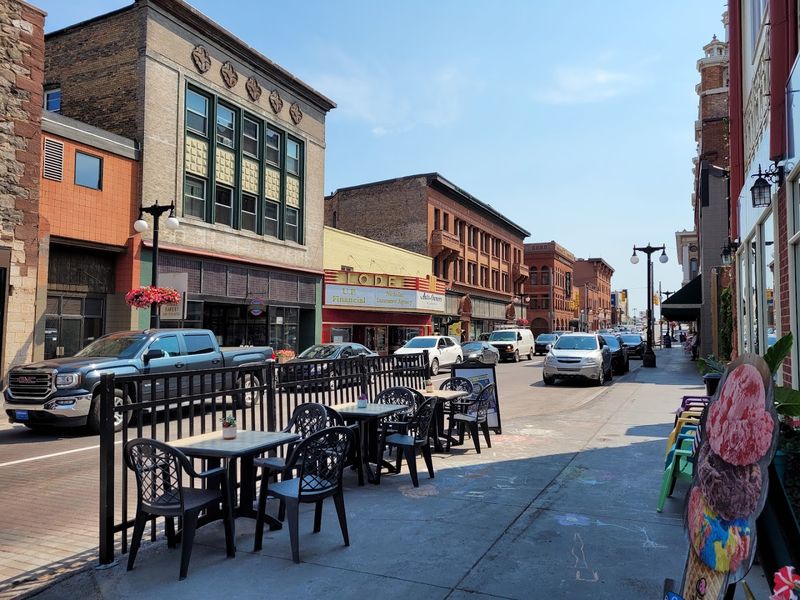
Shelden Avenue has the kind of downtown scale that invites strolling without turning quaint on command. Historic commercial buildings, local shops, outfitters, and places to eat create a streetscape that still feels functional, not preserved under glass.
That distinction matters, because Houghton is at its best when it seems inhabited first and charming second.
The local food detail you should not miss is the pasty, a practical, regionally rooted staple with deep Upper Peninsula ties. It suits the town’s climate and history perfectly: sturdy, unfussy, and satisfying.
If you spend an hour simply walking downtown, looking up at the facades and then ducking inside somewhere casual to eat, the city starts to reveal a very grounded sense of itself.
Plan Ahead, But Appreciate The Remoteness
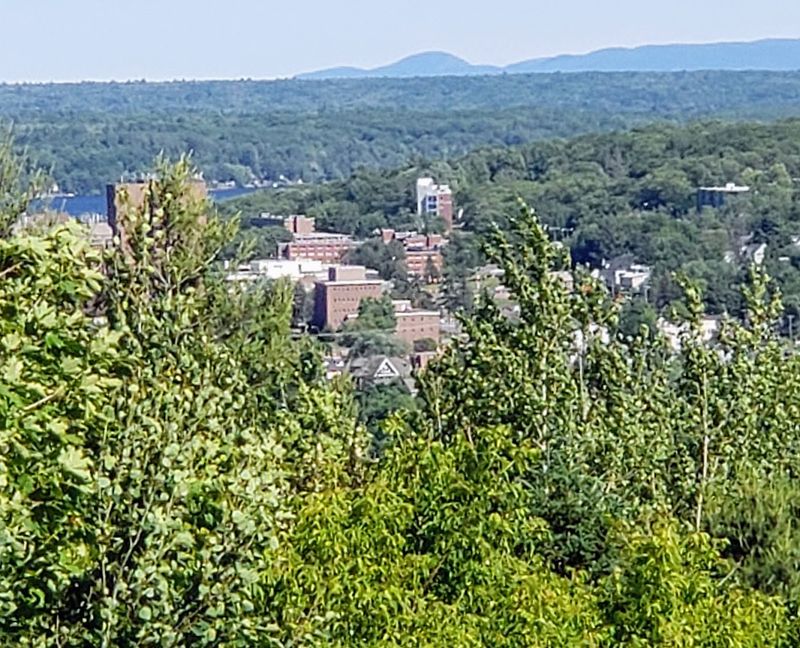
Without Michigan Technological University, Houghton would still be interesting, but it would not feel quite so alert. The campus brings research, events, trail stewardship, and a steady circulation of students and faculty that keeps the city from slipping into museum-town stillness.
You notice that energy in bookstores, on sidewalks, on the trails, and in the way conversation often tilts toward weather, engineering, science, and the outdoors.
I liked how naturally the university folds into the rest of town instead of sitting apart from it. The connection feels practical rather than ceremonial.
If you are deciding whether Houghton can hold your attention for more than a quick overnight stop, the answer is yes, and Michigan Tech is a major reason the place feels livelier, younger, and more intellectually textured than expected.
Plan Ahead, But Appreciate The Remoteness
Part of Houghton’s appeal is that getting here still feels like a decision. Its relative remoteness on the Keweenaw Peninsula filters out some of the casual overflow tourism that can flatten more accessible destinations.
What remains is a city with room to keep its own habits, prices that can still be reasonable by travel standards, and a pace that does not seem arranged for an audience.
That said, remote does not mean always available. If you are coming for Winter Carnival, graduation, or another busy stretch, book lodging well in advance because rooms tighten quickly.
The extra planning is worth it. Houghton rewards travelers who commit a little, and the town’s slightly out-of-the-way position is precisely what helps preserve its authenticity.