
This Underground Asylum Tour In Michigan Feels Like Stepping Into A Forgotten World
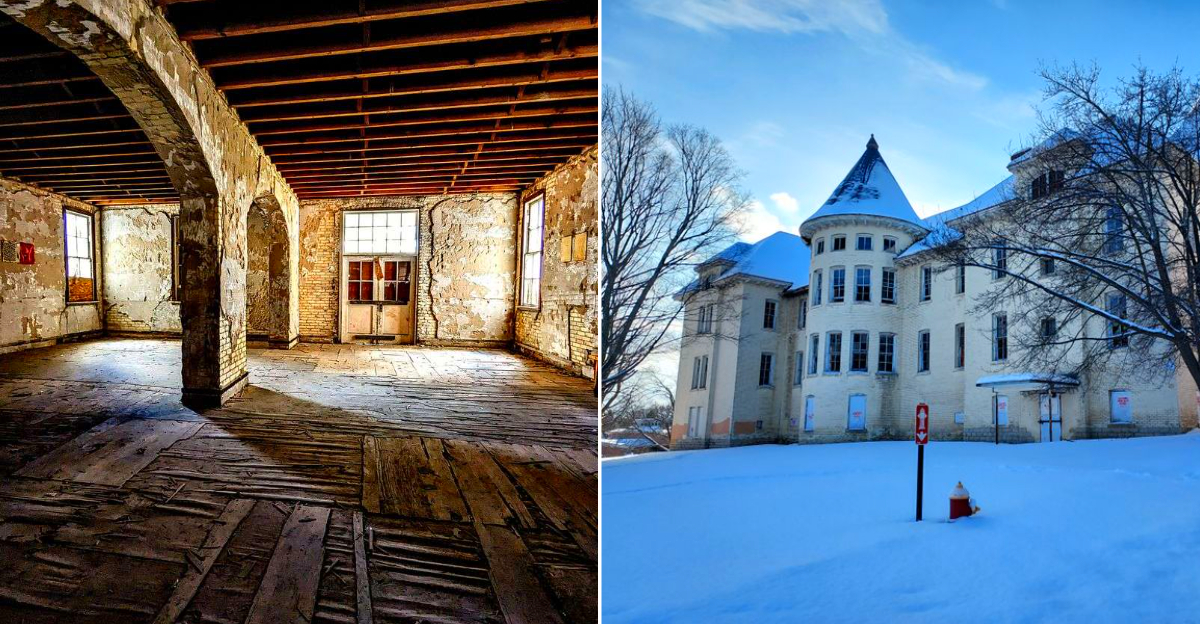
Yellow brick towers loom over Traverse City like silent sentinels of a bygone era. At The Village at Grand Traverse Commons, the air hums with a strange duality: the bustling energy of a modern community and the heavy, lingering stillness of the former Northern Michigan Asylum.
Beneath the manicured lawns lies a labyrinth of 1883 steam tunnels, a brick-vaulted underworld that once served as the hospital’s mechanical circulatory system.
Walking these grounds in 2026, you’ll find that “Beauty is Therapy” wasn’t just a slogan; it was a sprawling architectural experiment designed to heal through sunlight and fresh air.
Whether you’re navigating the echoing corridors of “Building 50” or descending into the mineral-scented dark of the tunnels, the experience is less about ghost stories and more about the visceral, tactile reality of 19th-century care.
This sprawling Victorian-Italianate campus is a masterclass in adaptive reuse, where the shadows of the past coexist beautifully with a vibrant modern marketplace. It’s a journey into a world where architecture was built to restore the spirit, now preserved in a state of rugged, elegant transition.
I’ve put together a few strategies for exploring this 480-acre landmark, from the best way to book a subterranean tunnel walk to the hidden coffee shops tucked into the former asylum’s laundry rooms.
Start At The Mercantile For Orientation
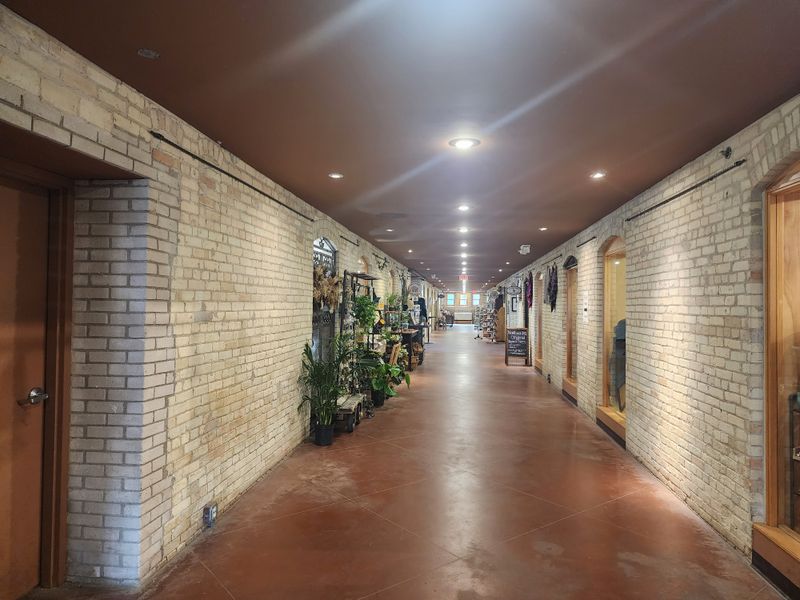
Your expedition begins at the Mercante, the vibrant heart of the Commons. The check-in process sets a grounding tone, amidst regional books and artisanal displays, you’ll find the tickets that grant you access to the restricted “unrenovated” wings. The contrast here is immediate: the smell of fresh espresso from nearby cafes drifts into a space defined by massive, historic masonry.
The Adventurer’s Move: Arrive at least 20 minutes early. Parking in the Village can be its own mini-adventure on weekends, and you’ll want time to absorb the map of the 480-acre campus. Pick up a local guide book or a map of the hiking trails, the “Historic Barns Park” nearby is the perfect post-tour trek to clear your head and see where the asylum’s world-champion cows once roamed.
Reading The Yellow Brick Walls
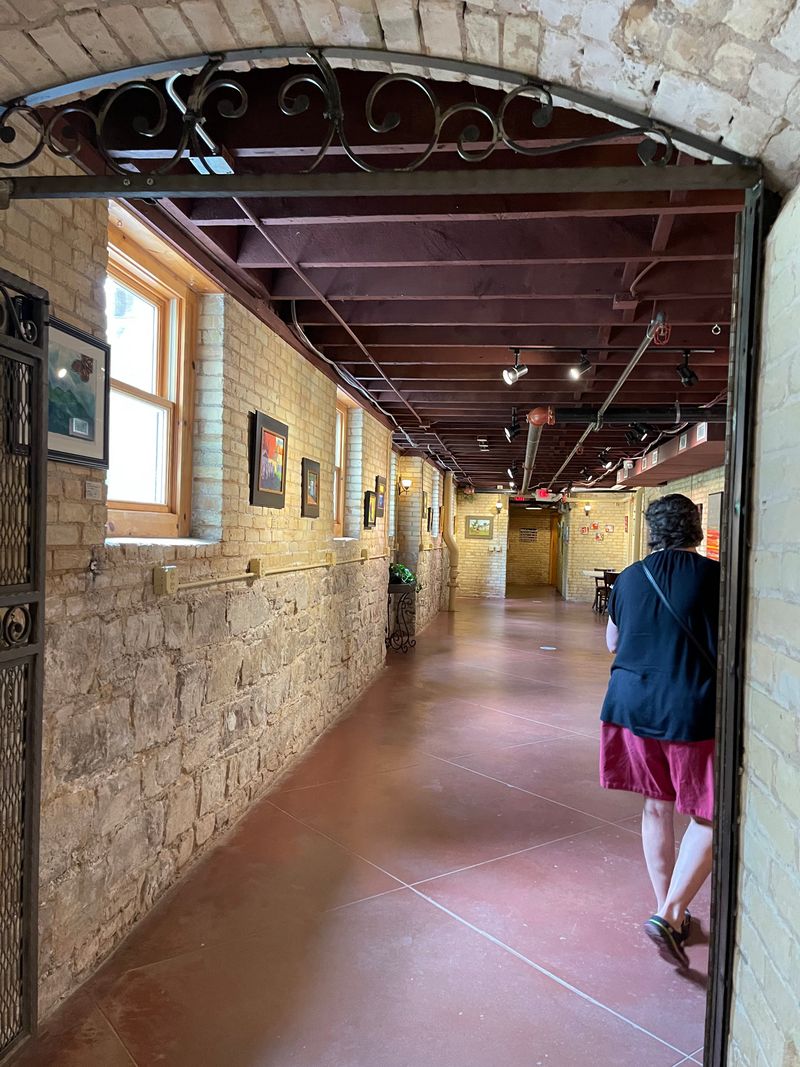
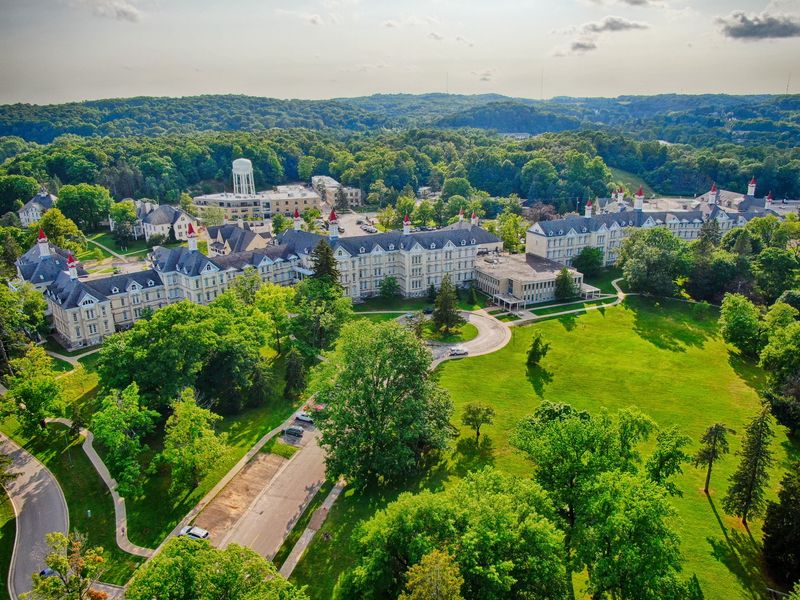
The facade is composed of a signature “buff” brick, sourced from the nearby Markham brickyard in the late 1800s. Known colloquially as “asylum sandstone” for its honey-hued glow, these walls follow the Kirkbride Plan, a “bat-wing” layout designed to maximize sunlight and fresh air.
As you walk the quarter-mile length of Building 50, notice how the rhythmic windows and Italianate spires create a sense of rigid, Victorian order that feels both grand and haunting.
The Adventurer’s Move: Don’t just look at the building; look at the bricks. You can still see the variations in the clay and the scars of century-old repairs. Ask your guide about the “chimney effect” ventilation system, those iconic spires aren’t just for show; they were the lungs of the building, designed to pull fresh air through the underground tunnels and up through the wards.
The Tunnels And Their Whispery Air
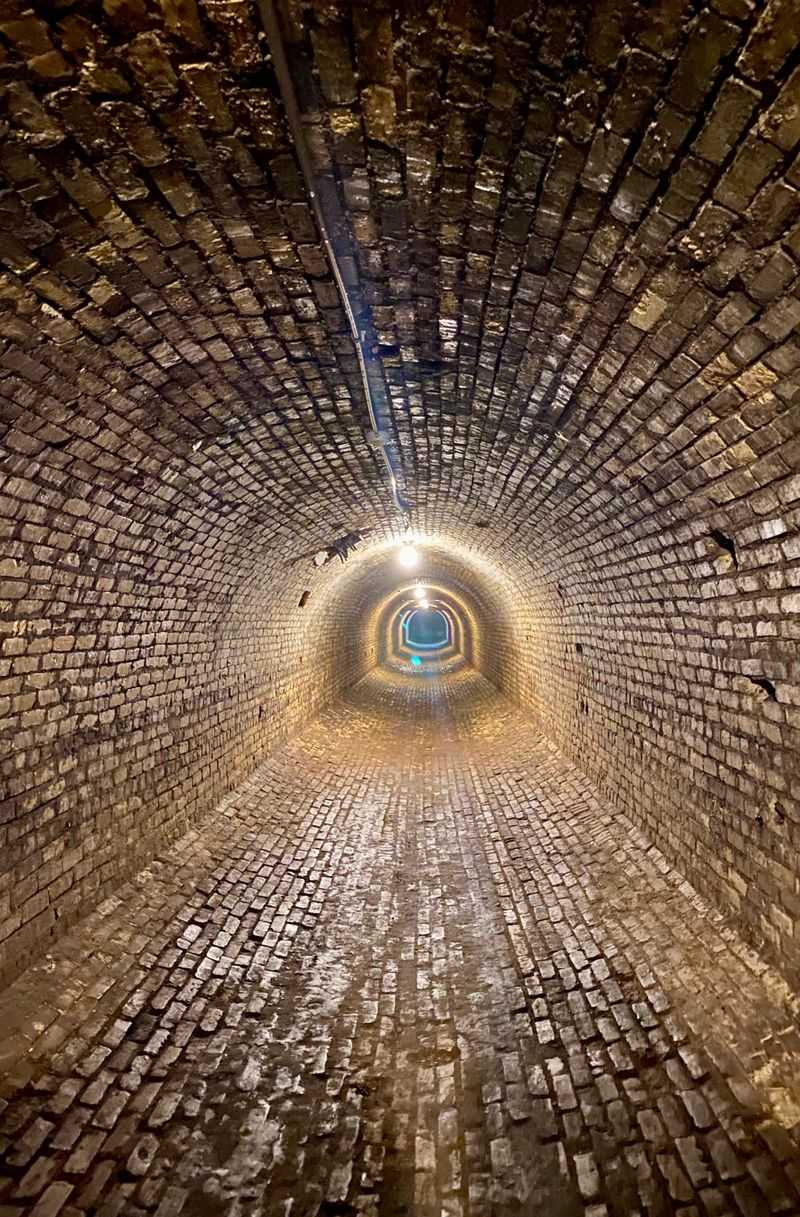
The transition from the sunlit Mercato to the 1883 steam tunnels is a sensory drop. The air turns sharp and damp, smelling of old iron and limestone. Your flashlight beam will skitter across vaulted brick ceilings and rusted valve wheels that look like small, frozen constellations.
These tunnels weren’t built for patients; they were the arteries for heat and electricity, the first of their kind in a Michigan state building.
The Adventurer’s Move: Keep your hands free and your eyes on the concave floors. The tunnels were engineered with a slight curve to manage moisture, and the brickwork is a masterclass in masonry.
If you’re feeling bold, ask about the “Hippie Tree” portal, a local legend involving a painted tree on the trails above that allegedly mirrors the energy of the tunnels below.
Guides Who Carry The Keys And Context

The tours are led by researchers and preservationists who treat the hospital’s legacy with a rare blend of clinical facts and deep empathy. Names like Clover and Joe often appear in logs for their ability to pace a story, leaving room for the building’s own silence to speak.
They frame the “Moral Treatment” era with dignity, explaining why Dr. James Decker Munson forbade the use of straitjackets, opting instead for flowers, fine china, and “meaningful work” on the asylum farm.
The Adventurer’s Move: Listen for the shift in the guide’s voice when you enter the unrenovated wards. This is where the narrative moves from architecture to the individual lives of the 50,000 patients who passed through.
Ask about the “movie list” discovered written on the bricks in a cottage dining hall, a literal piece of graffiti history that reveals the simple humanity of life behind these walls.
Sound, Smell, And Small Temperatures

One of the most adventurous aspects of the tour is the “micro-climates” you’ll traverse. One moment you are in a climate-controlled boutique; the next, you step through a non-descript door into an unrenovated wing where the temperature drops ten degrees.
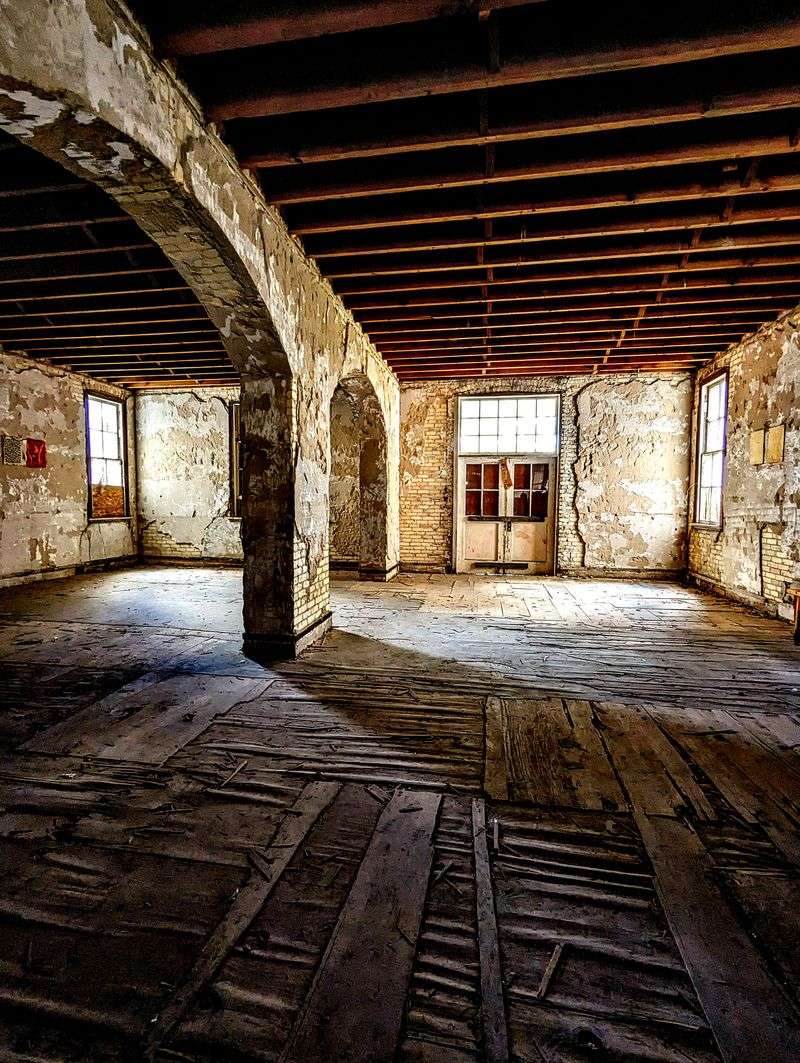
You’ll smell the “dust of time,” a mix of plaster, old wood, and the faint, sweet scent of the surrounding arboretum. The sound changes, too, from the muffled chatter of the shops to the sharp, hollow echo of your own boots on original hardwood.
The Adventurer’s Move: Wear sturdy, closed-toe shoes, sneakers or hikers are best. You’ll be navigating everything from polished tile to crumbly basement floors. Bring a light layer even in mid-August; the “Asylum Chill” is real, especially when you’re standing in a basement ward that hasn’t seen sunlight in decades.
Twilight Timing And Winter Quiet
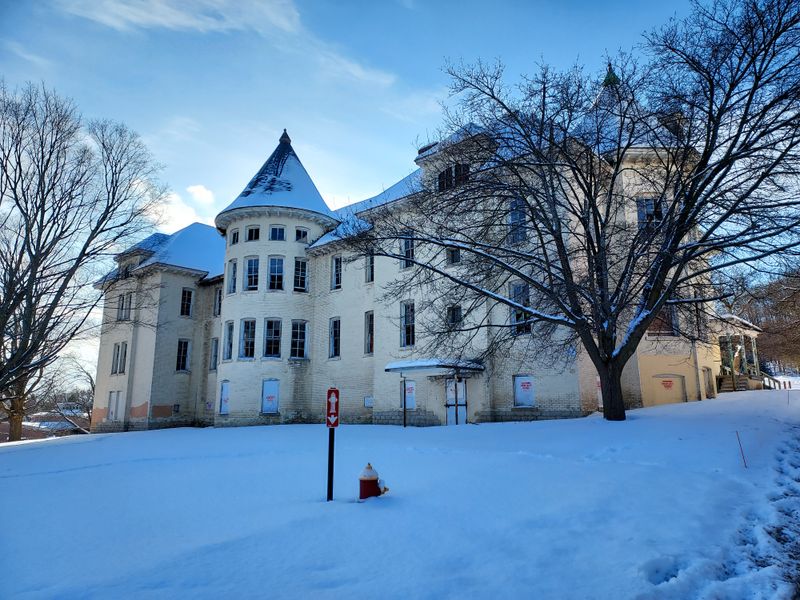
If you want the most atmospheric version of this journey, book the Asylum Twilight Tour. As dusk settles, the red-capped spires of the Village glow against the darkening Michigan sky, and the long corridors of the unrenovated sections take on a heavy, cinematic quality.
In winter, the 480-acre grounds become a cathedral of “Winter Quiet,” where snow muffles the sounds of the city and spotlights the lone lamp posts.
The Adventurer’s Move: Winter tours offer a unique perspective on the steam tunnels, you can truly appreciate the engineering that kept this massive “city within a city” from freezing. If you go at night, bring a high-quality flashlight.
The guides provide light, but having your own beam allows you to explore the architectural details of the attics and basements at your own pace.
Cottage Layouts And Human Scale
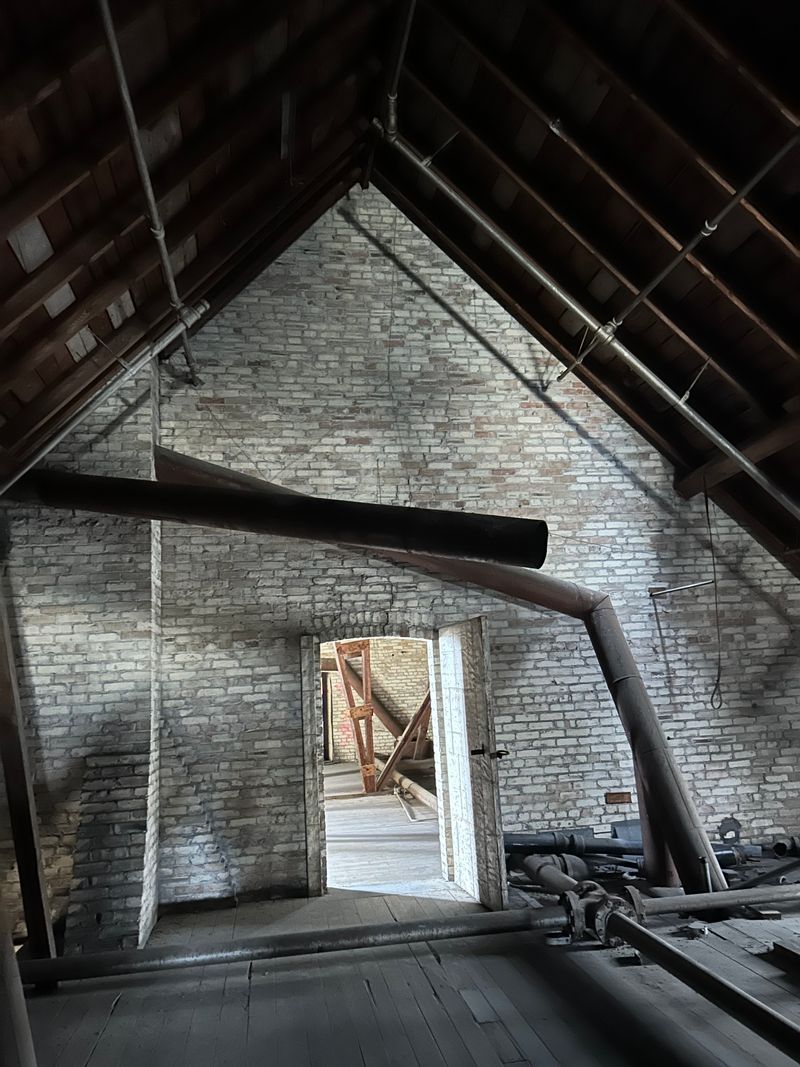
Beyond the main building, the “cottages” offer a more domestic, intimate look at the institution. These weren’t tiny huts; they were massive, Victorian residences designed to feel like homes.
Inside the unrestored sections, you’ll see cracked lead paint and dormered attics that feel strangely graceful. The craftsmanship, from the ornate door latches to the glass blocks in the stairwells, reminds you that this was built as a palace for the soul.
The Adventurer’s Move: Ask which cottage you’re in, the Men’s Ward cottages to the south and Women’s to the north were designed with subtle differences. Pay attention to the “projection room” cut-outs in the walls of the common rooms; these were the social hubs where patients gathered for meals and early cinema.
Shops, Coffee, And Living History
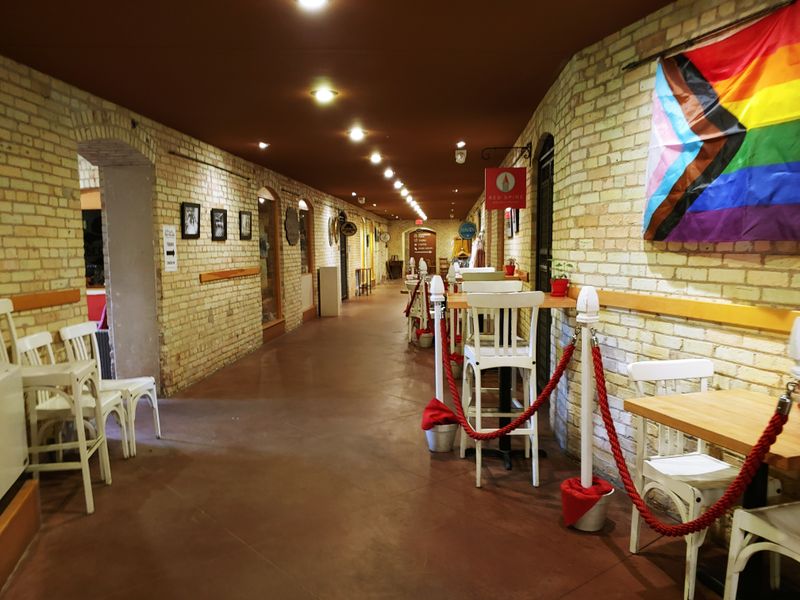
The tour eventually loops you back into the Mercato, where the “living” part of the history happens. You can grab a glass of wine at Left Foot Charley (housed in the old laundry building) or a pastry at Pleasanton Brick Oven Bakery.
This “adaptive reuse” isn’t a museum; it’s a functioning neighborhood. Seeing someone walk their dog or unload groceries into a luxury condo built into a former ward is the ultimate “mind-bend.”
The Adventurer’s Move: Don’t rush off. Use the hour after your tour to sit in one of the long, arched hallways. Let the weight of the “Underground” settle while you watch the modern “Village” life swirl around you. It’s the perfect time to review your photos and realize that you just walked through a building that was once slated for the wrecking ball and is now a national model for preservation.
Ethics Of Looking Without Gawking
The Commons staff are very clear: this is a place of history, not a “haunted house.” The guides use first names only for former patients and focus on the evolution of psychiatric care.
Your role here is that of a witness to a complex past. By treating the site with respect, you gain access to a much deeper, more authentic story than any ghost hunt could provide.
The Adventurer’s Move: If you’re sensitive to “heavy” energy, take a moment in the Kirkbride Hall (the former chapel). It’s a soaring, light-filled space that often hosts weddings and concerts today. It’s the perfect place to pivot from the dark tunnels back to the “Beauty is Therapy” philosophy that originally built the site.
Logistics That Save The Day
The standard Guided Historic Tour runs about two hours and costs around $30. Because these tours involve restricted areas and the tunnels, they sell out weeks in advance, especially the photography and twilight versions.
The grounds themselves are open 24/7, providing plenty of room for self-guided exploration of the trails and exterior architecture.
The Adventurer’s Move: Wear your most “traction-friendly” shoes. You’ll be walking about a mile, including stairs and uneven tunnel floors. If you want to dive deeper, check the 2026 Lecture Series schedule, the Village often hosts talks on everything from 19th-century “germ theory” to the specific masonry techniques used to save the spires.