
This Underrated Arkansas State Park Is Shockingly Beautiful And Still Under The Radar
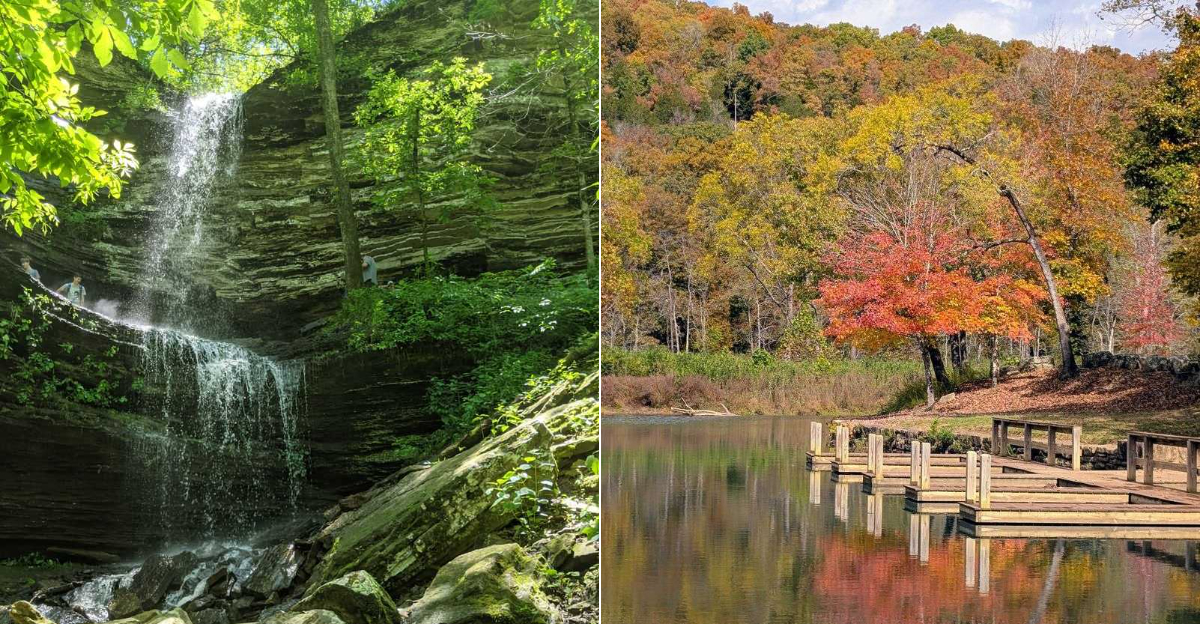
I almost missed one of the most beautiful places in Arkansas. No exaggeration.
It was sitting just off the road, quiet and completely overlooked. The moment I pulled into Devil’s Den State Park, everything changed.
I felt like I had stumbled into a secret because of the towering rock formations, deep green forest, and cool air rolling out of hidden caves. The day slipped by as I wandered shaded trails, climbed to overlooks, and stopped way too often just to take it all in.
What surprised me most was how uncrowded it felt. No packed parking lots.
No noisy boardwalks. Just the sound of water, wind through the trees, and my own footsteps.
If you have been craving a place that feels wild, peaceful, and wildly underrated, this park delivers in a way few others do.
Where Is Devil’s Den And How Do You Get There?
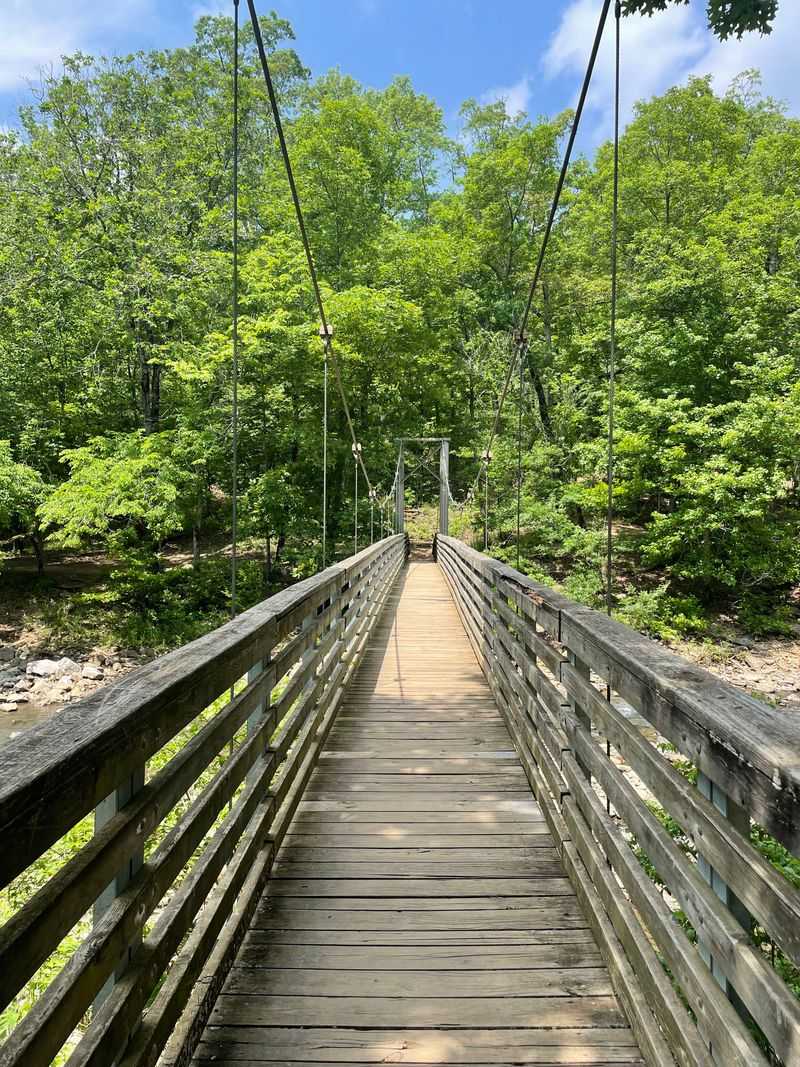
Start your adventure in West Fork, Arkansas, a friendly little launchpad in the Northwest Arkansas hills. Devil’s Den State Park, located at 11333 West Arkansas Highway 74, West Fork, AR 72774, sits just southwest of town, nestled in the Ozark Mountains where ridgelines ripple like corduroy.
From Fayetteville, it is a straightforward drive down I-49 and AR-170, usually under 30 minutes if you are not stopping every five minutes to gawk at the views.
Road trippers rejoice, because this approach is scenic without being stressful. The highway slips into a calmer two-lane road that curves through forest and past old stonework, leading you into Lee Creek Valley.
Keep an eye out for the park entrance sign and that instant sense of quiet that arrives the moment the trees close in like a green embrace.
Accessibility is part of the magic here, especially if you want mountain vibes without a long haul. Springdale, Rogers, and Bentonville are within easy reach, making Devil’s Den an ideal day trip or spontaneous golden hour dash.
And if you are flying, the Northwest Arkansas National Airport puts you just a manageable drive away.
On my first visit, I rolled into West Fork hungry and hopeful, grabbed a quick bite, and then meandered toward the park with windows down. The air smelled like moss and rain, the pure Ozarks starter kit.
By the time I hit the park boundary, I had already exhaled the week.
Logistically, there is solid signage, ample parking areas, and clear turnoffs to campgrounds and trailheads. Cell service can dip, so download maps ahead of time and savor the unplugged mood.
The payoff is immediate, the commute easy, and the welcome unmistakably Arkansas.
Why Devil’s Den Is So Shockingly Beautiful
Beauty sneaks up on you here, starting with those sculpted sandstone bluffs that look hand carved by time. The forest is dense and layered, a living tapestry of oak, hickory, and pine that frames every bend.
Add the soft chorus of water whispering through Lee Creek, and the soundtrack settles you immediately.
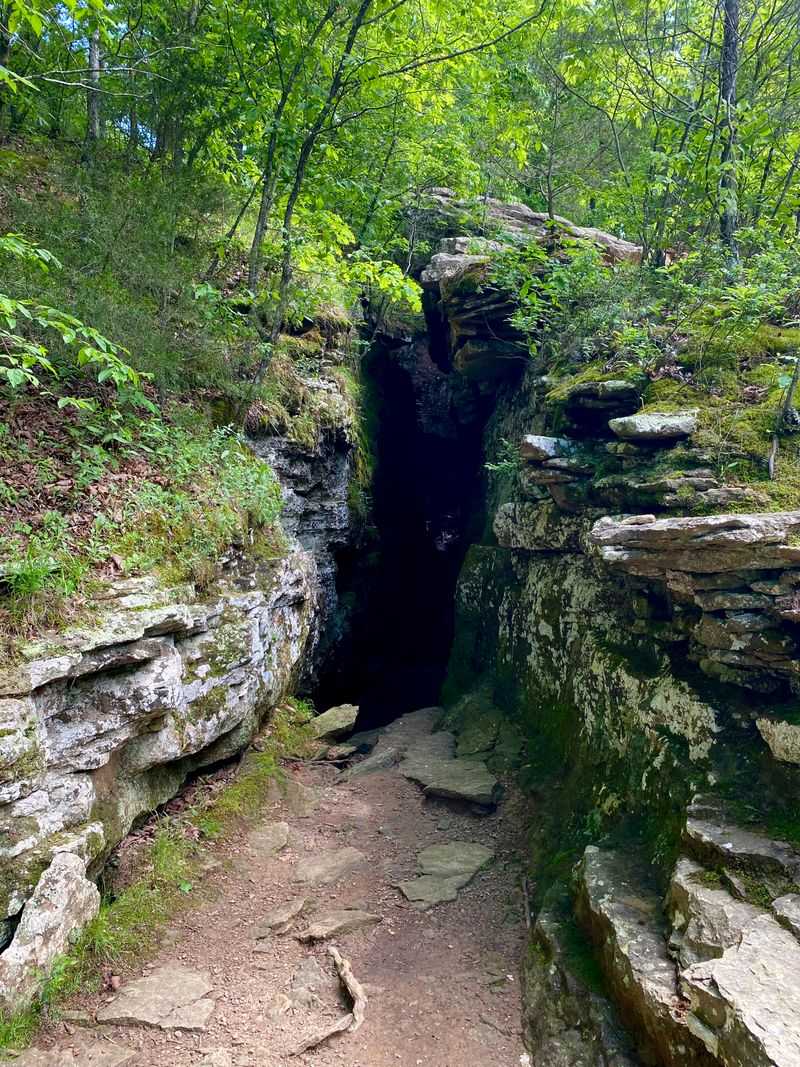
Then come the caves and crevices, the surprise element that gives the park a touch of drama. The rock seems to split and fold, creating narrow passages that feel secret and old.
In certain spots, the light slides down the walls like liquid, bringing out mossy greens and rusty oranges you will want to photograph twice.
Climb a little and the views open into the Lee Creek Valley, a panorama that changes character with each season. Spring leans pastel and new, summer goes full emerald, and fall bursts into glows of amber and crimson.
Even winter shows off clean lines and long shadows that make the cliffs look extra cinematic.
I remember turning a corner and audibly saying wow to absolutely no one, because it was just that good. A chipmunk froze and gave me a look like same.
That was the moment I realized this park quietly competes with bigger name destinations.
What sets Devil’s Den apart is the texture of it all, from gritty sandstone to fern-soft hollows. The geology is expressive, the forest supportive, and the water ties the scene together.
Shockingly beautiful fits, but gently beautiful might be more accurate, because it unfolds with patience and heart.
The Best Trails You Can’t Miss
Lace up for Yellow Rock Trail first, because that overlook is pure mic drop. The loop climbs steadily through shaded forest before spilling you onto a massive bluff with a front row seat to the valley.
On a breezy day, you can watch clouds drift like slow ships over the ridgelines.
Devil’s Den Trail is the park’s highlight reel, short but stacked with caves, crevices, and photogenic bridges. It threads beneath bluffs and sneaks past rock shelters where the light turns buttery in late afternoon.
Every corner feels like a new page in the park’s geology journal.
For longer miles, I love Fossil Flats, a rolling route that hops along Lee Creek and dips through quiet woods. It is perfect for a thoughtful walk or a tempo hike if you want to feel that Ozarks heartbeat.
Watch for creek crossings after rain and the occasional splashy detour.
Vista Point routes bring the drama back with wide views and big sky. The climb is steady and satisfying, the pay-off nearly guaranteed.
I like timing it for sunset when the hills layer up like watercolor.
On one visit, a friendly hiker shared an extra granola bar at a trail junction, a small kindness that tasted like community. We traded trail tips, snapped each other’s photos at Yellow Rock, and parted with that shared glow.
Trails have a way of introducing the right people at the right time.
Caves And Rock Formations That Steal The Show
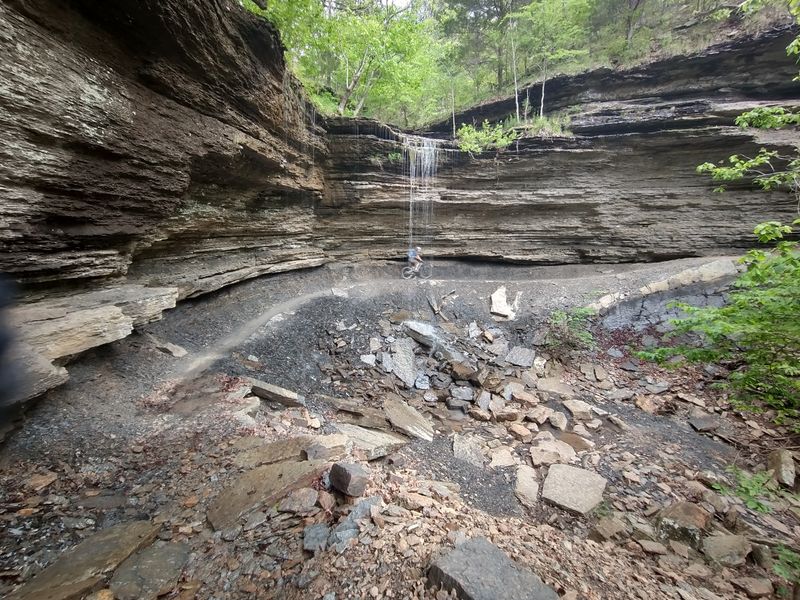
If geology could whisper, the caves and crevices here would be telling ancient stories. Sandstone layers fold and fracture into slotlike passages where the air feels cooler and still.
Bluff shelters tuck beneath overhanging rock, creating cozy alcoves that look purpose built for secrets.
Exploring is half the fun, but go smart and stay aware of posted access notes. Some caves may be closed to protect wildlife and fragile environments, and that is part of the park’s care ethic.
When areas are open, keep to established paths, step gently, and bring a modest light for twilight corners.
The shapes are endlessly photogenic, from smooth wind carved walls to sharp talus piles. In some spots, I paused just to run a hand over the sandstone and feel the grit of time.
The contrast between shadowed crevices and bright forest edges makes every step a study in light.
One afternoon, I ducked into a narrow split and heard water ticking somewhere beyond the rocks. A few feet later, a tiny trickle appeared, weaving through pebbles like a shy violin.
Moments like that make the park feel interactive, like it is answering back.
Safety wise, wear sturdy shoes and mind slick patches, especially after rain. The rocks can go from grippy to glassy in a heartbeat, and ankles appreciate attention.
With respect and curiosity, you will see why these formations are the park’s signature and soul.
Waterfalls, Creeks, And Scenic Views
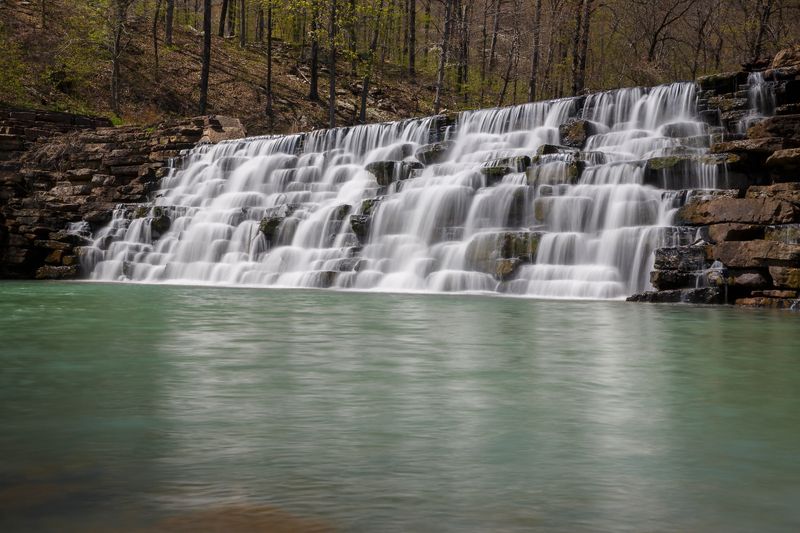
Water is the park’s gentle magician, appearing around bends and under bridges with a soft ta-da. Lee Creek loops through the valley, riffled and clear, inviting pebble skipping and quiet listening.
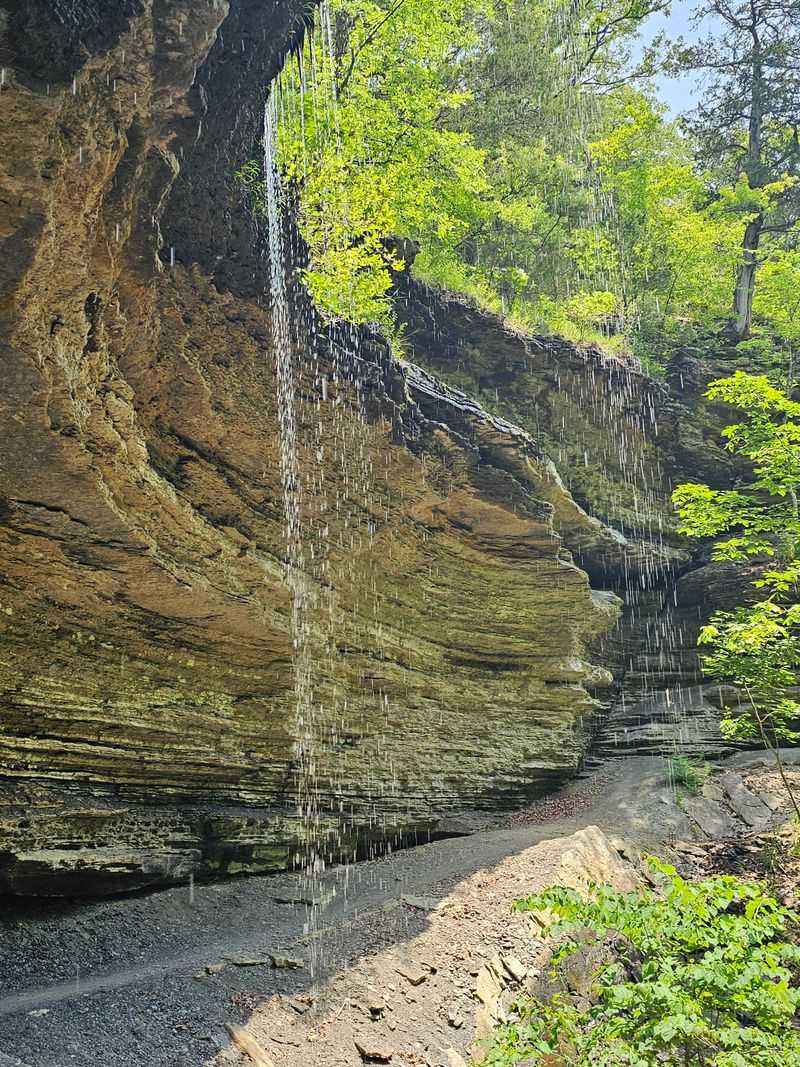
After rain, seasonal waterfalls step out from the cliffs and pose like they own the place.
Small cascades shine brightest on the Devil’s Den Trail, where stonework and water share the frame. Wooden bridges offer perfect angles, and mossy rocks double as tripods if you steady your shot.
The combination of sandstone, green ferns, and silver water is the Ozarks’ favorite color palette.
Overlooks deserve equal billing, especially Yellow Rock and other high perches that survey the valley. On sunny days, the creek flashes like a ribbon and the hills roll to the horizon.
Golden hour warms the bluffs until they glow, a visual hug you will keep replaying.
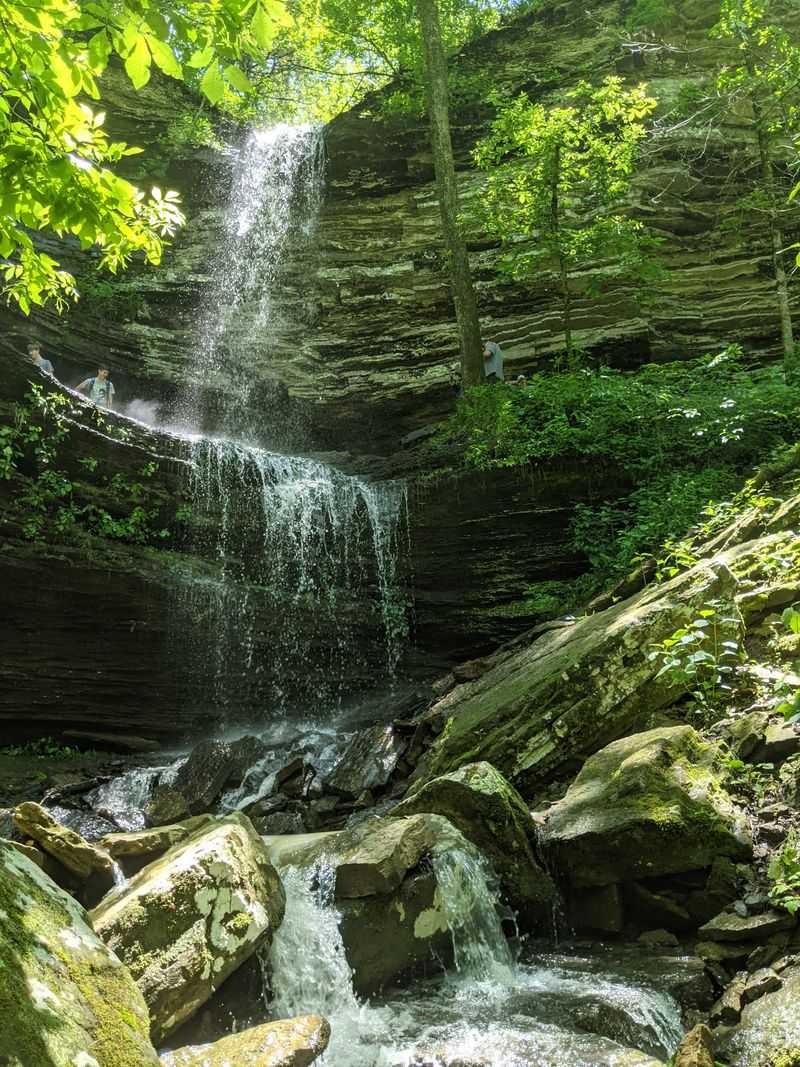
One drizzly morning, I followed a faint sound and found a delicate curtain of water tucked behind a ledge. I stood there longer than planned, just letting the mist bead on my jacket and thoughts.
It felt like the park handed me a tiny secret for showing up.
When water runs high, expect shoe wettings at creek crossings and consider trekking poles for balance. When it is low, you will find polished skipping stones and quiet pools for reflection.
Either way, the dance between water and rock is the current that carries this place forward.
Camping And Cabins In The Heart Of The Park
Overnights at Devil’s Den turn a great day into a great story. Campgrounds tuck into the trees with a balance of shade and space, giving tents and RVs room to breathe.
Wake up to birdsong and that clean forest scent that makes morning coffee taste better.
Historic CCC cabins are the park’s time machine, stone built and warmly practical. Step inside and you feel the craftsmanship in the wood, the charm in the small details.
Evenings glow softer when you wander outside and watch the last light comb the pines.
RV travelers will find accessible sites and convenient hookups, plus proximity to trailheads that make dawn starts easy. Tent campers can claim cozy nooks, then stroll to creeks and overlooks without breaking a sweat.
Night brings cricket choirs and a star speckled sky that nudges you to look up and linger.
On my last stay, a neighbor offered extra marshmallows and we traded stories while embers winked. Someone played a quiet tune, and the whole loop felt like a pop up neighborhood in the woods.
I went to bed thinking, this is exactly what weekends are for.
Reservations are smart during popular seasons, and shoulder dates reward spontaneity. Pack layers, a good headlamp, and camp chairs for stargazing sessions that go pleasantly long.
Morning comes kindly here, and so does the promise of another trail.
Best Time To Visit And Why It’s Still Underrated
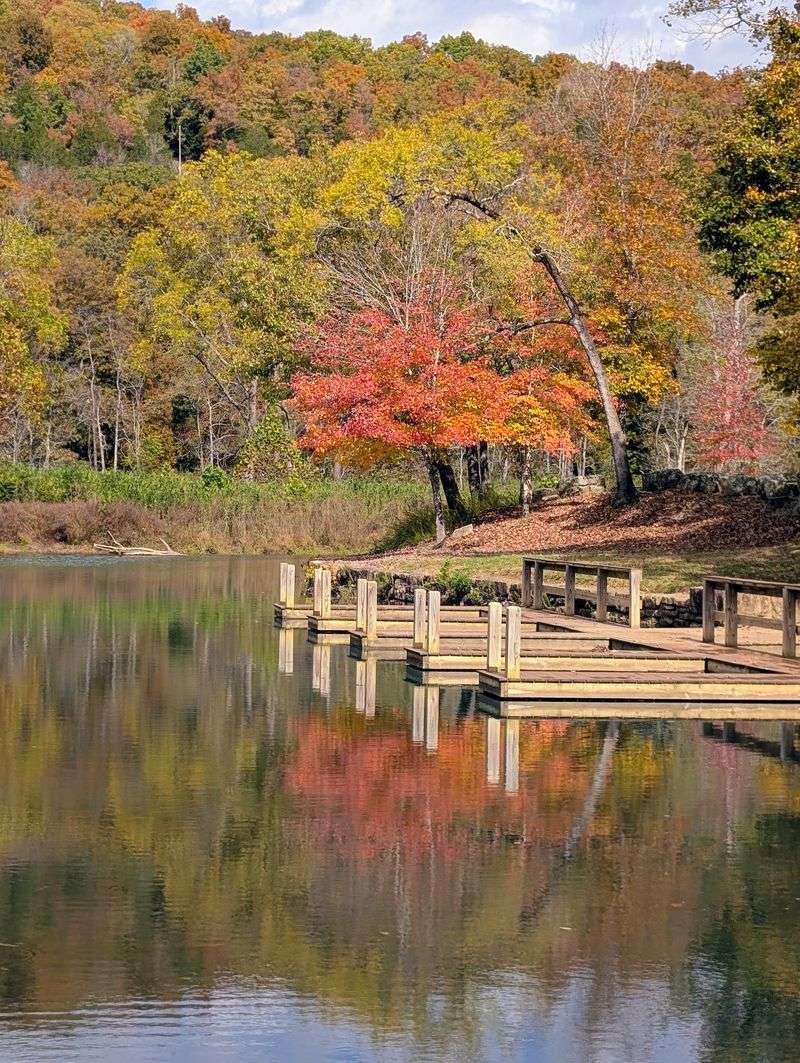
Timing is the secret sauce, and Devil’s Den tastes good year round. Spring arrives with wildflowers and lively creeks, while summer saturates the forest in a thousand greens.
Fall brings headline foliage that swirls across the hills, and winter clarifies the cliffs with clean, dramatic lines.
Crowds ebb and flow, but this park still keeps a low profile compared to bigger names nearby. Weekdays are gloriously calm, and early mornings on the trails feel like a private showing.
Even on weekends, you can find quiet by starting early, choosing longer loops, or lingering after golden hour.
It stays underrated because it is tucked near West Fork, a small city that prefers authenticity to fanfare. There is no flashy entrance, just a gradual welcome from forest and stone that builds devotion quietly.
People who come tend to return, carrying a contented grin and a favorite overlook.
One chilly sunrise, I had Yellow Rock almost to myself, just me, a hawk, and a pink horizon. The stillness felt earned, like the park and I shared a small pact to keep things simple.
That memory lives rent free and pays in calm.
If you love shoulder seasons, this place will spoil you with color, light, and easy breathing room. Bring layers, a thermos, and a sense of unhurried wonder.
You will leave feeling like you discovered something, because in a way, you did.