
This Underrated Mountain Town In West Virginia Is One Of The Prettiest Escapes In America
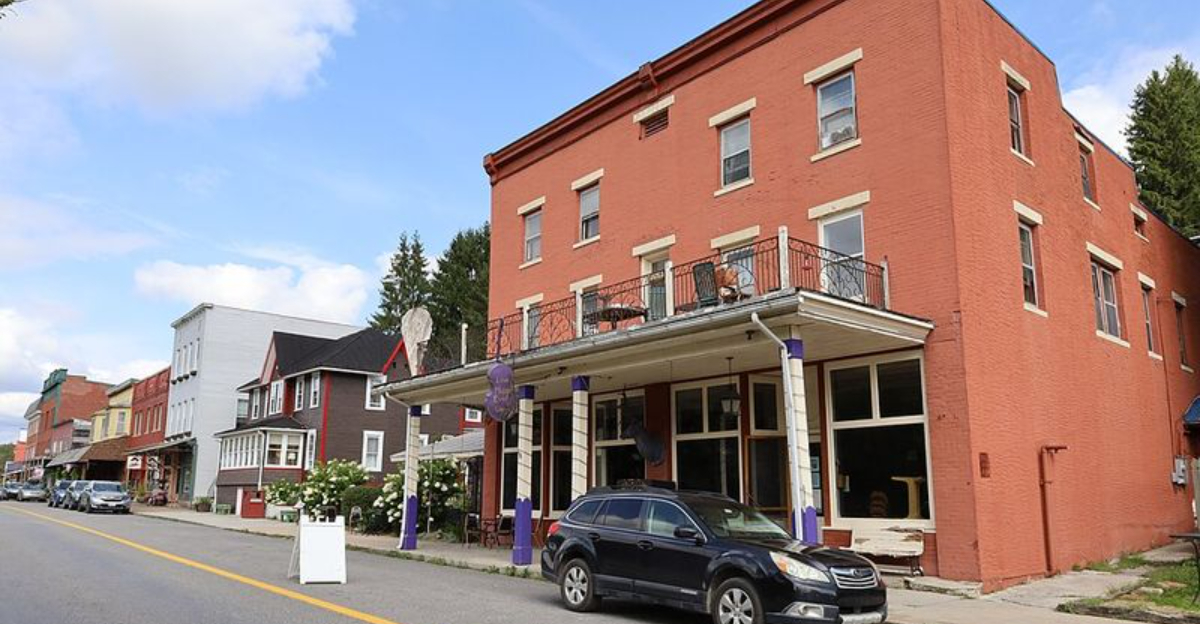
Move over, crowded tourist towns. There’s a tiny mountain escape in West Virginia that feels like it was photoshopped into real life.
You can find it among misty peaks and winding rivers, a town that makes you wonder why everyone else is still stuck in the city.
I wandered its charming streets, stumbled upon cozy cafés, and paused often just to stare at views that could easily be mistaken for a National Geographic cover.
With colorful storefronts, friendly faces, and nature practically at your doorstep, it’s the kind of place that makes you want to cancel your plans and stay forever.
Honestly, if you’re looking for a quiet, jaw-dropping escape where every corner is postcard-perfect, this little West Virginia gem just might be America’s prettiest secret.
The Historic Downtown Architecture
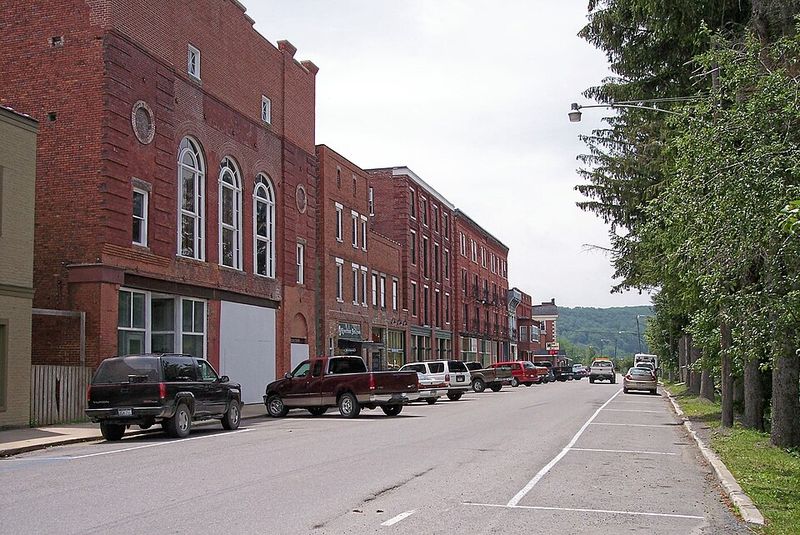
Walking down Thomas Avenue felt like stepping into a living time capsule. The brick facades of the 19th-century commercial buildings stood proud and well-preserved, each one telling a story about the coal and timber boom that built this town from the ground up.
Thomas was founded in the 1880s and quickly became a bustling hub for the railroad and coal industries. The architecture reflects that bold, industrious era.
Ornate cornices, arched windows, and original signage details are still visible if you look closely enough. I spent a solid hour just wandering and gawking like a tourist with absolutely zero shame.
What makes the downtown especially special is that it never felt like a museum. These buildings are alive.
Artists, small shop owners, and creative entrepreneurs have moved in and breathed fresh energy into these old bones.
The contrast between the historic shells and the vibrant, modern creativity happening inside them is genuinely thrilling to witness.
I kept stopping to photograph doorways and window details that most people walk right past. There is beauty in the patina of old wood and faded painted signs.
Thomas has held onto its architectural soul while other towns let theirs slip away quietly.
That kind of preservation deserves real appreciation, and honestly, it made every stroll through downtown feel like discovering something worth celebrating.
Blackwater Falls State Park
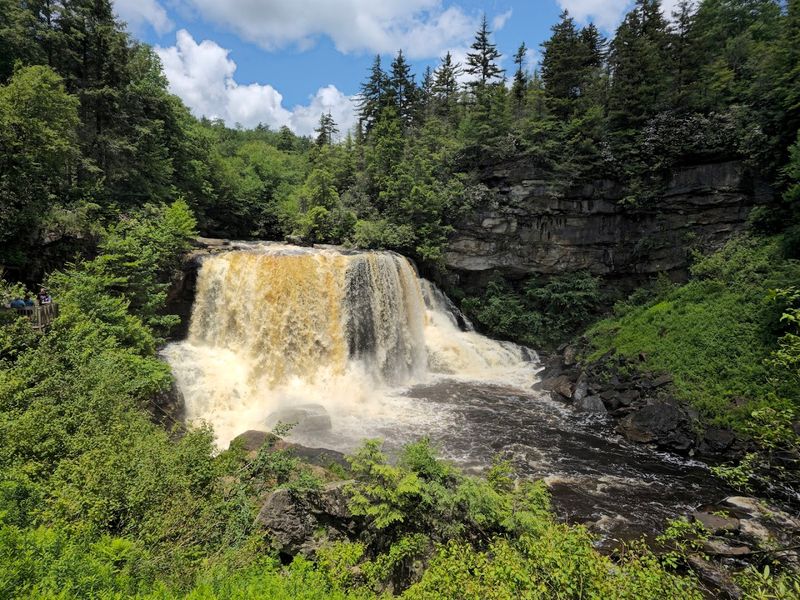
Nothing prepares you for your first look at Blackwater Falls. I rounded a bend on the boardwalk trail, and suddenly there it was: a 57-foot curtain of amber-tinted water crashing into a rugged canyon below.
My jaw literally dropped. I stood there for probably ten minutes just processing how something that stunning could exist this close to civilization.
The water gets its distinctive dark color from tannic acid released by fallen hemlock and red spruce needles.
So the waterfall is not just beautiful, it is scientifically fascinating too. The surrounding Blackwater Canyon stretches for eight miles and drops 1,000 feet in elevation, creating one of the most dramatic natural landscapes in the entire Appalachian region.
The park offers multiple trails ranging from easy boardwalk strolls to more challenging backcountry routes. I hiked the Balanced Rock Trail and came back muddy, happy, and completely recharged.
The overlooks along the canyon rim deliver views that belong on postcards and screensavers. In fall, the entire forest ignites in color, and the contrast against the dark water is almost unreal.
Blackwater Falls State Park sits just minutes from Thomas, making it the perfect anchor attraction for any visit.
Come early in the morning when the mist rises off the falls and the light filters through the trees. That golden morning moment is something I still think about whenever life feels a little too loud and complicated.
Dolly Sods Wilderness
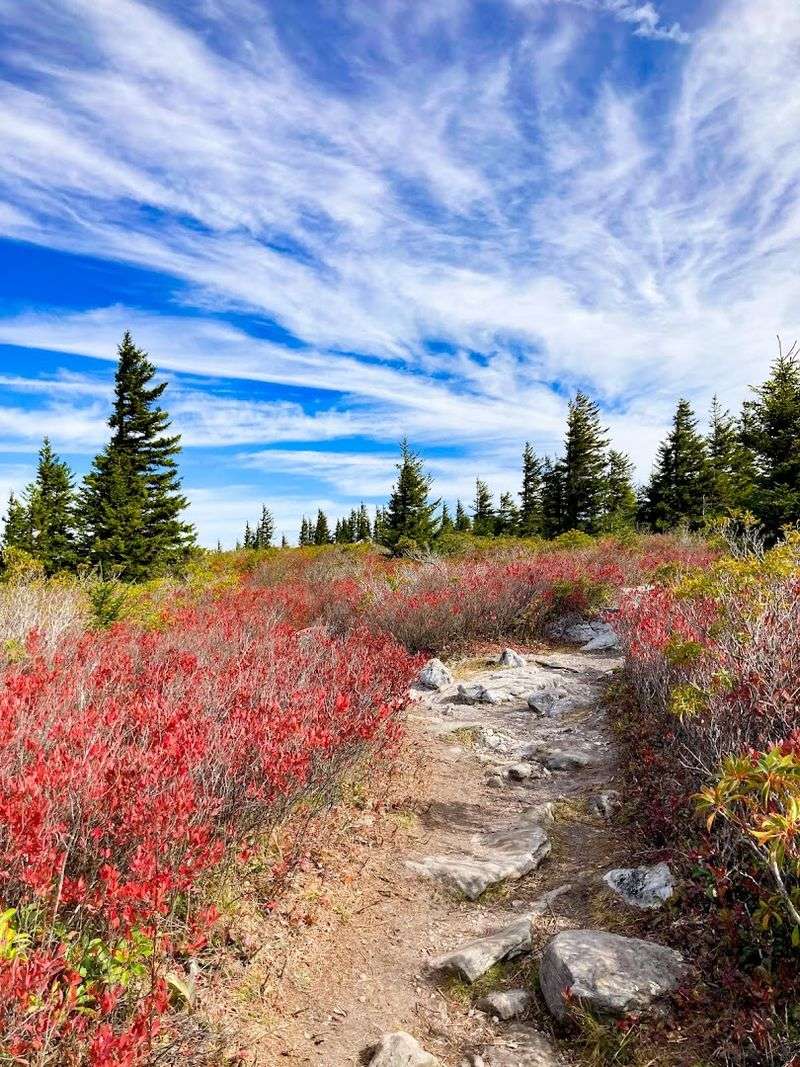
Dolly Sods is one of those places that rewires your brain a little. The landscape looks more like the Canadian tundra than Appalachian West Virginia.
Open heath barrens, wind-sculpted spruce trees, rocky plains, and sweeping views stretching for miles in every direction. I hiked in expecting forests and got something far more surreal and spectacular.
The Dolly Sods Wilderness covers about 17,000 acres and sits on the Allegheny Plateau at elevations reaching 4,000 feet. Because of the altitude and exposure, the ecosystem is genuinely unique in the eastern United States.
Blueberry and huckleberry shrubs carpet the ground in season. Red spruce trees grow twisted from decades of wind.
The whole place has an otherworldly quality that makes every step feel like exploration.
Trail options range from short day hikes to multi-day backpacking routes. I did a loop through the northern section and spotted deer, wild turkeys, and more bird species than I could count.
The silence up there is remarkable. No traffic noise, no city hum, just wind and birdsong and the crunch of your boots on the rocky path.
What truly blew my mind was how few people I encountered. For a wilderness area this stunning and this close to Thomas, the solitude felt almost unearned.
Dolly Sods is the kind of place that makes you fiercely protective of West Virginia’s wild spaces, and I came back to town that evening with tired legs and a very full heart.
The Thomas Arts And Gallery Scene

Thomas has quietly become one of the most vibrant small-town arts communities in the entire mid-Atlantic region. That feels like a bold claim until you actually walk through town and count the studios, galleries, and creative spaces tucked into nearly every block.
I counted eight distinct gallery spaces in a town of roughly 600 people. That ratio is honestly impressive.
The Purple Fiddle, though primarily a music venue, anchors the creative spirit of Thomas in a way that ripples through the whole community.
Artists from across the region have relocated here drawn by affordable studio space, a supportive creative network, and the sheer inspiration of the surrounding wilderness. The work being created here ranges from traditional Appalachian craft to contemporary fine art, and all of it feels rooted in this specific place.
I wandered into a gallery on a Tuesday afternoon and ended up in a twenty-minute conversation about the local landscape with an artist whose paintings were genuinely stunning.
The accessibility of the art scene here is part of its charm. Nothing feels pretentious or intimidating.
It feels like a community sharing what it loves with anyone willing to show up and pay attention.
I bought a small print of Blackwater Canyon that now hangs in my kitchen and reminds me daily that Thomas exists and is waiting for a return visit.
Art scenes like this one are rare, and finding it in a West Virginia mountain town felt like discovering a secret the rest of the country has been missing.
Canaan Valley National Wildlife Refuge
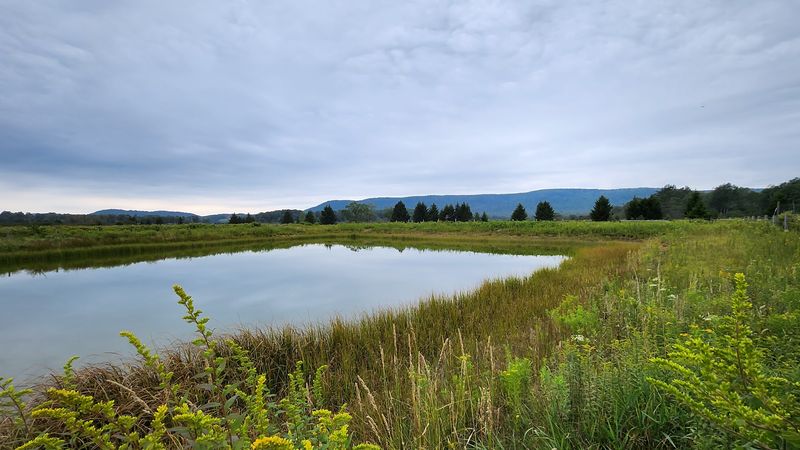
Canaan Valley sits at around 3,200 feet in elevation, making it the highest valley of its size east of the Rocky Mountains. I did not fully appreciate that fact until I drove into it early one morning and watched fog roll slowly across the wetland meadows like something out of a nature documentary.
The scale of the valley is quietly breathtaking.
The Canaan Valley National Wildlife Refuge protects over 16,000 acres of wetlands, forests, and meadows that provide critical habitat for migratory birds and resident wildlife.
Birdwatching here is extraordinary. I spotted great blue herons, wood ducks, and a bald eagle all within the same morning walk.
The refuge trails are easy and well-marked, making them accessible for anyone regardless of fitness level.
What I loved most was the sense of genuine wildness. The valley has a moody, atmospheric quality that shifts with every weather change.
One moment it is golden and serene, and the next a cloud rolls through and the whole landscape turns mysterious and dramatic. Photographers could spend weeks here and never run out of compelling subjects.
The refuge sits just a short drive from Thomas, making it an effortless addition to any visit. I went back twice during my extended stay, once at dawn and once at dusk, and both visits felt completely different and equally rewarding.
Canaan Valley is proof that West Virginia has been quietly protecting some of America’s most extraordinary natural spaces.
Hiking The Allegheny Highlands Trail Network
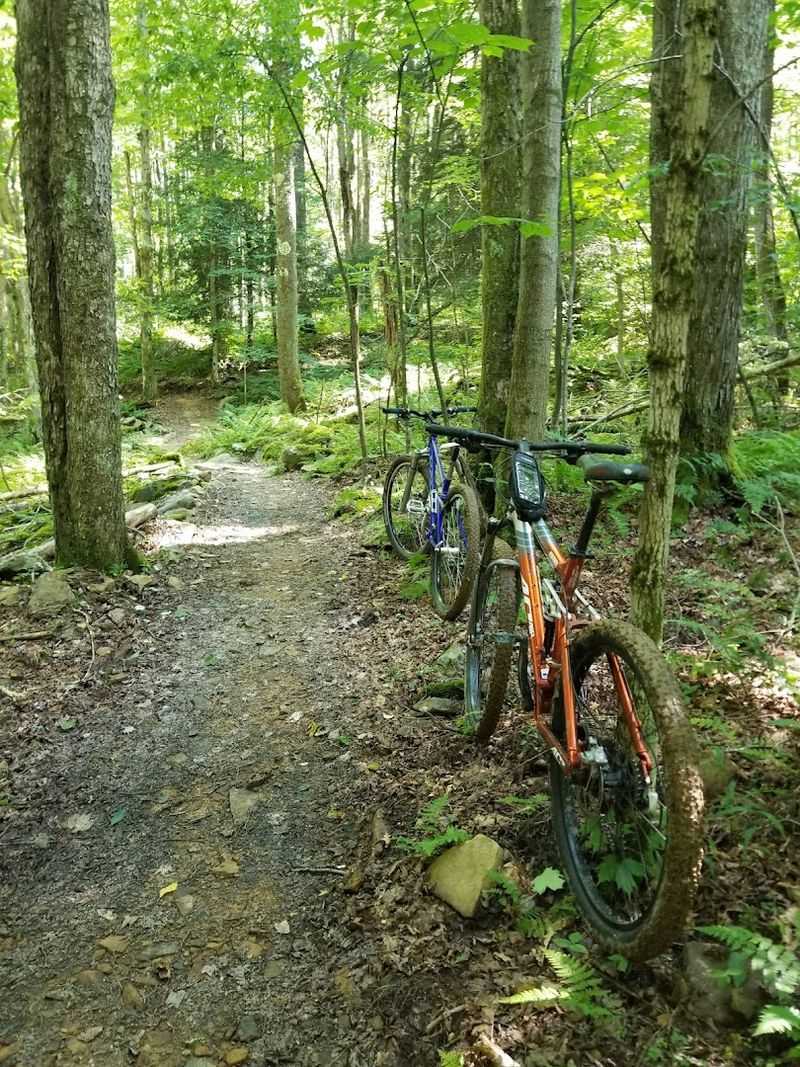
If hiking is your thing, the trail network around Thomas will absolutely ruin you for anywhere else. I am not exaggerating even slightly.
The density of quality trails within a short drive of town is staggering, and every single one of them offers something distinct and memorable. I had a running list of trails I wanted to hit, and I barely scratched the surface.
The Allegheny Highlands Trail system connects Thomas to surrounding wilderness areas through a series of interconnected routes.
Some trails hug ridge lines with panoramic views across multiple mountain ranges. Others drop into deep hollows where streams run cold and clear over mossy rocks.
The variety keeps every hike feeling fresh and surprising rather than repetitive.
One afternoon I followed a trail from the edge of Thomas that climbed steadily through a mixed hardwood forest before opening onto a ridge with views I would describe as aggressively beautiful.
The kind of views that make you forget you had plans. I sat on a rock up there for a solid thirty minutes eating trail mix and feeling extremely grateful for my navigation app.
Trail conditions around Thomas are generally well-maintained, and the community takes real pride in preserving public access to these wild spaces.
Whether you prefer a casual two-mile stroll or a challenging full-day adventure, the trail network here delivers without question. Thomas might just be the best hiking base camp on the entire East Coast.
The Railroad History Of Thomas

Thomas owes its entire existence to the railroad. The town was established in the 1880s as a center for coal and timber extraction, and the Western Maryland Railway was the engine that drove everything.
Walking through Thomas with that history in mind transforms the whole experience. Those brick buildings were built with coal money, and the streets were laid out to serve an industrial economy that once roared through this valley.
The coal heritage of Tucker County is woven into the physical landscape of Thomas in ways that are both visible and deeply felt.
Old mining infrastructure dots the surrounding hills. The names of streets and neighborhoods reference companies and figures from the extraction era.
History here is not just in a museum, it is embedded in the town itself.
I spent time reading historical markers and poking around areas that still show traces of the industrial past. There is something genuinely moving about a town that has reinvented itself so completely.
From coal and timber to art and outdoor adventure, Thomas has made a transformation that feels both hard-won and authentic.
The story of Thomas is really the story of Appalachia in miniature: resilience, reinvention, and a stubborn attachment to place that refuses to let go even when the economic ground shifts.
Understanding that history makes every gallery visit and every trail walk feel richer and more meaningful. Thomas does not just look good, it has real depth worth exploring.
The Scenic Drives And Mountain Views Around Thomas
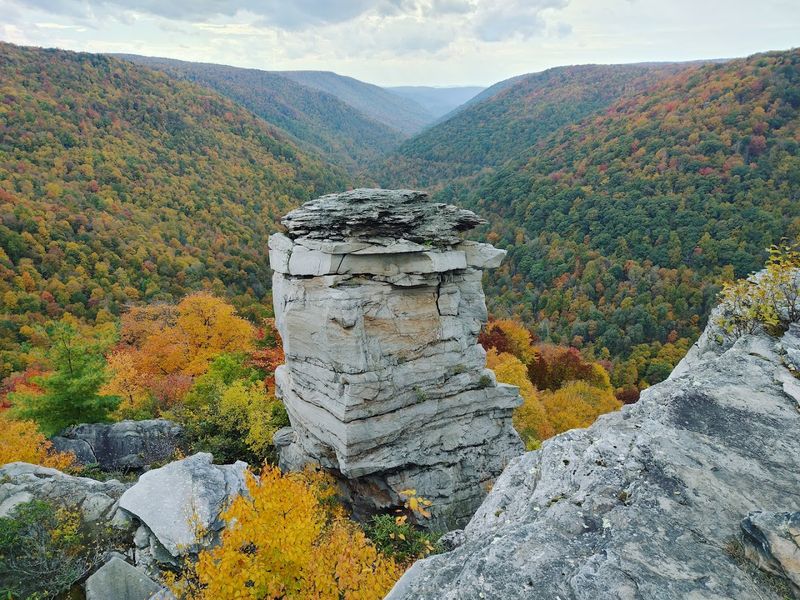
Some of the best moments from my time in Thomas happened while I was simply driving. The roads around Tucker County wind through scenery so consistently stunning that pulling over becomes a reflex rather than a choice.
I stopped at probably a dozen overlooks across two days and never once felt like I was seeing the same view twice.
Route 32 between Thomas and Canaan Valley is a particular highlight. The road climbs and curves through dense forest before opening onto valley views that stretch for miles.
In fall, the entire corridor transforms into a corridor of red, orange, and gold that makes driving feel like moving through a painting. I had a playlist going, the windows down, and I genuinely did not want the drive to end.
The drive toward Dolly Sods on Forest Road 19 is another unforgettable experience. The road climbs steeply onto the plateau, and the landscape shifts dramatically as you gain elevation.
The open barrens appear suddenly after miles of dense forest, and the transition is so abrupt and striking that it feels almost theatrical.
Scenic drives are one of those travel pleasures that get underrated because they seem passive. But around Thomas, the act of moving through the landscape is genuinely immersive and restorative.
If you are the kind of traveler who finds clarity behind the wheel on a winding mountain road, Tucker County will feel like it was designed specifically for you.