
This Underrated Museum In Florida Houses The World’s Largest Private Aircraft Collection
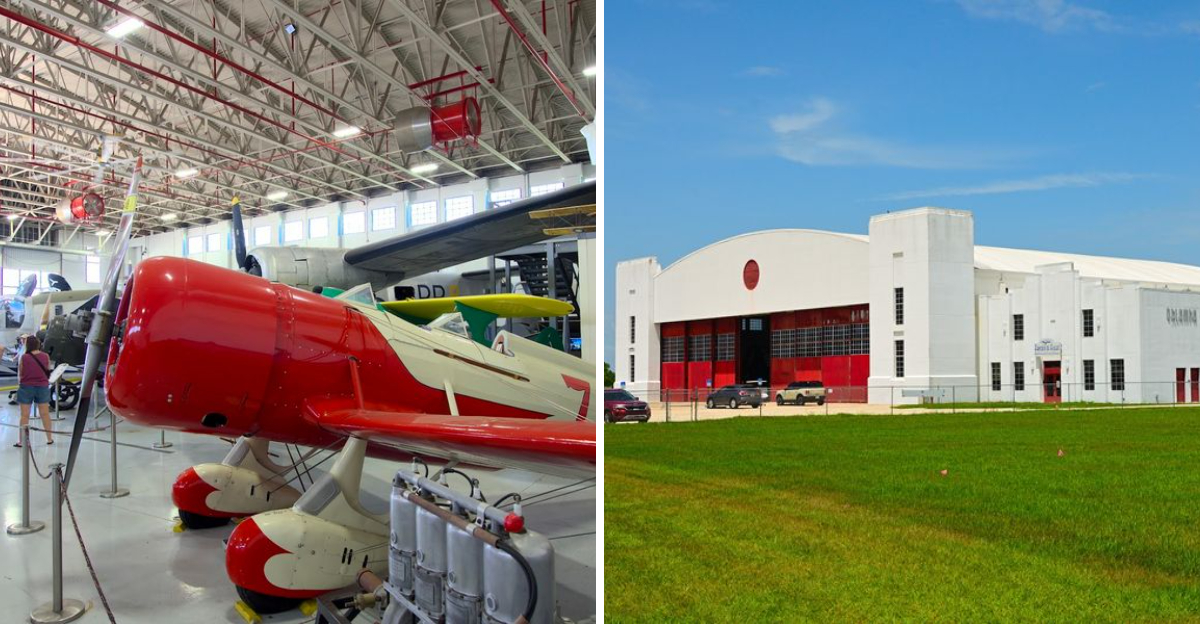
Somewhere in Central Florida, there is a place where aviation history quietly comes to life in a way few visitors expect. From the outside, it may look like just another hangar, but stepping inside quickly reveals something far more remarkable.
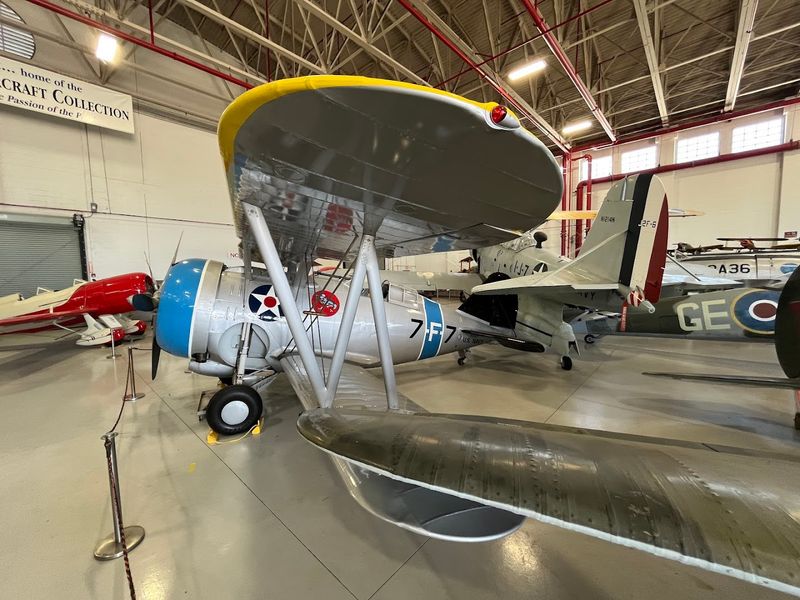
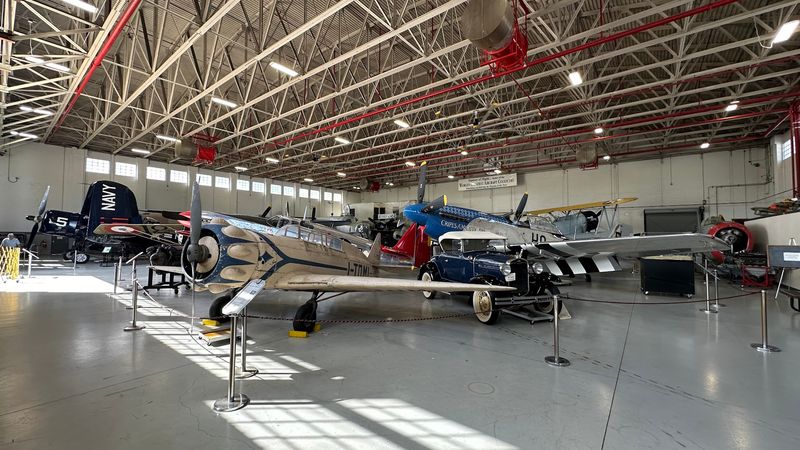
Rows of vintage aircraft stretch across the space, each one representing a different chapter in the story of flight. Early biplanes sit alongside powerful World War II warbirds, their polished propellers and gleaming fuselages reflecting decades of careful restoration.
Walking through the collection feels less like visiting a typical museum and more like stepping into a living timeline of aviation. Every plane carries its own history, and many of them are still capable of taking to the skies.
Florida is already full of surprising attractions, but places like this remind you that some of the most fascinating discoveries are hidden where you least expect them.
And once you begin exploring the remarkable aircraft inside, it quickly becomes clear that this is far more than a quick roadside stop. It is a place where the passion for flight has been carefully preserved for generations to experience.
Up-Close Aircraft Access Like Nowhere Else
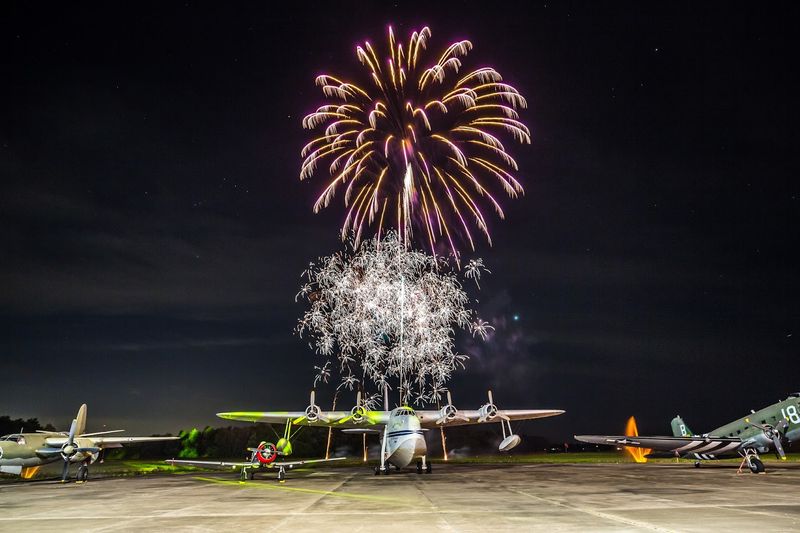
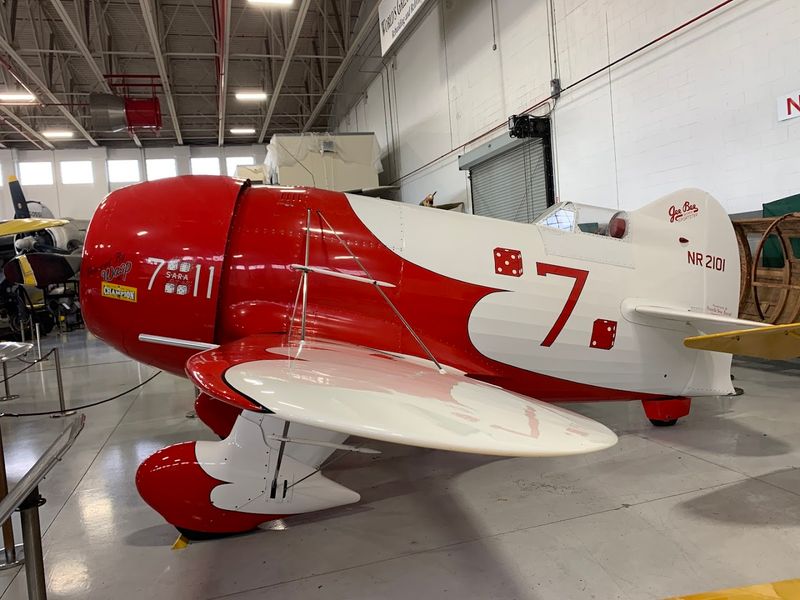
Most aviation museums keep you at arm’s length behind velvet ropes, but I got closer to these historic planes than I ever imagined possible. Walking right up to a B-24 Liberator or circling a Gee Bee racer lets you appreciate details that photographs simply can’t capture.
The fabric tension on wing surfaces, the intricate riveting patterns, and the worn leather in cockpits tell stories that plaques on walls never could.
Several aircraft have open cockpits where I actually climbed in and gripped the controls. Sitting in a World War II fighter’s seat, my hands on the throttle and stick, brought history alive in a way no textbook ever managed.
The museum rotates which planes are accessible, so repeat visits always offer something new to explore.
Staff members encourage questions and don’t rush you through, understanding that real appreciation takes time. I spent nearly twenty minutes examining engine cutaways that show exactly how these mechanical marvels functioned.
The freedom to photograph from any angle without restrictions meant I left with hundreds of detailed shots that still amaze me when I scroll through them today.
Restoration Work You Can Actually Watch
Peeking into the restoration areas felt like stepping onto a movie set where craftsmen breathe life back into aviation legends. Unlike polished display-only museums, Fantasy of Flight shows the messy, fascinating process of bringing decades-old aircraft back to flying condition.
I watched technicians carefully matching cable colors to original specifications, a level of authenticity that borders on obsessive in the best possible way.
The museum doesn’t hide projects in progress behind closed doors. Partially restored planes sit alongside finished ones, giving visitors perspective on the enormous effort required.
One airframe I saw had its fabric covering removed, exposing the skeletal structure underneath and revealing engineering solutions from another era.
Talking with restoration specialists revealed their dedication to historical accuracy down to the smallest bolt. They explained how sourcing period-correct materials often requires years of searching and networking with collectors worldwide.
Seeing a plane’s transformation from weathered relic to airworthy machine makes you respect both the original designers and modern craftspeople.
The workshop areas contain vintage tools and equipment that are themselves museum-worthy. I left with profound appreciation for the patience and skill required to preserve aviation history for future generations.
Knowledgeable Tour Guides Who Actually Fly
Bill, my tour guide, didn’t just recite memorized facts from a script. He shared firsthand experiences with these aircraft types, having logged hours in several of the museum’s flyable planes.
His stories about the handling quirks of 1930s racing planes compared with the steady power of large historic aircraft from the 1940s added dimensions no guidebook could provide.
Every guide I encountered possessed deep technical knowledge combined with storytelling ability that kept everyone engaged. When I showed one guide a photo of my grandfather next to a vintage aircraft from the 1940s, he immediately identified the plane model and explained its history and design.
That personal connection transformed my visit into something far more meaningful than I expected.
The guides encourage questions and happily spend extra time with genuinely curious visitors. I watched one patiently explain control surfaces to a group of children, then shift gears to discuss engine specifications with an aerospace engineer in equally appropriate detail.
Their enthusiasm never feels forced or rehearsed.
Unlike volunteer docents at some museums who might have limited availability, the Fantasy of Flight staff members are present and accessible throughout operating hours. Their passion for aviation history is infectious, and I found myself asking questions I hadn’t even considered before arriving.
Flyable Collection That Still Takes Flight
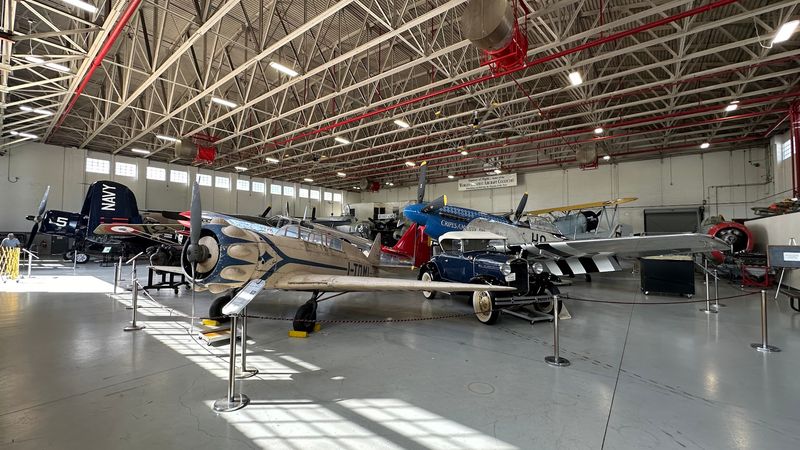
Learning that most of these museum pieces still fly completely changed how I viewed them. These aren’t static monuments gathering dust but living machines that regularly take to the skies.
The owner, Kermit Weeks, personally pilots many aircraft in the collection, ensuring they remain airworthy rather than becoming mere display pieces.
Watching restoration crews work with the knowledge that their projects will actually fly adds urgency and precision to every task. A museum piece that never leaves the ground can tolerate small imperfections, but aircraft that will carry pilots thousands of feet up demand absolute accuracy.
This commitment to flight-worthiness means every component must function exactly as designed decades ago.
The rotating display keeps things fresh since planes periodically leave for air shows or maintenance flights. I learned that some aircraft return from events and swap places with others from storage, giving repeat visitors new experiences.
This living collection approach means the museum constantly evolves rather than presenting the same static exhibits year after year.
Knowing these planes still serve their original purpose rather than sitting as monuments makes every visit feel more authentic and exciting than typical museum experiences.
Rare Racing Planes From Aviation’s Golden Age

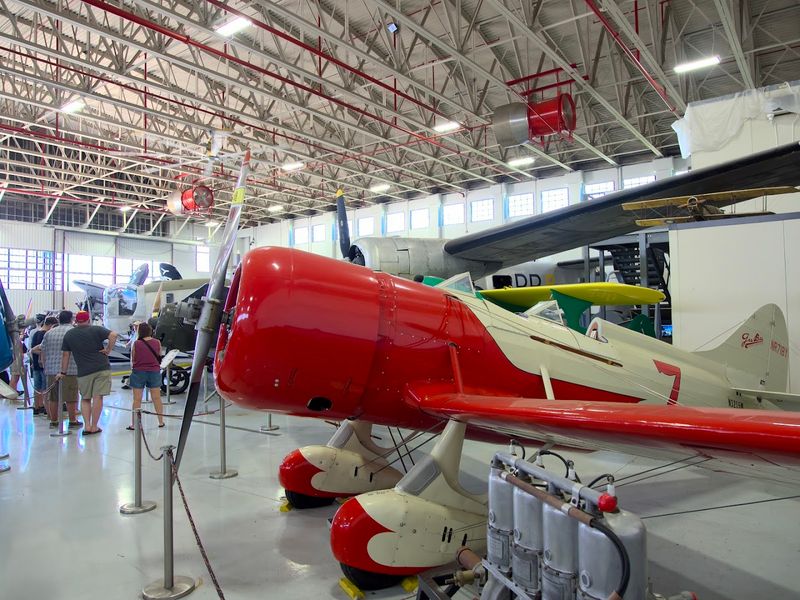
The Gee Bee racers stopped me in my tracks with their impossibly stubby fuselages and massive engines. These 1930s speed demons look like someone strapped wings to an engine and hoped for the best, which isn’t far from the truth.
Standing next to one, I couldn’t believe pilots willingly climbed into these barely controlled rockets that prioritized speed over everything including common sense.
Racing planes represent aviation’s wild frontier period when designers pushed boundaries with little regard for safety margins. The museum’s collection includes several examples that competed in famous air races, each with stories of triumph and tragedy.
Reading about their performance specifications and then seeing the tiny cockpits makes you respect the courage of depression-era pilots.
These colorful aircraft contrast beautifully with the military planes, showing aviation’s peacetime pursuits alongside wartime necessities. The paint schemes alone are worth the admission, with bold stripes and numbers that helped spectators track racers at 250 miles per hour.
I spent considerable time photographing these machines from every angle, captivated by their aggressive aesthetics.
Few museums dedicate significant space to racing planes, making this collection particularly special for aviation enthusiasts seeking something beyond standard military aircraft displays.
Historic Aircraft From The 1940s Era
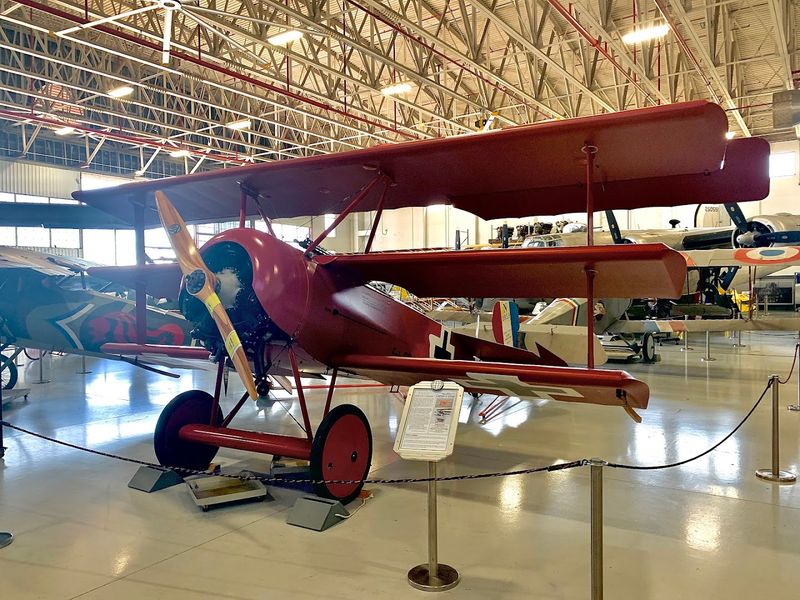
Standing beneath the wings of a beautifully preserved B-24 Liberator gave me a new appreciation for the engineering that defined aviation in the 1940s. The aircraft’s enormous wingspan, intricate cockpit layout, and powerful engines reveal just how advanced these machines were for their time.
One aircraft on display even features signatures from former crew members, offering a direct connection to the people who once flew these remarkable planes. Seeing their names carefully written across the metal adds a human dimension to the aircraft’s long history.
The museum also showcases aircraft from multiple countries, highlighting how aviation technology evolved around the world during that period. This global perspective helps visitors understand how designers experimented with new ideas and pushed flight capabilities forward.
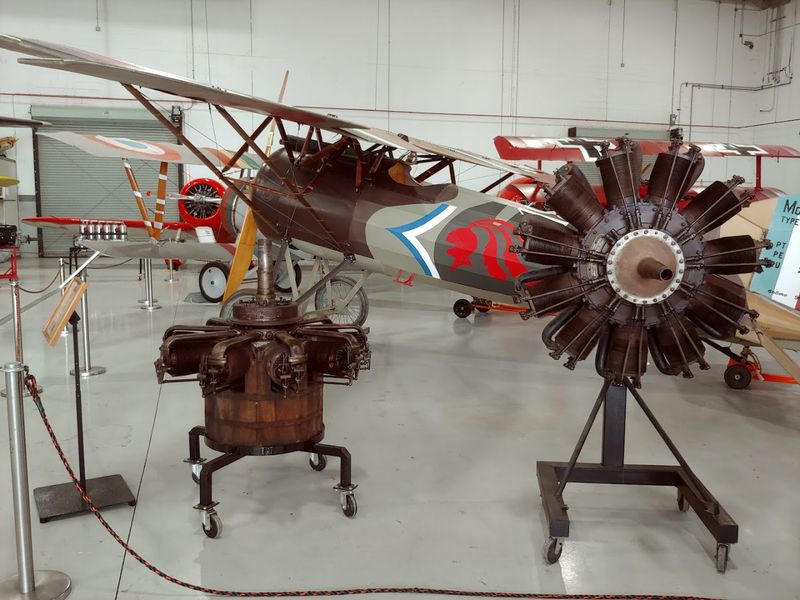
Detailed engine cutaways and structural displays make it easier to see the incredible complexity hidden inside these machines. Standing close to them, it becomes clear how much innovation and craftsmanship went into shaping the aircraft that helped define modern aviation.
Hands-On Cockpit Experiences For All Ages
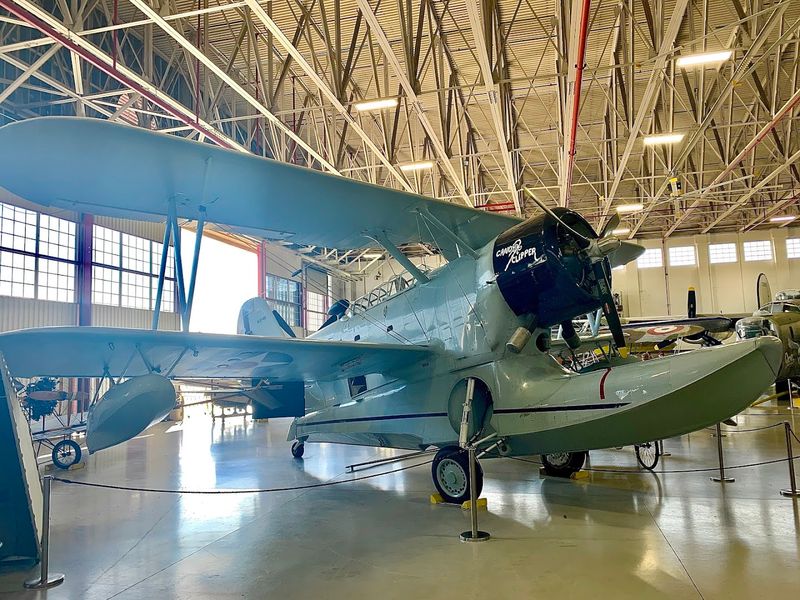
My nephew’s face lit up when staff invited him to climb into a fighter cockpit and try the controls. Museums usually mean ‘don’t touch,’ but Fantasy of Flight encourages interaction that makes history tangible for young visitors.
Watching him grip the control stick and peer through the gunsight created a memory that will outlast any lecture about aviation history.
Multiple aircraft have accessible cockpits where visitors can sit and imagine what pilots experienced. The worn leather seats and scratched instrument panels aren’t pristine replicas but actual components that flew missions or raced competitively.
This authenticity adds weight to the experience that sanitized reproductions simply can’t match.
Staff members often help position visitors for photographs and explain what various controls do. One guide spent ten minutes with my nephew, describing how rudder pedals coordinate with stick movements and what each gauge monitored.
That personal attention transformed a photo opportunity into an educational experience he still talks about months later.
The hands-on approach works for adults too. I’ve visited plenty of museums where I wished I could get closer, and Fantasy of Flight delivers exactly that access.
Being able to touch, sit in, and closely examine these machines satisfies curiosity in ways that barriers and distance never could.
Affordable Admission With Tremendous Value
At around sixteen dollars for general admission, I got far more than my money’s worth. Premium museums in major cities charge twice that for less impressive collections and more restrictive viewing.
The value becomes even clearer when you realize how much time you can spend here without feeling rushed or running out of things to see.
Annual passes cost just slightly more than single admission, making repeat visits economical for local residents. I purchased one immediately after my first tour, knowing I’d return to see different aircraft as the collection rotates.
The pass paid for itself by my third visit, and I’ve been back six times since.
VIP tours offering extended access to restoration hangars and storage areas run about one hundred dollars per person. While pricier, serious enthusiasts find the behind-the-scenes access and additional hours well worth the investment.
Standard admission already provides excellent value, but the VIP option exists for those wanting deeper immersion.
The gift shop offers reasonably priced merchandise, and staff never pressure visitors to purchase anything. I appreciated that the museum focuses on the aircraft experience rather than maximizing gift shop revenue.
For budget-conscious families seeking educational entertainment, Fantasy of Flight delivers exceptional bang for your buck.
Expansion Plans Bringing Even More Aircraft
Currently operating in a scaled-down format during expansion, the museum still impresses with what’s accessible. Knowing that additional hangars will eventually open to display more of the 150-plus aircraft in storage makes me eager for future visits.
The current collection represents just a fraction of what Kermit Weeks has assembled over decades of passionate collecting.
Staff members openly discuss expansion plans and timelines, building anticipation for what’s coming. I learned that many rare aircraft currently in restoration will join the public displays once new facilities are complete.
The museum’s transparent approach about its current state versus future potential shows confidence in what they already offer.
Even in its temporary configuration, I spent over two and a half hours exploring without feeling shortchanged. The quality of what’s displayed outweighs any concerns about quantity.
Once expansion finishes, Fantasy of Flight will likely become one of the world’s premier aviation museums, period.
The construction itself adds a sense of visiting during a special transitional moment. Years from now, I’ll remember experiencing the museum in this intimate format before it grew into something even larger.
Current visitors get to know the collection in ways that might not be possible once crowds discover this hidden treasure.
Convenient Location With Easy Access
Located at 1400 Broadway Blvd SE in Polk City, the museum sits about an hour from Orlando and Tampa, making it an easy day trip from either city. I drove from Orlando and found the route straightforward with clear signage as I approached.
The rural setting means ample free parking right outside the hangar, eliminating the hassle of crowded lots or expensive parking fees.
Weekend-only operations from Friday through Sunday, 11 AM to 3 PM, require some planning but ensure staff availability for tours and questions. I appreciated that the limited hours mean fresh, engaged employees rather than exhausted workers manning a seven-day operation.
Calling ahead or checking the website confirms current hours since expansion activities occasionally affect scheduling.
The private airfield setting adds authenticity that urban museums can’t replicate. Watching planes potentially take off or land during your visit reinforces that this is a working aviation facility, not just a static display space.
The museum’s location on actual runway property connects visitors to active flying rather than historical preservation alone.
While remote compared to downtown attractions, the location’s accessibility via major highways and the lack of urban congestion make the drive pleasant rather than frustrating. I’ve made the trip multiple times and never regretted the mileage.