
This Untouched Florida Barrier Island Has Wild Dolphins, Nesting Sea Turtles, And Not A Single Paved Road
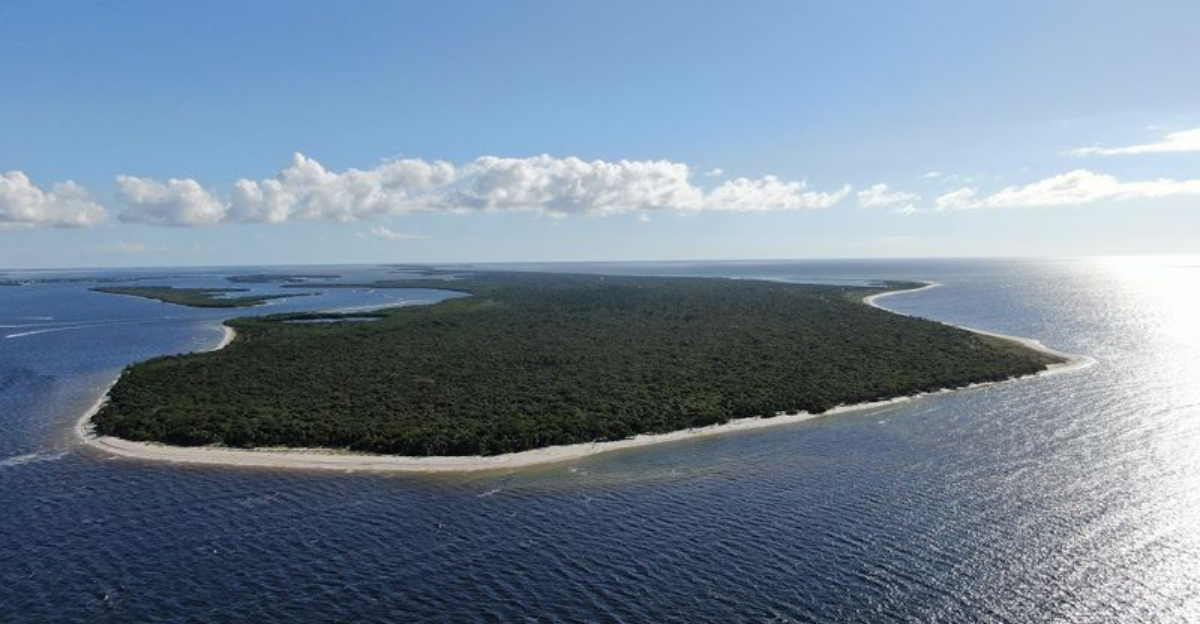
The ferry pulls away, the shoreline fades, and by the time you step onto Cayo Costa, it already feels like you left more behind than just the mainland. No roads, no traffic, nothing pulling your attention in a dozen directions.
Reaching this island in Florida takes a little effort, and that’s exactly why it still feels untouched when you arrive.
The shoreline stretches out without interruption. Water moving quietly, sand scattered with shells, and space that doesn’t feel claimed or crowded.
Wildlife shows up on its own terms. Dolphins passing by, tracks in the sand you didn’t expect to see, moments that don’t feel scheduled or controlled.
People don’t rush here. They walk, sit, and stay longer than they planned without noticing the time.
It’s not just quiet.
It’s disconnected in the best way.
Accessible Only By Boat Or Ferry
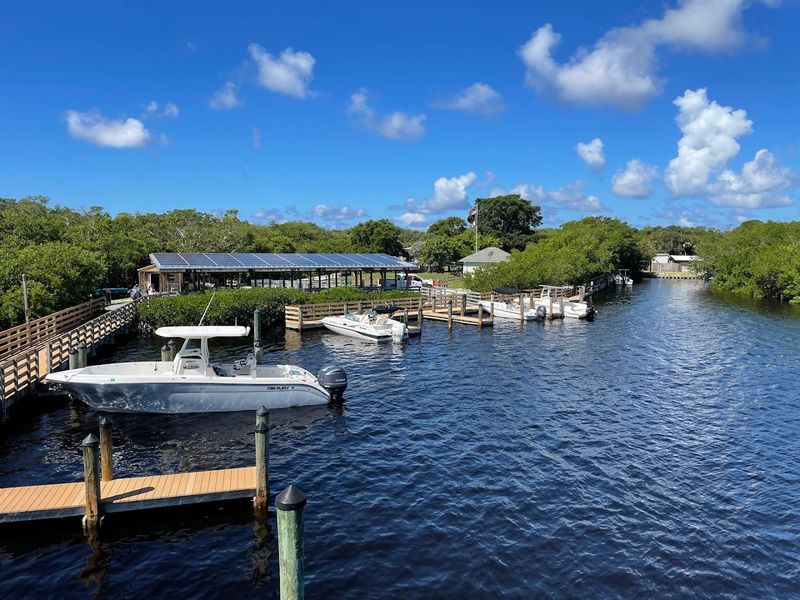
Getting to Cayo Costa State Park requires a bit more planning than simply hopping in your car and punching coordinates into GPS. The island has no bridge, no causeway, and definitely no Uber pickup zone, so you will need to arrange transport by private boat or charter service.
I took a charter from the mainland, and the ride itself became part of the adventure, with dolphins surfacing alongside the boat and ospreys circling overhead. The ferry schedule used to run regularly, but Hurricane Ian changed that, so now most visitors rely on private charters or their own watercraft.
Once you arrive at the dock, you will notice the absence of parking lots, gift shops blaring music, or even a paved walkway leading anywhere. Rangers greet arrivals with maps and advice, and a small tram runs hourly to shuttle visitors between the dock, campsites, and trailheads.
This boat-only access keeps crowds manageable and preserves the island’s wild character in a way that feels intentional and refreshing.
Nine Miles Of Pristine Untouched Beach
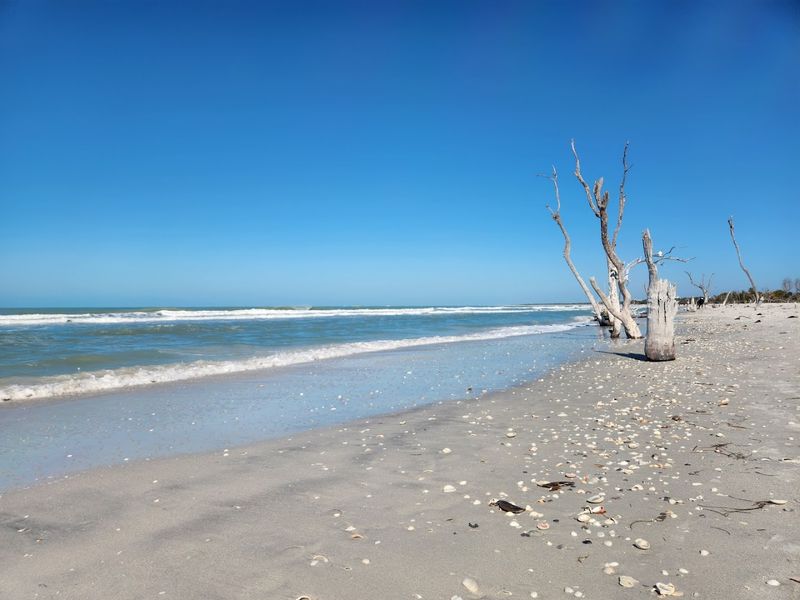
Walking along Cayo Costa’s nine-mile beach feels like stepping into a postcard that somehow never got commercialized. The sand runs white and soft, punctuated by endless shells that wash up with every tide, and I have spent entire afternoons here without seeing more than a handful of other people.
The Gulf side offers calm, clear water perfect for wading and swimming, while the bay side presents a completely different landscape of mangroves and tidal flats. I loved how each section of beach had its own personality, some wide and flat, others edged by dense coastal forest that provided natural shade.
There are no beach bars, no jet ski rentals, and no lifeguard stands, just miles of coastline where you can spread out a towel and claim your own private slice of Florida. Shelling here ranks among the best I have experienced anywhere, with sand dollars, conch shells, and colorful fragments appearing after every wave.
The lack of development means the beach remains in its natural state, a rarity along Florida’s increasingly crowded coastline.
Wild Dolphins Swimming In Surrounding Waters
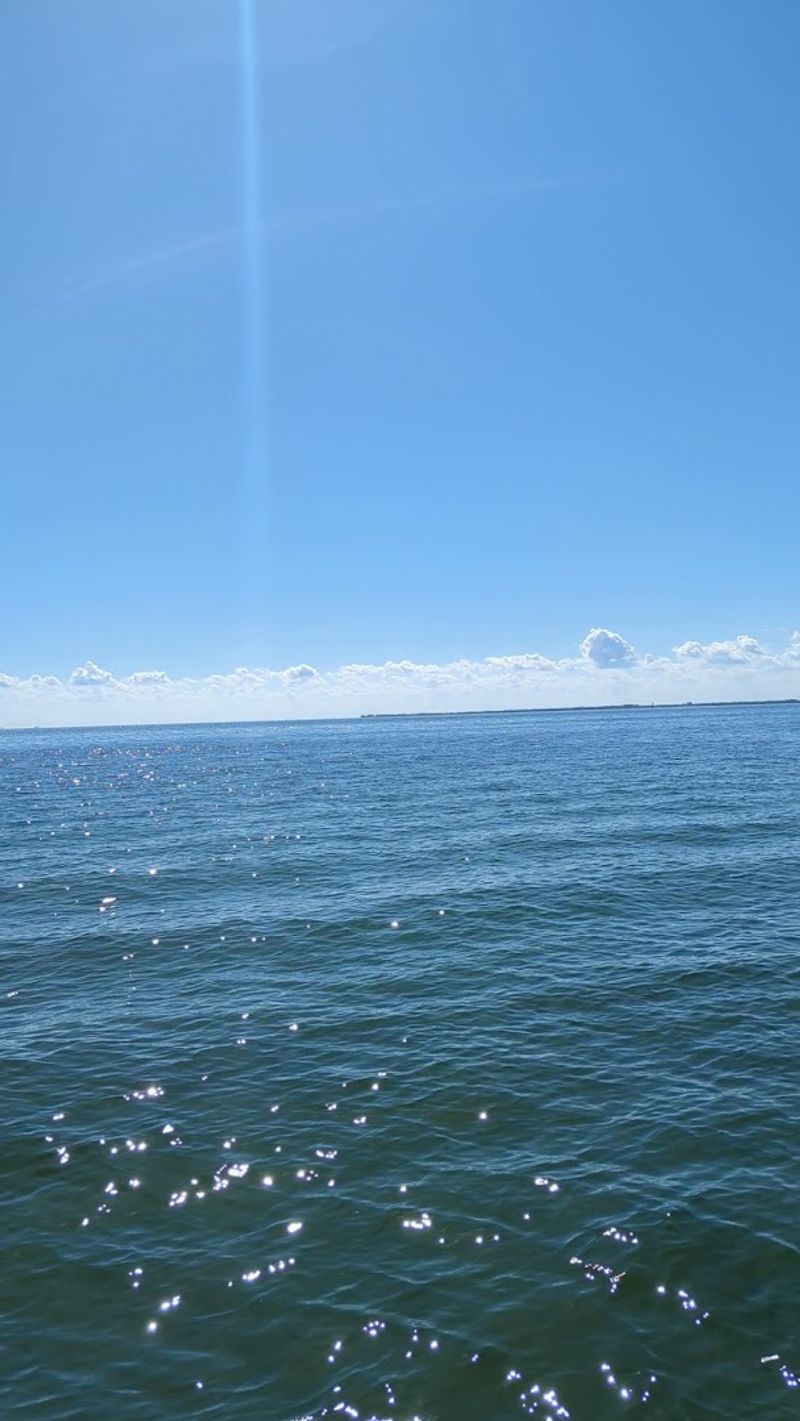
Spotting dolphins around Cayo Costa is not a matter of if, but when, and I have yet to visit without seeing at least a few fins cutting through the water. These bottlenose dolphins patrol the channels and shallow bays surrounding the island, hunting fish and occasionally putting on a show for passing boats.
I watched a mother and calf glide past the dock one morning, so close I could hear them exhale through their blowholes, and the experience felt more intimate than any aquarium encounter ever could. The waters here provide rich feeding grounds, and dolphins seem to appreciate the lack of heavy boat traffic that plagues more developed areas.
You might see them from the beach, especially early in the morning or late afternoon when they hunt close to shore. Some visitors bring kayaks or paddleboards and have reported dolphins swimming alongside them in the calm bay waters.
Watching these animals in their natural habitat, unbothered and free, reminds you why places like Cayo Costa matter so much.
Nesting Sea Turtles On Protected Shores
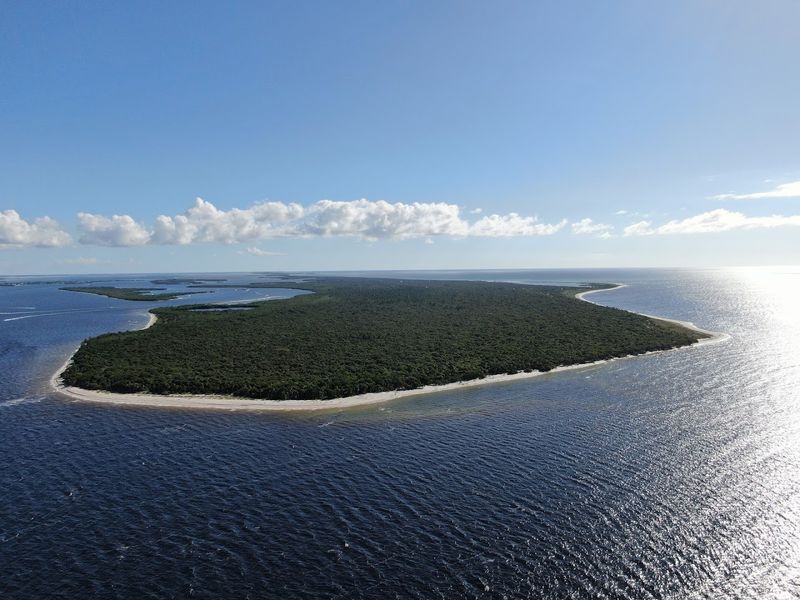
Sea turtles have been nesting on Cayo Costa’s beaches for thousands of years, and the island’s protected status ensures they can continue this ancient ritual without interference from development or artificial lighting. Loggerhead turtles make up the majority of nesters here, hauling themselves ashore between May and October to dig nests and deposit eggs.
I joined a ranger-led turtle walk one evening and witnessed a female loggerhead laboriously digging her nest, a process that took over an hour and left me exhausted just watching. The rangers mark nests with stakes to protect them from accidental disturbance, and hatchlings emerge roughly sixty days later, scrambling toward the water under cover of darkness.
The absence of beachfront hotels and streetlights creates ideal conditions for nesting, as artificial light disorients hatchlings and can lead them away from the ocean. Park staff monitor nests throughout the season and educate visitors about keeping a respectful distance.
Knowing that these threatened creatures still find safe haven here makes every visit feel like a privilege.
Not A Single Paved Road On The Entire Island
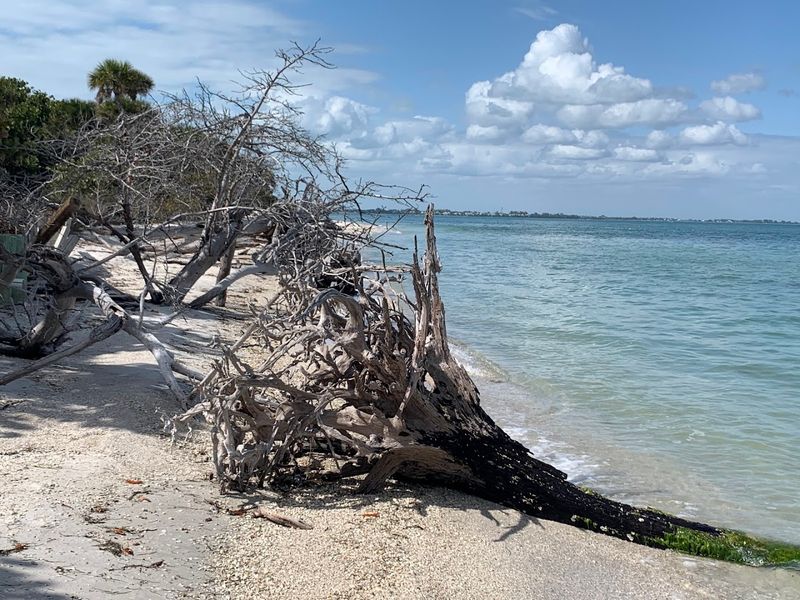
Cayo Costa has zero paved roads, zero parking lots, and zero traffic lights, which might sound inconvenient until you realize how much better the island feels without them. Instead of asphalt, you will find sandy trails that wind through pine flatwoods and oak hammocks, paths that encourage you to slow down and notice details you would miss from a car window.
I rented a bike from the park and pedaled along these trails, feeling the soft give of sand under my tires and stopping whenever I wanted to examine a bird or a particularly interesting shell. The lack of roads also means no engine noise, no exhaust fumes, and no speeding vehicles that would disrupt wildlife or visitors.
A tram runs on a set schedule to help campers and day-trippers move gear between the dock and campsites, but even that vehicle moves at a leisurely pace. Walking or biking becomes the default mode of transport, and I found that rhythm surprisingly pleasant after a few minutes of adjustment.
This car-free environment preserves the island’s tranquility in a way that feels increasingly rare in modern Florida.
Primitive Camping Under The Stars
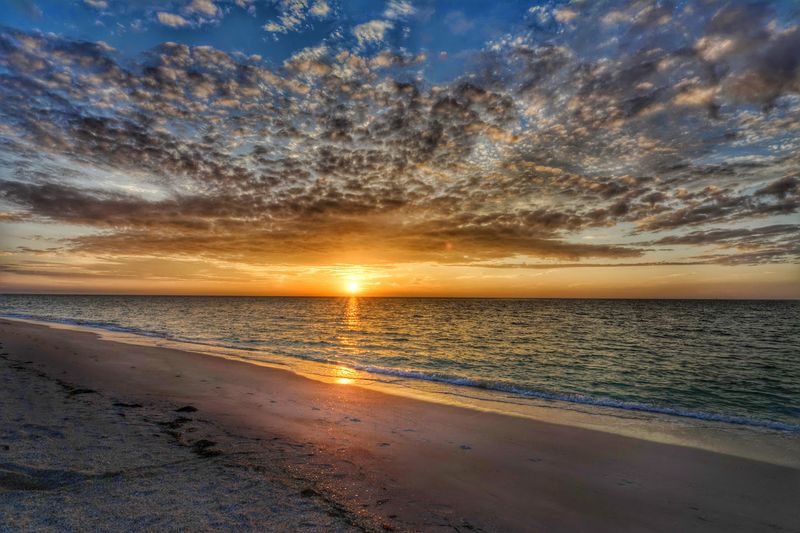
Camping at Cayo Costa strips away modern conveniences and replaces them with experiences you cannot get anywhere else, like falling asleep to the sound of waves and waking up to dolphins breaching offshore. The campsites are primitive, meaning no electricity, no air conditioning, and no hot water, just you, a tent or cabin, and the natural rhythms of the island.
I stayed in one of the rustic cabins, which provided a roof and screened windows but little else, and I loved how the lack of power forced me to unplug completely. Some sites sit close to the beach, others nestle deeper in the palm forest, and all require you to bring your own food, water, and supplies since the small camp store stocks only basics.
Bugs can be intense, especially no-see-ums during summer months, so insect repellent and fans become essential gear. The park provides clean restrooms with running water, and rangers patrol regularly to assist campers.
Stargazing here rivals anything I have seen, with zero light pollution and the Milky Way stretched across the sky like a glowing river.
Miles Of Nature Trails Through Diverse Ecosystems
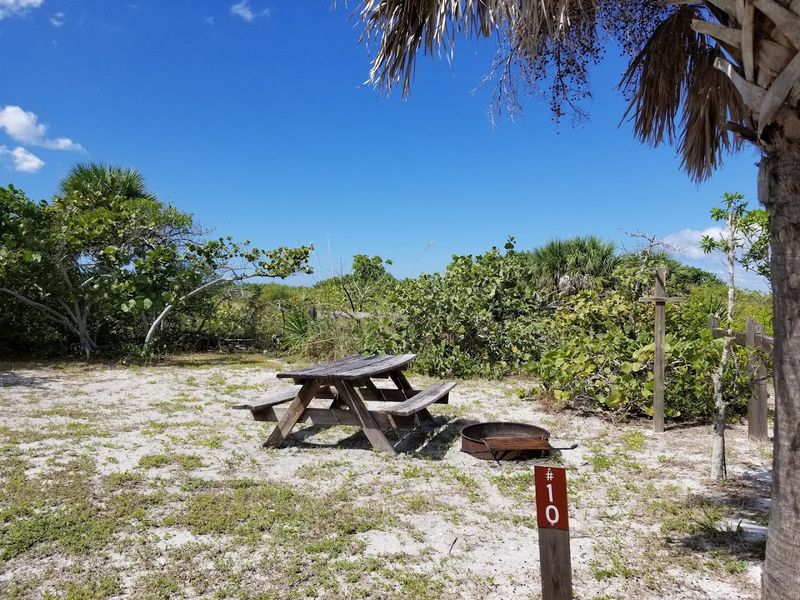
Beyond the beaches, Cayo Costa hides a network of trails that lead through surprisingly diverse ecosystems, from dense mangrove forests to pine flatwoods and oak hammocks. I hiked several of these paths and found each one revealed a different side of the island, with unique plants, birds, and landscapes around every turn.
The trails are well-maintained but remain delightfully natural, with sand and shell surfaces rather than concrete or boardwalks in most areas. Some routes take you through shaded forest where the temperature drops noticeably, a welcome relief on hot days, while others skirt the bay side and offer glimpses of wading birds and small fish in the shallows.
I spotted gopher tortoises, raccoons, and countless bird species during my walks, and the rangers told me that bobcats and river otters also call the island home, though they tend to avoid human contact. The trails connect campsites, beaches, and various points of interest, making it easy to explore the island’s interior without retracing your steps.
Each trail felt like a small adventure, with discoveries waiting around every bend.
World-Class Shelling On Remote Beaches
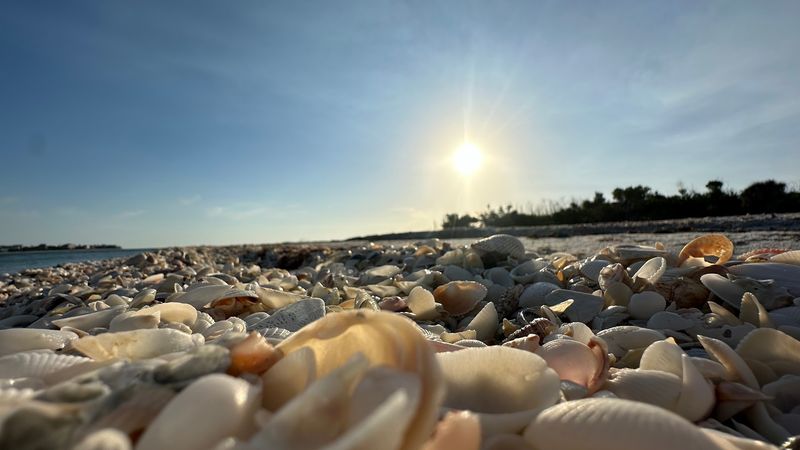
Shelling on Cayo Costa ranks among the best in Florida, and I have talked to collectors who travel from across the country just to comb these beaches for rare finds. The island’s remote location and strong Gulf currents bring in an incredible variety of shells, from tiny coquinas to large lightning whelks, and I filled a bucket within an hour on my first visit.
The best shelling happens after storms or during low tide, when fresh shells wash up and spread across the sand like natural treasures. I found sand dollars, alphabet cones, fighting conchs, and even a few junonia fragments, which are prized by serious collectors.
The lack of crowds means shells do not get picked over as quickly as they do on more accessible beaches, and I often had entire stretches to myself. Rangers ask visitors to take only empty shells and leave live creatures in the water, a rule that helps preserve the ecosystem for future generations.
I spent hours bent over, sifting through the tide line, and the meditative quality of the search became as rewarding as the shells themselves.
No Commercial Development Or Modern Intrusions
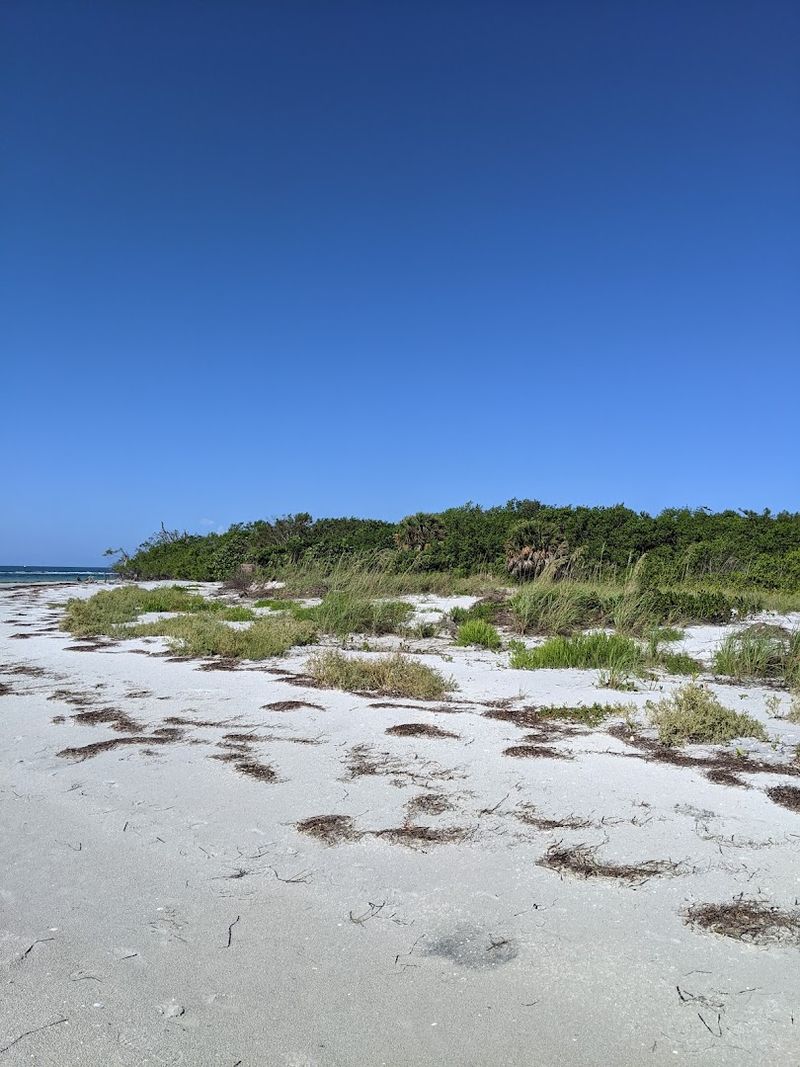
Cayo Costa remains blissfully free of the hotels, restaurants, and souvenir shops that dominate so much of Florida’s coastline, and that absence creates an atmosphere of genuine wilderness. I appreciated how nothing on the island tries to sell me anything or compete for my attention, just pure landscape and wildlife doing what they have done for centuries.
The only structures you will find are park facilities like restrooms, a small ranger station, and basic campsites, all designed to blend into the environment rather than dominate it. This lack of development means no blaring music, no neon signs, and no crowds of tourists snapping selfies at every turn.
I could walk the beach for hours without encountering another person, and the silence felt almost startling after the constant noise of everyday life. The island operates on a slower, quieter rhythm that encourages you to notice small details like the pattern of shells in the sand or the way light changes as the sun moves across the sky.
This preserved wilderness offers something increasingly rare, a genuine escape where nature takes center stage.
Dark Sky Paradise For Stargazing And Solitude
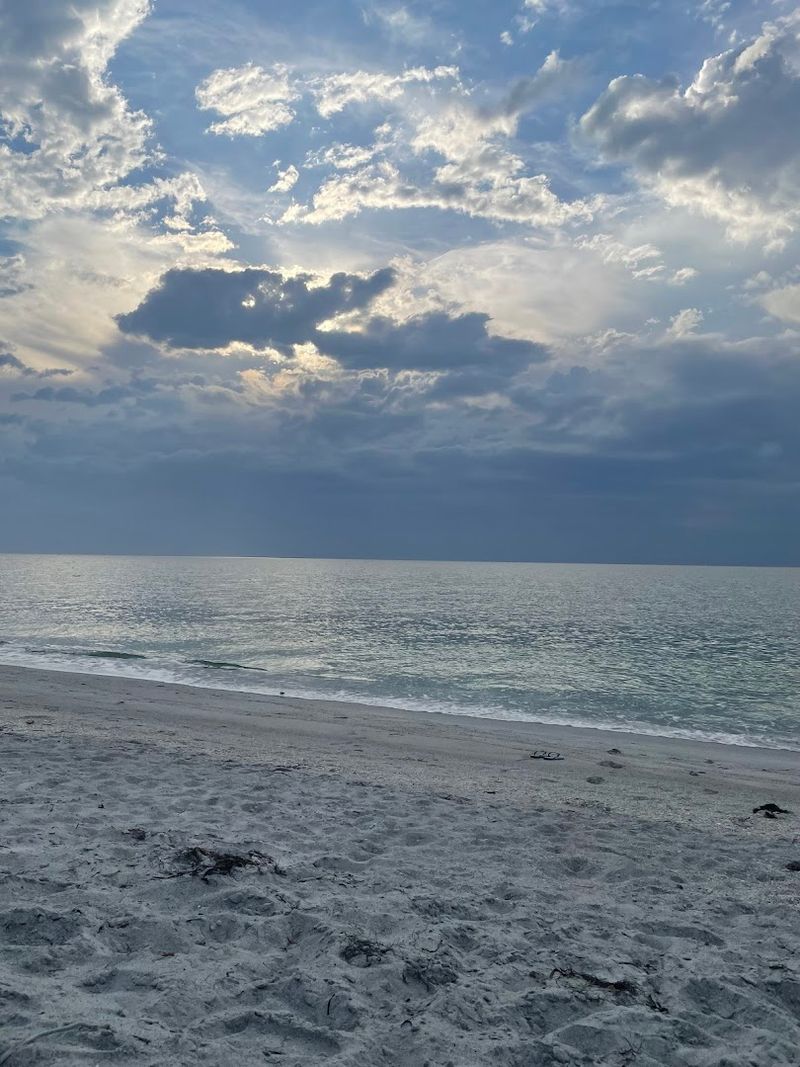
When darkness falls on Cayo Costa, the sky transforms into a spectacular display that reminds you what you have been missing in light-polluted cities. I stayed up late one night, lying on the beach with nothing but a towel beneath me, and watched meteor showers streak across the Milky Way in a show that would be impossible to see anywhere near civilization.
The complete absence of streetlights, buildings, and nearby development creates ideal conditions for stargazing, and I could make out constellations I had only read about in books. The sound of waves provided a soundtrack while planets hung bright and steady above the horizon, and shooting stars appeared frequently enough that I stopped making wishes and just enjoyed the spectacle.
This darkness also benefits the island’s wildlife, particularly nesting sea turtles and nocturnal animals that rely on natural light cycles. I found the solitude equally valuable, with only the occasional glow of another camper’s flashlight breaking the darkness.
Standing on that beach under all those stars, I felt genuinely small and genuinely grateful all at once.