
This Upper Peninsula Powwow In Michigan Brings Together Dancing, Drumming, And Tradition Each July
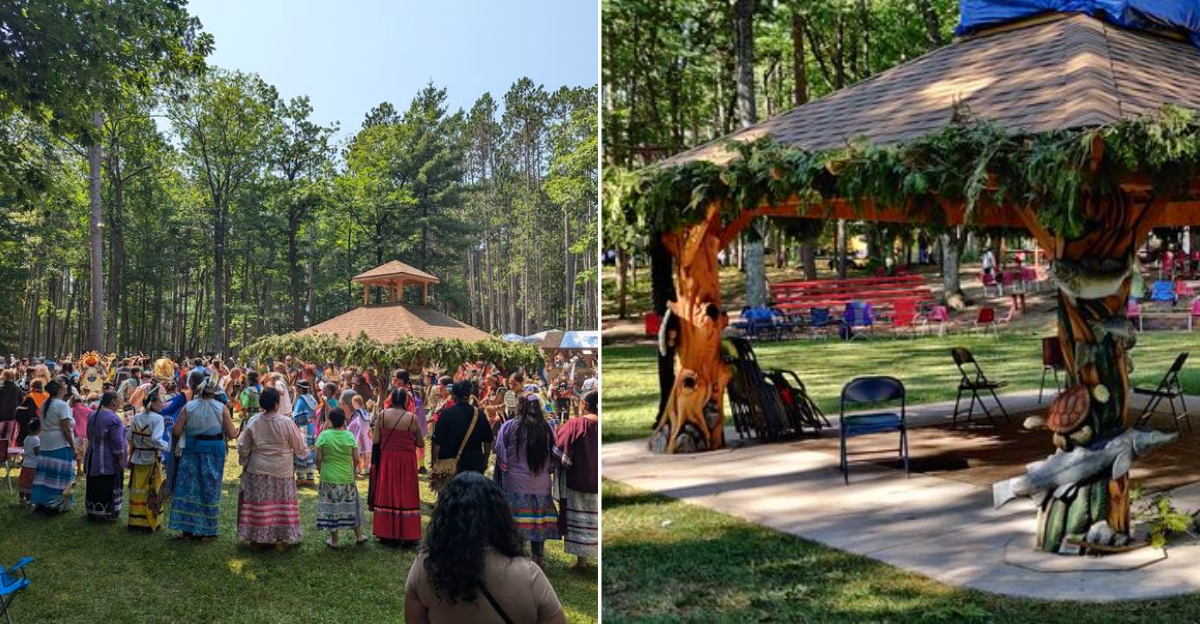
Drums carry differently in the Upper Peninsula. The deep sound travels across open ground, catches in the pines, plus reaches you before you see the circle.
The powwow brings dancers from across the region to a campground near the shores of Keweenaw Bay each July, gathering grand entries that fill the arena with color, movement.
Plus the kind of coordinated rhythm that only happens when dozens of people move to the same beat at the same time. Vendors line the perimeter with handmade jewelry, beadwork, plus traditional food including fry bread that disappears faster than it comes off the griddle.
The event is not a performance put on for visitors. It is a gathering, a homecoming, plus a continuation of traditions that have shaped this part of the state for generations.
Powwow grounds in Michigan hold rhythms that have echoed across these pines for generations.
Learn What Maawanji’iding Means
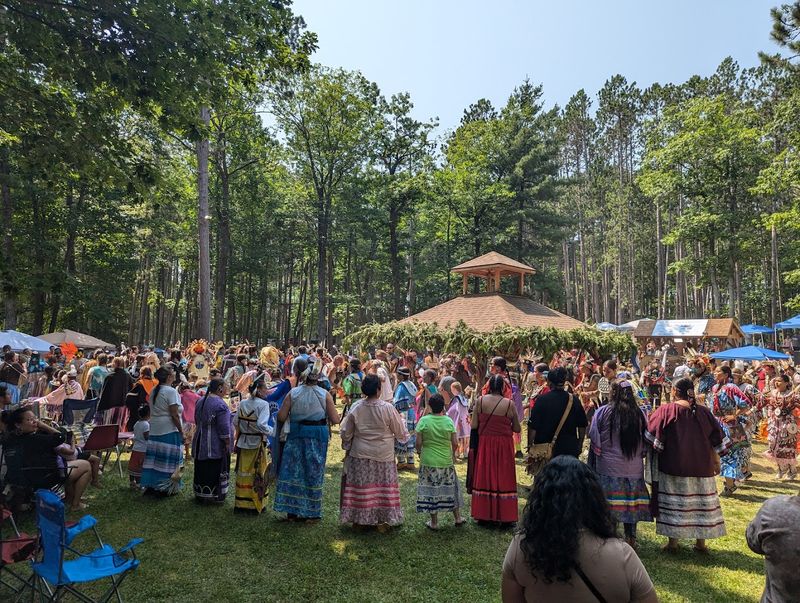
Names can do a lot of work, and Maawanji’iding does. The Ojibwe word is commonly translated as the gathering place, which feels especially apt once you see families, dancers, singers, and visitors converging on the grounds in July.
That meaning gives the event a frame before a single drumbeat starts. The powwow is hosted by the Keweenaw Bay Indian Community at the Ojibwa Campgrounds in Baraga.
It is recognized as one of the larger powwows in the Midwest, and the scale is noticeable without feeling impersonal.
People come from across the Great Lakes region and beyond, yet the gathering still feels rooted in place. Knowing the name first made everything I saw land with more clarity and respect.
The Drums Begin Where US-41 Meets The Bay
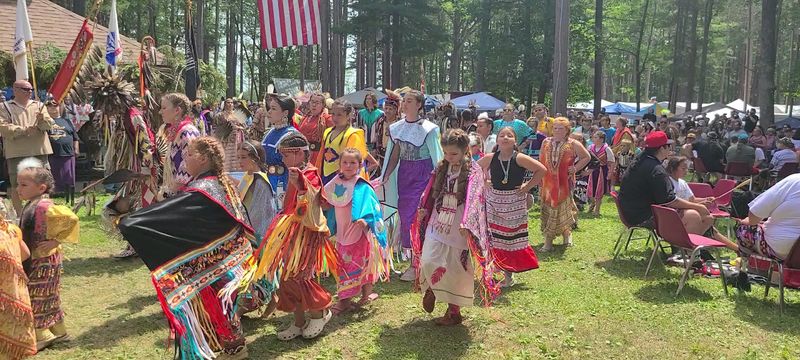
The Maawanji’iding Powwow takes place at Ojibwa Campgrounds beside Keweenaw Bay in Baraga, Michigan. Approach on US-41 and use Lighthouse Road and the campground signs as your practical arrival anchor rather than navigating to the nearby casino.
The 2026 gathering runs Friday, July 24, through Sunday, July 26, with Grand Entries at 7 p.m. Friday, noon and 7 p.m.
Saturday, and noon Sunday. Expect slower traffic around the campground and follow temporary powwow signs and attendants as you leave the highway.
Continue into the recreation area and use the designated festival parking directed by event staff. From there, walk toward the dance arena, vendor area, and gathering grounds rather than stopping at the campground office.
Listen Closely To The Master Of Ceremonies
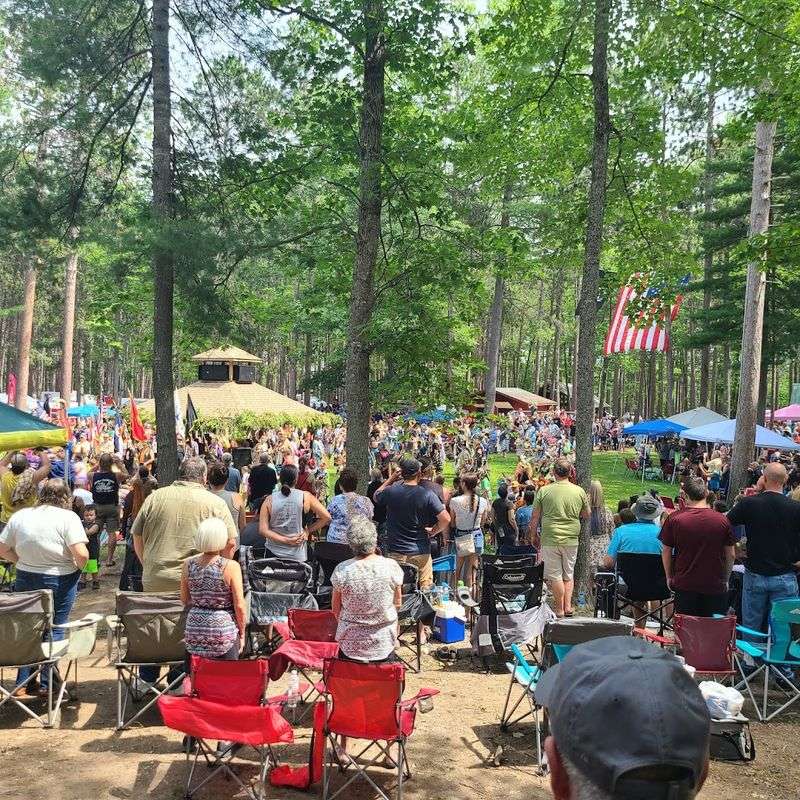
One of the easiest ways to understand the powwow better is to listen closely to the Master of Ceremonies. The MC explains what is happening, keeps the day moving, and often adds welcome bits of context that help newcomers follow the flow.
Without that voice, some of the meaning can pass by too quickly.
I liked how practical the announcements were. They cover schedule changes, etiquette, and moments when photography may be limited, all while keeping the atmosphere warm rather than stiff.
It is guidance, not scolding, which makes a big difference if this is your first powwow. If you tend to wander, stay within earshot. The MC is the thread that ties the whole gathering together.
Treat The Drum With Respect
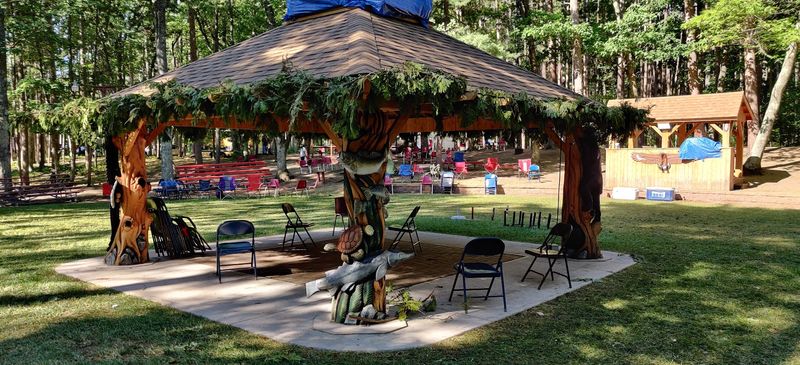
The most powerful sound on the grounds is not necessarily the loudest one. At a powwow, the drum is widely described as the heartbeat of Mother Earth and the people, and hearing it in person makes that phrase feel less metaphorical than I expected.
It gives the arena a pulse you can sense physically. That sacred role comes with straightforward etiquette. Do not touch unattended drums, and do not cross the dance arena casually as if it were an empty shortcut.
Watching how people orient themselves around the drum teaches you a lot about the values of the gathering.
Pay attention to the singers, too. Their work is central, disciplined, and far more intricate than a quick listen suggests.
Notice The Regalia, Not Costumes
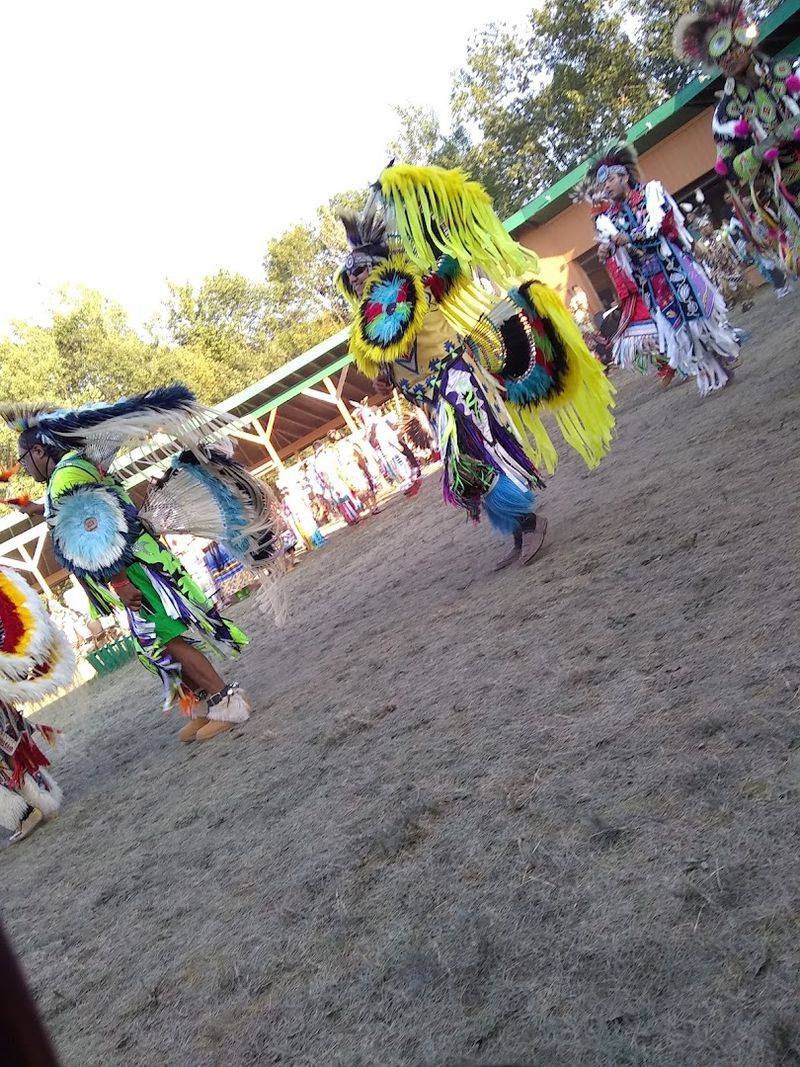
The visual richness here can tempt you into lazy vocabulary, so it helps to correct that immediately: these are regalia, not costumes. Many pieces are handmade, deeply personal, and tied to family, identity, and tradition.
Once you understand that, you start looking more carefully and less casually.
Beadwork, ribbons, quillwork, feathers, and rows of metal cones on jingle dresses all carry texture and intention. Different dance categories, including Women’s Traditional, Fancy Shawl, Jingle Dress, Men’s Traditional, Grass, and Fancy, bring distinct movement and histories into the arena.
The variety keeps the eye busy, but respect should stay steady.
My best advice is simple: admire without touching, and never treat regalia as decoration for your curiosity alone.
Choose Your Seat With The Lake In Mind
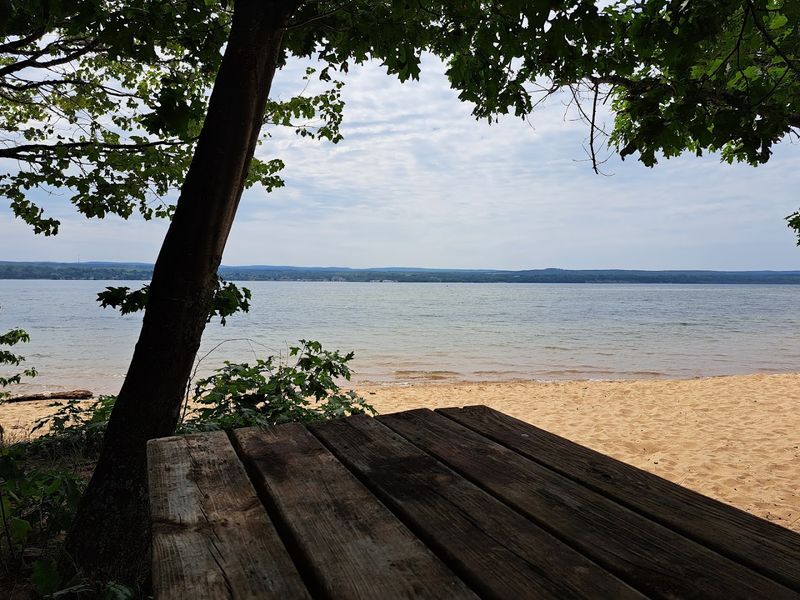
The setting does more than provide a backdrop. The Ojibwa Campgrounds sit near Lake Superior, and that lakeside geography softens the edges of a large event in a way I found surprisingly calming.
Even when the grounds are busy, the open air and tall trees keep the atmosphere from feeling cramped.
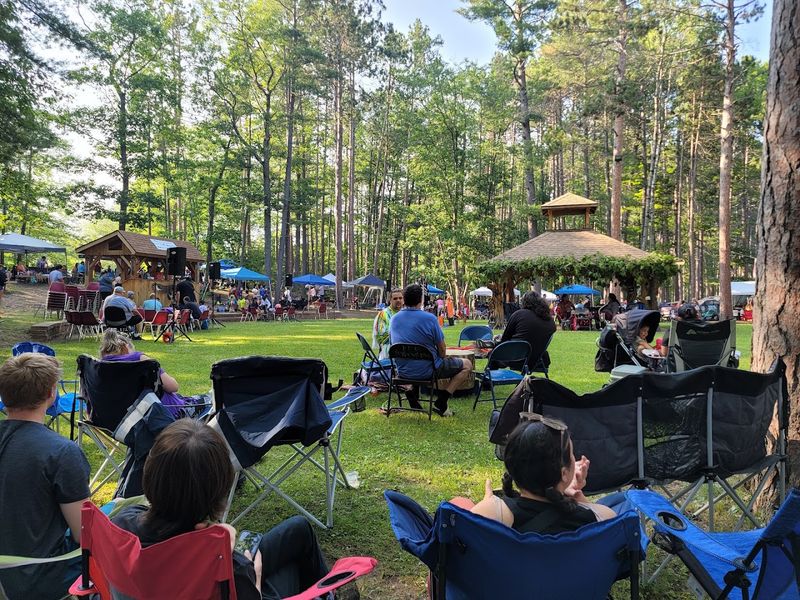
Because seating is not typically provided, bring a comfortable lawn chair and think a little about placement. A spot with shade and a clear view of the arena will improve your day more than any heroic effort to stand close.
The grounds are expansive enough that you can usually balance comfort with visibility.
Once you settle in, the combination of drum, breeze, and pine canopy makes the location part of the experience itself.
Follow Arena Etiquette Carefully
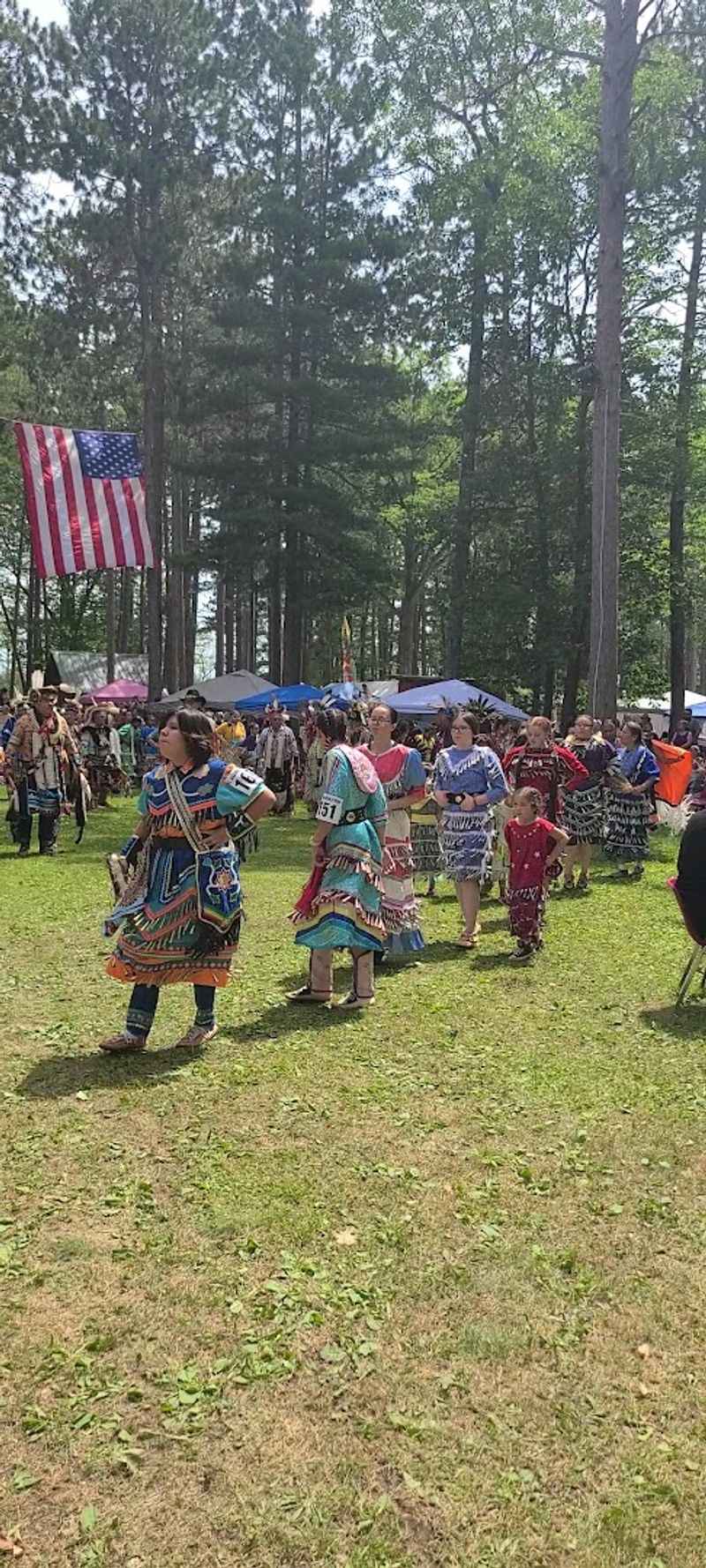
Powwow etiquette is not mysterious, but it does require attention. The main rule that stuck with me was to treat the arena as a meaningful space, not a passageway.
Do not cut through the center of the dance circle, even when it seems faster than walking around.
That single habit changes how you move through the event. You become less of a consumer and more of a respectful guest, which is exactly the right posture here.
The same principle applies during songs, special dances, and ceremonial moments when the arena holds more than performance.
If you are unsure what to do, pause and observe before acting. A few seconds of patience will save you from making the kind of mistake that feels small only to outsiders.
Be Careful And Courteous With Photos
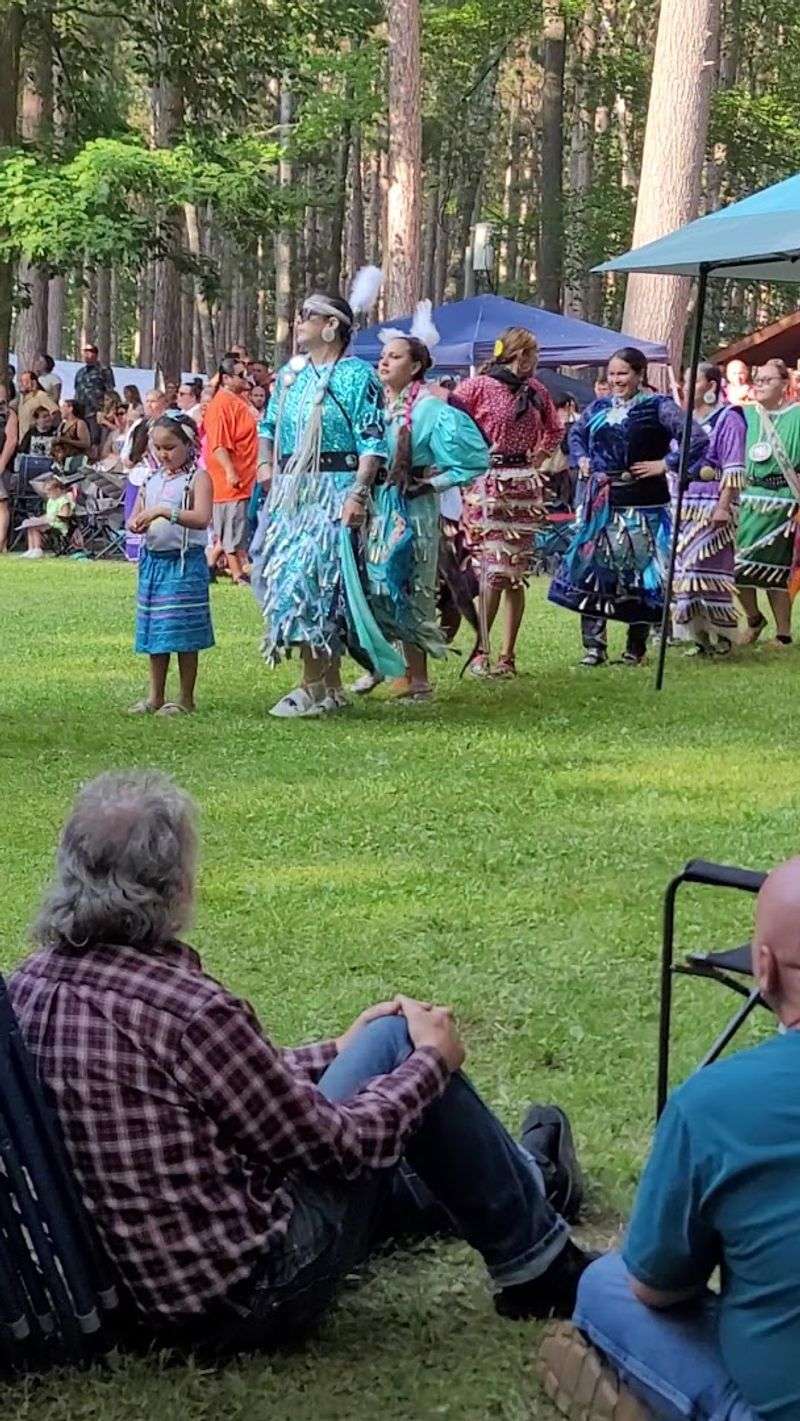
Photographing a powwow takes more judgment than a scenic overlook or street fair. At Maawanji’iding, photos are generally possible from a respectful distance, but announcements matter, and certain moments may call for no photography at all.
The easiest rule is to let protocol outrank your camera roll.
Close-up images deserve extra care. If you want a more personal shot of an individual in regalia, ask permission rather than assuming the public setting grants unlimited access.
That small courtesy changes the tone immediately and avoids turning somebody else’s cultural expression into your souvenir.
I found that keeping the camera lower, listening more, and shooting less often actually made the event feel fuller. Some things are better remembered through attention first.
Expect A Family-Friendly Public Gathering
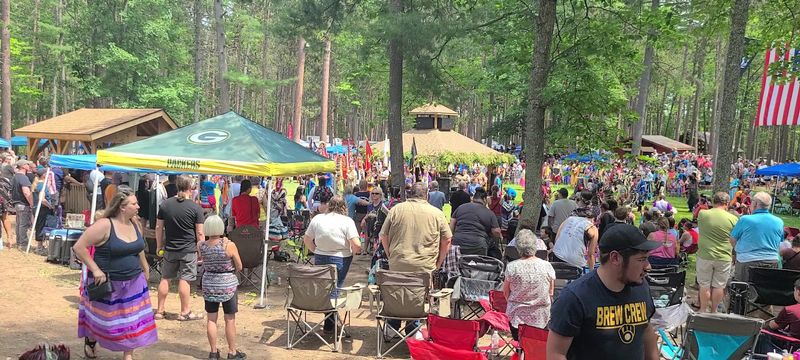
One practical detail that matters is this: the powwow is free and open to the public. That openness gives the event a generous feel, but it should never be confused with casualness.
You are welcome there, and you are also expected to behave in ways that support a family-friendly, respectful environment.
That combination is part of what makes the gathering work so well. Children, elders, dancers, singers, and first-time visitors share the same grounds, and the atmosphere depends on people understanding that the event is cultural first, not merely recreational.
The result feels accessible without being diluted.
If you are bringing someone unfamiliar with powwows, this is a good setting to learn together. Just arrive ready to listen, observe, and follow the lead of the community.
Watch How Different Dances Change The Arena
Not all dances create the same feeling, and noticing those shifts is one of the pleasures of staying awhile. A Jingle Dress dance moves with a distinctive shimmer and has roots connected to Ojibwe tradition, while Fancy Shawl can look light and airborne in a completely different register.
Then the men’s categories reset the energy again. Women’s Traditional, Men’s Traditional, Grass, and Fancy each carry their own movement vocabulary and presence in the circle. You do not need expert knowledge to see the differences, but a little attention goes a long way.
The arena becomes more legible once you stop treating every dance as one broad blur.
After an hour or two, I found myself anticipating changes in rhythm and posture almost instinctively, which made the experience much richer.
Make Time To Absorb The Setting Between Songs
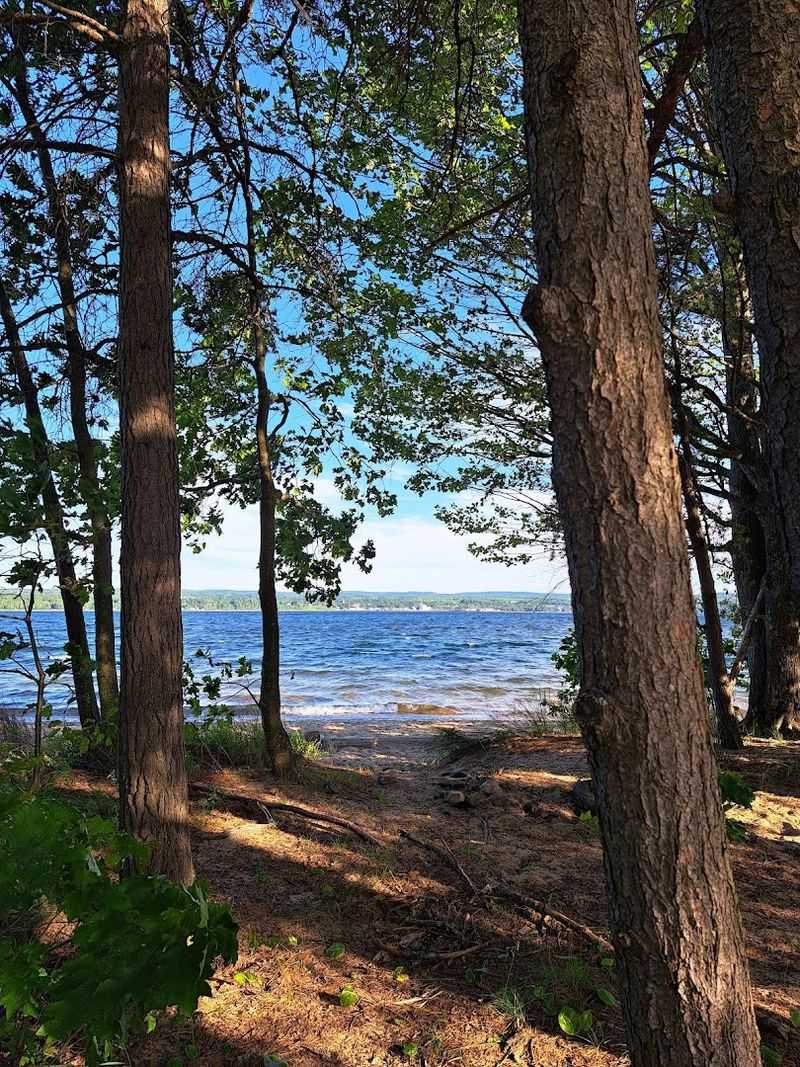
Some of the most revealing moments happen between the headline moments. The pause after a song, the rustle of chairs, the wind moving through the pines, and the glimpse of Lake Superior nearby all help explain why this powwow feels so grounded.
The setting lets the event breathe. Ojibwa Campgrounds are not just convenient open space. They shape the scale and mood of the gathering, giving people room to assemble while keeping the experience tied to land and water in a noticeable way.
That relationship between place and tradition is easy to miss if you only chase the busiest parts of the schedule.
Give yourself unstructured time. Walk a little, sit back down, and let the day unfold at its natural pace rather than trying to conquer it.