
This Urban Wildlife Refuge Lets You See Bison With The Denver Skyline Behind Them
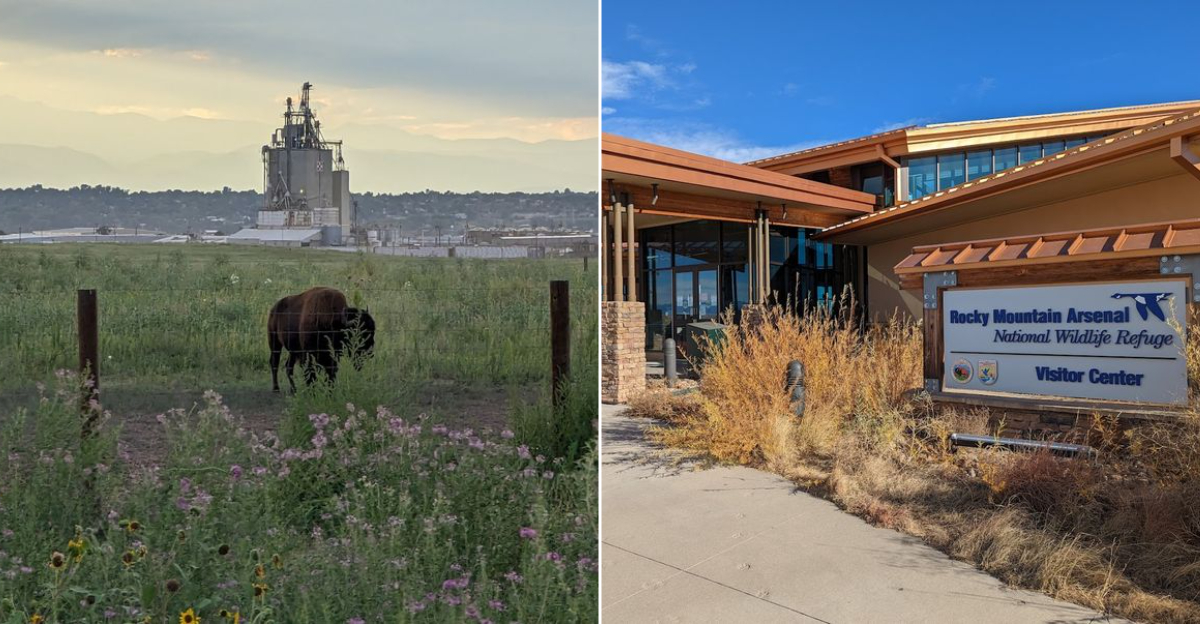
Seeing bison with a skyline behind them feels like nature breaking the rules. Most wildlife escapes ask for an early alarm, a full gas tank, and the patience to lose service before anything interesting happens.
This one keeps the adventure surprisingly easy, offering wide-open prairie, roaming deer, chatty prairie dogs, soaring birds, and a wildlife list that feels wildly generous for somewhere so close to city life.
Colorado gives you plenty of dramatic outdoor moments, but this one lands differently because it feels almost impossible to be this accessible and still this untamed.
The real magic is the contrast: massive animals grazing calmly while modern life glows in the distance, like two versions of the state sharing the same frame. It is free, low-effort, and far more memorable than many overplanned outings.
For anyone craving a fresh-air reset, Colorado’s wild side is waiting closer than you think.
Your Front-Row Seat To The Prairie
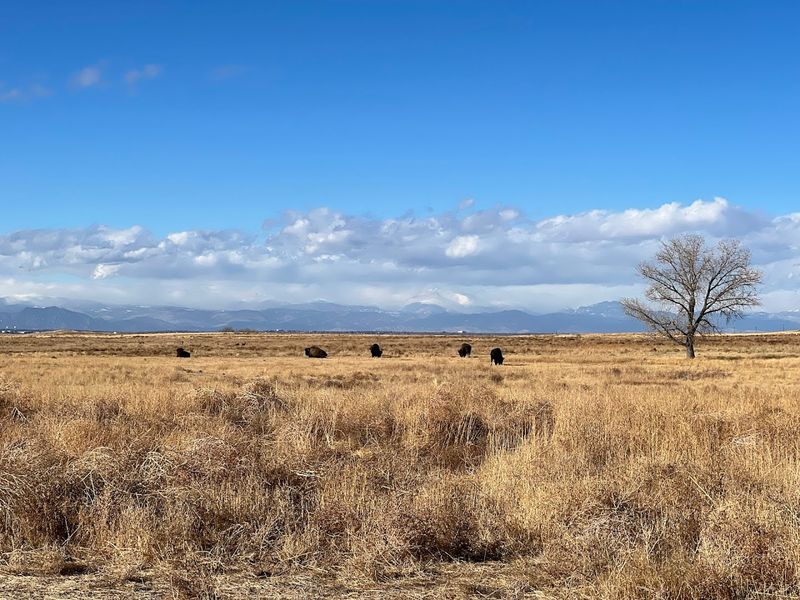
There are road trips that take days to plan and ones that basically plan themselves. The 11-mile wildlife drive at this place, located at 6550 Gateway Rd in Commerce City, CO, falls firmly into the second category.
You pull in, roll down your windows, and let the prairie do the talking.
The loop takes less than an hour to complete, but most visitors end up doing it more than once. Bison, white-tailed deer, coyotes, and prairie dogs are all fair game depending on the time of day and season.
Arriving right when the refuge opens at 9 AM gives you the best shot at spotting larger wildlife before the sun climbs too high.
A free mile-by-mile podcast is available online to accompany the drive, turning the whole experience into something between a nature documentary and a guided tour. You do not need a ranger, a reservation, or even a plan.
Just a charged phone and a willingness to slow down when a herd of bison decides the road belongs to them for a few minutes.
Pro Tip: Sunrise and sunset are peak bison activity windows. If your schedule allows, aim for early morning on a Wednesday through Sunday visit.
The Shot Nobody Believes Until They Take It
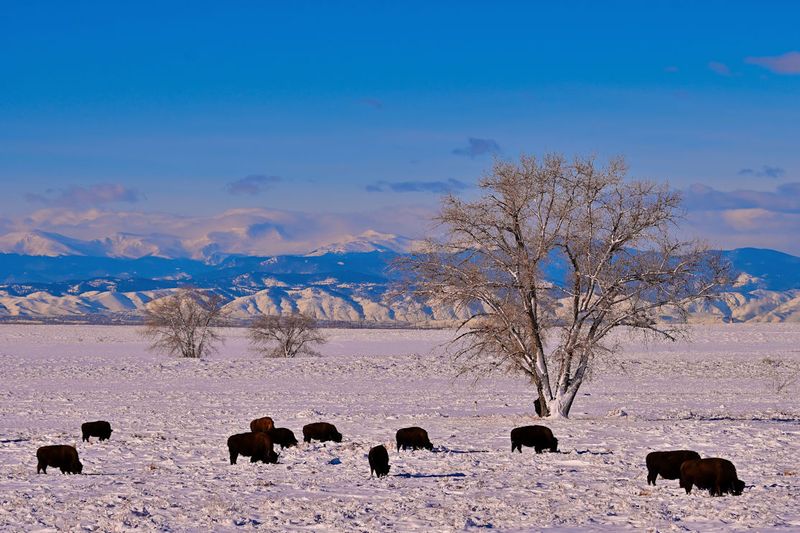
Photography has a way of humbling even the most experienced travelers, but this particular composition practically sets itself up. Standing bison in the foreground, Denver’s skyline in the mid-distance, and the Rocky Mountains beyond that on a clear day.
It is the kind of frame that makes people stop scrolling.
Visitors consistently note that a 400mm lens feels borderline insufficient when the herd is spread out, so if you shoot with a longer lens, bring it. That said, plenty of visitors have walked away with genuinely stunning images taken entirely on a smartphone.
The bison tend to be large enough and close enough on the loop that you do not always need serious gear.
What makes the shot remarkable is the contrast. These are wild, enormous animals doing what bison do, completely unbothered, while an entire metro area hums just miles away.
It creates a visual tension that no staged wildlife park can replicate.
Best For: Wildlife photographers, casual phone shooters, and anyone who wants proof that Colorado does things a little differently than everywhere else.
Insider Tip: Good location for both sunrise and sunset shots, with the Denver skyline catching warm light in either direction depending on your position on the loop.
The Refuge’s Loudest, Chattiest Residents
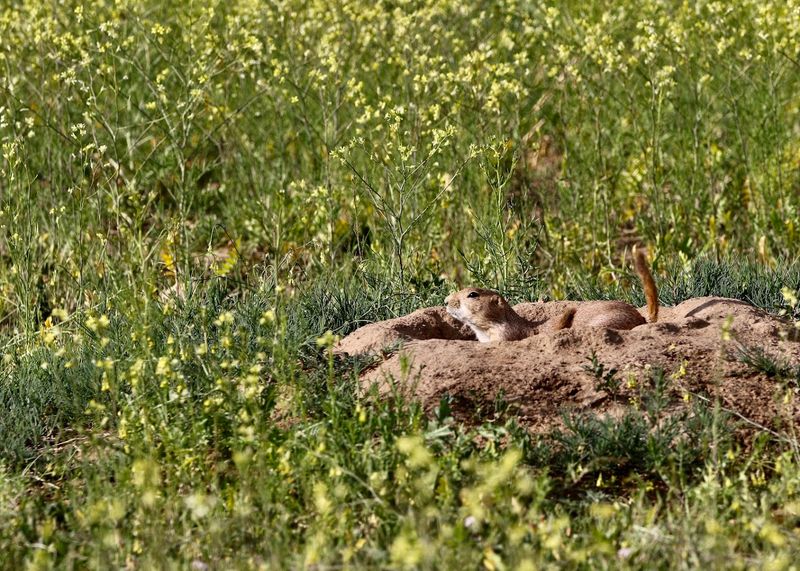
If bison are the headliners at Rocky Mountain Arsenal, prairie dogs are the house band that keeps playing even when the main act takes a break. These small, barrel-shaped rodents live in sprawling underground colonies across the refuge and seem genuinely unbothered by the slow parade of cars rolling past their burrows.
Watching them interact is unexpectedly entertaining. They pop up, look around with tremendous confidence, exchange what can only be described as opinions with their neighbors, and disappear again before you have finished processing what you just witnessed.
Visitors have reported spending over an hour parked near a colony without once checking their phone.
Prairie dogs are visible year-round and tend to be the most reliably spotted wildlife on the loop, even on days when larger animals stay out of sight. They are also a key part of the refuge ecosystem, providing food and habitat for other species including burrowing owls and black-footed ferrets.
Why It Matters: Black-tailed prairie dogs at Rocky Mountain Arsenal play a direct ecological role in supporting the black-footed ferret, one of North America’s most endangered mammals. The refuge maintains a ferret habitat on site, though ferrets are nocturnal and rarely visible to visitors.
Worth The Stop Before You Drive The Loop
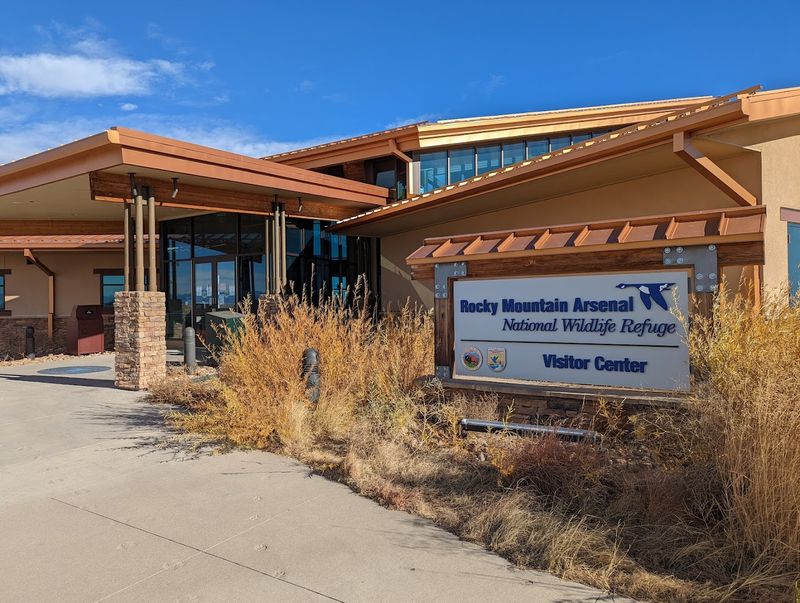
Skipping the visitor center is a rookie move that most people only make once. The staff there will tell you exactly where bison were spotted that morning, which sections of the loop are most active, and what else is worth slowing down for.
That five-minute conversation can completely change the quality of your drive.
The center itself features well-organized exhibits covering the refuge’s remarkable history and the wildlife that calls it home. Rangers are on hand to answer questions and have a reputation for explaining the area’s background in ways that are genuinely engaging rather than textbook-dry.
The facility also includes restrooms, which are worth knowing about before you commit to an 11-mile loop.
One practical note: the visitor center operates during the same hours as the refuge, Wednesday through Sunday from 9 AM to 4 PM. The refuge is closed Monday and Tuesday, so plan accordingly.
Even if you arrive and the center happens to be busy, outdoor restroom access is available just outside the building.
Quick Verdict: The visitor center turns a good wildlife drive into a great one. It is a 10-minute investment that pays off for the entire visit, especially for first-timers who want to maximize their chances of spotting the big animals.
The Logistics That Make This A No-Brainer
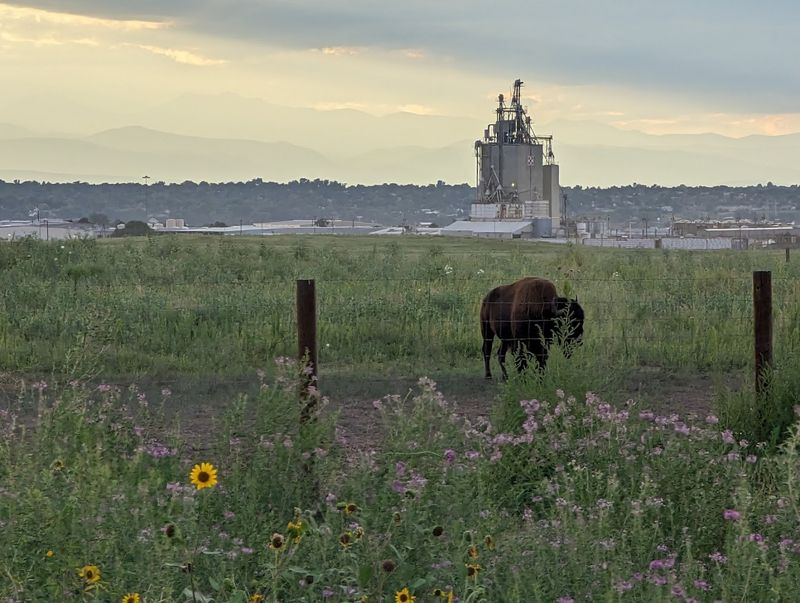
There is a particular satisfaction in discovering something exceptional that costs nothing. Rocky Mountain Arsenal National Wildlife Refuge is completely free to visit, sits less than eight miles from downtown Denver, and covers roughly 15,000 acres of open prairie, wetlands, and woodland habitat.
The math on this experience is almost offensive in its generosity.
The refuge is open Wednesday through Sunday, 9 AM to 4 PM, and is closed Monday and Tuesday. That schedule matters if you are building a weekend itinerary or squeezing in a visit around a flight.
Several visitors have noted it works perfectly as a pre-airport detour, with the wildlife loop completing in well under an hour when traffic on the road is light.
Reaching the refuge from central Denver is straightforward, and the address at 6550 Gateway Rd in Commerce City plugs easily into any navigation app. There is no entry fee, no permit, and no reservation required for the standard wildlife drive.
Planning Advice: Check the refuge website at fws.gov/refuge/rocky_mountain_arsenal before visiting. Government shutdowns or special events can occasionally affect access to certain sections of the loop, as some visitors have discovered firsthand.
Calling ahead at (303) 289-0930 on visit days is also a reliable way to confirm current conditions.
What Else Lives In This Urban Prairie
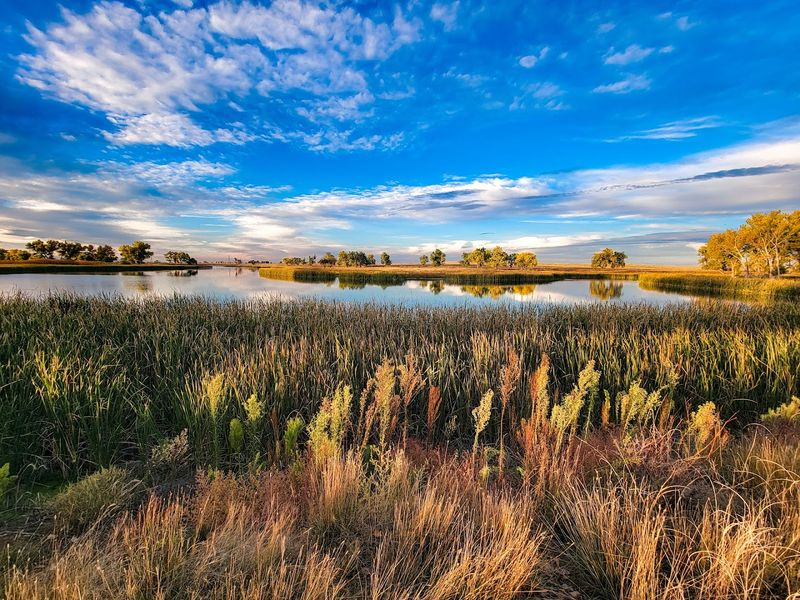
Bison and prairie dogs rightfully get most of the attention, but the wildlife roster at Rocky Mountain Arsenal runs considerably deeper than those two headliners.
The refuge hosts more than 330 species across its open lakes, wetlands, prairie grasslands, and woodlands, making it a serious destination for birders and general nature watchers alike.
White-tailed deer are frequently spotted along the loop, often grazing calmly near the road. Coyotes appear regularly, hawks circle overhead on most visits, and the wetland areas attract waterfowl throughout the year.
Visitors with a strong interest in birds have flagged this refuge as particularly worthwhile, with a variety of raptor species and migratory birds passing through depending on the season.
The refuge also maintains habitat for black-footed ferrets, one of North America’s rarest mammals. Ferrets are nocturnal and not reliably visible to the public, but their presence here reflects the ecological seriousness of the refuge’s conservation work.
The landscape itself shifts noticeably with the seasons, offering a visually different experience whether you visit in the dry heat of late summer or the quieter, more muted palette of a Colorado winter.
Who This Is For: Birders, wildlife photographers, families introducing kids to native species, and anyone who appreciates that a single location can deliver genuine ecological variety without requiring a wilderness expedition.
How To Build A Satisfying Half-Day Around The Refuge
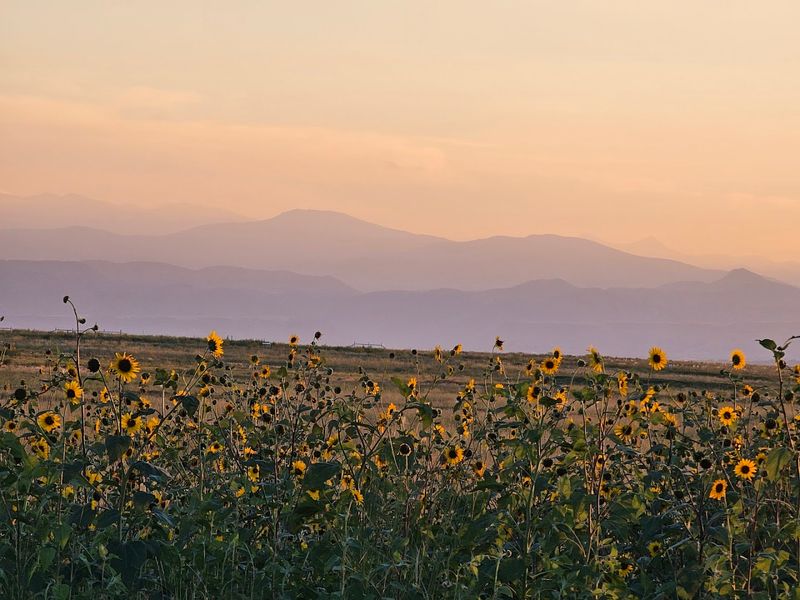
Rocky Mountain Arsenal has a rare quality among outdoor destinations: it rewards both the over-planner and the person who decided to go twenty minutes ago.
The wildlife loop runs under an hour on a single pass, but most visitors find themselves looping it two or three times, eating lunch in their car near a prairie dog colony, and leaving with far more photos than they expected.
For families, the combination of the visitor center exhibits and the drive itself covers a solid two to three hours without anyone getting tired or hungry in the wrong way. Couples who enjoy photography or birding can easily stretch a visit to fill a relaxed morning.
Solo visitors heading to or from Denver International Airport have noted the refuge sits conveniently along the route, making it a genuinely low-effort pre-flight detour.
Pack a lunch, download the free mile-by-mile podcast before you arrive, and bring binoculars if you have them. The refuge does not have a food concession, so arriving prepared keeps the experience smooth.
After the loop, a short drive back toward Commerce City connects you to the broader Denver metro for whatever comes next.
Common Mistakes to Avoid: Arriving without checking the day of the week. The refuge is closed Monday and Tuesday, and showing up on either of those days is the one planning error that no amount of enthusiasm can fix on the spot.