
This Vast Pennsylvania Mountain Forest Spanning 190,000 Acres Is Perfect For Trails And Secluded Camping
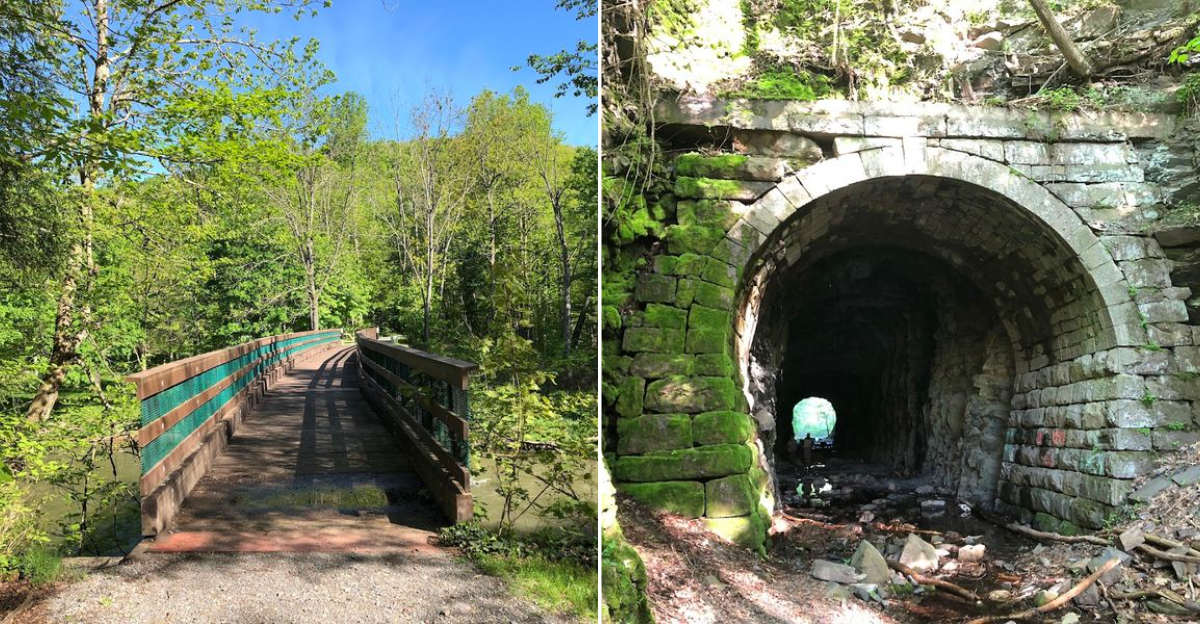
Adventure sometimes begins with nothing more than a quiet trail disappearing into a sea of trees.
Towering pines sway gently above, sunlight filters through the branches, and the forest stretches farther than the eye can see.
The deeper you wander, the quieter everything becomes. It is wilderness escape, trailhead freedom, and the simple thrill of exploring a landscape that feels wonderfully untouched.
Places like this give Pennsylvania its reputation as a paradise for outdoor lovers.
Vast mountain forests across the state offer miles of scenic trails, peaceful campsites, and the kind of solitude that feels rare in a busy world.
Hikers, campers, and curious explorers come searching for fresh air, wide open scenery, and the calm that only nature can provide.
Even the thought of a place this expansive sparks a sense of curiosity.
I sometimes imagine standing at the edge of a quiet trail with nothing but trees ahead, wondering what incredible view or hidden campsite might be waiting just around the next bend.
190,000 Acres of Pure Pennsylvania Wilderness
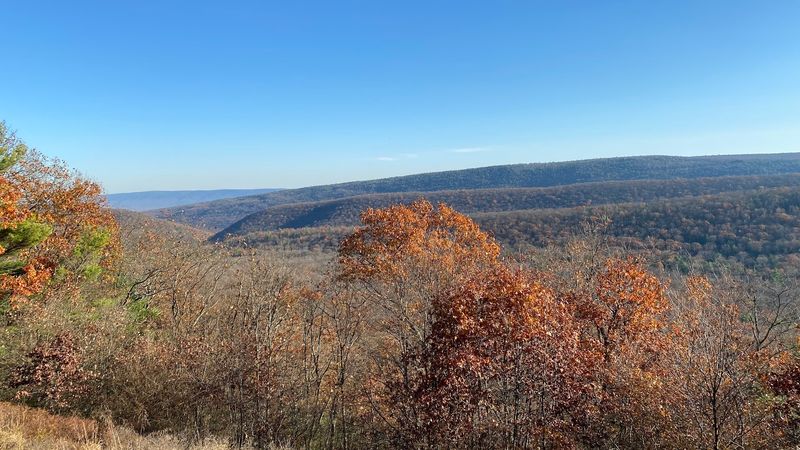
Few forests in the eastern United States can match the sheer scale of Bald Eagle State Forest. Covering roughly 198,000 acres across Centre, Mifflin, Snyder, Union, and Clinton counties in Pennsylvania, this place is genuinely enormous.
To put that in perspective, the entire state of Ohio contains many large parks, but few single forested tracts on public land come close to this size in the eastern part of the country.
The forest sprawls across multiple mountain ridges, each one offering a different landscape to explore.
From dense hardwood stands to open rocky outcrops with sweeping views, the variety here is remarkable.
The land is managed by the Pennsylvania Bureau of Forestry, which works hard to keep it accessible and healthy for both wildlife and visitors.
Knowing that all of this is publicly accessible and largely free makes it even more impressive.
A Trail Network Built for Every Skill Level
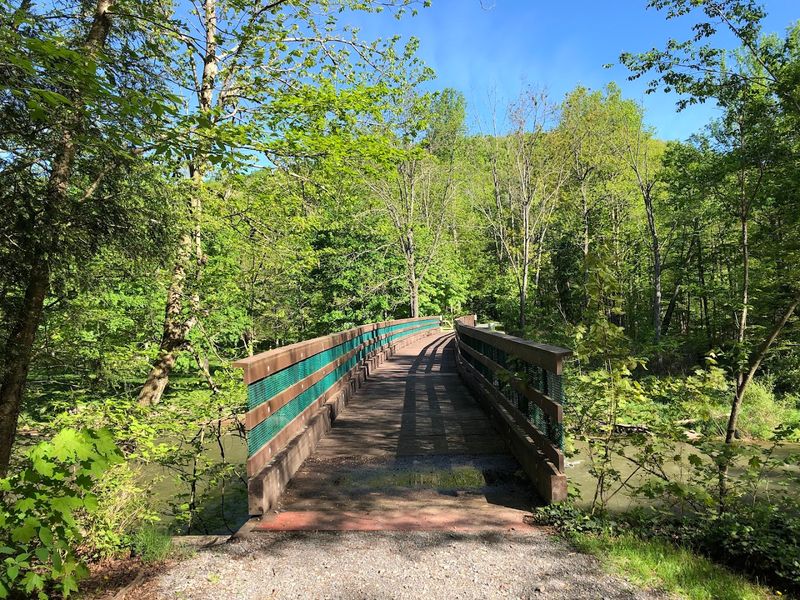
One of the first things that stands out about Bald Eagle State Forest is how thoughtfully its trail system is laid out.
Miles and miles of trails wind through the forest, ranging from easy rail trail walks to more demanding ridge climbs that reward you with panoramic views.
Having explored trail systems from Ohio to the Appalachians, I can say that the variety here keeps things genuinely interesting from one visit to the next.
Some paths follow old logging roads, while others cut through dense woodland where the canopy closes overhead like a green tunnel.
Hikers, mountain bikers, and horseback riders each have designated routes, so the trails rarely feel overcrowded.
Beginners will find plenty of gentle options, while experienced hikers can string together longer routes that cover serious elevation. A good trail map from the forestry office is an essential starting point before heading out.
Dispersed Camping That Feels Genuinely Remote
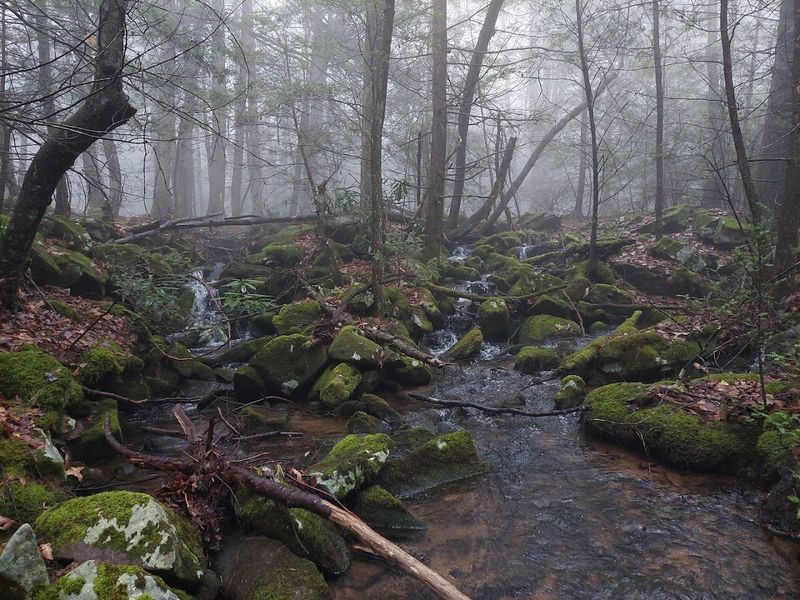
Camping at Bald Eagle State Forest is not the kind of experience where you squeeze your tent between two RVs and listen to your neighbor’s portable speaker all night.
The forest offers primitive camping and designated roadside camping options that spread visitors across the landscape.
Permits and reservations are required for motorized roadside sites, which helps keep things organized while still preserving that feeling of genuine solitude.
Waking up with nothing but trees around you and a stream nearby is the kind of morning that reminds you why camping exists in the first place.
For those who prefer a more developed setup, nearby Poe Valley State Park offers traditional campground facilities just a short drive away.
Having both options available makes Bald Eagle a flexible destination whether you are a minimalist backpacker or someone who likes a fire ring ready to go.
Wildlife That Shares the Forest With You
Spending time in Bald Eagle State Forest means sharing the landscape with an impressive range of wildlife.
White-tailed deer are a common sight, especially during early morning and late evening hours when they move through the forest edges and stream corridors.
Black bears also live in this forest, and while encounters are uncommon, knowing they are out there adds a certain electricity to a quiet hike.
Wild turkeys, red foxes, and a wide variety of songbirds round out the cast of creatures you might spot on any given day.
The forest’s streams and wetland areas attract herons, kingfishers, and other water-loving species that are always entertaining to watch.
Compared to managed wildlife areas in Ohio and other neighboring states, the sheer density of habitat here gives wildlife plenty of room to thrive. Bringing binoculars is never a bad idea in a forest this alive.
Four Seasons, Four Completely Different Forests
There is a reason people return to Bald Eagle State Forest throughout the year rather than treating it as a one-time summer destination.
Each season transforms the landscape in ways that feel almost theatrical.
Spring brings a soft green explosion as wildflowers push through the forest floor and migrating birds fill the canopy with sound.
Summer deepens the shade and cools the trails, making mid-day hikes far more comfortable than they would be in open terrain.
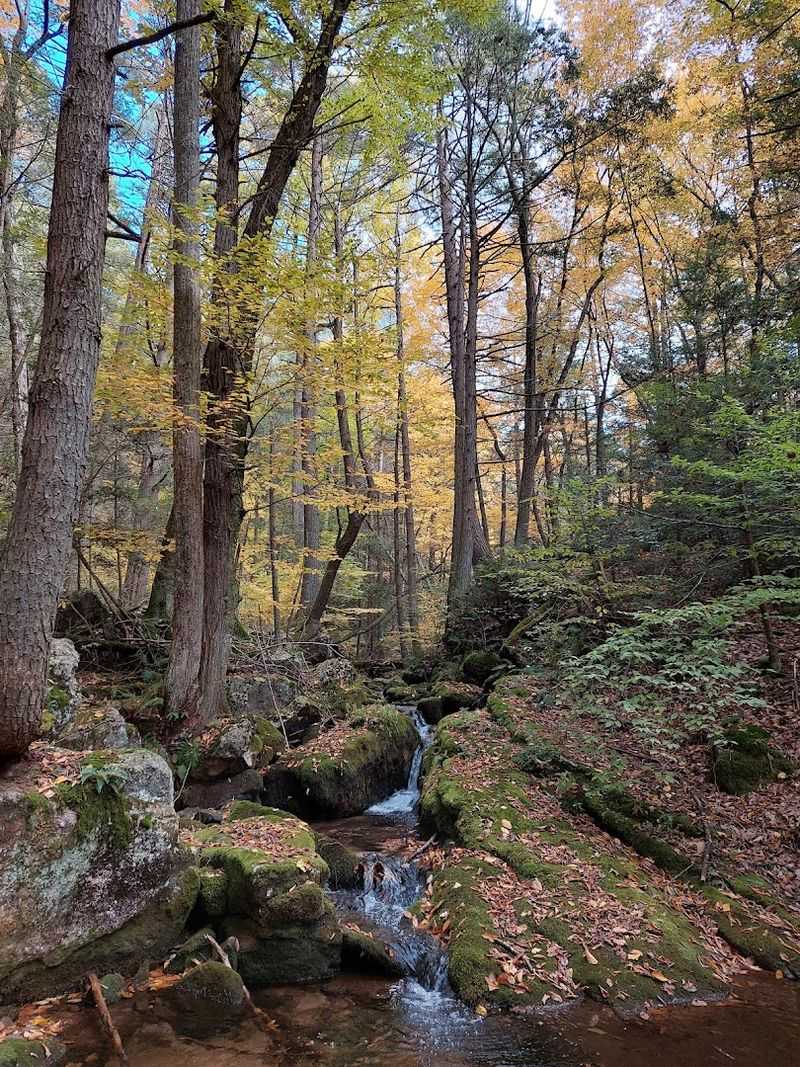
Autumn is where the forest truly shows off, draping the ridges in oranges, reds, and golds that make every viewpoint worth the climb.
Having visited forests across Pennsylvania and even compared notes with hikers who frequent Ohio’s state forests, the fall color here is consistently described as spectacular.
Winter strips the trees bare and reveals the bones of the landscape, offering a stark, peaceful beauty that feels like the forest’s best-kept secret.
Off-Road and Four-Wheel Drive Opportunities
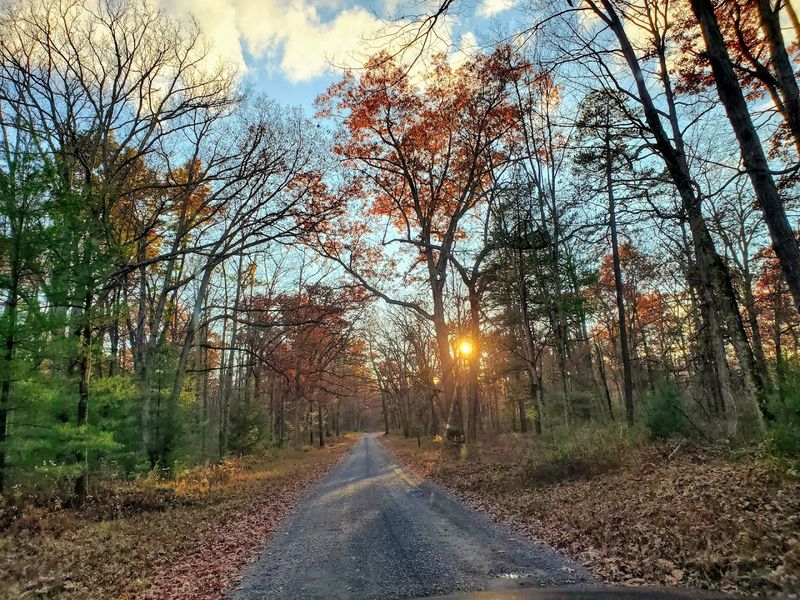
Not every visitor to Bald Eagle State Forest arrives on foot. The forest maintains a network of forest roads that can appeal to four-wheel drive drivers and other motorized visitors, adding a whole different layer of adventure to the place.
Dual sport motorcycle riders also find the forest’s gravel roads and varied terrain highly appealing, with scenic views built right into the routes.
These roads wind through sections of the forest that most day hikers never reach, opening up remote corners that reward the extra effort of getting there.
It is worth doing research before heading out, since conditions on unpaved forest roads can change significantly with rain or seasonal weather.
Compared to off-road options in Ohio and other mid-Atlantic states, the combination of mountain terrain and forest scenery here makes for a particularly memorable ride.
Always check current road conditions with the Pennsylvania Bureau of Forestry before setting out.
Fishing Streams Hidden Throughout the Forest
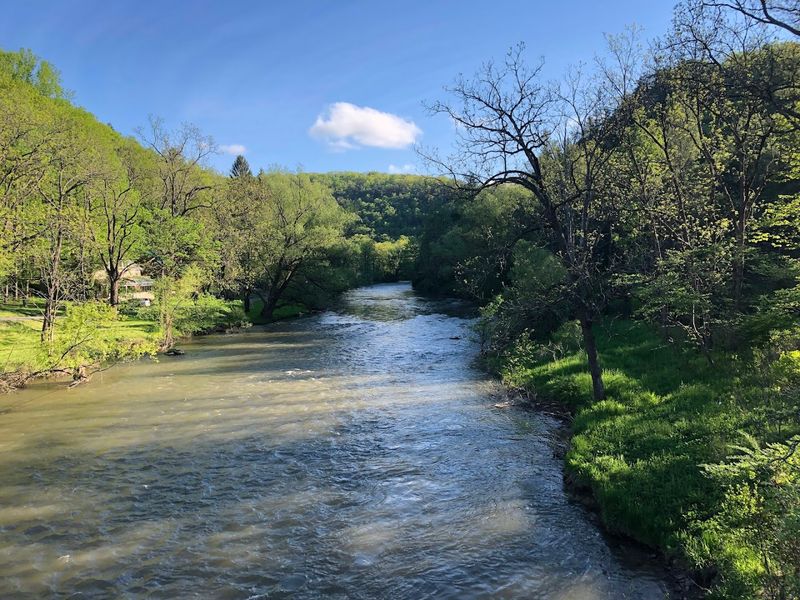
Running through the folds of Bald Eagle State Forest are numerous cold-water streams that attract anglers looking for a quieter alternative to crowded fishing spots.
Many of these streams support wild trout populations, making them a genuine draw for fly fishing enthusiasts.
Fishing here has a meditative quality that is hard to replicate on more accessible waters.
The combination of clear mountain streams, forested banks, and minimal foot traffic creates the kind of fishing experience that people drive long distances to find.
Penns Creek, one of Pennsylvania’s most celebrated limestone trout streams, runs near the forest’s boundary and is considered a landmark destination for serious fly anglers.
Visitors coming from Ohio and other neighboring states often include a stop at Penns Creek as part of a longer Pennsylvania fishing trip.
A valid Pennsylvania fishing license is required, and it is worth checking current stocking schedules before planning a trip around the fishing.
Historical Ruins and Old-Growth Stories
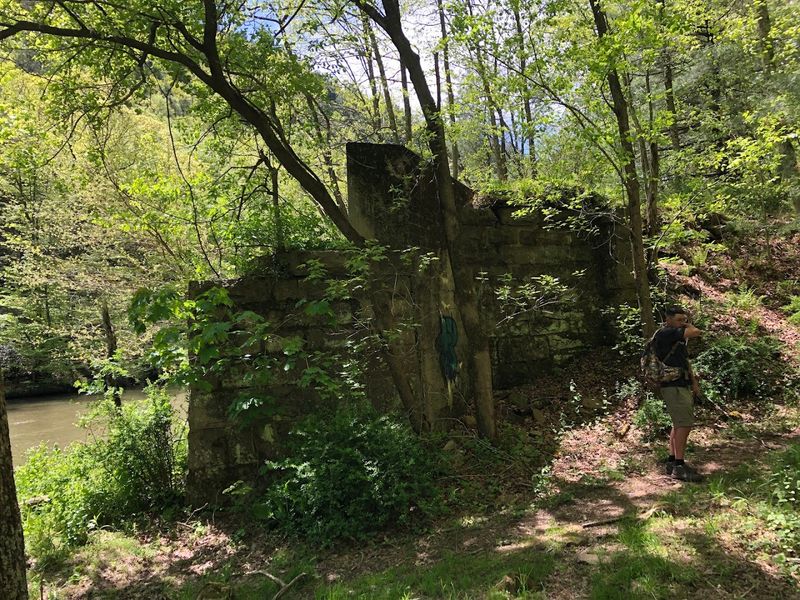
History buffs will find that Bald Eagle State Forest holds more than just trees and trails.
Scattered across the landscape are the remains of old settlements, iron furnaces, and logging-era structures that tell the story of how this land was once used by earlier generations.
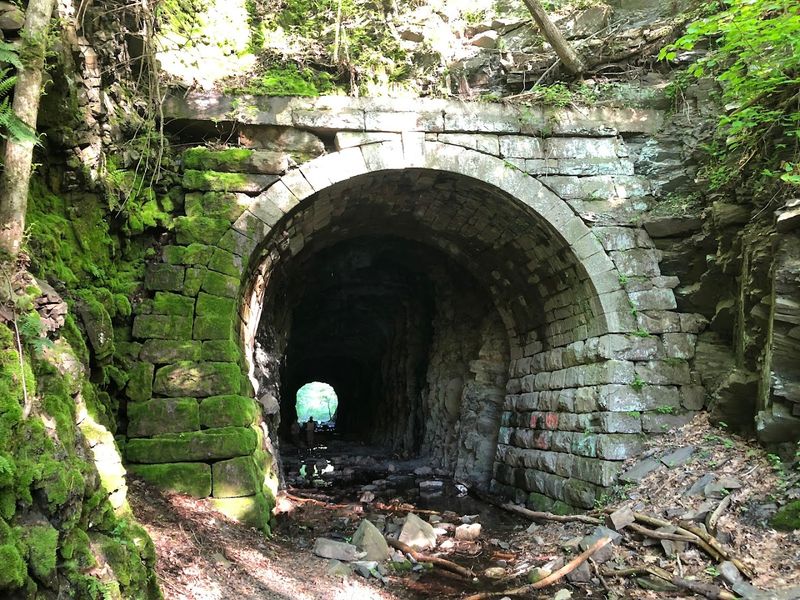
The region’s iron industry left behind furnace ruins that now sit quietly in the forest, slowly being reclaimed by moss and roots.
These remnants are fascinating to stumble upon during a hike, offering a tangible connection to Pennsylvania’s industrial past that no museum can quite replicate.
Old railroad grades from the logging era have been converted into some of the forest’s most popular trail corridors, giving modern hikers a path that was once a working railway.
The layers of history embedded in this landscape set it apart from newer recreational areas in Ohio and other states where the land has been more thoroughly cleared and developed over time.
Proximity to Poe Valley and Poe Paddy State Parks
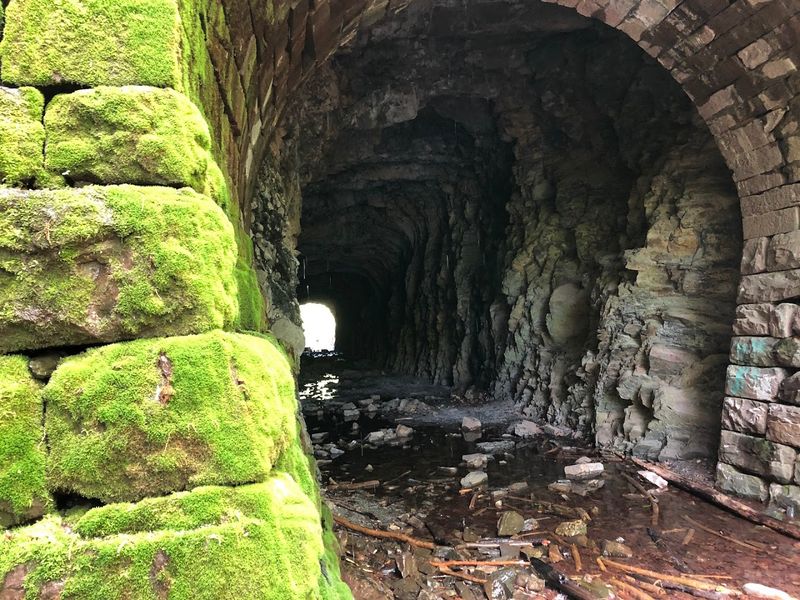
One of the practical advantages of visiting Bald Eagle State Forest is its proximity to two excellent state parks that complement the forest experience perfectly.
Poe Valley State Park sits within the forest boundaries and offers a small lake, a developed campground, and picnic facilities that make it a great base of operations.
Poe Paddy State Park, located along Penns Creek, provides access to some of the region’s best stream fishing and the famous Poe Paddy Tunnel trail.
Having these nearby parks means that even visitors who are not comfortable with fully primitive camping can still enjoy the forest’s natural surroundings while planning day stops with basic amenities nearby.
The combination of wild forest land and nearby park infrastructure is something that Ohio and many other states try to replicate, but rarely achieve as seamlessly as Pennsylvania does here.
Planning a trip that combines all three areas is absolutely worth the extra preparation time.
Practical Tips for Planning Your Visit
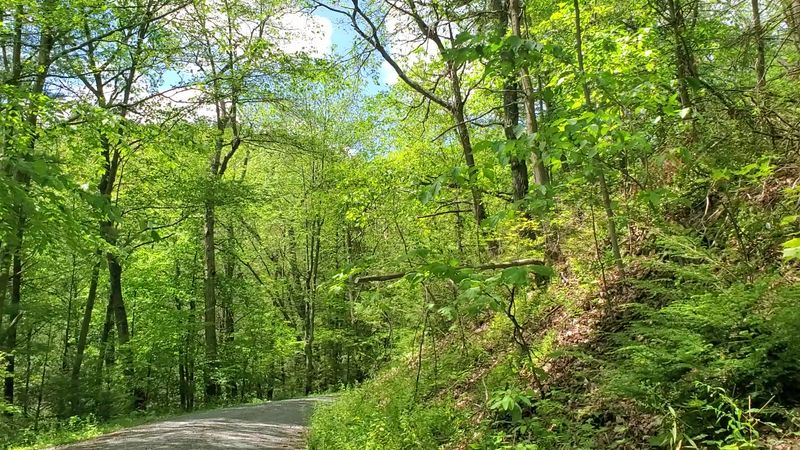
Getting the most out of Bald Eagle State Forest starts with a bit of planning before you ever leave home.
The Pennsylvania Bureau of Forestry provides detailed maps, camping permit information, and road condition updates that are genuinely useful for first-time visitors.
Cell service is limited or nonexistent in many parts of the forest, so downloading offline maps and bringing a printed trail map is a smart move.
Water sources exist throughout the forest, but all water should be filtered or treated before drinking.
The forest is accessible from several towns including Milesburg, Millheim, and Mifflinburg, giving visitors multiple entry points depending on which part of the forest they want to explore.
Travelers coming from Ohio and other distant states often plan multi-day trips to make the drive worthwhile, and the forest’s size easily justifies spending several days exploring different sections. Arriving prepared means leaving with nothing but great memories.