
This Vibrant Michigan Town Blends History, Culture, And Modern Vibes Seamlessly
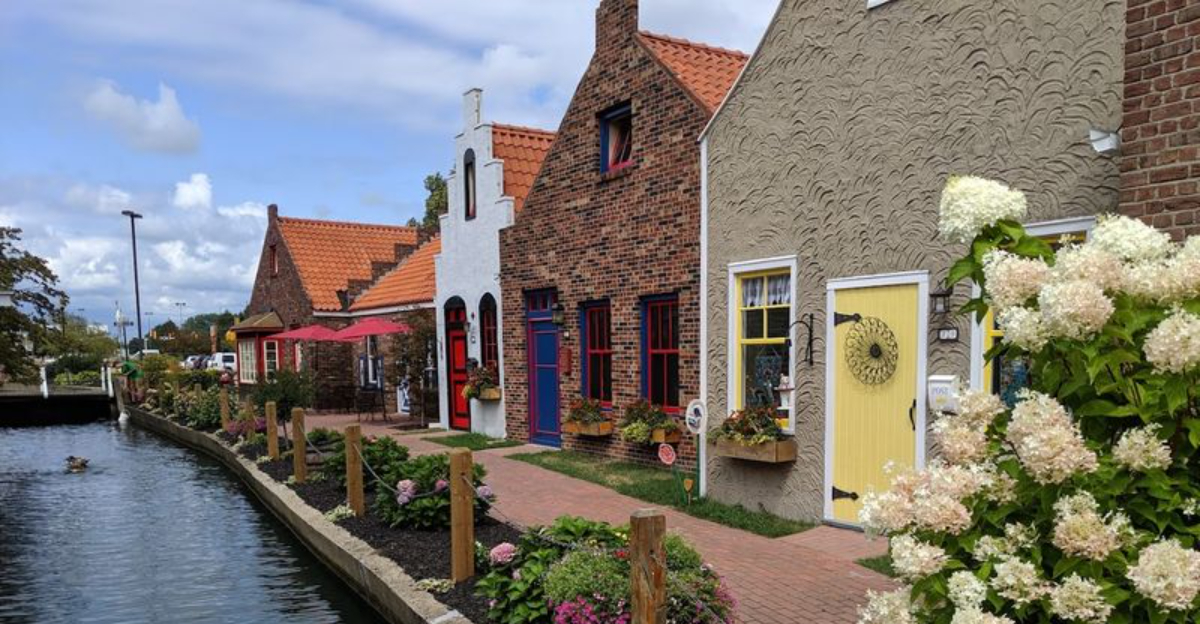
Some places feel like they’re trying too hard to be charming. This one didn’t have to try at all.
I had arrived in this lakeside corner of Michigan expecting a cute small town. Maybe a few historic streets. Maybe a decent café.
What I didn’t expect was a place where old-world traditions, colorful streets, and a surprisingly modern energy all blended together like it had been doing it forever. One minute I was walking past windmill views and flower-filled parks, the next I was browsing stylish downtown shops and lively cultural spots.
It felt a little European, a little Midwestern, and completely its own thing. The best part?
It never felt staged. This Michigan town has history woven into its sidewalks, culture blooming around every corner, and just enough modern buzz to keep things interesting.
I wasn’t prepared for how quickly it pulled me in.
Windmill Island Gardens
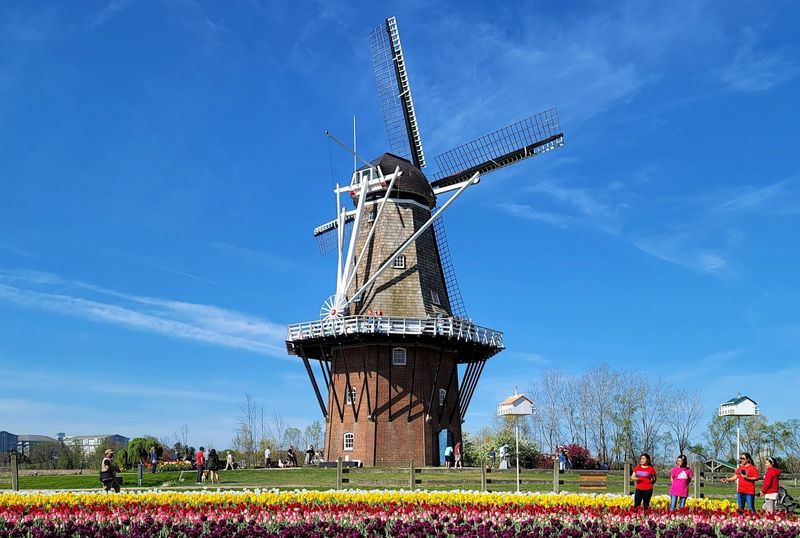
Walking into Windmill Island Gardens felt like someone had copy-pasted a corner of the Netherlands right into western Michigan, and honestly, I was not complaining one bit. The centerpiece of this 36-acre park is De Zwaan, a 250-year-old authentic Dutch windmill that was imported from the Netherlands in 1964.
It is one of the only authentic Dutch windmills operating in the entire United States, and watching its massive arms spin slowly against a blue Michigan sky gave me full-on goosebumps.
I wandered through the gardens during peak bloom season, and the tulip displays were absolutely outrageous in the best possible way.
Thousands of tulips in every shade imaginable lined the pathways, and the scent alone was worth the trip. The park also features a Dutch carousel, drawbridge, and a museum shop where I picked up wooden shoes that now live permanently on my bookshelf as my favorite conversation starter.
What really got me was how thoughtfully everything was preserved here.
This is not a kitschy theme park knockoff. It is a genuine living piece of Dutch heritage, maintained with real care and deep respect for history.
The windmill still grinds grain using traditional methods, and you can tour the interior to see exactly how it all works.
Every corner of this garden told a story that felt centuries old and completely alive at the same time. Windmill Island is the kind of place that makes you slow down and actually look at where you are standing.
Tulip Time Festival
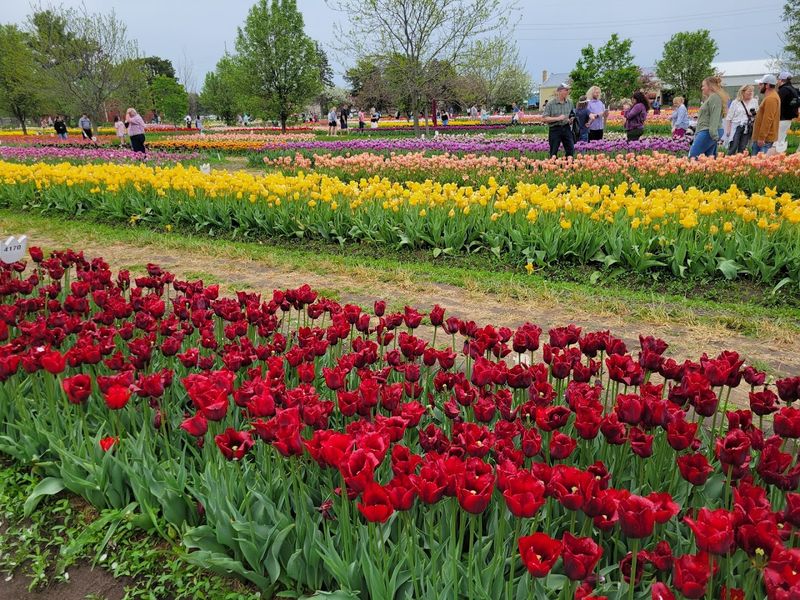
Picture six million tulips deciding to bloom all at once in one small Michigan town, and you will have a rough idea of what Tulip Time feels like. I showed up during the festival in early May, and the entire downtown transformed into something that looked like a living painting.
Streets were lined with tulips in every color, Dutch dancers in traditional costumes performed in the town square, and the energy was the kind that makes you forget your phone exists for a few hours.
Tulip Time has been running since 1929, making it one of the oldest and largest tulip festivals in the United States. The parade alone draws massive crowds, and the klompen dancing performances by local groups dressed in full Dutch attire were genuinely mesmerizing to watch.
There is a competitive energy to the dancing that nobody tells you about until you are there clapping along without realizing it.
Beyond the flowers and festivities, the festival creates this incredible sense of community that you can feel in every corner of the town. Vendors set up along the streets, the restaurants run special menus, and everyone seems to be in an especially good mood.
I tried a Dutch poffertje, which is essentially a tiny fluffy pancake, and it single-handedly changed my understanding of what breakfast could be. Tulip Time is not just an event.
It is the moment Holland becomes the fullest, most vibrant version of itself, and being there felt like a genuine privilege.
Holland State Park aAnd Lake Michigan Beach
Nobody warned me that Lake Michigan beaches could compete with ocean beaches, and after spending an afternoon at Holland State Park, I felt personally misled by every travel guide that had skipped over this gem.
The sand here is soft, pale, and squeaky underfoot in that satisfying way that makes you feel like a kid again. The water was crystal clear with that particular shade of blue-green that does not look real until you are standing in it up to your knees.
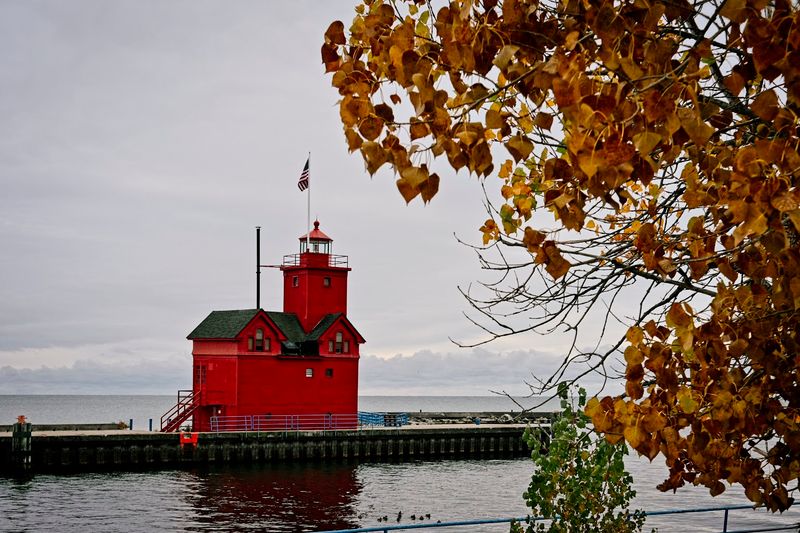
Holland State Park sits right where the Black River meets Lake Michigan, which means you get this gorgeous combination of a calm inner channel and the wide-open lake all in one visit.
The iconic red lighthouse at the end of the pier is arguably the most photographed spot in the entire region, and I took approximately forty-seven photos of it because I simply could not stop. Every angle was better than the last, especially as the sun started dropping toward the water.
The park itself has well-maintained trails, picnic areas, and enough open space that it never felt crowded even during peak season.
I rented a kayak from a nearby outfitter and paddled out toward the lighthouse, which turned out to be one of the best decisions I made on the entire trip. The view of the shoreline from the water, with the dunes rising behind the beach, was the kind of scene that gets permanently burned into your memory.
Michigan beaches deserve way more credit than they typically get.
The Holland Museum
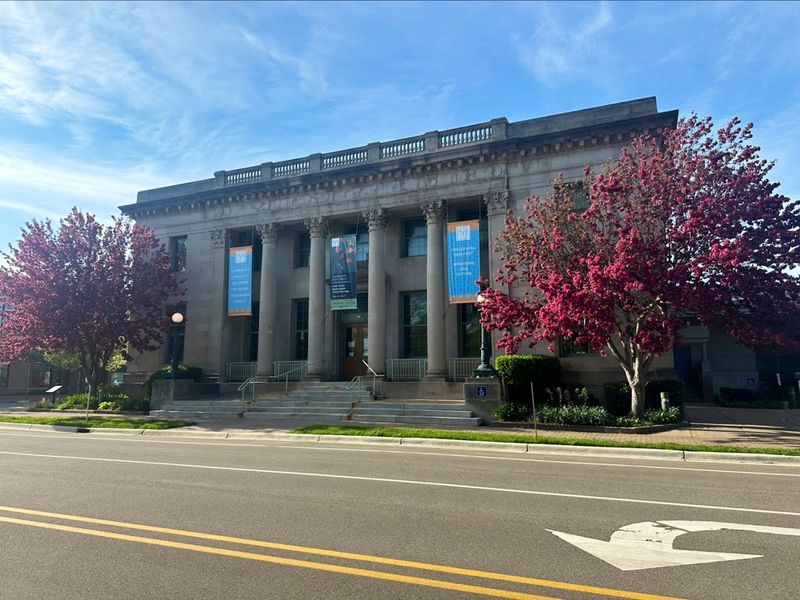
History museums can sometimes feel like homework dressed up in display cases, but the Holland Museum managed to completely flip that script on me. Housed in a beautifully restored 1914 post office building, the museum tells the story of Dutch immigration to western Michigan with a warmth and specificity that made me feel genuinely connected to people who lived over 175 years ago.
The collections include original furniture, clothing, and everyday objects brought over by Dutch settlers who crossed an ocean and built an entirely new community from scratch.
Seeing a worn wooden clog or a hand-stitched piece of embroidery that someone carried across the Atlantic hit differently than I expected. There is something quietly powerful about objects that survived that kind of journey.
The museum also features rotating exhibits that connect Holland’s past to its present-day cultural identity in smart and creative ways.
One exhibit traced the evolution of the town’s architecture from its earliest wooden structures to the brick downtown that exists today, and I found myself lingering there far longer than planned.
The building itself is part of the experience, with its grand arched windows and ornate detailing reminding you that even a post office was once built with ambition and craft. The Holland Museum does not just preserve history.
It actively makes the case for why that history matters right now, in this town, on this street, in this moment.
That kind of storytelling is genuinely hard to pull off, and they nailed it.
Saugatuck Dunes State Park Day Trip
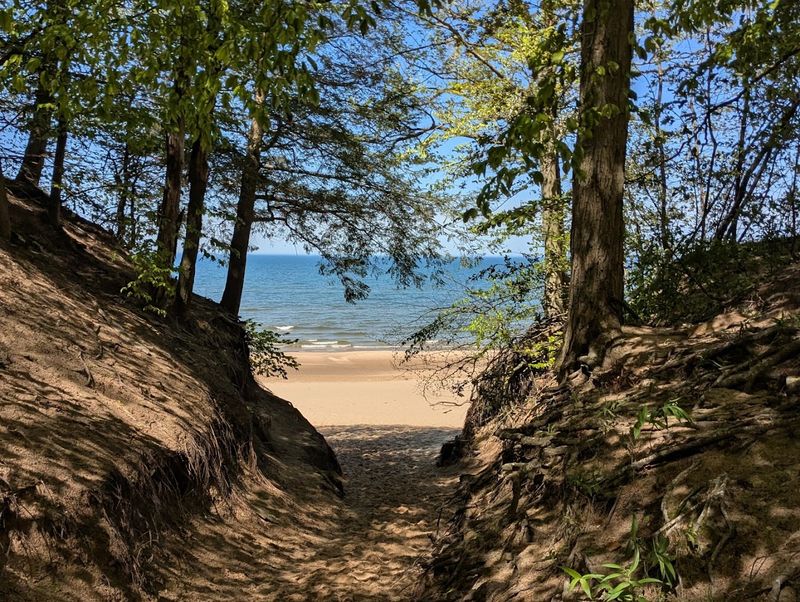
Just a short drive south of Holland sits Saugatuck Dunes State Park, and the moment I crested the first massive dune on the hiking trail, my jaw dropped so fast I practically left it at the top.
These are not gentle rolling hills. These are towering sand mountains that rise up to 200 feet above Lake Michigan, covered in beach grass and wild vegetation that rustles dramatically in the lake breeze.
The whole scene felt cinematic in a way that made me want to narrate it out loud.
The park has about 14 miles of trails that wind through dune forests, open dune faces, and eventually spill out onto a pristine stretch of Lake Michigan beach that feels like a reward for every step of the climb.
I took the Livingston Trail loop, which gave me sweeping views of the lake from multiple angles, and the workout was absolutely worth every calorie it cost me.
The contrast between the dense, shaded forest sections and the sudden open brightness of the dune crests made the hike feel like a series of surprises.
Saugatuck as a town is also worth exploring while you are in the area. It has a thriving arts scene with galleries lining its streets and a historic chain ferry that has been crossing the Kalamazoo River since 1857.
Pairing a dune hike with an afternoon in Saugatuck’s walkable downtown made for one of the most satisfying day trips I have ever put together entirely on a whim.
Holland’s Thriving Arts And Culture Scene
Somewhere between the tulip fields and the lakeside trails, Holland quietly built itself an arts scene that would make much larger cities genuinely envious. I started noticing it in the murals that decorated building exteriors downtown, each one with a distinct voice and visual style that turned an ordinary walk into an impromptu gallery tour.
Public art has a way of revealing a community’s self-image, and Holland’s image is clearly confident, colorful, and not afraid to take up space.
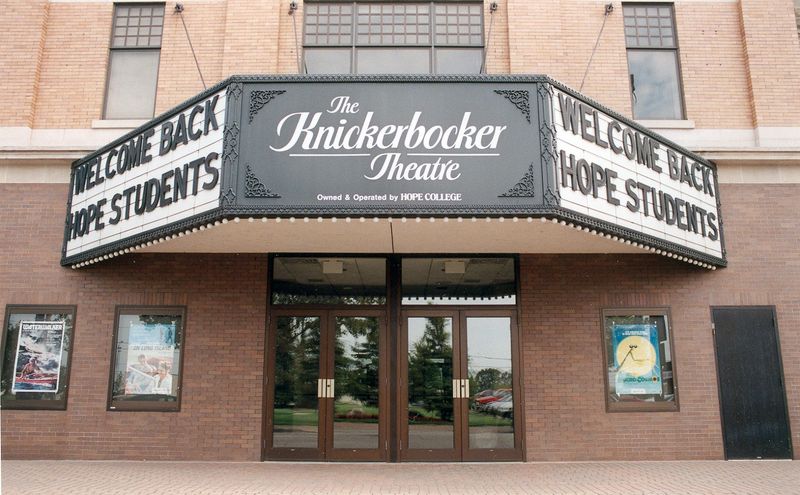
The Knickerbocker Theatre on Eighth Street is a restored 1910 movie house that now hosts live performances, film screenings, and community events in a setting that feels like stepping into a time capsule with upgraded acoustics.
I caught an evening performance there and the intimacy of the space made the whole experience feel personal in a way that big venues rarely manage. The venue itself is part of the entertainment.
Hope College, located right in the heart of Holland, adds a consistent stream of artistic programming to the community through its music performances, theater productions, and gallery exhibitions that are open to the public throughout the year.
The college’s presence gives the town an intellectual and creative energy that keeps things dynamic and evolving. Holland is not a place that peaked in the past and is now coasting on nostalgia.
It is a town actively making new culture while holding its heritage close, and that creative tension is exactly what makes it so endlessly interesting to explore.
Nelis’ Dutch Village
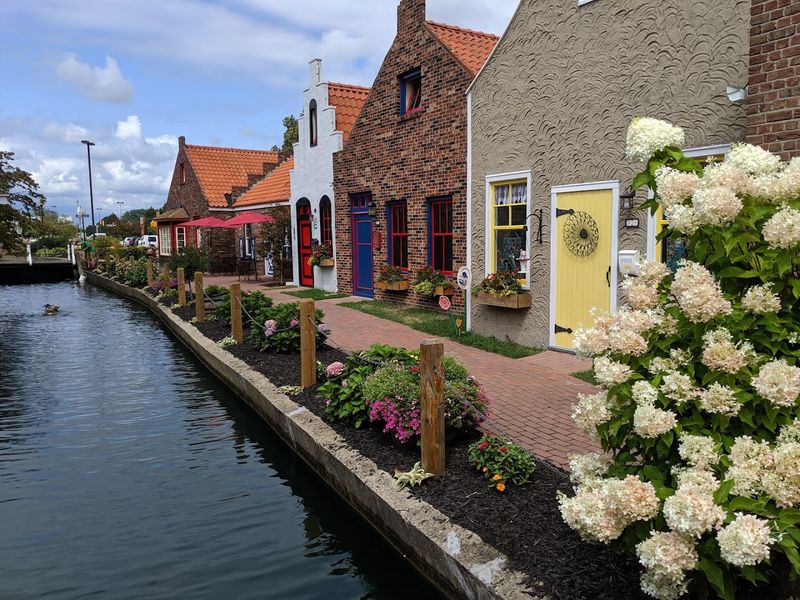
Nelis’ Dutch Village is the kind of place that sounds like it might be aggressively cheesy but actually ends up being genuinely delightful, and I say that as someone who arrived with a healthy dose of skepticism.
This outdoor attraction recreates a 19th-century Dutch village complete with canals, authentic architecture, and demonstrations of traditional Dutch crafts.
I watched a wooden shoe carving demonstration that turned out to be far more fascinating than I had any right to expect. The craftsperson worked through the entire process from raw block of wood to finished klompen, explaining each step with the kind of enthusiasm that made it impossible not to get invested in the outcome.
I bought a pair of tiny decorative clogs that now hang in my kitchen and spark a story every single time someone notices them.
The village also features traditional Dutch games, a carousel, a museum of Dutch artifacts, and enough interactive elements to keep even the most easily distracted visitor fully engaged. What impressed me most was how the attraction balanced accessibility and authenticity.
It never felt dumbed down or pandering. The history being presented was real, the crafts were genuine, and the overall experience left me with a much deeper appreciation for Dutch cultural heritage than I had walked in with.
Nelis’ Dutch Village is proof that educational tourism does not have to sacrifice fun to be meaningful.
Pigeon Creek Park And The Surrounding Natural Landscape
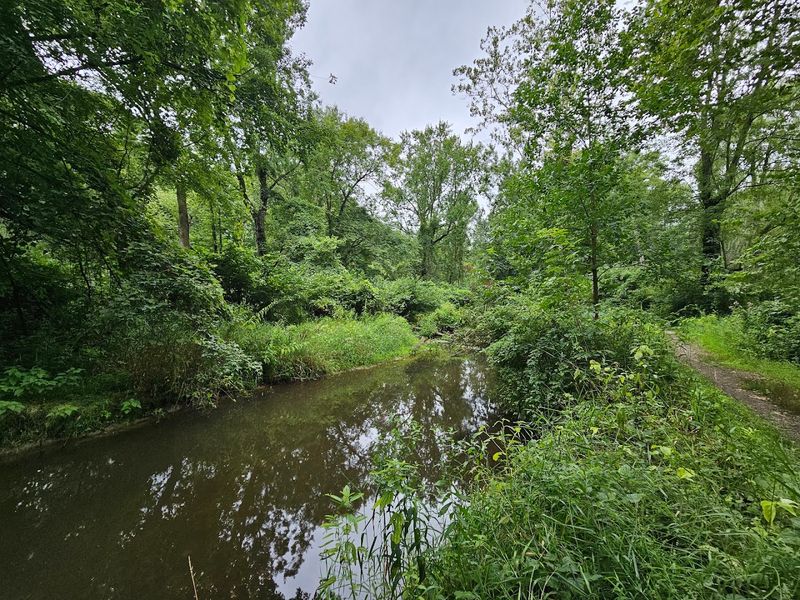
One morning I woke up early, skipped the coffee shop lineup, and drove out to Pigeon Creek Park in Ottawa County, and it turned out to be the single best decision I made during my entire time in Holland.
The park covers over 700 acres of forest, wetlands, and meadows laced together by a trail system that manages to feel both well-maintained and genuinely wild.
The kind of wild where you stop mid-trail because a great blue heron just lifted off from the creek directly in front of you and you need a moment to process what you just witnessed.
The trails wind through diverse ecosystems that shift gradually as you walk, moving from open meadow to dense hardwood forest to creek-side corridors.
I covered about five miles without once feeling like I was repeating scenery, which is the mark of a truly excellent trail system. In winter, the park converts to cross-country skiing, which immediately went on my list of reasons to return.
Holland’s surrounding natural landscape is one of its most underappreciated assets. Between the Lake Michigan shoreline, the dune systems, and parks like Pigeon Creek, the outdoor options here rival destinations that get far more attention and far more Instagram traffic.
If you make it to Holland and spend all your time indoors, you have missed at least half of what this place is genuinely about. Get outside and let the landscape do the talking.