
This Vintage Pinball Museum In Florida Brings Classic 1980s Arcade Nights Back To Life
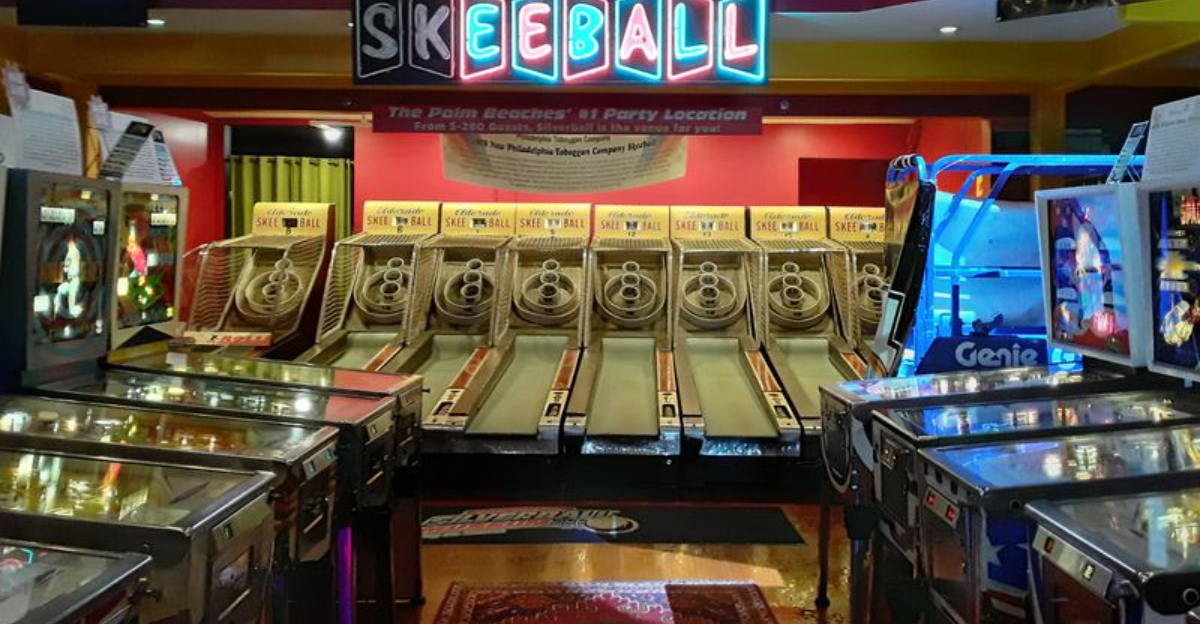
The moment you step inside, it feels like you crossed into another era. Lights glow in every direction, colors shift across the room, and suddenly the outside world fades into the background.
Rows of vintage machines stretch ahead, each one inviting you closer. You do not need instructions.
You just know what to do. There is something about places like this that instantly changes your mood.
Adults start smiling without realizing it. Friendly competition appears out of nowhere.
Time passes faster than expected. Ever noticed how certain experiences make you forget to check your phone?
The atmosphere is playful, immersive, and surprisingly comforting. Nothing feels rushed, nothing feels complicated.
You simply move from one game to the next, curious what you will discover.
Florida is full of modern attractions, but finding a spot that brings back this kind of simple, genuine fun feels rare. And once you experience it, you understand why people keep coming back.
Pay Once, Play All Night
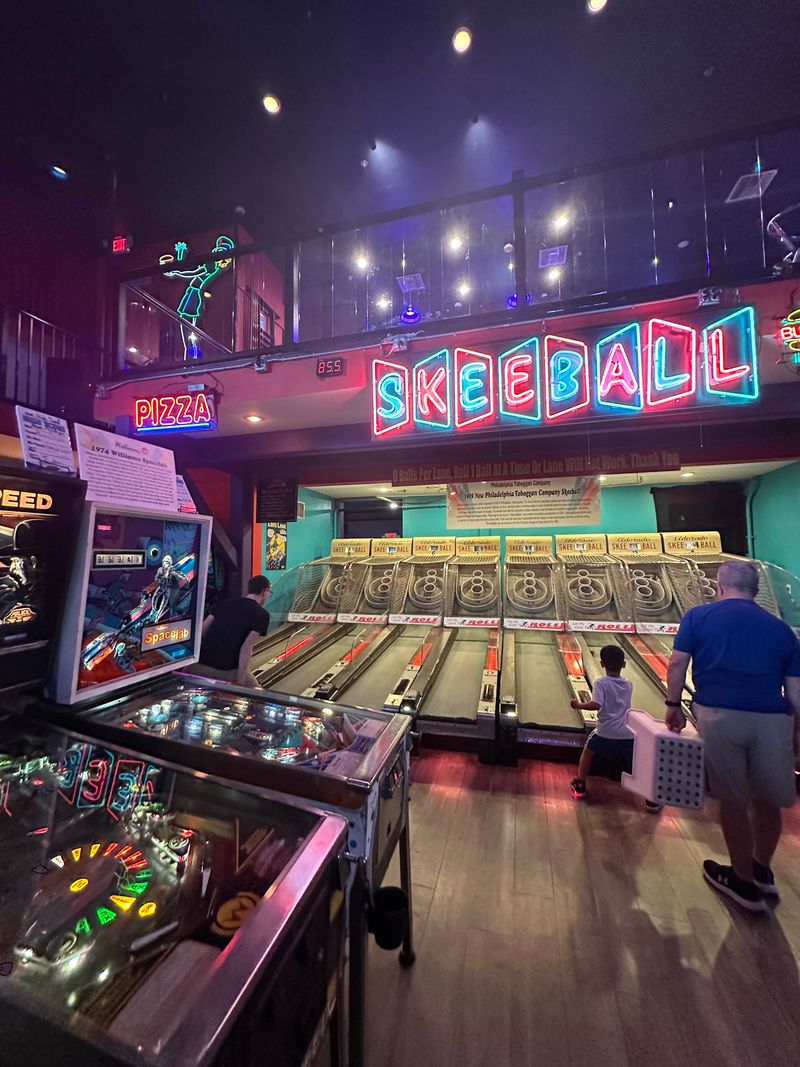
Unlimited play changes everything about the arcade experience. Instead of hoarding quarters or constantly feeding bills into a change machine, I paid twenty dollars at the door at Silverball Retro Arcade on 19 NE 3rd Ave in Delray Beach, and suddenly every game became an invitation rather than a calculated risk.
That flat-rate model transforms how you approach each machine. I tried pinball tables I would have walked past in the old quarter-per-play days, discovering hidden gems like Space Shuttle and Spy Hunter that became instant favorites.
The freedom to experiment without worrying about cost means you actually learn the nuances of each table instead of moving on after one disappointing ball.
Families especially benefit from this pricing structure. Parents can relax knowing their kids can play as much as they want without burning through the vacation budget in an hour.
I watched one father teaching his daughter the finer points of flipper timing on a Guns N’ Roses table, both of them laughing through multiple attempts without that anxious glance at the shrinking stack of tokens.
The unlimited format also encourages friendly competition. Groups camp out at their favorite machines, passing control back and forth, building skills together rather than rationing turns.
One couple near me spent an entire evening mastering the Tron game, their scores climbing steadily as closing time approached. This pricing philosophy turns a quick arcade stop into an all-evening entertainment destination that actually rewards staying longer — especially in a lively downtown spot like Delray Beach where the fun does not have to end when you step outside.
Machines Spanning Nine Decades
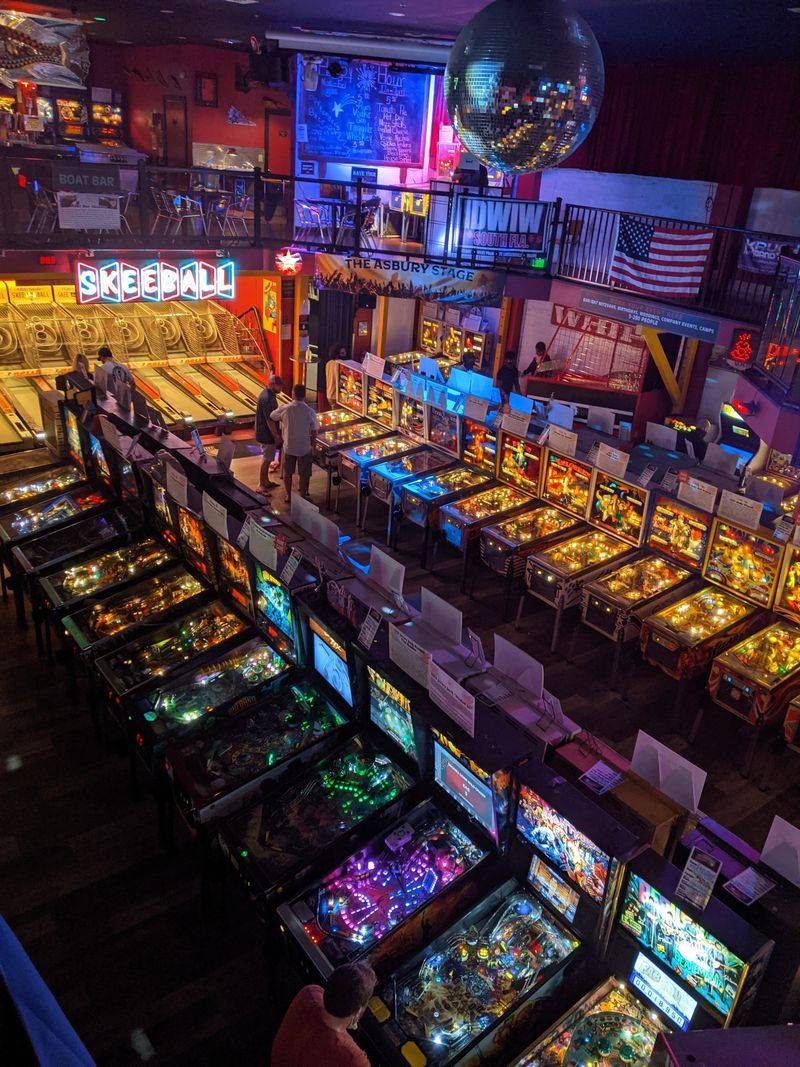
Standing among machines that represent nearly a century of pinball evolution feels like walking through a hands-on museum where every exhibit begs you to pull the plunger. Silverball houses roughly 100 pinball tables, each one a snapshot of gaming technology and design philosophy from its particular era.
The oldest machines showcase pinball’s mechanical roots with their purely physical scoring systems and simple playfields. I spent time with several 1970s classics that relied entirely on springs, bumpers, and gravity, no digital screens or electronic sounds to distract from the pure physics of silver ball meeting painted wood.
The craftsmanship in those early tables amazed me, every element hand-designed and mechanically ingenious.
Moving through the decades, you witness the digital revolution transforming pinball from purely mechanical to increasingly electronic. Tables from the 1980s introduced dot-matrix displays and synthesized sound effects that defined arcade culture.
The Avatar and King Kong machines represent modern pinball’s peak, with LCD screens, complex rule sets, and integration between physical and digital elements that would blow the minds of those 1930s designers.
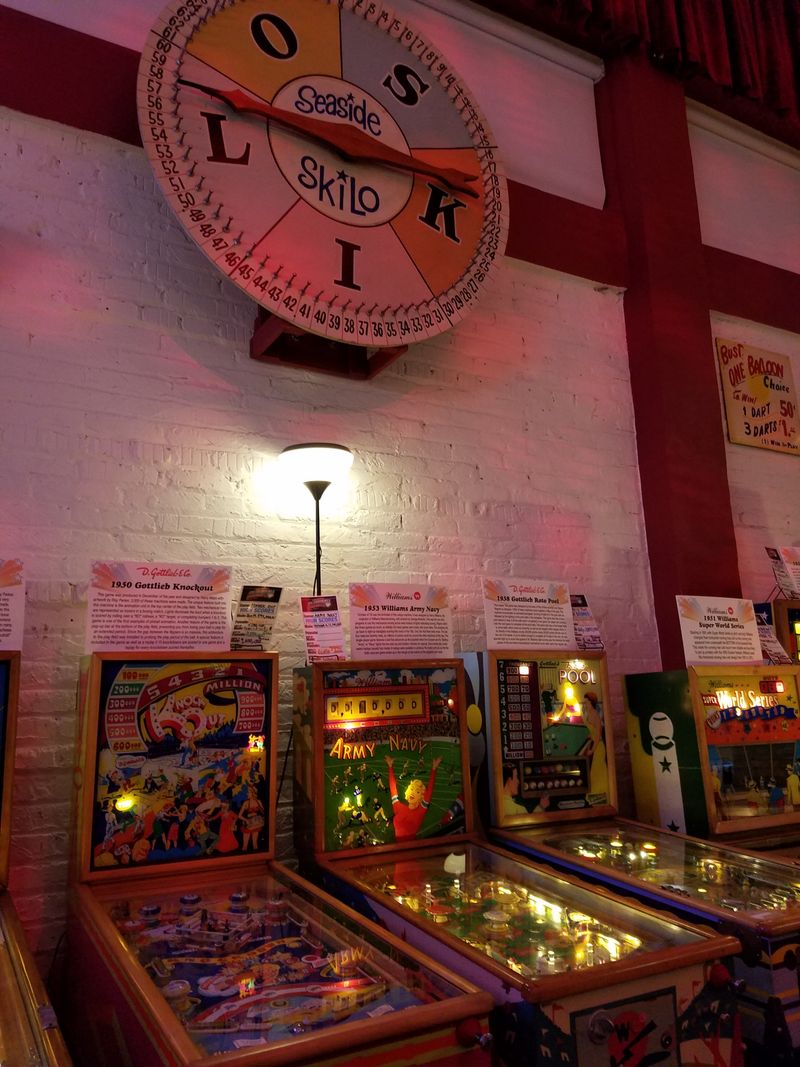
Educational plaques accompany many machines, explaining their historical significance and technical innovations. I found myself reading these mini-histories between games, appreciating how each table contributed to pinball’s evolution.
This chronological journey through gaming history makes Silverball more than just an arcade; it becomes a living timeline you experience through your own hands and reflexes.
Classic Arcade Games Beyond Pinball
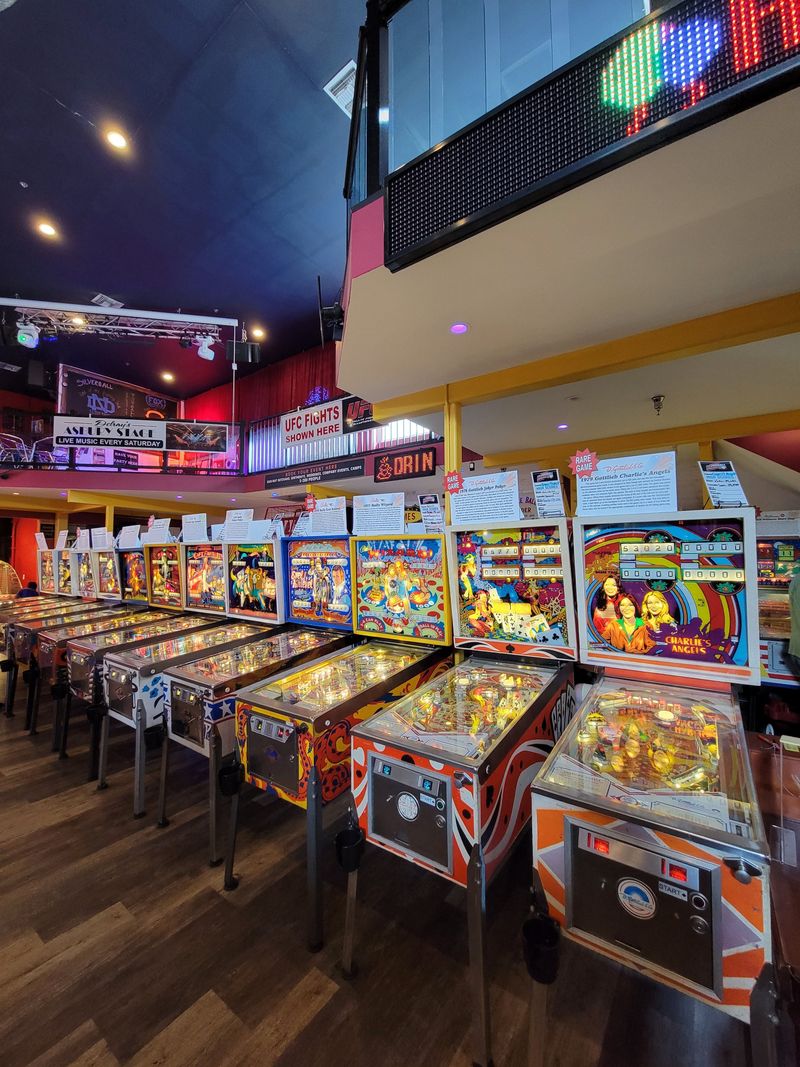
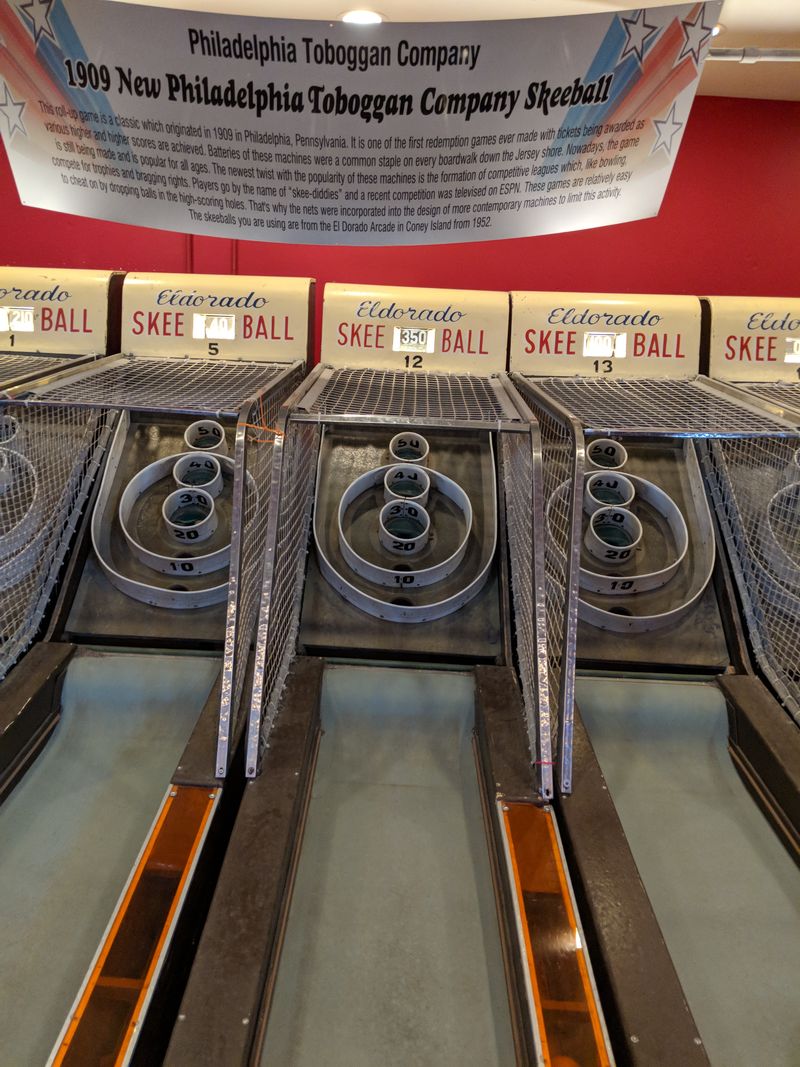
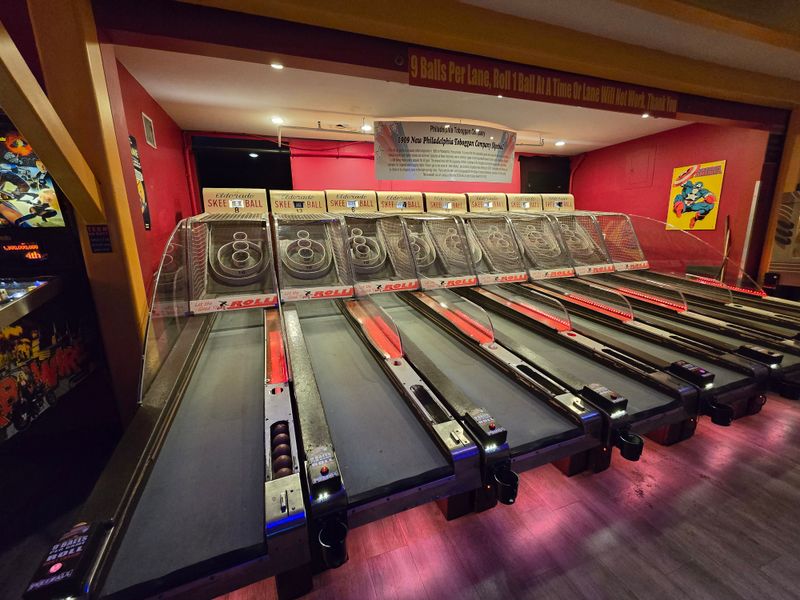
Pinball dominates the space, but Silverball’s collection extends into every corner of arcade nostalgia. The moment I spotted the skeeball lanes, muscle memory kicked in and I was rolling balls up that ramp, aiming for the corner pockets just like I did as a teenager at boardwalk arcades.
Air hockey tables provide fast-paced competition that draws crowds of spectators. The satisfying clack of the puck bouncing between paddles creates its own rhythm section in the arcade’s symphony.
I jumped into a game with a stranger and within minutes we were both trash-talking and laughing, that instant camaraderie that arcade games uniquely create.
Basketball hoops let you test your shooting skills with varying difficulty levels. Some machines keep score automatically, tracking your makes and misses while the clock counts down.
After several rounds of pinball, switching to these physical games provides a welcome change of pace and a different kind of hand-eye coordination challenge.
Shuffleboard tables occupy prime real estate, their long polished surfaces inviting strategic play. These classic games appeal to multiple generations simultaneously, grandparents and grandkids competing on equal footing.
The variety means groups with different gaming preferences all find something that speaks to them. One family I observed rotated through different game types all evening, never looking bored despite hours spent inside.
This diversity transforms Silverball from a pinball museum into a comprehensive retro gaming experience.
Full-Service Bar And Snacks
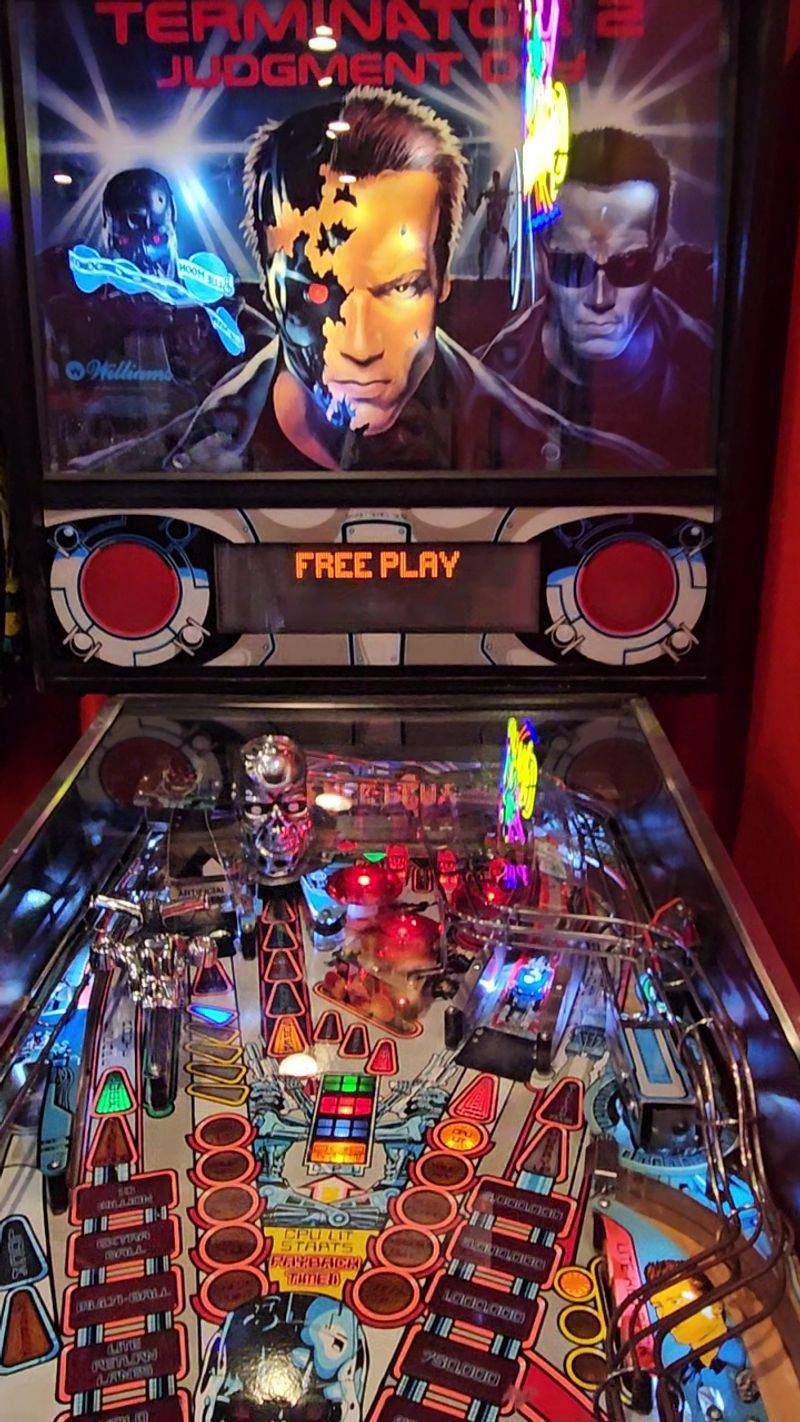
Gaming works up an appetite, and Silverball handles that reality with a full menu and bar tucked into one corner. The setup feels perfectly integrated, never overwhelming the arcade atmosphere but always available when hunger strikes between high scores.
Their loaded nachos earned multiple mentions in reviews I read, and after trying them myself, I understand the enthusiasm. The portion could easily feed two people, piled high with toppings that actually taste fresh rather than like they’ve been sitting under a heat lamp.
I balanced my nacho plate on a nearby table between pinball rounds, the perfect arcade fuel.
Pizza, burgers, and fries round out a menu designed for easy eating while gaming. Nothing here requires a knife and fork or demands your full attention, which matters when you’re trying to keep one eye on your Avatar table score.
The kitchen operates efficiently even during busy periods, getting food out quickly so you don’t lose momentum.
Staff members like Sarah behind the bar and Tiger in the kitchen get mentioned by name in reviews, suggesting consistent quality and friendly service. Having actual good food available elevates the experience from a quick arcade visit to a legitimate evening out.
Couples can make it date night, families can skip the restaurant debate, and friend groups can settle in for hours without needing to leave for sustenance. The combination of unlimited games plus decent food creates a self-contained entertainment ecosystem that respects both your time and your stomach.
Spotless And Well-Maintained
Cleanliness might seem like a basic expectation, but anyone who remembers sticky-floored arcades from the 1980s knows how rare spotless gaming spaces actually were. Silverball breaks that dingy arcade stereotype completely.
Every surface gleams, floors stay clean despite constant foot traffic, and machines receive obvious regular maintenance.
Working machines matter tremendously in an unlimited-play environment. Nothing kills arcade joy faster than finding your favorite table out of order or a flipper that barely responds.
During my visits, I encountered remarkably few malfunctioning games. When I did find one table with a sticky flipper, staff addressed it promptly after I mentioned it.
This level of upkeep requires serious dedication given the age of some machines.
The bathrooms maintain the same standards as the gaming floor, always stocked and cleaned regularly. Small detail, but it signals an operation that cares about the complete guest experience rather than just collecting admission fees.
Families with young children especially appreciate facilities they can use without hesitation.
Organization enhances the cleanliness impression. Machines are arranged logically with clear pathways between them, preventing that claustrophobic maze feeling some arcades create.
Trash receptacles appear frequently enough that you never need to hunt for one. The overall impression suggests professional management rather than a neglected nostalgia trip.
This attention to maintenance and cleanliness means the focus stays on fun rather than fighting through grime to reach it, making return visits far more appealing.
Perfect For All Ages
Generational appeal rarely works as well in practice as Silverball achieves it. Seniors who grew up with these machines stand shoulder-to-shoulder with kids experiencing pinball for the first time, everyone equally engaged.
I watched a grandmother coaching her grandson through a 1970s table, sharing stories about playing similar machines during her own childhood.
The age range I observed during evening visits spanned from elementary school children to retirees, everyone finding their groove. Younger kids gravitate toward the simpler mechanical tables and games like skeeball that offer instant gratification.
Teenagers cluster around the more complex modern pinball machines with their multi-ball features and elaborate rule sets. Adults often seek out specific tables they remember from their youth, that muscle memory returning as soon as their fingers hit the flippers.
This cross-generational environment creates unexpected teaching moments. Older visitors naturally become informal instructors, explaining techniques and sharing strategies with younger players.
The shared language of gaming bridges age gaps that might exist in other settings. One teenager I spoke with mentioned learning about his father’s childhood through the machines his dad got excited about, history lessons delivered through play.
The absence of anything inappropriate keeps the space genuinely family-friendly without feeling sanitized. Parents relax knowing their kids can wander freely without encountering anything concerning.
Date night couples, family outings, and solo gamers all coexist comfortably. This universal appeal makes Silverball a rare destination that actually works for mixed-age groups rather than forcing compromises.
Prime Delray Beach Location
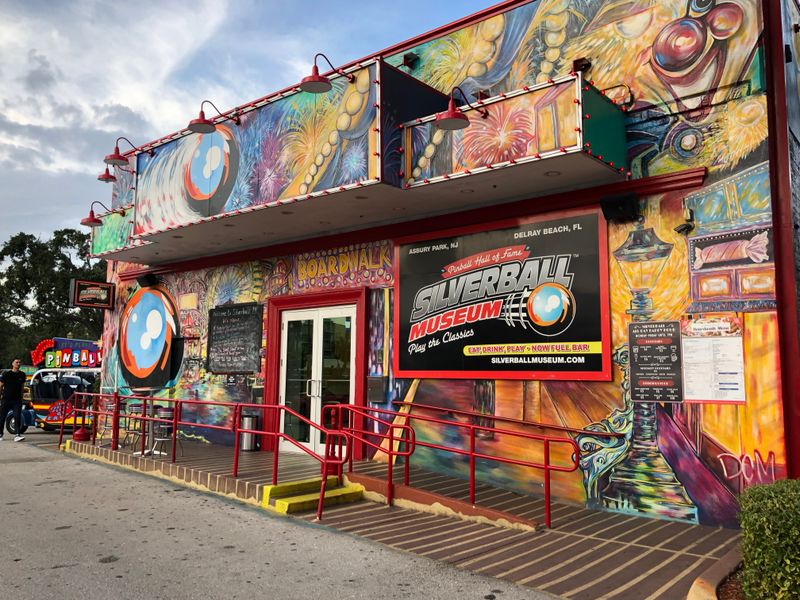
Location matters, and Silverball landed in an ideal spot at 19 NE 3rd Ave in downtown Delray Beach. The address puts you within easy walking distance of restaurants, shops, and other attractions, making it simple to build an entire evening around your arcade visit.
Delray Beach’s downtown area pulses with energy, especially during evening hours when Silverball opens its doors. The arcade fits naturally into the neighborhood’s mix of entertainment options, drawing both locals and tourists exploring the area.
Parking exists nearby, though availability varies depending on the night and season. I found street parking within a block during my weekday visit but heard weekend evenings require more patience.
The building itself stands out without screaming for attention, its signage visible enough to guide you there without overwhelming the streetscape. Inside, windows let you glimpse the flashing lights and action, creating an inviting preview that pulls passersby inside.
Climate control matters in Florida, and Silverball maintains comfortable temperatures even when the arcade fills with people generating body heat through competitive gaming.
Operating hours from 11 AM to midnight Monday through Sunday accommodate different schedules. Late-night gaming sessions become possible for night owls, while earlier hours work for families with younger children.
The location’s accessibility and extended hours make spontaneous visits feasible rather than requiring elaborate planning. Being embedded in a walkable downtown means you can easily incorporate Silverball into a larger Delray Beach experience rather than making it a destination that requires dedicated travel.
Affordable Entertainment Value
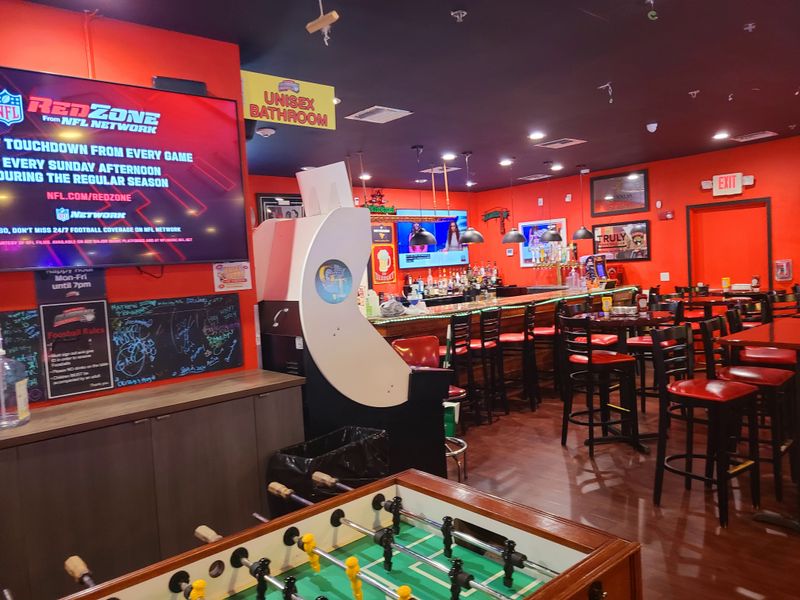
Twenty dollars for unlimited play until closing represents remarkable value in today’s entertainment landscape. Movie tickets cost nearly that much for two hours of passive watching.
Theme park admission runs ten times higher for a single day. Silverball delivers hours of active engagement for less than most dinner entrees.
The value proposition improves further with their half-day option mentioned in reviews. Paying even less for several hours of unlimited gaming makes spontaneous visits more appealing, especially for locals who might stop by regularly rather than committing to full evenings.
This flexible pricing acknowledges different visitor needs and budgets.
Membership options exist for frequent visitors, though specific pricing varies. Regular guests benefit from these programs through additional savings and perks.
The investment makes sense for anyone living nearby or visiting Delray Beach repeatedly throughout the year. I spoke with one couple who purchased memberships after their second visit, calculating they would break even within a month given how often they planned to return.
Food and beverage prices remain reasonable rather than exploiting the captive audience situation. Four-dollar options and affordable menu items mean you can eat without feeling gouged.
Combined with the unlimited gaming, families can budget an entire evening’s entertainment for less than many single activities cost elsewhere. The transparent pricing eliminates those nickel-and-dime surprises that sour other entertainment experiences.
You know your costs upfront, making it easy to decide whether the value matches your expectations before committing.
Friendly And Knowledgeable Staff
Staff quality transforms a good arcade into a great one, and Silverball clearly invests in hiring people who enhance rather than just monitor the experience. Multiple reviews specifically name employees like Sarah and Tiger, suggesting these aren’t anonymous workers but actual personalities who contribute to the atmosphere.
Knowledge matters when you’re surrounded by decades of gaming history. Staff members I interacted with could answer questions about specific machines, suggest tables based on skill level, and share interesting facts about pinball evolution.
This expertise helps newcomers find their footing rather than feeling overwhelmed by the hundred-machine selection. When I asked about the oldest table in the collection, the employee not only pointed it out but walked me over and explained its historical significance.
Friendliness extends beyond basic customer service into genuine enthusiasm for the space. You can tell when staff actually enjoy their workplace, and that positive energy proves contagious.
They celebrate high scores with guests, offer encouragement during challenging games, and maintain patience even during busy periods when questions come rapid-fire.
The bar staff balance efficiency with personality, remembering regulars and making newcomers feel welcome. Quick service matters when you’re eager to get back to gaming, and they manage to be both fast and personable.
This consistent positive feedback about staff across multiple reviews indicates a workplace culture that values guest experience. Good employees can salvage mediocre venues, but great employees elevate already solid operations into memorable destinations worth recommending to others.
Nostalgic Atmosphere Done Right
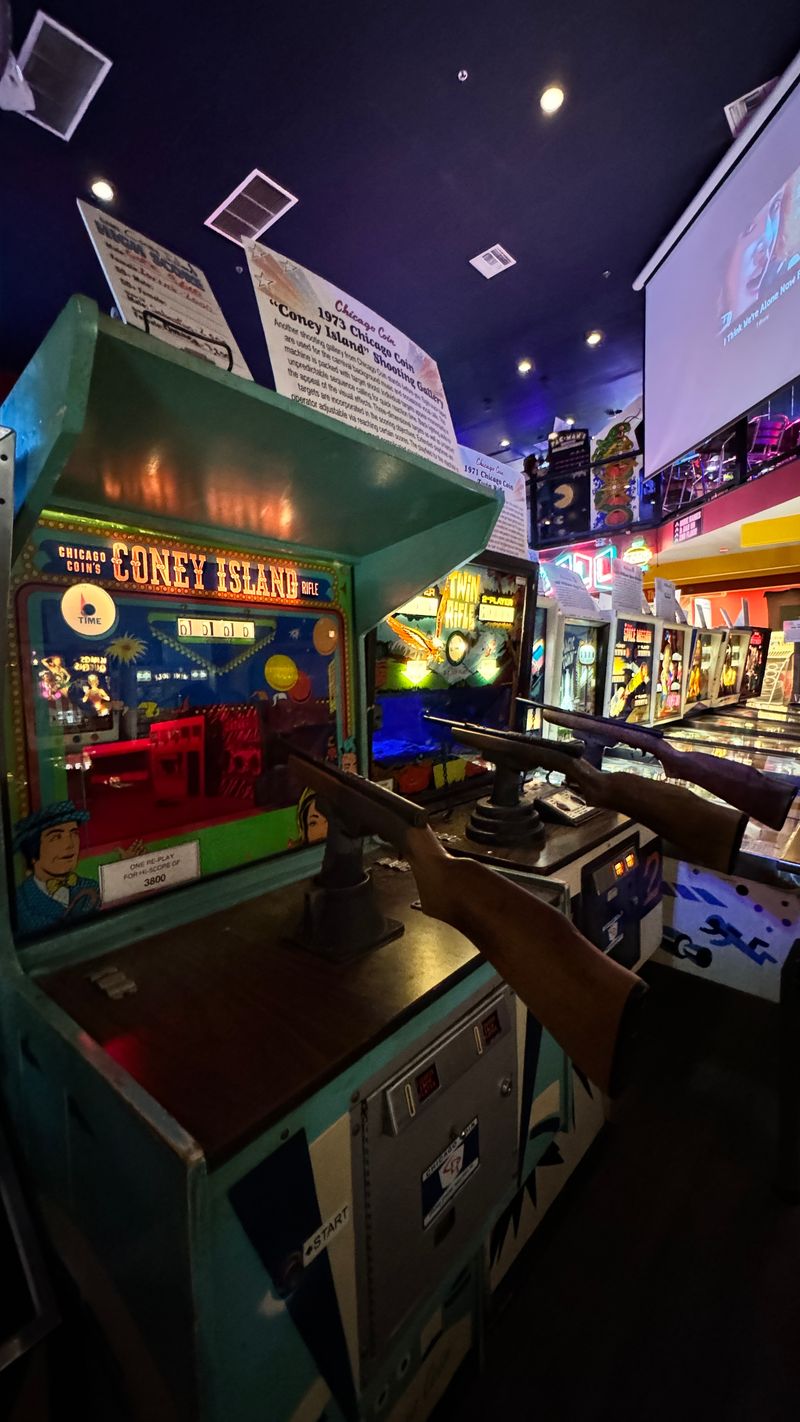
Nostalgia can feel forced when venues try too hard, but Silverball achieves authentic throwback atmosphere through the machines themselves rather than artificial decoration. The games create the environment, their flashing lights and electronic sounds building that sensory experience that defined 1980s arcade culture.
Music selection enhances rather than overwhelms, playing era-appropriate tracks that complement without competing against the game sounds. The volume stays at levels that let you hear your table’s audio cues while still catching the background soundtrack.
I noticed the playlist shifting throughout the evening, touching different decades to match the range of machines on the floor.
Lighting strikes the right balance between visibility and ambiance. Bright enough to see clearly but not harsh fluorescent overkill that would kill the mood.
The machines themselves provide much of the illumination, their displays and marquees creating that characteristic arcade glow. Walking through the space at night, with games flashing and music playing, genuinely transported me back to teenage summers spent in boardwalk arcades.
The absence of modern distractions preserves the throwback feeling. No screens showing current sports or news, no intrusive announcements, nothing pulling your attention away from the games.
This commitment to atmosphere means even younger visitors who didn’t experience original 1980s arcades still absorb that authentic vibe. The space respects its own concept without becoming a parody or museum piece.
Everything functions, everything invites participation, and everything combines into an environment that honors arcade culture’s golden age while remaining fully accessible to contemporary audiences.