
This Visit To The Michigan History Museum Feels Like Time Travel
To me, there is no greater sanctuary than a museum. It’s the only place where you can walk through a door and watch the present day simply melt away. Stepping through those glass doors in Lansing, I felt that familiar, delicious energy of history settling in.
The atrium reaches upward toward a massive, iconic tree sculpture that anchors the space, while galleries spiral out like chapters of a book you never want to put down. I initially planned for a quick “in and out” visit, but the place is a generous maze of immersive time travel.
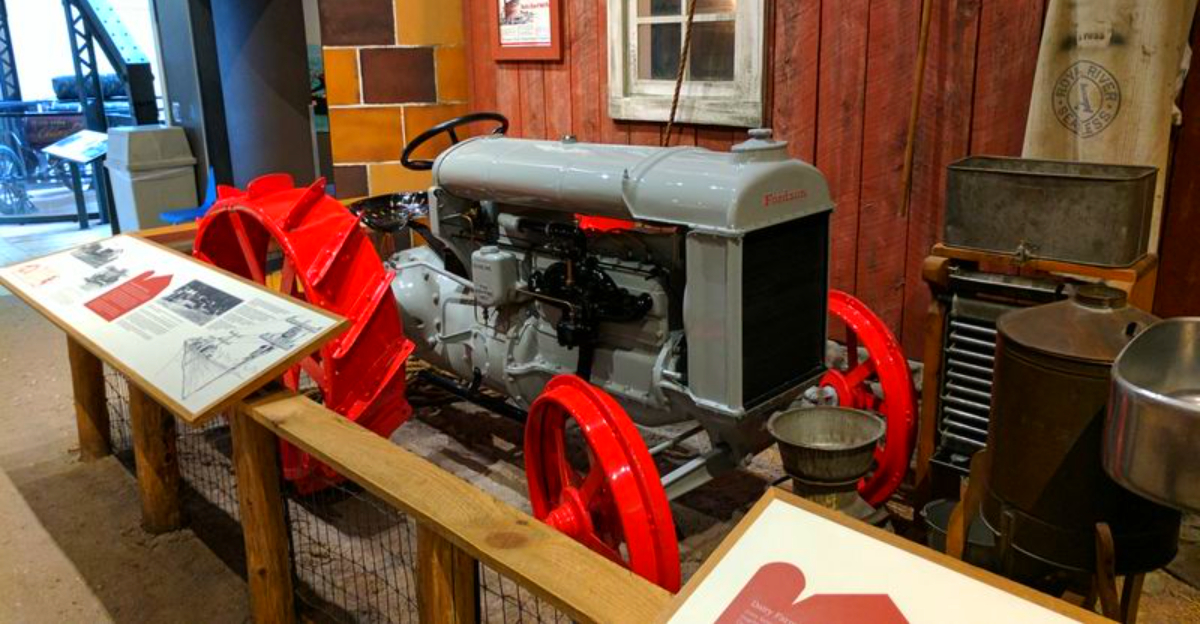
I found myself wandering through life-sized copper mines, peering into vintage classrooms, and standing in the shadow of the massive assembly lines that taught the world how to move.
The best exhibits can be found at this museum, featuring immersive displays on the state’s industrial heritage, glacial history, and life-sized recreations of historic towns.
Finding Your Flow Through Five Levels
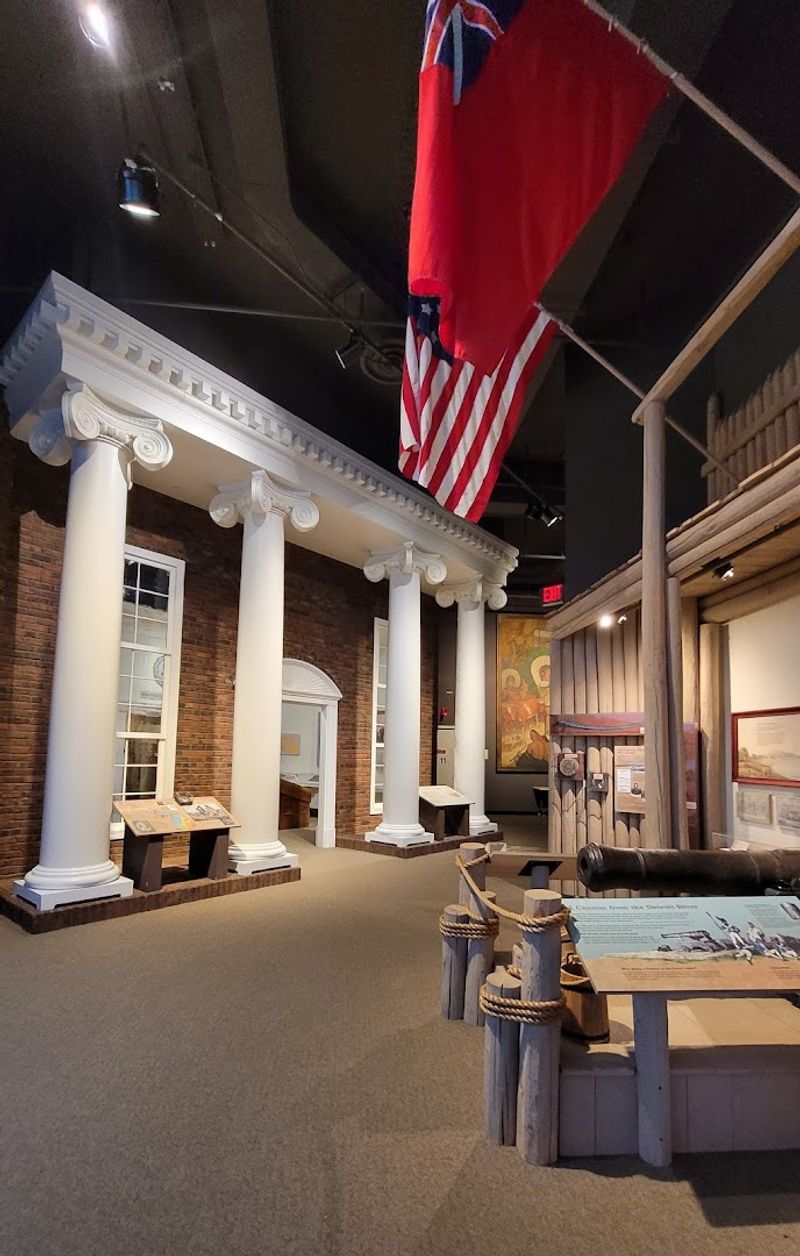
The museum feels like a calm spiral, anchored by that central tree and flooded with soft light from above. Sound drifts in layers as you move, a trolley bell here, a pickaxe echo there, guiding your pace without hurrying it.
Exhibits roll from Ice Age landscapes to Ojibwe and Odawa lifeways, logging camps, mines, and city streets, all stitched into a steady rhythm.
The state’s story unfolds floor by floor, so you can choose a theme and ride it upward or wander wherever curiosity tugs first. Start at the top if you like broad overviews, or at the ground level if details help you settle in. Either way, the flow keeps you oriented, and you end up feeling time stack neatly under your feet.
A Journey Through The Great Lakes State
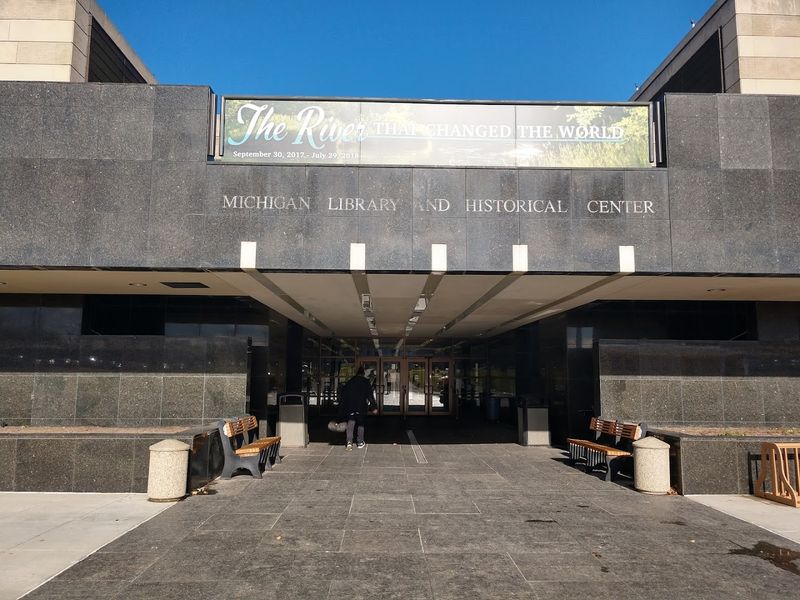
The Michigan History Museum serves as the flagship of the Michigan History Center, located within the architecturally striking Michigan Library and Historical Center building.
Situated just a few blocks west of the State Capitol, this expansive museum offers a chronological tour of the state’s past, from its geological beginnings and the life of its First Nations to the rise of the automotive industry.
Navigating to this cultural hub is straightforward, as the main entrance is positioned on West Kalamazoo Street between Pine Street and Butler Boulevard. For those arriving from the surrounding regions via I-496, exit at Pine Street or Walnut Street and head north toward the downtown government complex.
The museum features a dedicated parking lot conveniently located right in front of the building, providing easy access for visitors to begin their exploration at 702 W. Kalamazoo St., Lansing, Michigan 48915.
A Quiet Start In The Atrium
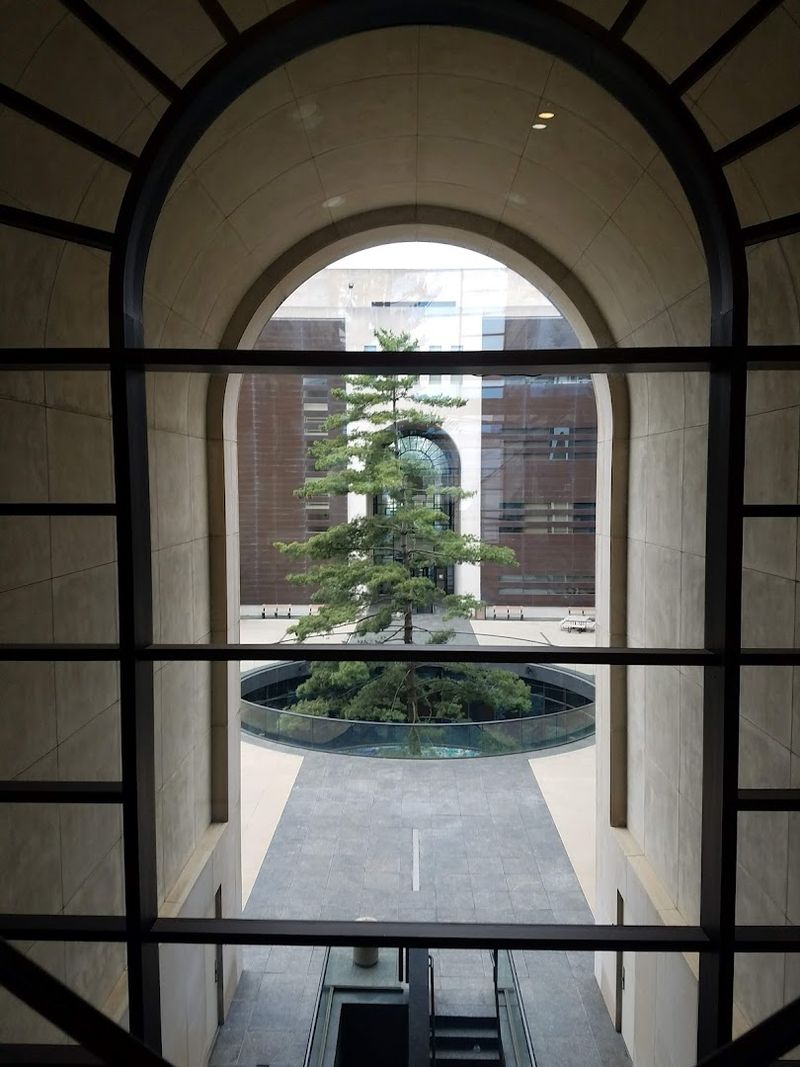
Pale stone, tall windows, and that sculpted tree make the atrium feel like a civic plaza turned inward. The balconies reveal glimpses of whole eras, so your eyes climb before your feet do. Built as the Michigan History Center, the complex also houses the state library next door, a reminder that research and storytelling share the same spine.
The architecture does useful emotional work, making history feel less sealed behind glass and more like something still moving around you in public space.
I like arriving right at 10 am on weekdays when doors open and school groups have not yet filled the ramps. Grab a floor map, ask staff about any temporary exhibits, and pick an elevator ride to the galleries you are most curious about.
If mobility is a concern, the layout is friendly, with elevators and benches tucked in smart spots. Starting early also gives you a calmer first pass through the main displays before the building picks up its daytime rhythm.
Copper Mines And Coal Shadows
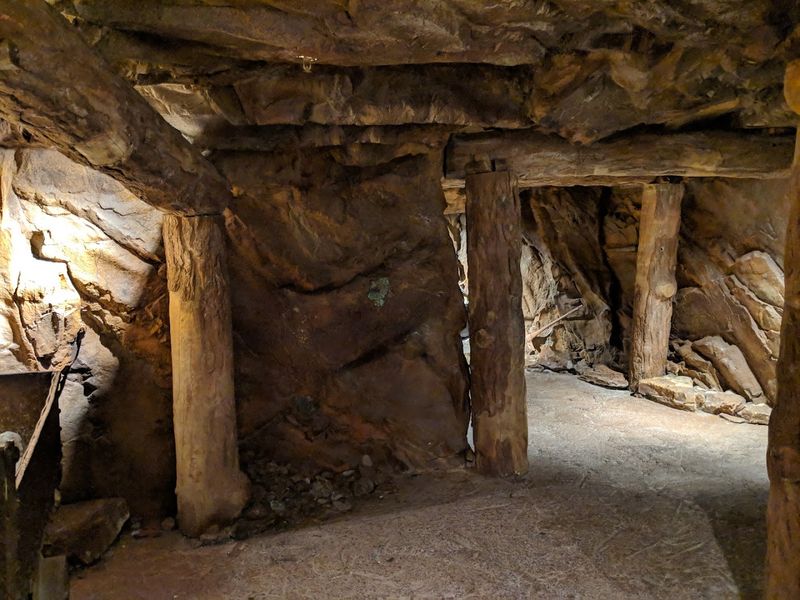
Your ears adjust first, catching the damp hush of the recreated shaft before your eyes settle. Lantern light licks wood braces, ore carts wait as if someone stepped away mid shift, and the air seems cooler though it is imagination.
The copper and coal installations do not over dramatize danger, yet they let risk sit beside ingenuity. That restraint makes the space more effective, because it trusts atmosphere, tools, and silence to carry the human weight of the work.
Kids gravitate to levers and wheels, while adults linger at stories of migration and union halls. Take time to read the placards on labor, then step back to notice how equipment design evolved.
The path is wide for strollers, but the area gets popular with field trips, so circle back later if needed, or start here before lunch to beat the crowd. A slower pass often reveals details you miss at first, especially in the machinery, signage, and changing scale of the displays.
Logging Camps And Pine Resin
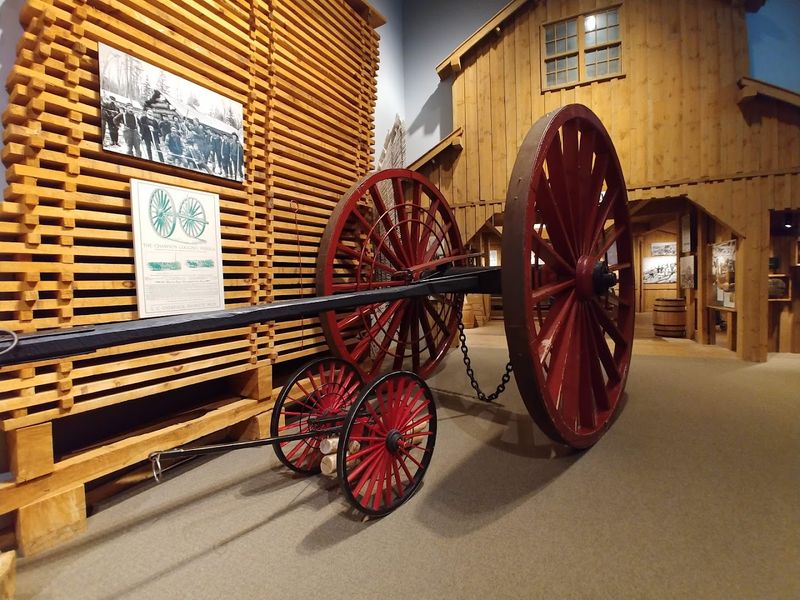
In winter, the logging exhibit smells faintly of pine from nearby displays, and the soundscape cracks with rhythmic saw beats. Bunkhouse bunks and cookstove props sketch out seasons when frozen ground made hauling possible.
You realize how snow once dictated business calendars across the north. Boot prints in fake snow look almost wet. The state’s timber tradition built towns, rails, and fortunes, and the exhibit threads that boom to conservation ethics that followed.
Look for the crosscut saw demonstration video to see technique rather than myth. The space invites a slower read, and by the time you step away, the imagined stickiness of resin seems to cling to your sleeves, like a memory that does not want to leave.
Detroit Steel And Assembly Lines
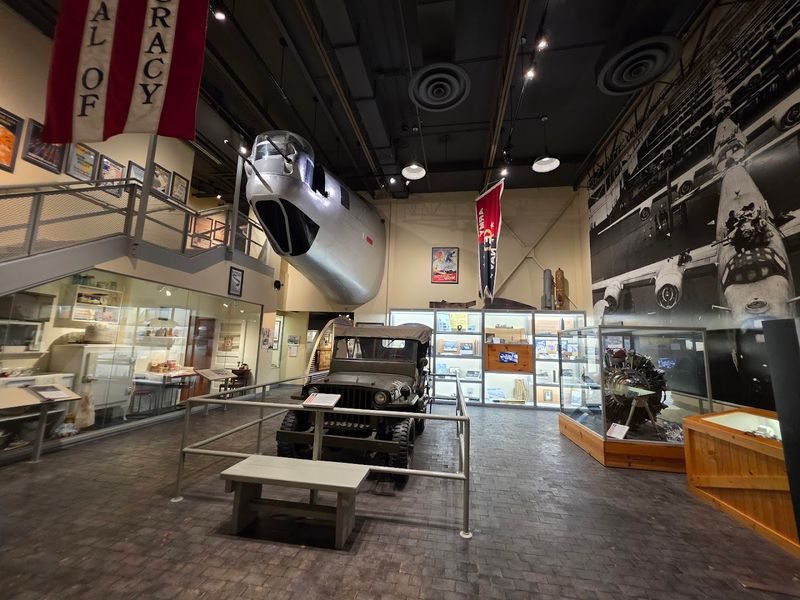
A staff member pointed out a small detail on a cutaway engine, and suddenly the auto gallery clicked in my head. The room hums with motion graphics, draft sketches, and tooling that tracks how precision met mass imagination.
Pedals, seats, and dashboards show ergonomics evolving toward the driver you know today. Engines are stories told in metal. Michigan car culture still runs deep, and the exhibit links shop floors to neighborhoods, parades, and garages.
Budget a little extra time for the Arsenal of Democracy section, where manufacturing pivots carry real weight. If you plan to photograph labels, step back for wider shots first, then capture close details, so you can rebuild the story later without crowding other visitors.
Indigenous Voices In Focus
A beaded bandolier bag shimmers under careful light, each glass bead catching a color that refuses to flatten. Nearby, a birchbark canoe curves with quiet authority, more river than artifact. Text panels center Anishinaabe voices, foregrounding continuity rather than only loss. Carved spoons and drum frames round out the scene.
The cases are staged with low UV exposure and soft angles, so patterns stay legible without bleaching. Replica touch pieces sit off to the side, letting you feel textures while originals rest undisturbed.
Give yourself time with the language displays, pronouncing words softly, then circle back at the end of your visit to notice what symbols now read more clearly because your eyes learned a bit.
Schoolroom Echoes And Chalk Dust
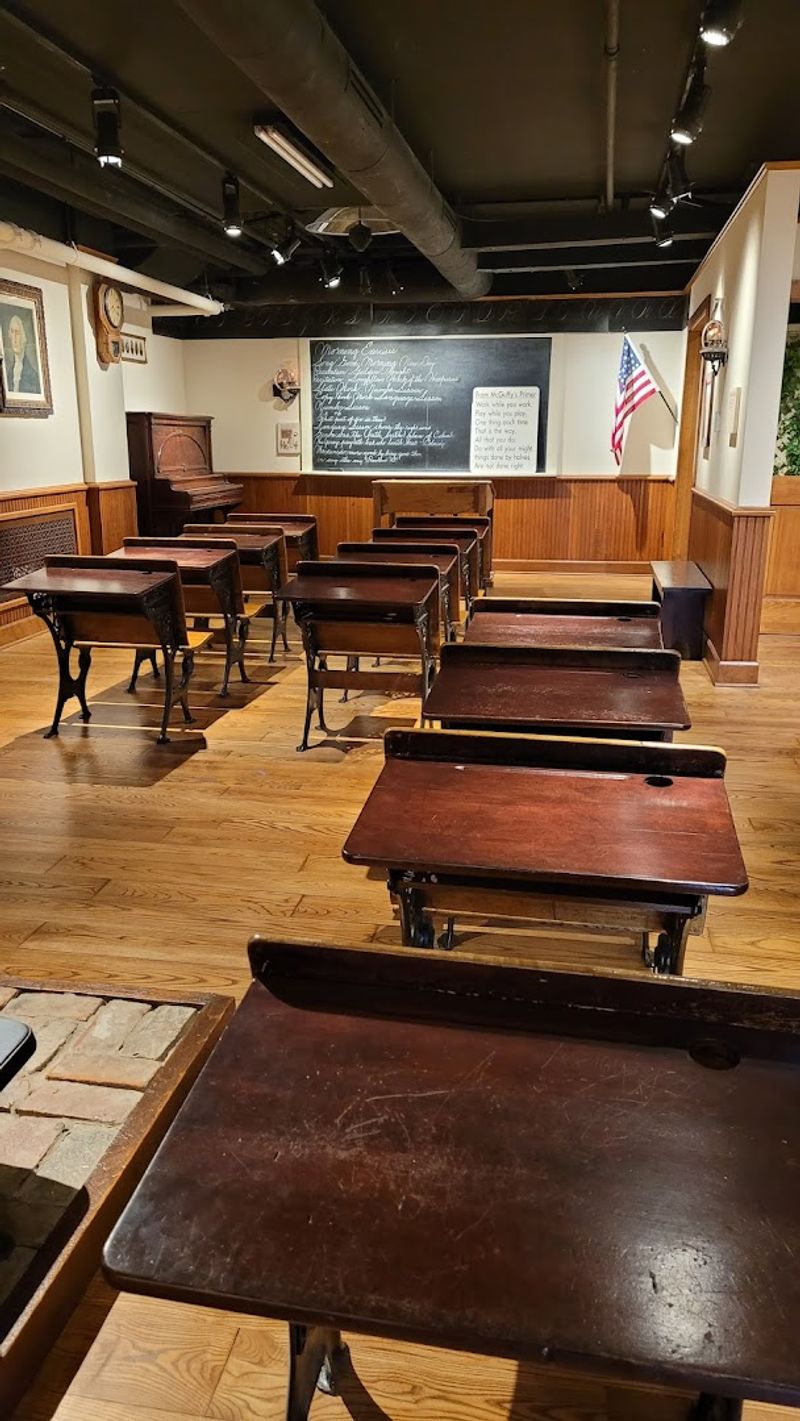
You step into a tidy classroom reconstruction and feel posture correct itself as if a bell rang. Desks line up in satisfying rows, slates and readers stacked for small hands. The space is quiet until a recorded lesson starts, then a chorus of answers fills the room.
Floorboards creak just enough to feel lived in. Michigan’s public education story runs through immigration, industry, and rights movements, all condensed into familiar objects that once trained unfamiliar futures. Watch how curricula shift on the walls, from civics to shop to science fairs.
It is unexpectedly moving to realize how many first days began here in spirit, and you might leave sitting a little taller, dusting imaginary chalk from your sleeves.
Sundays Free And Wonderfully Unrushed
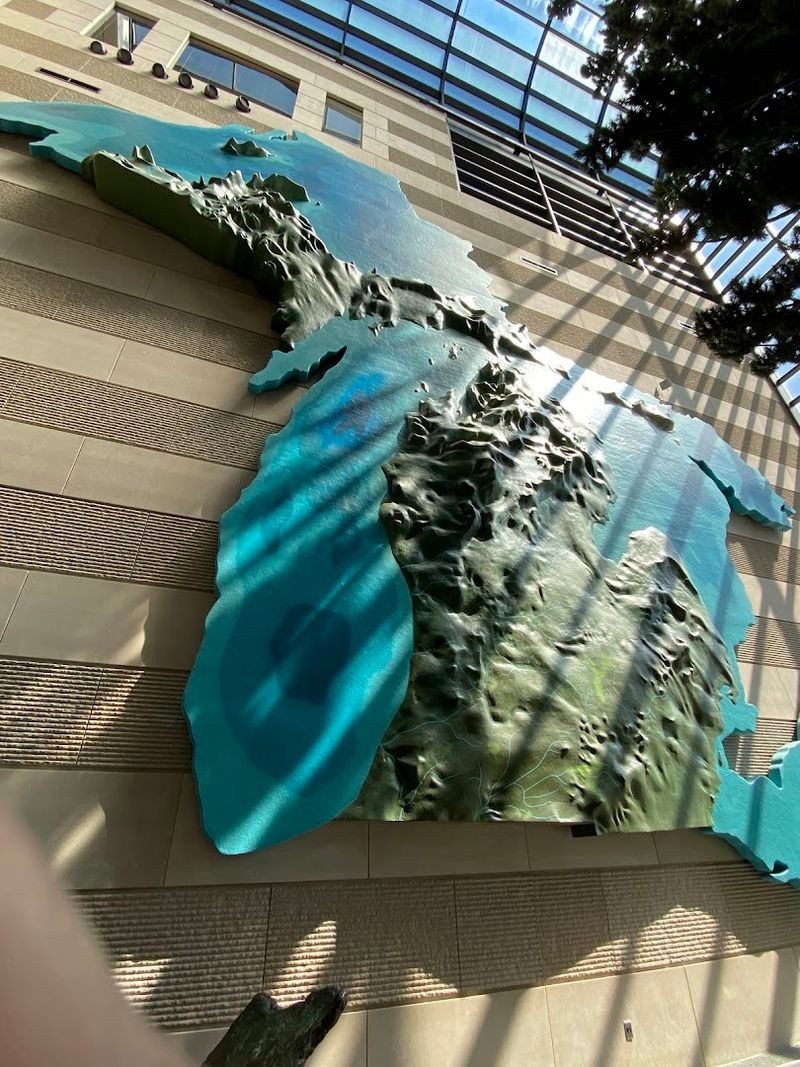
Free admission on Sundays sets a relaxed tone that spreads through the building. Parking is easy in the big lot south of the entrance, and the lobby staff keep things moving with practiced kindness. The result feels like a community open house rather than a queue. Lines, when they form, seem to evaporate fast.
I use Sundays to linger at the deep reading panels without feeling I am blocking anyone’s path. Check the posted hours before visiting, since most days run ten to four, with Sunday one to five.
If you are doing a multi stop day in Lansing, pair the museum with a nearby stroll and return for a final pass through one gallery you loved.
Temporary Exhibits Worth Chasing
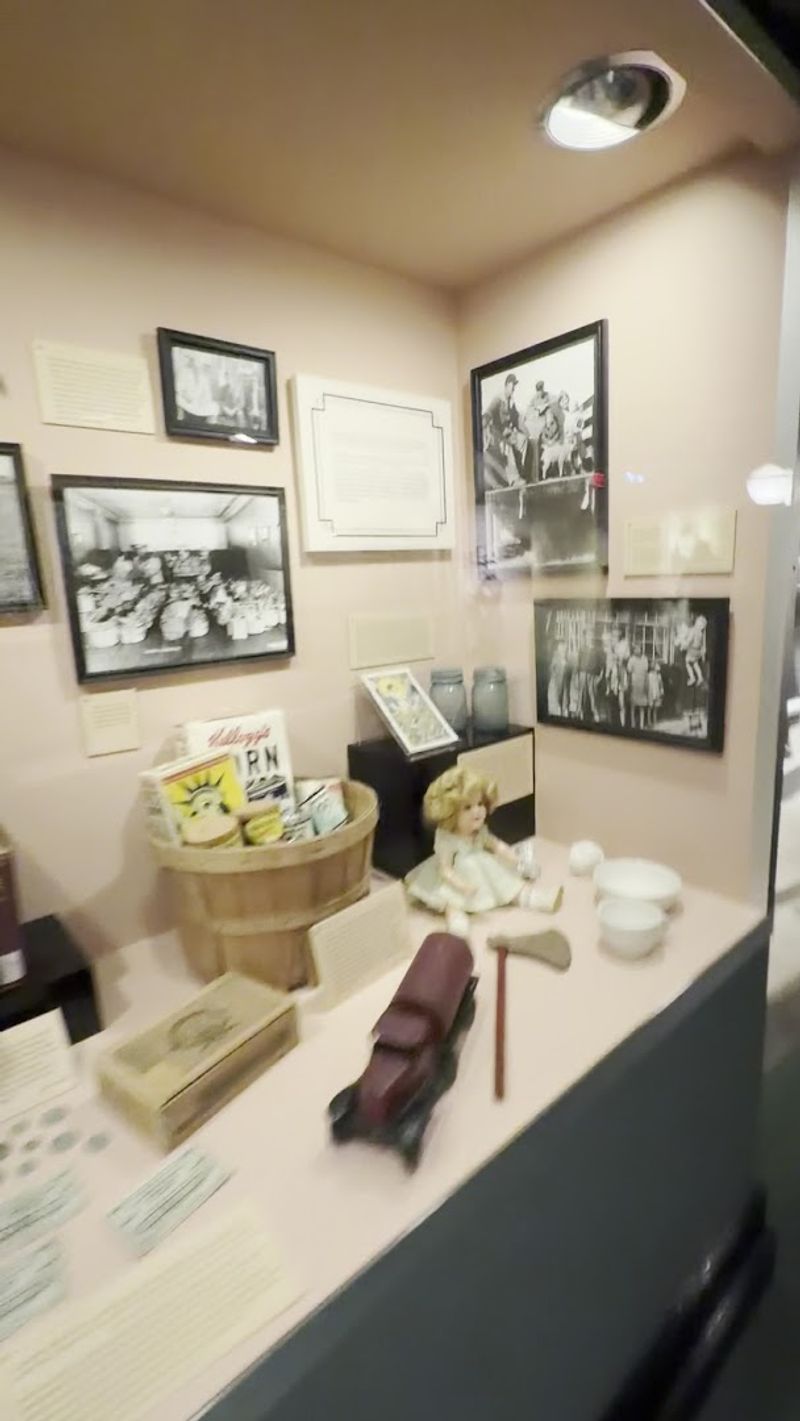
A side gallery might hold a compact technology time capsule, then flip the season to quilts or photography. The museum’s rotating shows punch above their size, often threading statewide themes through very personal objects. That balance keeps the permanent floors feeling newly lit.
Lighting shifts subtly to match tone. Listen for ambient audio cues. History here is not frozen; curators invite recent decades to sit beside territorial papers and mining gear.
Ask at the desk what just opened, and scan the website before you drive, because timing matters. When an exhibit is small, loop it twice from opposite directions, catching wall text out of sequence on purpose, which makes connections spark in ways a straight line sometimes hides.
Little Routines That Make The Day
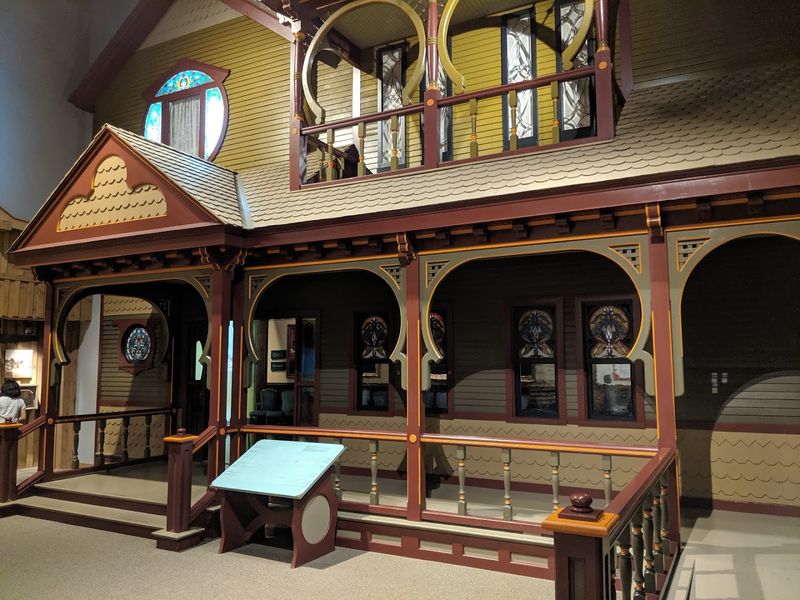
Small habits pay off here, because attention is the best ticket upgrade. Begin by noting which galleries feel busiest, then drop a pin in your mind to revisit when the hall thins. Drink water, reset your pace, and blink away the dense text when you need breathing room. Photograph gallery maps for later.
Lockers sit near the entrance, the gift shop posts hours, and restrooms are spaced well. If traveling with kids, aim for short, intentional bursts rather than a marathon, and save one interactive stop as a reward.
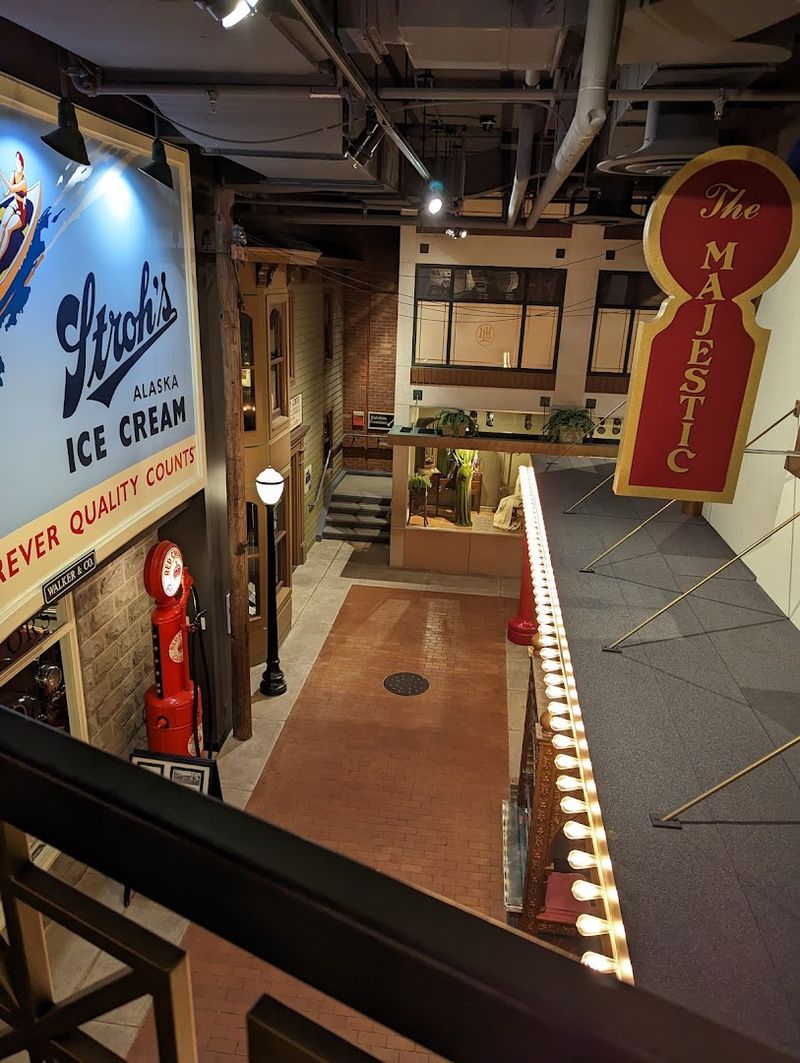
Before leaving, step to the balcony and look down the full height of the tree, watching the five levels stack into a tidy timeline you can carry out.