
This Washington Antique Mall Feels Like Wandering Through A Hundred Attics At Once
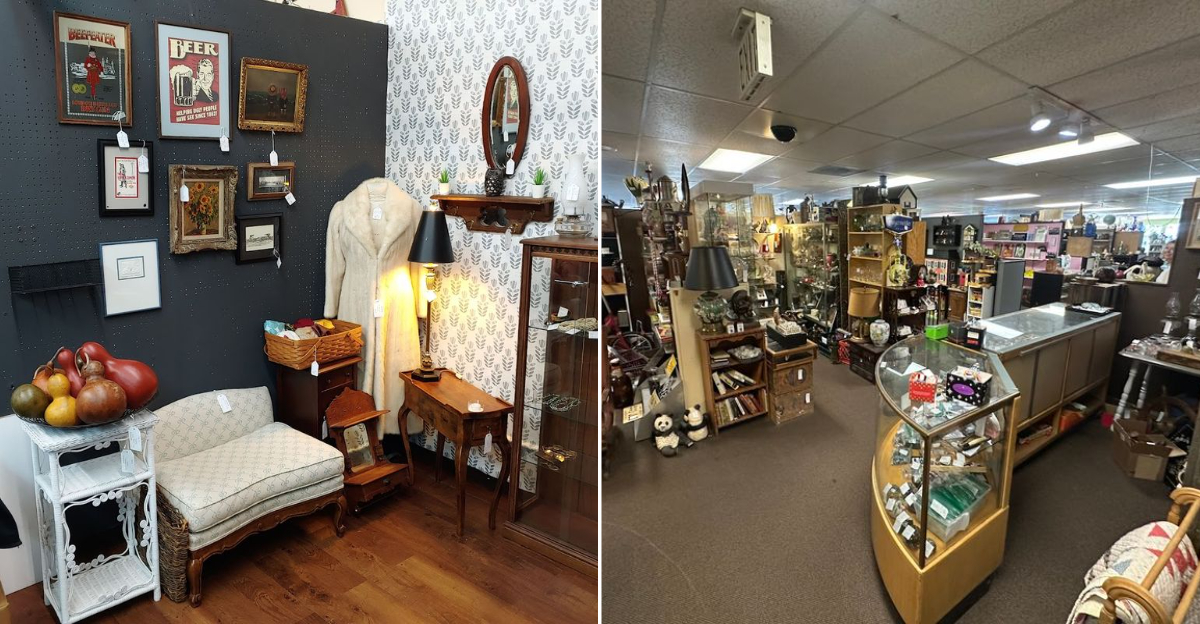
You could spend three lifetimes browsing through Washington’s antique emporiums and never quite prepare yourself for a place like this. It really feels less like shopping and more like being granted after-hours access to a hundred different attics, all at once, all competing for your attention.
I’ve wandered through enough antique malls to recognize when a space has personality, and this one doesn’t just have it; it’s practically overflowing with it.
The moment you step inside, you’re surrounded by the accumulated treasures of countless lives: crystal that caught candlelight decades ago, furniture that held sleepy children on Sunday afternoons, vintage items that once meant everything to someone and now wait quietly for their next chapter.
There’s an energy here that big-box stores could never replicate, no perfume or playlist, just the authentic hum of history stacked on shelves and leaning against walls. With 200 dealers spread across multiple levels, you could easily spend two full days exploring and still miss hidden corners filled with vintage wonders.
A Five-Story Treasure Hunt Awaits
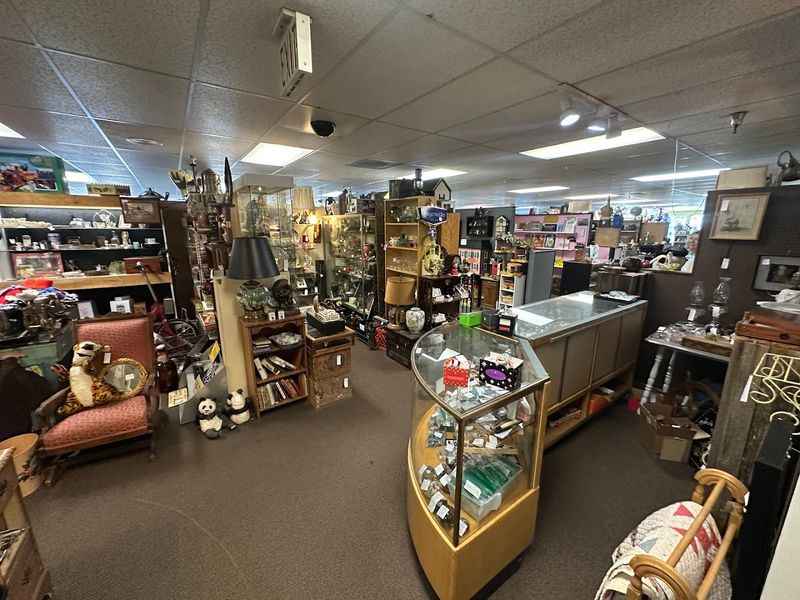
Walking into what was once an American Legion armory feels like stepping through a portal into countless pasts all at once. The building itself dates back to 1928, and its bones tell stories before you even glance at a single item for sale.
Each of the five floors has its own personality, its own rhythm, its own surprises tucked into corners. I found myself climbing stairs and discovering entirely new worlds on each level, from Depression Glass displays to vintage fashion collections that spanned decades.
The layout encourages exploration rather than efficient shopping. You might start looking for one thing and end up three floors away, captivated by something you never knew you needed. That sense of discovery keeps pulling you forward, room after room.
Plan to wear comfortable shoes because you will cover serious ground here. The Star Center opened in 1982, making it Washington’s oldest and largest antique mall, and every square foot of that history shows in the carefully curated chaos that fills the space.
Two Hundred Dealers Under One Roof
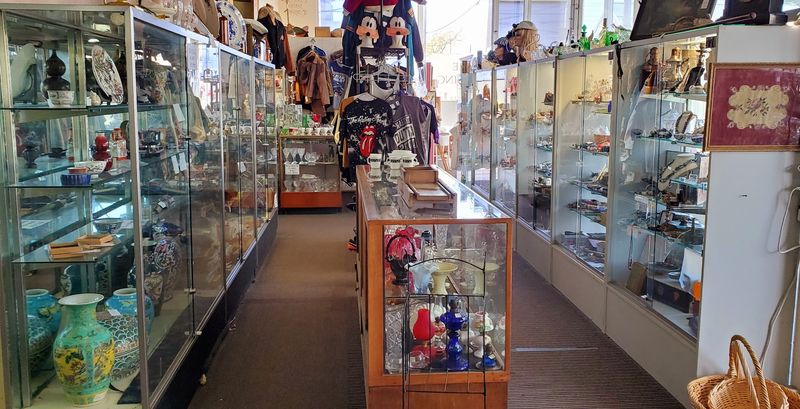
Most antique shops give you one person’s taste, one collection, one vision. Star Center throws that concept out the window by housing 200 different dealers, each bringing their own specialties and passions to the mix.
This variety means you never quite know what you’ll stumble upon next. One booth might overflow with delicate Flow Blue China while the next showcases rugged sports memorabilia. The dealer next door could be your pottery expert, specializing in Hall, Spode, or Franciscan pieces.
I appreciated how each vendor space felt distinct, almost like visiting 200 tiny shops without ever leaving the building. Some dealers focus on specific eras, others on particular types of items, creating a comprehensive marketplace that covers nearly every collecting interest imaginable.
The sheer number of dealers also means prices vary widely, giving you opportunities to compare and find the best value. You might see similar items priced differently across floors, rewarding those who take time to explore thoroughly before making purchasing decisions.
The Northwest’s Largest Antique Bookstore
Tucked inside the mall sits something genuinely special for researchers and serious collectors. The Northwest’s largest antique reference bookstore contains over 10,000 books dedicated to helping you identify, value, and understand antiques.
I spent an embarrassing amount of time in this section during my visit. These aren’t novels or casual reads but specialized guides covering everything from pottery marks to furniture styles, glassware patterns to jewelry hallmarks.
Having this resource available while you shop transforms the entire experience. Spot something interesting but unsure about its origins? You can literally walk over and research it before deciding whether to buy.
The books cover regional specialties, maker marks, historical periods, and collecting categories you might never have considered.
For dealers and serious collectors, this bookstore alone justifies the trip. Even casual shoppers find themselves fascinated by the depth of knowledge contained in these volumes. I watched several people photograph pages to reference later, building their own expertise one visit at a time.
Depression Glass and Fine China Collections
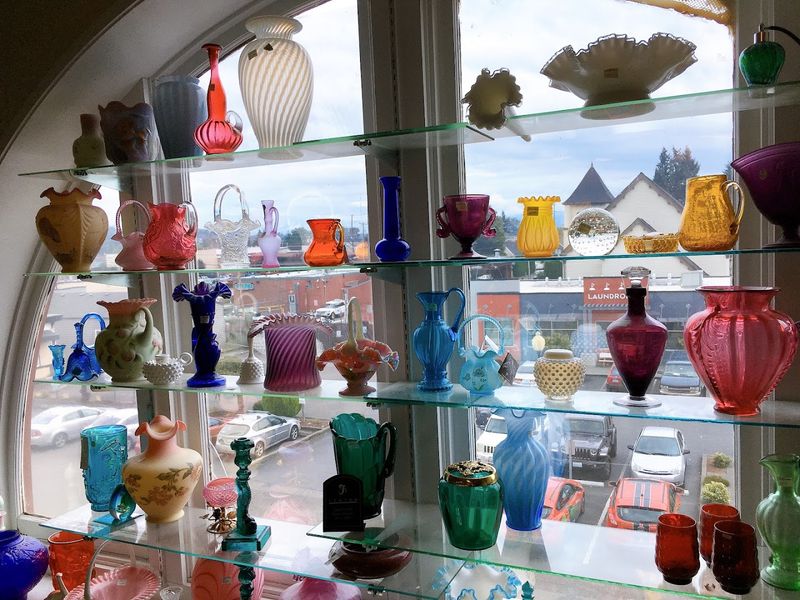
The glassware sections stopped me in my tracks with their rainbow of colors glowing under carefully placed lights. Depression Glass, produced during the 1920s and 1930s, fills entire cases in shades of pink, green, amber, and blue that seem to capture light itself.
Beyond Depression Glass, the china collections span centuries and continents. Flow Blue China, with its distinctive blurred cobalt patterns, sits alongside English porcelain and American pottery. Each piece represents not just craftsmanship but also the dining customs and aesthetic values of its era.
I noticed many collectors photographing maker marks and comparing patterns across different dealers. The variety here means you can often find matching pieces to complete sets or discover rare patterns that have eluded you elsewhere.
Prices range from affordable starter pieces to investment-grade rarities. Whether you’re furnishing a vintage kitchen or adding to a serious collection, the selection here rivals what you’d find at specialized shows.
The dealers clearly know their china and glass, with many pieces already researched and documented.
Furniture That Tells Stories
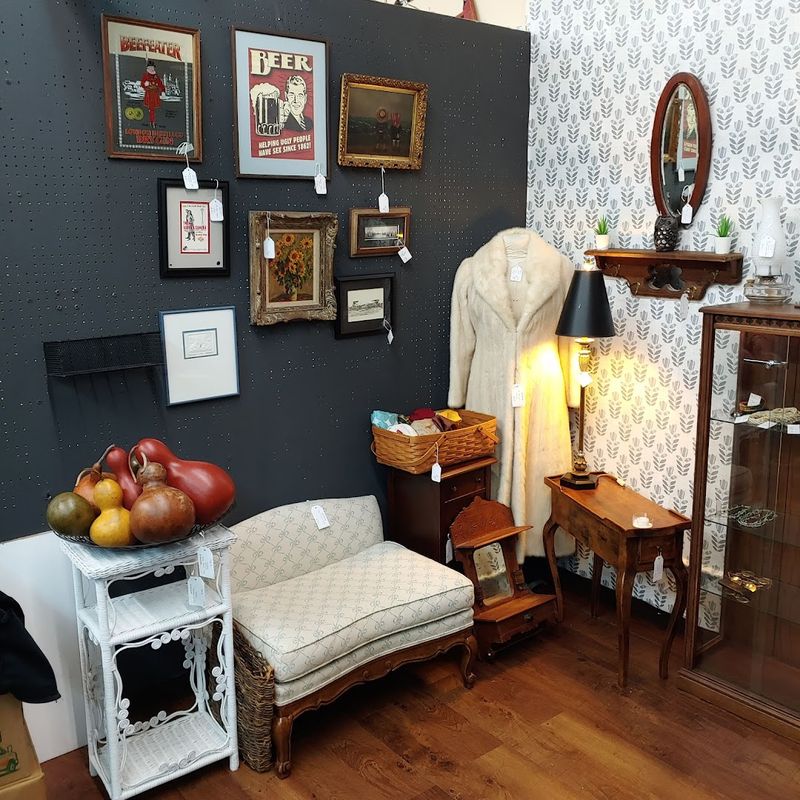
Furniture here isn’t just functional; it’s a timeline of design evolution spanning continents and centuries. English pieces bring formal elegance with their precise joinery and rich woods, while American furniture reflects the practicality and innovation of frontier craftsmanship.
I ran my hands over dovetail joints cut before power tools existed, feeling the slight irregularities that prove human hands shaped every angle. Victorian chairs with their elaborate carvings shared space with sleek mid-century modern pieces, each era represented authentically.
The five-floor layout means larger furniture pieces don’t overwhelm the space. You can actually walk around that dining table, open those cabinet doors, test those chair seats.
This hands-on access helps you understand construction quality and condition before committing to a purchase. Dealers here seem to specialize in fully restored pieces alongside projects for DIY enthusiasts.
I saw several shoppers measuring items and discussing delivery logistics, planning how these historic pieces would fit into modern homes while preserving their character and integrity.
Fenton Glass and Pottery Paradise
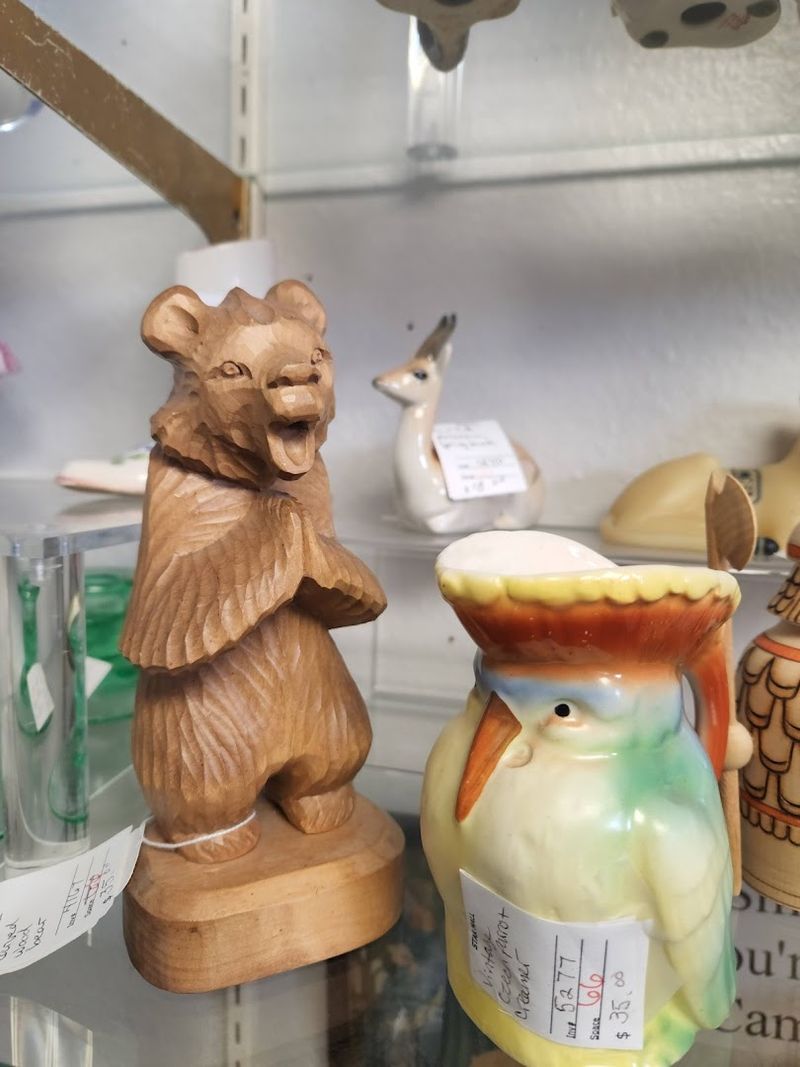
Star Center houses one of Washington’s largest Fenton collections, and walking through those displays feels like entering a candy store made of glass. The colors, the iridescence, the hand-painted details all showcase why Fenton became an American glassmaking legend.
Fenton pieces here range from carnival glass with its distinctive rainbow sheen to delicate hobnail patterns and painted florals. Each piece was made in West Virginia using techniques passed down through generations, and collectors prize them for both beauty and craftsmanship.
The pottery selection extends beyond Fenton to include Heisey, Hall, and various art pottery makers. I found myself drawn to pieces I’d never heard of, learning about regional potteries and short-lived manufacturers whose work now commands collector attention.
What impressed me most was the condition of many pieces. Dealers clearly understand proper handling and display of delicate glass and pottery.
You’ll find pieces in their original boxes, with documentation, and properly priced according to rarity and condition rather than guesswork.
Vintage Toys and Childhood Memories
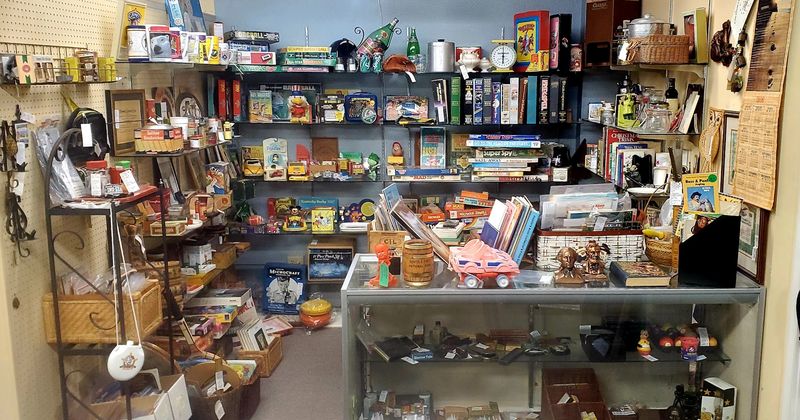
Nostalgia hits hard in the toy sections, where childhood memories materialize in three dimensions. Tin wind-up toys that delighted kids decades ago still work, their mechanisms clicking and whirring just as they did when they were new.
The doll collections span everything from bisque beauties with hand-painted features to plastic playthings from the 1960s and 1970s. I watched grandparents pointing out toys they remembered, trying to explain rotary phones and record players to confused grandchildren who’d never seen such technology.
Action figures still in packaging command serious prices, but loose toys offer affordable entry points for new collectors. The variety means you can find items from almost any decade of the 20th century, tracking how play evolved alongside technology and culture.
Sports memorabilia mingles with toys, creating displays that capture recreational history. Baseball cards, vintage equipment, team pennants, and signed items appeal to collectors who remember when sports heroes seemed larger than life and more accessible than today’s distant celebrities.
Jewelry, Coins, and Precious Finds
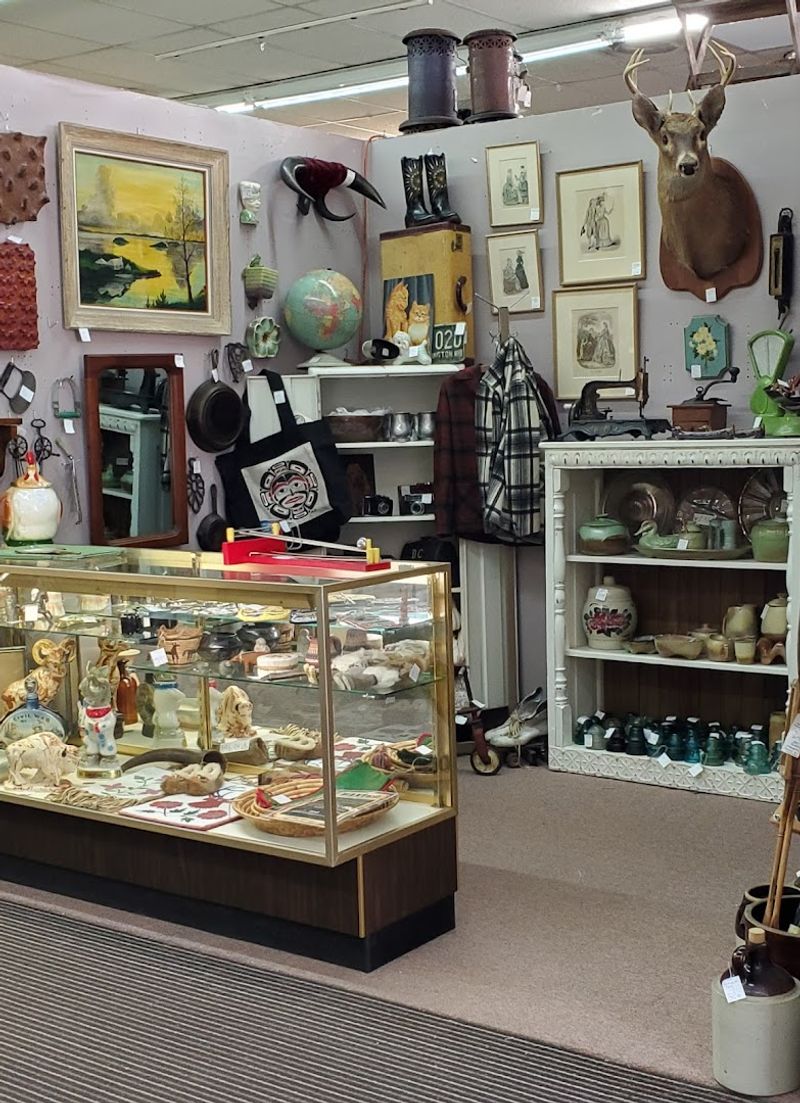
The jewelry cases demand close inspection because treasures hide in plain sight among more ordinary pieces. Estate jewelry brings stories you’ll never fully know, pieces that marked engagements, anniversaries, and milestones now seeking new hands to cherish them.
I noticed dealers here understand the difference between costume and fine jewelry, pricing accordingly and providing authentication when possible. Victorian mourning jewelry sits near Art Deco geometric designs, each era’s aesthetic preferences captured in metal and stone.
The coin collections appeal to numismatists and history buffs alike. Old coins aren’t just currency but tangible connections to past economies, governments, and daily transactions. Seeing coins from the 1800s reminds you that people held these same pieces, used them to buy bread or pay rent centuries ago.
Flatware collections offer another collecting avenue, with silver patterns from defunct manufacturers and complete sets that would cost fortunes if purchased new. Whether you’re seeking investment pieces or simply beautiful objects, these cases reward patient browsing and careful examination.
Planning Your Visit to Snohomish
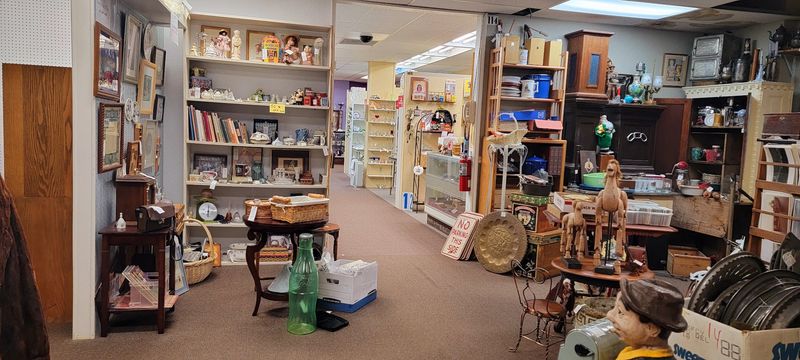
Star Center opens seven days a week from 10 am to 5 pm, giving you flexibility to plan around other activities in the area. Snohomish itself earned the nickname “Antique Capital of the Northwest,” coined by Star Center’s original owner John Regan, and the entire downtown supports that reputation.
Located just off Highway 2, about 30 miles north of Seattle and five minutes east of Everett, the mall makes an easy day trip from major population centers. I recommend arriving when they open to maximize your exploration time, especially if you’re serious about covering all five floors.
Bring comfortable shoes, a measuring tape if you’re furniture shopping, and your smartphone for photographing items you want to research later. Many dealers accept cards, but having some cash helps for smaller purchases and negotiations.
The surrounding town offers additional antique shops, cafes, and historic charm that complement your Star Center visit. You can easily make a full day of antique hunting in Snohomish, with Star Center as your anchor destination and other shops providing variety and additional discoveries throughout the downtown area.