
This Washington Cave Trail Leads You Into A Lava Tube So Dark You’ll Need Two Flashlights
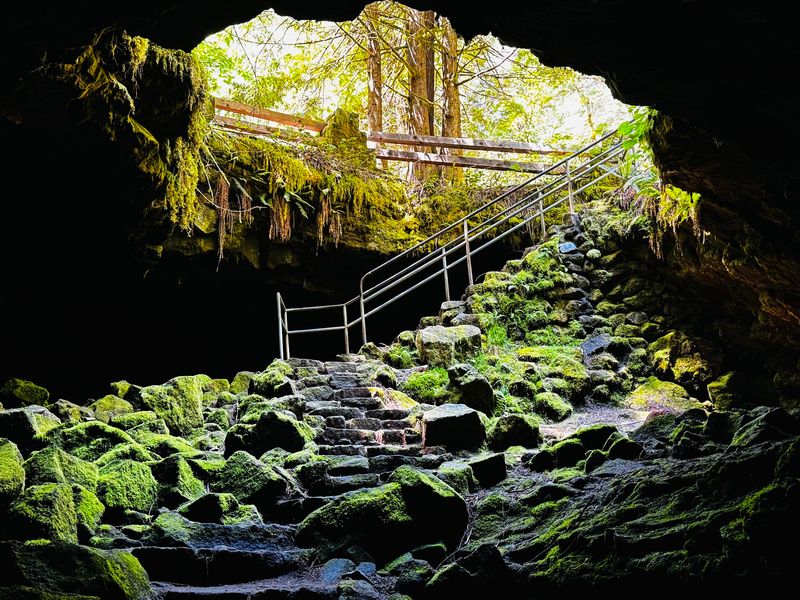
Your phone flashlight won’t cut it here. The darkness inside this lava tube is so complete that a bright phone beam barely touches it.
The recommended gear is at least two light sources per person. That rule exists for a reason, because batteries quit and the floor is rough, rocky, and uneven.
The tunnel was carved by flowing lava near Mount St. Helens in southwest Washington. Down there, the air stays chilly all year, close to 42 degrees.
You can pick an easy stroll or a scramble over boulder piles and up a rock wall.
I like how this place turns a simple hike into a real underground adventure. It costs very little, and families can do the shorter route together.
So how dark is dark, really? Let’s find out what’s waiting below the forest floor.
An Ancient Lava Tube Waiting Beneath the Forest
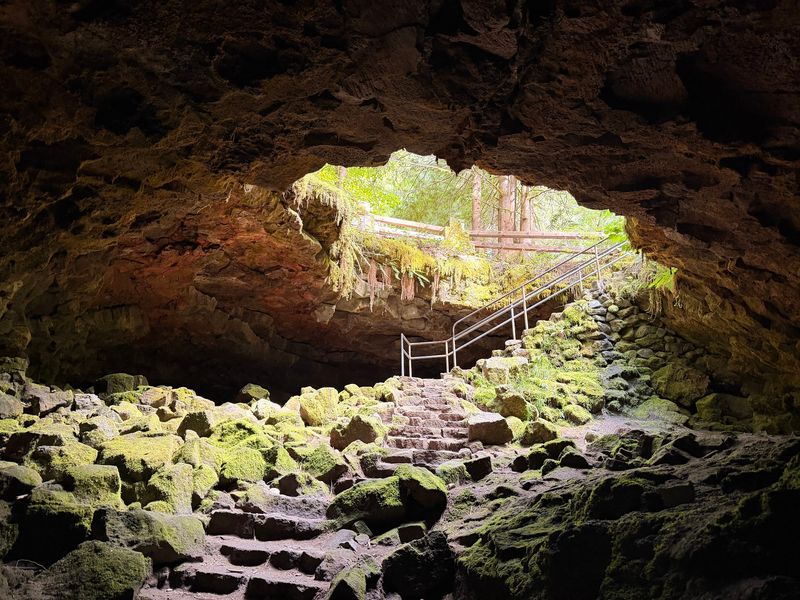
Ape Cave sits in a national forest on the south side of Mount St. Helens in Washington. It’s a long underground lava tube, and you hike right through it on foot.
The trail drops below ground by a stairway into the cool dark. From there, two very different routes split off in opposite directions.
Lava once flowed through here and left the walls and floor looking melted. You can still see the drips, holes, and ripples it shaped as it cooled.
The tube is old, too. It formed thousands of years ago, long before any hiking trail or parking lot showed up.
Families come for the short and simple path. Adventurous hikers come for the longer one, which feels more like a rocky obstacle course.
The best part might be how close it feels to everyday life. The site sits about an hour and a half by car from Portland, so a day trip works well.
And yes, everyone asks about the name. No apes live down there, so you can relax.
The only creatures you’ll meet are fellow explorers with headlamps bobbing in the dark.
Rippled Walls Shaped by Flowing Lava
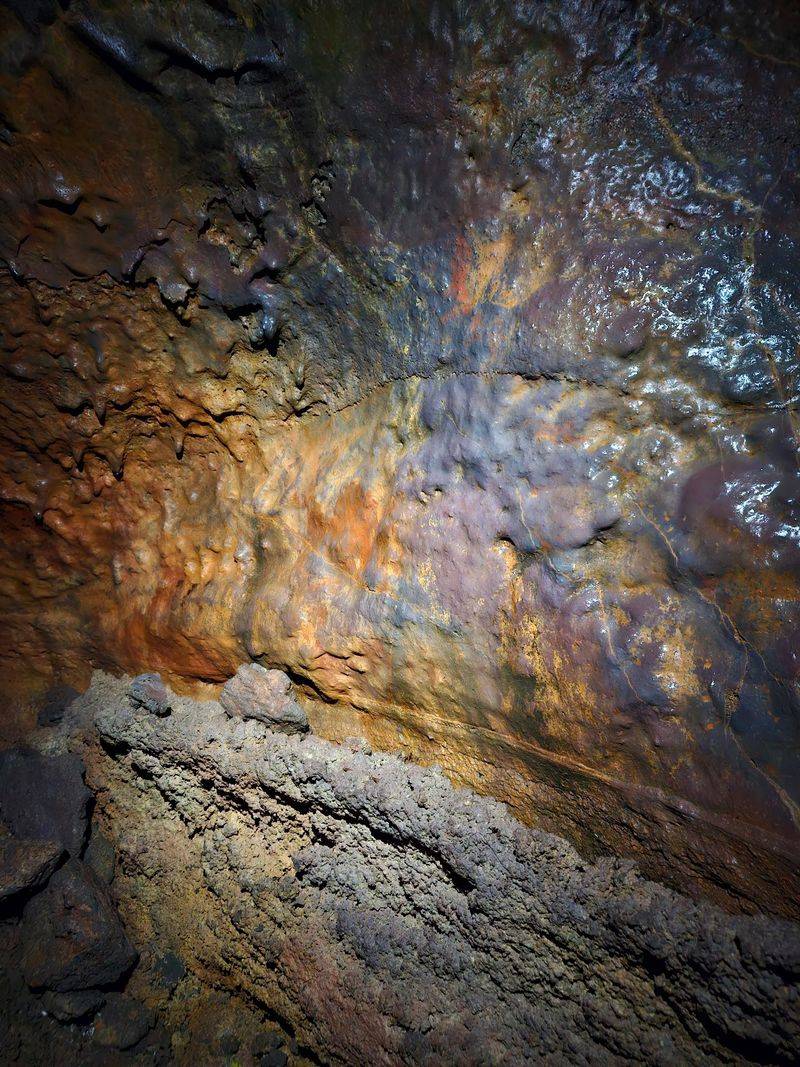
Lava did the decorating here, and it left marks everywhere. The walls look like they melted and then froze in place.
That’s close to what happened. A river of hot lava ran through this channel near Mount St. Helens and slowly cooled into rock.
Shine a light upward and you’ll spot drips, bumps, and holes in the walls. Some spots even glitter when a beam passes across them.
Kids especially love catching that sparkle. It turns every few steps into a small treasure hunt.
The floor tells its own story, with sandy patches in some places and rough rock in others. Occasional water drips add a soft sound to the quiet.
Looking around is half the fun, so don’t rush. Glance up, down, and to the sides as you move.
Plenty of hikers spend far longer underground than they planned. Stopping to study formations, or even making shadow puppets on the walls, adds up fast.
Honestly, that’s a fine way to spend an afternoon. The geology is the main show, and it rewards curious eyes.
The Gentle Lower Cave Route for Young Explorers
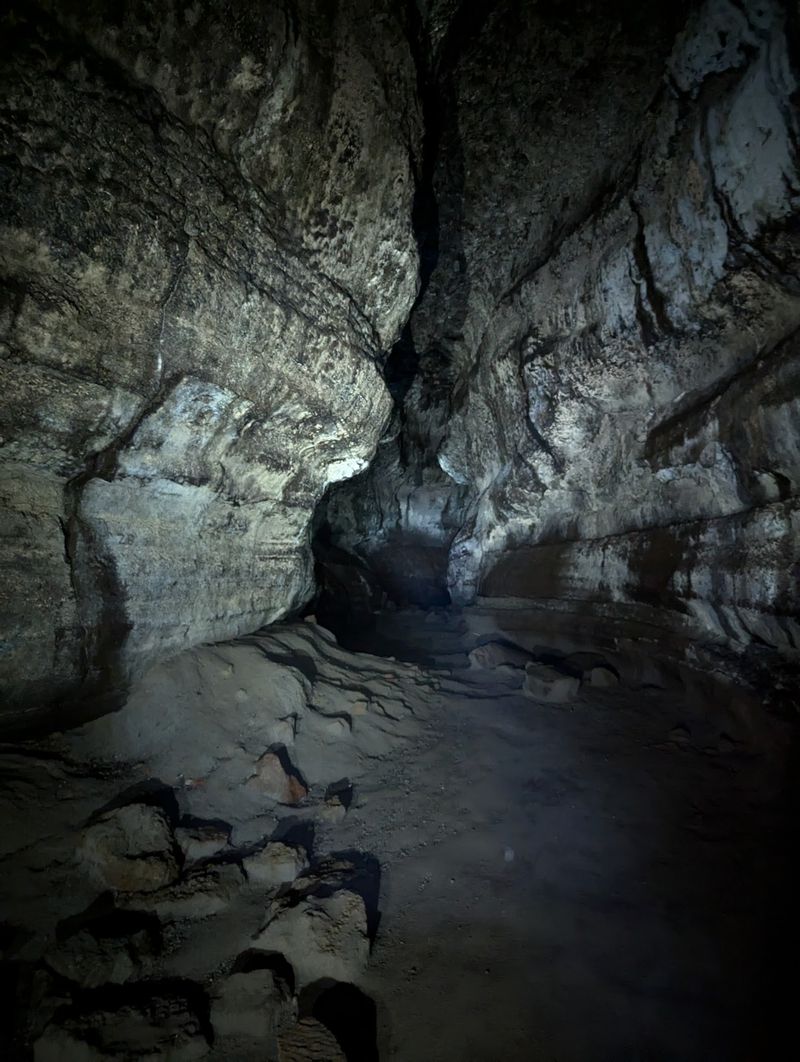
Short legs and first-timers do well on the Lower Cave. It runs about three-quarters of a mile in, then the same distance back.
That makes roughly a mile and a half round trip. Many groups finish in around an hour or a little longer.
Big boulder climbs aren’t really part of this route. Still, the floor is rough and uneven in many places, so watch every step.
The path doesn’t loop, either. It simply ends, and you turn around and retrace your way to the stairs.
Kids usually treat it like a grand expedition. Tired legs on the walk back are common, so plan snacks and patience.
Folks with achy knees or limited mobility may find the footing tricky. A walking stick could help anyone who wants extra support.
For most families, though, it’s a terrific first cave hike. You get the eerie darkness, the cool air, and the lava walls without hard scrambling.
One small treat: try a quiet lights-out moment with just your group. The silence down there feels almost unreal, especially when crowds are thin.
Boulder Piles and an Eight-Foot Wall Up Top
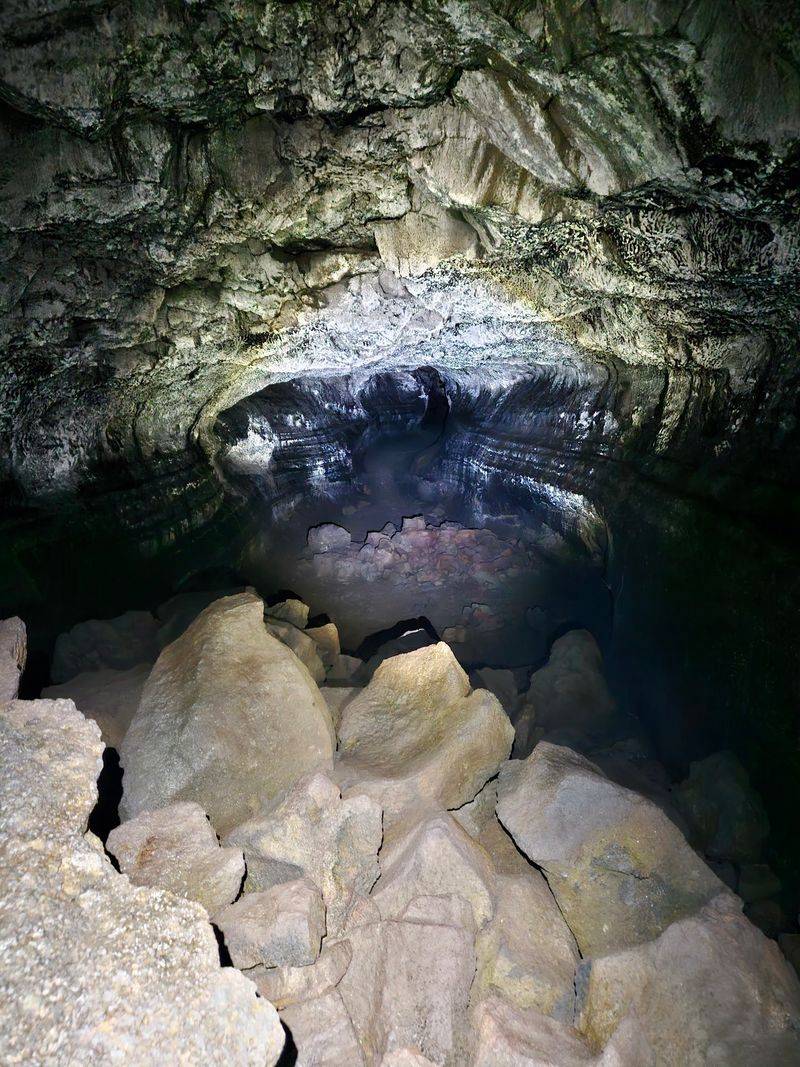
Ready for something tougher? The Upper Cave stretches about a mile and a half underground, and it asks a lot more of you.
Expect around six big rock piles to climb over. There are also narrow squeezes and a few hip-high ledges along the way.
Then comes the famous rock wall, roughly six to eight feet tall. A knotted rope and footholds help, and a friend boosting you makes it easier.
Gloves are a smart pick for this route. You’ll be using your hands constantly on rough rock.
Most hikers need about two hours to finish the upper section. That matches the estimate in the trip guide.
It suits active people and kids around eight and older who love climbing. Take breaks often, and don’t rush the hard spots.
At the far end, you climb out into daylight. That moment feels like a well-earned reward after all that scrambling.
It’s challenging, sure, but very doable for most fit hikers. Think of it as a jungle gym built by a volcano.
Why Two Light Sources Matter So Much
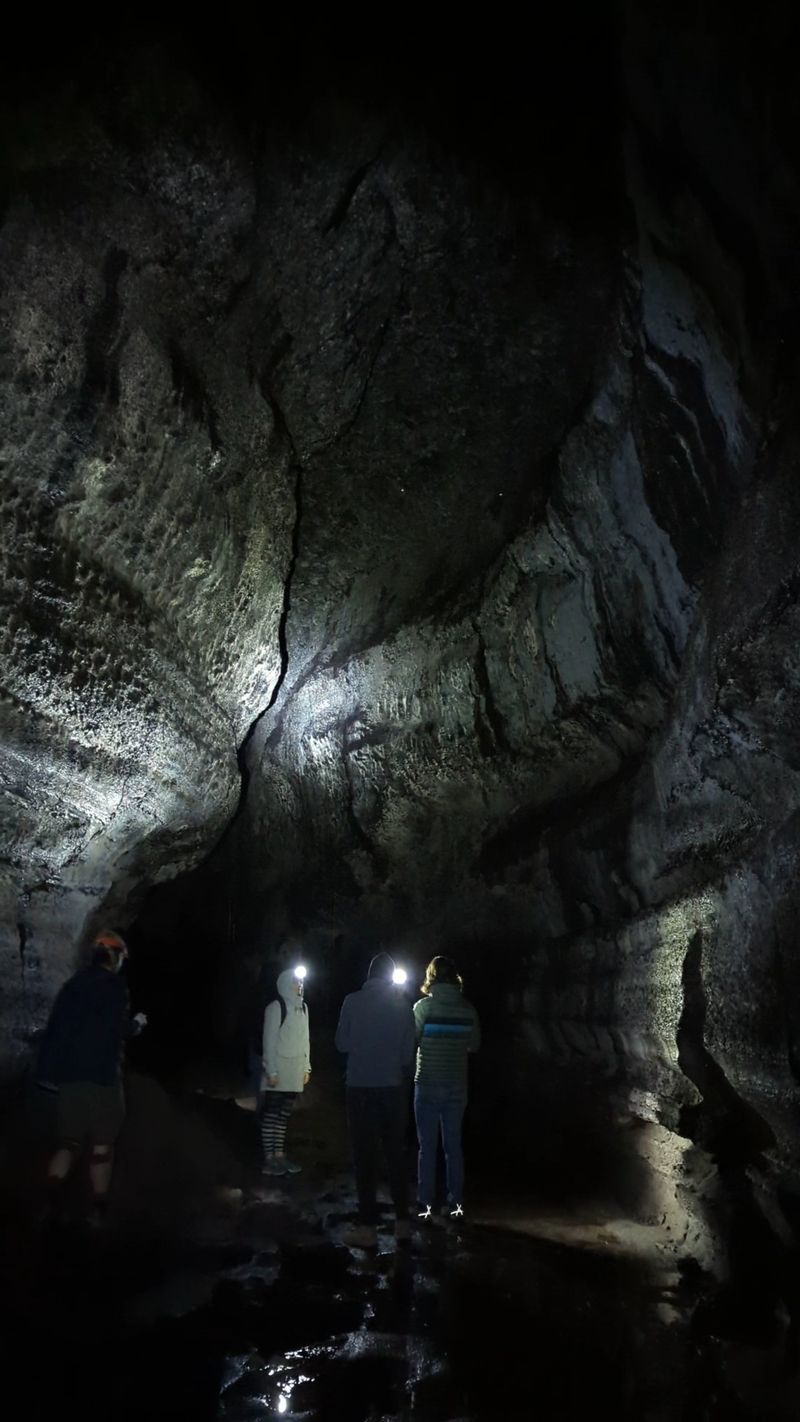
Darkness here isn’t the cozy bedtime kind. It’s total, pitch-black nothing, and it swallows a phone light whole.
That’s why the recommendation is at least two light sources per person. A headlamp plus a bright handheld flashlight makes a great pair.
The headlamp keeps your hands free for climbing and balance. The flashlight gives you a strong beam to scan the floor ahead.
Backup matters more than you’d think. Headlamps can fade without warning, even freshly charged ones.
Extra batteries are a cheap fix for that problem. Toss a spare set in your pocket before you head down.
Lanterns sound handy but get awkward on the upper route. Scrambling over rocks with one hand busy is no fun.
Forgot your gear? Lanterns and headlamps are available to rent at the site, though supplies can run out.
Bringing your own is the safer bet. Good light turns a stumbling, nervous walk into an amazing adventure you’ll actually enjoy seeing.
Chilly Air and Sturdy Shoes All Year Long
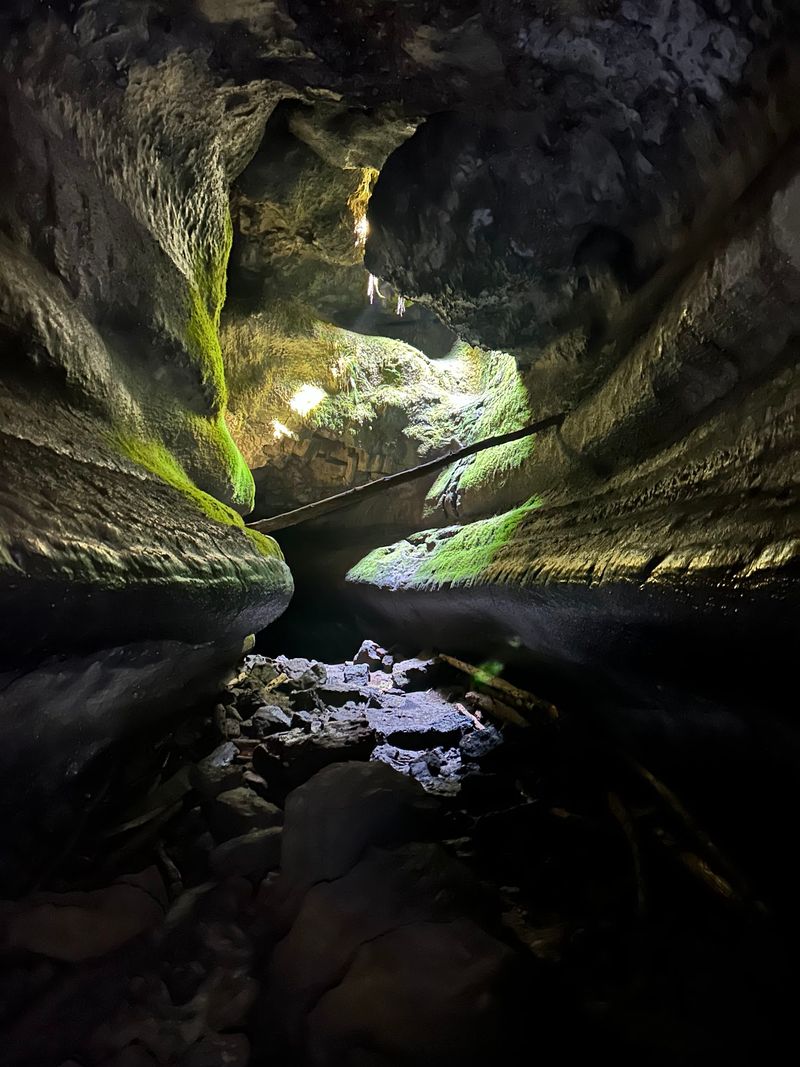
Summer heat stops at the stairs. Inside, the cave stays around 42 degrees all year.
A jacket or sweatshirt is a good idea, even in August. Long pants help too, especially on the rocky upper route.
The air feels fresh and cool, with an occasional gentle breeze. Some hikers compare it to breathing mountain air up in the clouds.
Footwear deserves just as much thought. The ground is jagged, uneven, and sometimes sandy, so flimsy sandals are a bad plan.
Sturdy, supportive shoes with good grip make a huge difference. They keep ankles happy and steps steady.
Layers work well for the Upper Cave. You’ll warm up climbing, then cool off when you stop.
Hot days bring a twist after the upper route. The above-ground hike back can feel warm after all that effort.
Pack water for that stretch. Dressing smart means you’ll focus on the lava walls instead of shivering or sore feet.
Sunlight, Forest Trail, and the Walk Back
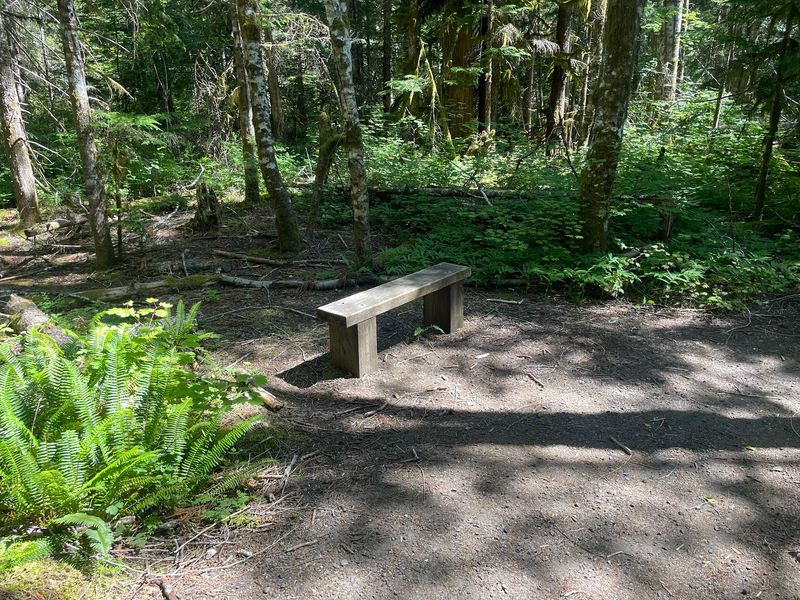
Climbing out of the upper exit feels like waking up from a strange dream. Suddenly there’s sunlight, trees, and fresh forest air again.
From there, a trail of about a mile and a half leads back to the parking area. It’s moderate, so save a little energy.
This walk isn’t just a commute. It shows off more lava rock features along the way.
The scenery makes a lovely contrast with the tunnel. After all that darkness, every green leaf looks brighter.
Mount St. Helens views are part of the bigger forest setting too. The volcano that built this tube is never far from your thoughts.
Pace yourself on warm afternoons. Your muscles already worked hard underground.
Lower Cave hikers skip this loop, since their route ends and turns back. Still, the forest around the entrance is pleasant for a short stroll.
Either way, the outdoor part rounds out the day nicely. It gives you time to chat about everything you just saw in the dark.
Timed Tickets, Parking, and Smart Timing
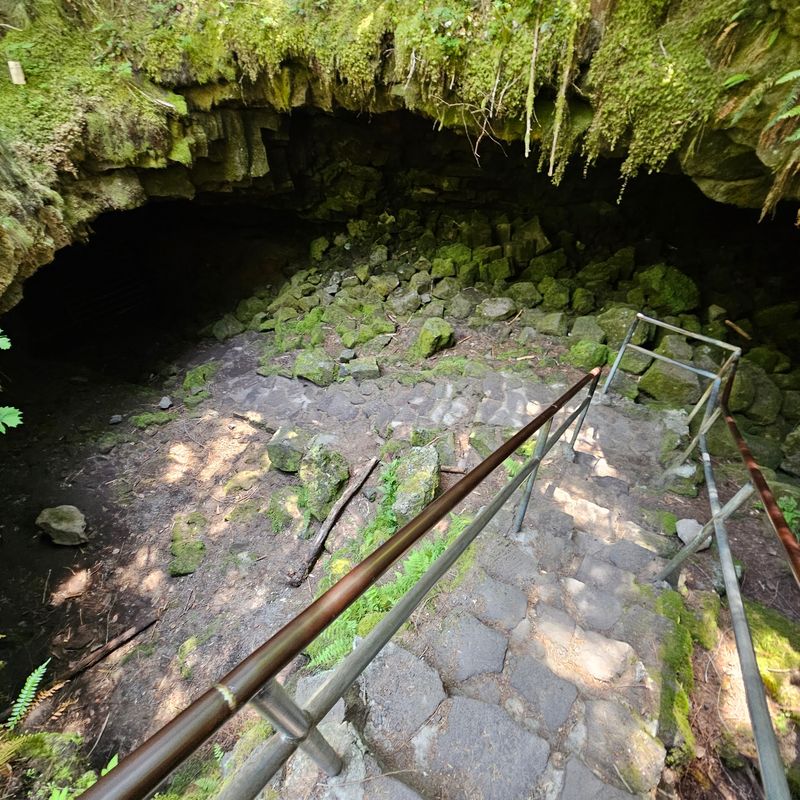
Good news for budget planners: entry costs very little. You do need a small reservation fee, booked online ahead of time.
Each ticket has a timed entry window. Picking your slot in advance keeps things simple once you arrive.
Ape Cave is listed under Washington 98616, in the national forest on Mount St. Helens’ south side. Portland sits about an hour and a half away by car.
Parking is plentiful at the site. That’s a relief after a long drive.
Early entry times can pay off. Fewer people means quieter tunnels and a calmer experience.
Big groups can get noisy, and echoes carry a long way underground. Off-peak slots give you the best shot at peaceful darkness.
Read the brochure before you head in. It explains both routes and helps you choose wisely.
A rental shop offers lanterns if you need them. Still, bring your own lights and you won’t depend on what’s left in stock.
A Cheap Thrill Worth Every Flashlight Battery
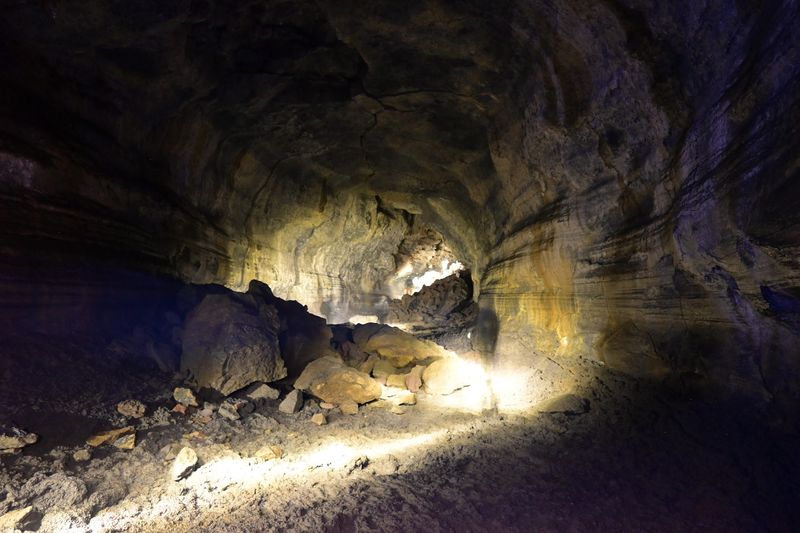
Few Washington outings pack this much adventure into such a tiny ticket price. You get volcano history, total darkness, and a real sense of exploring.
Families can stick with the Lower Cave and still feel like daring explorers. Active hikers can tackle the Upper Cave and its boulder piles.
Plenty of people do both routes in one visit. Just know your limits and choose what fits your group.
Preparation is the secret ingredient. Two lights each, warm layers, and sturdy shoes turn a rough walk into a great memory.
I can’t imagine a better rainy-weekend backup, either. Since the cave stays the same temperature, it works well in many seasons.
Ape Cave earns its glowing reputation by keeping things simple. It’s just you, a lava tube, and whatever your headlamp reveals.
So grab the batteries and book a time slot. Southwest Washington has a tunnel waiting, and it’s darker than anything you’ve seen.