
This Washington Cheese Farm Lets You Watch Curds Turn Into Wheels You Take Home
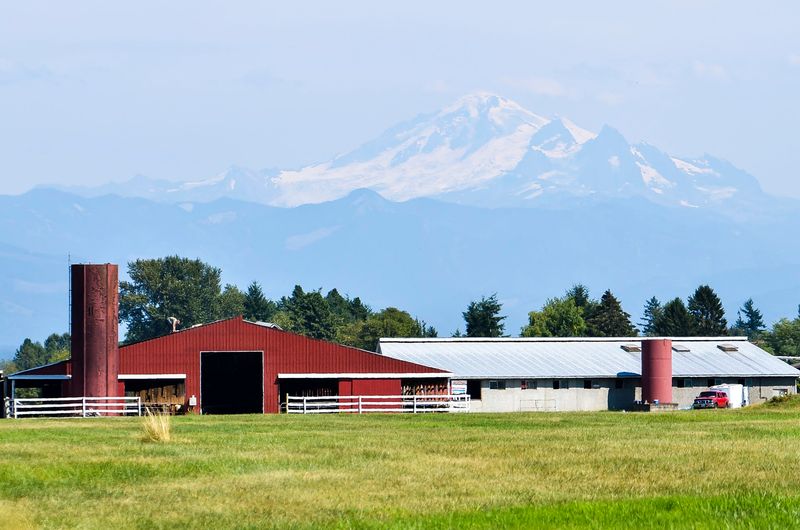
Milk from cows grazing that very morning can become a wheel of Italian-style cheese in about a day, and one working dairy in Washington lets you peek through the windows to watch it happen. Curious families and cheese lovers keep discovering that a plain farm road hides one of the tastiest little stops in the state.
The best part is how close you feel to the whole journey, from grass to golden wheel. It is the kind of weekend outing that surprises you long after you drive away.
A Working Dairy Just Outside Ferndale
Out along Aldergrove Road in Ferndale, sitting north of Bellingham in Whatcom County, you will find a family-run creamery that quietly makes some of the finest Italian-style cheeses in the region. The address, 2780 Aldergrove Rd, points you toward flat farm country where cows outnumber cars.
Ferndale Farmstead is best described as a small cheese producer with a shop on the premises. It is not a big flashy attraction, and that is exactly its charm.
Visitors describe it as an old-fashioned operation focused on doing one thing extremely well.
The magic here is the short trip from field to finished wheel. Cows eat grass grown right on the property, then their milk becomes cheese within roughly 24 hours.
That closeness between land, animals, and product is rare.
For anyone in the Puget Sound area craving an easy, wallet-friendly day trip, this spot delivers something genuine. You get a real look at how food is made, and you leave understanding your cheese in a whole new way.
Three Generations of Larsen Family Roots
Long before cheese wheels came into the picture, this land was a dairy nurtured by the Larsen family across three generations. Descendants have shared how meaningful it is to see the farm still producing milk rather than being paved over for housing developments.
That continuity matters in a county where farmland keeps shrinking. Instead of trading tradition for concrete, the property stayed true to its roots as a working dairy, carrying forward decades of care for the animals and the soil.
What sets the current operation apart is how it honors that heritage while adding something new. The family behind it takes pride in a small, tight-knit team and a hands-on, do-it-ourselves spirit that has not faded with time.
You can feel the history when you visit. There is a sense that every wheel of cheese carries a little of the farm’s past inside it.
For nostalgic day-trippers who love stories of Washington families holding onto their land, this place offers a heartwarming reminder that some traditions endure.
From Seed to Cheese in Twenty-Four Hours
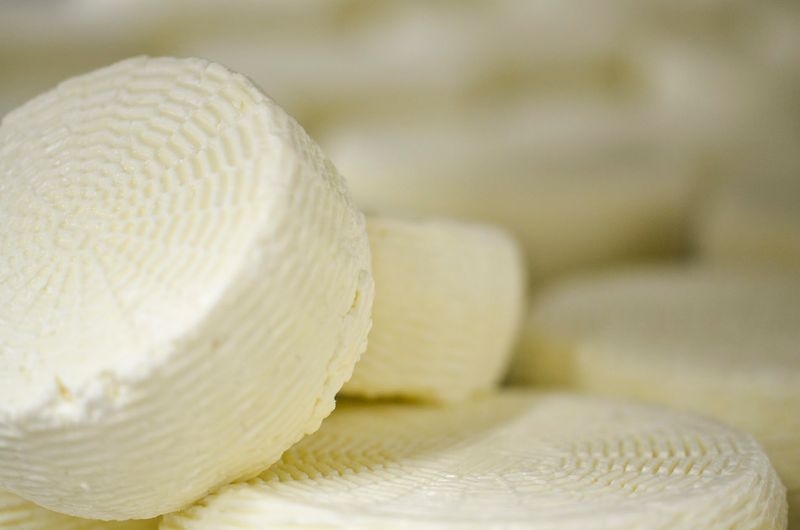
Twenty-four hours. That is roughly how long it takes for milk drawn in the morning to become cheese ready to age and enjoy.
Guests who tour the farm often walk away amazed by that speed.
The reason it works comes down to control over every step. The farm grows most of the feed for its cows right on the property, so the whole cycle, from seed in the ground to cheese in the vat, happens in one place.
Milk quality reflects that closeness. Because the cows eat grass grown on the same land, the flavor of the cheese ties directly back to the fields around you.
Watching curds form and firm up gives you a new appreciation for something you might normally grab off a store shelf without a second thought. It turns an ordinary grocery item into a small miracle of timing.
Few outings teach kids and grownups alike how real food comes together this clearly. It is educational without ever feeling like a lecture, and honestly, it is just fun to see.
Italian Cheeses Made the Old World Way
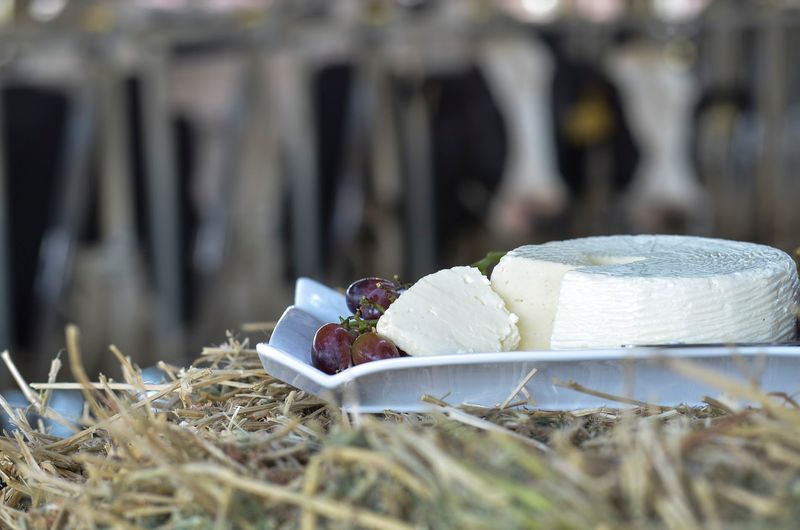
Ask a regular what makes the cheese here special, and the answer usually circles back to authenticity. The creamery produces Italian-style cheeses using real Italian cultures, crafted by a cheesemaker trained by Old World Italian masters.
That training shows up in the lineup. Fans rave about the smoked scamorza, the caciotta, and a mozzarella that people describe as downright addictive.
The kasseri, sometimes spelled caserei, earns praise for cooking dishes.
What gives these cheeses their character is the blend of milk from different varieties of cows on the farm. That mix creates depth of flavor you do not always find in mass-produced options.
The result feels both foreign and local at once, like a slice of Italy grown in Whatcom County soil. It is a lovely marriage of tradition and place.
For food-curious visitors, sampling these varieties becomes the highlight of the trip. Each one tells you a little more about the skill behind the whole operation, and you may find yourself hunting for a new favorite the moment you leave.
Cows Cared For With Real Intention
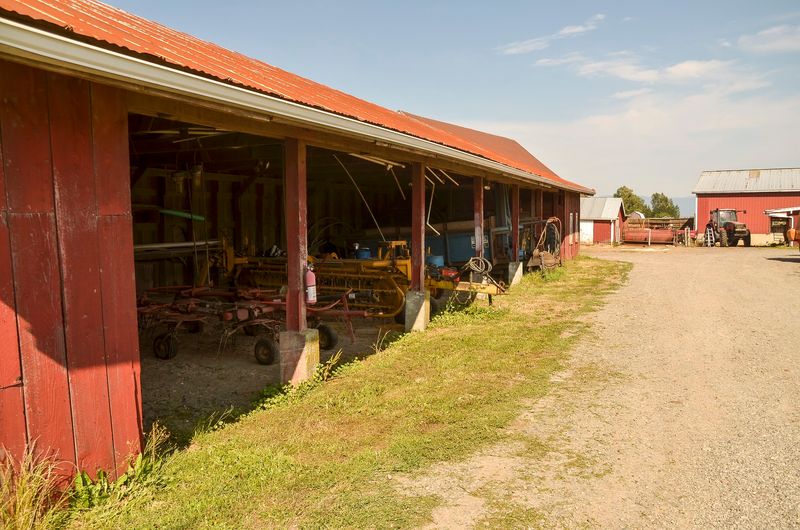
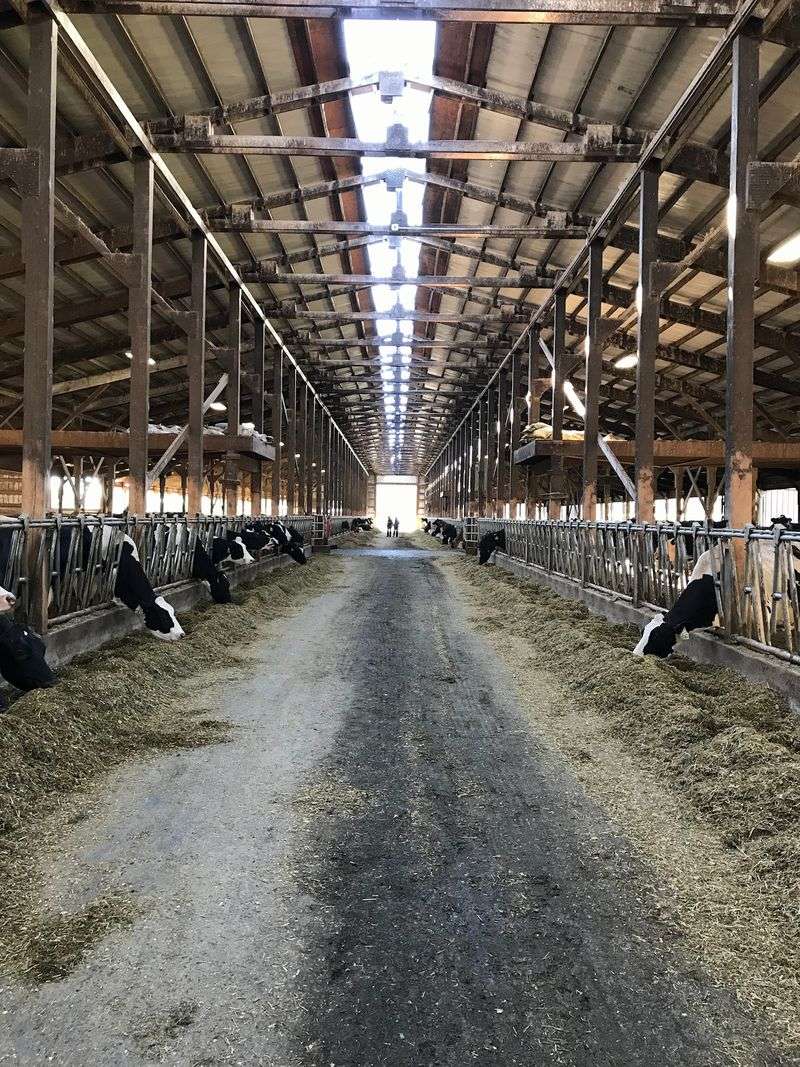
Happy cows come up again and again when people talk about this farm, and it is not an accident. The family has poured a lot of thought into caring for their animals and the land they live on.
Guests notice the difference right away. There is a guiding philosophy here about treating the animals and the planet responsibly to produce a high-quality product, and it shapes everything from feeding to daily routines.
Cows are the stars of the show, mentioned more than any other feature by those who stop by. Watching them graze on grass grown right in the surrounding fields adds a peaceful, grounding quality to a visit.
That thoughtful approach connects directly to the flavor on your plate. Well-tended animals eating good feed produce better milk, and better milk makes better cheese.
If you bring children along, the cows offer an easy, joyful introduction to where dairy really comes from. It is a gentle lesson in kindness toward animals, wrapped inside a fun afternoon on a genuine working Washington farm.
Peeking Through the Creamery Windows
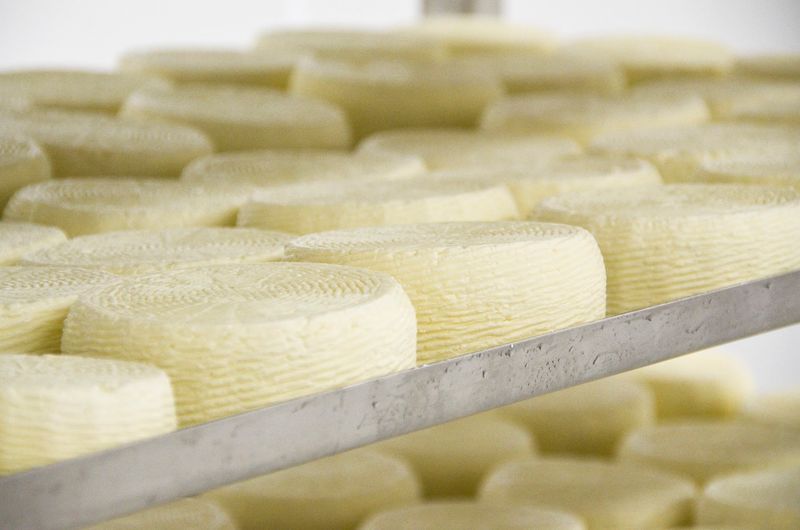
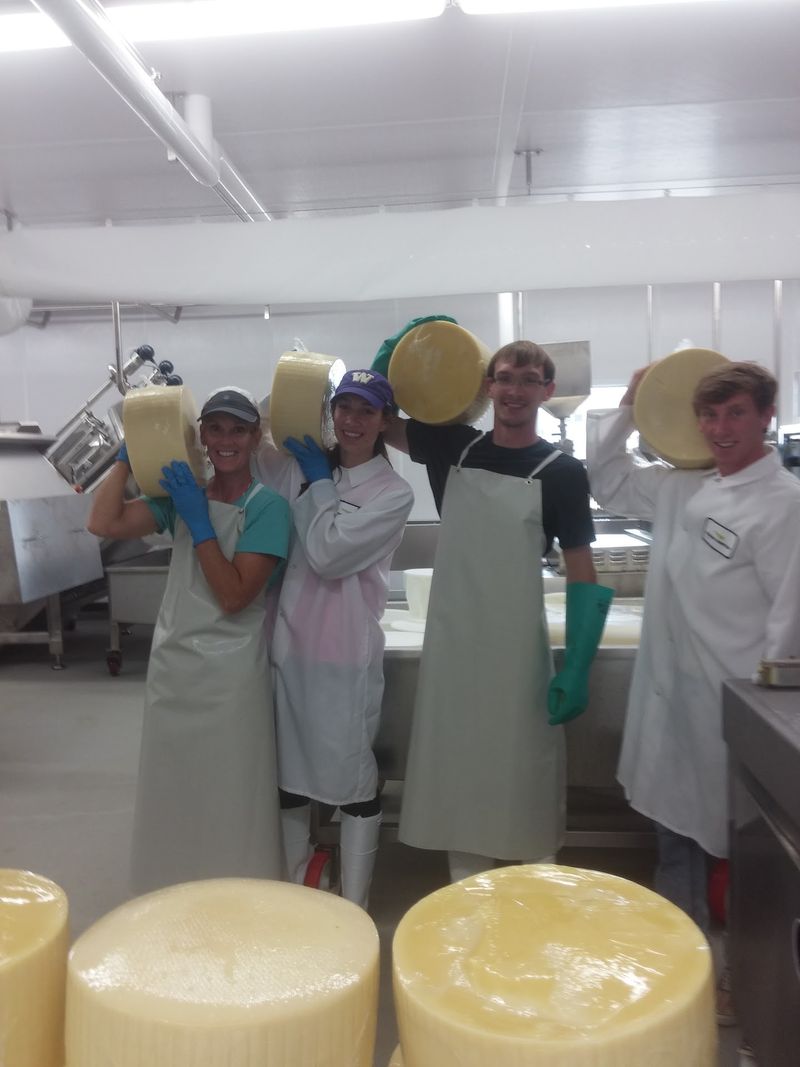
Glass windows turn this stop into a live show. Rather than reading about cheesemaking, you can peer straight through into a state-of-the-art creamery and watch the process unfold in front of you.
People often call the facility amazing, describing the leap from cow to finished Italian cheese as something you have to see to believe. The transparency is part of the appeal.
Standing at those windows, you catch the rhythm of a real production floor. Stainless steel gleams, workers move with practiced ease, and the whole thing feels both modern and deeply craft-driven.
There is something satisfying about watching food get made honestly, with nothing hidden. It builds trust in a way no label ever could.
Keep in mind this is a working farm first, so the exact activity you see depends on the day and timing of your visit. Some guests catch a full flurry of production, while others see quieter moments.
Either way, the window view offers a rare, up-close look at artisan cheesemaking that most grocery shoppers never get to witness.
Impromptu Tours With Friendly Guides
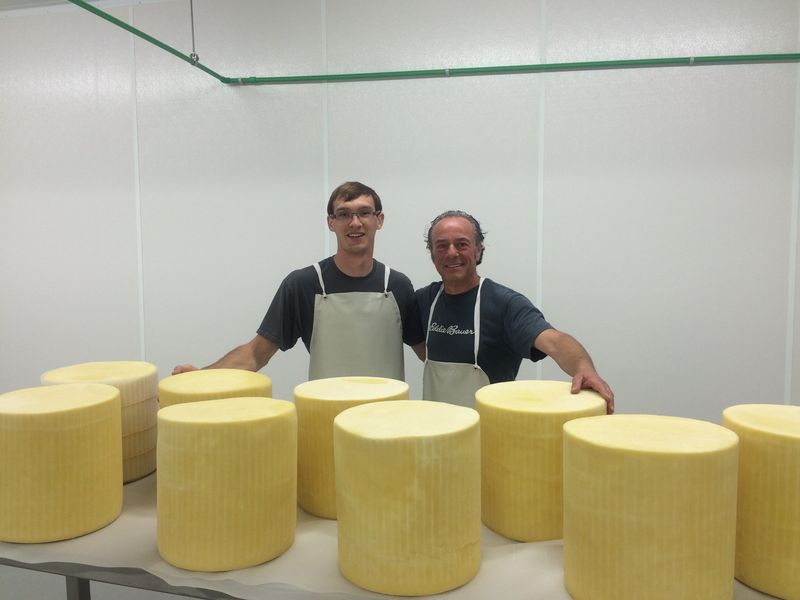
Kindness seems to be a house specialty here, right alongside the cheese. Visitors who dropped by without an appointment tell of guides like Daniel and Bill who happily offered impromptu tours and made the whole process fascinating.
These guides do more than point at equipment. They answer every question with patience, share the thinking behind the farm’s methods, and even hand out samples of the cheese they make.
The warmth is genuine and unhurried. You get the feeling the team truly loves what they do and enjoys sharing it with curious guests.
Because tours are not always on a fixed schedule, the experience can feel personal, almost like a friend showing you around their workplace. That said, showing up off-schedule may mean fewer people are available to chat.
Calling ahead can help you catch someone free to walk you through things. When it lines up, the education you receive about artisan cheesemaking is both knowledgeable and delightful.
It is the human touch that keeps this small farm memorable long after the last bite.
The Small Shop on the Premises
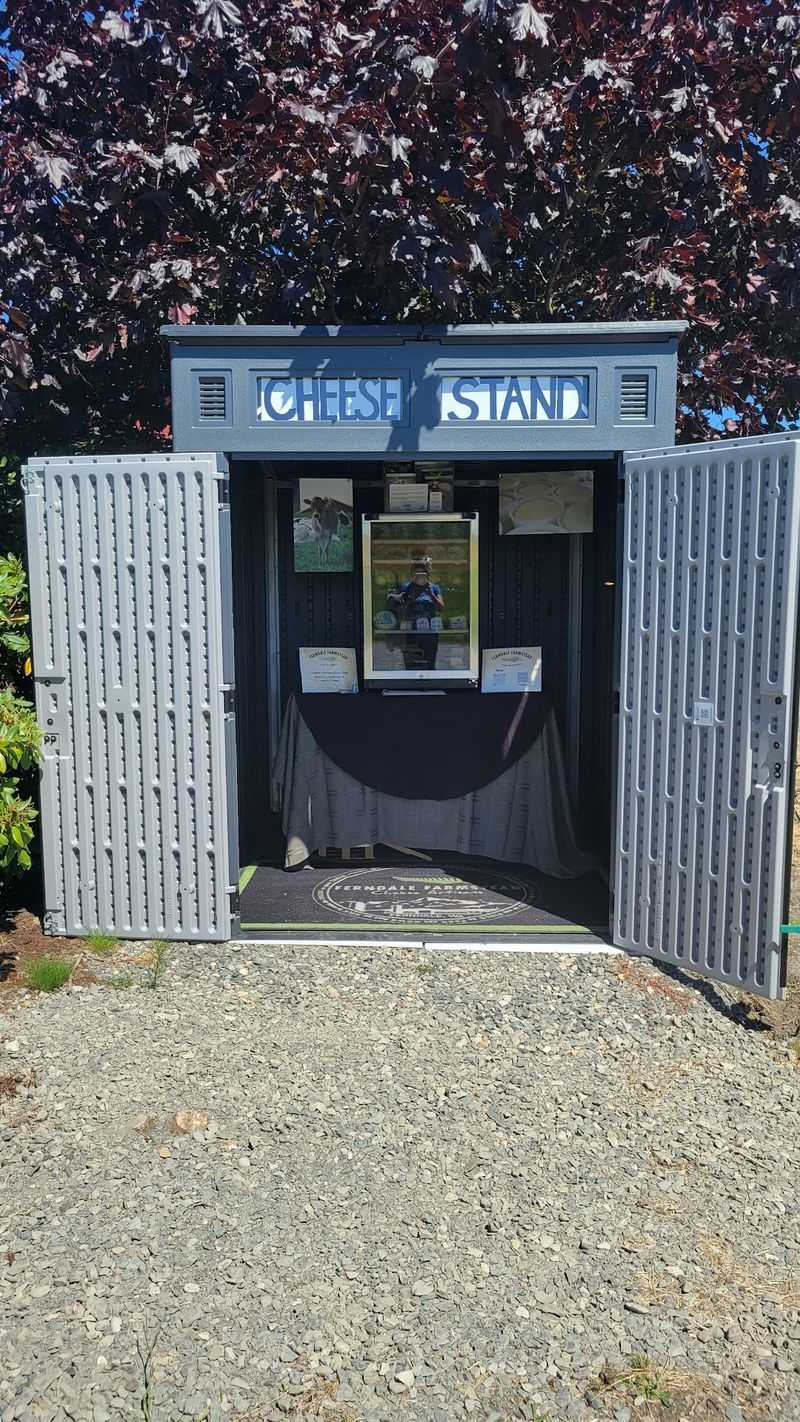
Do not expect a sprawling gift store when you arrive. The shop on the premises is small and simple, matching the farm’s humble, no-frills character.
Expectations are worth setting here. Some visitors have noted this is primarily the place where cheese is made rather than a full retail store, and availability to buy on site can vary from day to day.
When the shop is open and stocked, though, people come away thrilled, carrying home fresh, delicious cheese straight from the source. There is real joy in buying something made just steps away.
The old-fashioned feel is part of the draw. This is a hands-on family business, not a polished tourist machine, and that authenticity resonates with folks who value shopping local.
Because hours and stock shift, it is smart to plan ahead so you are not caught off guard. A little flexibility goes a long way at a working dairy.
For those who catch it right, walking out with a wheel or wedge feels like a small, satisfying reward for making the trip.
Where Else to Find Their Cheese
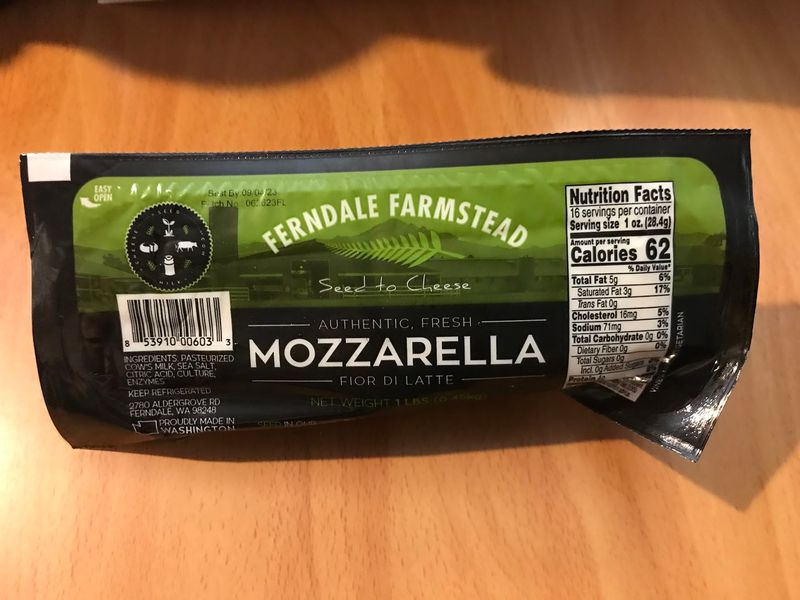
Can’t make it out to the farm, or arrive when the shop is quiet? Good news awaits at markets around the Pacific Northwest, where these cheeses regularly turn up.
Shoppers have found Ferndale Farmstead varieties at spots like Twin Sisters Creamery, Costco, PCC, and various artisanal shops around the region. That wider reach means the flavor travels well beyond the farm gate.
The mozzarella grabbed one PCC shopper so completely they described themselves as totally addicted. Devoted fans also keep an eye out for the smoked scamorza and creamy caciotta on store shelves.
Guides at the farm have even recommended specific markets where you can track down your favorites afterward. It is a thoughtful touch that keeps the connection going after your visit ends.
For budget-minded Washington families, this availability is a gift. You can enjoy premium local cheese without a special trip every time you crave it.
Discovering the farm first, then spotting its cheese during a regular grocery run, adds a fun little thrill to everyday shopping. Suddenly that wedge in your cart has a whole backstory.
Hours, Directions, and Planning Your Visit
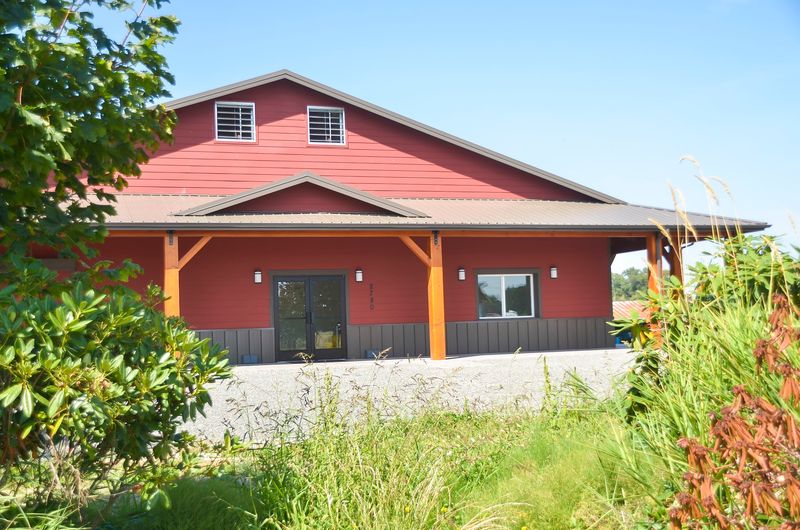
Timing is everything when a working dairy is involved. The farm keeps weekday hours, opening at 9 AM and closing at 5 PM Monday through Friday, while Saturday and Sunday it stays closed.
Plan your outing for a weekday, then, since weekend drop-ins won’t work here. That midweek schedule makes it a nice option for retirees or anyone with a flexible calendar.
Getting there is straightforward. The farm sits at 2780 Aldergrove Rd in Ferndale, an easy drive north of Bellingham and reachable as a day trip from much of the Puget Sound region.
Because tours can be impromptu and shop stock varies, calling ahead is a wise move to confirm what will be available the day you come. A quick check saves disappointment.
Set your expectations for a genuine farm experience rather than a slick attraction. Dress for a rural setting and bring your curiosity.
With a little planning, you turn a simple country road into a rewarding, wallet-friendly adventure that fits neatly into a Washington weekday afternoon.
Why This Little Farm Wins Hearts
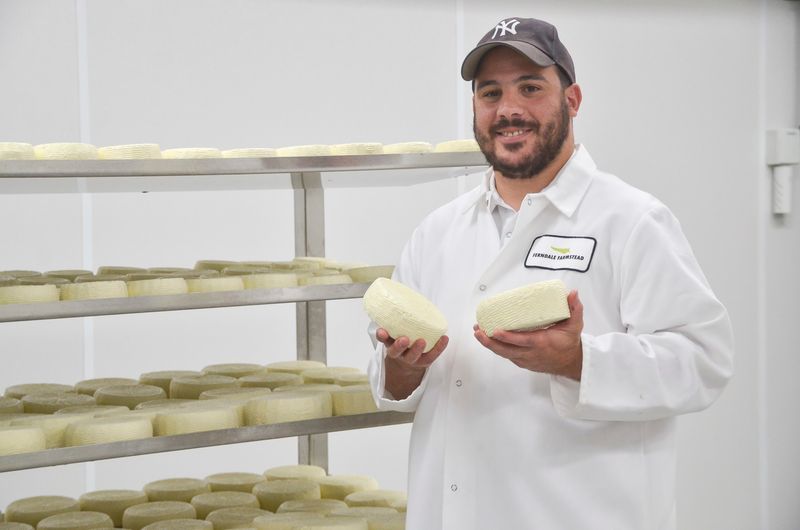
Small, sincere, and seriously good at what it does, this farm leaves a mark on nearly everyone who finds it. People describe the cheese with pure enthusiasm, calling it some of the best they have ever tasted.
The appeal runs deeper than flavor, though. It is the combination of well-loved cows, family heritage, honest methods, and warm guides that makes a visit feel special.
Shopping local here comes without compromise. You get top-quality artisan cheese while supporting a Washington family keeping their land alive and their craft thriving.
Sure, it is old-fashioned and low-key, and the shop hours ask for a bit of planning. For the right visitor, that is exactly the charm rather than a drawback.
If you love discovering places that feel authentic instead of manufactured, this creamery belongs on your list. It rewards curiosity with education, generosity, and unforgettable cheese.
Round up the family or a friend, pick a weekday, and point the car toward Ferndale. Watching curds become wheels you carry home is the kind of simple, memory-rich outing that sticks with you.