
This Washington Confectioner Hand-Shapes Glass-Clear Jelly and Bean Paste Into Kyoto-Style Sweets You Have to Plan Ahead For
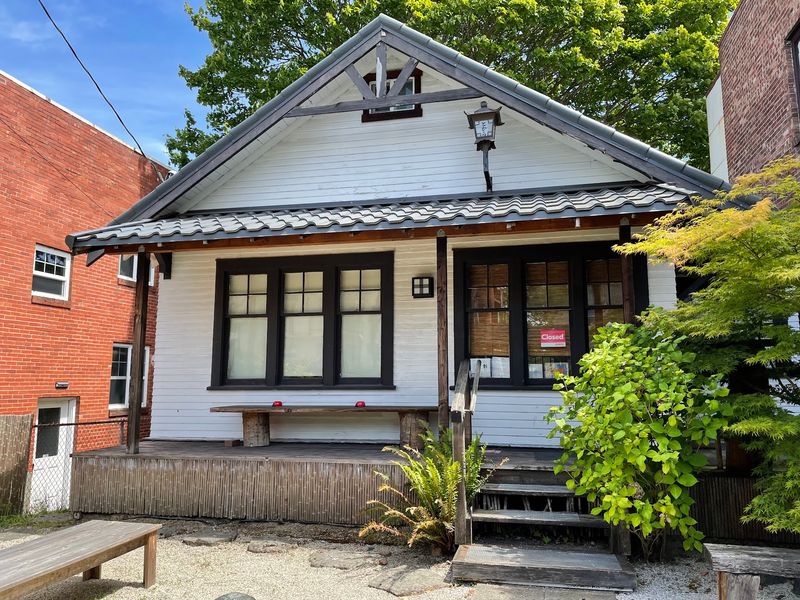
Seaweed jelly can be clear as glass and sweet enough to serve with tea. A Japanese confectioner in Washington has been shaping it, along with bean paste and stretchy rice dough, into tiny edible artworks by hand, one careful piece at a time.
The sweets follow the Kyoto style and change with the seasons. That means the treat you love in spring may give way to something new by fall.
For years, the small shop behind them opened to the public on only one Sunday a month. Reservations were part of the deal, which made each box feel a little like a secret handshake.
I like how slow, patient, and deeply personal this whole craft feels. In a world of instant everything, how far would you go for a sweet that waits for the calendar?
A Tiny Japanese Sweet Shop With A Very Big Mission
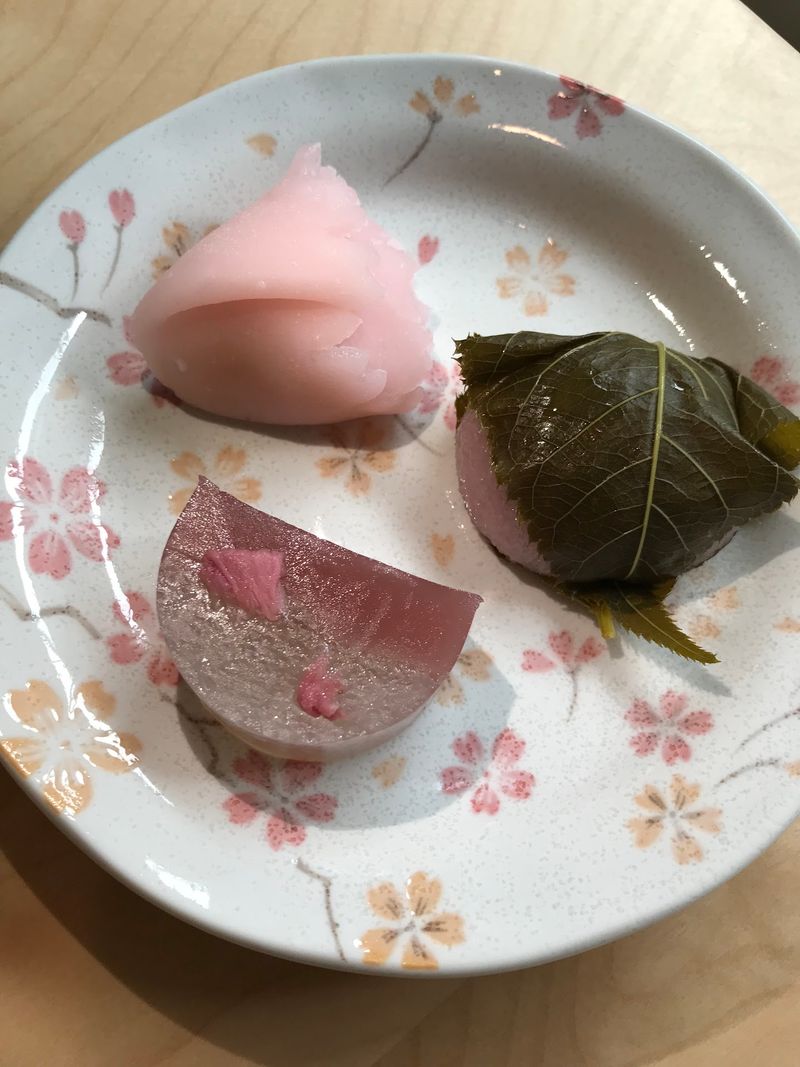
Seattle has plenty of bakeries, but very few places devote themselves to wagashi. Tokara is one of them, a Japanese confectionery shop on Phinney Ridge built around these traditional handmade sweets.
Wagashi are the small confections served alongside tea in Japan. They’re meant to be admired first and eaten second, which is a lovely problem to have.
At Tokara, the focus stays narrow on purpose. You won’t find a giant case of cupcakes or a menu of trendy drinks competing for attention.
Instead, the shop celebrates bean paste, rice dough, and delicate jelly shaped into seasonal designs. Each piece is small enough to sit in your palm and detailed enough to make you pause.
The neighborhood setting suits it well. Phinney Ridge is a residential part of north Seattle, Washington, and a shop this specialized feels right at home on a quieter street.
Think of Tokara less as a snack stop and more as a doorway into a centuries-old food tradition. It just happens to be one you can reach without a passport or a long flight.
The Kyoto Style Behind Every Handmade Piece
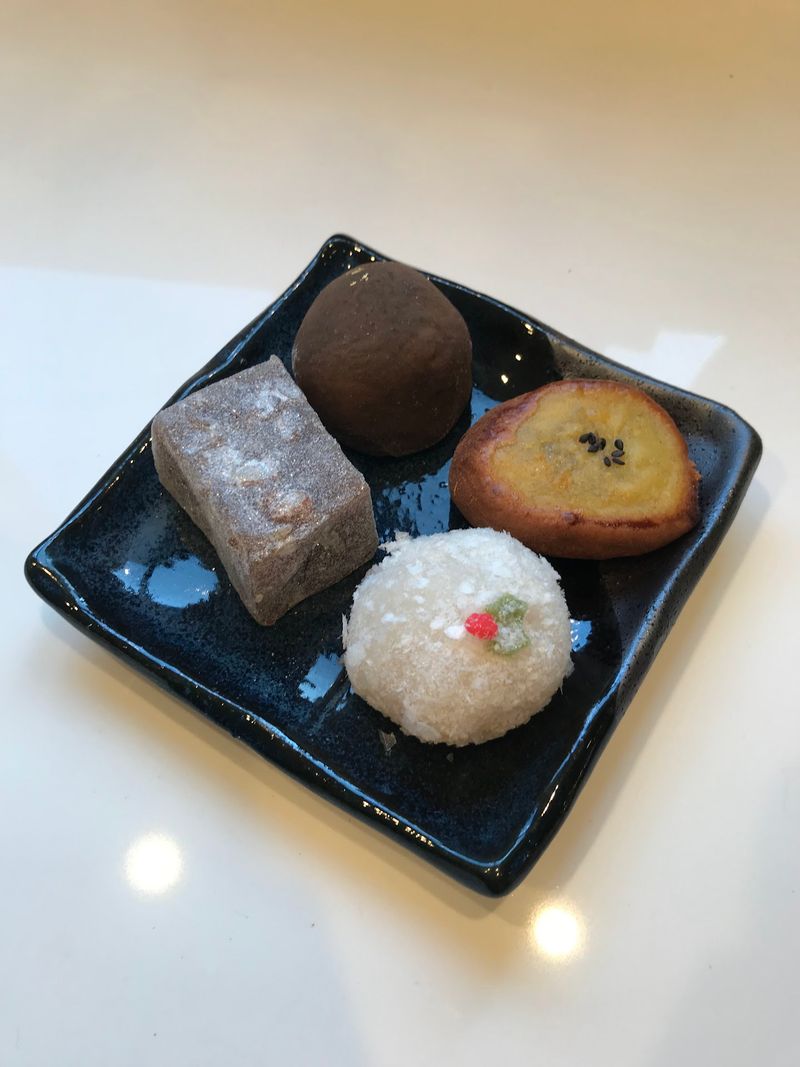
Kyoto has long been treasured for its refined approach to Japanese sweets. Tokara carries that same style across the Pacific to a small corner of Seattle.
The confections here are hand-crafted by the owner, known warmly as Tokara-san. Her name is Chika, and her kindness comes up again and again when people talk about the shop.
That personal touch matters with wagashi. These sweets aren’t stamped out on a factory line, so the maker’s skill shows in every curve and color.
Kyoto-style wagashi tend to favor subtle beauty over loud decoration. A single sweet might hint at a flower, a leaf, or a season through shape and shade alone.
I believe that restraint is what makes them so memorable. When a dessert trusts you to notice small details, you naturally slow down and look closer.
For a Seattle shop, keeping such an old tradition alive by hand is no small commitment. It asks for patience, practice, and a steady eye, and the finished pieces quietly show that effort.
Bean Paste, Rice Dough, And Jelly As Clear As Glass
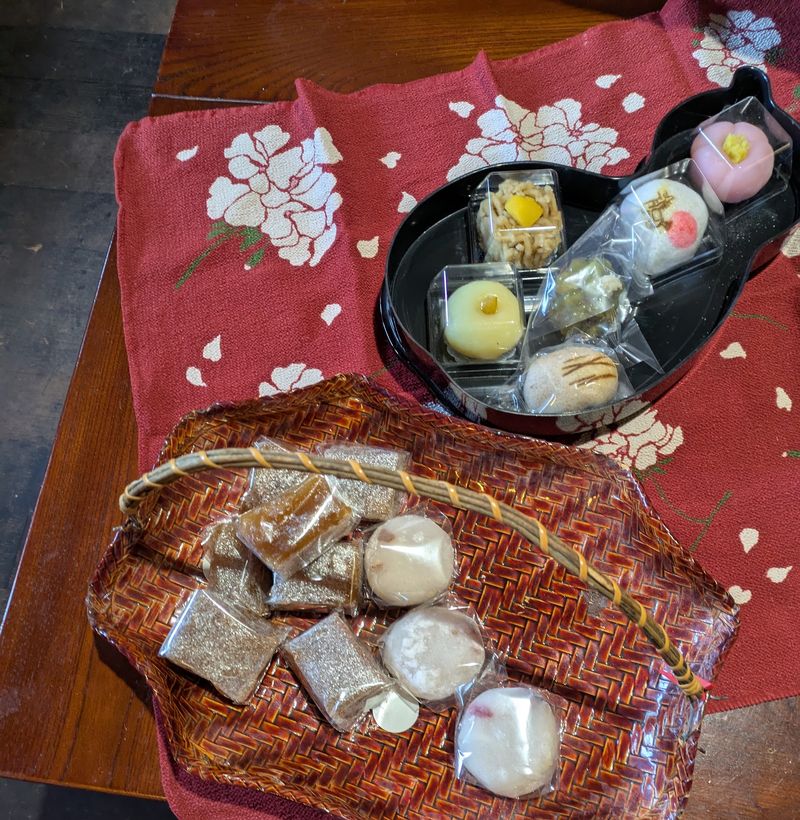
Three humble ingredients do most of the heavy lifting at Tokara. Sweetened bean paste, stretchy rice dough, and clear seaweed jelly form the base of these tea treats.
Bean paste brings a smooth, earthy sweetness that anchors many classic wagashi. It’s the backbone of the tradition, and Tokara leans into it with confidence.
Rice dough adds that soft, pleasantly chewy quality people love in mochi. It can wrap around a filling or take on a shape of its own.
Then comes the seaweed jelly, which might be the most surprising part for newcomers. It sets clear, giving some sweets a glassy, almost jewel-like look.
Good luck explaining to a friend that the prettiest dessert on the table started with seaweed. It sounds unusual, yet it has been part of Japanese sweet-making for generations.
Together, these ingredients create treats that feel light and thoughtful rather than heavy. They also give the maker a flexible palette, which helps each design reflect a specific moment in the year.
Sweets That Follow The Calendar All Year Long
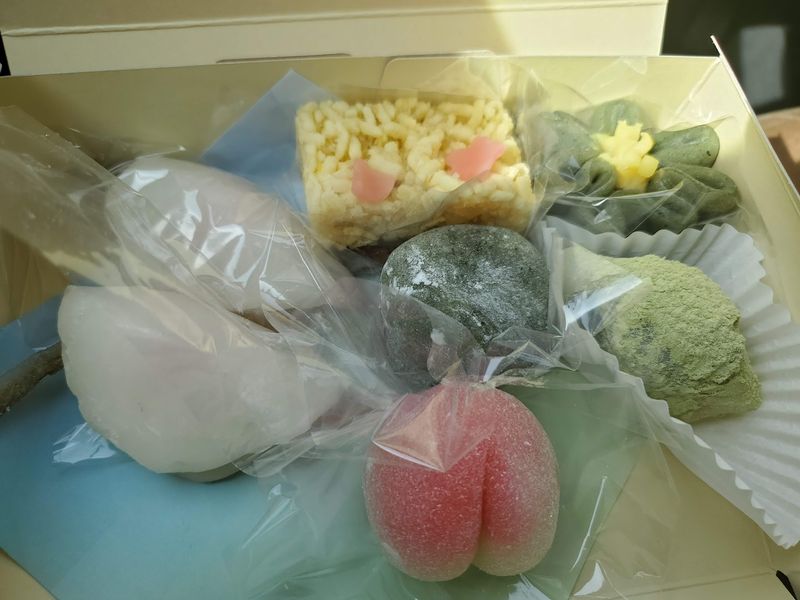
Spring blossoms, autumn leaves, winter quiet. Wagashi at Tokara change to honor the seasons, so the lineup never stays frozen in place for long.
That rhythm is one of the most charming parts of the whole tradition. You aren’t just buying a sweet, you’re tasting a small snapshot of the time of year.
Holidays get special attention too. The shop has offered holiday specials over the years, giving celebrations an extra layer of meaning.
New Year’s Eve boxes have been a highlight, praised for their beautiful presentation and delicious flavor. Bringing one to a dinner gathering sounds like an easy way to become everyone’s favorite guest.
Seasonal sweets also make a great excuse to come back. If one month brings a design you love, the next might surprise you with something completely different.
In Washington, where the seasons shift so clearly from misty springs to golden falls, this approach feels especially fitting. The sweets mirror what’s happening outside your window, which is a pretty delightful trick for a dessert.
Gently Sweet Treats For People Who Skip Sugar Overload
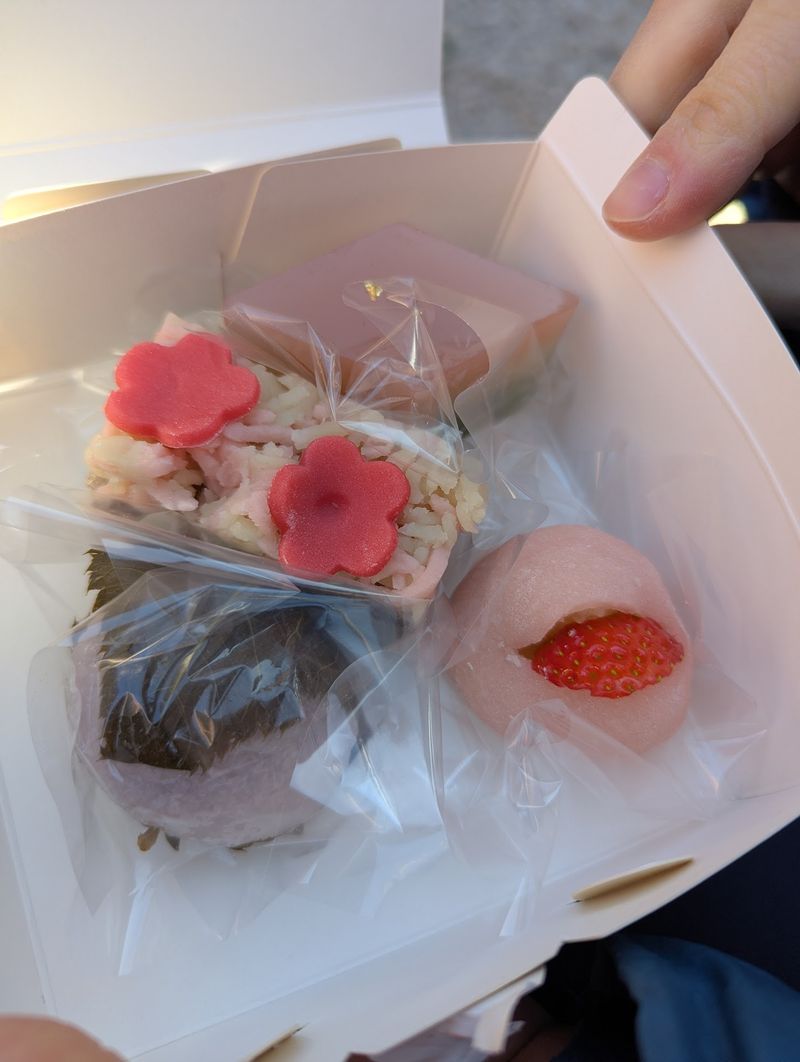
Anyone expecting candy-store levels of sugar should adjust their expectations right away. Tokara’s wagashi are built for balance, not a sugar rush.
Many fans describe the sweetness as just right. Others find the red bean flavor a bit strong, which shows how personal taste can be with traditional sweets.
That variety of opinion actually tells you something useful. These treats follow Japanese tradition instead of bending to typical American dessert habits.
If you grew up on frosting and chocolate bars, the first bite may feel different. Give it a moment, because subtle flavors often reveal more the longer you pay attention.
The textures play a big role here too. Fresh, delicate mochi and smooth bean paste offer a softer kind of pleasure than crunchy cookies or rich cakes.
I can’t imagine a better choice for someone who loves dessert but dislikes feeling weighed down afterward. A single piece feels satisfying without overwhelming your palate, which makes it ideal for an afternoon break or an after-dinner treat.
Mochi And Yubeshi Deserve A Spot On Your Wish List
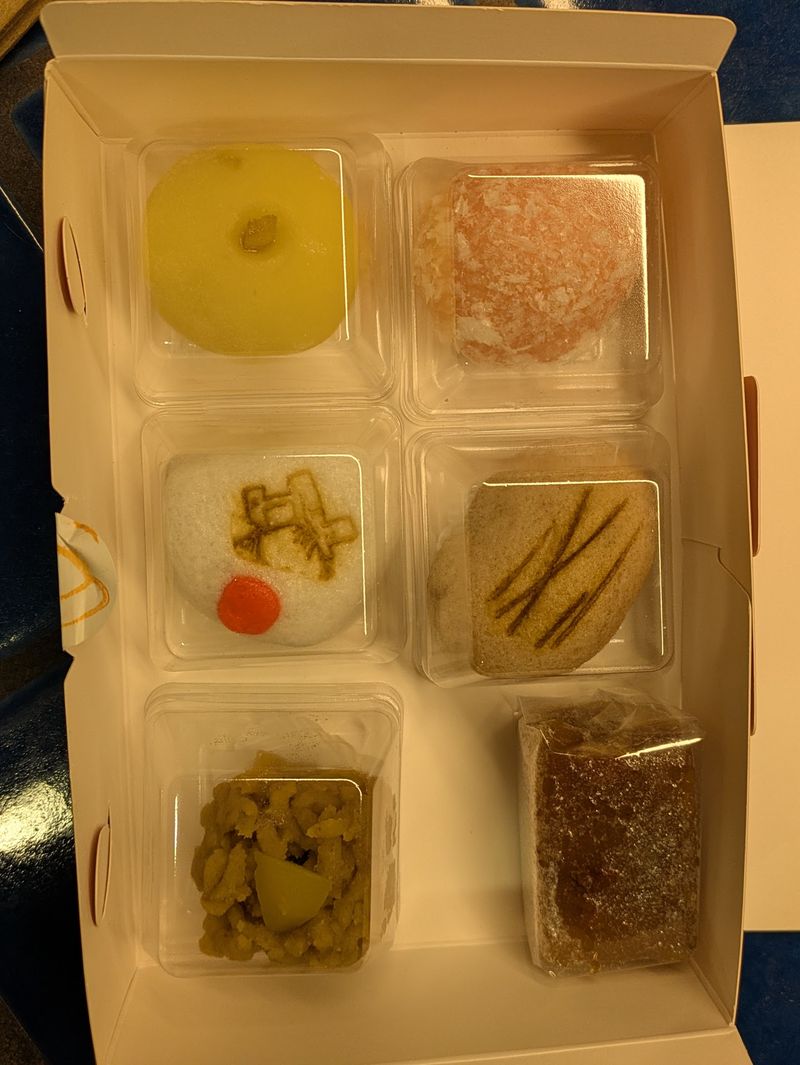
Mochi gets a lot of love at Tokara, and for good reason. It’s often called some of the most authentic mochi in Washington, with a fresh, delicate texture.
Plenty of grocery store mochi can feel stiff or overly sugary. Handmade versions tend to be softer and more tender, and that difference becomes obvious once you try both.
Then there’s yubeshi, a sweet many people have never heard of. It’s a traditional Japanese confection, and Tokara has introduced more than one curious eater to it.
Trying yubeshi for the first time is a fun little adventure. It’s the kind of discovery that turns a casual treat into a story you’ll want to share.
Some fans have even called Tokara’s mochi the best they’ve ever eaten. That’s high praise for a sweet so many people think they already know well.
Wagashi beginners might start with mochi since it feels familiar. Once you’re comfortable, branching into less common sweets like yubeshi is where the real fun begins.
A Perfect Partner For A Bitter Cup Of Green Tea
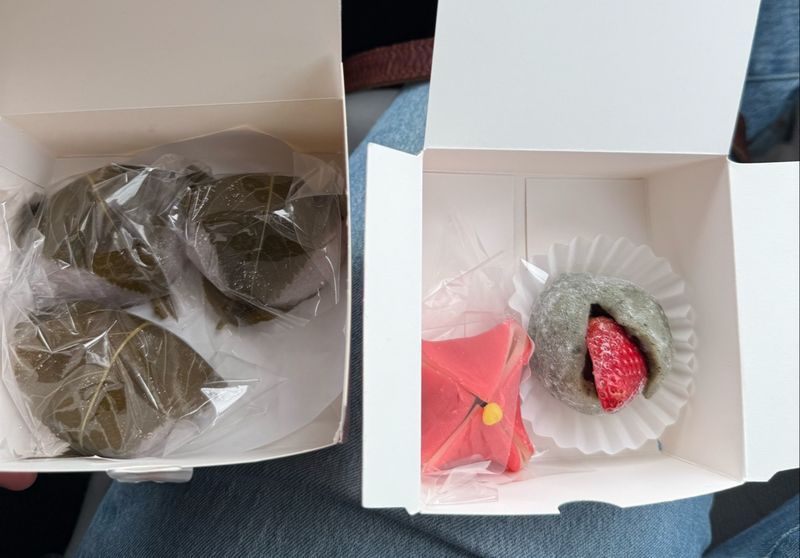
Wagashi and green tea were practically made for each other. The gentle sweetness of the confection softens the tea’s bitterness, and the tea refreshes your palate between bites.
That pairing sits at the heart of Japanese tea culture. Tokara’s sweets are true tea treats, designed to complement a warm cup rather than steal the show.
Years ago, the shop offered a matcha and wagashi combo. It came with a chance to watch the matcha being prepared, which added a touch of ceremony to the moment.
Tokara’s confections have also appeared at select Seattle establishments. MIRO Tea has been mentioned as one place where fans could find them alongside a good brew.
Bringing a box home works beautifully too. Brew your favorite bitter green tea, set out a few pieces, and you’ve created a peaceful little tea break without leaving the house.
Serving these at home also gives you a chance to share the tradition with family or friends. Few desserts start a conversation quite like a tiny edible flower beside a steaming cup.
Getting Your Hands On A Box Takes A Bit Of Planning
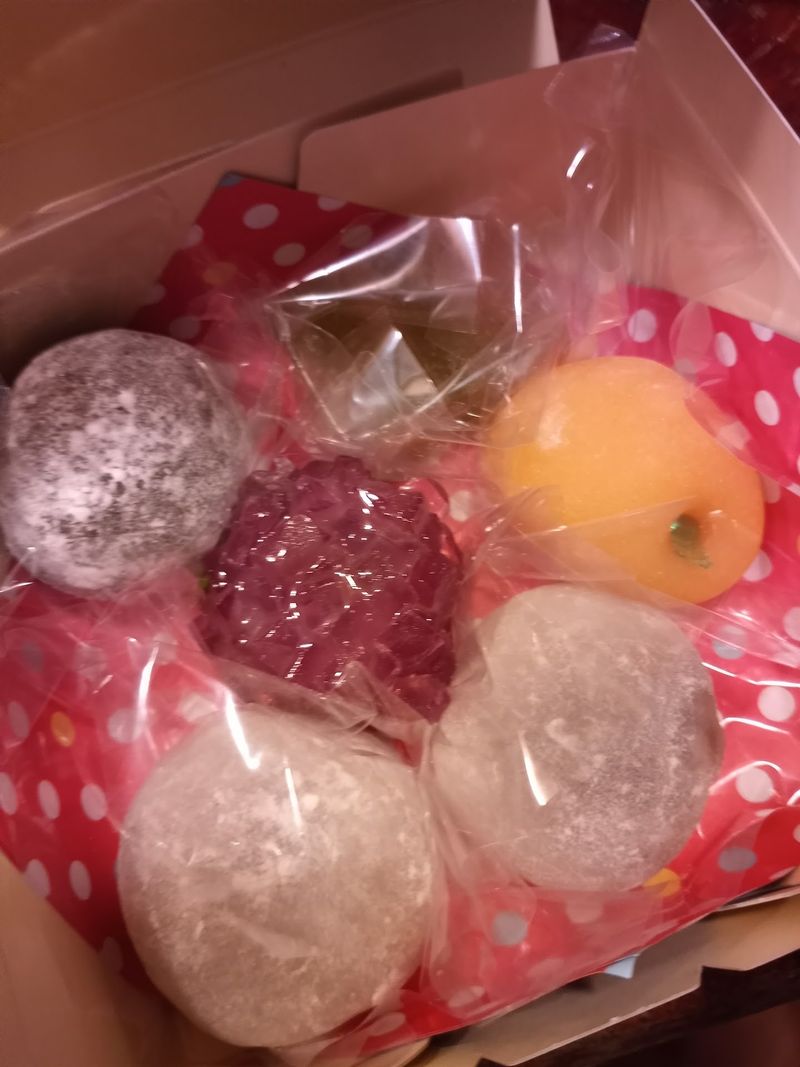
Spontaneous drop-ins have never really been Tokara’s style. For years, the confections were available to the public only on the third Sunday of each month, with a reservation required.
A few special occasions throughout the year added extra chances. Larger orders could also be arranged outside those Sundays for anyone ready to buy in quantity.
Ordering options have shifted over time. At one point, sweets could be ordered through Uber Eats on Wednesdays or Fridays, or reserved by box for Sunday pickup.
More recently, the storefront doesn’t appear to sell sweets directly anymore. The shop’s website has listed partner stores that carry the confections, so that’s the smartest place to start.
Since details can change, check the official website before making plans. That simple step can save you a wasted trip and help you find the freshest way to order.
Honestly, the extra effort is part of the charm. Sweets made in small batches by one skilled maker simply can’t be available around the clock, and waiting makes them feel even more special.
Phinney Ridge Gifting Just Got A Lot More Thoughtful
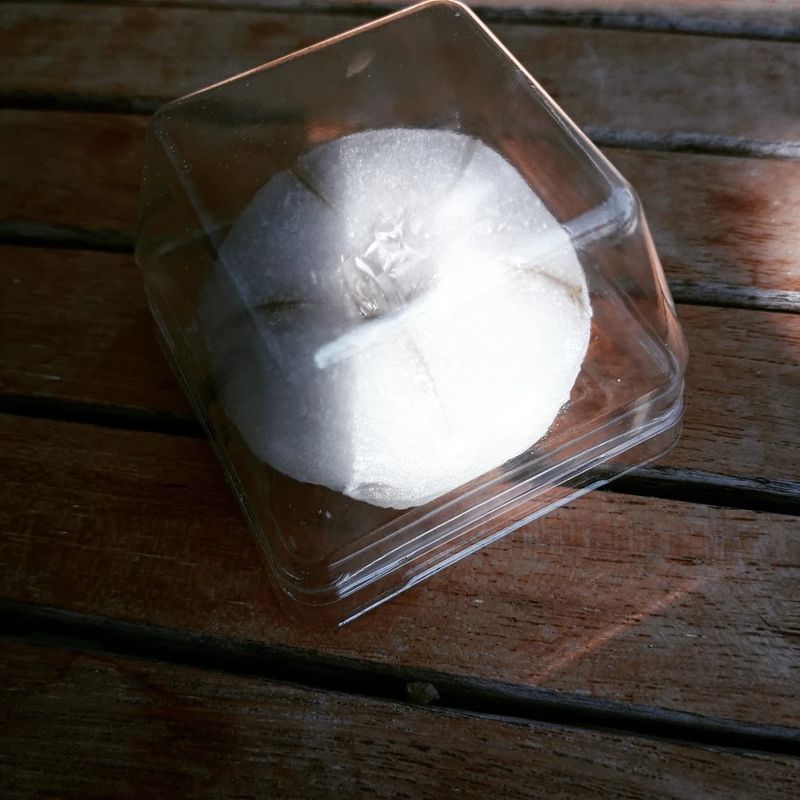
Gift-giving gets easier when the gift looks like tiny artwork. Tokara’s wagashi have long been described as beautifully designed, delicate, and delightful to the eyes.
That makes them a natural fit for birthdays, holidays, thank-you gestures, and quiet celebrations. Each little description the shop provides adds even more meaning to every piece.
The shop’s address is 6208 Phinney Ave N, Seattle, WA 98103. It sits in the Phinney Ridge neighborhood, a pleasant residential part of north Seattle.
Families curious about Japanese culture could find this a fun learning moment. Kids may enjoy guessing which season or flower each sweet represents before taking a bite.
Tea lovers, art fans, and anyone who appreciates handmade food will also feel right at home. The sweets reward people who enjoy noticing small, careful details.
For Washington residents looking for something meaningful without a long trip, this is a lovely option. A box of wagashi brings a slice of Japanese tradition straight to your table, no airport security line required.
Why These Little Sweets Are Worth The Extra Effort
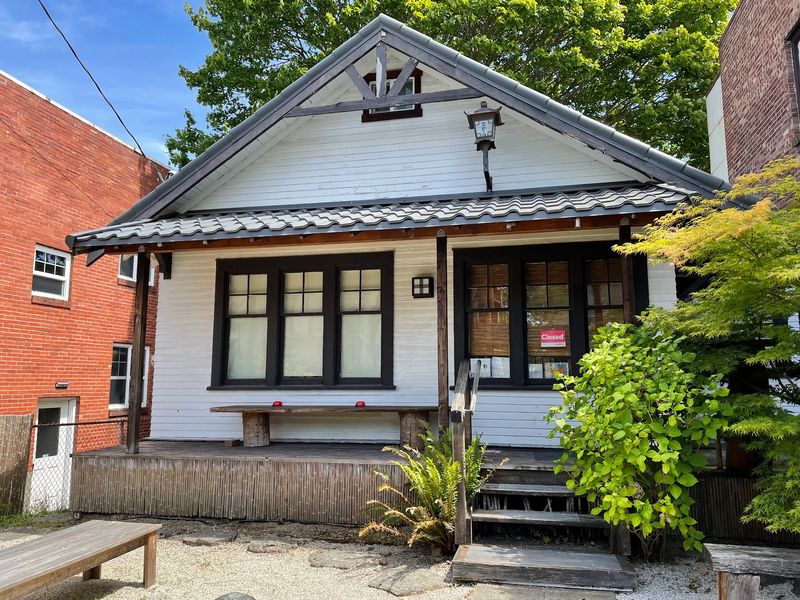
Small things can leave the biggest impressions. Tokara proves it with sweets that fit in your hand yet carry centuries of craft and seasonal meaning.
The appeal goes beyond flavor alone. It’s the handwork, the Kyoto-style care, and the way each piece honors a specific moment in the year.
These treats won’t please everyone, and that’s perfectly fine. People who love bold, sugary desserts may prefer something else, while fans of subtle flavors often fall hard for wagashi.
Planning ahead is part of the experience. A quick look at the official website should point you toward current ordering options and partner shops around Seattle.
I believe the best food experiences often come from makers who refuse to rush. That patience shines through in every glassy jelly, soft mochi, and smooth swirl of bean paste.
So the next time you want a treat that feels truly special, consider seeking out Tokara. A little patience could reward you with one of the most beautiful bites in Washington, and maybe a brand-new favorite tradition.