
This Washington Fossil Site Lets You Split Open Rocks And Find Fossils Millions Of Years Old
A leaf that dropped from a tree around 50 million years ago could be waiting inside a rock you split open yourself. That’s the whole idea at one small museum in northeast Washington, and I love how wonderfully direct it is.
You grab a chisel, climb a sunny hillside covered in layered shale, and start tapping. With a little patience, the rock peels apart like pages in a very old book.
Sometimes a fern appears. Sometimes it’s the faint outline of an ancient flower.
Afterward, friendly staff look over your finds and explain what you uncovered. If a fragile piece cracks in half, they might even help glue it back together.
I can’t imagine a better way to make geology feel personal. Who wouldn’t want to be the first person to see a leaf in fifty million years?
A Small Museum With A Very Old Backyard
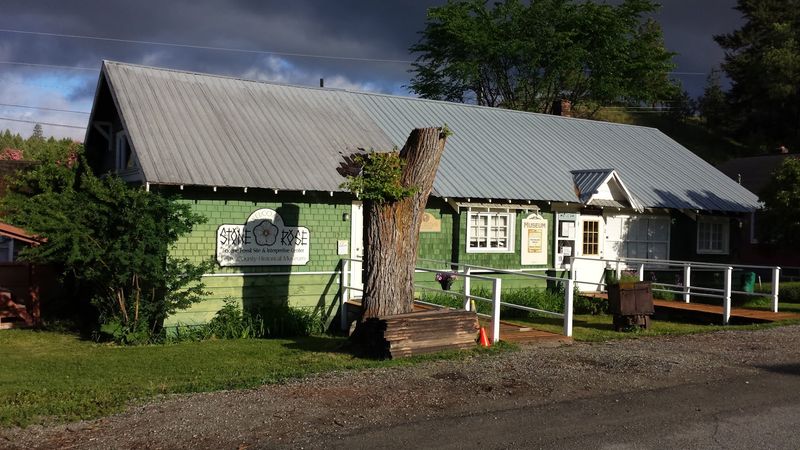
Small towns usually brag about a parade or a pie contest. Republic, Washington, gets to brag about something far older: Stonerose Interpretive Center & Eocene Fossil Site.
The setup is refreshingly simple. A modest museum sits in town, and a fossil dig site waits a short walk away on a nearby hillside.
Republic sits in Ferry County, up in the northeast corner of Washington. It’s a long drive from the big cities, which makes the payoff feel even sweeter.
The center works as your home base for the whole adventure. You check in, learn the rules, and get a quick lesson on what lies buried up the hill.
Then comes the fun part. You head out to split rocks and hunt for plant fossils from the Eocene epoch, roughly 50 million years ago.
Plenty of museums keep their treasures safely behind glass. Stonerose hands you a chisel and points you toward the source.
That hands-on approach is what makes the place so memorable. It turns a regular museum stop into a treasure hunt with real, ancient prizes.
Ancient Lake Beds Beneath A Mountain Town
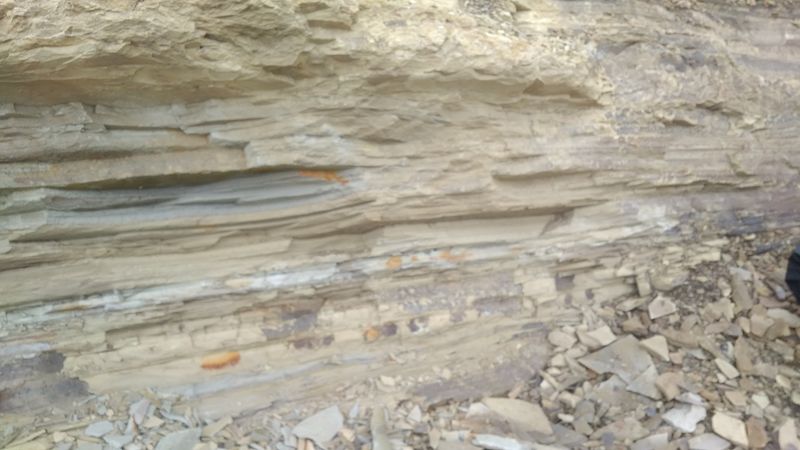
Long before Republic had streets, this area held a very different landscape. Around 50 million years ago, during the Eocene, an ancient lake collected leaves, needles, and flowers from the forests around it.
Those plant pieces settled into fine layers of sediment on the lake bottom. Over enormous stretches of time, the layers hardened into the shale you split today.
That’s why the rock breaks so neatly along its seams. Each thin layer once sat at the bottom of quiet water, holding whatever drifted down.
The museum’s displays tell this geological story clearly. The fossils show how different the Curlew Lake area looked back when warmer forests covered these hills.
And the name? It comes from the famous fossil flower nicknamed the stone rose, one of the site’s most prized finds.
Knowing the backstory changes how the hillside feels. Every gray slab becomes a page from a lake that vanished ages ago.
It’s geology you can hold in your hand. Few places in Washington make deep time feel this close and this approachable.
Glass Cases Full Of Fifty-Million-Year-Old Leaves
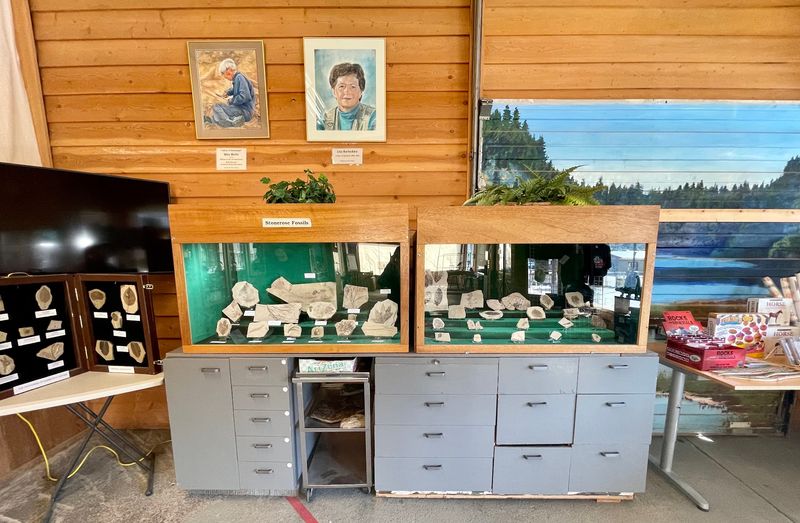
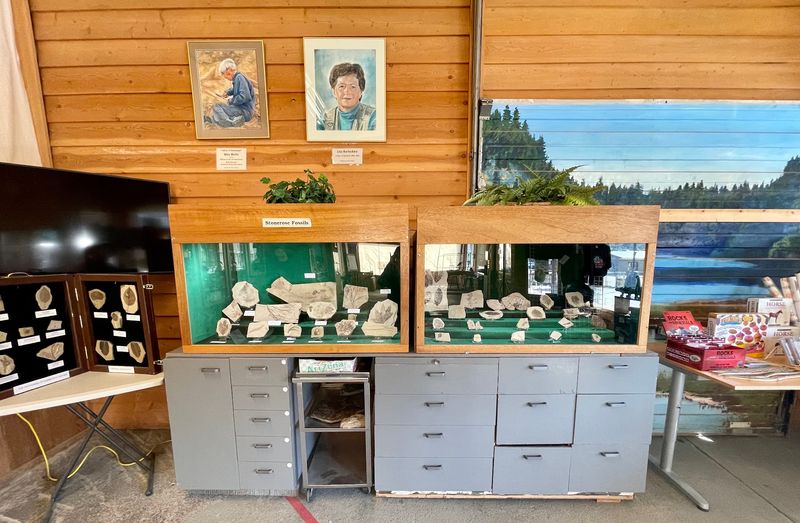
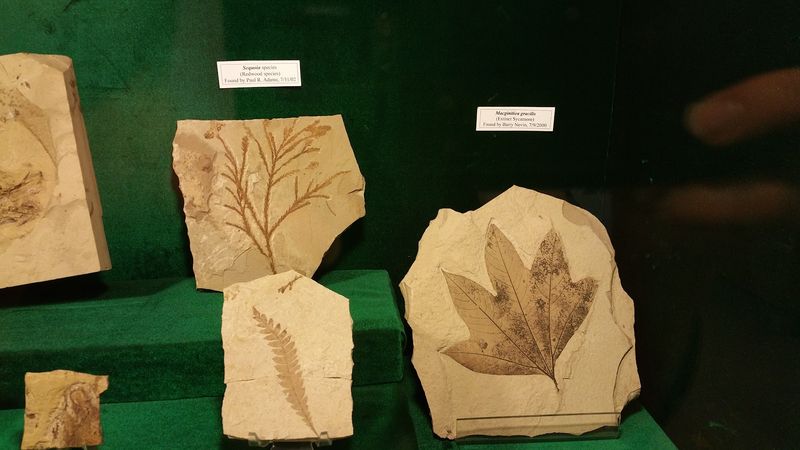
Start indoors, even if your fingers are itching for a chisel. The exhibits give your eyes a sense of what to look for once you’re up the hill.
The collection is small, but it covers a surprising range. Local fossils of leaves, plants, and other Eocene life fill the displays.
The layout walks you through the area’s geological history in a logical order. It reads more like a story than a stack of labels.
That context matters once you start splitting rock. A faint brown shape makes a lot more sense after you’ve seen polished examples up close.
Staff and volunteers often give newcomers a helpful introduction before they head out. Think of it as a quick training session for amateur paleontologists.
You won’t need hours to see everything inside. A relaxed look around fits easily into a visit before or after digging.
Still, skipping it would be a mistake. The best fossil hunters here are the ones who know what a good leaf impression actually looks like.
Two Blocks Up The Hill To The Dig
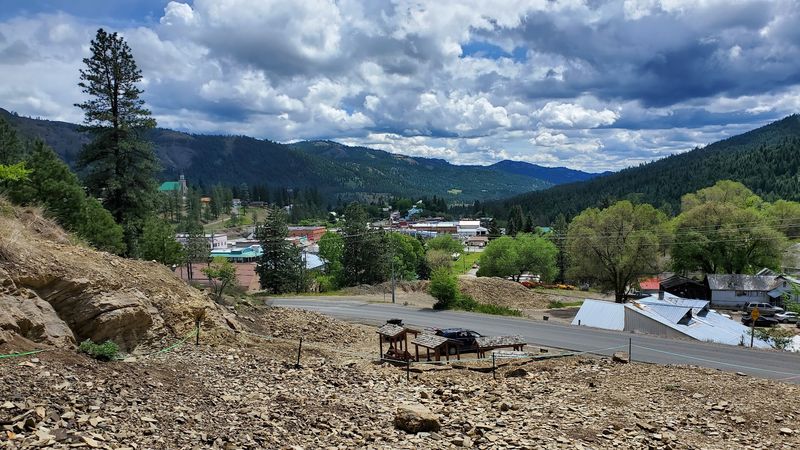
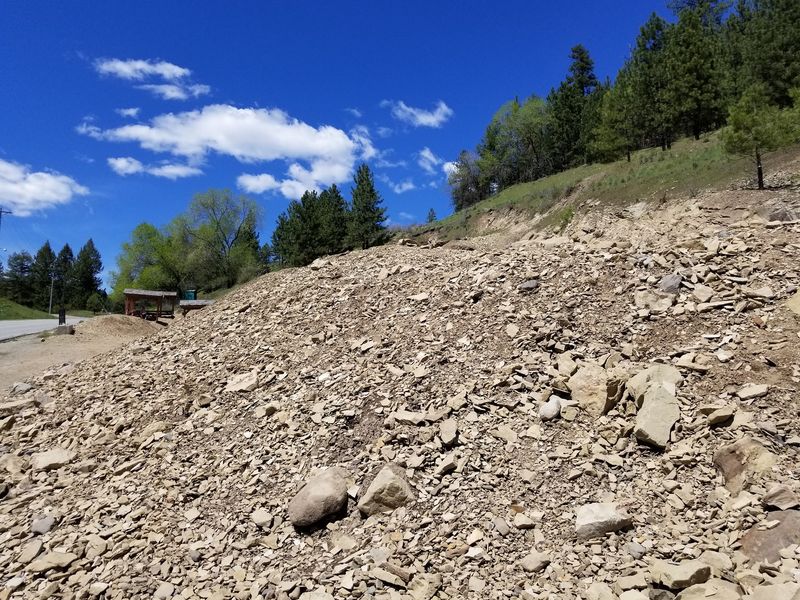
Good news for anyone dreading a long trek. The dig site sits only about two blocks from the interpretive center.
The walk is short, but the destination is a hillside. Expect a slope covered in broken shale and sharp slate pieces.
There’s limited shoulder parking near the site for a few cars. The edge of that shoulder can be rough, so park with care.
Many people simply walk up from the center. Bring a box or bucket, because carrying rocks back down by hand gets awkward fast.
Once you arrive, you’ll see layers of rock waiting to be worked. Some folks sit right on the ground, while others haul slabs to nearby tables.
The view and the open air add to the charm. It feels more like a sunny field trip than a stuffy museum outing.
You can also leave for lunch and come back later. That flexibility makes it easier to spread your digging across a whole afternoon in Washington’s high country.
The Gentle Art Of Splitting Shale
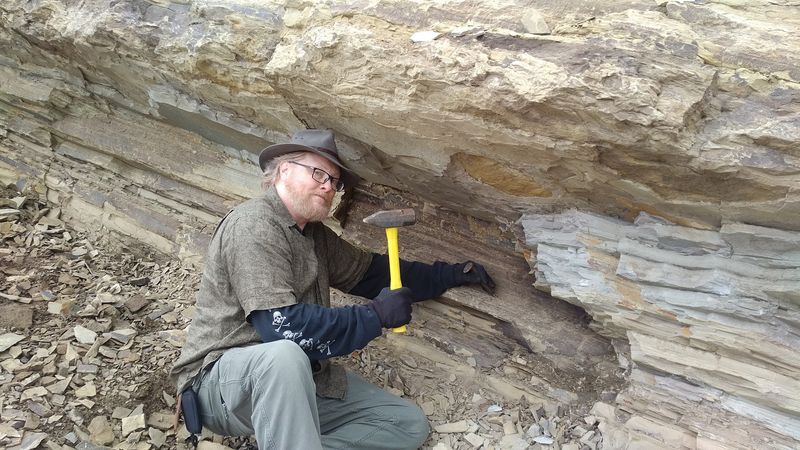
Tap too softly, and nothing happens. Tap too hard, and your future fossil turns into gravel.
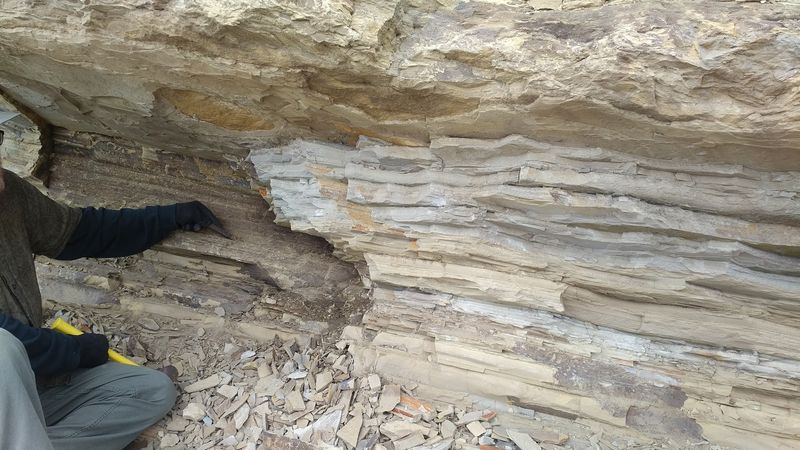
Splitting shale takes a bit of practice, and that’s half the fun. You look for rocks with clean, visible layers, then aim a chisel right along the seam.
A few careful taps can make the slab open like a book. If you’re lucky, a leaf or fern waits inside on both halves.
Many of the slabs are small, which makes complete specimens tricky. Patience beats strength every single time on this hillside.
Picking the right rock is a skill on its own. After a while, you start noticing which pieces have promising, thin layers.
Sorting through your chips is surprisingly addictive. Every crack brings that little jolt of hope that the next piece holds something great.
Nobody needs a science degree to try it. The technique is simple enough for beginners, but tricky enough that experienced hunters keep coming back to refine it.
Ferns, Leaves, And The Occasional Stone Rose
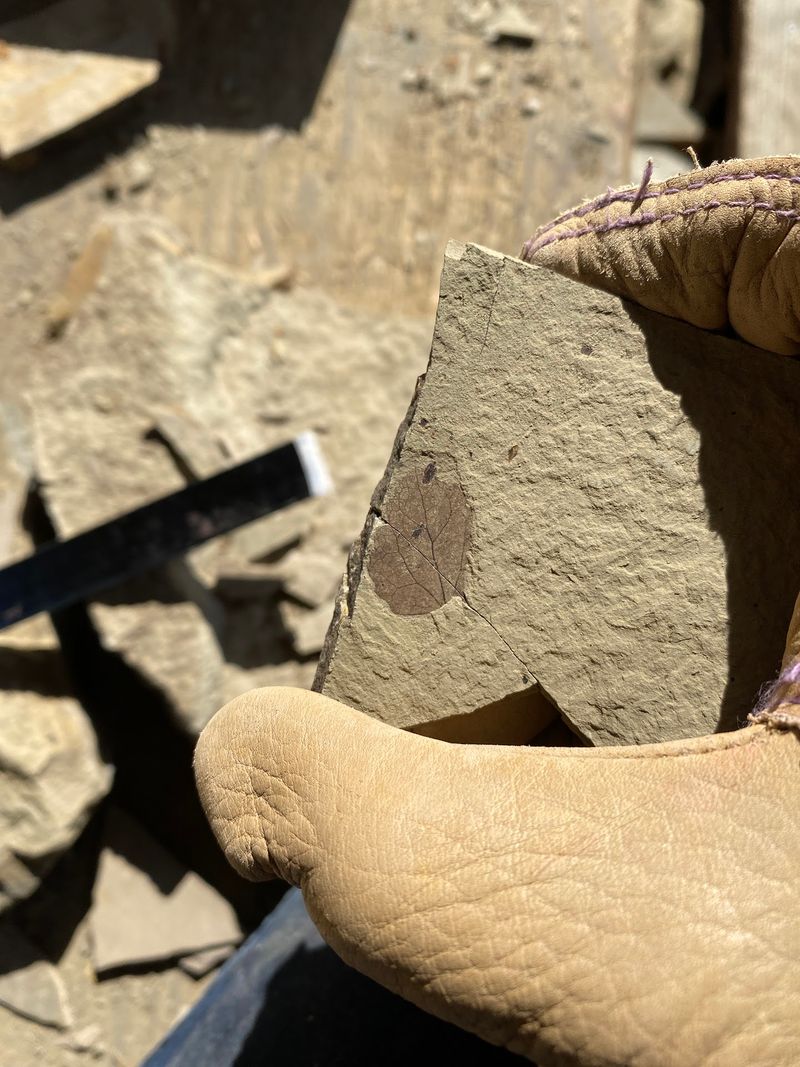
So what’s actually hiding in there? Mostly plants, and plenty of them.
Leaf and fern impressions are the most common finds at Stonerose. Odds are strong that you’ll uncover some kind of plant fossil, even without fancy tools.
Animal fossils are much rarer here. Most hunters head home with leaves, needles, and other plant pieces rather than critters.
Then there’s the namesake prize, the stone rose. Finding one of these fossil flowers is a genuine thrill.
Full, perfect specimens are hard to come by. Smaller fragments are far more typical, especially on busy stretches of the hillside.
Don’t let that dampen your spirits, though. Even a small leaf on a big slab looks fantastic on a shelf or table.
Some people turn small pieces into magnets or display them as keepsakes. However big or small, each one carries a story roughly 50 million years in the making, and you were the one to reveal it.
Friendly Experts Who Check Your Treasures
Digging is only half the experience. The other half happens when you carry your finds back to the center.
Staff look over what you’ve collected and explain what you found. That moment turns a mystery smudge into an actual named plant.
The team here has a reputation for being warm, funny, and genuinely helpful. They seem happy to share what they know without making anyone feel silly for asking.
Knowledge shows up in practical ways too. Staff explain the site before you start and offer pointers on how to approach the rocks.
Kindness extends beyond the rules sometimes. One broken stone rose reportedly got glued back together by staff so it could go home in one piece.
That kind of care makes the visit feel personal. You’re not just a ticket holder, you’re a fellow fossil hunter.
I like how the whole process ends with a conversation. Learning the story behind your find might be the best souvenir of all.
Chisels, Hammers, And Your Tool Kit
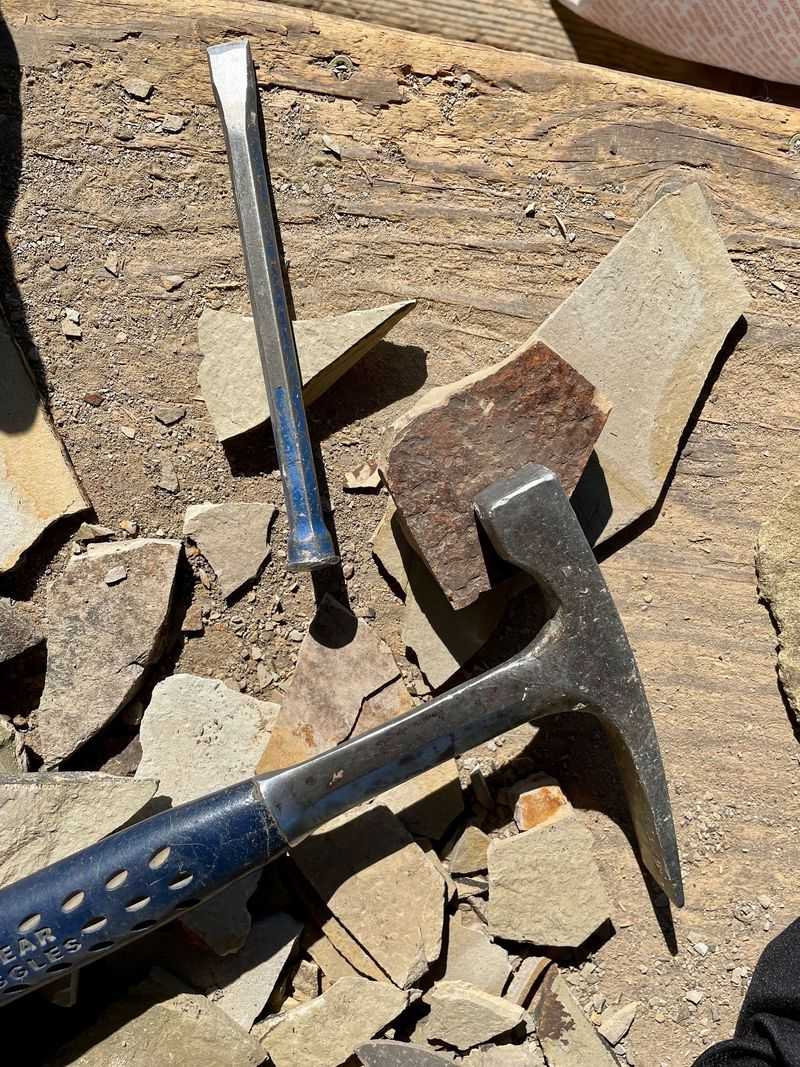
Here’s a pleasant surprise for beginners. You don’t have to own geology gear to join the hunt.
Tools are available to rent at the center, which keeps the outing simple. Smaller tools tend to work best for splitting thin shale layers.
You’re also welcome to bring your own. Pretty much any chisel will do the job, along with a small hammer.
Gloves are a smart addition to any kit. The slate and shale pieces have sharp edges that can nick bare hands quickly.
A sturdy container belongs on the list too. Buckets or boxes make it far easier to haul rocks to a table or carry finds back down.
Some regular diggers use five-gallon buckets as seats as well. It’s a clever two-for-one trick that spares your knees.
A soft cloth or newspaper helps protect fragile pieces on the ride home. After all that careful tapping, you’ll want your leaf fossils arriving in one piece.
Dress For Full Sun And Sharp Rocks
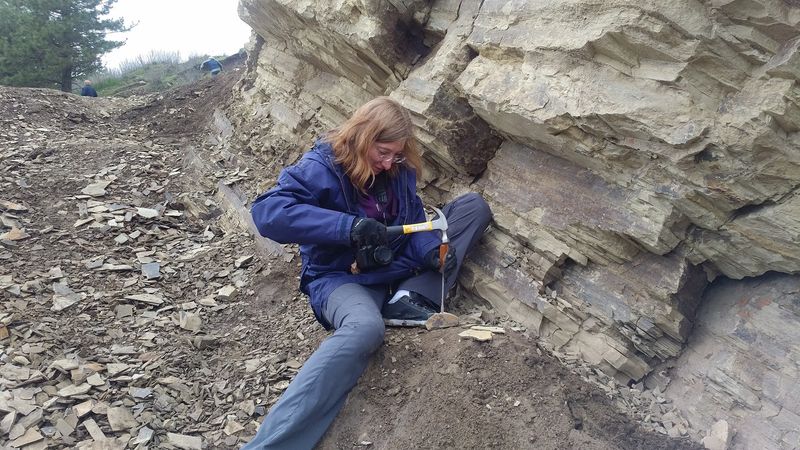
Sunscreen first, fossils second. The dig site sits in full sun with no shade during digging hours.
That means a hat, sunscreen, and plenty of water are essentials. Lightweight long sleeves can help on bright summer days.
Shorts might seem tempting, but pants are the better choice. You’ll be kneeling and sitting on sharp rock for a good while.
Footwear matters even more. Closed-toe shoes or hiking boots make that rocky slope much easier to handle.
Comfort gear can stretch your digging time. Knee pads, a foam pad, or a small cushion turn rough ground into a friendlier seat.
Pack snacks along with your drinks. Splitting rocks is oddly absorbing, and you may lose track of time.
Think of it like a day at the beach, minus the water and plus a chisel. Prepare well, and you can relax in the sunshine for hours while the hillside slowly gives up its secrets.
Little Hands, Big Discoveries
Kids and rocks are a natural pairing. Add the promise of hidden treasure, and you’ve got a very happy afternoon.
Families have made this work even with toddlers. The terrain can be manageable for little ones with some help from grown-ups.
The hillside does take effort for small legs. Plan for a slower climb and a few breaks along the way.
Once they’re up there, the treasure hunt takes over. Each split rock feels like opening a present, even when it’s empty.
The museum adds a learning layer that doesn’t feel like homework. Kids can match their finds to the displays and feel like real scientists.
A park sits right across the street from the center too. It’s a handy spot for running off energy, eating a packed lunch, or refilling water bottles.
That combination makes Stonerose an easy family win in Washington. Science, sunshine, and a souvenir they dug out themselves are hard for any kid to resist.
Honest Notes On Terrain And Accessibility
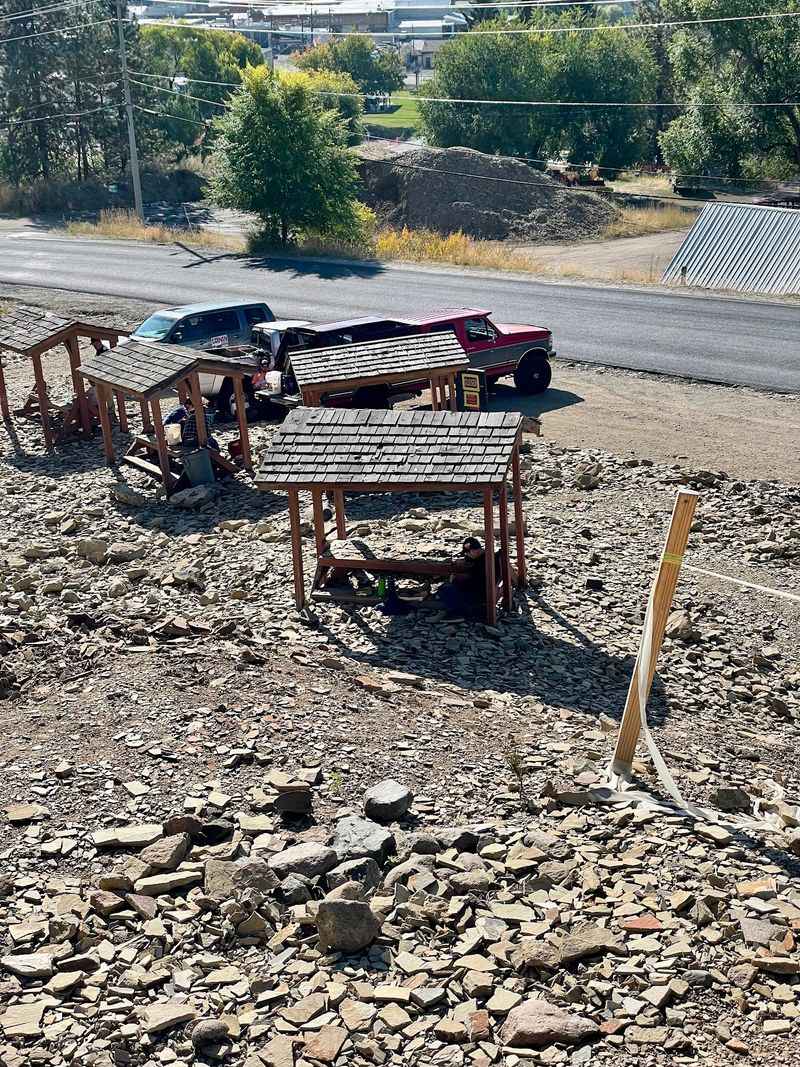
A little honesty helps everyone plan better. The dig site involves a steep slope of loose shale, and footing can feel unsteady.
Visitors who use wheelchairs, crutches, or walking aids may find the terrain very difficult. Folks with sore knees or foot trouble should think carefully before committing.
Parking right at the dig site is limited. Most of the space is shoulder parking that fits only a few vehicles.
Restroom access at the dig site isn’t something you should count on. Ask about facilities at the center before heading up.
The supply of fresh rock can vary over time. Parts of the bank may be roped off, so availability depends on what has been brought down.
Asking staff about current conditions is a smart move. They can tell you what to expect before you pay and climb.
The museum itself is an easier stop for anyone not up for the slope. Even without digging, the fossil displays and friendly guidance offer a worthwhile visit.
Timing Your Trip And Finding The Door
Mark your calendar before you gas up the car. Stonerose opens Wednesday through Sunday, from 9 AM to 5 PM.
Mondays and Tuesdays are closed. Showing up on either day would make for a very long drive with no fossils.
The dig site is seasonal, which is important for planning. Off-season visits may mean the hillside is closed even when the center is open.
You’ll find the center at 15 N Clark Ave, Republic, WA 99166. Start there to check in, pay the digging fee, and pick up tools.
Arriving early can pay off in more ways than one. Mornings may bring cooler air and a quieter hillside.
You can leave the site for lunch and return later. That makes it easy to break up a long day of digging.
Give yourself more time than you think you need. Many diggers end up wishing they had planned a full day instead of a quick stop.
Souvenirs With A Fifty-Million-Year Pedigree
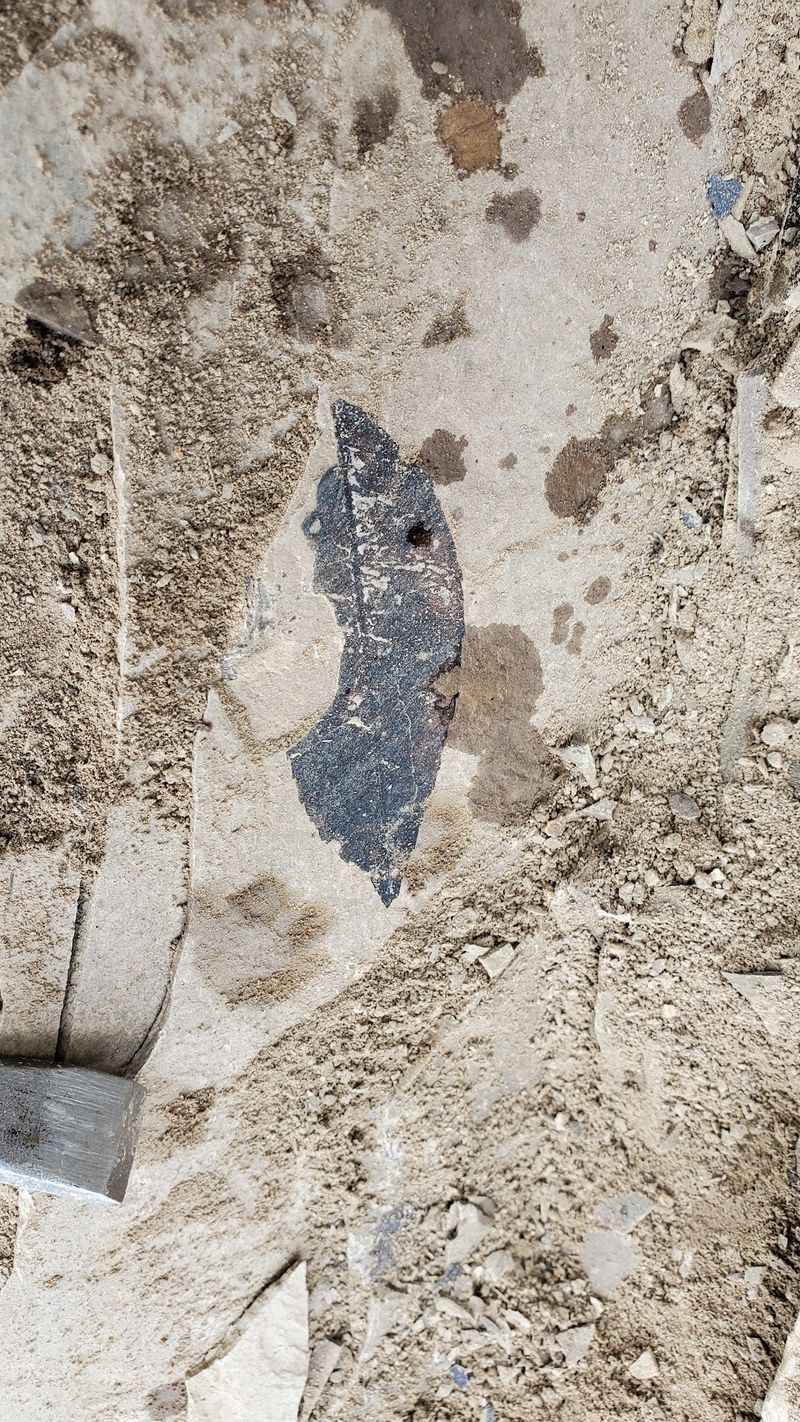
Most gift shops sell keychains. Stonerose lets you take home actual Eocene fossils you uncovered yourself.
There is a limit on how many fossils each person may keep. That rule helps protect the site for future hunters and scientists.
Even common finds make wonderful keepsakes. A leaf impression on a chunky slab looks great on a bookshelf or coffee table.
Some people get creative with smaller pieces. Turning tiny fossils into fridge magnets is a fun way to show them off every day.
The value feels pretty solid for a few hours outdoors. You get a museum visit, a guided look at your finds, and real history to carry home.
Wrap your treasures carefully before the drive. Shale can be fragile, and loose pieces may crack in a bumpy car.
Years later, that little leaf will still spark a story. It’s a souvenir that keeps reminding you how ancient the ground under Washington really is.
Worth The Long Road To Ferry County
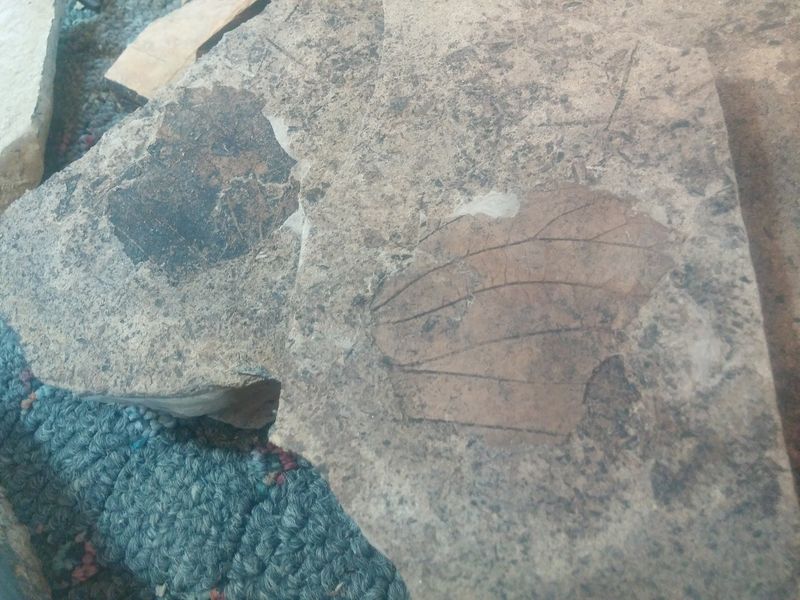
Few road trips end with you holding something older than the mountains around you. That alone makes Stonerose Interpretive Center & Eocene Fossil Site special.
It’s small, simple, and wonderfully hands-on. You learn the story indoors, then go find your own piece of it outside.
Not every visit produces a museum-worthy specimen. Some days bring only fragments, and that’s part of the gamble.
Still, the thrill of the hunt carries the experience. Cracking open a rock and spotting a leaf never gets old.
Families will find an easy, educational outing. Rock lovers and curious adults may find themselves planning a return trip before they leave.
Pack water, sunscreen, sturdy shoes, and a bucket. Then give yourself plenty of hours to tap away on that sunny hill.
I believe this is one of the most delightful little adventures in northeast Washington. Somewhere in that shale, a leaf is still waiting for its first sunshine in 50 million years, and it might be yours.