
This Washington Pioneer Village Keeps Dozens Of Old Cabins And A Schoolhouse Frozen In Time
A quick bathroom break on a drive through central Washington can turn into the best part of a road trip. That is exactly what happens to plenty of travelers who pull into one small-town museum and find a whole pioneer village waiting out back.
Weathered log cabins, old shops, and hands-on exhibits make the past feel close enough to touch. For families and budget-minded day-trippers, it is the kind of find that sticks with you long after the drive home.
A Small-Town Museum With a Frontier Town Out Back
Cashmere is the sort of Chelan County town you might zip past on the way to somewhere busier, and that would be a mistake. At 600 Cotlets Way sits the Cashmere Museum and Pioneer Village, a history museum that punches far above its small-town size.
The setup is simple but clever. Inside, two floors of exhibits cover Native history, archaeology, wildlife, and minerals.
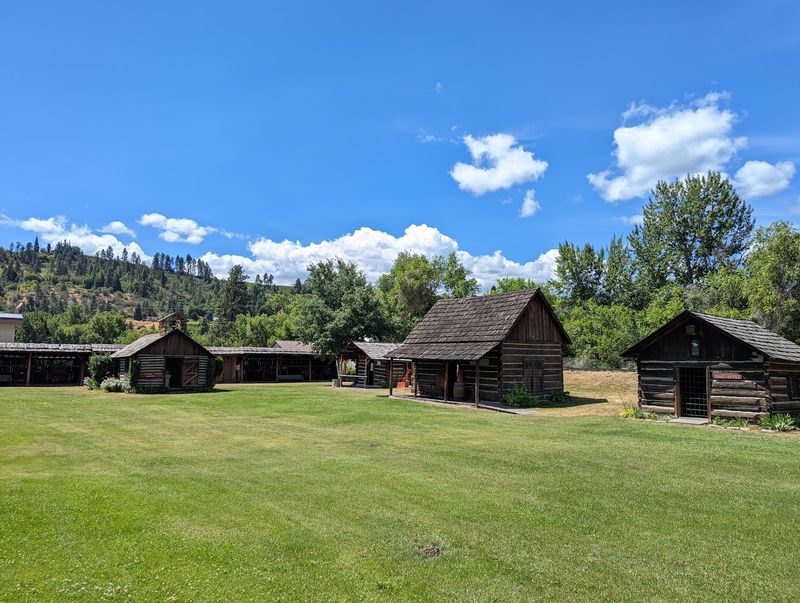
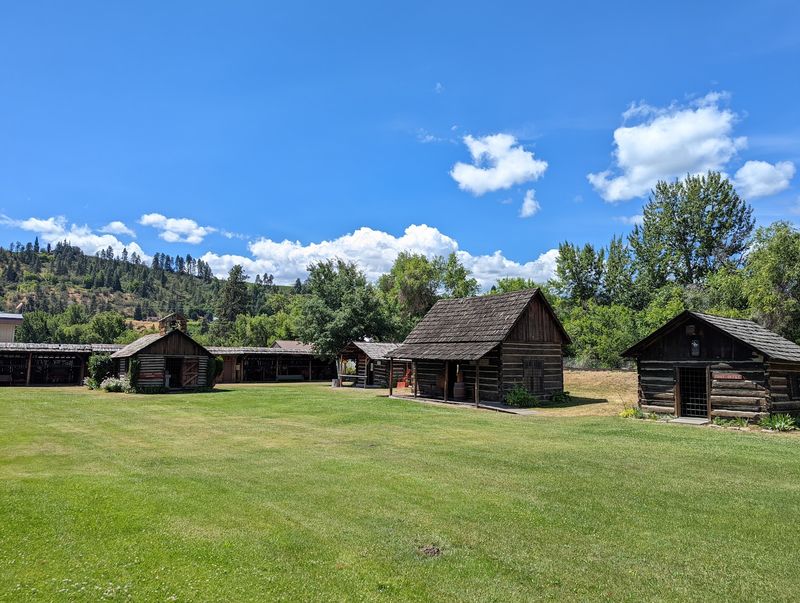
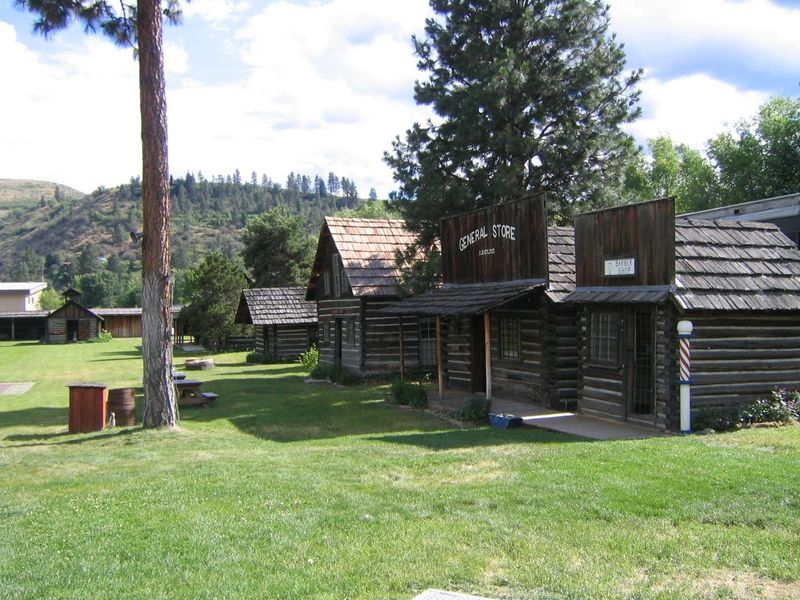
Outside, a full village of historic log buildings stretches across the grounds, giving visitors a chance to wander through the kind of settlement that once dotted this part of Washington.
Location is a big part of the appeal. The museum sits along the route many travelers take toward Leavenworth and Lake Chelan, which makes it an easy add-on for a weekend drive through the Wenatchee Valley.
Plenty of visitors admit they only stopped for a quick stretch or a restroom break. Many of them ended up staying an hour and a half or longer, surprised by how much history is packed into one modest property.
It is a classic case of a small stop becoming the highlight of the trip.
Ten Thousand Years in a Single Afternoon
Long before the first settler hammered a nail in this valley, people had been living here for more than 10,000 years. The museum takes that long view seriously, and its collection spans thousands of years of human life in north central Washington.
That timeline gives the whole visit a satisfying shape. You start with the earliest chapters, told through archaeological finds and Native artifacts, and then move forward to the era of homesteaders, shopkeepers, and log cabins.
By the time you step outside into the village, the story feels connected rather than scattered.
Visitors often describe the experience as professional and abundant, which is not what most people expect from a community museum. The displays are well organized, and the storytelling leans on real objects rather than flashy screens.
Everyday tools, household goods, and genuine antiques from generations past fill the rooms.
Even the prehistoric era gets a nod, with some animal exhibits reaching back well before human history. It is a lot of ground to cover, yet the museum manages it without feeling overwhelming.
Think of it as a time machine you can stroll through at your own pace, with a fresh surprise around each corner.
Two Dozen Authentic Log Buildings, Rescued and Relocated
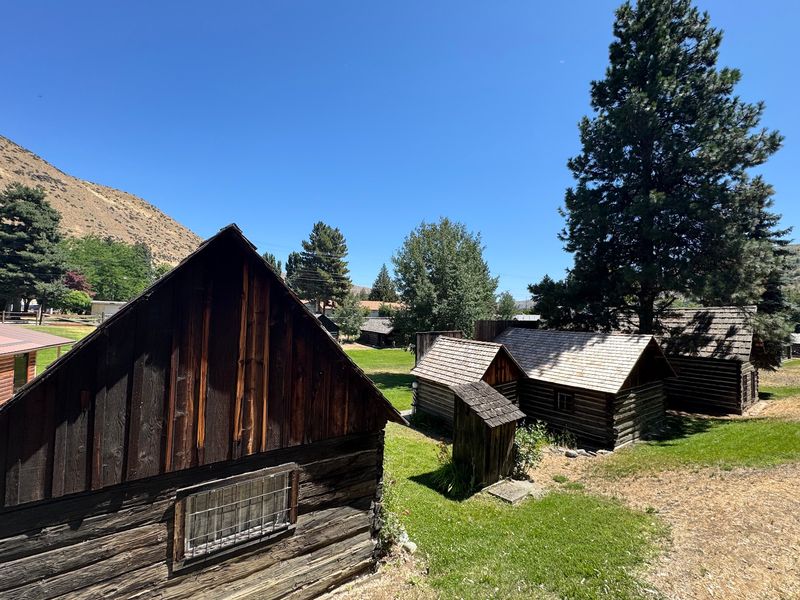
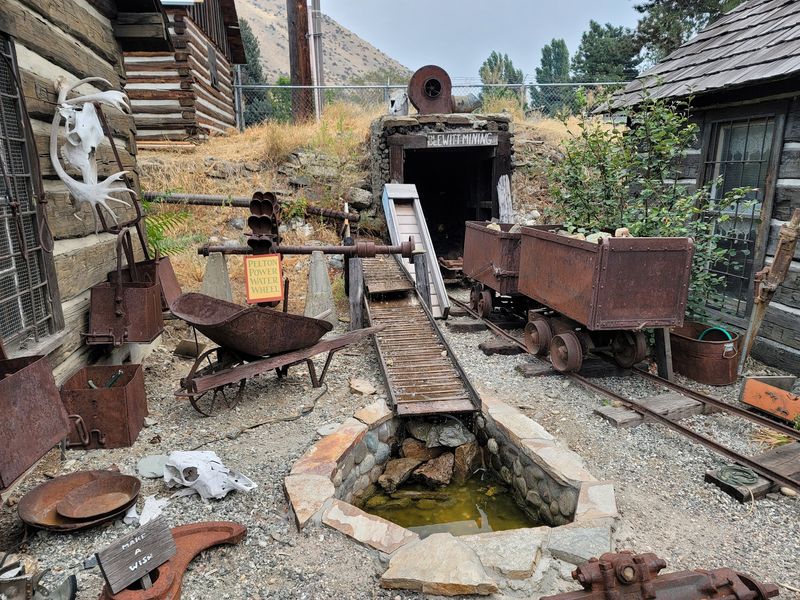
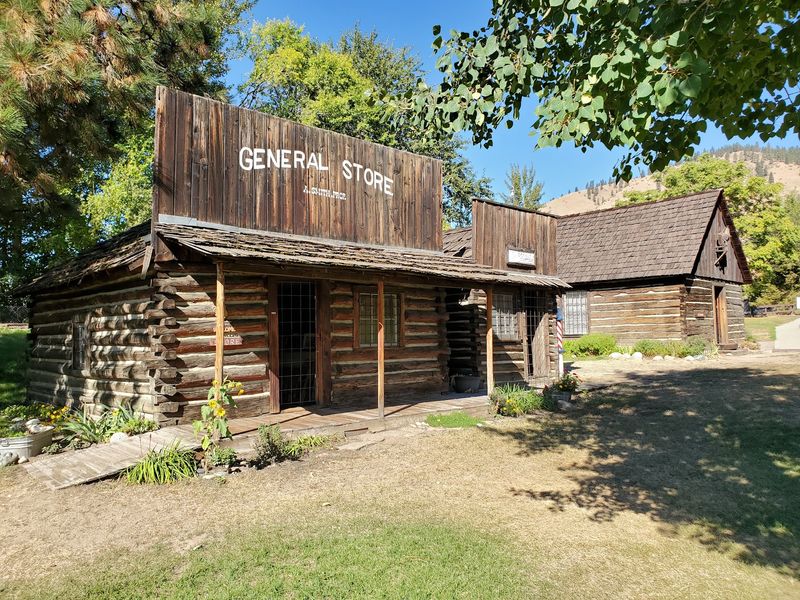
Here is the fun fact that surprises most first-timers: the cabins in the Pioneer Village were not built as replicas. They are authentic log structures gathered from within about a 40-mile radius and moved to the museum grounds.
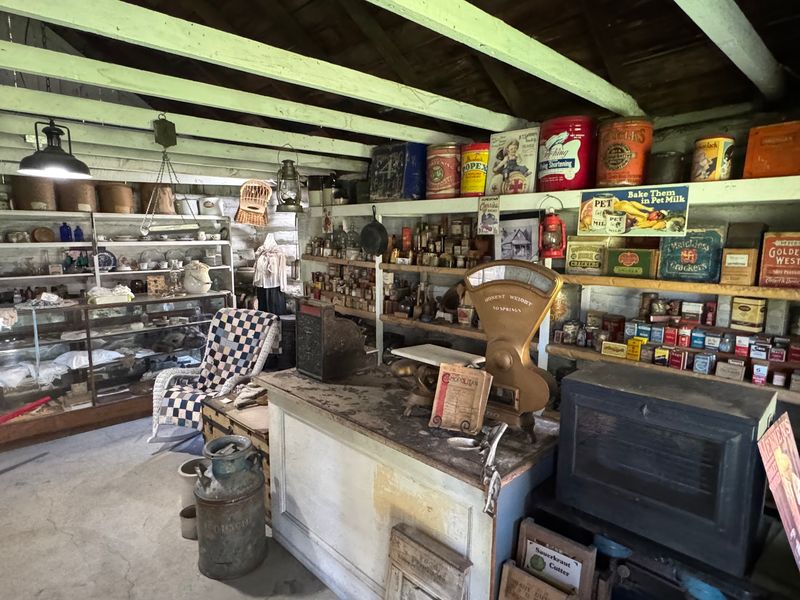
Around two dozen of these buildings now stand together, forming a little frontier town where there was none before. Some served as homes, while others represent the shops and workplaces that kept early communities running.
Walking the paths between them, you get a real sense of how early settlers lived and worked in this corner of Washington.
Relocating old buildings is no small task. Each cabin carries the marks of its original builders, and the weathered logs and compact rooms hint at how practical frontier life had to be.
Seeing so many side by side lets you compare them and imagine the families who once called them home.
For many guests, the village is the star of the show. Parents of young children say it is worth the trip all by itself, and history buffs appreciate that the structures are the genuine article.
Among the cabins and storefronts, you can almost hear the creak of wagon wheels.
Cabins You Can Walk Right Into
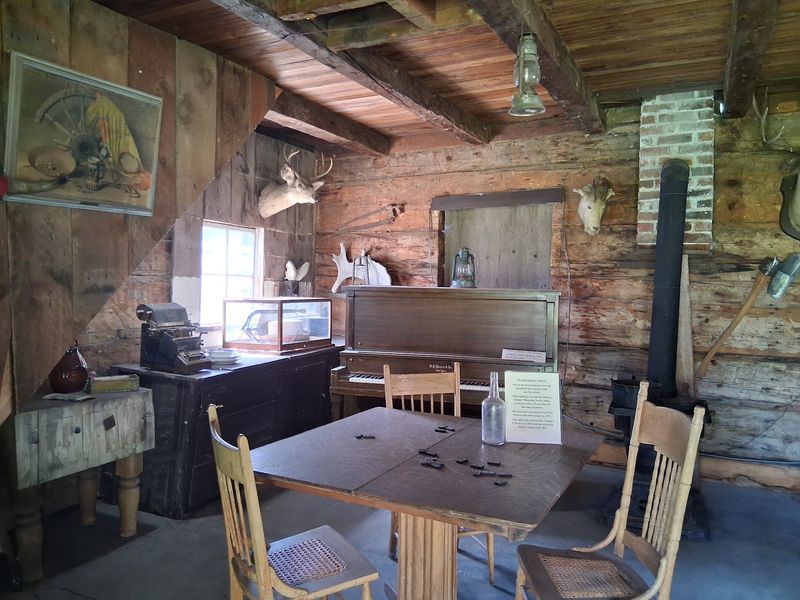
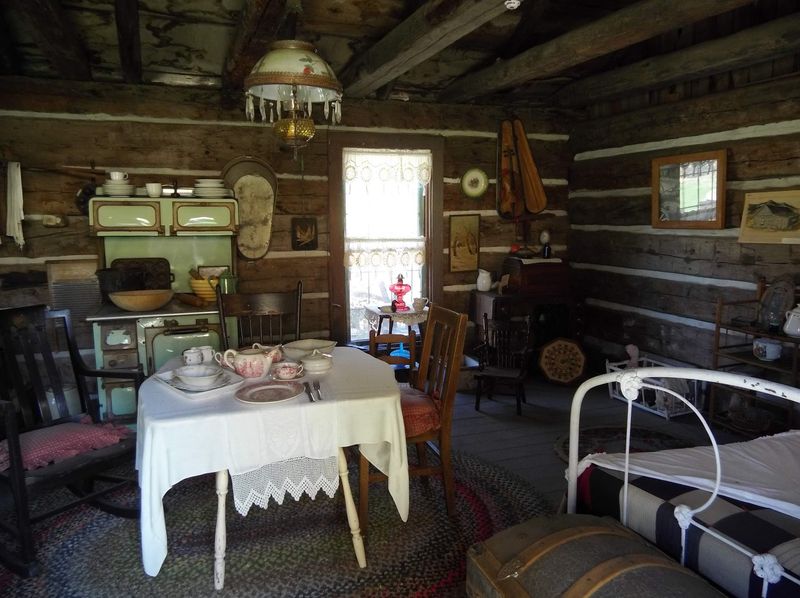
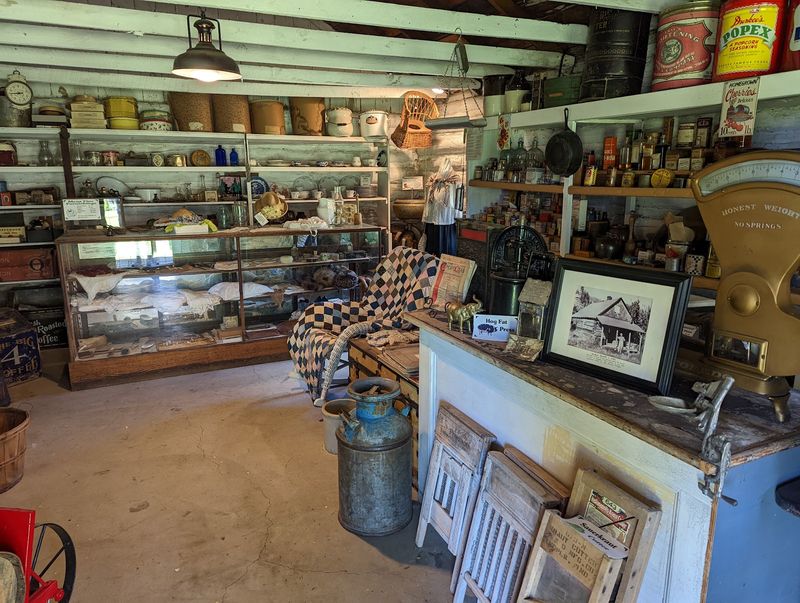
Museums usually come with an unspoken rule: look, but do not touch. The Pioneer Village bends that rule in the best way, since some of the historic buildings let you walk right inside and handle the items on display.
That hands-on access changes everything, especially for kids. Instead of peering through glass, young visitors can stand where pioneer families stood, notice how small the rooms were, and get a feel for the tools and furnishings people relied on.
Many cabins are packed with artifacts, so every doorway opens onto a new scene.
Children tend to love hopping from one cabin or shop to the next, treating the village like a real town to explore. Adults get plenty out of it too.
Grown-ups often say the experience brings back the wide-eyed feeling of a grade school field trip, which is about as nice a compliment as a history museum can earn.
A little tip: wear comfortable shoes. The village involves plenty of walking, and the outdoor paths are part of the adventure.
On a dry day, it is easy to lose track of time wandering from porch to porch.
The Upstairs Gallery of Native History
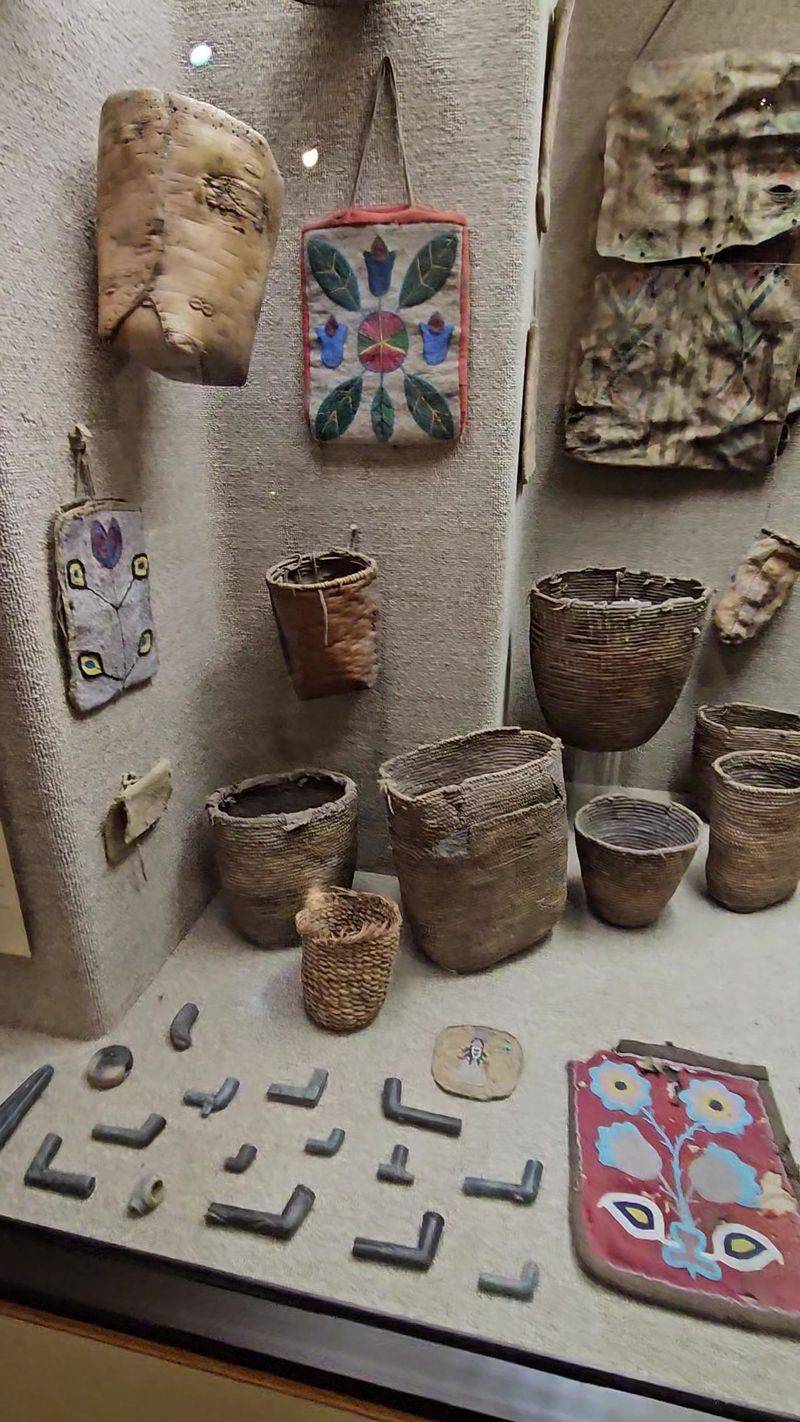
Climb the stairs and the mood shifts. The upper floor is devoted largely to Native American history, and many guests call it one of the finest collections of its kind they have seen anywhere.
The displays highlight the tribes who lived in this region for thousands of years, with artifacts representing Northwest peoples as well as Plains tribes. Tools, mortar and pestles, and everyday objects help tell detailed stories about how communities lived and adapted to the land.
Archaeological finds add even more depth to the collection.
A standout section explores how Native people used local plants to treat common ailments. It is the kind of practical, fascinating detail that sticks with you, and it connects the exhibits to the hillsides and river valleys just outside the door.
What makes the floor so memorable is its sense of care. The presentation is thoughtful and well organized, giving each piece room to speak.
Some guests have gone so far as to compare it favorably with exhibits in major big-city museums.
Plan to linger here. Readers who love details will find plenty to absorb, though some older visitors wish a few labels used a larger font, so reading glasses might come in handy.
Gems, Minerals, and a Menagerie of Dioramas
Kids have a clear favorite, and it lives downstairs. The lower floor mixes glittering gems and minerals with lifelike dioramas of animals and birds, and young visitors tend to plant themselves in front of the displays with noses nearly pressed to the glass.
The wildlife scenes do a great job of showing the creatures that share this part of Washington, arranged in natural-looking settings. It is a quick way for children to learn which animals call the surrounding forests and hills home.
Many families say these displays are what their kids talk about on the ride home.
Rock hounds will appreciate the mineral collection, which adds a colorful, sparkly contrast to the earth-toned artifacts elsewhere in the building. And then there are the prehistoric touches, which stretch the story of local wildlife far back before any cabin was built.
Pioneer dioramas are another highlight worth slowing down for. The miniature scenes capture moments from early settlement life, and they pair nicely with the full-size village out back.
Seeing a tiny version first, then walking through the real buildings, helps the history click for younger minds.
It is a floor that rewards curiosity at any age.
Audio Tours in English and Spanish
Scan, listen, and learn. That is the rhythm of a self-guided tour here, where QR codes posted around the property launch audio explanations of each building in the Pioneer Village.
The system is refreshingly easy. Point your phone at a code, and a short recording fills in the backstory, turning a simple log structure into a place with a history and a purpose.
Recordings are available in both English and Spanish, which makes the museum more welcoming to a wider range of Washington families.
Prefer a more traditional approach? A headset guided tour has been offered for a small extra fee, around $2 based on past visits.
It is a nice option for anyone who would rather not rely on a phone or wants steady narration while exploring.
Of course, you can also skip the audio entirely and just wander. The museum is fully self-guided, so you set the pace.
Quick visitors can see the highlights in about an hour, while curious types happily stretch it into several.
Either way, the audio layer adds a surprising amount of depth. Buildings that look alike at first glance suddenly have distinct personalities once you hear their stories.
Scavenger Hunts, Costumes, and Little Explorers
Few things keep a nine-year-old focused like the promise of a prize. The museum knows it, and its kid-friendly scavenger hunt sends young explorers searching through the exhibits for clues, with free prizes waiting at the end.
Parents say the hunt holds attention surprisingly well. Instead of drifting through rooms, kids actively look at the displays, reading labels and spotting details they might otherwise miss.
It quietly turns a museum visit into a game, and the learning happens almost by accident.
Then there are the costumes. The museum has loaned out complimentary costumes for children, and they make for adorable photos out among the cabins.
Older kids may feel too grown-up for dress-up, but little ones tend to love playing the part of a frontier shopkeeper or settler.
Families with children as young as five report a great time, and tweens enjoy it too. The size helps here.
The museum is just right, not so big that small legs give out and not so small that older kids get bored.
For households watching every dollar, that combination of built-in activities and reasonable admission is hard to beat.
Lunch Beneath the Grand Oak
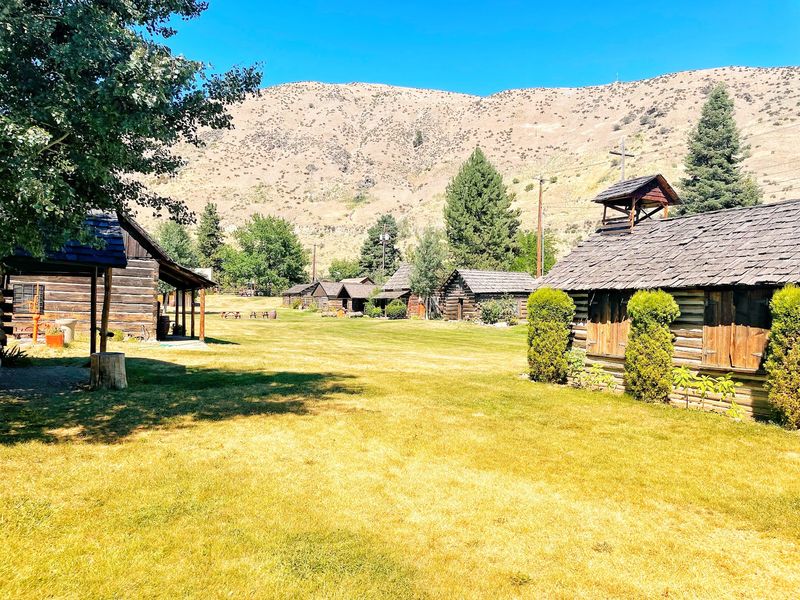
Pack a sandwich. One of the nicest surprises at the museum has nothing to do with artifacts at all, because the grounds include a picnic area, complete with a grand oak tree that visitors rave about.
For road-tripping families, that is a genuine bonus. Instead of hunting for a restaurant, you can spread out a simple lunch in the shade, let the kids recharge, and then head back into the exhibits with fresh energy.
It keeps costs down and keeps the day relaxed.
The mix of indoor and outdoor spaces works in your favor too. When the afternoon heats up, you can duck into the indoor galleries, then step back out when you are ready to stroll the village again.
It is an easy way to stay comfortable during a warm summer visit.
Weather does matter, though. Rainy days make the outdoor portion a soggy adventure, though guests who braved the drizzle still felt it was worth it.
A light rain jacket or umbrella goes a long way on cloudy days.
The atmosphere is peaceful as well. On quieter afternoons, especially Sundays, you might have much of the place nearly to yourself, which makes that shady lunch spot feel downright luxurious.
Friendly Hosts and a Gift Shop Full of Local Talent
Warm welcomes go a long way, and the staff here earn consistent praise for being friendly, knowledgeable, and genuinely happy to help. Whether you need directions to the village or a little extra background on an exhibit, the people behind the desk make it easy to ask.
That personal touch fits the small-town character of the museum. It feels less like a big institution and more like a community sharing its pride.
Many visitors leave talking about the people as much as the collection.
Before you go, save a few minutes for the gift shop. It offers a good selection of items for all ages, and it stands out for highlighting local authors and artists.
That makes it a thoughtful place to find a souvenir with real roots in the region.
Picking up a book by a local writer or a piece made by a nearby artist is a lovely way to stretch the memory of your visit. It also supports the creative community that helps keep towns like Cashmere so charming.
Kids can usually find something small and fun to take home, too.
A cute, well-stocked shop makes the perfect final stop.
Hours, Admission, and Getting There
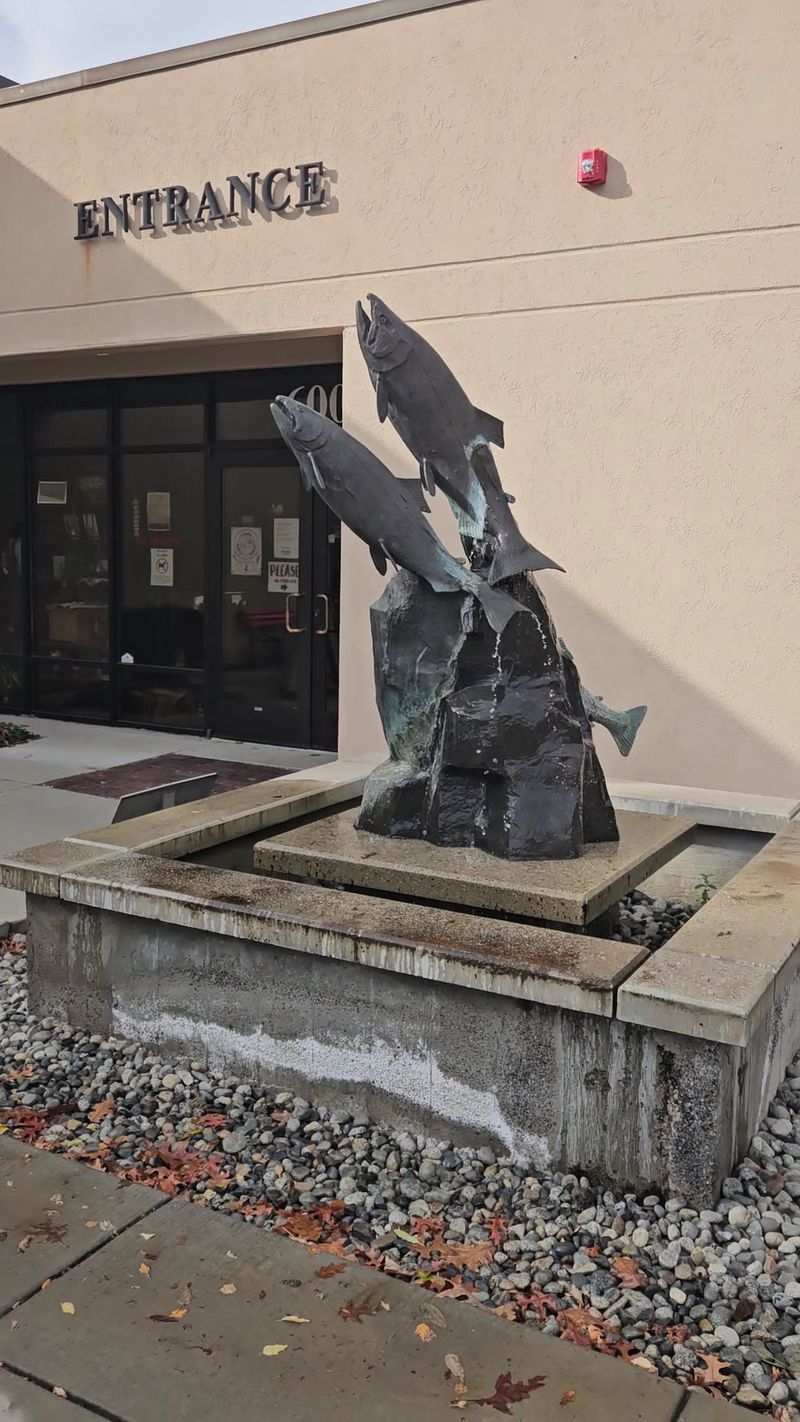
Timing your trip is simple once you know the schedule. The museum is open Wednesday through Sunday from 10 AM to 4 PM, and it closes on Mondays and Tuesdays.
Admission is modest for what you get. Past visitors have reported paying around $6.50 per person with a AAA discount, and a larger family found that spending about $50 for the whole group turned out to be an incredible deal.
Prices can change, so it is smart to check current rates before heading out.
You will find the museum at 600 Cotlets Way in Cashmere. It makes an easy stop for anyone driving through the Wenatchee Valley toward Leavenworth or Lake Chelan, so it pairs naturally with a weekend getaway in the Cascade foothills.
How long should you stay? A quick visit takes about an hour, but many guests spend several hours, especially with kids working through the scavenger hunt.
Give yourself at least 90 minutes to enjoy both floors and the village without rushing.
Arriving earlier in the day leaves room for a picnic and a relaxed stroll before the 4 PM close. Midweek and Sunday afternoons can be pleasantly quiet, too.
A Small-Town Stop With a Big Payoff
So, is it worth pulling off the road? For families, retirees, and anyone who loves a good slice of history, the answer leans strongly toward yes.
The Cashmere Museum and Pioneer Village offers something rare: a genuinely rich experience at a price that will not strain a household budget. Between the two floors of exhibits, the relocated log cabins, the kid-friendly activities, and the shady picnic spot, it packs a full day of memories into a modest property.
It suits many kinds of travelers. Young kids get costumes and treasure hunting, older kids get wildlife dioramas and sparkly minerals, and adults get thoughtful Native history and authentic frontier buildings.
Grandparents treating the grandkids may find it an especially satisfying outing.
Expectations play a role, too. Plenty of people arrive thinking it will be a quick look at a simple local collection and leave amazed at the depth.
That feeling of discovering something better than you imagined is what makes the place so easy to recommend.
Next time a drive takes you through central Washington, consider saving a morning or afternoon here. The cabins will be waiting, frozen in time and ready to share their stories.