
This Washington State Park Lets You Watch Wild Orcas From Shore (No Boat Needed)
Let’s be honest here. My seasickness is legendary. Put me on a floating vessel of any size, and I instantly become a chum-dispensing machine for local marine life.
That’s why discovering Washington’s ultimate whale-watching spot without the agony of bobbing waves felt like hitting the jackpot.
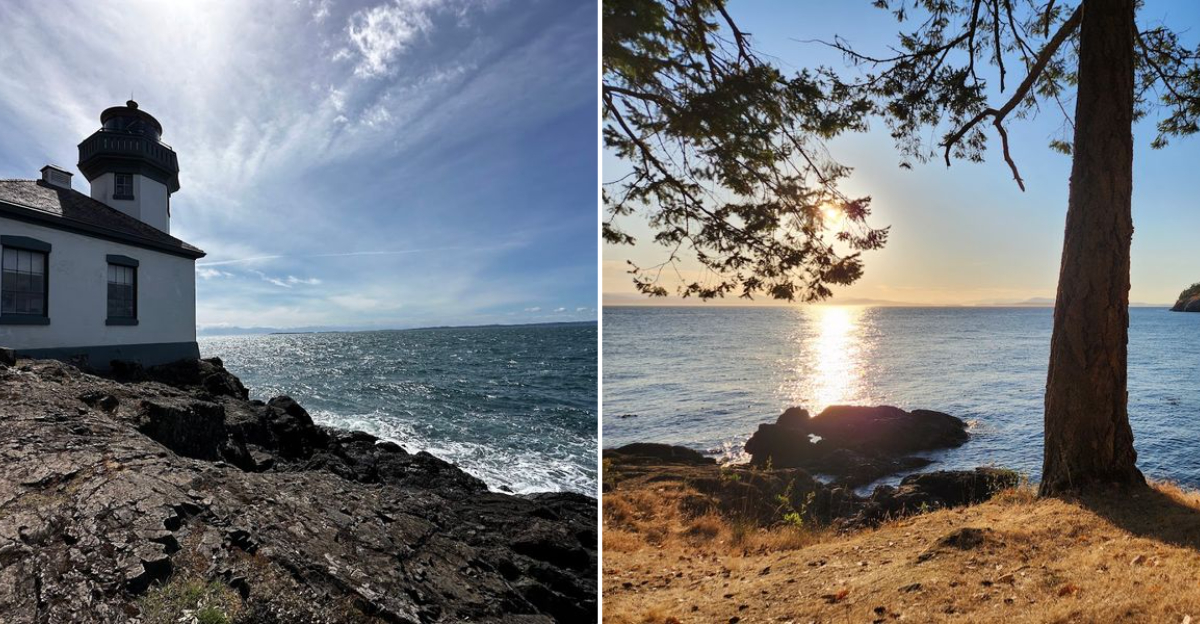
I found myself perched on a dramatic bluff, nursing a thermos of lukewarm coffee, waiting for the main event. And boy, did it deliver.
Without spending a dime on a crowded charter boat or praying my stomach survived the swells, a pod of wild orcas casually cruised by just feet from the rocky shore. It was the kind of heart-stopping, majestic wildlife encounter usually reserved for expensive National Geographic specials.
If you prefer your marine adventures firmly planted on dry land where your dignity remains intact, this rugged Pacific Northwest sanctuary is basically paradise found.
A Whale Watching Marvel
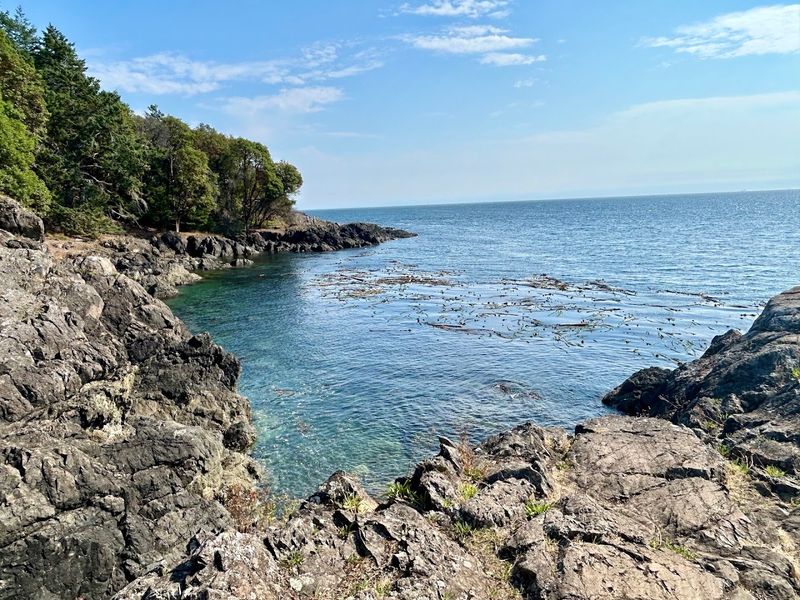
Here is a fact that sounds almost too wild to believe: the ocean floor in Haro Strait plunges to 960 feet deep within just 25 feet of the shoreline at Lime Kiln Point.
That extraordinary underwater geography is the entire reason wild orcas swim so close to land here, making shore-based whale watching genuinely world-class.
Because the deep channel runs tight against the bluff, marine mammals have no reason to stay far offshore. Visitors have stood on the rocks and watched Southern Resident orcas breaching and spyhopping close enough to see their eye patches clearly. No zoom lens required for moments like that.
The channel also funnels chinook salmon, the primary food source for resident orcas, right past the park. Where the salmon go, the orcas follow.
Understanding this simple ecological chain helps explain why Lime Kiln Point is consistently ranked among the best land-based whale watching sites anywhere on the planet.
The Southern Resident Orcas You Are Likely To See
Not all orcas are alike, and the ones most commonly spotted from Lime Kiln Point belong to a very specific and special group.
The Southern Resident killer whales, organized into J, K, and L pods, are a genetically distinct population that has called the Salish Sea home for generations. Seeing them here carries real emotional weight because they are also a federally endangered population.
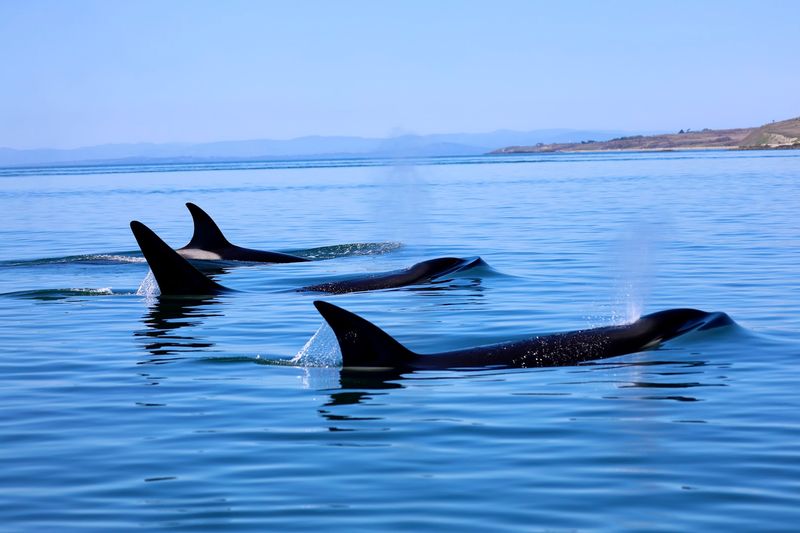
J pod tends to visit most frequently during summer months, while K and L pods swing through less predictably. Spotting a full pod traveling together, fins cutting through the steel-blue water in perfect unison, is one of those sights that genuinely stops conversation mid-sentence.
Beyond orcas, minke whales, gray whales, and humpbacks also pass through Haro Strait seasonally. Porpoises, harbor seals, Steller sea lions, and river otters round out the marine mammal checklist.
Bald eagles overhead complete the scene in the most Pacific Northwest way imaginable.
Best Times To Plan Your Visit For Whale Sightings
Timing your visit thoughtfully makes a real difference at Lime Kiln Point. Late spring through early fall is the prime window, with May through September generally offering the highest probability of orca sightings.
Summer months bring the longest days and the most visitor activity, but the whales do not follow a strict calendar, so patience always helps.
Tidal conditions and salmon migration patterns influence when and where the orcas appear on any given day. Morning and late afternoon tend to produce calmer water surfaces, which makes spotting fins and spyhops considerably easier than during midday chop.
Arriving early also means securing a good spot on the rocky bluff before crowds build. The good news for off-season travelers is that whales can appear year-round.
Winter visits carry a quieter, more solitary atmosphere that many seasoned visitors actually prefer. Humpbacks and gray whales pass through in spring and fall, giving non-summer visitors their own rewarding encounters along the strait.
Lighthouse Standing Since 1919
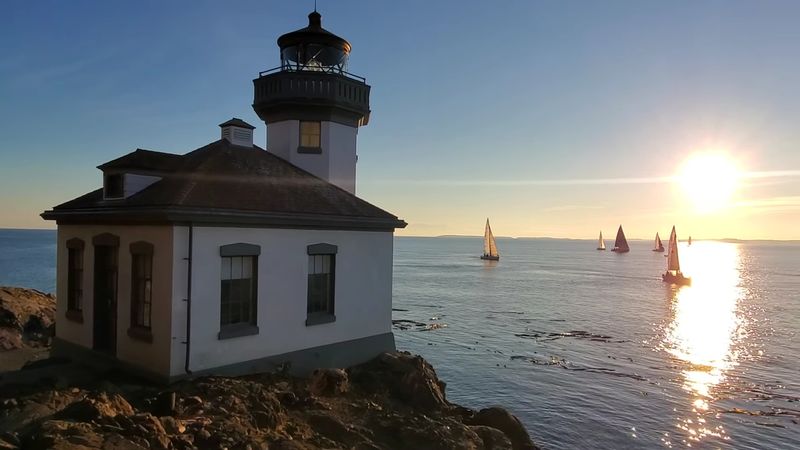
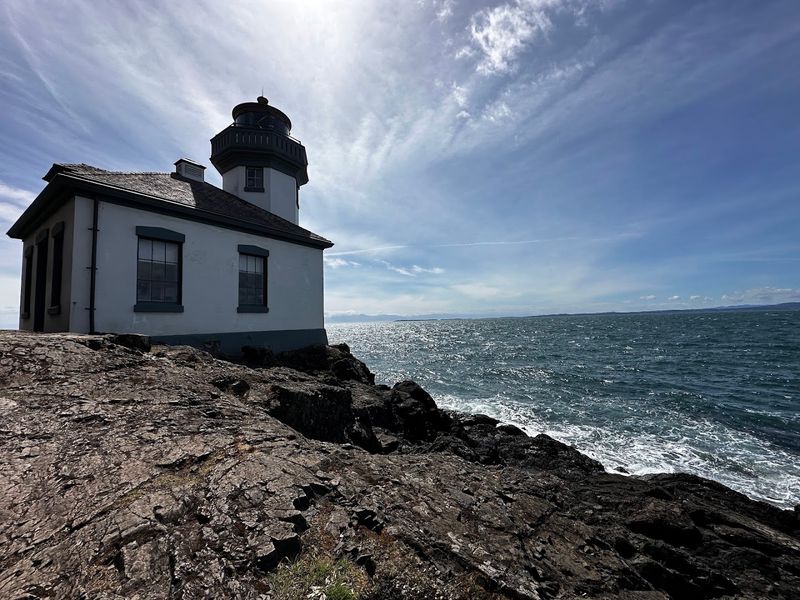
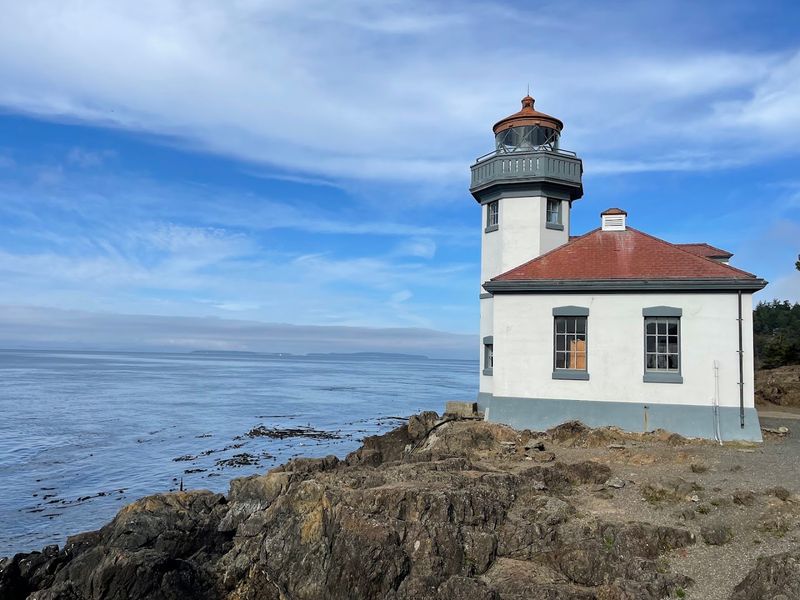
Some lighthouses look decorative. The Lime Kiln Lighthouse looks like it was built to survive the apocalypse.
Designed by Carl Leick and completed in 1919, the reinforced concrete structure was constructed to withstand the brutal Pacific Northwest weather that regularly batters this exposed western shoreline. It still functions as an active navigational beacon today.
The lighthouse stands 38 feet tall and is open for public tours Thursday through Sunday from noon to 4 p.m. during summer months, running from Memorial Day through Labor Day.
Stepping inside offers a close look at the mechanics of a working light station and the kind of views that make photographers forget to breathe. A hydrophone installed at the lighthouse research station allows visitors to actually listen to live orca calls transmitted from underwater microphones in the strait.
Hearing those haunting, musical sounds while watching fins break the surface nearby creates a full-sensory experience that no nature documentary can truly replicate.
The Fascinating History
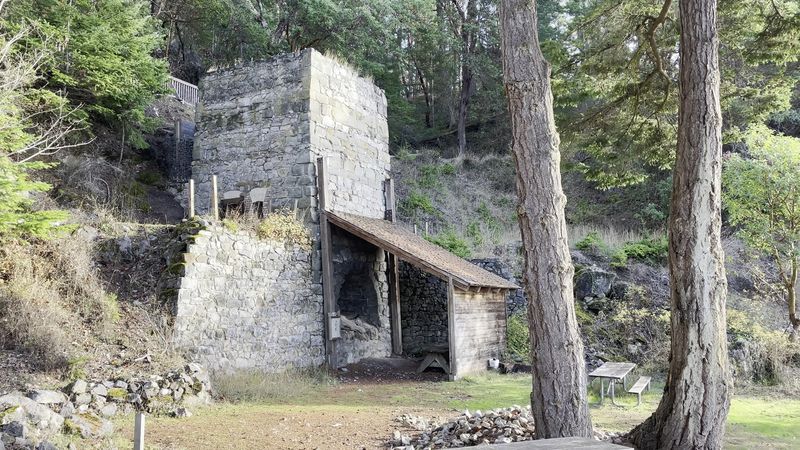
Long before anyone came here to watch whales, this stretch of San Juan Island was an industrial site.
Limestone deposits were reported here in 1860, and the San Juan Lime Company, founded by Lyman Cutler, began extracting and processing lime that was essential for construction projects across the entire West Coast.
The kilns burned around the clock during peak operation. Lyman Cutler is a name San Juan Island history buffs will recognize for another reason entirely.
He was the man whose shooting of a Hudson Bay Company pig in 1859 sparked the Pig War, a tense boundary dispute between the United States and Britain that lasted over a decade without a single human casualty.
The lime kilns operated until 1935, when economic downturns, newer technology, and dwindling deposits made the business unviable.
The restored stone kilns still stand in the park today, and the San Juan Lime Company site was added to the National Register of Historic Places in 2006. Walking past them connects visitors to a surprisingly industrial chapter of island history.
The Interpretive Center
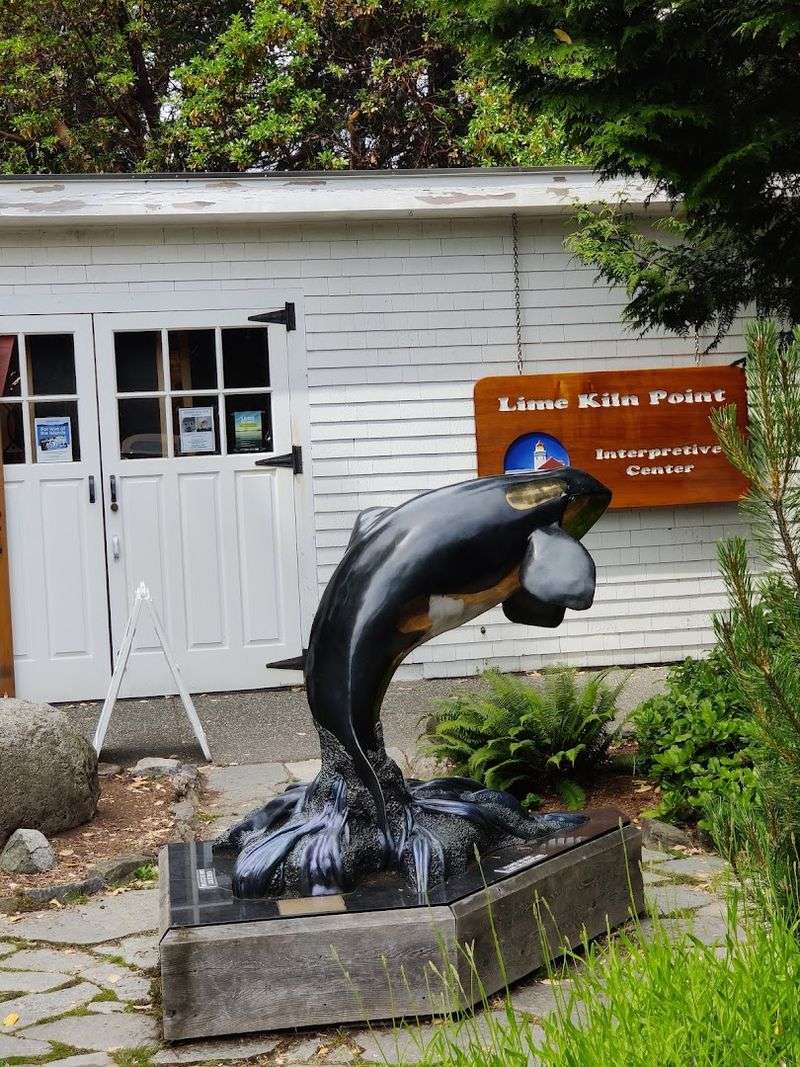
Converted from an old Coast Guard garage into a genuinely engaging educational space, the Lime Kiln Point Interpretive Center is one of the park’s underrated highlights.
Open from Memorial Day through Labor Day and staffed by knowledgeable volunteers, it offers hands-on exhibits covering orca biology, local marine wildlife, and the lime mining history that shaped this coastline.
Volunteer naturalists lead marine mammal programs and guided walks that add real depth to what you see from the bluff. Asking them about recent sightings is always worthwhile since they track whale activity closely and can point you toward the most productive viewing spots on any given day.
The center also provides context for the hydrophone system at the nearby lighthouse research station, explaining how researchers use underwater sound recordings to study orca communication and behavior.
Kids especially respond to the hands-on displays, and parents tend to linger longer than they expected. Plan at least 30 minutes here before heading to the water’s edge.
Hiking Trails And Getting Around The Park
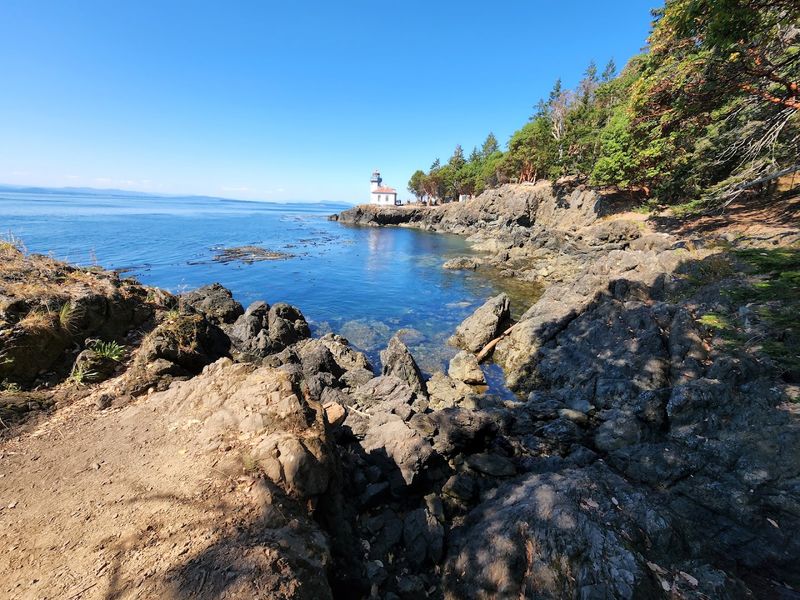
Covering about 36 acres, Lime Kiln Point State Park is compact enough to explore thoroughly in a single day without feeling rushed.
The park offers 1.8 miles of trails total, with 0.2 miles fully ADA accessible, making the main viewing areas reachable for visitors with mobility considerations. Trails are generally gentle and well-maintained, winding through forest and along the dramatic rocky shoreline.
Eighteen picnic sites are scattered across the park, including one ADA-compliant location, making a packed lunch a perfectly reasonable plan.
The views from the picnic areas are good enough that you might spend more time scanning the water than eating. Restrooms, drinking water, and accessible parking areas are all available on site.
One detail worth noting before arrival: overnight camping is not permitted here. Lime Kiln Point is a day-use-only park, with hours running from 8 a.m. to dusk year-round.
Visitors needing camping accommodations should look into nearby San Juan County Park, which sits just a short drive up the road.
Practical Tips For Getting There
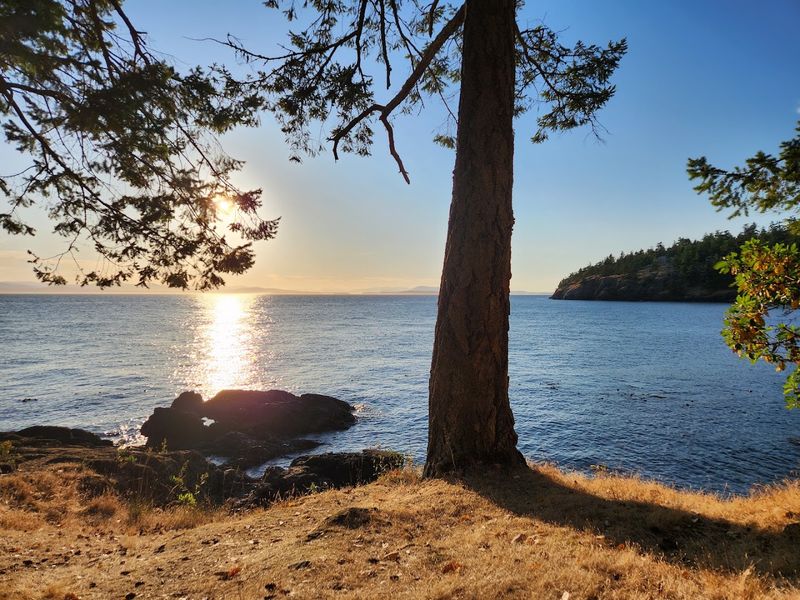
Reaching Lime Kiln Point requires a bit of planning, which is part of what keeps the experience feeling special rather than overrun.
San Juan Island is accessible by Washington State Ferry from Anacortes, with the ferry dropping you in Friday Harbor, the island’s main town. The park sits about 12 miles from Friday Harbor via Westside Road, roughly a 20-minute drive.
Renting a car, scooter, or bicycle in Friday Harbor gives you the flexibility to explore the island at your own pace. The drive along Westside Road is scenic in its own right, passing farms, rolling meadows, and glimpses of the water before the park entrance appears on the left.
Parking requires a Washington State Discover Pass. A one-day pass costs $10, and an annual pass runs $45, which pays for itself quickly if you visit multiple state parks during your trip.
Arriving on foot or by bicycle means no pass is required at all, which makes cycling from Friday Harbor a surprisingly appealing option for the adventurous visitor.
Food, Wildlife Apps, And Other Helpful Resources
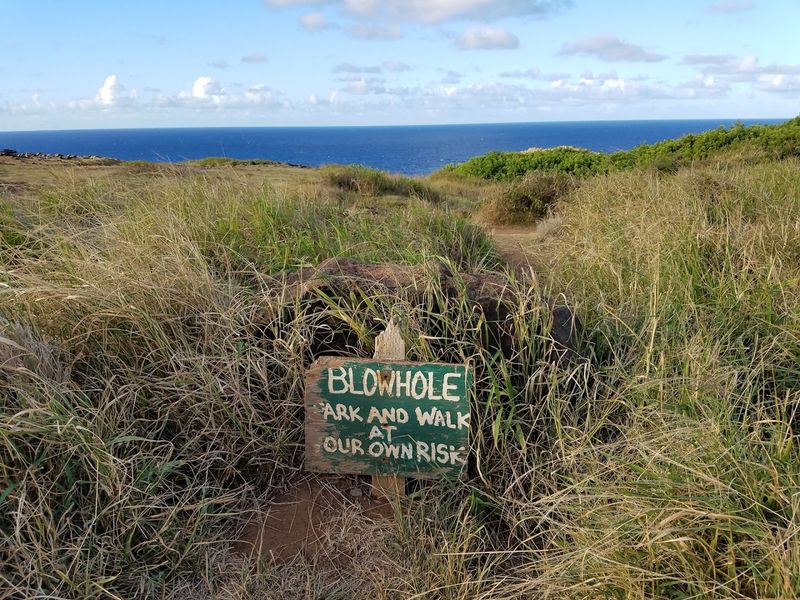
Spending a full day at the park is very doable, especially with The Blowhole on site.
Officially named The Blowhole: Snacks with a Porpoise, this cheerfully branded food stand operates Wednesday through Monday from 10 a.m. to 6 p.m., May through September, offering snacks and beverages for visitors who did not pack their own provisions. The name alone is worth the trip.
For whale tracking before and during your visit, two resources stand out. The Whale Alert app aggregates real-time sightings reported by boaters and researchers throughout the Salish Sea.
The Orca Network also maintains a viewpoint map that shows recent confirmed sightings near shore-based locations including Lime Kiln Point.
Checking the sign posted at the lighthouse upon arrival is equally useful, as park volunteers update it regularly with the most recent whale sightings, including direction of travel and approximate distance from shore. Binoculars significantly improve the experience, so pack a pair if you own one.
The park welcomes leashed dogs in day-use areas, though not on beaches or in buildings.
The Coast Salish Heritage
Before the lighthouse, before the lime kilns, and long before the first tourist set foot on this bluff, the Coast Salish Indigenous peoples lived and thrived throughout these islands.
Their relationship with the land and waters of San Juan Island stretches back thousands of years, shaped by deep knowledge of the tides, the salmon, and the marine mammals that still pass through Haro Strait today.
The orcas held significant cultural meaning for Coast Salish communities, appearing in art, ceremony, and oral tradition across generations. Standing at Lime Kiln Point with that history in mind adds a layer of meaning to every whale sighting that goes well beyond simple wildlife tourism.
Taking a moment to acknowledge this heritage while visiting feels appropriate and respectful.
The landscape here has witnessed thousands of years of human connection to the natural world, and the park itself, with its interpretive programs and conservation focus, works to honor that legacy while welcoming the curious travelers who come seeking their own unforgettable moment with the sea.