
This Washington Suspension Bridge Opens Into A Forest Of Ancient Cedar Giants
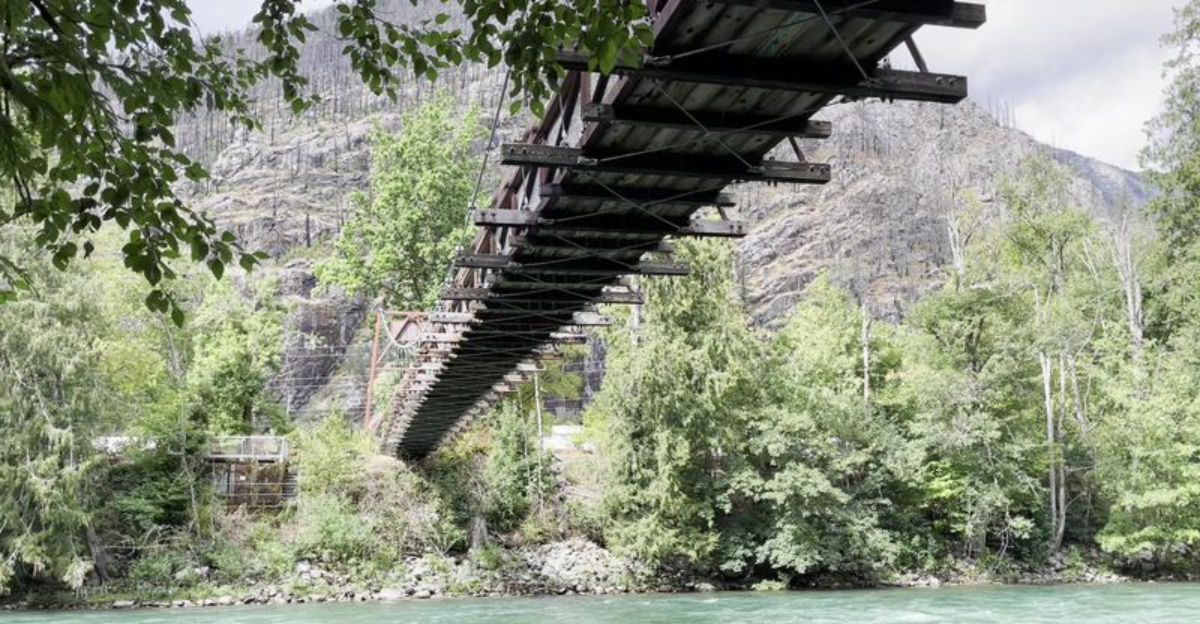
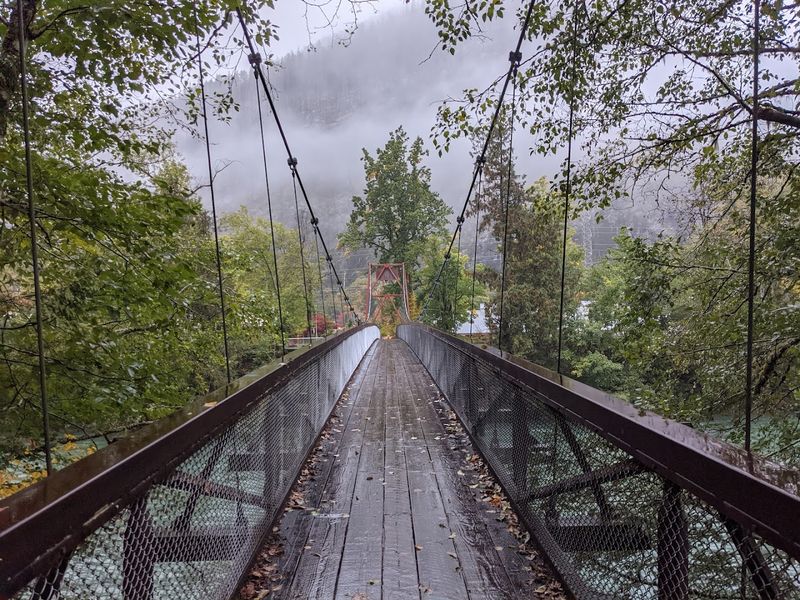
My palms were sweating, and no one told me bridges in Washington could be quite so adventurous. That suspension structure bobbed and weaved like it had a mind of its own, testing my resolve with every step.
But then the forest opened up, and suddenly I understood why people make this journey.
The cedars stood like cathedral columns, their bark thick enough to hide years of secrets, their heights vanishing into a misty green ceiling. Walking among these ancient warriors of wood felt humbling-like stepping into a living museum where every needle and branch whispered stories from centuries past.
My fear of the bridge quickly transformed into pure awe, and I found myself reaching out just to touch bark that predated every modern convenience I rely on daily.
A bouncy 250-foot bridge built in 1969 is your ticket into a short but spectacular loop through old-growth forest, interpretive history, and river scenery that will stay with you long after you drive home.
The Suspension Bridge Over The Skagit River
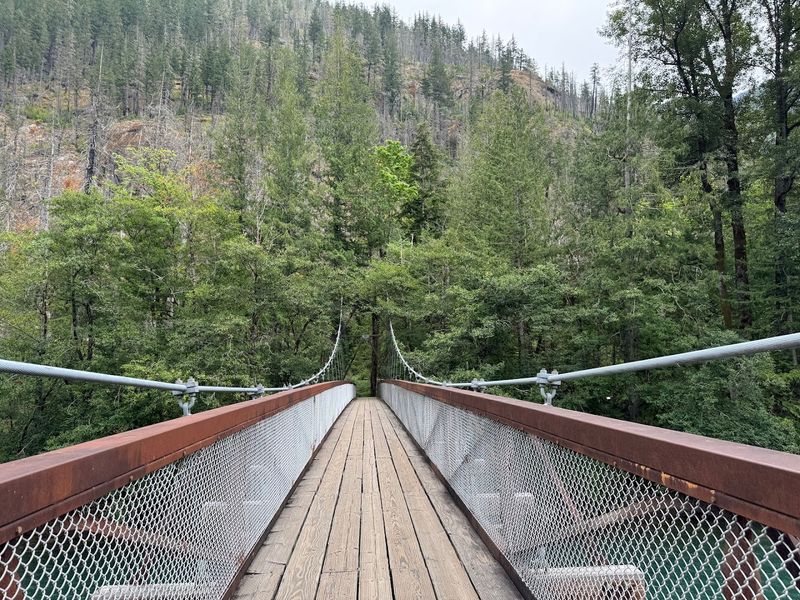
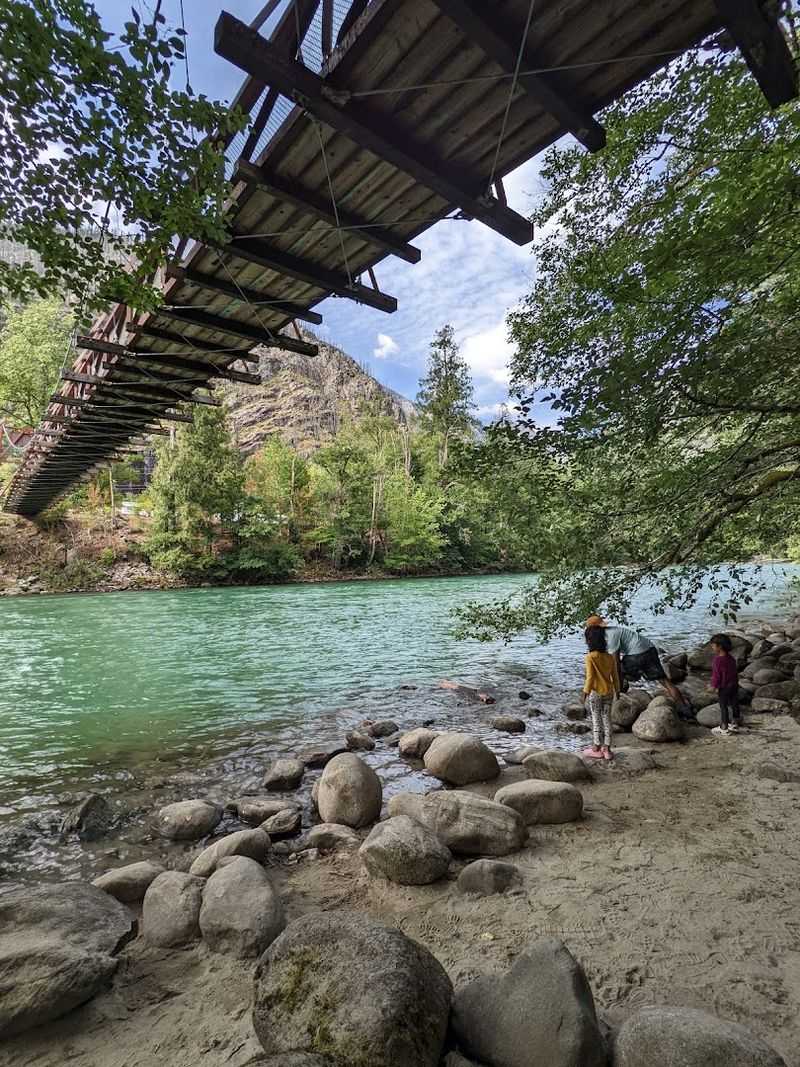
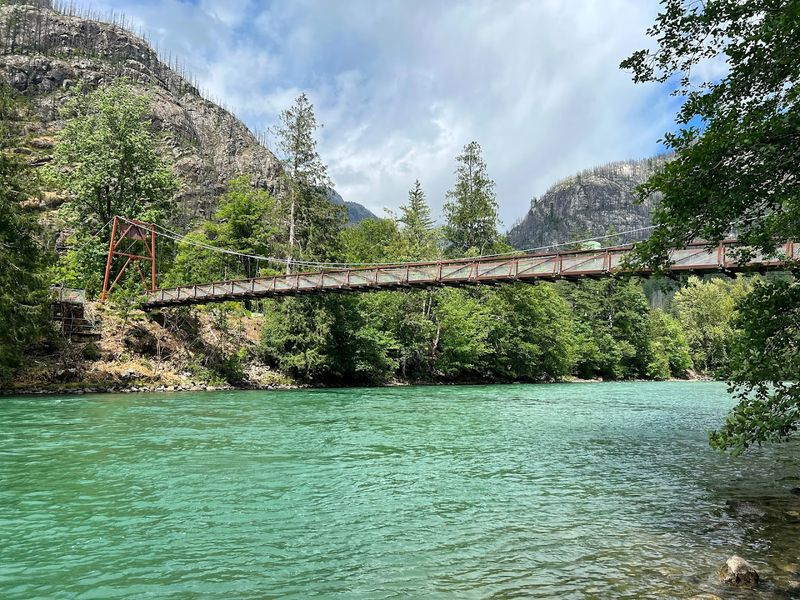
There is something almost theatrical about stepping onto a bridge that sways and bounces beneath your feet while a wild river churns below. Built in 1969 by Sahale LLC and Seattle City Light, this pedestrian suspension bridge stretches 250 feet across the Skagit River with a deck just 6 feet wide, making every crossing feel personal and a little thrilling.
The bridge sits across the street from the Gorge Inn in Newhalem, Washington, which is conveniently close to Marblemount and the North Cascades National Park corridor.
You do not need special gear or hiking experience to cross it, but you will want to pause halfway and look downstream at the river framed by towering conifers.
First-time visitors often underestimate how much the gentle bounce of the cables adds to the experience. That subtle movement is a reminder that you are entering wild territory, not a manicured park path, and the forest waiting on the other side will prove that point immediately.
Newhalem: The Quiet Town That Holds A Big Secret
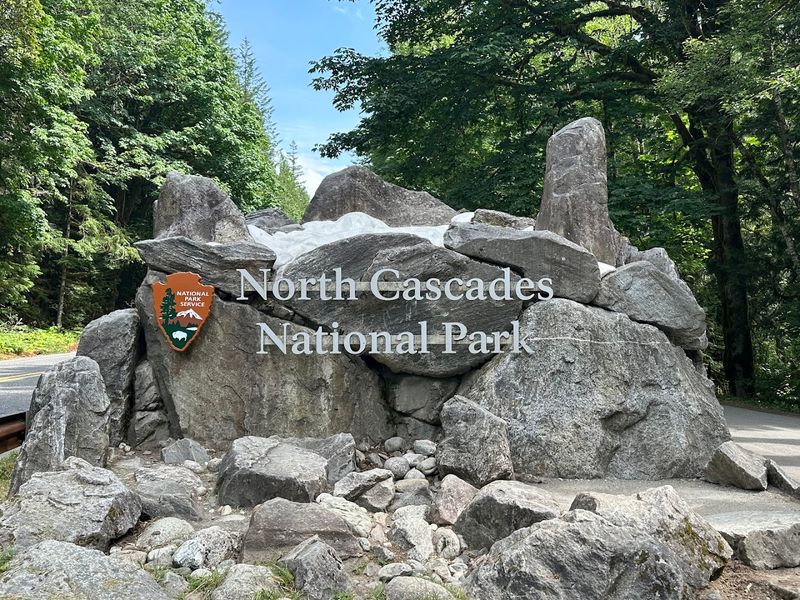
Most people drive through Newhalem without a second glance, which means most people are missing something remarkable. This small company town, built and operated by Seattle City Light, sits tucked into the Skagit River Gorge and serves as the gateway to one of the most rewarding short hikes in Washington State.
The town has a storybook quality to it, with tidy historic structures, manicured green spaces, and the constant sound of moving water threading through everything. It sits within or directly adjacent to North Cascades National Park, placing it in one of the most scenically dramatic regions in the entire country.
Visitors arriving from Marblemount on State Route 20 will find Newhalem a welcome pause before pushing deeper into the Cascades. The North Cascades National Park Visitor Center is also accessible from this area, offering maps, ranger talks, and exhibits that add useful context before you ever set foot on the trail.
Newhalem rewards the curious traveler who slows down long enough to look around.
Ancient Cedar Giants: The Heart Of The Forest
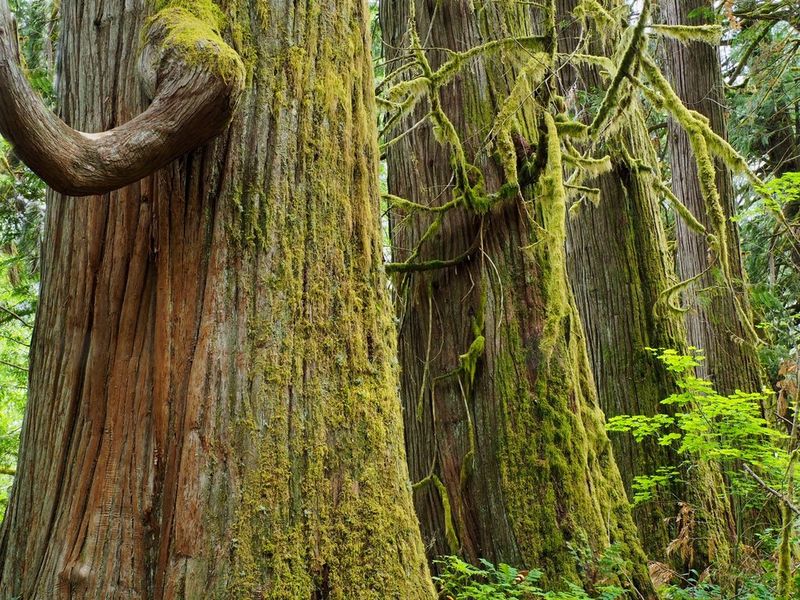
Walking beneath these trees feels like entering a place that has been quietly growing since before anyone thought to name it. The old-growth western red cedars along the Trail of the Cedars are genuinely enormous, with deeply ridged bark, root systems that spread like open hands, and canopies so thick they filter the light into something soft and green.
These are not just big trees. They represent centuries of undisturbed forest growth in a region where the Pacific Northwest climate creates ideal conditions for cedar, Douglas fir, Pacific yew, maple, and paper birch to flourish together in layered complexity.
Standing next to one of these cedars and craning your neck to find the top is a humbling experience that no photograph fully captures. The forest floor here is carpeted in moss and fern, and the air carries a clean, resinous coolness even on warm summer days.
These ancient giants are the reason the trail earned its name, and they absolutely live up to the billing.
The Trail Itself: Short, Easy, And Deeply Satisfying
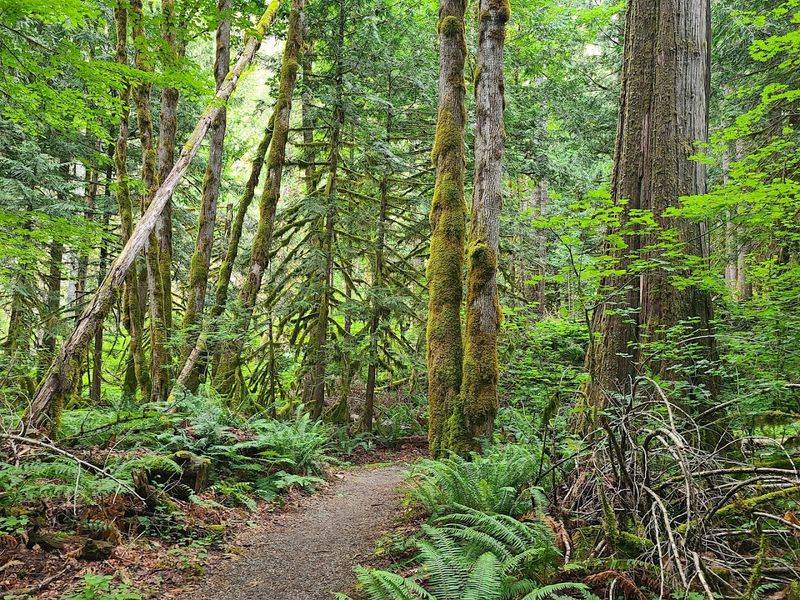
At roughly 0.3 miles, or about 3,284 feet in length, the Trail of the Cedars is technically one of the shortest hikes in the North Cascades area, but do not let that fool you into rushing through it.
Every step of this easy loop delivers something worth stopping for, whether that is a massive root system, a river view, or a patch of particularly vivid moss clinging to a boulder.
The trail winds along the banks of the Skagit River before looping back through the forest interior, giving hikers two very different perspectives within a single short outing. Families with young children, older visitors, and anyone who wants nature without a strenuous workout will find this trail perfectly matched to their pace.
Because the loop is so compact, many visitors walk it twice, once quickly to get the lay of the land and once slowly to read the interpretive signs and really absorb the forest. That second pass almost always reveals something the first one missed, which is a small but genuine reward for taking your time.
Interpretive Signs: Where History Meets The Forest Floor
One of the quiet pleasures of the Trail of the Cedars is that it teaches you things without feeling like a classroom. Interpretive signs placed along the route cover the area’s human and natural history, explain the species of trees and plants you are walking past, and describe the wildlife that shares this forest ecosystem.
These signs also address something fascinating about this particular forest: the visible evidence of recovery from fires that burned here in 1922 and again in 2015.
Seeing how a forest rebuilds itself over decades, with young trees filling gaps left by older ones, gives the trail a layer of ecological storytelling that most short hikes simply do not offer.
Reading each sign carefully adds maybe ten minutes to the total walk, and those ten minutes are well spent.
The combination of ancient trees and documented forest recovery makes this trail feel like a living record rather than just a pretty path, and the interpretive program is one of the best things the National Park Service has done for this particular stretch of the Cascades.
Forest Recovery: Reading The Story Of Fire And Renewal
Two fires, nearly a century apart, have left their mark on this forest, and the Trail of the Cedars gives you a front-row seat to the ongoing story of what comes next. The 1922 fire and the more recent 2015 fire both shaped the current landscape in ways that are still visible if you know where to look, and the interpretive signs do an excellent job pointing them out.
Areas where fire cleared the canopy now show younger trees pushing upward alongside the ancient survivors, creating a patchwork of ages and heights that gives the forest a dynamic, layered look. 4Far from being a sad reminder of destruction, this recovery is one of the most hopeful things you can observe in a natural setting.
Forest ecologists consider this kind of post-fire regeneration a normal and even necessary part of old-growth forest health, and seeing it in person makes that concept click in a way that a textbook never quite manages.
The Trail of the Cedars is, among other things, a masterclass in resilience played out in bark, moss, and new green growth.
Wildlife And Plant Life Along The Skagit River Banks
The Skagit River corridor is one of the most biologically rich stretches of water in Washington State, and walking the Trail of the Cedars puts you right at the edge of that abundance.
The mix of old-growth cedar, Douglas fir, Pacific yew, bigleaf maple, and paper birch creates a layered habitat that supports everything from songbirds to black bears, though you are far more likely to hear a varied thrush than spot a bear on a short morning walk.
The river itself draws bald eagles during salmon runs, and the dense riverside vegetation provides cover for river otters, black-tailed deer, and a wide range of amphibians.
Even the plant life here is worth slowing down for, with sword ferns, oxalis, and several species of moss creating a ground layer that looks almost artificially lush.
Bringing binoculars adds a lot to this particular trail, especially in the morning when bird activity peaks. The combination of river, old growth, and recovering forest patches creates a habitat mosaic that keeps the wildlife count surprisingly high for such a short and accessible trail.
Planning Your Visit: Practical Tips For The Trail
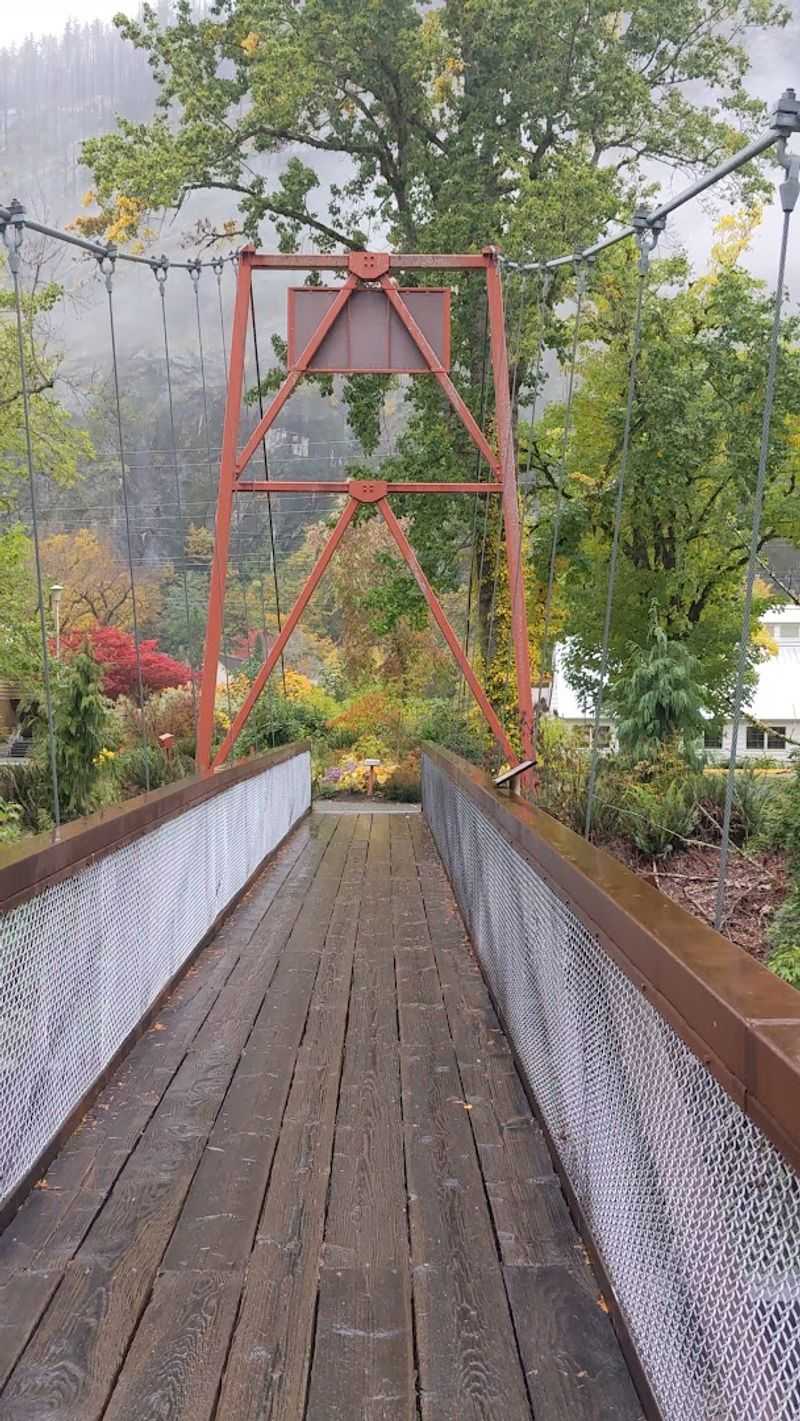
Getting to the Trail of the Cedars is straightforward once you know the layout. The suspension bridge access point starts across the street from the Gorge Inn in Newhalem, Washington, and the trail can also be reached from the North Cascades National Park Visitor Center or a parking area near the old power plant.
Newhalem sits along State Route 20 east of Marblemount, roughly two hours from Seattle depending on traffic.
The trail is open year-round, though the best conditions for enjoying the full forest experience typically run from late spring through early fall. Rain gear is always a sensible addition to your pack in the Pacific Northwest, and the forest actually looks its most dramatic on overcast days when the greens deepen and the river runs full.
Parking is limited, so arriving early on summer weekends is a practical strategy. The trail itself requires no permit, and the short distance makes it an ideal add-on to a longer North Cascades road trip rather than a standalone destination, though plenty of visitors find it worthy of a special trip all on its own.