
This Washington Town Has A Healthcare System So Advanced It Is Ranked Among America’s Best
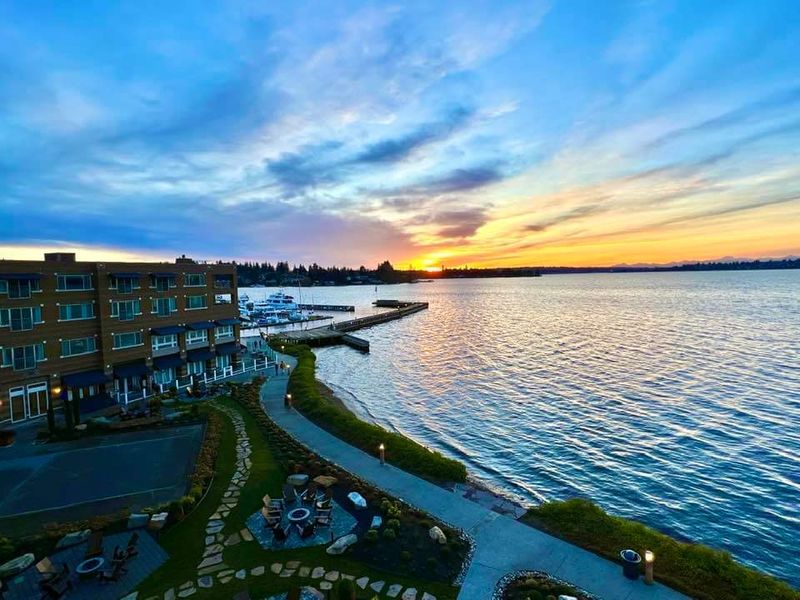
Doctors, lake views, and a Saturday stroll to the marina rarely show up in the same sentence, yet one Washington city manages to bundle all three. Just across the water from a famous skyline sits a suburb where serious medical care and small-town comfort live side by side.
For retirees watching every dollar and families who want peace of mind, that mix matters more than almost anything else. Here is why this lakeside community keeps landing on lists of places with top-notch healthcare.
A Lakeside City East of Seattle
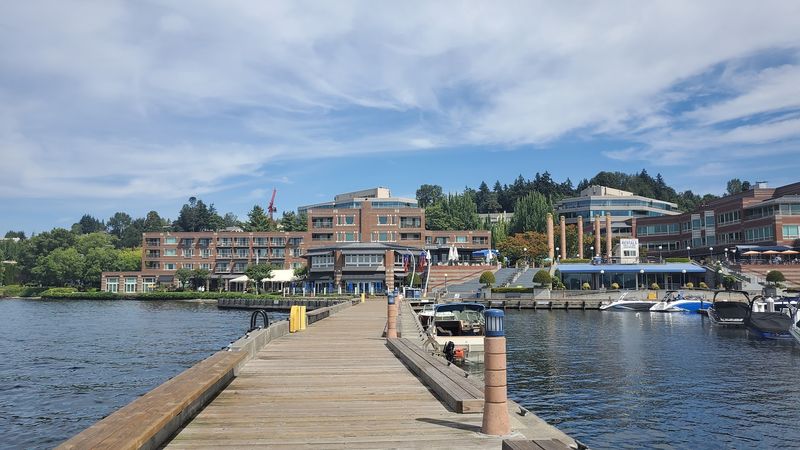
Grab a map of King County and slide your finger east from Seattle, right across Lake Washington. That shoreline you land on belongs to Kirkland, a city that grew from a quiet lakeside settlement into one of the busiest suburbs in the region.
By the 2020 U.S. census, Kirkland counted 92,175 residents. That number made it the sixth largest city in King County and the twelfth largest city in the entire state of Washington, which surprises plenty of folks who picture it as a sleepy waterfront village.
Size tells only part of the story, though. The city still feels walkable and friendly, with a downtown that hugs the water and neighborhoods that roll up into leafy hills.
Parks, beaches, and trails sit close to homes, and the pace rarely feels rushed.
What really sets Kirkland apart for many people, however, is how much care is available close by. Healthcare here is not an afterthought tucked behind strip malls.
It is woven into daily life, and that is the thread we will follow through the rest of this article, along with the lake views that make the whole package feel like a treat.
From Pioneer Shoreline to Modern Suburb
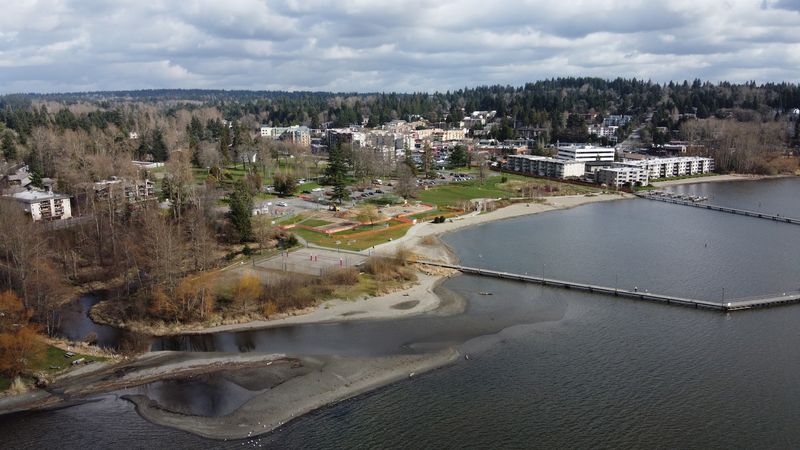
Long before anyone talked about specialty clinics, Kirkland was a place people reached by boat. Ferries once carried riders across Lake Washington, and the town’s early identity leaned heavily on the water and the dreams of industry along its shores.
Over the decades, bridges replaced much of that ferry traffic, and the city changed along with the region. Farms and mill ambitions gave way to houses, schools, and shops.
Slowly, Kirkland became a home base for people who worked across the lake but wanted a calmer place to raise kids.
That shift brought something important with it. As more families and older residents settled here, demand grew for good doctors, reliable emergency care, and clinics that did not require a trip into the big city.
History lovers will enjoy spotting reminders of the old days downtown, where brick buildings and waterfront parks hint at the past. Meanwhile, the modern city keeps building on that foundation.
Growth has been steady rather than wild, which helped Kirkland develop services thoughtfully. Healthcare expanded alongside the neighborhoods, instead of lagging years behind them the way it sometimes does in fast-growing places.
EvergreenHealth as the Medical Anchor
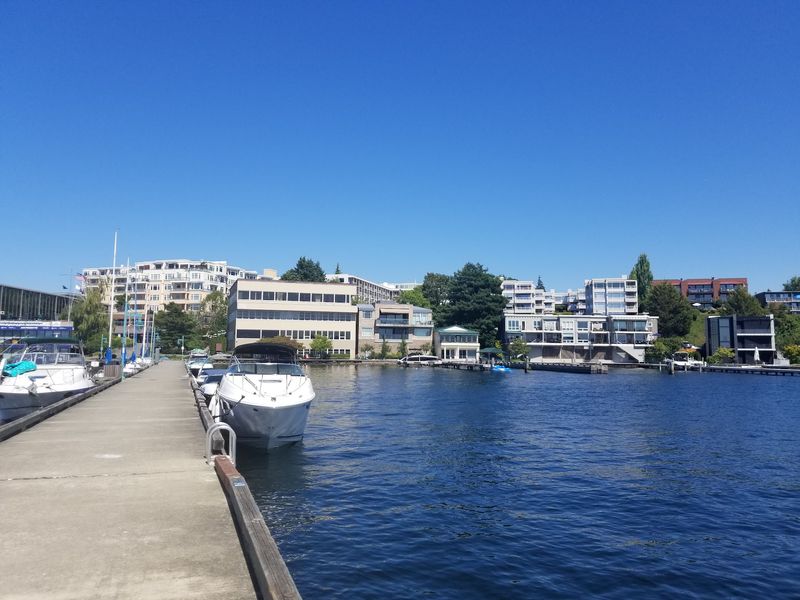
Ask locals where they go when something serious happens, and one name comes up fast: EvergreenHealth. Its main medical center sits right in Kirkland, serving as the heart of the city’s healthcare scene.
This is also where the town earns its reputation. Healthgrades has named EvergreenHealth one of America’s 50 Best Hospitals for six straight years, from 2021 through 2026, placing it in the top 1 percent of hospitals nationwide for patient outcomes.
It is the only hospital in the entire Pacific Northwest, across Washington, Oregon, and Idaho, to hold that distinction six years running.
Having a full hospital campus inside city limits changes how a place feels to live in. Emergency care, surgery, maternity services, and specialty departments sit close to home rather than a long freeway drive away.
For older residents especially, that closeness brings real comfort.
The campus has grown over the years, adding buildings and programs to keep pace with the Eastside. The system also runs clinics in nearby communities, which makes routine checkups easier to schedule.
It is the anchor the rest of the city’s care is built around.
Specialists Within a Short Drive
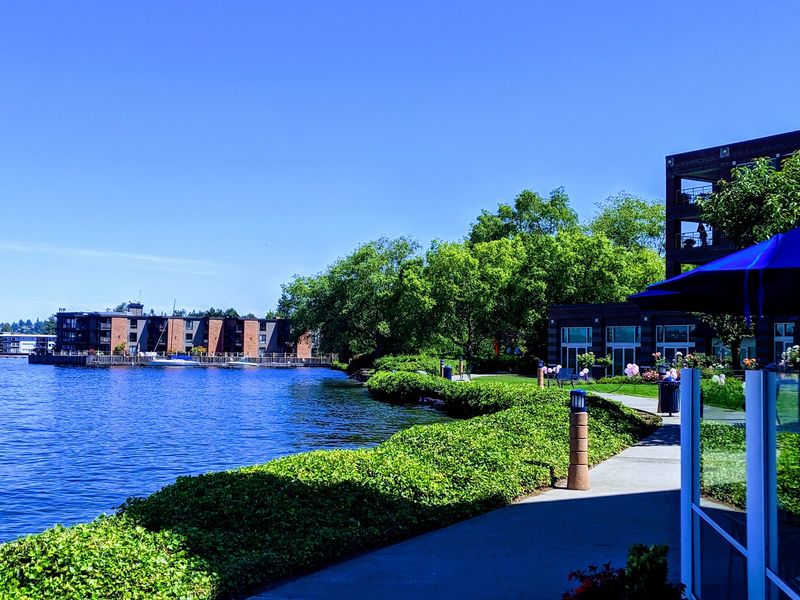
Nothing drains energy quite like driving an hour for a fifteen-minute appointment. Kirkland residents often dodge that headache, thanks to a wide mix of specialists practicing across the city and the surrounding Eastside.
Heart care, orthopedics, cancer treatment, and women’s health are the kinds of services people commonly look for, and many can be found nearby. Medical office buildings cluster around the hospital campus, making it possible to see more than one provider in a single trip.
Short drives matter more than they might seem. Fewer miles means less gas money, less time off work, and fewer tiring rides for patients who are not feeling their best.
For a retiree on a fixed budget, those savings could add up over a year.
Neighboring cities like Bellevue and Redmond add even more options, all within a quick trip. That regional web of care lets patients choose providers they trust instead of settling for whoever is closest.
Of course, insurance networks play a role, so checking coverage ahead of time is always wise. Even so, the sheer number of choices within reach is a big part of Kirkland’s healthcare appeal.
Everyday Clinics and Urgent Care
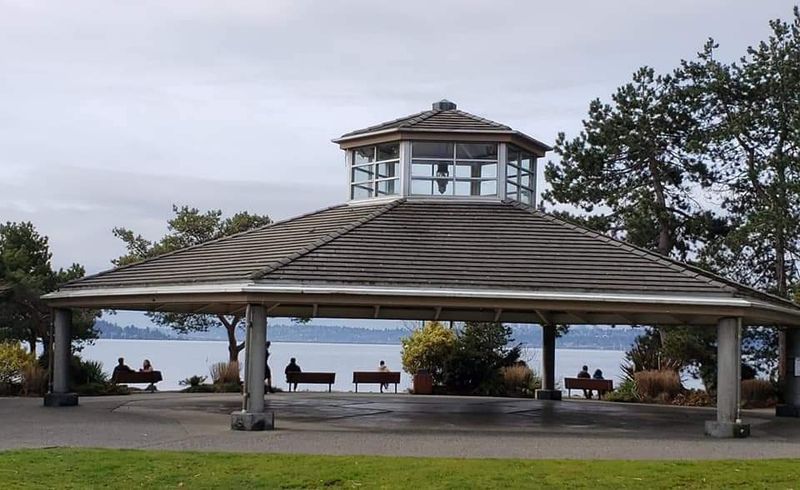
Sniffles, sprained ankles, and surprise fevers do not wait for business hours. Luckily, Kirkland offers a solid network of primary care offices and urgent care clinics for those in-between moments.
Primary care is the quiet hero of any good healthcare system. Having a regular doctor who knows your history can help catch problems early, and many residents find family practices tucked into neighborhoods around town.
Urgent care fills a different gap. When something needs attention today but is not an emergency, these clinics can save a costly trip to the ER.
Families with active kids tend to learn their locations quickly, usually after the first soccer season.
Pharmacies, labs, and imaging centers round out the everyday picture. Getting a prescription filled or blood work done usually means a short errand rather than an all-day outing.
Hours vary by location, so a quick call before heading out makes sense. Some clinics also offer online check-in or video visits, which can be handy on busy days.
Put together, these smaller pieces make healthcare feel less like a big production and more like a normal part of life here.
Why Retirees Keep Looking Here

Retirement plans often start with a simple question: where can I get good care without losing my peace? Kirkland answers that question better than many places in Washington.
Close access to a hospital, specialists, and senior-focused services gives older adults confidence. Add in flat waterfront walkways, benches with lake views, and friendly downtown shops, and the daily routine starts sounding pretty pleasant.
Let’s be honest about money, though. Kirkland is not one of Washington’s bargain towns, and housing can cost more than in rural areas.
Retirees stretching a Social Security check may want to compare prices carefully or look at nearby communities while still using Kirkland’s medical services.
That strategy works for plenty of people. Living a little farther out while driving in for appointments can balance budget and care nicely.
For those who can make it work, the payoff is a lifestyle that supports healthy aging. Walking is easy, parks are plentiful, and help is close if something goes wrong.
Many retirees also enjoy being near family on the Eastside. Grandkids nearby and a trusted doctor down the road can make a very happy combination.
Peace of Mind for Growing Families
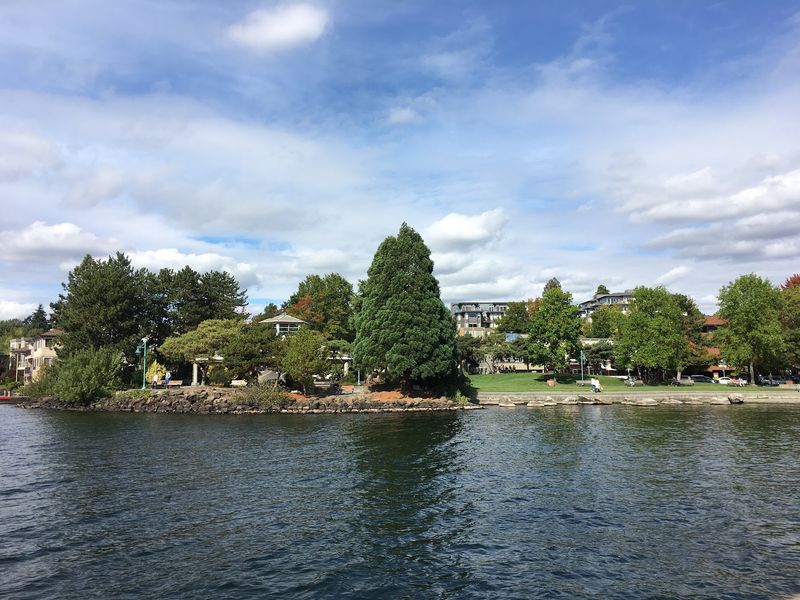
Parents know the feeling of racing out the door with a sick toddler at midnight. In Kirkland, that race tends to be shorter, and that alone makes the city appealing to young families.
Maternity services, pediatric care, and urgent clinics nearby mean fewer long drives during stressful moments. New parents especially appreciate having a place to deliver a baby and follow-up care all in the same area.
Healthy living is easy to encourage here, too. Parks sit in nearly every neighborhood, and kids can splash along the lakeshore in summer or ride bikes on trails most of the year.
Schools and community programs add to the family-friendly feel. Local recreation classes, sports leagues, and library events give children plenty of ways to stay active and curious.
No city is perfect, and busy traffic can test anyone’s patience at rush hour. Still, many parents feel the tradeoff is worth it for the security of strong medical care.
Being close to Seattle also means access to well-known children’s hospital services across the lake if something truly specialized is ever needed. That backup is reassuring for any family.
The Waterfront as a Wellness Tool
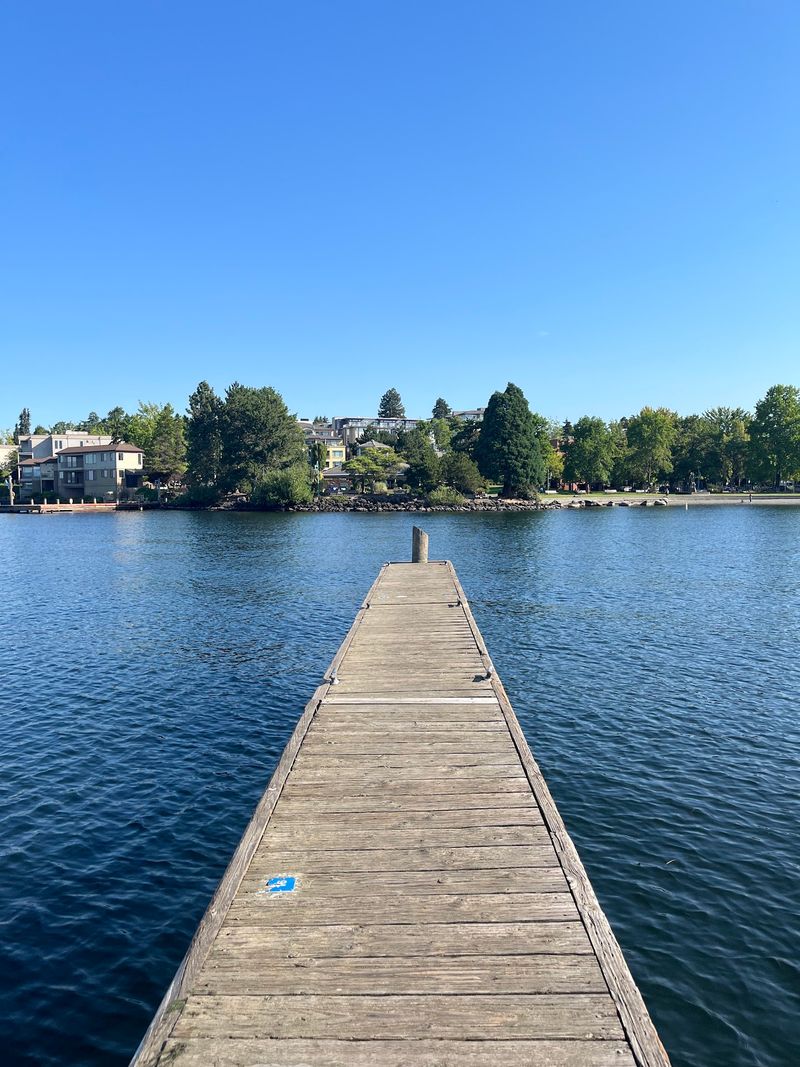
Doctors love to prescribe walking, and Kirkland practically hands you a free gym with a view. The Lake Washington waterfront might be the city’s most underrated health feature.
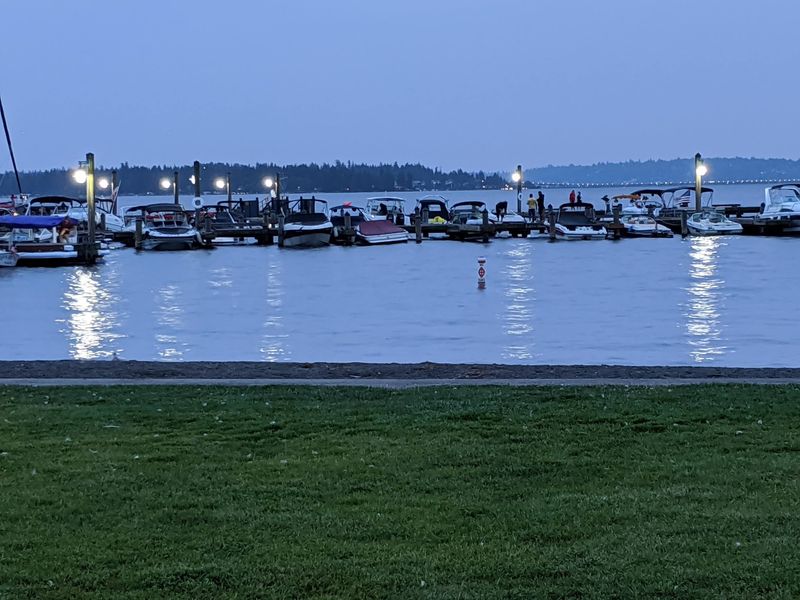
Marina Park in downtown gives walkers a scenic pier, benches, and gentle breezes off the water. Farther north, Juanita Beach Park offers a boardwalk and open lawns where families spread out on sunny afternoons.
Fresh air and calm scenery can help lower stress, and time outdoors often lifts moods on gray Northwest days. Best of all, strolling the shoreline costs nothing, which makes it a perfect budget-friendly habit.
Morning walkers tend to spot ducks, paddleboarders, and the soft glow of sunrise over the lake. Evenings bring golden light and a slower rhythm as people wind down after work.
Many residents fold these walks into their routine, whether they are recovering from surgery or simply trying to stay active. Flat paths make it approachable for most fitness levels.
Pair a lakeside walk with a picnic, and you have an outing that feels special without spending much. It is wellness disguised as a lovely day out.
Trails That Keep Neighbors Moving

Old railroad lines have a funny way of becoming new favorites. The Cross Kirkland Corridor is a prime example, turning a former rail route into a trail used by walkers, runners, and cyclists.
The corridor links neighborhoods and business areas, making it easier to get places without hopping in a car. For many residents, it has become a daily path for exercise, commuting, or simply clearing their heads.
Gravel surfaces and gentle grades keep it friendly for all ages. You might see a retiree on a morning stroll, a parent pushing a stroller, and a teenager biking to meet friends, all within minutes.
Beyond the corridor, parks with wooded paths add a touch of forest magic right inside city limits. Tall firs and mossy trunks make short hikes feel like a storybook escape.
Regular movement is one of the simplest ways to support long-term health, and easy access matters. When a trail is a few blocks away, people are more likely to use it.
That is one more way Kirkland’s approach to wellness reaches beyond hospital walls. The city makes healthy choices feel natural and fun.
Community Life and Senior Connections
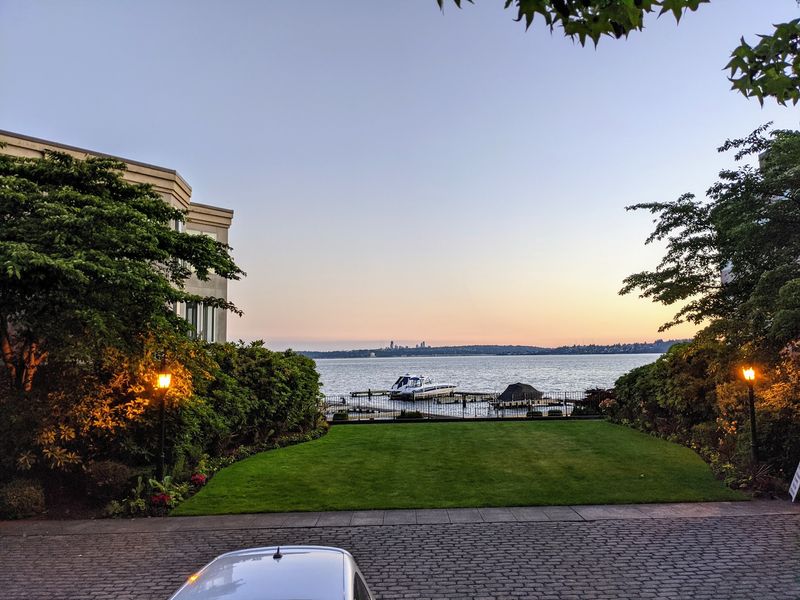
Loneliness can affect health as much as a poor diet, and Kirkland seems to understand that. Community programs give residents plenty of ways to stay connected.
Senior activities, fitness classes, and social gatherings help older adults stay engaged. Card games, art sessions, and group walks may sound simple, but they can make a real difference in daily happiness.
Libraries and recreation departments also host events for all ages. Families often find storytimes, workshops, and seasonal celebrations that bring neighbors together.
Volunteering is another popular path. Many residents give time to local nonprofits, schools, and parks, building friendships while helping others.
Healthcare providers sometimes join in too, offering health education talks or screenings at community events. That blend of medical know-how and neighborly spirit strengthens the whole city.
For newcomers, joining a class or club is a quick way to feel at home. It does not take long before familiar faces start waving at the farmers market or along the waterfront.
Strong social ties are a quiet but powerful part of Kirkland’s wellness story, and they cost little or nothing to enjoy.
Downtown Charm Between Appointments
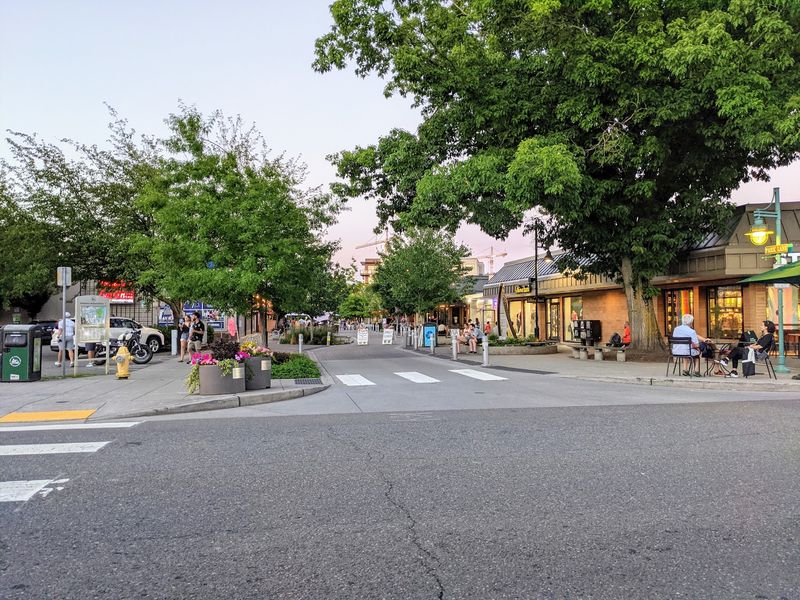
Medical appointments rarely feel like a treat, but a stroll through downtown Kirkland afterward can change that. The compact, walkable core sits right by the lake.
Hanging flower baskets, public art, and cozy cafes give the streets a warm, welcoming feel. Grabbing a hot cocoa or a pastry after a checkup can turn an ordinary errand into a small celebration.
Public sculptures pop up around town, and spotting them has become a fun game for kids and grown-ups alike. It is the kind of simple, free entertainment that makes a day memorable.
Seasonal events add extra sparkle. Summer brings outdoor gatherings near the water, while winter holidays fill downtown with lights and cheerful decorations.
Parking can be tight on busy weekends, so arriving early helps. Weekday visits tend to feel calmer and more relaxed.
For visitors from other parts of Washington coming in for care, downtown makes a pleasant place to rest before the drive home. Families accompanying a loved one to an appointment can explore while they wait.
That balance of practicality and charm is part of what makes Kirkland feel so livable.
Costs Worth Weighing Honestly
Great care is wonderful, but budgets are real. Anyone considering a move to Kirkland should look closely at living costs before packing boxes.
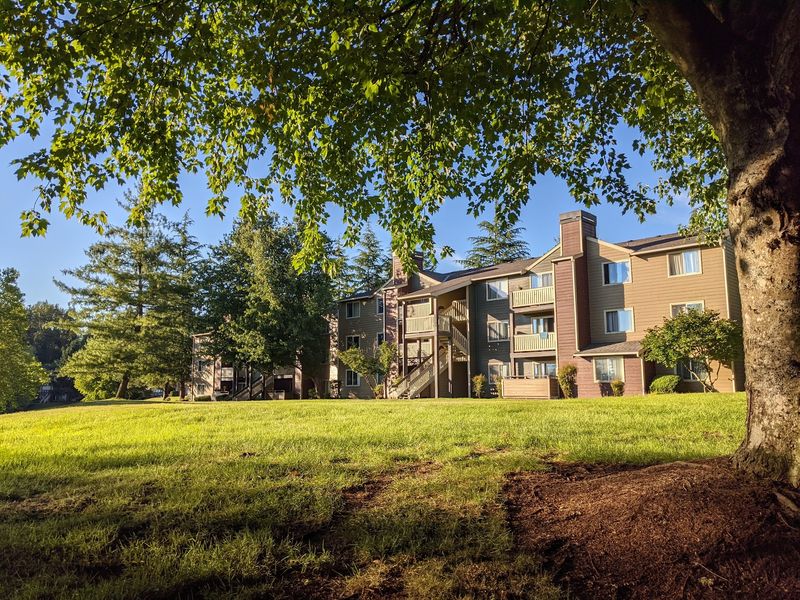
Housing is typically the biggest expense, and Eastside prices often run higher than in smaller Washington towns. Renters and buyers alike may find fewer bargains here than in rural areas or towns farther from Seattle.
There are ways to soften the impact. Some people choose smaller homes, shared housing, or apartments to trim costs, while others live in nearby communities and drive in for medical visits.
Healthcare costs depend heavily on insurance, so reviewing plan networks can prevent surprise bills. Medicare users may want to confirm which local providers accept their coverage.
On the bright side, many of the city’s best perks are free. Waterfront walks, parks, trails, and community events cost nothing, helping residents enjoy a rich lifestyle without constant spending.
Washington also has no state income tax, which some retirees find helpful when planning finances. Talking with a financial advisor could help clarify the full picture.
Weighing these factors honestly helps ensure the move feels right for both health and wallet.
Getting to Kirkland and Getting Around
Reaching Kirkland is easier than many first-timers expect. The city sits along Interstate 405, a major Eastside route connecting communities north and south of Seattle.
From Seattle, drivers usually cross Lake Washington on the State Route 520 bridge, then head north. On a clear day, that trip offers lovely water views and sometimes a peek at snowy Cascade peaks.
Public transit is another option. Regional buses serve the area, linking Kirkland with Seattle, Bellevue, and other nearby cities, which can help patients without a car reach appointments.
Once in town, getting around is fairly simple. Downtown is walkable, and the Cross Kirkland Corridor gives cyclists and pedestrians a car-free route between neighborhoods.
Traffic during rush hour can slow things down, so plan extra time for important medical visits. Midday trips often move more smoothly.
For those visiting from farther afield, like the Olympic Peninsula or Central Washington, turning a checkup into a mini getaway can be fun. Pair the appointment with a lakeside picnic or park visit.
City information and updates are available through Kirkland’s official city resources for anyone planning ahead.
A Soft Verdict on Kirkland Living

Sunsets over Lake Washington have a way of making big decisions feel a little clearer. After looking at Kirkland from every angle, the picture is pretty inspiring.
Strong healthcare sits at the center of its appeal. A hospital in town, specialists close by, and everyday clinics make getting care feel manageable rather than overwhelming.
Around that core, the city layers on lake views, trails, parks, and a friendly downtown. Those extras support healthy habits and add plenty of simple joy to ordinary days.
Costs remain the main thing to weigh. Kirkland may not suit every budget, but nearby living options and free outdoor fun can help make it work for more people than you might think.
For retirees wanting peace of mind, families hoping for security, or anyone planning a relaxing day trip, the city offers something worth exploring. It feels both polished and approachable.
So maybe the next free Saturday is the perfect time for a visit. Walk the waterfront, wander the shops, and imagine what life here could feel like.
Would you move to Kirkland for its healthcare? Plenty of Washington neighbors already have.