
This Weird Colorado Museum Is Far More Fascinating Than You’d Expect

In Colorado, the best surprises are sometimes the ones hiding in plain sight. This museum may seem unassuming at first glance, but the second you step inside, the whole experience shifts from casual curiosity to full-on fascination.
What waits inside is not just impressive, it is the kind of collection that makes people stop, stare, and immediately start pointing things out to whoever came with them. Every display seems to raise the stakes, pulling visitors deeper into a world that feels strange, beautiful, and far more exciting than they expected.
Kids get hooked fast, adults start asking questions they never thought they would ask, and even skeptics usually end up completely won over before they know it. Colorado has a talent for hiding unforgettable attractions where you least expect them, and this one proves it in spectacular fashion.
By the time the visit is over, what looked like a simple roadside stop turns into the kind of place people rave about long after the drive home.
The Largest Private Insect Collection in the World
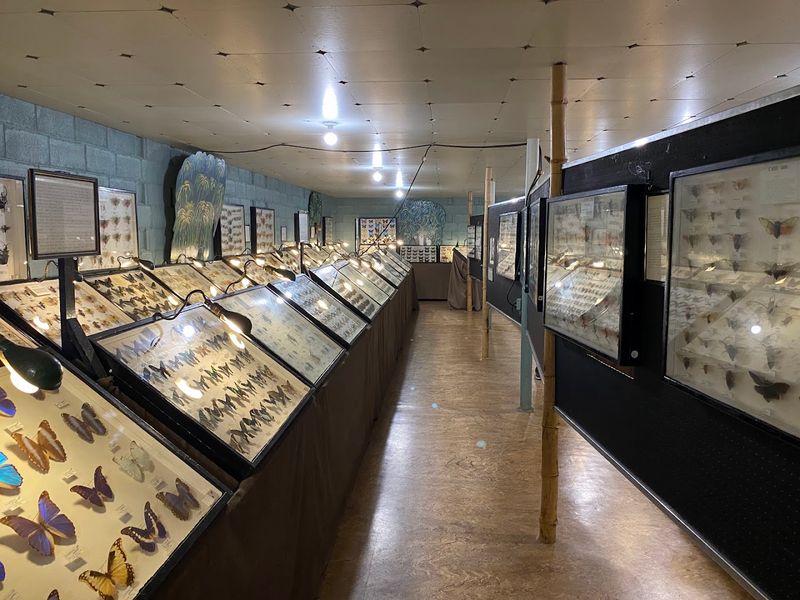
John May did not collect stamps or coins. He spent decades hunting the world’s most extraordinary insects in some of its most remote corners, and what he brought back is nothing short of staggering.
This spot is home to what is widely recognized as the largest private insect collection on the planet.
Thousands of specimens fill case after case, many collected during the early 20th century when reaching these tropical regions required serious determination. The sheer volume is hard to process at first glance.
You find yourself standing in front of one case thinking you have seen it all, then turning around to discover an entire wall you missed.
Dates are labeled on each specimen, so you can actually trace a beetle back to a specific moment in history. A bug pinned in 1910 sitting right in front of you is a surprisingly powerful thing.
This is not a replica collection or a curated highlights reel. It is the real, unfiltered obsession of one extraordinary collector, preserved and shared with anyone willing to make the drive.
Quick Tip: Allow at least 90 minutes. Visitors who rushed report wishing they had stayed longer.
Tropical Insects That Look Like They Belong on Another Planet

Most of the specimens at the May Museum are tropical, sourced from regions most people will never visit. That is a big part of what makes the collection feel so otherworldly.
You are not looking at common backyard beetles here.
Giant stick insects longer than your forearm sit alongside beetles with shells that shimmer like polished gemstones. Locusts with wings so colorful they look hand-painted share space with spiders that seem engineered by science fiction.
The range swings wildly between beautiful and deeply unsettling, sometimes within the same display case.
Visitors who describe themselves as bug-averse consistently report being won over, mostly because the sheer visual variety pulls you in before your instincts can object. Iridescent butterflies help reset the nervous system after a particularly alarming stick bug.
It is a well-paced emotional journey, even if nobody planned it that way.
Best For: Nature lovers, curious kids ages 6 and up, and anyone who appreciates things that look genuinely impossible in real life.
Insider Tip: Look closely at the beetle section. The color variation alone is worth a dedicated five minutes of your time.
A Collection That Even Walt Disney Wanted to Buy

Here is a detail that stops most visitors mid-sentence: Walt Disney himself reportedly wanted to purchase this collection for his theme parks. The May family said no. That single fact reframes everything you are looking at inside these walls.
John May assembled something so visually spectacular, so genuinely rare, that one of the most commercially savvy entertainment minds of the 20th century saw its potential and still could not close the deal. The collection stayed in the family, and it remains there today, run by descendants who clearly understand what they are stewarding.
That family ownership matters more than it might seem. There is a warmth and personal investment here that a corporate institution rarely replicates.
Staff members, many of them relatives of the original collector, bring a lived-in familiarity with the collection that turns a standard museum tour into something closer to a family story.
Why It Matters: You are not visiting a donated collection behind glass. You are stepping into a living family legacy that turned down a Disney offer and kept the treasure local.
Fun Fact: Some specimens in the collection date back to the early 1900s and remain in remarkable condition.
Herkimer: The Star Beetle You Did Not Know You Needed to Meet

Every great museum has a marquee attraction, and at the May Museum, that title belongs to Herkimer. Billed as the largest beetle in the collection, Herkimer has a way of stopping people in their tracks with a combination of size and sheer visual impact that photographs simply do not prepare you for.
Beetles are, by most accounts, the overachievers of the insect world. The May collection makes that argument convincingly with dozens of species representing an extraordinary range of shapes, colors, and proportions.
Herkimer sits at the top of that hierarchy, and the reaction from first-time visitors tends to be a long, slightly disbelieving silence.
Children in particular tend to fixate on Herkimer with the kind of focused intensity usually reserved for video games. Adults are not immune either.
Something about seeing an insect at that scale, perfectly preserved and presented, triggers a genuine recalibration of what you thought you knew about beetles.
Pro Tip: Point kids toward Herkimer early. It sets the tone for everything else in the museum and makes the smaller specimens feel like a supporting cast rather than filler.
Specimens Over 100 Years Old in Surprisingly Good Shape
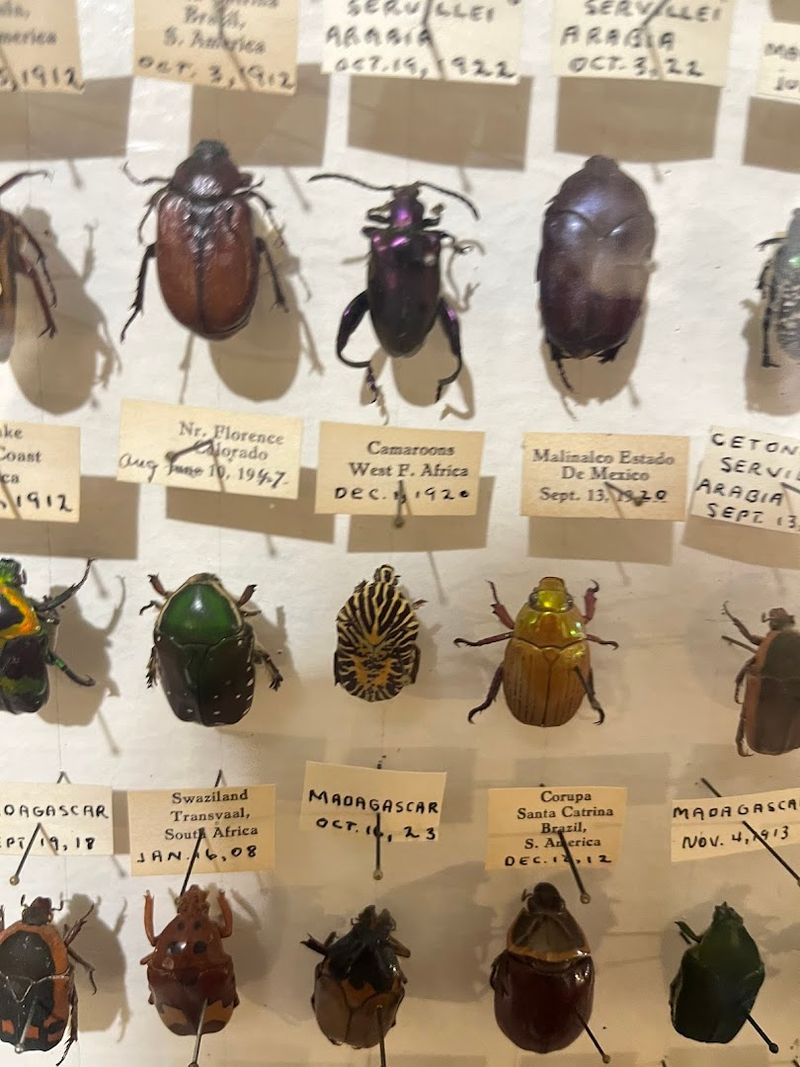
Preservation is an underrated art form, and whoever has been maintaining this collection deserves significant credit. Many of the insects on display were collected over a century ago, and they remain in a condition that makes that timeline feel almost implausible.
Colorful wings have held their vibrancy. Labels are still legible.
The organization of the cases reflects a collector who cared deeply about presentation, not just accumulation. John May’s daughter Lynda has noted that the locusts in particular have retained their vivid color in ways that continue to surprise even people who know the collection well.
Standing in front of a specimen collected in 1908 while knowing what was happening in the world that year adds a strange, layered depth to the visit. These insects have outlasted empires, wars, and at least a few rounds of trend cycles.
There is something quietly remarkable about that kind of longevity.
Who This Is For: History enthusiasts, science teachers, and anyone who finds themselves moved by the idea of something fragile surviving intact across a century.
Common Mistake to Avoid: Rushing past the date labels. They are small but they add enormous context to each case.
The Introductory Video That Actually Holds Your Attention

Museum intro videos have a reputation for being skippable. The one at the May Museum is the exception that disproves the rule.
Visitors who describe themselves as people who are not usually into history stuff consistently report being surprised by how much they enjoyed it.
The video covers the story of John May, how he built the collection, where he traveled, and what it took to bring these specimens back from some of the most remote places on earth. It runs at a pace that keeps you engaged rather than checking your phone, which is a genuine achievement in the age of two-minute attention spans.
Watching it before walking the exhibit also makes a meaningful difference. Context changes everything.
A beetle from a remote jungle region hits differently when you understand the effort it took to find and preserve it. The video transforms the collection from impressive inventory into a human story with real stakes.
Planning Advice: Do not skip the video, even if you are tempted to head straight to the cases. Ten or fifteen minutes of backstory pays dividends throughout the entire self-guided tour that follows.
A Self-Guided Tour That Moves at Your Own Pace

There is a particular pleasure in moving through a museum without a timed group or a guide setting the pace. The May Museum runs as a self-guided experience, which means you can spend forty-five seconds on a case or forty-five minutes, and nobody is waiting for you to catch up.
That format suits this collection well. Some visitors photograph every single display case, which takes a while.
Others move quickly through the beetles and linger over the butterfly section. Couples tend to split up and reconvene with updates, which turns the tour into a low-key collaborative discovery exercise without anyone planning it that way.
The layout is compact, so the self-guided format never feels disorienting. Everything is accessible and clearly presented, even if the space itself is snug.
That intimacy actually works in the museum’s favor, pulling you close to specimens you might otherwise glance at from a distance and miss entirely.
Best Strategy: Start with the video, then circle the room slowly once before doubling back to your favorites. Two passes through a small space consistently reveals things the first pass missed.
The Gift Shop That Earns Its Place at the End

Gift shops at small museums can feel like an afterthought, a rack of keychains and a refrigerator magnet shaped like the state. The gift shop at the May Museum in Colorado operates at a noticeably higher standard than that.
Visitors consistently call out the selection as genuinely worth browsing, not just a polite obligation on the way to the parking lot.
The items lean into the collection’s theme in ways that feel considered rather than generic. Unique trinkets, nature-focused pieces, and items that carry a bit of the museum’s personality make it a reasonable stop for anyone looking to bring something home that will actually prompt a conversation.
During a Halloween event, the museum handed out free gift bags to visitors regardless of age, which is the kind of small, unexpected generosity that sticks with people. It reflects the family-run character of the whole operation, where the goal seems to be making visitors feel genuinely welcomed rather than efficiently processed.
Quick Tip: Budget a few extra minutes at the end for the gift shop. It is a post-tour reward that pairs well with the post-visit energy of having just seen something genuinely surprising.
A Surprisingly Family-Friendly Stop Near Colorado Springs

The May Museum sits close enough to Colorado Springs to qualify as a quick detour but far enough out Rock Creek Canyon Road to feel like a genuine destination. That combination makes it a solid choice for families looking to add something memorable to a Colorado Springs visit without committing to a full-day production.
Kids who are into bugs will be in absolute heaven. Kids who are not into bugs tend to get into bugs pretty quickly once they see what is in the cases.
The range of specimens, from strikingly beautiful to genuinely alarming, holds attention across age groups in ways that more conventional museums sometimes struggle to achieve.
Parents appreciate that the self-guided format lets the family move at the pace of the most interested member rather than the least. One child fixating on a single case for ten minutes is not a problem here.
It is the whole point.
Who This Is Not For: Very young toddlers may not get much from the experience, as the collection requires enough height and attention span to engage with the cases meaningfully. Ages six and up tend to respond with genuine enthusiasm.
Final Verdict: Why This Museum Sticks With You

The May Natural History Museum is the kind of place that earns its reputation entirely through content rather than presentation. It is not a sleek, modern institution with interactive screens and climate-controlled grandeur.
It is a family-run roadside museum on Rock Creek Canyon Road with a collection that would embarrass most major natural history institutions in sheer volume and rarity.
A 4.6-star rating across hundreds of visitors says something meaningful. People who come in skeptical leave converted.
People who come back bring others. That cycle of genuine word-of-mouth enthusiasm is not manufactured.
It grows from a collection that delivers exactly what curiosity hopes for and then slightly more.
Open Tuesdays from 10 AM to 2 PM during the off-season, with expanded hours in summer, the museum rewards visitors who plan ahead. Call ahead at 719-576-0450 or check coloradospringsbugmuseum.com before making the drive.
Key Takeaways:
Largest private insect collection in the world. Specimens dating back over 100 years in excellent condition.
Self-guided format with an engaging introductory video. Family-run with a warm, unhurried atmosphere.
Gift shop worth your time. A genuinely rare Colorado experience that costs very little and delivers considerably more than expected.