
This Weird Colorado Roadside Attraction Has Become A Must-See For Curious Travelers
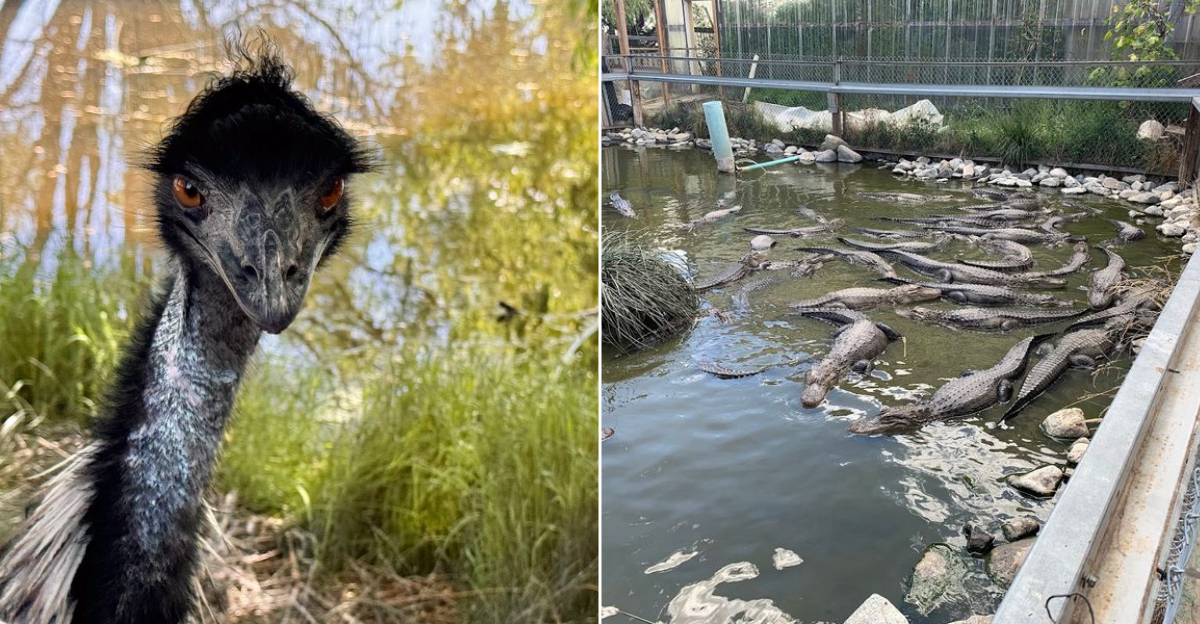
Some roadside attractions make you smile for a second, and then there are the ones that leave you grinning for the rest of the day.
This wildly unexpected wildlife stop belongs in that second category, delivering the kind of surprise that makes travelers slam the brakes, laugh out loud, and immediately reach for their phones.
In Colorado, seeing giant reptiles in the middle of dramatic desert scenery feels delightfully impossible, which is exactly why the experience is so fun.
What begins as a curious pull off quickly turns into a full blown adventure, packed with strange charm, unforgettable sights, and the kind of story people love retelling later.
Colorado has a gift for hiding its weirdest wonders in plain sight, and this one may be the most gloriously unexpected of them all. If you have been craving a detour that feels bizarre, fascinating, and memorable, this is the stop that delivers.
A Geothermal Fish Farm That Became Something Extraordinary
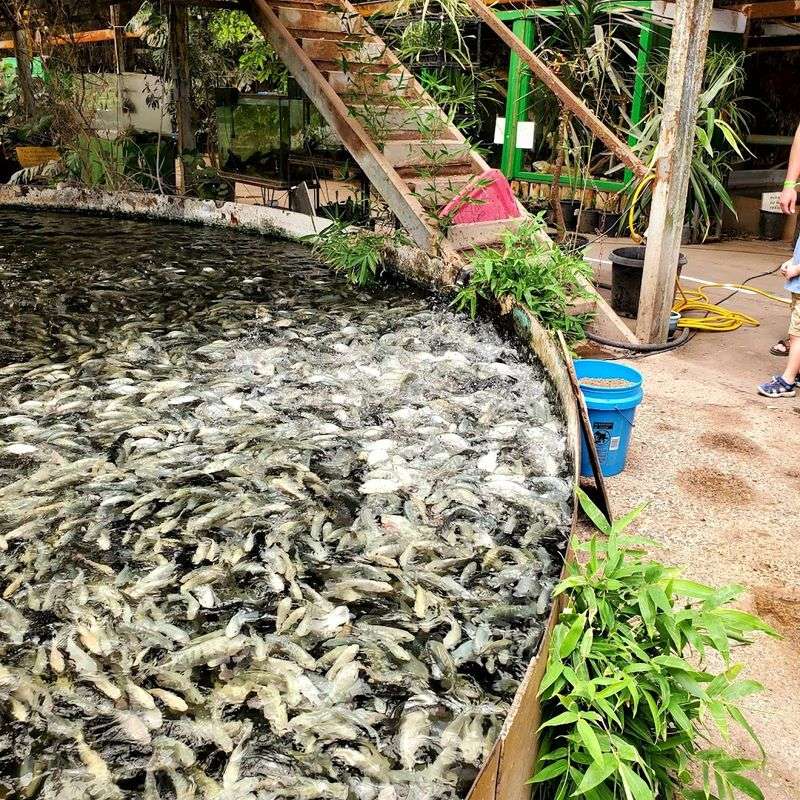
Not every great attraction starts with a grand vision. Sometimes it starts with warm water and tilapia.
This place sits on a working geothermal fish farm where naturally heated water creates the kind of environment that, against all logic, lets alligators thrive in the Colorado high desert.
The farm originally raised tilapia using the geothermal spring water that bubbles up from the ground year-round. When the fish operation needed a solution for its waste management, alligators were brought in to help.
That practical decision snowballed into one of the most unexpected wildlife parks in the American West.
Today, visitors can even feed the tilapia during their self-guided walk around the property. The whole setup feels wonderfully accidental, like someone stumbled into a brilliant idea and just kept going.
It’s a working farm and a wildlife rescue and a roadside spectacle all at once.
Why It Matters: The geothermal foundation isn’t just a quirky backstory. It’s what makes the entire park possible, and it gives the place a living, breathing authenticity that most attractions simply can’t manufacture.
Best For: Curious travelers who love knowing the “how did this even happen” story behind a place before they arrive.
Albino Alligators and the Reptile Collection You Won’t Forget
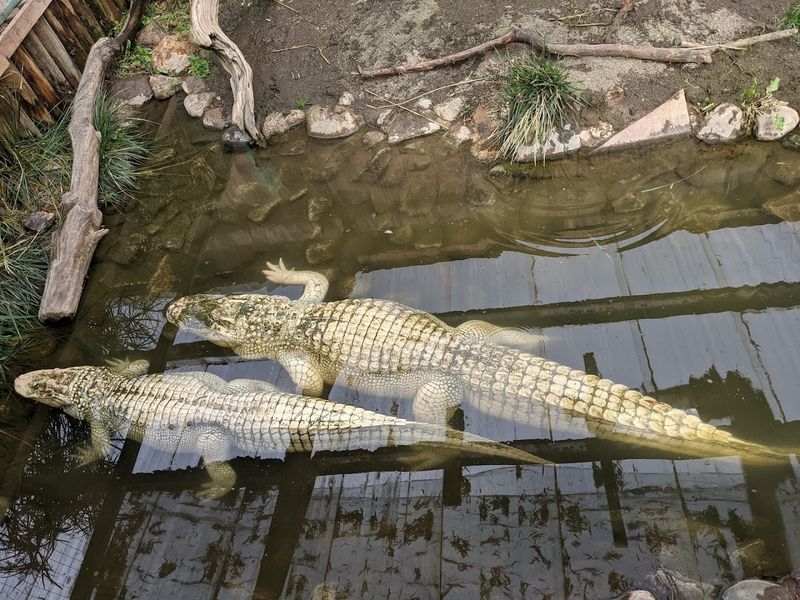
Albino alligators are rare enough that most people go their entire lives without seeing one. At Colorado Gators, they’re part of the regular lineup.
The park houses albino gators alongside standard American alligators, crocodiles, and a jaw-dropping variety of reptiles that keeps visitors moving from enclosure to enclosure with wide eyes.
The collection grew largely because the park accepts rescued animals. About 90 percent of the animals on-site arrived as rescues, including pets that people could no longer care for and animals transferred from facilities like the Denver Zoo.
One notably large iguana, found abandoned in a park, reportedly loves head scratches and greets visitors with surprising friendliness.
Snakes, lizards, tortoises, and birds round out the roster in a way that feels genuinely encyclopedic rather than curated for show. Staff members clearly know each animal’s backstory, and that knowledge transfers to visitors in a way that sticks long after the drive home.
Quick Tip: Ask the staff about the stories behind specific animals. The rescue histories add real depth to what you’re seeing and make the visit feel more meaningful than a standard zoo trip.
Best For: Wildlife enthusiasts, families with older kids, and anyone who finds albino animals genuinely astonishing.
Hands-On Animal Encounters That Actually Deliver
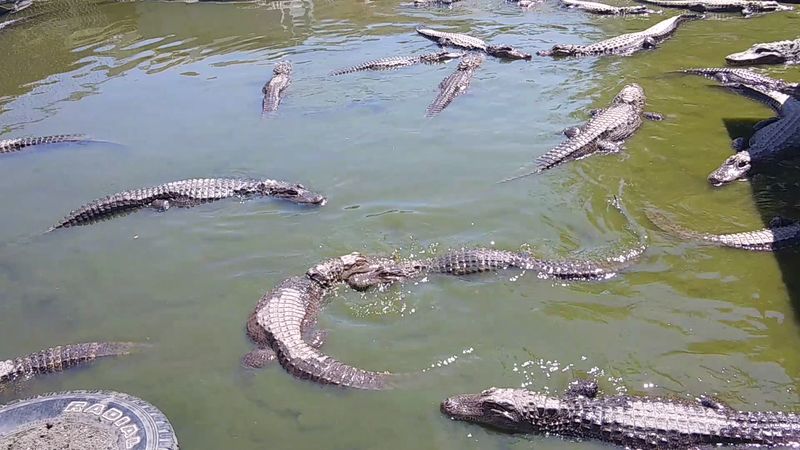
Holding a baby alligator is the kind of thing that sounds terrifying in theory and turns out to be the highlight of your entire Colorado trip. At Colorado Gators, hands-on encounters are built into the visit rather than treated as an expensive add-on afterthought.
Visitors can hold baby gators, handle an albino snake, hold a bird, and sit inside the tortoise area where the tortoises will actively climb on you in pursuit of lettuce.
Feeding opportunities are plentiful. Each entry ticket includes a bucket of food nuggets to toss to the gators, and visitors can also feed the tortoises and tilapia.
One visitor described the tortoise feeding as the highlight of their day, which honestly tracks once you’ve seen a determined tortoise make a beeline toward a leafy green.
Staff and volunteers are present throughout the interactive areas, providing education and making sure everyone feels comfortable. Kids receive a certificate of bravery for holding a baby alligator, which is a small touch that lands surprisingly big with the under-ten crowd.
Insider Tip: The tortoise area is genuinely interactive in a way that surprises most visitors. Budget extra time there, especially if you’re visiting with young children who may not want to leave.
George the Emu and the Free-Roaming Cast of Characters
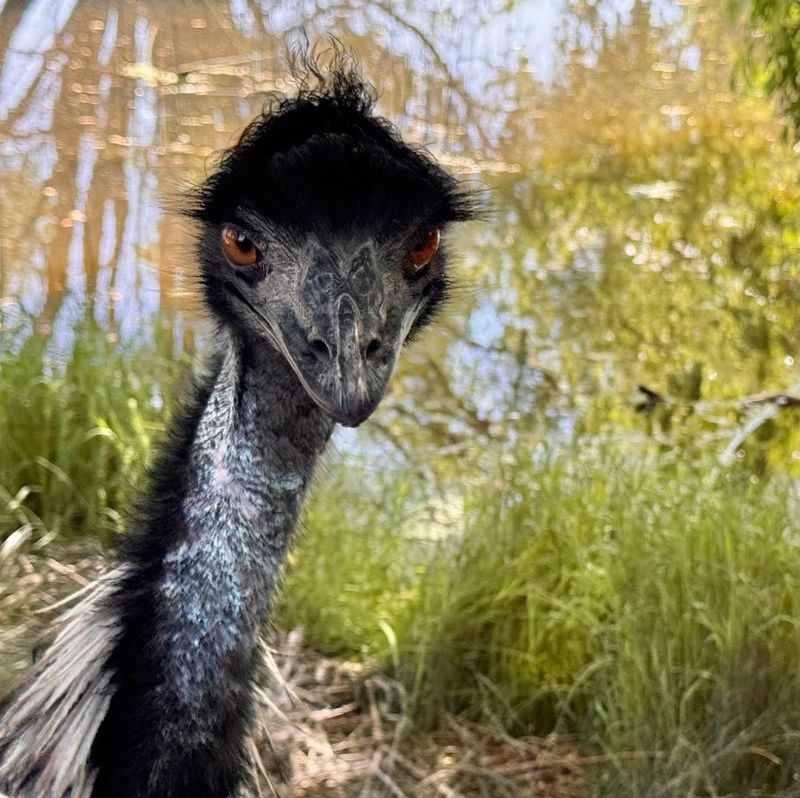
Nobody warns you about George. You’ll be minding your own business, reading an informational sign about crocodilians, and suddenly a very large, very determined emu will appear at your elbow demanding your full attention.
George the emu has achieved something close to celebrity status at the park, earning mentions in nearly every visitor account with the kind of consistency usually reserved for a beloved town mascot.
Free-roaming emus add an element of unpredictability to the visit that no amount of planning can prepare you for. One visitor recounted needing staff assistance after George decided to follow them at close range for an extended stretch of the tour.
The staff handled it with practiced ease, which suggests this is a daily occurrence rather than a rare event.
Beyond the emus, cats wander the property and have apparently discovered that fishing near the gator ponds is a viable lifestyle choice. The mix of free-roaming animals alongside the reptile exhibits gives the park an energy that feels less like a controlled attraction and more like an actual living farm.
Common Mistakes to Avoid: Don’t assume the emus are behind a fence. They are not.
Approach with the same energy you’d bring to meeting an enthusiastic large dog you’ve never met before.
Gator Wrestling Lessons and the Bravest Thing on the Menu
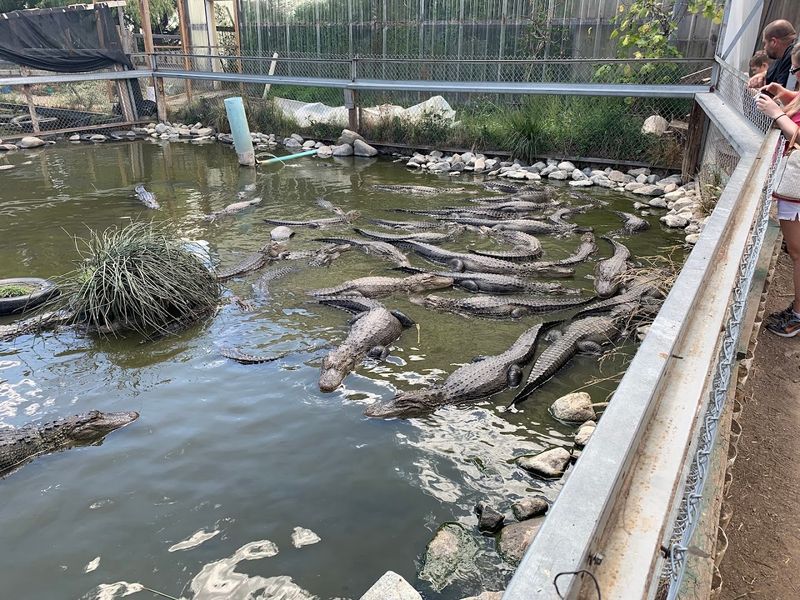
For those who find holding a baby gator insufficiently dramatic, Colorado Gators offers something more advanced. The park is known for gator wrestling lessons, which, before you picture a Wild West showdown, are better described as assisted handling sessions where visitors help staff perform medical checks on the alligators.
The risk is real enough to be exciting and managed enough to be survivable.
One visitor noted that finger loss is apparently a common enough casualty to be mentioned casually by staff, which is either a warning or the best marketing line in Colorado tourism. The same visitor wisely opted out, citing a personal attachment to all ten of their fingers.
That kind of honest self-assessment is worth respecting.
The wrestling experience reportedly requires a separate fee and is available by request. It’s the sort of activity that rewards people who are genuinely curious about reptile behavior rather than those simply chasing a social media moment, though admittedly those two groups overlap considerably.
Best Strategy: Call ahead at +1 719-378-2612 to confirm availability and current pricing before building your visit around this experience. It’s not always advertised on the website but remains available for those who ask directly.
Planning Your Visit to This San Luis Valley Surprise
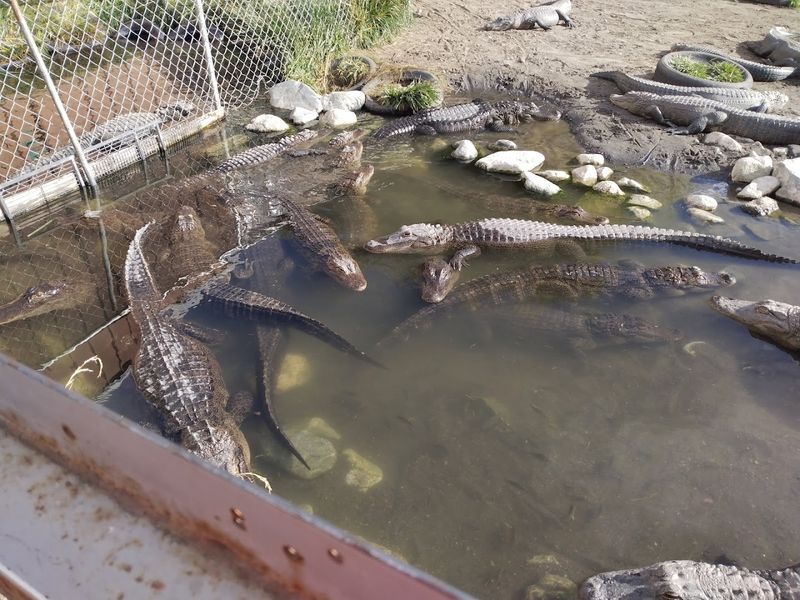
Colorado Gators is open daily from 9 AM to 5 PM, which makes it a workable stop whether you’re heading toward the Great Sand Dunes or cutting through the San Luis Valley on a longer road trip. The park sits at 9162 Ln 9 N in Mosca, a small enough town that the park essentially is the local landmark.
Factor in roughly 30 minutes to an hour for a full walk-through, though many visitors find themselves staying considerably longer.
Admission runs approximately $30 for adults and $15 for children as of recent visits. One standout policy: purchasing a t-shirt grants free entry on future visits, which is the kind of loyalty program that actually makes you want to buy the merchandise.
Sizing availability can vary, so your mileage may differ depending on what’s in stock on your visit day.
The park is a working farm, which means flies and farm smells are part of the package. Visitors who go in expecting a polished theme park leave disappointed.
Visitors who arrive expecting an authentic, slightly rough-around-the-edges wildlife rescue operation leave planning their return trip.
Planning Advice: Arrive at opening time on weekends to avoid the busiest crowds. Wear closed-toe shoes, bring bottled water, and leave any squeamishness about reptiles at the parking lot entrance.
Final Verdict: Why This Place Earns Every Star of Its 4.7 Rating
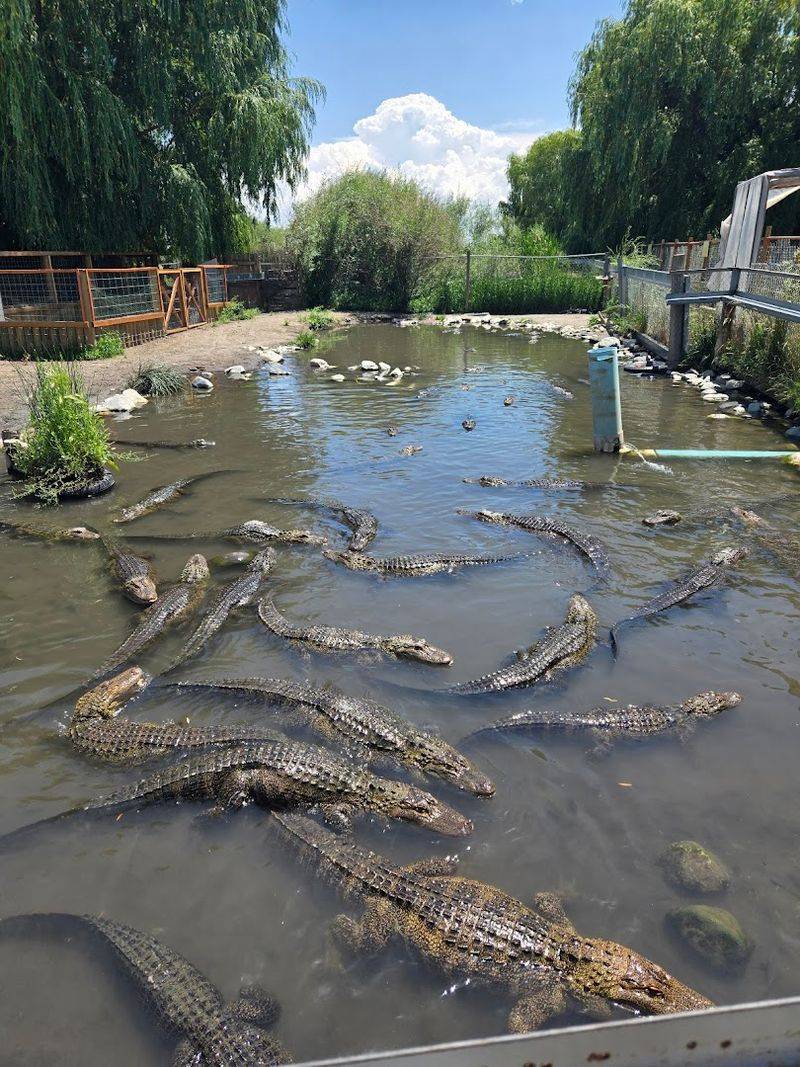
A 4.7-star rating across more than 2,600 visits is not luck. It’s the result of a place that consistently delivers something visitors didn’t fully expect when they pulled off the road.
Colorado Gators works because it’s genuinely unusual, legitimately educational, and staffed by people who care about the animals in a way that shows up in every interaction.
The park operates as an animal rescue, housing creatures that arrived abandoned, surrendered, or transferred from other facilities. That mission gives the whole experience a layer of purpose that elevates it beyond novelty.
You’re not just watching alligators; you’re supporting the infrastructure that keeps rescued animals alive and well in an unlikely corner of Colorado.
Whether you’re a family looking for a memorable detour, a couple who enjoys the genuinely offbeat, or a solo traveler with a flexible itinerary, this is the kind of stop that earns its own paragraph in the trip recap.
Key Takeaways:
Open daily 9 AM to 5 PM, accessible year-round. Hands-on encounters included with general admission.
About 90 percent of animals are rescues with real backstories- T-shirt purchase equals free future entry. Call ahead for gator wrestling availability: +1 719-378-2612Best paired with a visit to the nearby Great Sand Dunes.