
This Whimsical Arizona Museum Feels Like A Childhood Daydream Come Alive
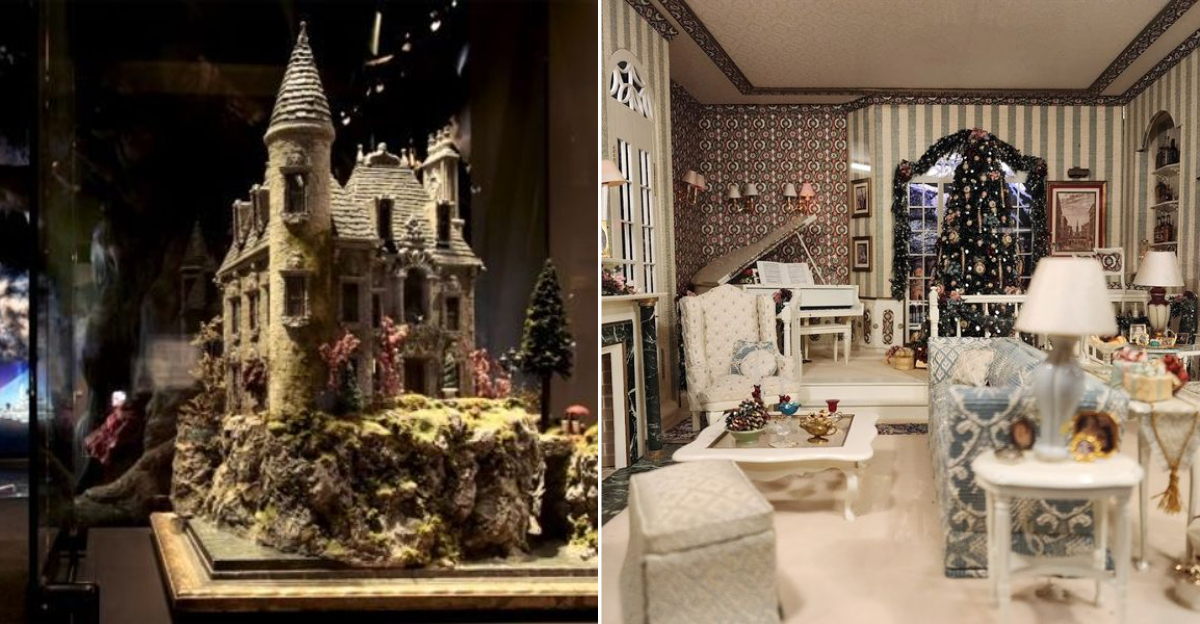
I have a confession: I’ve just walked into a daydream, and I’m terrified that if I blink, it will all vanish. There is something profoundly haunting about seeing a life re-created in miniature-the tiny dinner plates, the microscopic books, the frozen tea parties that feel like they were interrupted just seconds ago.
It’s beautiful, it’s uncanny, and it’s utterly consuming. Escape the vast, sun-drenched horizons of Arizona for a world where every single inch is packed with more personality than an entire city block.
I feel like an intruder in a silent, perfect world, and I’m perfectly okay with never being found. If you’ve ever wanted to see the world through a keyhole, you have finally found your home..
This extraordinary museum houses over 500 antique and contemporary dollhouses and roomboxes that transport visitors through time, across continents, and into realms of pure fantasy.
History Gallery: Windows Into The Past
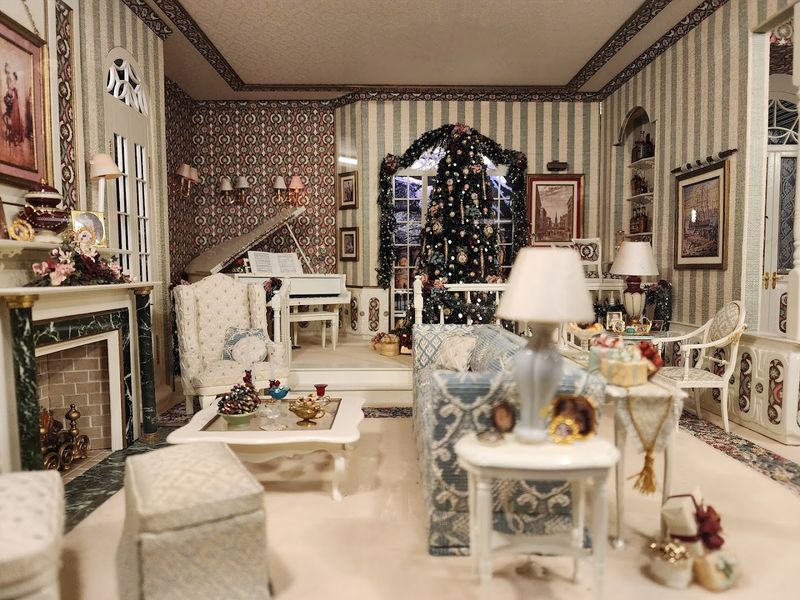
The History Gallery felt like opening a time capsule that spans centuries. The collection here dates back to 1742, showcasing miniatures that offer remarkable glimpses into how people lived, dressed, and decorated their homes across different eras.
I found myself completely absorbed by a Georgian-era dollhouse with hand-painted wallpaper and furniture that replicated actual period pieces down to the tiniest carved detail. Each miniature room tells a story about social customs, architectural trends, and daily routines that have long since vanished.
What struck me most was how these tiny recreations preserved details that written history often overlooks. The placement of kitchen utensils, the style of window treatments, and even the arrangement of parlor furniture all reveal fascinating insights about past lives.
The The Mini Time Machine Museum of Miniatures reminded me that miniatures are not just charming collectibles but valuable historical documents that capture moments frozen in time.
Exploring The World Gallery: Global Adventures In Miniature
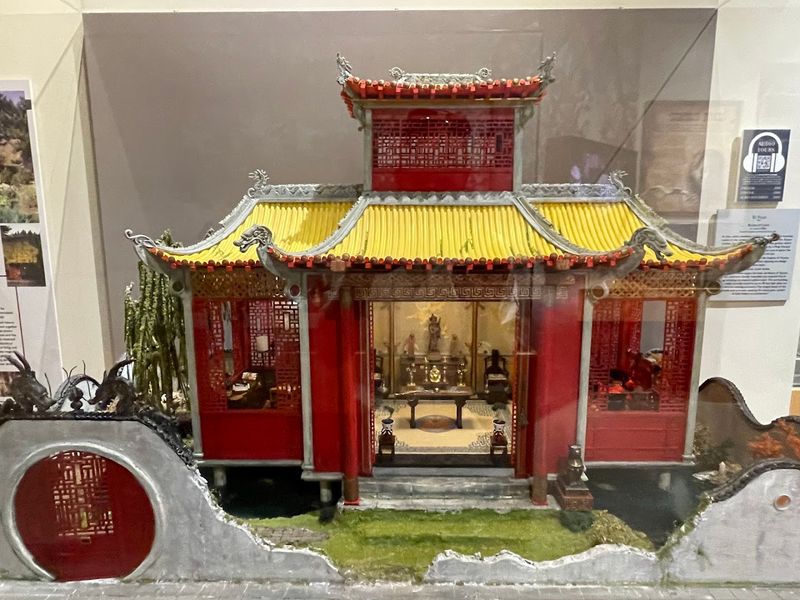
Have you ever wanted to travel the world in a single afternoon? This gallery makes that fantasy possible through contemporary miniatures that capture the essence of cultures from every continent.
I wandered past a Japanese tea house so detailed I could see individual tatami mat textures, then moved on to a bustling Moroccan marketplace complete with tiny spice jars and woven rugs. Each display represents not just buildings but entire cultural experiences compressed into enchanting small-scale scenes.
The artists behind these miniatures clearly researched their subjects extensively. I noticed authentic architectural elements, culturally accurate color palettes, and even regionally appropriate plants in the outdoor scenes.
One Italian villa featured miniature lemons growing on tiny trees, while a Scandinavian cottage included a perfectly scaled woodpile stacked outside.
This gallery proves that miniature art transcends mere dollhouse decoration. These pieces celebrate human diversity and architectural beauty across our planet.
Enchanted Realm Gallery: Where Fantasy Becomes Tangible
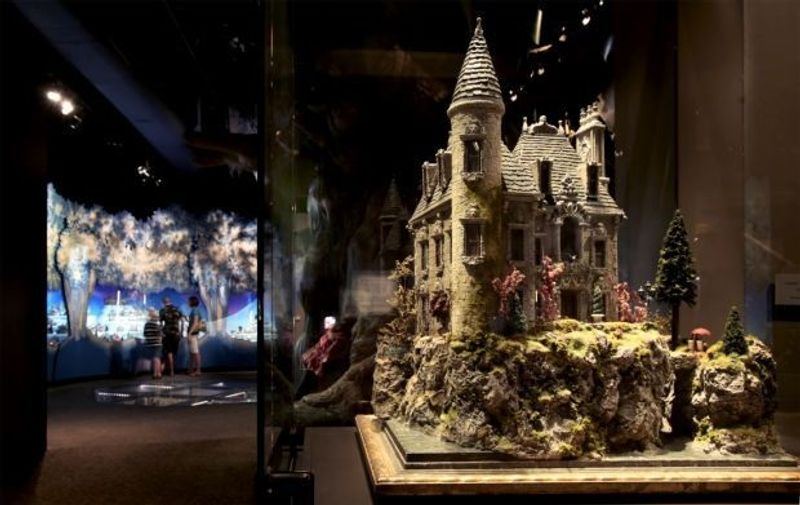
Walking into the Enchanted Realm Gallery felt like stepping straight into the storybooks I devoured as a kid. Dragons perch on castle towers, fairies inhabit mushroom houses, and magical forests glow with an otherworldly charm that makes you temporarily forget the real world exists.
The creativity on display here absolutely blew my mind. One artist created an entire underwater mermaid palace using iridescent materials that shimmer like actual water. Another built a wizard’s tower filled with spell books, potion bottles, and a miniature crystal ball that actually lights up.
These fantasy miniatures allow artists to break free from historical accuracy and realistic constraints. I watched children press their faces against the glass cases, pointing excitedly at tiny unicorns and miniature treasure chests overflowing with jewels.
This gallery celebrates imagination in its purest form, reminding visitors that creativity has no boundaries when you work in miniature scale.
The Founders’ Vision: Patricia And Walter Arnell’s Legacy
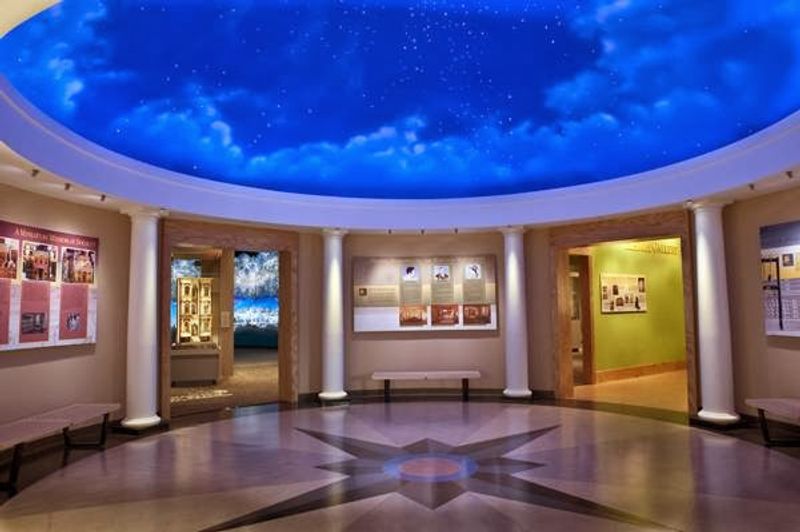
Behind every great museum stands a passionate collector, and The Mini Time Machine owes its existence to Patricia and Walter Arnell. Their personal collection formed the foundation of what has become one of the most comprehensive miniature museums in North America.
Patricia began collecting miniatures decades ago, initially as a hobby that quickly evolved into a full-blown passion. As her collection grew, she and Walter realized these tiny treasures deserved a permanent home where others could appreciate their beauty and craftsmanship.
I learned that the Arnells spent years carefully curating pieces, traveling to estate sales, auctions, and miniature shows across the country. They did not just accumulate miniatures randomly but sought out pieces with historical significance, exceptional artistry, or unique stories.
Their dedication transformed a private collection into a public institution that now educates and inspires thousands of visitors annually. The museum stands as a testament to what happens when passion meets purpose.
Educational Programs: Hands-On Miniature Making
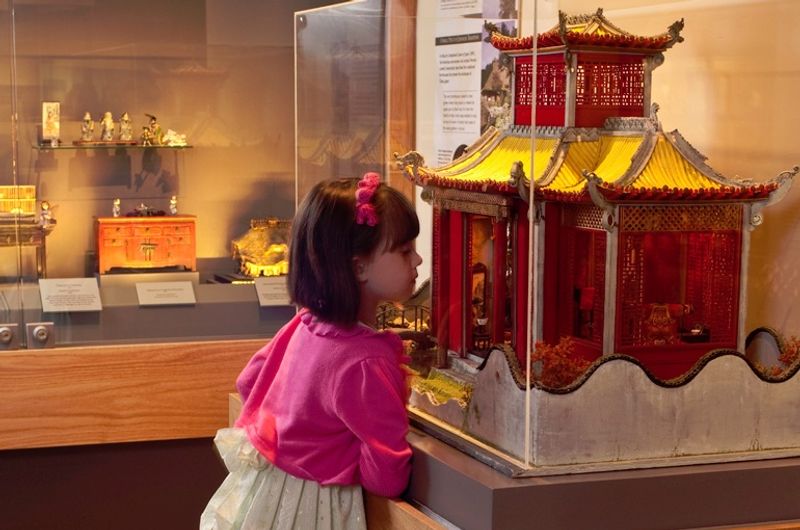
Did you know you can actually learn to create your own miniatures here? The museum offers workshops, classes, and even summer camps that teach both beginners and experienced artists the intricate techniques behind miniature construction.
I watched a class where participants learned to craft tiny furniture using balsa wood, precision cutting tools, and steady hands. The instructor demonstrated how to create realistic wood grain textures on pieces no bigger than a postage stamp. The concentration on everyone’s faces reminded me that working in miniature scale requires patience and precision.
Summer camps introduce young artists to this specialized art form, teaching skills like scale calculation, detail painting, and scene composition.
Adult workshops cover more advanced techniques including electrical wiring for miniature lighting, upholstery for tiny furniture, and aging techniques that make new pieces look authentically antique.
These programs ensure that miniature artistry continues thriving as new generations discover the satisfaction of creating entire worlds with their own hands.
Visitor Experience: Planning Your Miniature Adventure
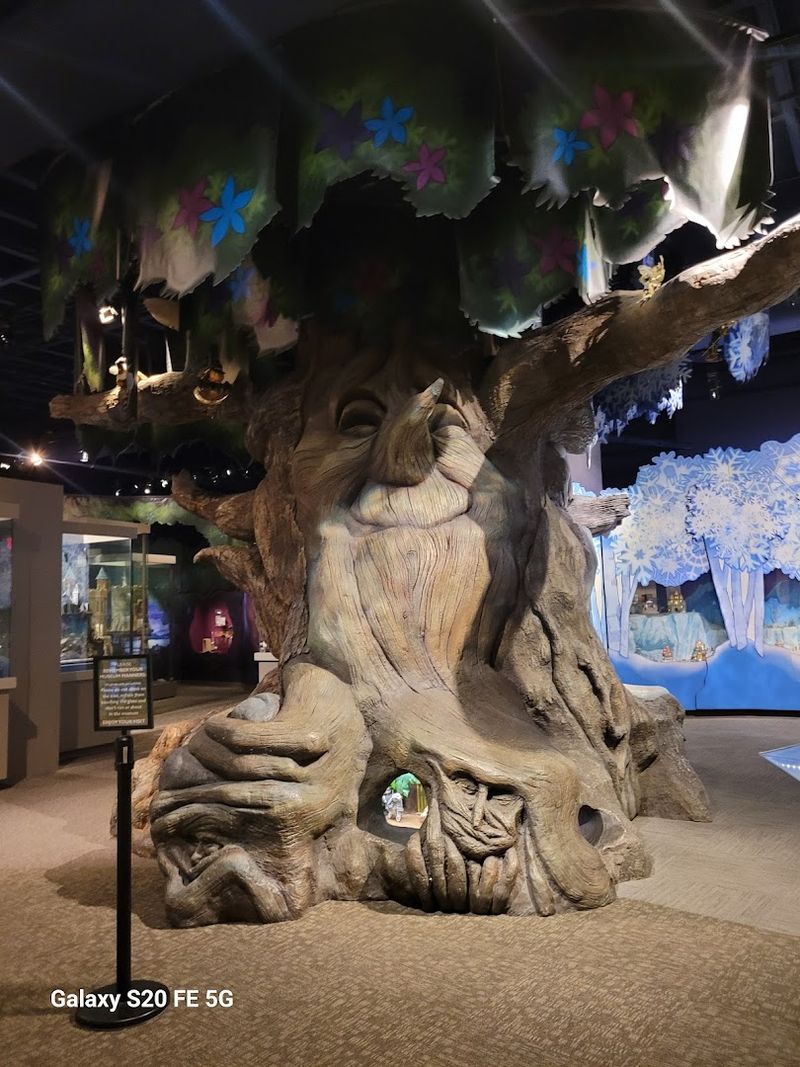
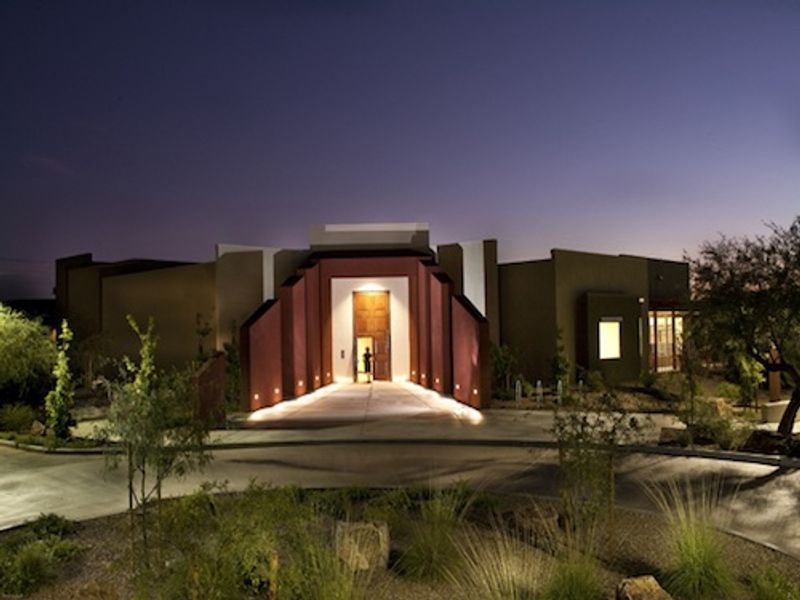
Located at 4455 E Camp Lowell Dr in Tucson, Arizona, the museum welcomes visitors Tuesday through Sunday from 9:00 AM to 4:00 PM. I recommend arriving early to avoid crowds and give yourself plenty of time to examine the intricate details that make each display special.
Admission prices are reasonable, with adults paying fifteen dollars and youth tickets costing just nine dollars. Seniors, college students, and military members receive discounted rates, while children three and under enter free. The museum also offers adaptive resources to ensure everyone can enjoy the exhibits comfortably.
I suggest bringing reading glasses if you need them because the tiny details reward close examination. Many visitors spend two to three hours exploring the galleries, though miniature enthusiasts could easily stay longer.
Photography is allowed in most areas, so bring your camera to capture your favorite displays. The gift shop sells miniature supplies, dollhouse kits, and unique souvenirs that let you take a piece of this magical experience home.
The Art Of Miniatures: Craftsmanship At Tiny Scale
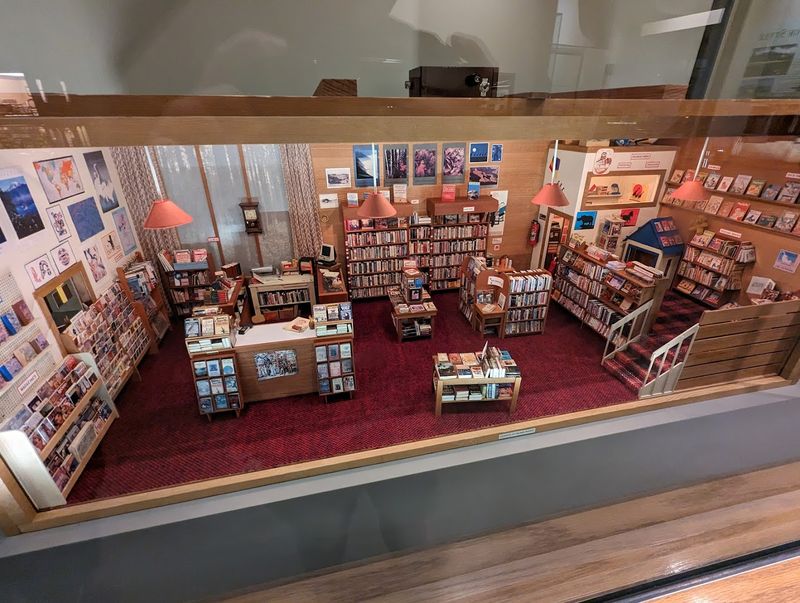
What makes miniature art so captivating? Standing inches away from displays where entire rooms fit inside spaces smaller than a shoebox, I realized the answer lies in the extraordinary skill required to work at such diminutive scales.
Artists who create these pieces must possess exceptional hand-eye coordination, infinite patience, and an obsessive attention to detail. I marveled at miniature paintings no larger than a fingernail that featured recognizable brushstrokes and proper perspective.
Tiny books with actual printed pages, working door hinges smaller than grains of rice, and hand-stitched upholstery on chairs barely an inch tall all demonstrate technical mastery.
The museum showcases work from artists worldwide, each bringing unique styles and specialties. Some focus on historical accuracy, researching period-appropriate materials and construction methods. Others push creative boundaries, incorporating modern technology like LED lighting and motorized elements into their miniature creations.
Experiencing this craftsmanship firsthand gave me profound respect for miniature artists and their dedication to perfection at the smallest scale.
Conservation And Preservation: Protecting Miniature Treasures
Behind the scenes at the Mini Time Machine, a dedicated team works tirelessly to preserve these fragile works of art for future generations. Many pieces in the collection are centuries old, requiring specialized care to prevent deterioration from light exposure, humidity, and the simple passage of time.
The museum’s conservation efforts involve meticulous documentation, controlled climate conditions, and gentle restoration techniques that honor the original craftsmanship. Visitors occasionally get glimpses into this process through special behind-the-scenes tours.
Understanding how much care goes into maintaining each miniature deepens your appreciation for what you’re seeing on display, knowing these tiny treasures will continue inspiring wonder for decades to come.
It is easy to forget, while wandering through rooms filled with tiny wonder, that every delicate detail comes with its own preservation challenge. A cracked panel, faded fabric, or shifting hinge might look minor to the eye, but in a miniature, even the smallest damage can change the whole piece.
That is what makes the museum’s quiet, careful stewardship feel so important behind the scenes. The result is a collection that still feels vivid and magical, even as many of these tiny worlds continue aging far beyond the lifetimes of the people who first made them.