
This Whimsical Michigan Road Trip Will Take You To 15 Fairy Tale Garden Escapes
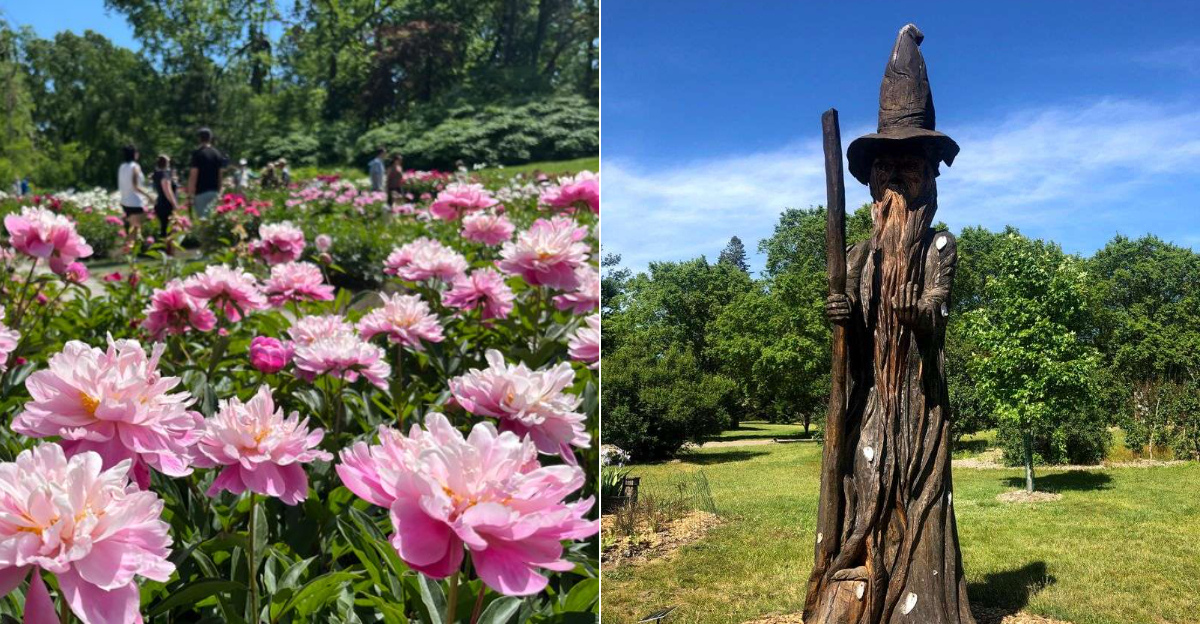
Storybook corners are tucked away behind Michigan’s lake breezes and weathered brick streets, just waiting for someone to notice the veil is thin. Walking through these gates felt less like a road trip and more like stringing enchanted charms onto a silver bracelet.
One moment you are wandering through a humid glasshouse jungle where the air is thick with ancient ferns, and the next, you are standing in a dune-kissed tulip bed where the petals seem to hold the light of the Great Lakes.
Every stop on this journey folds art and local quirks into emerald “green rooms” that appear to have been dreamed up by a playful forest spirit.
Experience the ultimate fairy-tale escape on this Michigan garden road trip, where stunning botanical wonders and world-class sculptures meet the magic of the lakeshore. Pack your curiosity and a pair of sturdy shoes, because these petals and sculptures are calling for a slow, wonder-filled linger.
Frederik Meijer Gardens and Sculpture Park, Grand Rapids
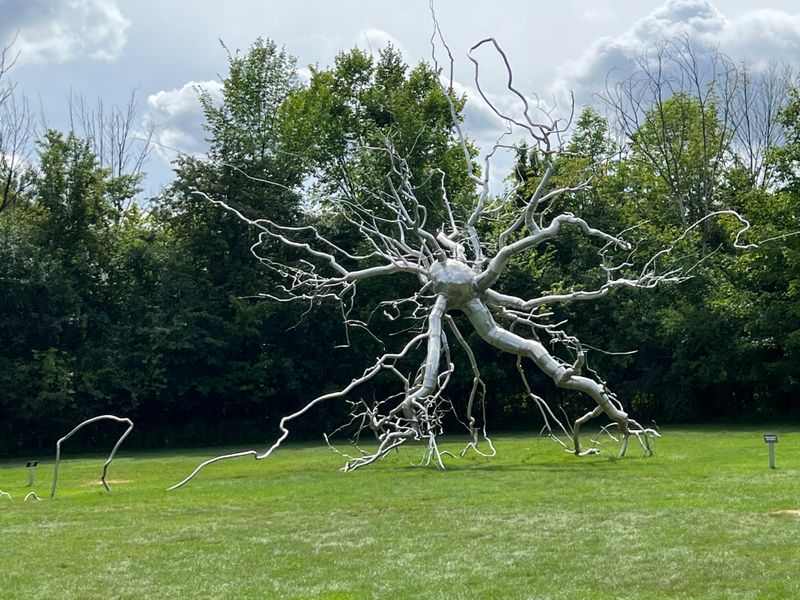
Wind shifts across steel and leaves here, where massive sculptures converse with prairie grasses and ponds. The Lena Meijer Tropical Conservatory fogs your glasses, then hands you orchids, palms, and a miniature thunder of waterfalls. Outside, bronze silhouettes feel oddly companionable beside peonies and dwarf conifers.
Opened in 1995, the campus keeps expanding with a child-friendly interactive garden and a seasonal butterfly exhibit that floods the conservatory each spring. Docents carry quiet facts like seeds, ready to plant in your ear. Trails are smooth, accessible, and well signed.
Arrive early for soft light and fewer crowds. Timed tickets help on busy weekends. If you sketch, bring a small pad, because forms and fronds keep asking for lines.
Dow Gardens, Midland
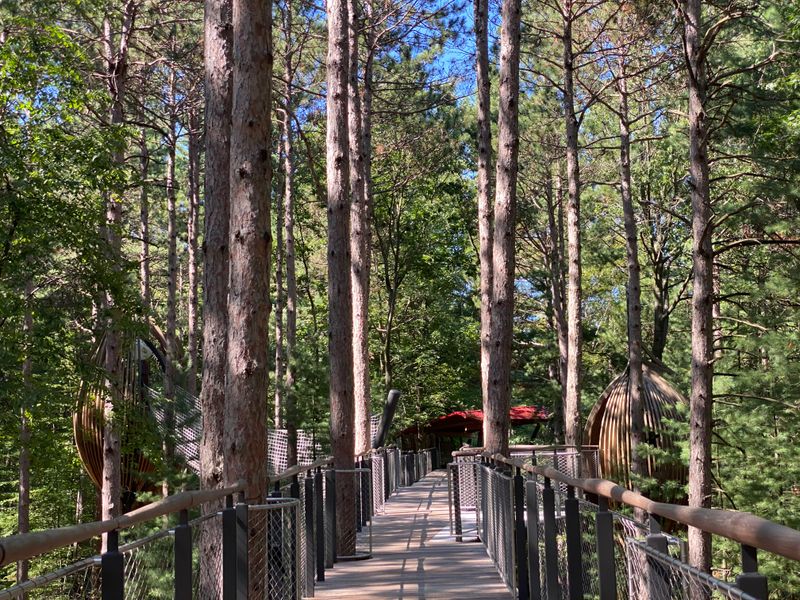
Bridges arc over a murmuring stream, and borders shift color like careful chemistry. The Canopy Walk lifts you into beech and oak crowns, where you notice wind behaving differently. Lawns sit with that midcentury poise Midland does so well.
Created by Herbert H. Dow and nurtured by his family, the gardens balance experimentation with hospitality. Alden B.
Dow’s design fingerprints appear in gentle geometry and understated drama. Paths connect formal beds to woodlands without breaking rhythm.
Weekdays feel wonderfully unhurried. The Canopy Walk requires a short stroll from the visitor center, so plan footwear accordingly. In autumn, the canopy glows with a low fire, and you will watch strangers become slow walkers together.
Cranbrook House and Gardens, Bloomfield Hills
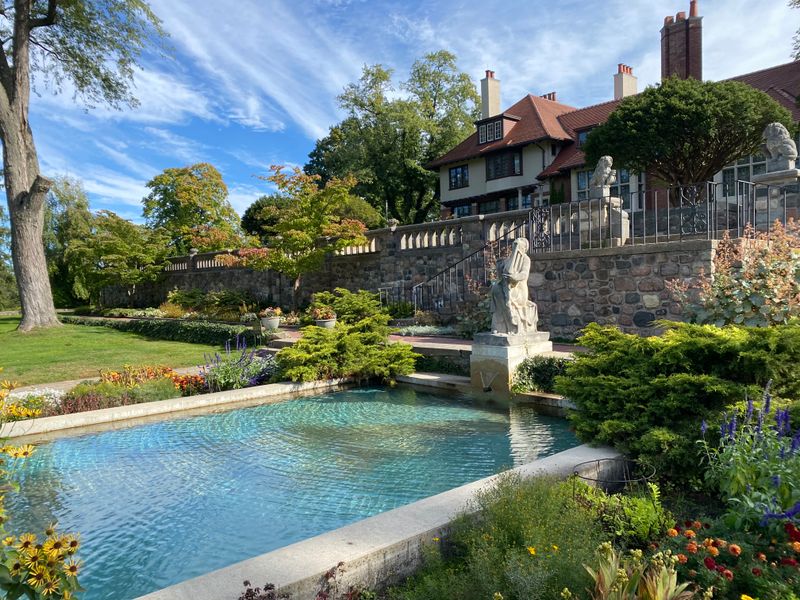
Stone terraces step down like a formal whisper from the historic Arts and Crafts manor. Water plays in modest fountains while ivy minds its own elegant math. Sculptures peek from hedges as if mid-conversation.
Built for George and Ellen Booth, the estate anchors the Cranbrook Educational Community, where architecture and art have long shared oxygen. Restoration work honors original materials and intent, so details feel purposeful rather than theatrical. Garden rooms stitch together vistas and pauses.
Check seasonal hours because access varies, especially for house tours. Parking is straightforward, but paths include stairs, so plan for gentle climbs. Bring a slim notebook for plant combos worth stealing, and leave time to wander the adjacent campus artfully.
Matthaei Botanical Gardens, Ann Arbor
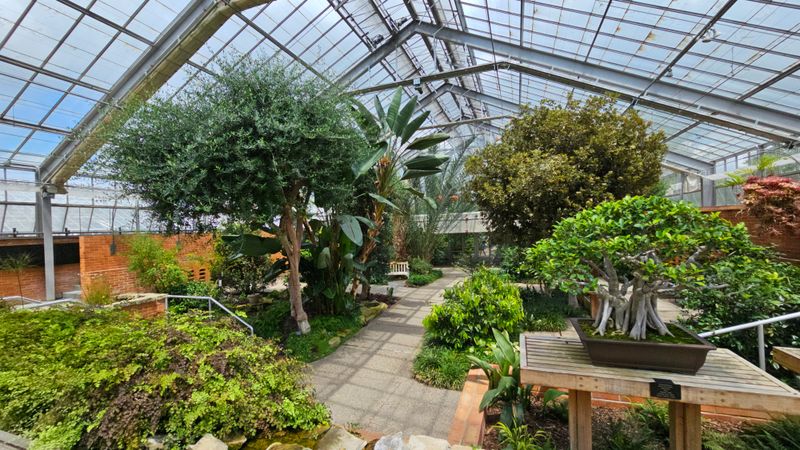
Air changes three times in the conservatory as you pass cactus spines, tropical gloss, then temperate greens. Outside, trails braid through wetlands and prairie restorations that hum with insects. Signage here is frank and helpful without scolding.
Operated by the University of Michigan, Matthaei blends research with welcome. The conservatory, designed by Alden B. Dow, keeps a clean modern profile that lets plants lead.
Collections rotate emphasis with the seasons, but the backbone remains steady.
Parking is by meter, so keep an eye on the clock. Trails can be muddy after rain, which amplifies the chorus of frogs. If you want quiet, arrive right at opening, when leaves broadcast dew and birds rehearse.
Nichols Arboretum, Ann Arbor
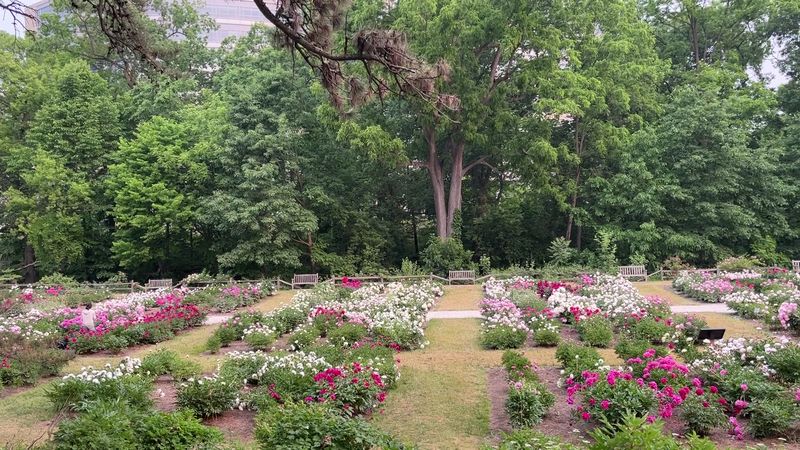
Mornings open slowly in the Arb, with light dilating over the Valley’s grassy bowl. Oaks lift their elbows along ridgelines while the Huron River edges the scene with a cool sentence. Trails wander rather than dictate.
Founded in 1907 and co-managed by the University of Michigan, the Arb maintains naturalistic plantings and a treasured peony collection. Its design favors topography over ornament, so views feel earned by footsteps. Students, birders, and picnickers share space politely.
Parking is scattered around the perimeter, and some slopes are brisk. Spring peony bloom brings crowds, so plan odd hours. Bring water, because time distends here, and you can forget how far you have followed a curve.
W.E. Upjohn Peony Garden, Ann Arbor
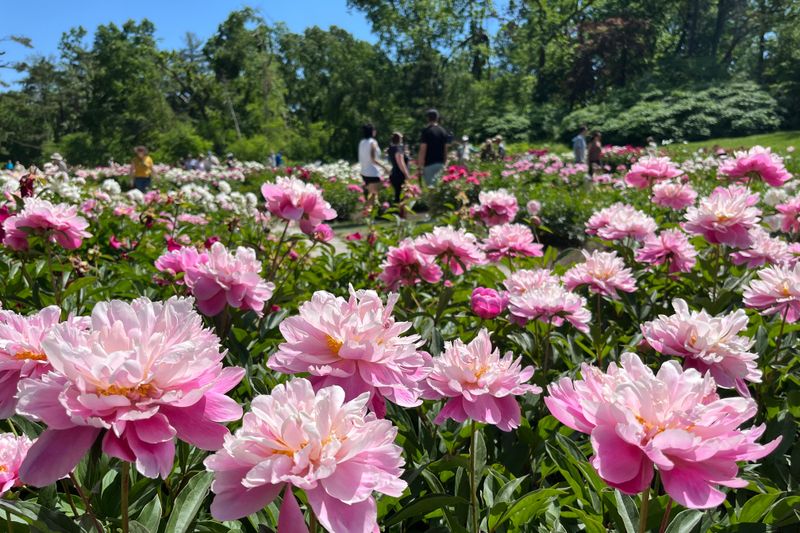
Fragrance writes big cursive here when heritage peonies open in rows that feel ceremonial. Labels turn each plant into a small biography, and petals puff like well-baked meringues. Bees negotiate ownership with polite insistence.
Established in the 1920s with a major donation from W.E. Upjohn, the collection preserves historic cultivars and thoughtful layout. Volunteers and staff steward the beds carefully, sharing bloom updates each spring.
Peak usually hits late May to early June, weather willing.
Arrive early or late to sidestep the midday crush. Paths are narrow, so watch elbows and cameras. If storms rumble, consider the day after, when fallen petals gather like confetti, and the garden looks gorgeous in recovery.
Anna Scripps Whitcomb Conservatory, Detroit
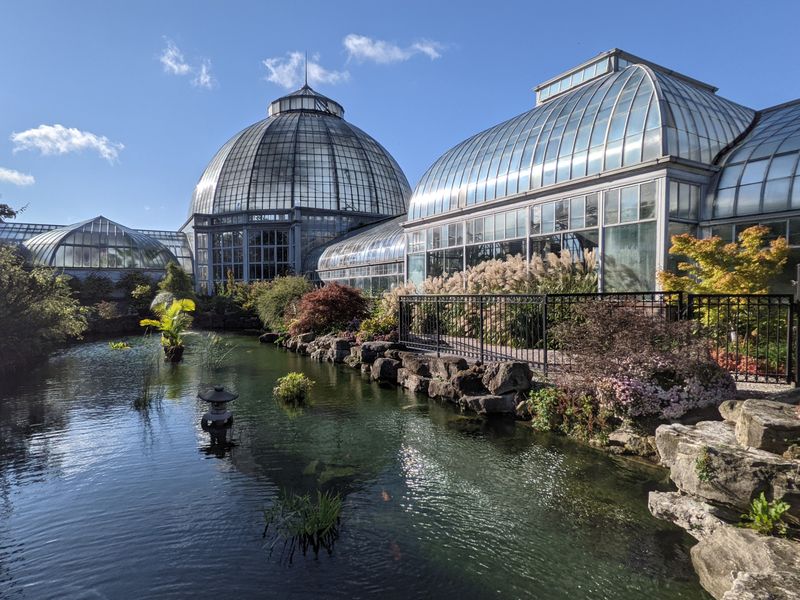
Glass ribs hold Detroit daylight on Belle Isle, where palm fronds throw lace shadows. The fern room smells faintly prehistoric, while the cactus house edits the world to spines and sky. Outside, the fountain’s geometry keeps time.
Opened in 1904 and designed by Albert Kahn, the conservatory shelters one of the nation’s notable orchid collections, renamed for donor Anna Scripps Whitcomb. Restoration work has stabilized the Palm House without losing its character. Seasonal displays keep the rhythm human.
Parking on Belle Isle requires the Recreation Passport for vehicles. Winter visits are blissfully quiet and warm. Bring a lens cloth because humidity fogs cameras quickly, then clears to emerald clarity.
Hidden Lake Gardens, Tipton
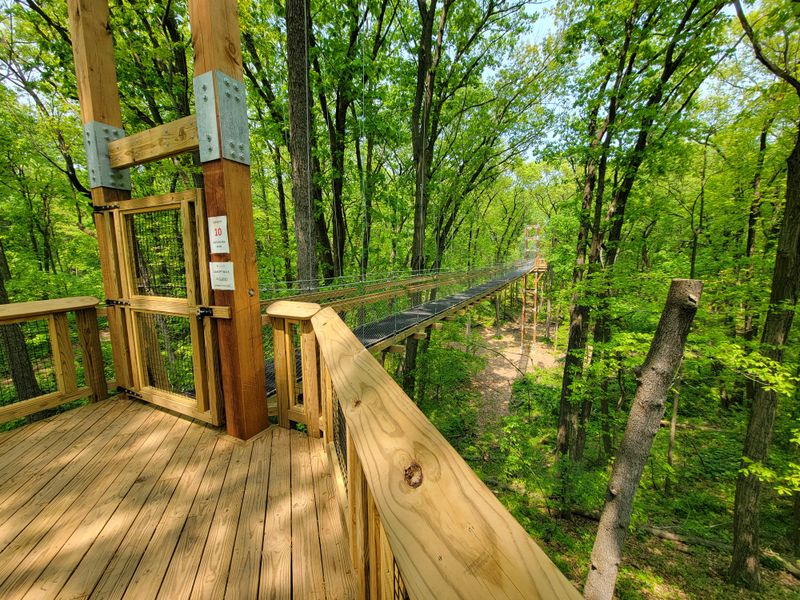
Roads rise and fold over glacial hills until a quiet lake appears like a kept secret. Conifers stand with tailored dignity, and the bonsai courtyard feels like a whisper inside a whisper. The conservatory adds a tropical aside.
Managed by Michigan State University, the gardens began in the 1940s through a gift from Harry Fee. Collections emphasize woody plants and scenic drives, with overlooks that reset your sense of scale. Seasonal festivals are measured rather than loud.
Bring a picnic and linger at the scenic pullouts. The auto tour loops gently, but you will want to walk the trails for textures. Cell service can wobble, so download a map and enjoy the pleasant disconnection.
Fernwood Botanical Garden and Nature Preserve, Buchanan
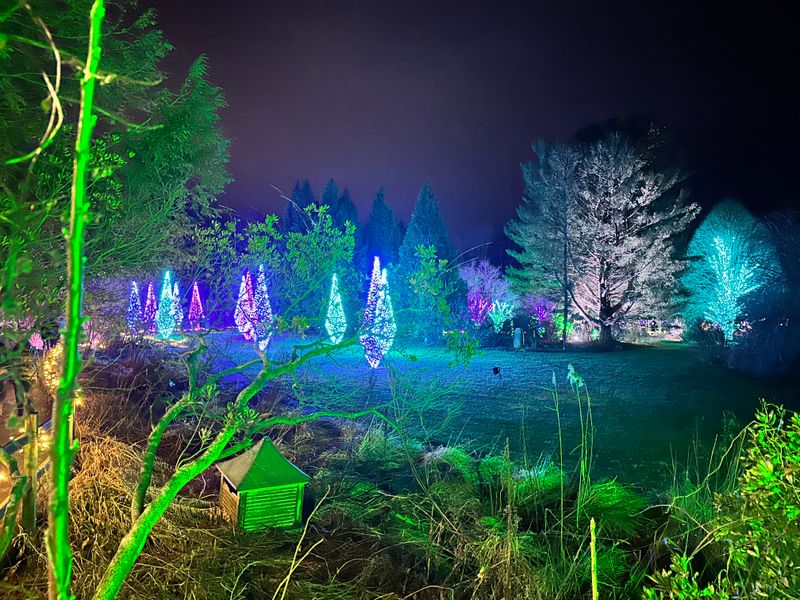
Footsteps turn naturally quieter under the heavy canopy here, where delicate ferns seem to autograph the humid air. A prairie overlook opens up suddenly at the edge of the woods, like a page in a book that was unexpectedly left blank for your own thoughts. The Railway Garden is a standout, looping miniature trains through living landscapes with cheerful, tiny precision.
Founded in 1964, the garden binds its cultivated beds to a much larger nature preserve, making the transitions feel completely organic. The St. Joseph River slides by nearby, adding a cool, liquid punctuation to your walk. While weekends often invite families and young explorers, the weekday mornings remain the calmest time for solitary wandering.
Trails vary from paved sections to rustic woodchips, but the signage is always friendly and clear. If rain threatens your trip, keep the Railway Garden as a bright interlude between showers, because it manages to look charming even when the miniature mossy hills are damp.
Leila Arboretum, Battle Creek
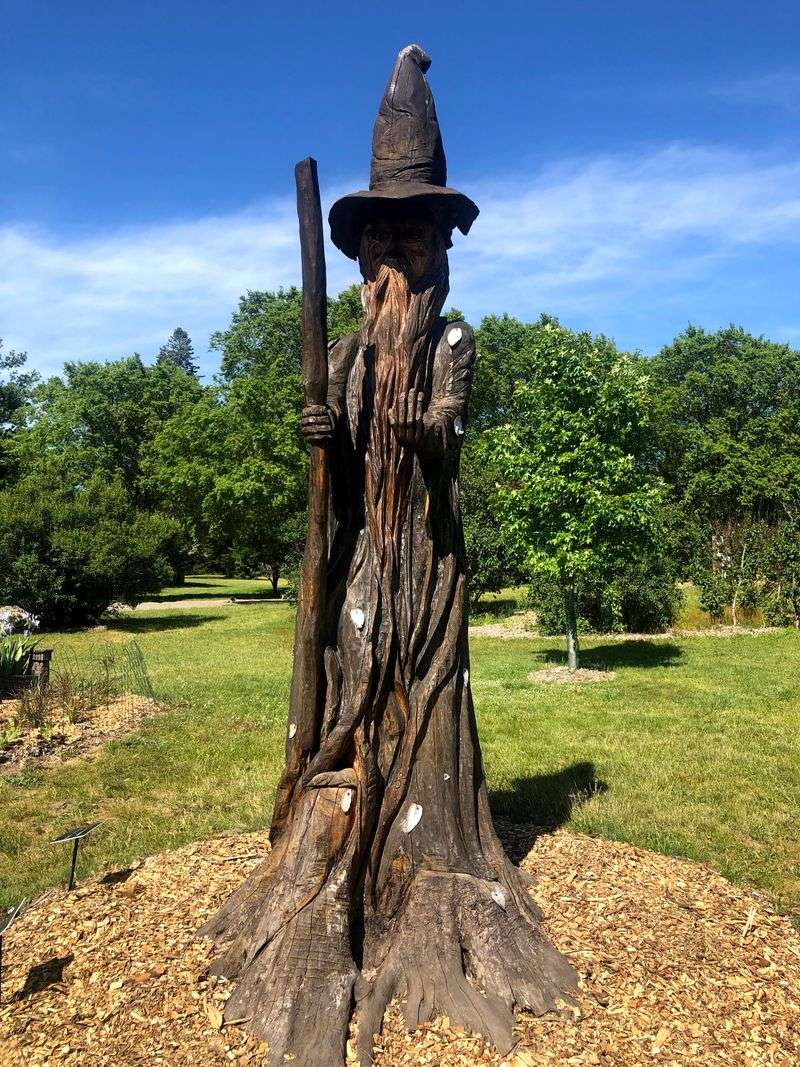
Specimen trees throw generous shade over lawns that feel built for lingering. Then the Fantasy Forest interrupts expectations with chainsaw-carved creatures rising from salvaged trunks. Birds audition from every branch.
Established in the 1920s, Leila Arboretum has weathered shifts by leaning into community and quirky art. The sculpture garden grew from storm-damaged trees, a local restoration story with humor. Gardens and programs knit neighbors to the landscape.
Check the calendar for festivals, which can transform the energy from contemplative to lively. Parking is easy, and paths are forgiving. If you travel with kids or curious adults, the carvings double as a scavenger hunt that rewards unhurried looking.
W.J. Beal Botanical Garden, East Lansing
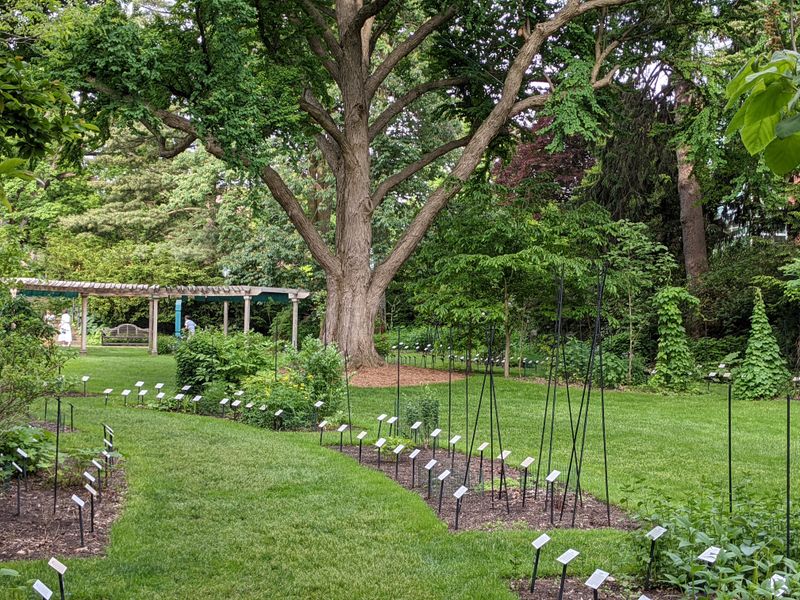
Order arrives as labeled beds array plants by use and family, turning a stroll into a syllabus. The Red Cedar murmurs along the edge, softening the taxonomy with water sounds. Benches invite deliberate pauses.
Founded in 1873 by William James Beal, it is among the oldest continuously operated botanical gardens in the United States. Historic experiments nearby shaped seed dormancy research. Preservation choices keep the garden informative without feeling pedantic.
Parking on campus can be the trickiest puzzle, so check visitor lots and hours. Weekdays during classes feel alive but not crowded. If curiosity spikes, the signs will happily send you down rabbit holes worth the detour.
Michigan 4-H Children’s Gardens, East Lansing
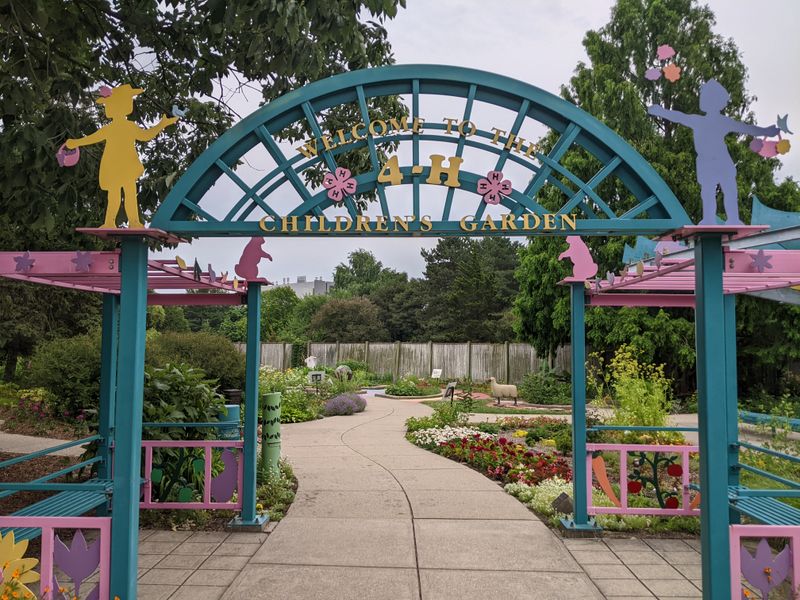
Color pops here, and pathways curl with purpose toward hands-on surprises. Water features burble at kid scale, and themed beds like the pizza and alphabet gardens turn learning into play. Adults catch themselves grinning.
Opened in 1993 on the MSU campus, the garden pioneered interactive children’s horticulture spaces. Plant labels speak plainly, and exhibits invite touch, smell, and small experiments. The design respects short attention spans without talking down.
Weekday mornings are gentler for families who like room to meander. Shade is patchy, so hats help in July. Afterward, wander toward the larger campus greens, where blossoms yield to wide lawns perfect for quick cartwheels.
Windmill Island Gardens, Holland
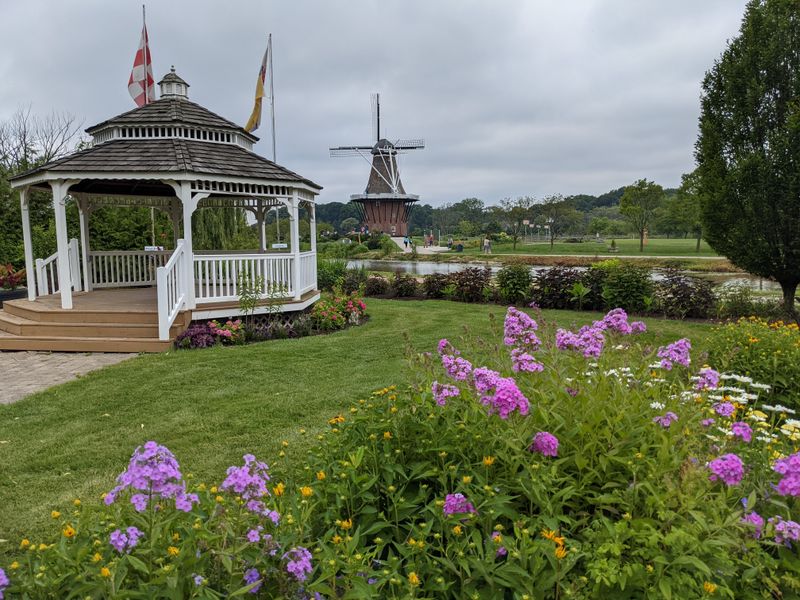
Wind catches wooden sails and clicks them into a rhythm older than the parking lot. Tulips flare across fields like tidy fireworks in April and May. Canals reflect gables and sky with postcard calm.
Home to De Zwaan, an authentic Dutch windmill moved to Holland, Michigan in the 1960s, the site mills grain and shares the craft through interpreters. Seasonal plantings keep color beyond tulip time. Small buildings echo Dutch heritage without kitsch overload.
Arrive midweek during Tulip Time if crowds make you twitchy. Paths are flat, and the mill tour uses stairs, so plan footwear. If wind rises, linger by the sails and listen to a working history lesson.
Grand Hotel Gardens, Mackinac Island
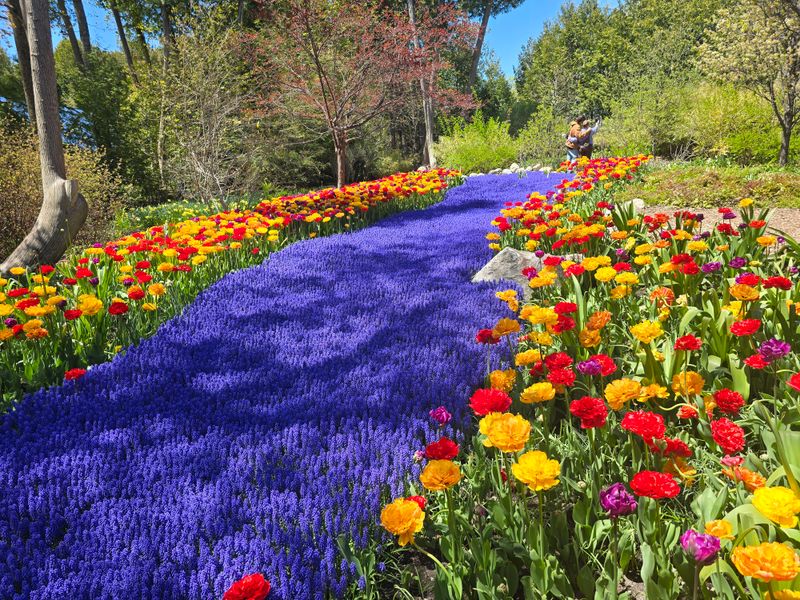
Horse hooves clip a steady metronome while the porch watches like a white-linen spectator. Below, formal beds parade geraniums and annuals in crisp alignments. Lake Huron sends a polite breeze to stir ribbons and leaves.
The Grand Hotel, opened in 1887, tends gardens that match its Victorian confidence. Planting schemes shift yearly but maintain a signature palette that photographs beautifully. Preservation here means tradition with seasonal editing, not stasis.
Ferries set the day’s rhythm, and no cars keeps the island’s hush. There is a fee for non-guests to access porches and grounds, worth budgeting. Reserve energy for evening light, when color deepens and carriages become silhouettes.
Ford House Grounds, Grosse Pointe Shores

A consistent shoreline breeze lifts the tall meadow grass as if it were smoothing out a giant green tablecloth. Curved paths lead you past a quiet lagoon where the reflections knit the sky to the grass in a seamless loop.
The historic mansion sits back from the water, allowing the expansive landscape to hold the first “hello” of your visit. The legendary landscape architect Jens Jensen shaped these grounds for Edsel and Eleanor Ford using prairie-style sweeps and moments of quiet drama.
Modern restoration work honors the native plant communities and the historic sightlines Jensen originally intended. New interpretation centers add context to the family history without crowding the natural view.
Timed tickets are used to manage the flow of visitors, and parking is quite straightforward. Walk slowly so you don’t miss the subtle stonework of the council rings. If the lake is feeling particularly talkative, pause by the shoreline and let the natural soundtrack stretch your visit well beyond what the clock intended.