
This Wild Colorado Stop Turns A Simple Day Trip Into Something Memorable
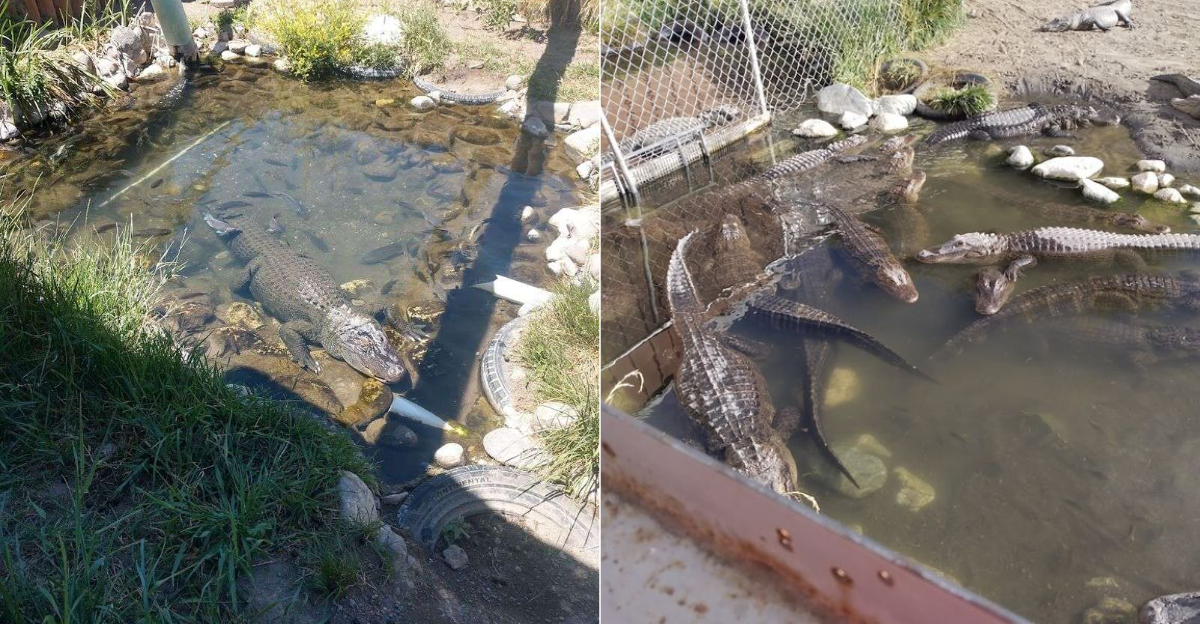
Out on a sun soaked stretch of valley road, this is the kind of stop that makes people go silent for a second, then immediately start asking why nobody told them about it sooner. It feels gloriously improbable from the moment you arrive, with a mix of surprise, curiosity, and pure roadside chaos that somehow works perfectly together.
In Colorado, the best detours are the ones that sound too strange to matter and then become the highlight of the whole trip. This place absolutely belongs in that category.
Between the unexpected animals, the unusual setting, and the sheer how is this real energy of the experience, it keeps delivering one memorable moment after another.
Colorado’s San Luis Valley already feels a little otherworldly, and this stop leans all the way into that feeling, turning a random drive into the kind of adventure people remember long after the road dust settles.
Where The Plan Decides Itself: The First Impression That Hooks You
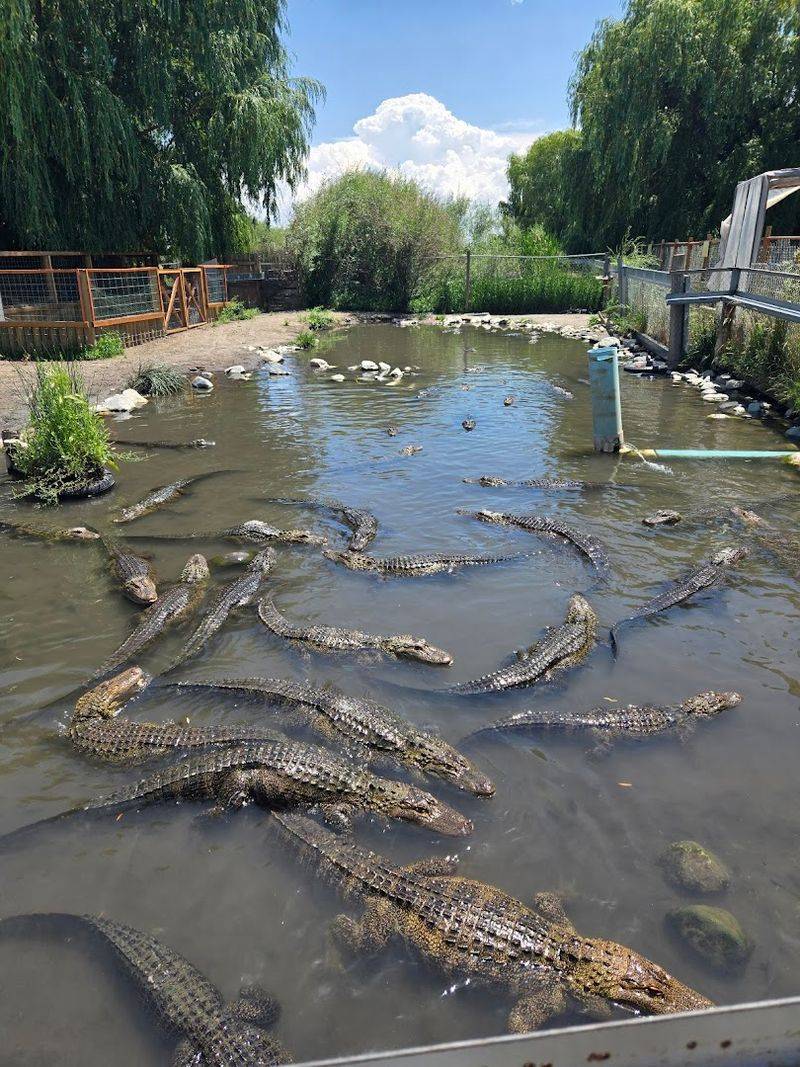
Before you even reach the front door, the place has already made its case. The main parking lot pulls you directly alongside a fishing creek where geese and ducks move around with the casual confidence of creatures who own the property outright.
It is the kind of arrival that makes you put your phone away just to take it all in.
Then, as you approach the entrance, Garfield the Cat may very well intercept your progress and demand a toll of affection. You will pay it willingly.
At that point, the trip has already shifted from errand to event.
The park operates daily from 9 AM to 5 PM, and the gift shop is built right into the entry station, so you are surrounded by the full experience from the first step. That seamless setup signals something important: this place was designed by people who genuinely love what they built.
You can reach them at 719-378-2612 or visit coloradogators.com before heading out.
Quick Tip: Arrive closer to opening at 9 AM for a quieter, more personal experience with the staff and animals before the midday crowd fills in.
The Simple Promise: A Rescue Park With Real Heart
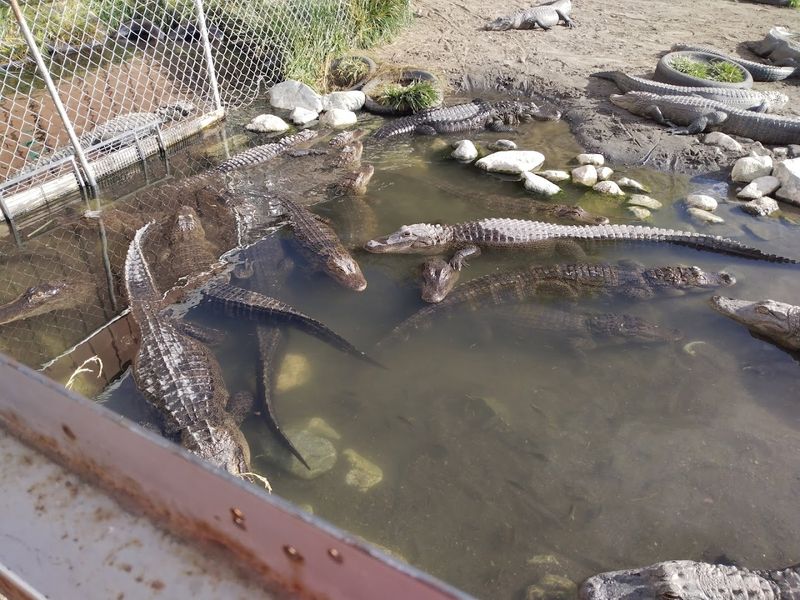
The core of Colorado Gators Reptile Park is not spectacle for its own sake. Roughly 90 percent of the animals here are rescues, taken in from people who purchased exotic pets and could no longer care for them, or surrendered by institutions like the Denver Zoo, or even recovered by the Denver Police.
That backstory changes how you see every animal on the property.
Knowing that the large, seemingly unbothered iguana near the indoor exhibit was once found abandoned in a park makes the whole visit feel purposeful. Your admission ticket is not just an entry fee; it directly supports the ongoing care of animals that had nowhere else to go.
The variety is genuinely staggering. Alligators, crocodiles, albino gators, snakes, tortoises, exotic birds, emus, ostriches, cats, and more all share this working farm in the Colorado mountains.
The range of species is not manufactured for novelty; it reflects years of rescue work that keeps growing.
Why It Matters: Choosing to visit here means supporting a legitimate animal rescue operation, not just checking off a tourist attraction. The animals benefit directly from every visit and every purchase made on site.
The Arrival Scene: Colorado Mountains Meet Unexpected Wildlife
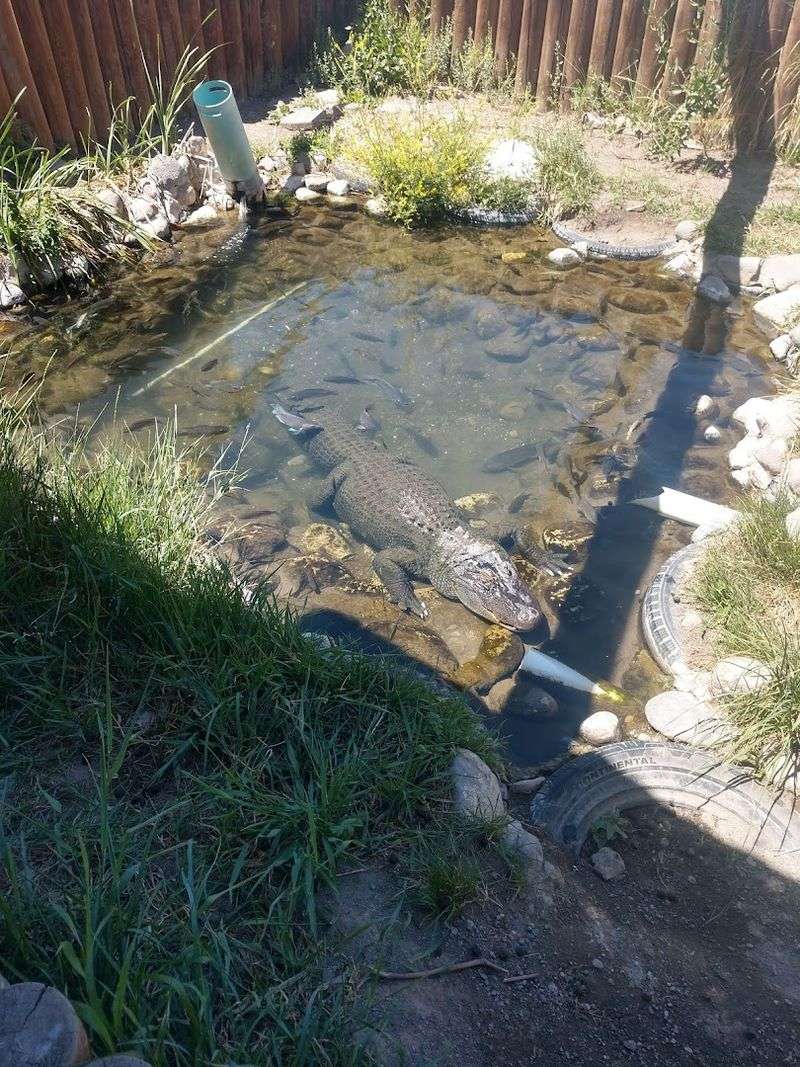
There is something quietly surreal about watching an alligator float in a pond while the Rocky Mountain skyline fills the background. Colorado is not the first state that comes to mind when you picture gator country, and that contrast is exactly what makes the experience land so differently than anything else on a San Luis Valley road trip.
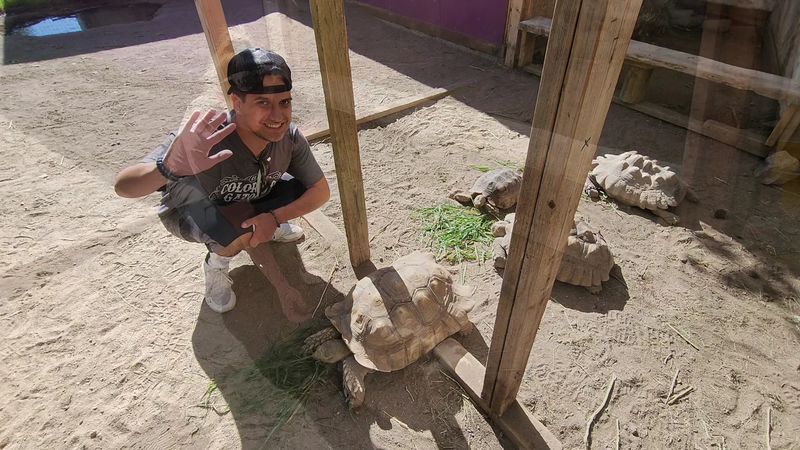
The outdoor exhibits stretch across the working farm property, and tortoises roam with a freedom that will make you stop mid-step more than once to avoid an accidental encounter. The emus are curious, the ostriches are friendly, and the whole place operates with an organic, unhurried rhythm that feels genuinely rare.
One honest note from many visitors: it is a working farm, so flies and earthy smells come with the territory. That is not a complaint; it is context.
The authenticity of the environment is part of what makes it feel real rather than sanitized.
Best For: Visitors who appreciate genuine wildlife settings over polished, manicured zoo environments. If you want real over glossy, this is your kind of stop on the way through south-central Colorado.
Why Locals Keep Coming Back: Staff Who Actually Know Their Animals
Ask almost anyone who has visited Colorado Gators more than once what keeps pulling them back, and the answer arrives before the sentence is finished: the staff. These are not bored attendants reading from a laminated card.
They are people with genuine enthusiasm for every animal on the property, and that energy is contagious in the best possible way.
Staff members share information about snakes, lizards, alligators, and crocodiles with the kind of depth that makes a documentary feel like a pamphlet. One visitor noted they finally learned, after a lifetime of confusion, how to confidently tell an alligator apart from a crocodile.
That is the kind of low-key, lasting value that turns a casual stop into a story you repeat at dinner.
The habit of returning is well established here. Multiple visitors mention coming back years later and finding the experience just as rich, sometimes richer, than before.
That consistency is not accidental; it reflects a staff culture built around genuine care for both the animals and the people visiting them.
Insider Tip: Do not rush through the first indoor exhibit room. The staff stationed there tend to share some of the most fascinating and unexpected animal facts of the entire visit.
How It Fits Real Life: Families, Couples, And Solo Travelers All Win Here
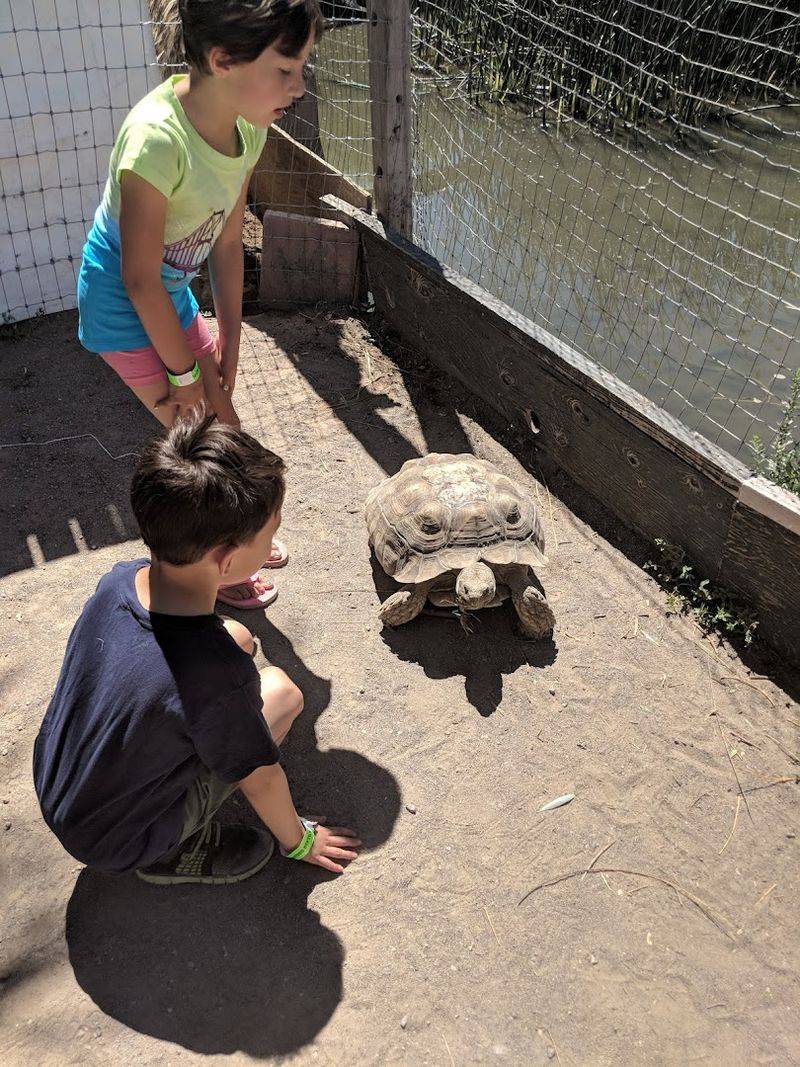
Colorado Gators is one of those rare places that does not require you to calibrate your group before deciding whether to go. A three-year-old feeding tortoises and a couple on their honeymoon holding a baby gator are equally valid reasons to show up, and both experiences apparently deliver.
Families get hands-on interaction that keeps kids genuinely engaged rather than just visually stimulated. Couples find the shared novelty of holding a crocodile together hard to replicate anywhere else on a Colorado road trip.
Solo visitors consistently report that the staff make the experience feel personal rather than transactional, turning a quiet detour into a full afternoon of conversation and discovery.
The interactive elements included with admission, such as feeding gators and turtles, engaging with emus, and handling certain reptiles, mean the value feels generous without requiring constant upselling. Admission is priced at $30 for adults and $15 for children, and a t-shirt purchase option doubles as a free return entry pass, which is a genuinely clever arrangement.
Who This Is For: Anyone traveling through the San Luis Valley who wants more than scenery. Families, couples, and curious solo travelers all leave with a story worth telling.
Make It A Mini Plan: Pair The Park With The Dunes Nearby
Colorado Gators sits in a part of Colorado that already draws visitors for the Great Sand Dunes, which means the park slots naturally into a day that was already headed in this direction. A quick stop off your route can easily become the highlight of the whole trip, which is the kind of travel math that always feels satisfying.
Start the morning at the park when it opens at 9 AM, spend two to three hours moving through the exhibits at a relaxed pace, grab a souvenir from the gift shop, and still have plenty of daylight left for the dunes or a drive through the valley. Bringing your own lunch and eating it in the parking area near the creek and the geese is a low-effort picnic moment that visitors have repeatedly described as unexpectedly lovely.
The park’s location in Mosca keeps it accessible without feeling crowded in the way that major tourist corridors can get. It rewards the traveler who builds a little flexibility into their itinerary rather than locking every hour in advance.
Planning Advice: Pair the park visit with a morning start and a post-visit drive toward Great Sand Dunes National Park to make the most of a single day in south-central Colorado.
Final Verdict: The Stop You Will Talk About Long After The Trip Ends
Colorado Gators Reptile Park earns its 4.7-star reputation honestly, visit after visit, season after season. It is not a flashy production.
There are no elaborate theatrical presentations or manufactured thrills. What it offers instead is something harder to find: a place run by people who clearly love what they do, filled with animals that have been given a second chance, and designed to make every visitor feel like they stumbled onto something genuinely special.
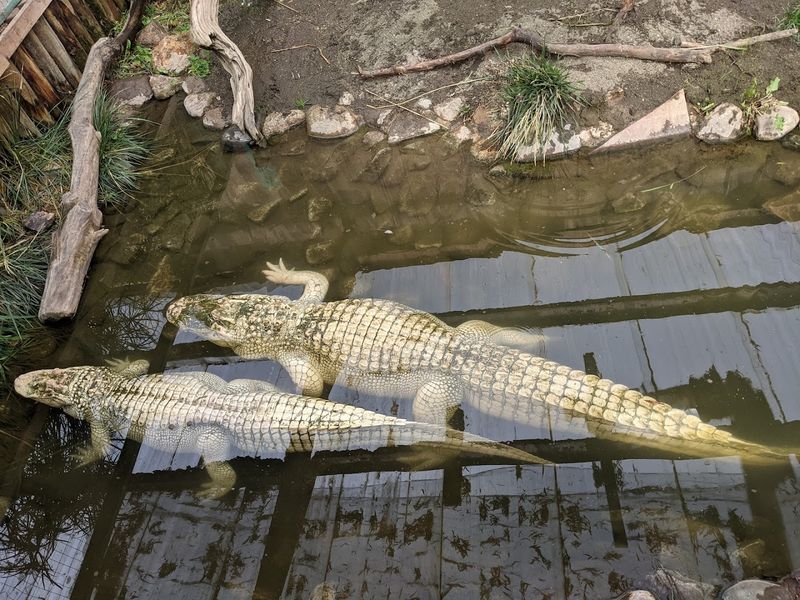
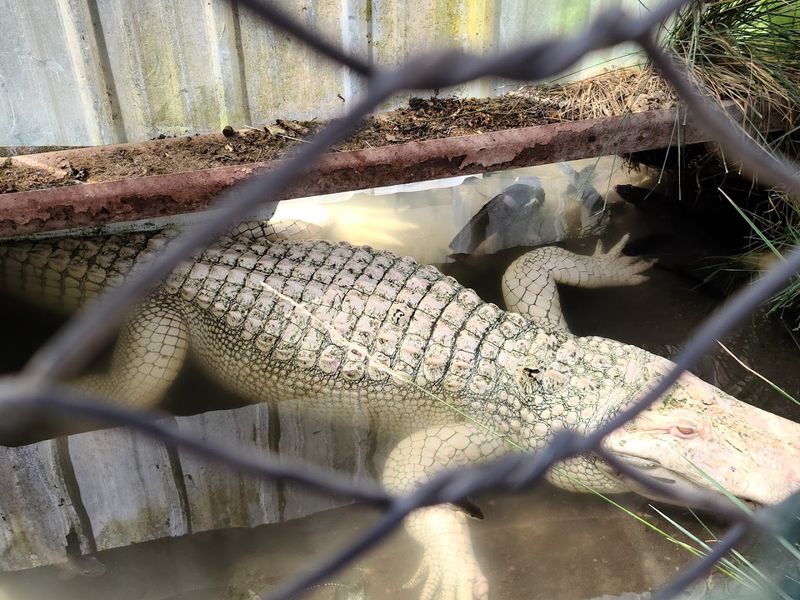
The combination of rescue mission, hands-on interaction, knowledgeable staff, and sheer animal variety is difficult to replicate anywhere else in Colorado, let alone in a single afternoon stop. From albino alligators and free-roaming emus to baby crocodiles you can actually hold, the range of experiences packed into one working farm property is quietly remarkable.
If a friend texted you right now and said they were driving through Mosca, the honest answer would be: stop at the gator park, budget at least two hours, and do not skip the first indoor exhibit. You will leave knowing more than you arrived with, and that is a genuinely good use of a Saturday.
Key Takeaways: Open daily 9 AM to 5 PM. Admission $30 adults, $15 kids.
Call 719-378-2612 or visit coloradogators.com. A t-shirt purchase grants free return entry.
Bring cash or card and a little extra time.