
This Wild Maine Gorge Earned The Nickname Grand Canyon Of Maine
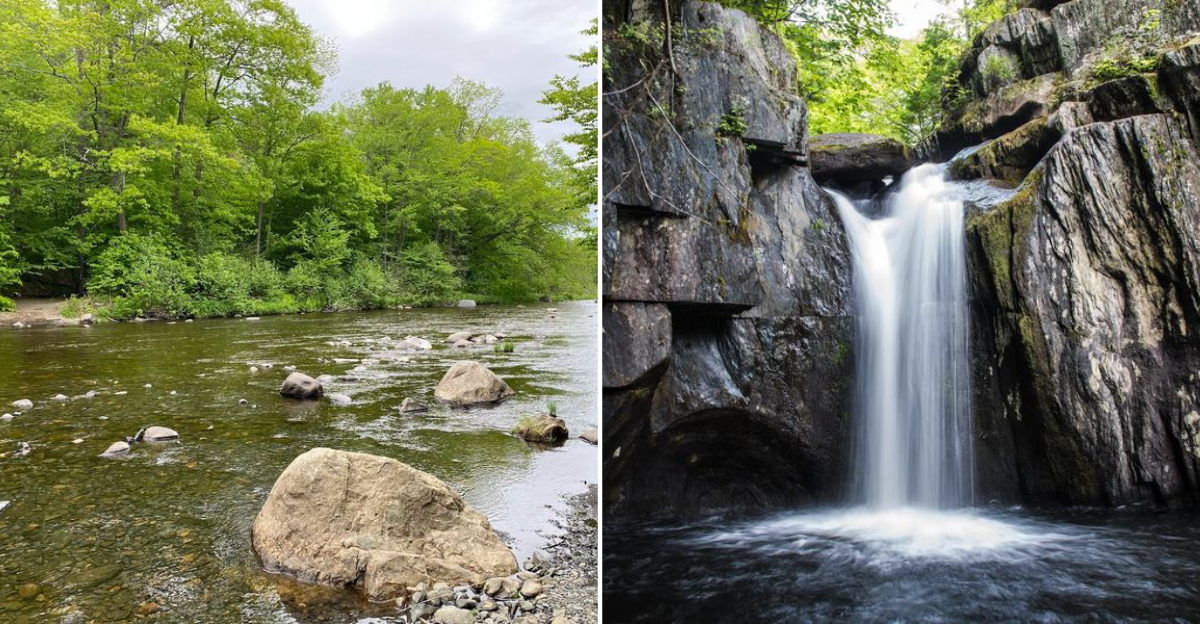
Some places make you stop talking the moment you see them. This remote gorge in Maine is one of those places.
Nearly three miles of dark slate walls, rushing water, steep overlooks, and rugged forest make the whole landscape feel bigger than expected. The trail is not an easy stroll, either.
Reaching the best views means dealing with roots, rocks, rough roads, and plenty of elevation along the way. That effort is exactly what makes the experience so memorable.
One minute, you are walking beneath a thick canopy. The next, you are staring into a deep canyon while the river crashes below.
It feels wild, dramatic, and far removed from everyday life. And this is only the beginning of why it earned such a powerful reputation throughout New England.
The Gorge That Earned A Grand Nickname
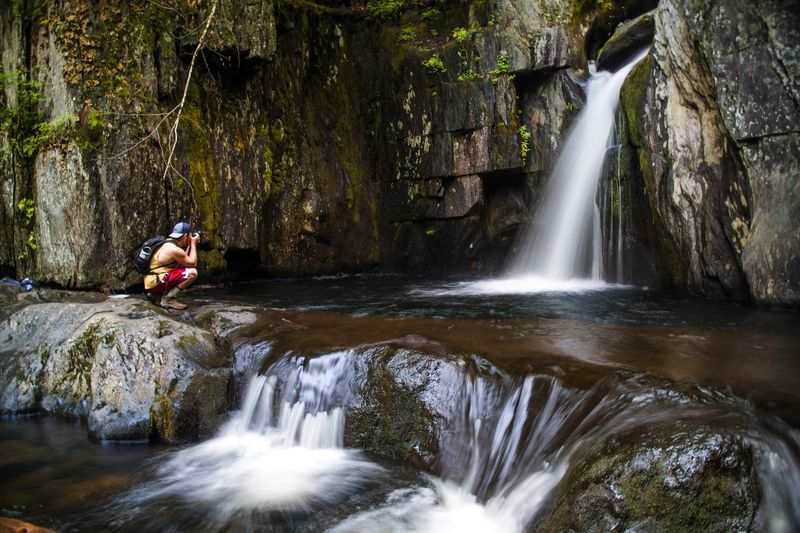
Maine is not a state known for holding back its wild side, and Gulf Hagas proves that point beautifully. Stretching nearly three miles through the dense forests of Piscataquis County, this deep slate gorge has earned the bold nickname “Grand Canyon of Maine” for very good reason.
The West Branch of the Pleasant River has spent thousands of years carving through the slate bedrock, creating walls that drop as far as 130 feet in some sections. Standing at the rim and peering down at the churning water below is a genuinely humbling experience.
The gorge lies in Bowdoin College Grant East Township, deep within the remote KI Jo-Mary Forest. Getting there requires passing through a private logging road checkpoint and paying a usage fee.
That extra effort is part of what keeps the area feeling so wild, undiscovered, and completely worth every mile of bumpy dirt road you drive to reach it.
Seven Waterfalls Along One Trail
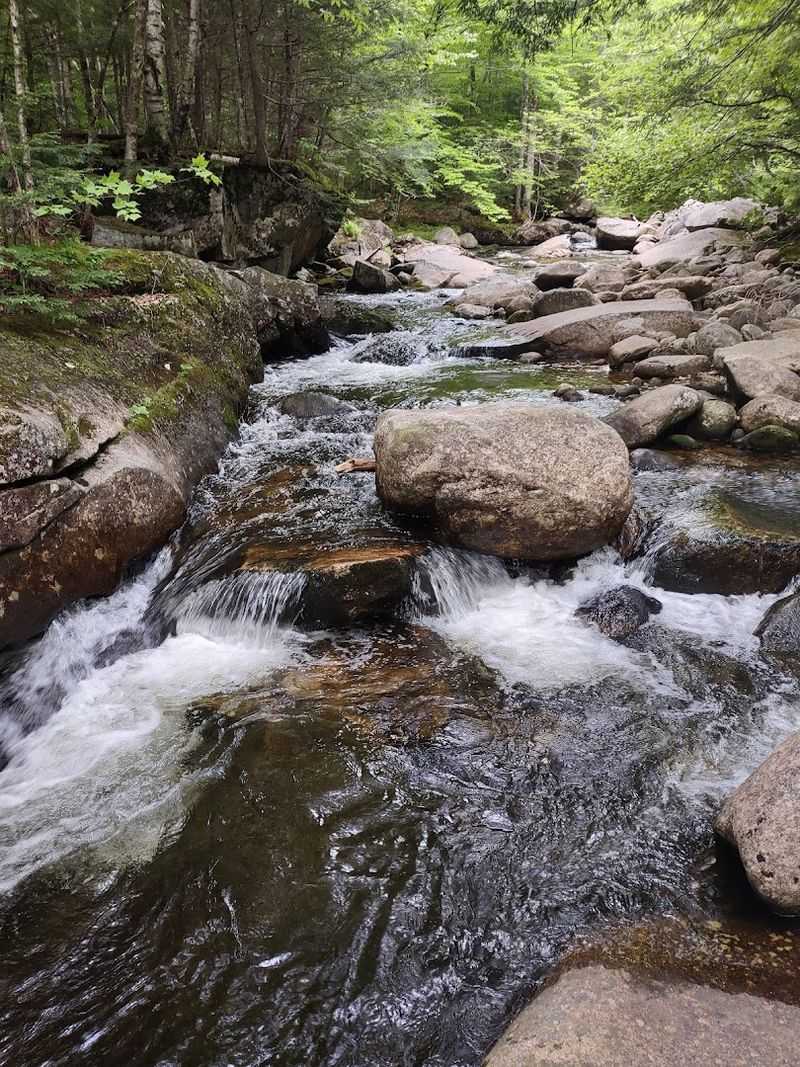
Imagine hiking a trail where every mile or so, a new waterfall appears around the bend. That is exactly what Gulf Hagas delivers.
Along the Rim Trail, hikers pass seven distinct waterfalls, each one with its own personality, size, and surrounding scenery.
Screw Auger Falls is one of the most dramatic, where the river pours through a narrow slot in the slate before crashing into a pool below. Buttermilk Falls, Stair Falls, and Hammond Street Pitch each offer their own visual rewards, drawing hikers deeper and deeper into the canyon.
Some of the falls require a bit of scrambling down rocky ledges to reach the water’s edge, which adds a sense of real adventure to the day.
The payoff is always worth it. Standing next to the thundering water, feeling the cool mist on your face, and hearing nothing but the roar of the river is the kind of moment that stays with you long after the hike ends.
A Registered National Natural Landmark
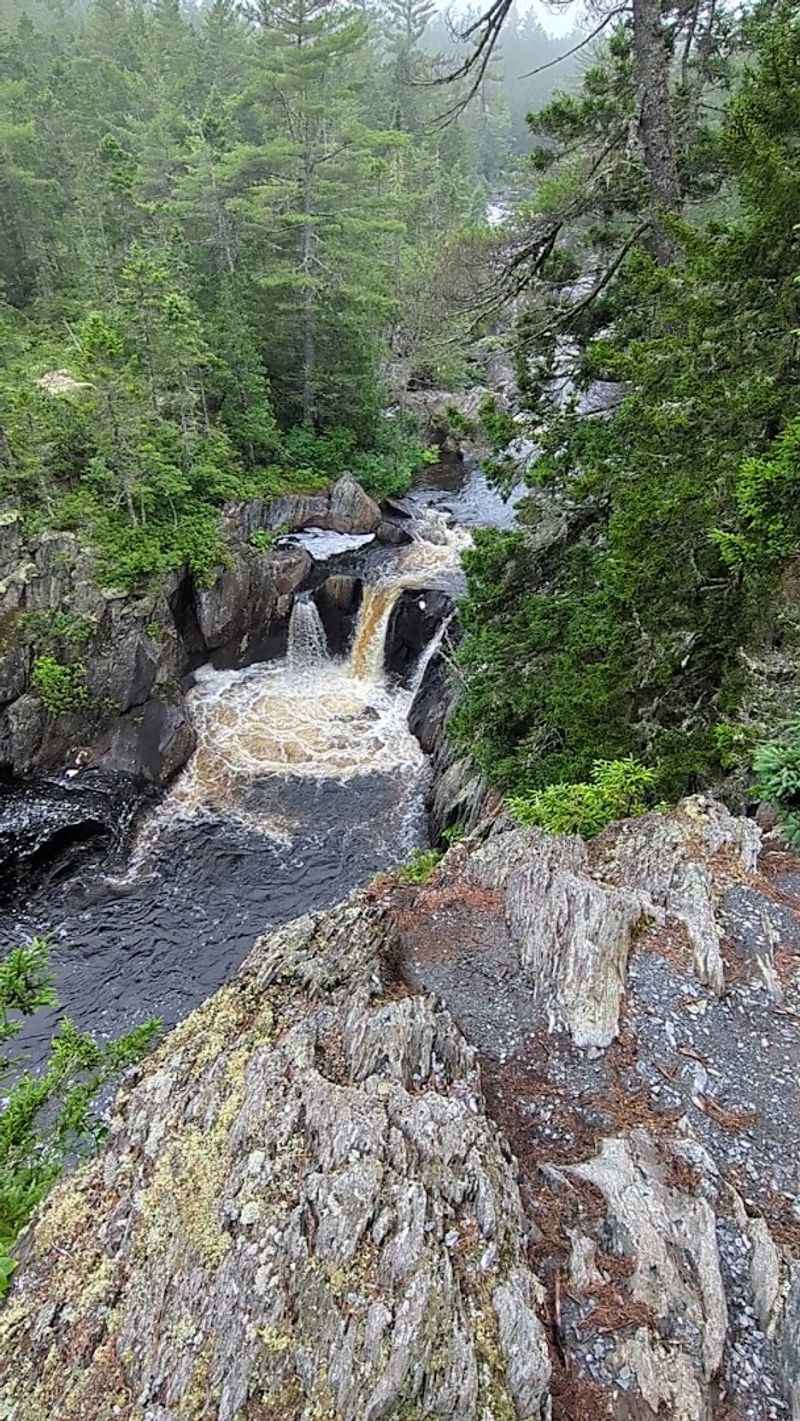
Not every hiking trail can claim a title like this. Gulf Hagas is officially designated as a National Natural Landmark by the National Park Service, a recognition reserved for places of outstanding ecological and geological significance across the United States.
That designation reflects just how rare and remarkable this gorge truly is. The combination of exposed slate bedrock, dramatic elevation changes, and a pristine river corridor makes Gulf Hagas a textbook example of how glacial and river forces shaped the Maine landscape over thousands of years.
The designation recognizes the gorge’s national geological significance, while conservation agreements and land-management protections help preserve the surrounding landscape.
Visitors often describe the sensation of feeling like the first person to ever discover the place, especially during quieter weekdays in early autumn.
For geology enthusiasts and nature lovers alike, walking through a federally recognized natural landmark adds an extra layer of meaning to an already extraordinary outing.
The Rim Trail Experience
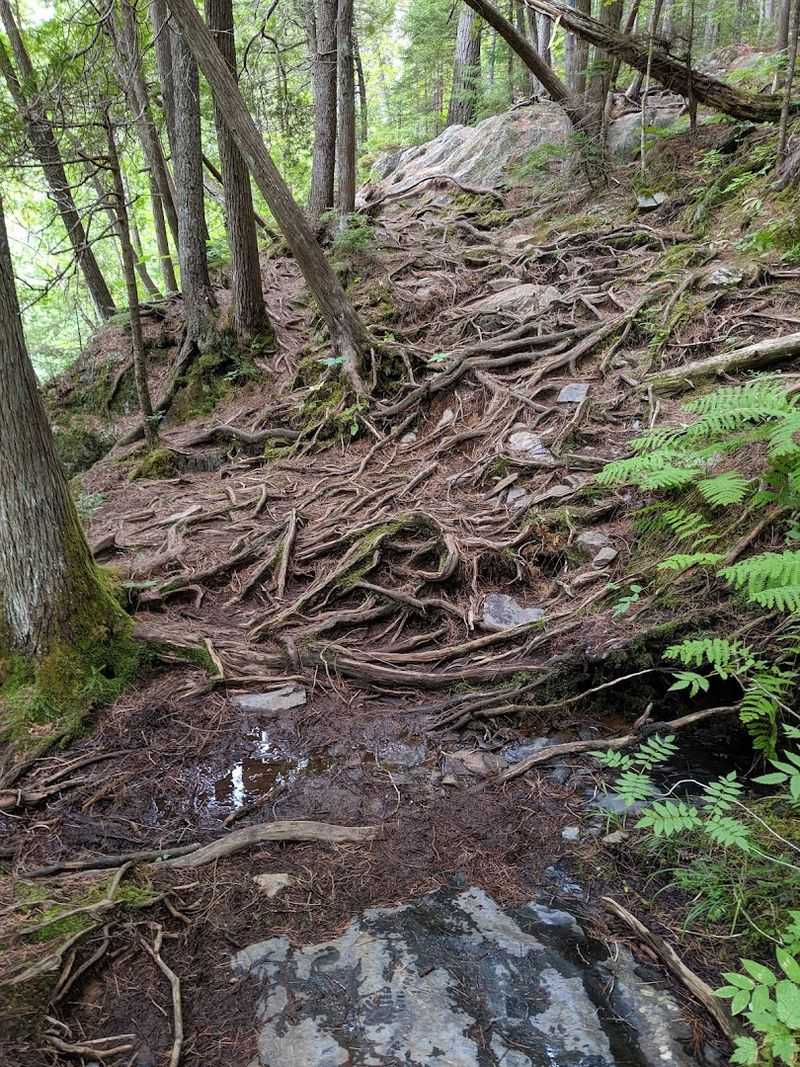
The Rim Trail is the heart of any Gulf Hagas adventure, and it does not sugarcoat its challenges. Running along the top edge of the gorge for roughly three miles, the trail offers a series of overlooks that reveal the canyon from dramatically different angles as you move through the forest.
Roots, rocks, and uneven terrain keep hikers on their toes the entire way. There are sections where you are literally pulling yourself up tree roots to gain elevation, and moments where the trail narrows to a ledge with the gorge dropping sharply just a few feet to your side.
It is thrilling in the best possible way.
Most hikers combine the Rim Trail with the Pleasant River Tote Trail to complete a full loop ranging from about eight to twelve miles depending on the access point.
Downloading a trail map before you arrive is strongly recommended since phone service is essentially nonexistent once you are deep inside the North Maine Woods.
The River Crossing That Starts The Adventure
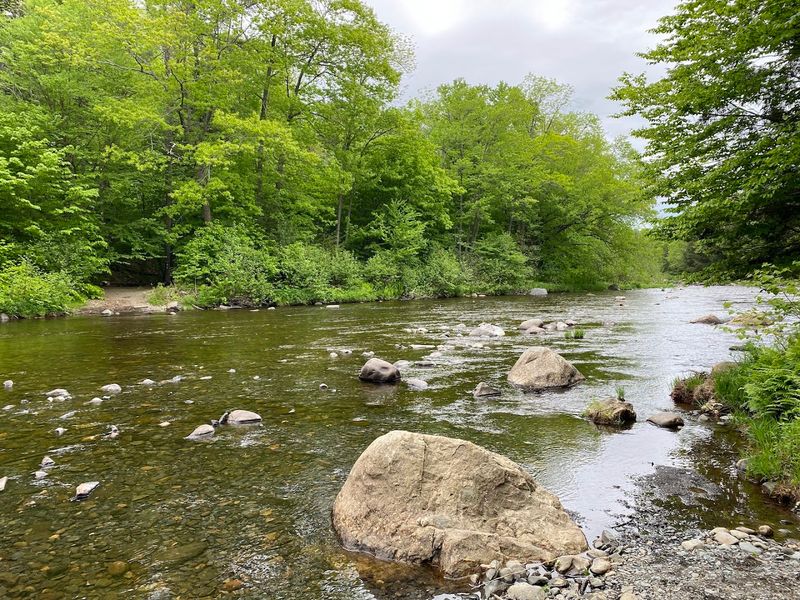
Starting your Gulf Hagas hike from the lower Gulf Hagas Parking Area means one thing right from the beginning: getting your feet wet. The trail kicks off with a ford across the West Branch of the Pleasant River, and there is no bridge to make it polite or easy.
Water depth varies considerably depending on the season and recent rainfall. In spring and early summer, the crossing can be knee-deep and fast-moving, making it a genuine test of balance and nerve.
Bringing an extra pair of shoes or waterproof sandals specifically for the crossing is one of the smartest things you can do.
Hikers who prefer to skip the water entry entirely can access the gorge from the Upper Gulf Parking Area, which avoids the crossing altogether. Both options eventually connect to the same trail network.
That said, there is something oddly satisfying about starting the hike with a river crossing, as if the gorge is making you earn your entrance before revealing its full splendor.
Bugs Are Part Of The Deal
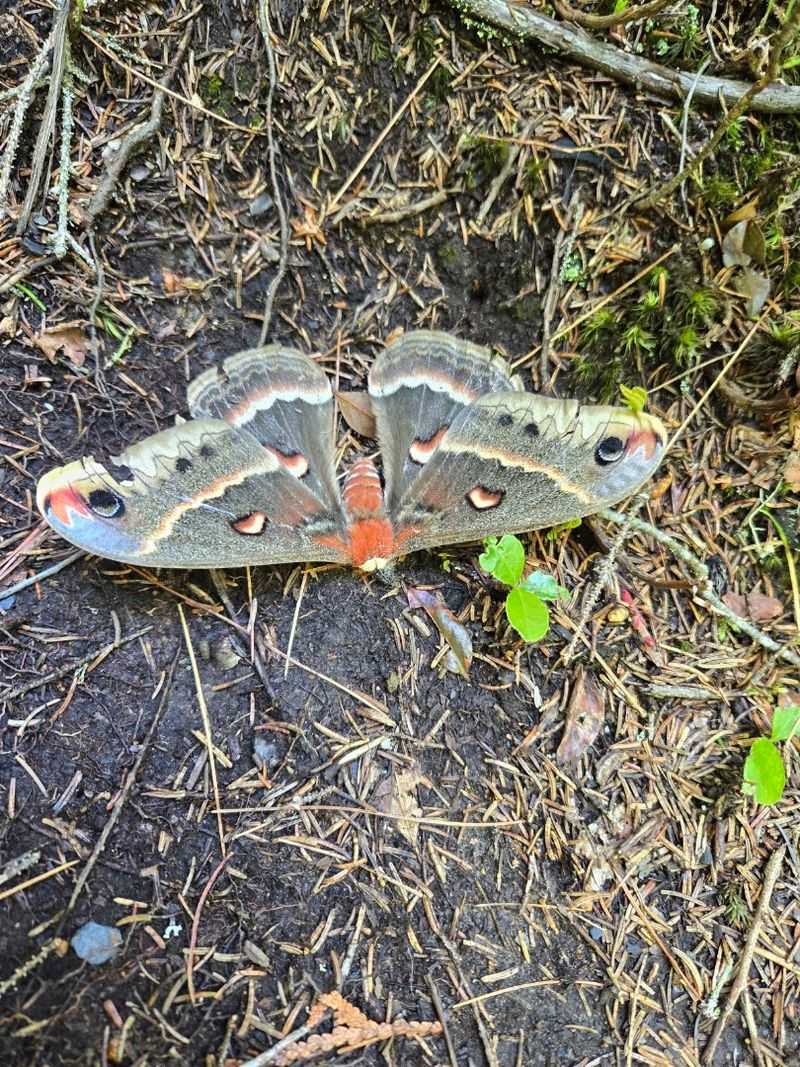
Fair warning: Gulf Hagas is one of the most beautiful places in Maine, and it is also home to some of the most aggressive insects in the state. Mosquitoes and black flies are a serious presence, particularly from late May through mid-July, and they will find you no matter how still you try to stand.
Bug repellent is not optional here, it is essential gear. Many experienced hikers also recommend wearing a bug net hat, which keeps the flies out of your face during rest stops and overlook moments when you actually want to pause and enjoy the view without waving your arms constantly.
Visiting in late summer or early fall dramatically reduces the insect situation. September and October bring cooler air, fewer bugs, and the added bonus of brilliant foliage turning the forest into a canvas of red, orange, and gold above the gorge.
Timing your visit wisely can transform the experience from a battle against bugs into a genuinely peaceful walk through one of Maine’s most stunning landscapes.
Swimming Holes Hidden Along The Way
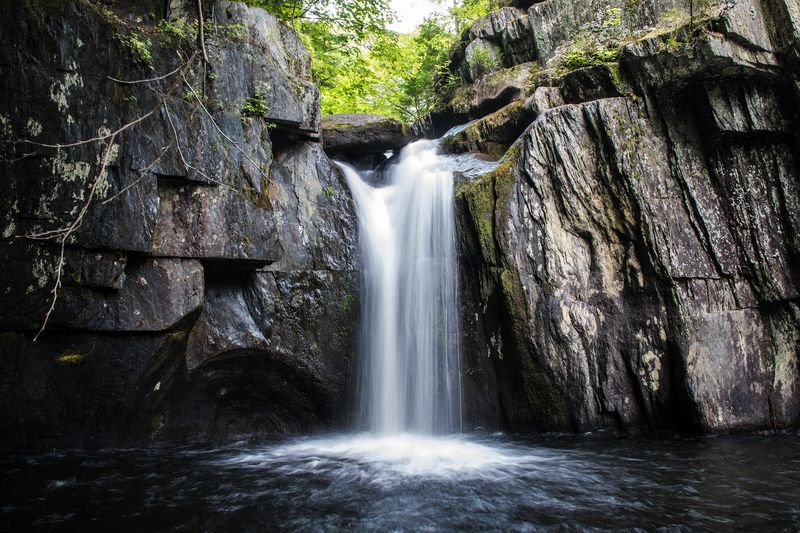
Among the many rewards waiting along the Gulf Hagas trail are the natural swimming holes scattered throughout the river corridor. After miles of rugged hiking in summer heat, stumbling upon a clear, cool pool of water tucked between slate ledges feels like finding a secret reward left just for you.
The pools range from shallow wading spots to deeper sections where confident swimmers can fully submerge and feel the cold river water wash away every ounce of trail fatigue.
The water stays refreshingly cold even in midsummer, thanks to the shaded canyon walls and the river’s northerly origins deep in the Maine woods.
Families with children particularly enjoy these spots, as some of the calmer pools offer safe and accessible wading that kids absolutely love. Just be aware that certain areas near the falls can have strong currents, so choosing your swimming spot carefully matters.
Pack a towel, bring plenty of drinking water, and plan extra time in your itinerary for spontaneous dips along the way.
Getting In Requires Paying A Fee
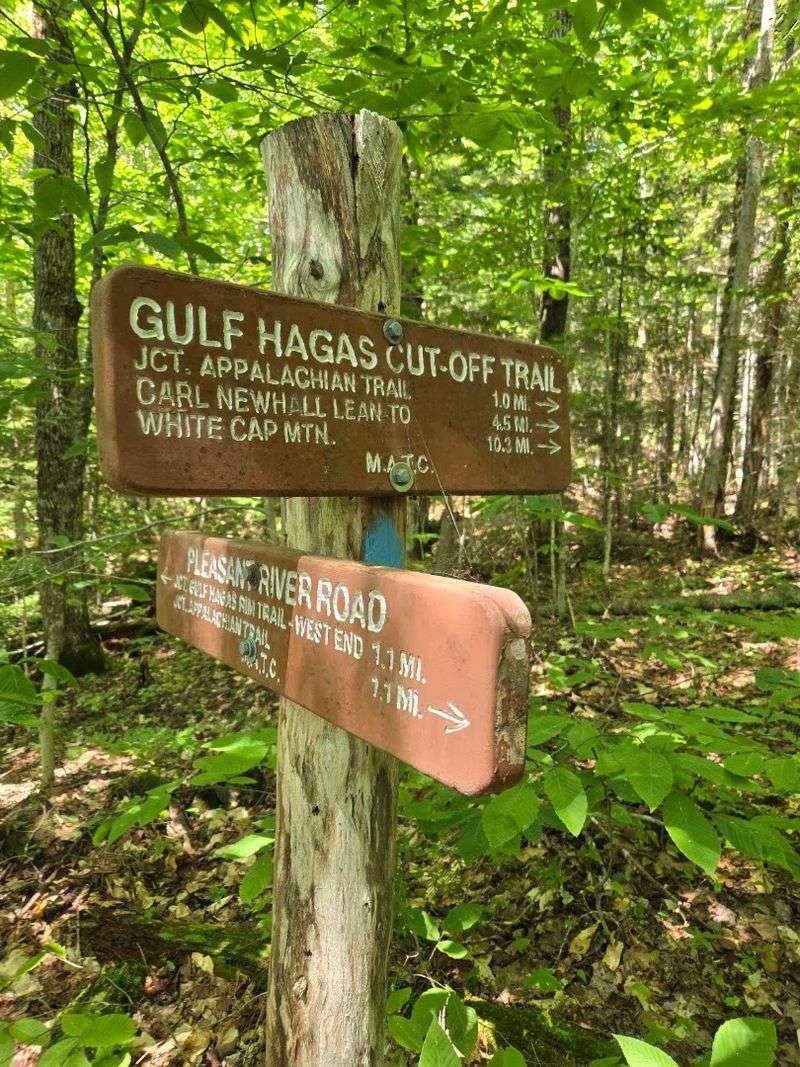
Gulf Hagas sits within privately owned timberland managed by logging companies, which means public access comes with a price tag.
To reach the trailhead, visitors must pass through either the Jo-Mary checkpoint or the Katahdin Iron Works gate, where a per-person usage fee is collected. The fee helps fund road maintenance and land access programs.
Cash has traditionally been the preferred payment method at these gates, so arriving with enough cash on hand is a smart move. The fee can feel steep compared to state park entry costs, but it funds the road infrastructure that makes accessing this remote wilderness possible at all.
The dirt roads leading to the trailhead are long, rutted, and full of potholes, so a vehicle with decent ground clearance is helpful. The checkpoint staff are typically knowledgeable and can offer basic orientation information.
Think of the fee and the rough road as the first two tests of your commitment, because the gorge waiting at the end makes both completely worthwhile.
The Best Season On The Rim
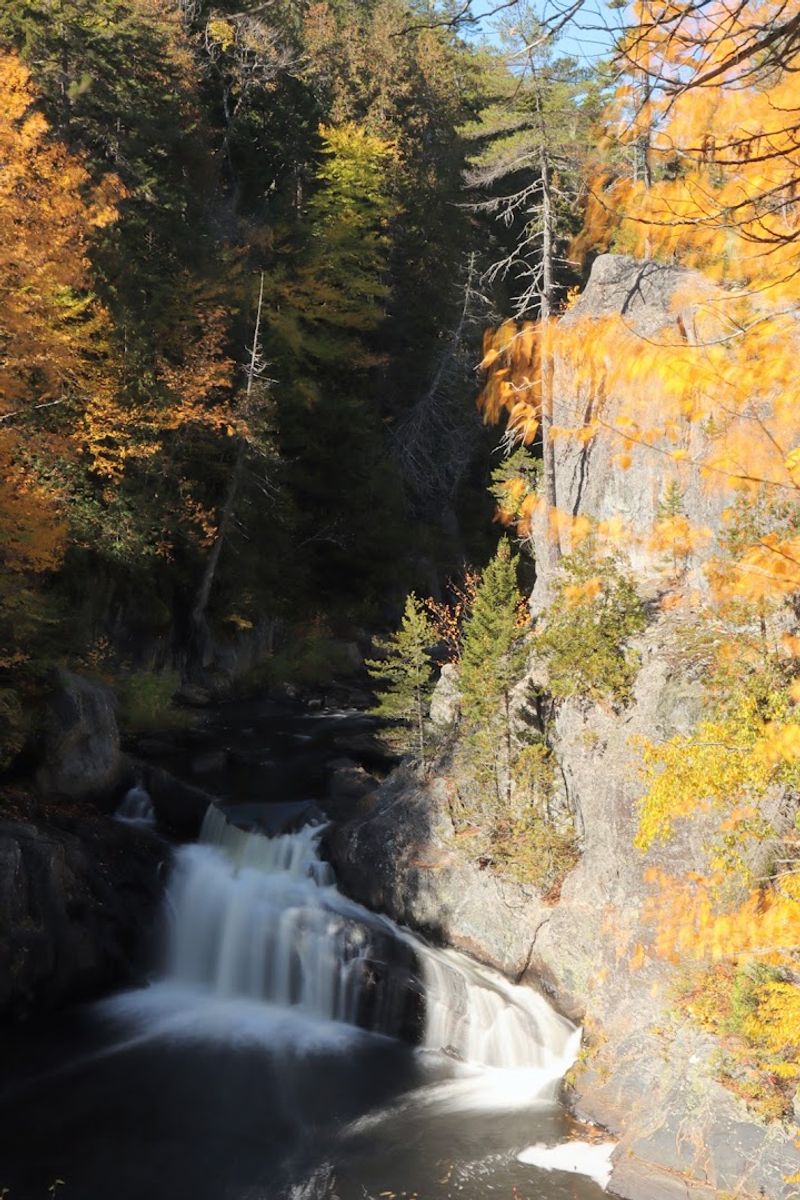
If you want Gulf Hagas at its most visually stunning, plan your trip for September or October. The foliage transformation in Maine’s North Woods is extraordinary under any circumstances, but framing it against the dark slate walls of a deep river gorge takes the whole experience to another level entirely.
Cooler temperatures make the physical demands of the trail much more manageable. The bugs have thinned out considerably, the light filters through the canopy at a golden angle that photographers dream about, and the river runs at a cleaner, clearer level than during the muddy spring thaw.
Trail conditions in fall tend to be drier overall, though wet leaves on slate can still be slippery, so grip-friendly footwear remains a must. Weekdays in September offer the quietest experience, when the forest feels almost entirely your own.
Watching autumn color pour over the gorge rim and shimmer on the river surface below is the kind of sight that makes you want to cancel everything else on your calendar and just stay.
Keep Watch Along The Road
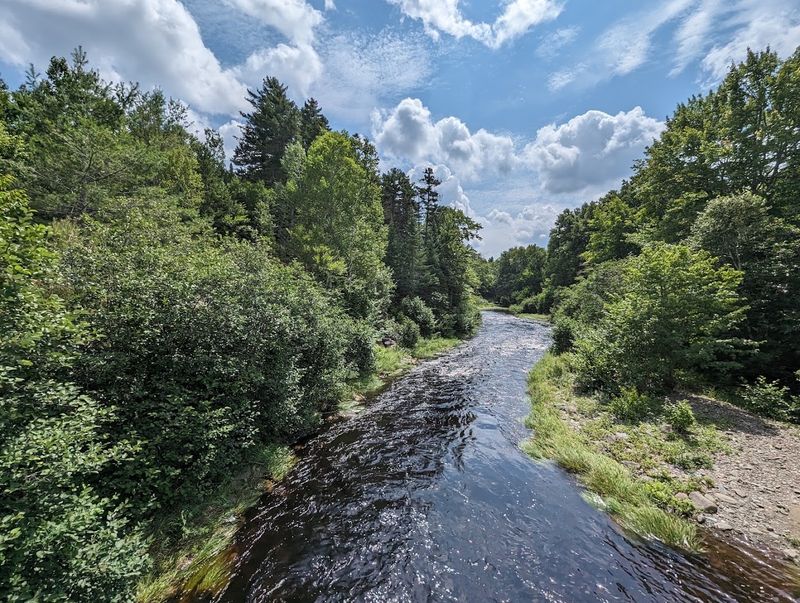
Getting to Gulf Hagas means driving deep into the Maine wilderness, and that drive itself can become an unforgettable part of the experience.
Moose sightings along the logging roads are genuinely common, particularly in the early morning and evening hours when these massive animals move out of the tree line to graze.
Inside the gorge and surrounding forest, the biodiversity is impressive. Warblers, thrushes, and a variety of other bird species fill the canopy with sound throughout spring and summer.
Beaver activity is visible along quieter stretches of the river, and white-tailed deer are frequently spotted near the trailhead area.
The wider Maine North Woods forms one of the largest expanses of largely unfragmented forest in the eastern United States, although much of the region is actively managed timberland.
Driving slowly on the dirt roads, keeping your eyes open, and treating every mile as part of the adventure rather than just a means to the trailhead will make your Gulf Hagas trip genuinely unforgettable from start to finish.